Can A California Neighbor Force You To Remove A Tree That Blocks Their View
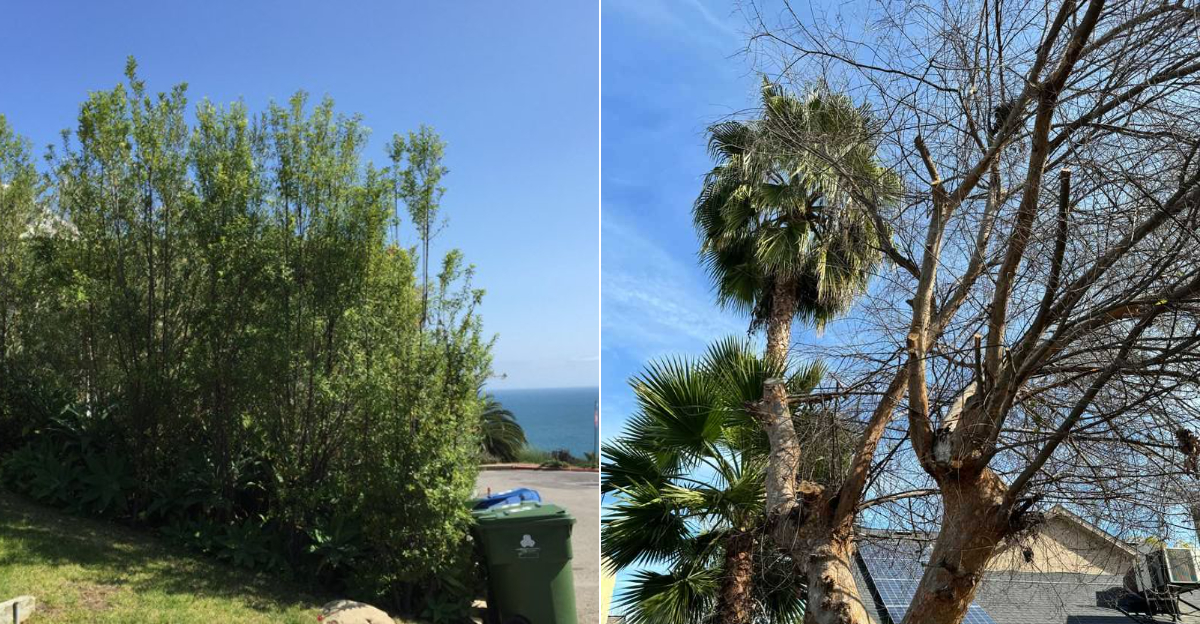
A tree with a great canopy can feel like a prize in one yard and a problem in another. In California, view disputes can get emotional fast, especially in hillside neighborhoods or homes near the coast.
A neighbor may complain that branches block sunlight, scenery, or the view they paid for. But that does not always mean they can force removal.
The answer often depends on local ordinances, HOA rules, easements, and the type of tree involved. A protected tree may be treated very differently than an ordinary landscape tree.
Timing can matter too if the tree was planted after a view rule was already in place. Before anyone starts trimming or threatening legal action, it helps to know where California property rights usually begin and where they stop.
1. California Does Not Give Every Homeowner A Right To A View
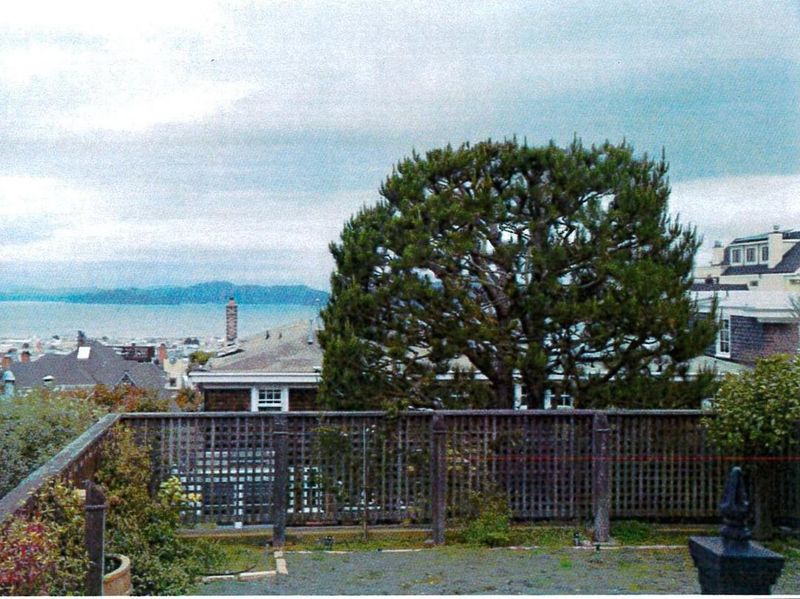
Many people assume that living in a place with beautiful scenery automatically gives them the legal right to enjoy it without obstruction.
That assumption can lead to a lot of disappointment when a neighbor’s tree grows tall enough to block the view.
In California, there is no general law that protects a homeowner’s right to a view.
Unlike rights to sunlight or air, a scenic view is not considered a legal property right under California state law.
That means your neighbor is not automatically breaking any rule just because their tree is growing in your sightline.
Courts here have consistently ruled that property owners do not have a natural right to a view across someone else’s land.
Unless a specific local ordinance or legal agreement says otherwise, the tree owner has every right to let their tree grow.
This can feel deeply unfair, especially when you paid a premium for a home with a stunning view.
The good news is that the law is not completely closed on this topic. There are specific situations where you may have some legal options.
But those situations depend on local rules, written agreements, or special legal circumstances. Simply losing a view because a tree grew tall is generally not enough to force a removal.
Knowing this upfront helps you focus your energy on the options that actually have a chance of working in your favor.
2. Local View Ordinances Can Change The Answer
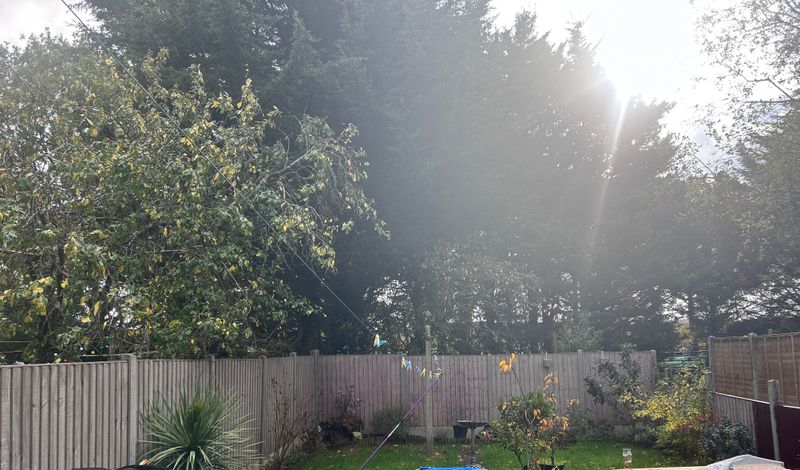
Here is where things get interesting. Even though state law does not protect views, some cities and counties have passed their own local ordinances that do.
These rules vary widely from one city to the next, so where you live matters a lot.
Cities like Los Angeles, Rancho Palos Verdes, and Malibu have specific view protection ordinances on the books. These local laws can require tree owners to trim or even remove trees that block a neighbor’s view, under certain conditions.
Some ordinances apply only to trees planted after a certain date, while others cover any vegetation regardless of age.
In Rancho Palos Verdes, for example, the city has a detailed view restoration process. A neighbor can file a complaint, and the city may order the tree owner to trim the vegetation to a specific height.
Your California Garden Changes Every Week. Your Plan Should Too.
Gardening in California changes quickly throughout the season. Every Friday you’ll receive a simple weekly plan showing exactly what to plant, prune, fertilize, harvest, and protect so you never miss the right timing.
The process includes inspections, hearings, and sometimes appeals. It is a real legal process with real consequences for the tree owner.
If you live in a city with one of these ordinances, your neighbor may actually have the legal standing to demand action. The first step is to check your city or county’s municipal code.
You can often find it online or by calling your local planning department. Do not assume your city has no such rule without checking.
Local ordinances are the most common way view disputes get resolved in California.
3. HOA Rules May Protect Views More Than State Law
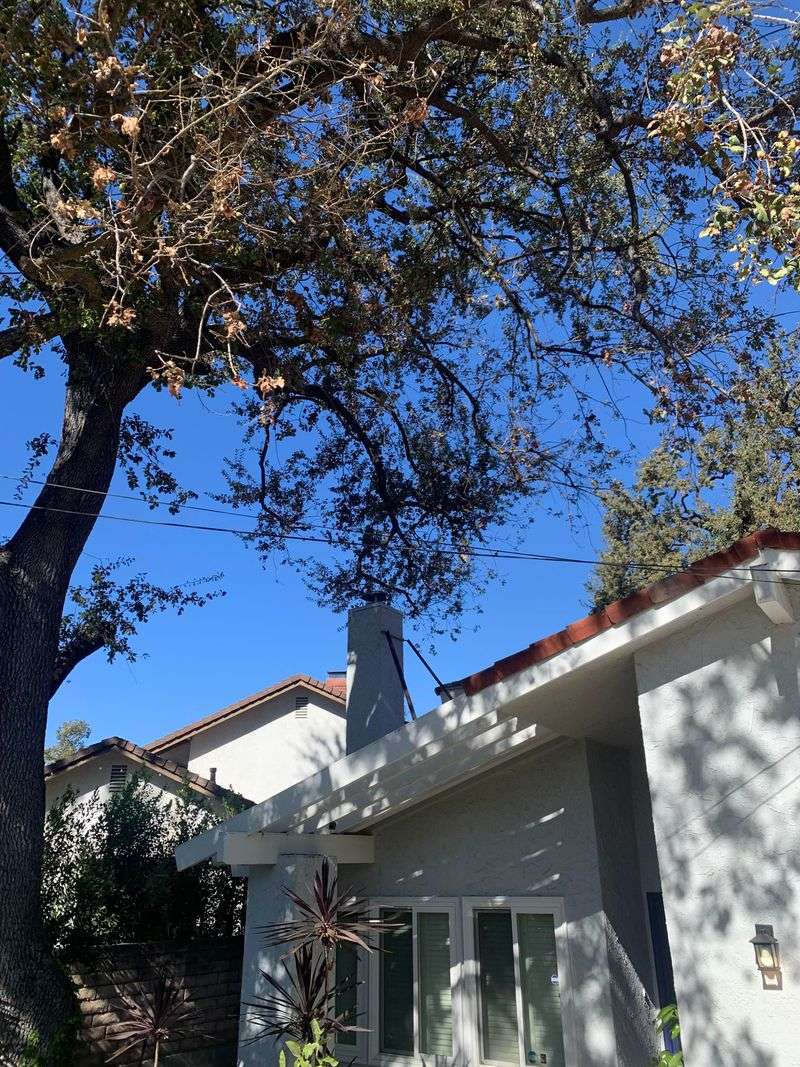
If you live in a planned community or subdivision, your homeowners association might already have rules that address this exact situation.
HOA governing documents often go further than state law when it comes to protecting views and managing landscaping.
Many HOAs in California include provisions about tree height, vegetation maintenance, and view corridors. These rules are part of the CC&Rs, which stands for Covenants, Conditions, and Restrictions.
When you buy a home in an HOA community, you agree to follow these rules. So does your neighbor.
If your neighbor’s tree violates the HOA’s height or view rules, you can file a complaint with the HOA board. The board then has the authority to require the tree owner to trim or remove the tree.
This is often faster and less expensive than going through the court system or waiting for a city ordinance process.
That said, HOAs are not perfect enforcers. Some boards are slow to act, or they may not have clear rules about views.
If the CC&Rs are vague or silent on the topic, you may not get far. Reading your HOA documents carefully is essential before you file any complaint.
You can also propose new rules at an HOA meeting if the current ones do not cover your situation. HOA enforcement is one of the more practical tools available to homeowners dealing with a view-blocking tree.
4. A View Easement Gives The Strongest Legal Protection
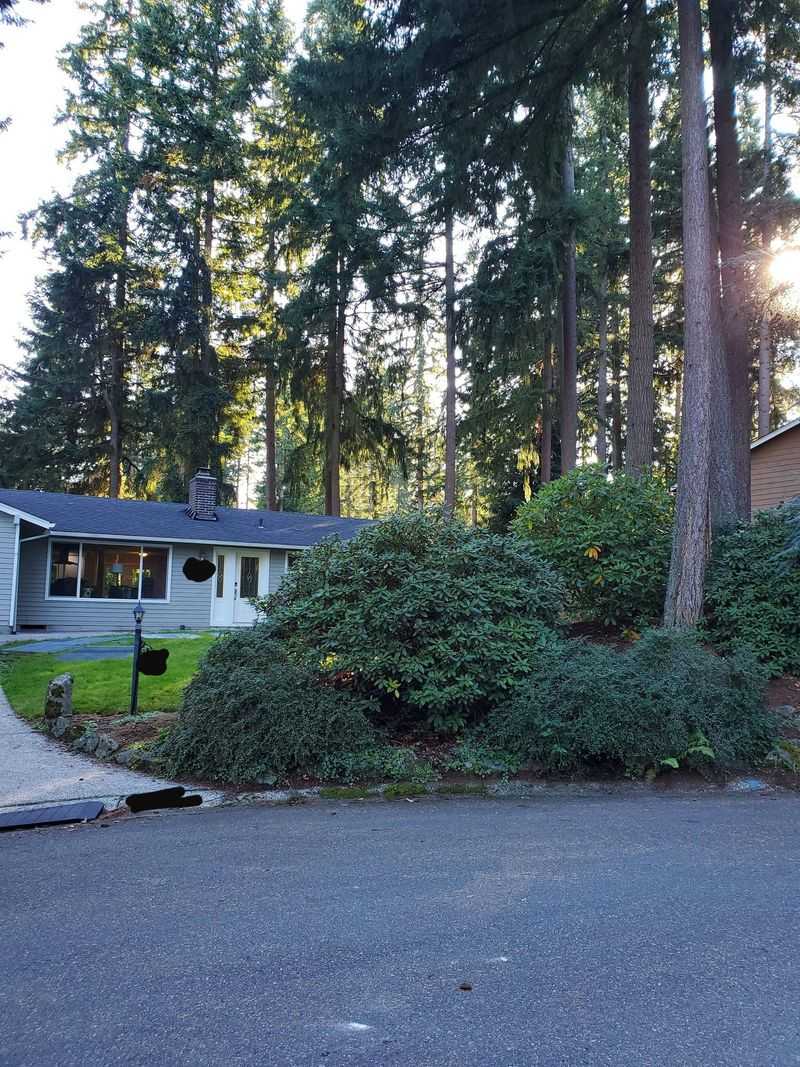
Of all the legal tools available in a view dispute, a view easement is the most powerful. It is a written legal agreement that gives one property owner the right to an unobstructed view across another property.
Once recorded, it runs with the land and binds future owners too.
A view easement is usually created when a property is sold or developed. The developer or seller may grant the buyer a view easement as part of the deal.
Sometimes neighbors negotiate and record one privately. Either way, it must be in writing and properly recorded with the county recorder’s office to be legally enforceable.
If your property has a view easement, you have a strong legal claim if a neighbor’s tree blocks the protected view. You can send a formal demand letter, and if the neighbor refuses to act, you can take the matter to court.
Courts take recorded easements seriously and have ordered tree removal in these cases.
The tricky part is that most homeowners do not have a view easement. They are not automatic.
You have to check your property’s title documents to find out if one exists. A real estate attorney or title company can help you search the records.
If you do not have one and you want one, you would need to negotiate it with your neighbor, which is not always easy. But if you do have one, it is your strongest card to play in any view dispute.
5. Spite Trees Are Treated Differently Than Normal Trees
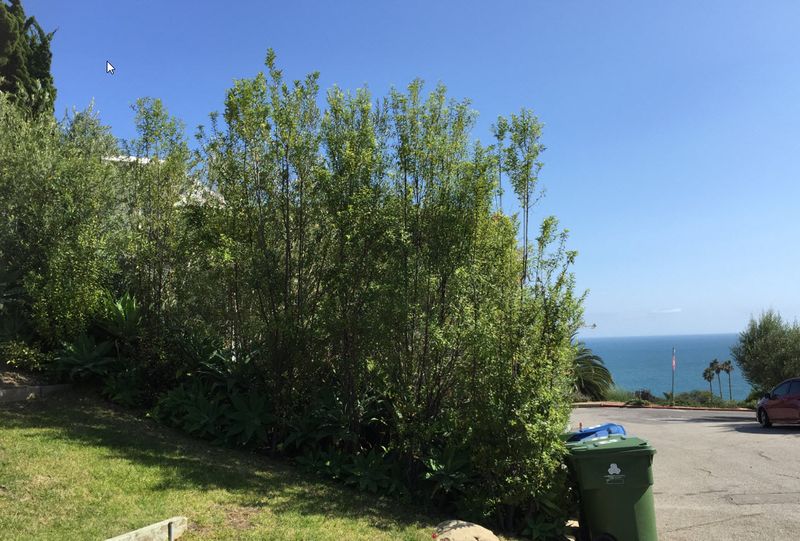
Not every tree dispute is about an innocent tree that just happened to grow too tall. Sometimes a neighbor plants trees specifically to block your view out of anger or revenge.
These are called spite trees, and the law treats them differently.
Under California Civil Code Section 841.4, it is illegal to plant or maintain a tree or hedge with the specific purpose of annoying a neighbor. This is sometimes called the spite fence law, and courts have applied it to trees as well.
If you can prove that your neighbor planted trees with the intent to harm you, you may have a legal claim.
Proving intent is the hard part. You would need evidence that the neighbor acted out of malice rather than a legitimate reason.
Text messages, emails, or witness statements showing the neighbor admitted their intent can help. The timing of the planting, especially right after a dispute, can also be relevant evidence in court.
If a court finds that the trees were planted out of spite, it can order the neighbor to remove them.
This is one of the few situations where a neighbor can actually be forced to remove trees that block a view, even without a local ordinance or easement.
It is not a common outcome, but it does happen. If you believe your neighbor acted spitefully, consulting with an attorney is a smart first step before taking any action on your own.
6. Blocked Views Are Not The Same As Property Damage
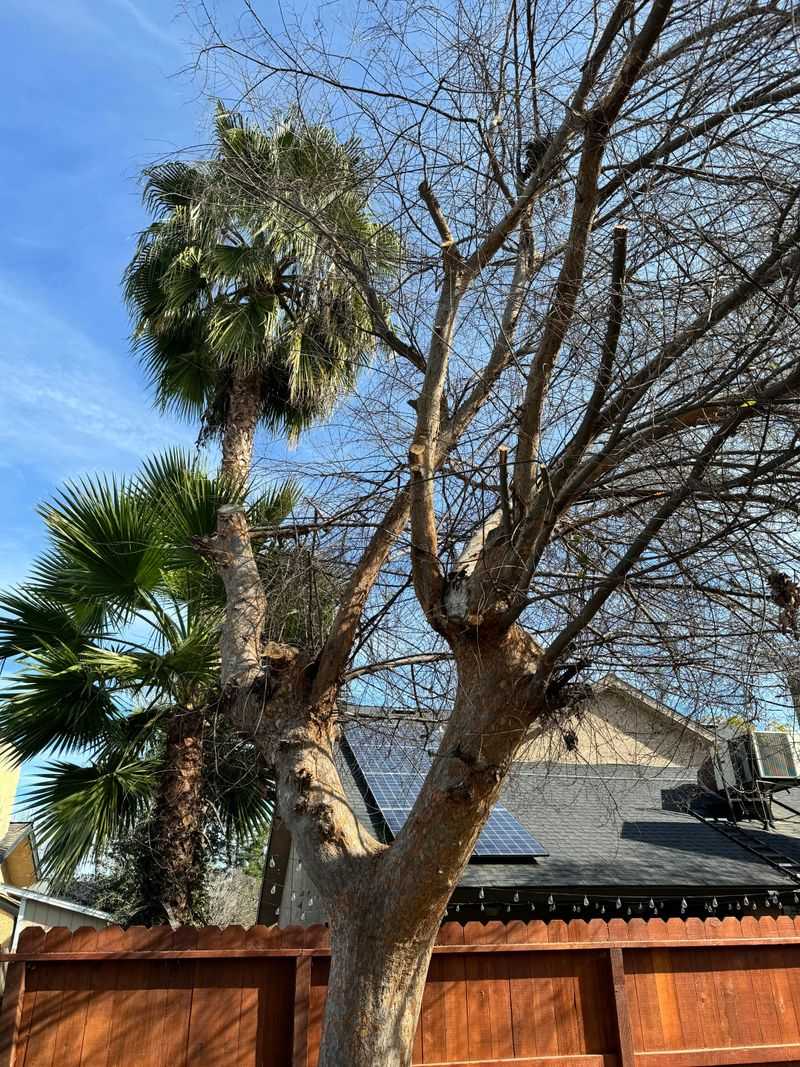
One of the most common mistakes people make in tree disputes is assuming that a blocked view counts as property damage. It does not, at least not in the legal sense.
Losing a view can feel like a huge loss, especially if it affected your home’s value. But feelings and legal facts are two different things.
Property damage in a legal context usually means something physical. A tree that drops branches on your roof, lifts your driveway with its roots, or causes structural harm to your home is causing actual damage.
That gives you much stronger legal standing to demand action or seek compensation.
A blocked view, on the other hand, is considered an aesthetic loss. Courts in California have generally not treated the loss of a view as compensable property damage on its own.
Even if your home’s market value dropped because the view is gone, that alone typically does not create a legal claim against the tree owner.
This distinction matters because it shapes what kind of legal action you can actually pursue. If you try to sue for property damage when all you have is a blocked view, your case is likely to be dismissed.
Focus instead on the tools that actually apply to view disputes, such as local ordinances, HOA rules, or easements.
Understanding this difference early can save you from wasting money on legal action that has little chance of success in court.
7. Overhanging Branches Can Be Trimmed At The Property Line
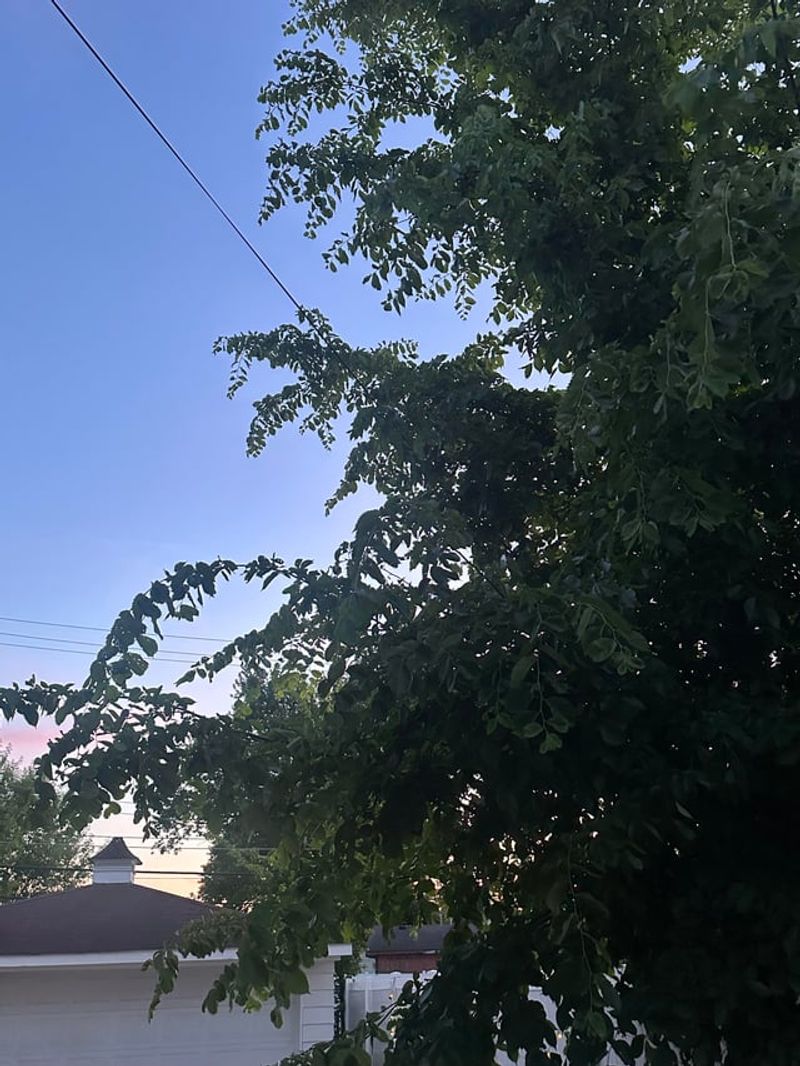
Even if you cannot force your neighbor to remove a tree, you do have one clear legal right. Any branches or roots that cross the property line onto your land can be trimmed back to the boundary.
This is a well-established rule in California property law. You do not need your neighbor’s permission to trim branches that hang over your property. You can do it yourself or hire someone to do it for you.
However, there are some important limits to keep in mind. You can only trim up to the property line.
You cannot go onto your neighbor’s property to do the trimming without permission.
Also, you must be careful not to harm the tree in a way that causes it to weaken or become unhealthy. If your trimming harms the tree significantly, your neighbor could have a legal claim against you.
It is always a good idea to consult with a certified arborist before making major cuts, especially near the trunk or main limbs.
Trimming back overhanging branches is often more about safety and property maintenance than view restoration.
Removing branches on your side of the line may not open up much of the view if the main body of the tree is on the neighbor’s side.
Still, it is a practical and legal option that you can act on without waiting for legal proceedings. Knowing your trimming rights puts some control back in your hands right away.
8. Tree Removal Usually Requires More Than Lost Scenery
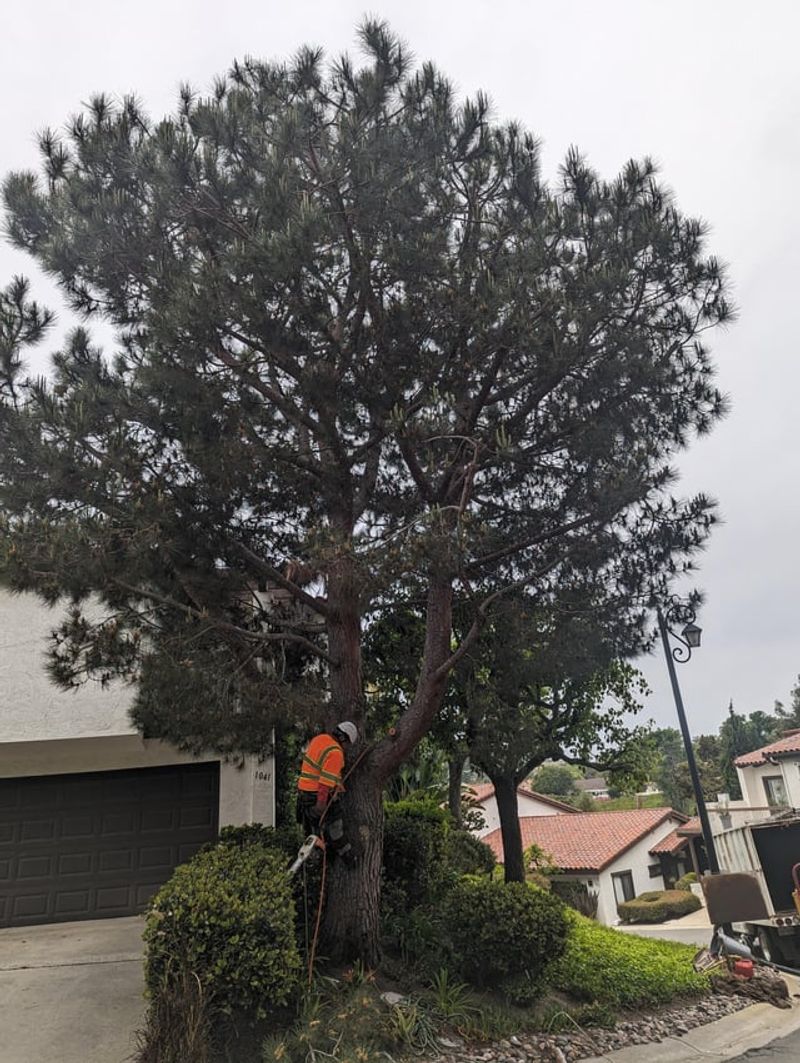
When all is said and done, getting a neighbor’s tree actually removed is a high bar to clear. Courts and local agencies do not order tree removal lightly.
There usually needs to be a compelling legal reason beyond simply losing a nice view.
The strongest cases for forced removal involve a recorded view easement, a clear violation of a local view ordinance, or proof that the tree was planted out of spite. Without one of those elements, most legal complaints about blocked views do not lead to removal orders.
Trimming is far more common than full removal as a required remedy.
Even when a local ordinance applies, the city may only require trimming to a certain height rather than full removal. The goal of most view ordinances is restoration, not elimination of the tree.
That means the tree may stay, just managed more carefully going forward.
Before spending money on legal fees, try talking to your neighbor first. Many disputes get resolved through honest conversation and a little compromise.
Offering to split the cost of professional trimming is often enough to reach an agreement. If talking does not work, mediation is a less expensive option than going to court.
Community mediation centers in California often handle neighbor disputes for free or at low cost.
Exploring those options before filing any legal claim is almost always the smarter and faster path to a resolution that works for everyone involved.