What North Carolina Gardeners Do To Get Panicle Hydrangeas That Put On A Real Show In Summer
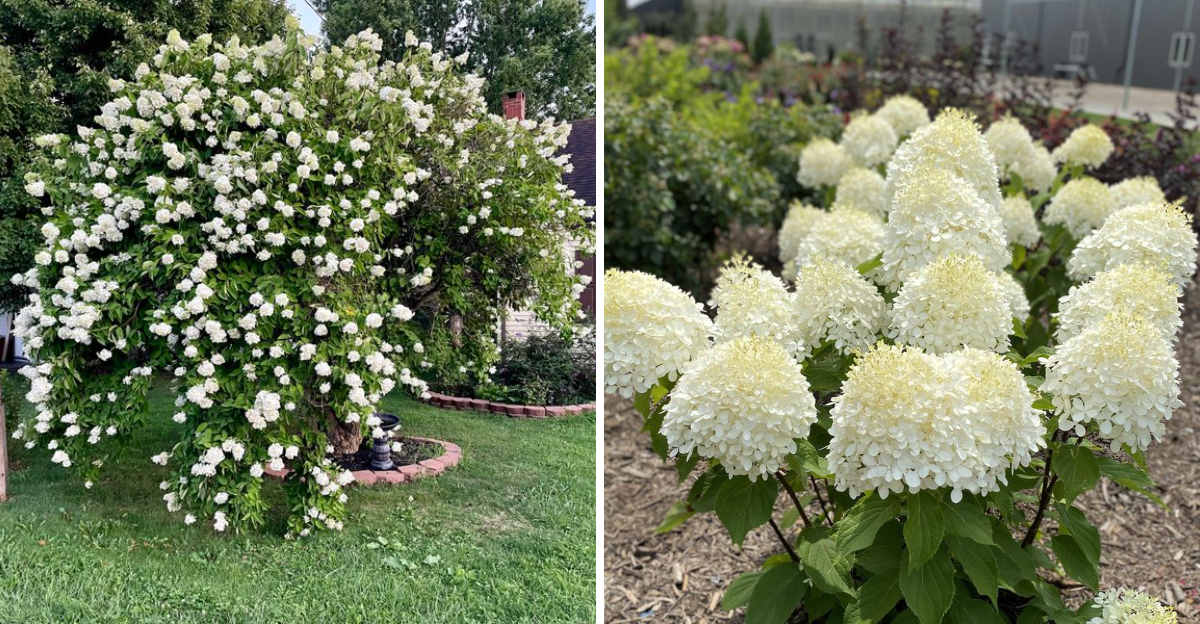
Two panicle hydrangeas planted in the same North Carolina neighborhood, same variety, same year.
One of them is loaded with giant cone-shaped flower heads from July through September. The other produces a handful of small, underwhelming blooms and spends most of summer looking like it has somewhere else it would rather be.
Same plant. Completely different results.
Panicle hydrangeas have a reputation for being tough, and that reputation is earned. They handle North Carolina’s heat, humidity, and clay-heavy soil better than most hydrangea types. But tough does not mean indestructible, and it definitely does not mean automatic.
Have you ever looked at a panicle hydrangea in August and wondered why the flower heads are smaller than the catalog suggested they would be?
The gap between a spectacular summer display and a forgettable one almost always traces back to the same handful of decisions. Placement. Pruning timing. Watering depth. Spacing.
These eight habits separate the jaw-dropping July blooms from the flat, disappointing ones.
1. Give Panicles Morning Sun
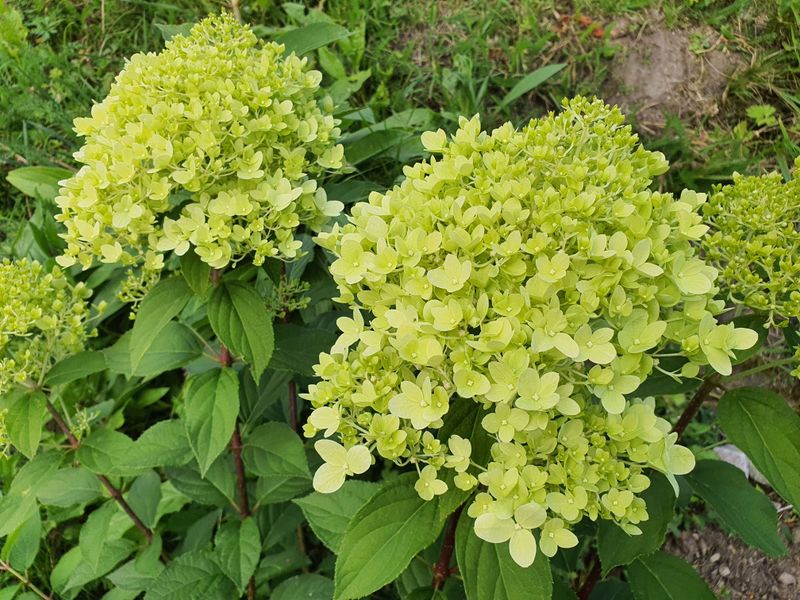
Bright morning sun is one of the most important factors behind a fully loaded panicle hydrangea.
Unlike mophead varieties that prefer shade, Hydrangea paniculata is a genuine sun-lover that needs real light to push out those large, showy flower cones.
When a panicle hydrangea gets strong direct light from sunrise through midday, it builds the energy reserves needed to produce full, dense flower heads.
Plants sitting in too much shade grow tall and leggy, pushing out more leaves than flowers. The blooms that do appear are often smaller and less vibrant than those on a well-positioned plant.
East-facing beds are a sweet spot in North Carolina gardens. The plant absorbs several hours of strong, direct sun before afternoon heat arrives.
That setup delivers exactly what the shrub needs without the added stress of baking in full summer sun from noon onward.
Positioning matters more than most gardeners realize when planning a panicle hydrangea bed.
A shrub on the south or west side of a building may receive plenty of light, but the intensity of afternoon rays in July and August adds heat stress that compounds over the season.
Have you walked your yard at different times of day to understand where light actually falls during summer? The answer changes significantly between nine in the morning and three in the afternoon.
Starting with morning sun sets the plant up for reliable, showy blooms year after year without extra coddling.
2. Offer Afternoon Shade In Hot Spots
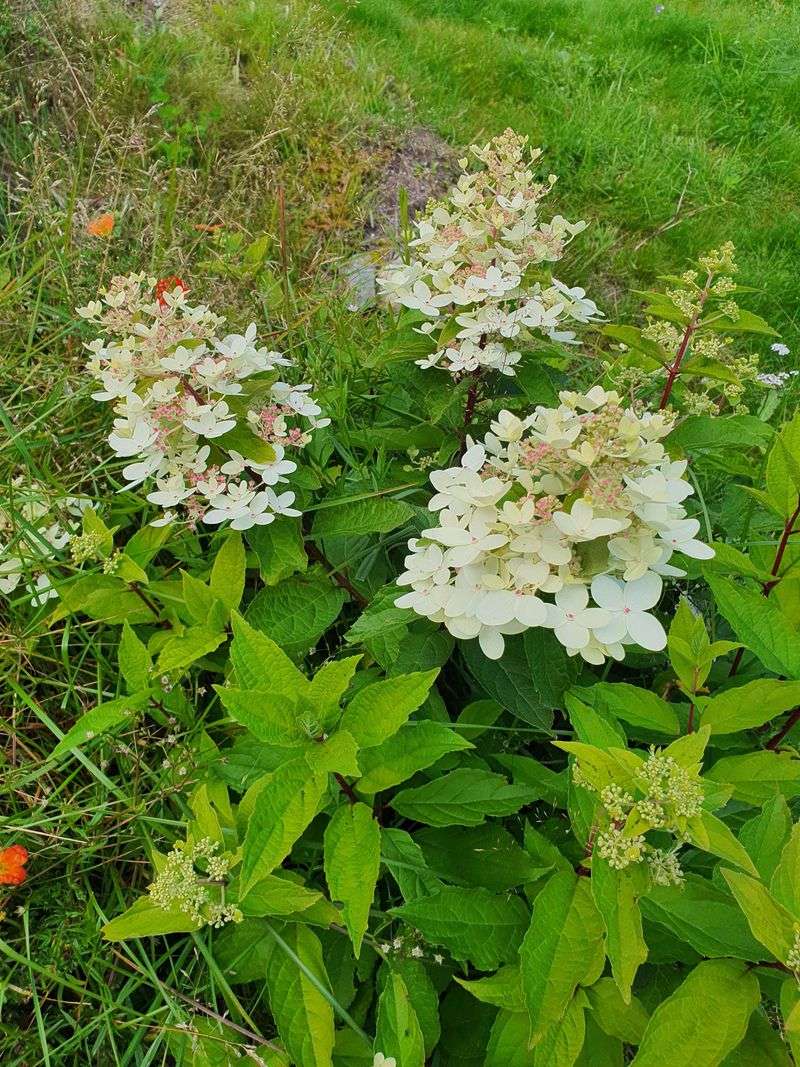
North Carolina summers are not mild. Temperatures in the Piedmont and coastal plain regularly climb past ninety-five degrees in July and August, and that kind of sustained heat taxes even a tough panicle hydrangea when relief never arrives.
Afternoon shade works like a built-in cooling system.
When the sun is at its most intense between one and five in the afternoon, shade from a nearby tree, fence, or building reduces leaf temperature and slows moisture loss. Plants that stay cooler in the afternoon require less water overall and recover faster after dry stretches.
Your North Carolina Garden Changes Every Week. Your Plan Should Too.
Gardening in North Carolina changes quickly throughout the season. Every Friday you’ll receive a simple weekly plan showing exactly what to plant, prune, fertilize, harvest, and protect so you never miss the right timing.
Deep, heavy shade is not necessary or beneficial. Light, dappled shade from an open-canopy tree takes the edge off afternoon intensity while still allowing the morning sun exposure that drives bloom production.
Many North Carolina gardeners have noticed that panicle hydrangeas planted on the east side of a structure consistently outperform those on the south or west side, even when total daily light hours are similar.
Do you know which side of your house receives afternoon shade in July and which side bakes until sundown? That knowledge changes where a panicle hydrangea belongs in the garden entirely.
The quality and timing of light matter as much as the quantity. A plant that gets morning sun and afternoon protection is set up for a full, spectacular summer display.
The shade is not protecting the plant from the sun. It is protecting the blooms you are waiting to see.
3. Prune In Late Winter Or Spring
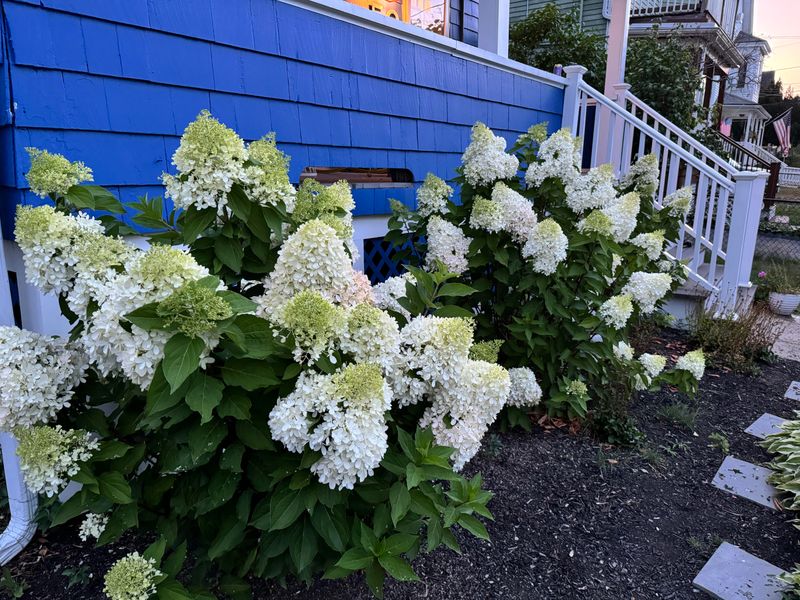
Pruning at the wrong time is one of the most consistent reasons panicle hydrangeas underperform in North Carolina gardens.
Gardeners familiar with other hydrangea types often carry over timing habits that actively work against panicle varieties.
The rule for Hydrangea paniculata is straightforward. Prune in late winter or early spring before new growth begins. Late February through early March covers most of North Carolina’s timing window.
Panicle hydrangeas bloom on new wood. The flower buds form on stems that grow during the current season.
Pruning in summer or fall removes the very growth that would have carried those blooms. Summer pruning feels productive and produces nothing useful for the following season.
A harder prune, cutting stems back to two or three buds from the base, encourages fewer but considerably larger flower cones.
A lighter prune produces more blooms that are slightly smaller in size. Most North Carolina gardeners find that removing about one-third of the previous year’s growth produces a strong balance of cone size and quantity.
Clean, sharp bypass pruners make smooth cuts just above a healthy bud. Ragged cuts invite disease, which is a meaningful concern in North Carolina’s humid climate.
Removing crossing or crowded stems at the same session improves airflow through the plant and reduces the disease pressure that the rest of the summer will deliver regardless.
One timing decision. One February afternoon. The July bloom depends on both.
4. Water Deep During Dry Weeks
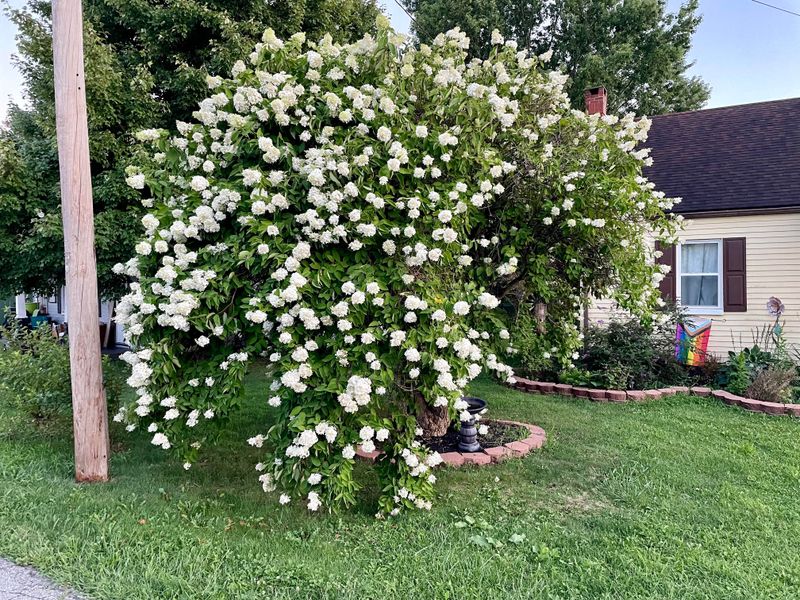
The gap between a spectacular panicle hydrangea in July and a disappointing one often comes down to what happened underground during a dry stretch in late June.
Deep watering is considerably more effective than frequent shallow watering for this specific reason. Moisture that reaches the full root zone encourages roots to grow downward and anchor the plant more firmly.
Shallow watering keeps moisture near the surface and trains roots to stay there, which makes the plant more vulnerable when the inevitable dry stretch arrives in North Carolina summer.
When flower heads are developing and opening, the plant is working at peak demand. A water deficit at that moment shows up immediately as wilting leaves, smaller blooms, or buds that stall before fully opening.
Established panicle hydrangeas benefit from about one inch of water per week during dry periods, either from rainfall or supplemental irrigation.
A soaker hose or drip line delivers that water to the root zone without wetting foliage, which reduces fungal pressure in North Carolina’s humid air.
Are you checking soil moisture a few inches below the surface before deciding when to water, or going by how dry the surface looks?
Those two methods produce different answers, and only one of them reflects what the roots are actually experiencing.
Newly planted shrubs in their first and second summers need more consistent attention. Their root systems have not yet spread enough to find moisture independently during dry spells.
The flower heads tell you immediately when watering has been adequate. They tell you just as immediately when it has not.
5. Mulch Shallow Roots Before Heat
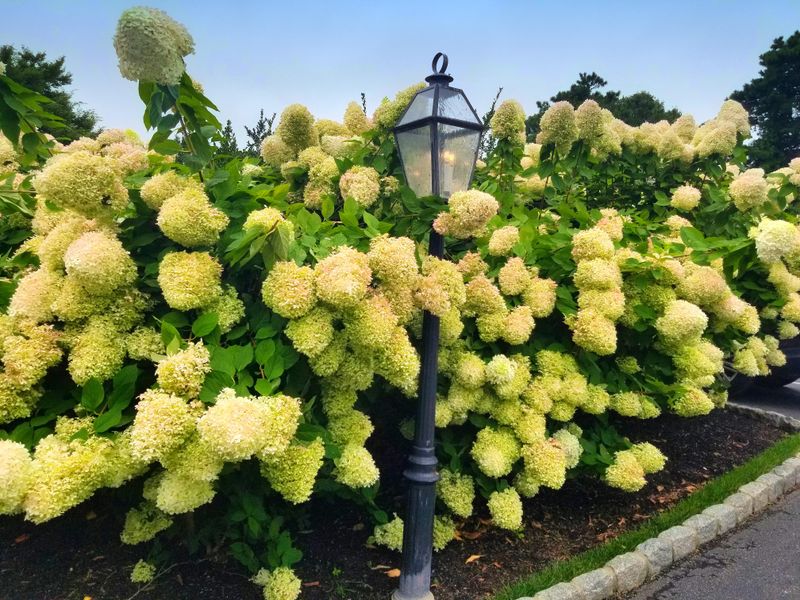
Mulch is the most underused tool in a North Carolina hydrangea gardener’s kit, and the timing of application is what makes it genuinely effective rather than decorative.
Panicle hydrangeas have relatively shallow root systems that sit close to the soil surface. That makes them vulnerable to the intense heat and rapid moisture loss that define a Carolina summer from June through August.
A two to three inch layer of shredded hardwood mulch or pine bark applied before summer heat arrives keeps soil several degrees cooler than bare ground, slows moisture evaporation between waterings, and reduces the stress the plant manages during hot, dry weeks.
One placement detail matters considerably. Keep mulch pulled back a few inches from the main stems.
Mulch piled against the bark traps moisture at exactly the point where rot and fungal problems start. The correct shape is a wide ring around the plant with clear space at the center.
Do you currently mulch in a cone shape up against the main stems? That pattern is one of the most common mulching mistakes in North Carolina gardens and creates more problems than leaving the soil bare would.
Organic mulches like shredded hardwood and pine bark improve soil structure as they break down over multiple seasons.
North Carolina’s clay-heavy Piedmont soils benefit noticeably from that slow, steady organic matter contribution.
Refreshing the mulch layer each spring maintains the benefits through the growing season and keeps the garden looking intentional.
The roots are working hard from June through August. The mulch is simply making sure they have the conditions to do that effectively.
6. Use Low Nitrogen Feeding
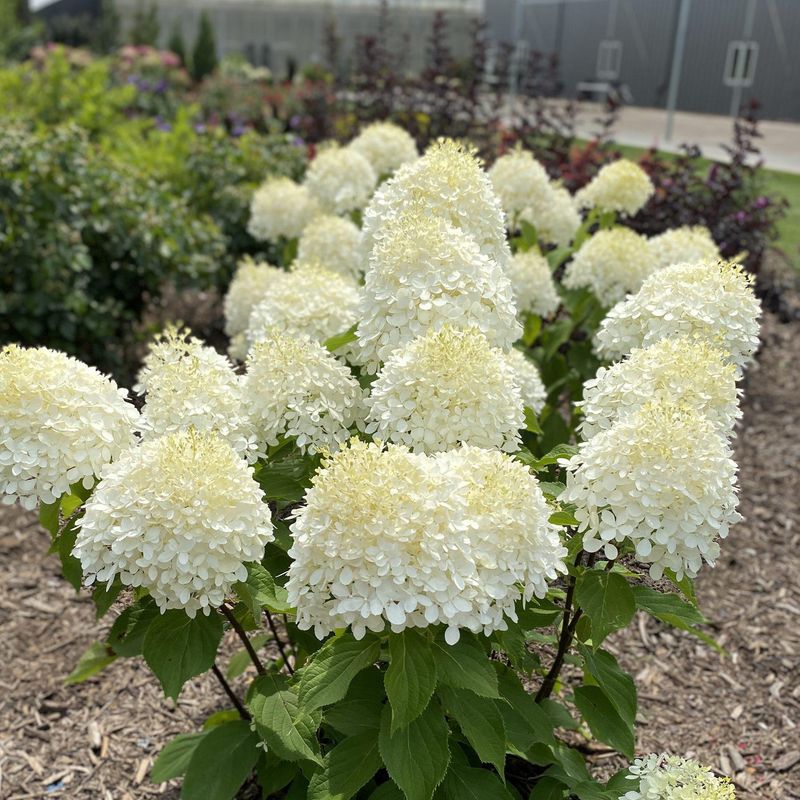
The wrong fertilizer at the wrong time actively reduces the summer bloom display a panicle hydrangea would otherwise produce. That is worth understanding before reaching for the most available option at the garden center.
High-nitrogen fertilizers push vigorous, dark green leafy growth. That sounds beneficial until the reality becomes clear.
All that vegetative energy comes directly at the expense of flower production. A panicle hydrangea fed high nitrogen in spring arrives at July with impressive foliage and underwhelming flower cones.
A low-nitrogen, balanced fertilizer or one specifically formulated for flowering shrubs redirects that energy.
A product with a ratio around 5-10-10 or a slow-release granular blend applied in early spring supports strong stems and abundant blooms without triggering the leafy growth surge that competes with flowering.
A soil test before fertilizing tells you what your specific ground actually needs rather than what a general recommendation assumes.
North Carolina soils vary considerably across counties and properties, and over-applying nutrients that are already present does not improve performance.
Timing is the other critical variable. Fertilizing after July pushes soft new growth that has no time to harden before cooler weather arrives.
One application in early spring as buds begin to swell is adequate for a healthy, established panicle hydrangea.
The fertilizer bag that promises lush, vigorous growth is telling the truth. It just is not advertising what that growth costs the flower production you planted the hydrangea for.
7. Leave Room For Airflow
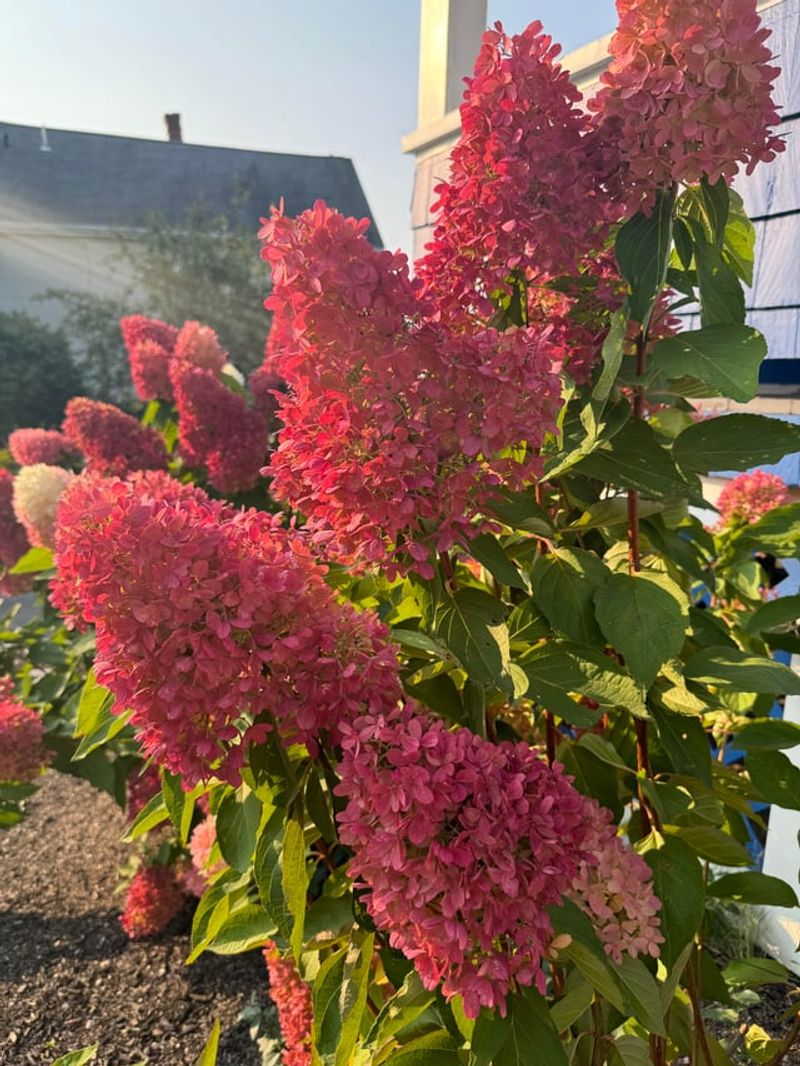
Spacing decisions made at planting determine how much trouble the entire garden creates for itself through every summer that follows.
Panicle hydrangeas need actual room to breathe. When shrubs are crowded together or planted too close to walls and fences, air movement through the foliage essentially stops.
That stagnant, humid air is the environment powdery mildew and other fungal problems require to establish and spread.
North Carolina’s humid summers create ideal fungal conditions regardless of how well the garden is managed in other ways.
Panicle hydrangeas planted too close together face elevated disease pressure that well-spaced plants in the same yard manage without significant intervention.
Good airflow keeps foliage drier between rain events, reduces disease pressure, and allows the plant to direct energy toward flower production rather than managing infections that compound through the season.
Most standard panicle hydrangea cultivars need at least six to eight feet between plants at full maturity.
Compact varieties like Little Lime or Bobo can be planted somewhat closer, but still require breathing room to perform at their potential.
Do you know the mature spread listed on the plant tag for the cultivar currently in your garden?
That number at planting time often seems unnecessarily generous for what appears to be a small shrub. Mature plants make the calculation clear, usually by making it impossible to ignore.
Proper spacing also produces better individual plant structure.
A shrub not competing with neighbors for light and airflow develops stronger, more evenly distributed branching that supports heavier flower heads without flopping after summer thunderstorms.