What Every Detroit Area Garden Needs Done Before June Ends To Survive Michigan’s Brutal July Heat
Detroit area gardens sit in a specific microclimate that combines urban heat island effects with Michigan’s already demanding summer conditions.
This creates July temperatures and humidity levels that put plants under more stress than many gardeners fully account for when making their June care decisions.
The window between now and the end of June is genuinely the last opportunity to get ahead of that heat before it arrives and starts limiting what is possible in terms of soil prep, planting adjustments, and protective measures.
Gardens that come through July looking healthy and productive in this part of Michigan almost always had specific things done for them in June that less resilient gardens skipped.
What those things are, and why the timing matters as much as it does, is what this guide covers in practical and actionable terms.
1. Deep Watering Of Perennials And Vegetables
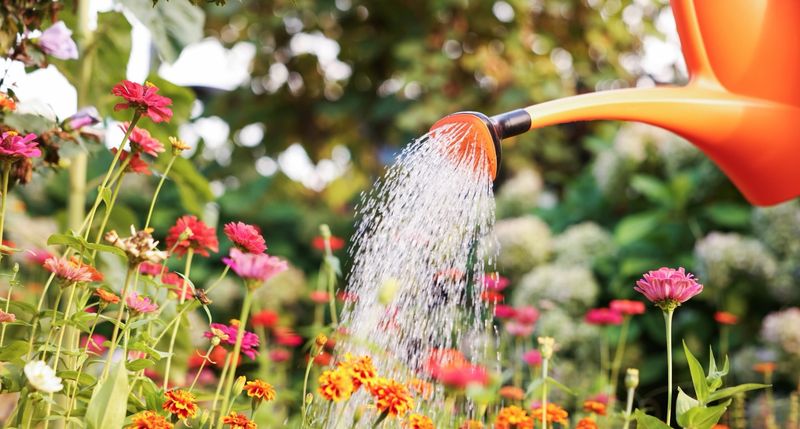
Most gardeners water too often and not deep enough, and that habit can seriously backfire once July rolls in.
Plants that receive frequent shallow watering tend to grow roots near the surface, making them extremely vulnerable when the top layer of soil dries out fast in scorching heat.
Deep, infrequent watering trains roots to grow downward, where soil stays cooler and holds moisture much longer.
For Detroit gardens, soil type matters a lot. Clay soil, which is common throughout the metro area, absorbs water slowly but holds it well.
Water in slow, steady passes to avoid runoff, and give it time to soak in between applications. Sandy soil drains quickly, so you may need slightly longer watering sessions to push moisture down far enough.
Loam soil sits right in the middle and is the most forgiving of the three. A good rule of thumb is to water until the soil is moist at least six to eight inches deep. You can check this by pushing a wooden dowel or your finger into the ground after watering.
If it comes out dry below four inches, keep going. Morning is the best time to water because it reduces evaporation and gives foliage time to dry before nightfall, which helps prevent fungal issues.
Before June ends, aim to water your vegetable beds and perennials deeply at least twice a week.
Once July hits and temperatures climb into the high 80s or even 90s, your plants will already have strong, deep root systems ready to handle the stress without missing a beat.
2. Mulch Application Around Plants
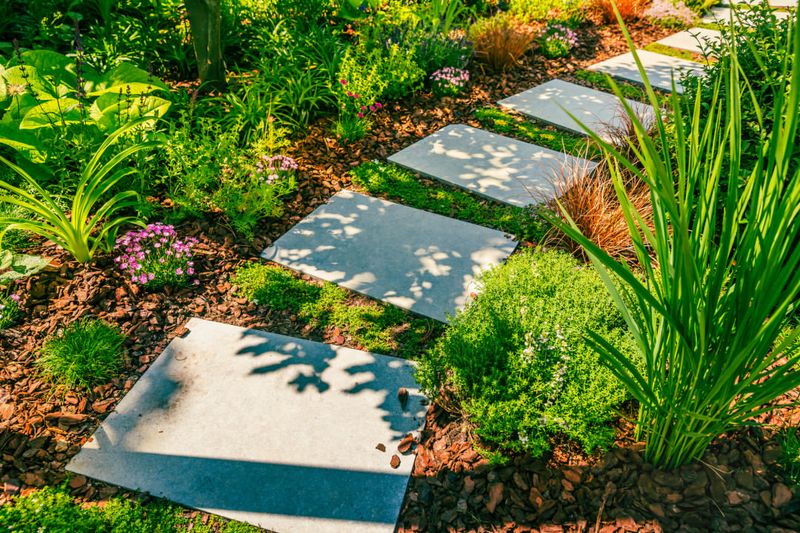
Bare soil in a Michigan summer is basically an open invitation for problems. Without a protective layer on top, the ground heats up fast, moisture evaporates quickly, and weeds take over before you even notice.
Applying a two to three inch layer of organic mulch right now is one of the highest-return tasks you can do for your garden before the July heat arrives.
Organic mulch options like shredded hardwood, straw, or wood chips work excellent in Detroit gardens.
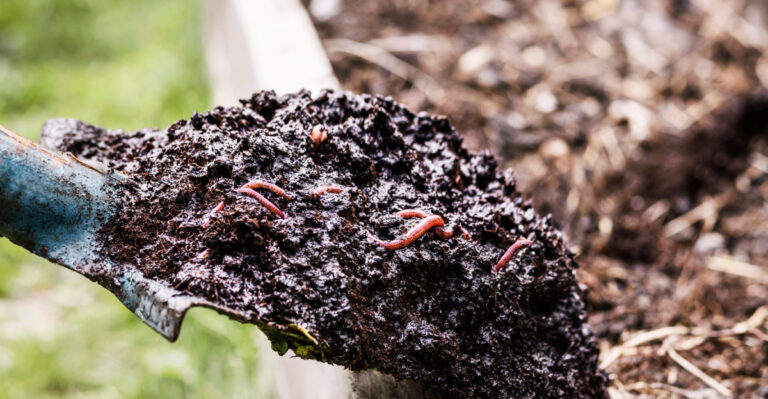
They break down slowly over the season, adding nutrients back into the soil while doing their main job of insulating the ground.
Your Michigan Garden Changes Every Week. Your Plan Should Too.
Gardening in Michigan changes quickly throughout the season. Every Friday you’ll receive a simple weekly plan showing exactly what to plant, prune, fertilize, harvest, and protect so you never miss the right timing.
Studies have shown that mulched soil can stay up to 10 degrees cooler than bare soil on a hot summer day, which is a massive advantage for shallow-rooted vegetables and flowering perennials.
When you apply mulch, keep it pulled back about two inches from the base of each plant stem. Mulch piled directly against stems traps moisture and can cause rot or invite fungal problems.
Spread it evenly in a ring around the plant, extending outward to cover as much of the root zone as possible. For vegetable rows, a straight line of mulch between plants works well and keeps things tidy.
Weeds are another reason to get this done now. Once mulch is in place, most weed seeds cannot get the sunlight they need to sprout.
That means less weeding for you through the hottest months of the year, which is a win any gardener can appreciate. Get your mulch down before June wraps up and your garden will thank you all summer long.
3. Prune Weak Or Crowded Growth
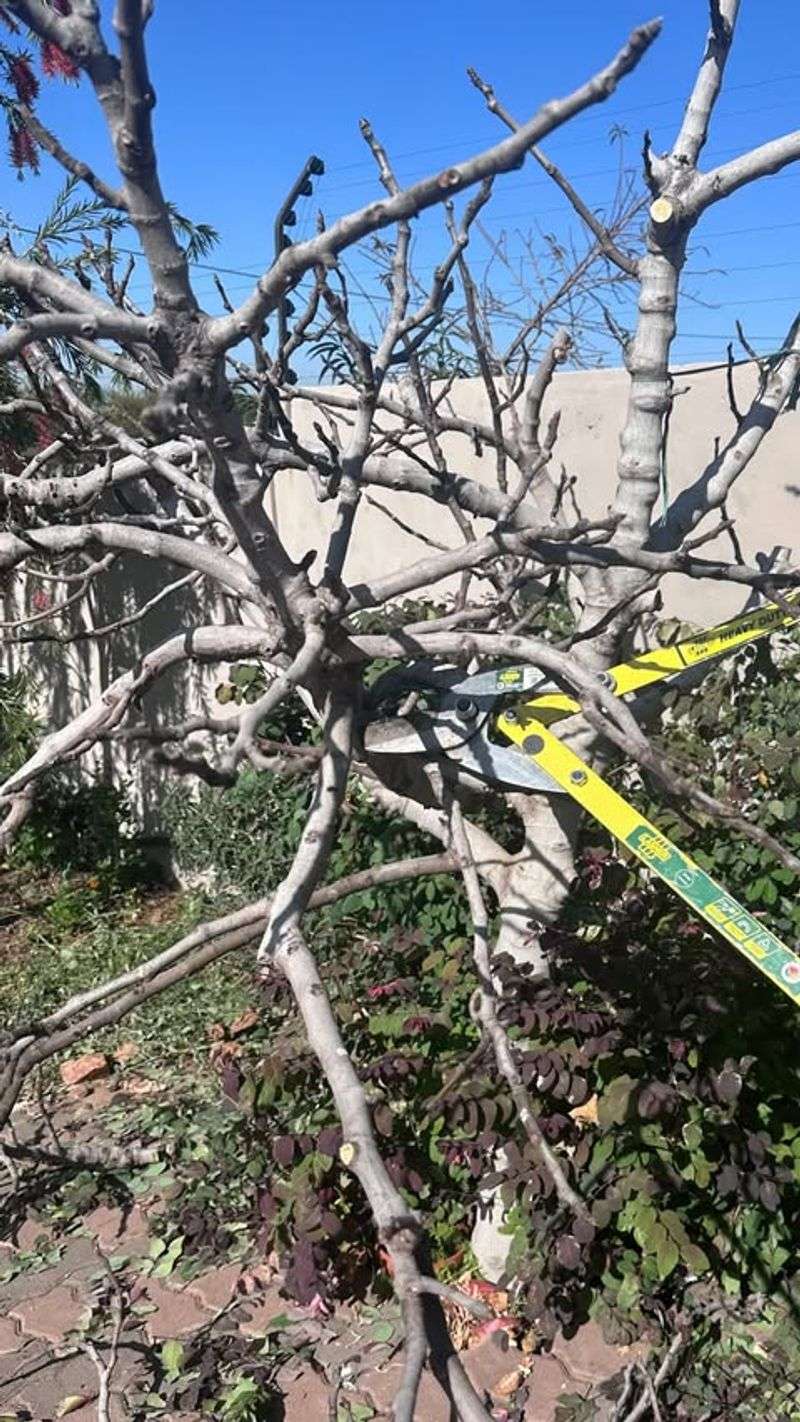
Crowded, weak stems are not just an eyesore. They actually put a real burden on your plants, especially when heat stress enters the picture.
When a shrub or perennial is packed with too much growth, airflow gets restricted, moisture lingers on leaves, and the plant has to divide its energy in too many directions at once. Cleaning that up before July gives your garden a real edge.
Walk through your beds and look for stems that appear spindly, discolored, crossing over other branches, or simply not contributing to the plant’s overall shape. Those are your targets.
Use clean, sharp pruning shears and make cuts just above a healthy leaf node or bud. Dull blades crush tissue instead of cutting cleanly, which can invite disease into the wound, so sharpen your tools before you start.
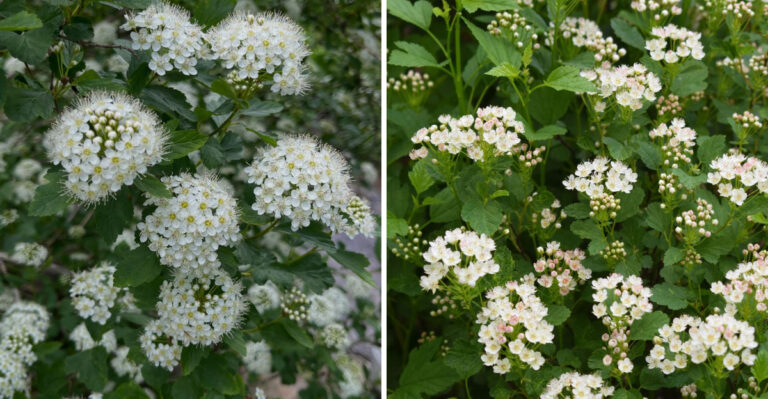
For shrubs like roses, spirea, or weigela, removing about one-third of the oldest or weakest stems encourages the plant to redirect energy into the healthiest remaining growth.
Perennials like coneflowers, black-eyed Susans, and salvia benefit from a light trim of any leggy or flopped-over stems, which also helps trigger a second flush of blooms later in summer.
Detroit’s July heat puts real pressure on plants, and a well-thinned plant handles that pressure far better than a dense, overcrowded one.
Better airflow reduces fungal disease risk, and a cleaner canopy means each leaf gets more sunlight and water without competing with a tangle of unnecessary growth.
Spending an hour or two on this task now pays off in a noticeably healthier, more productive garden through the rest of the season.
4. Inspect And Strengthen Plant Supports
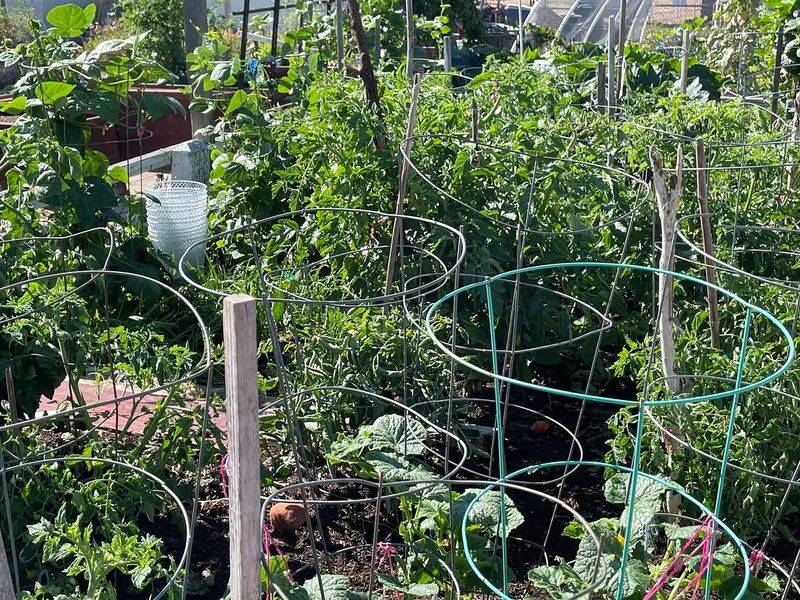
Tomatoes, peppers, sunflowers, and climbing beans can look perfectly fine in June, but by mid-July they are often twice the size and carrying a lot more weight.
If their supports are not ready for that load, you could lose entire branches or whole plants to summer windstorms that roll through the Detroit area without much warning. Getting ahead of this now is a simple task with a big payoff.
Check every stake, cage, and trellis in your garden right now. Wooden stakes can rot at the soil line over the winter and may look fine above ground while being completely unstable below.
Give each one a firm wiggle test. If it rocks or leans, pull it out and replace it with a fresh stake or upgrade to a heavier-duty metal option that will last for years.
Tomato cages are notorious for being too flimsy. The standard cone-shaped wire cages sold at most garden centers often cannot handle a full-grown indeterminate tomato plant loaded with fruit.
Consider switching to heavy-gauge square cages, concrete reinforcing wire formed into cylinders, or Florida weave staking for your tomato rows. These options hold up far better when the plant gets big and the wind picks up.
For tall flowers like sunflowers or dahlias, a single sturdy stake tied loosely with soft garden twine or strips of fabric works well. Avoid tying too tight, which can cut into stems as the plant grows.
Secure your supports now, before the plants get any bigger, and you will avoid a scramble during the first bad storm of July when it is much harder to fix things without causing damage.
5. Fertilize Before The Heat Peaks
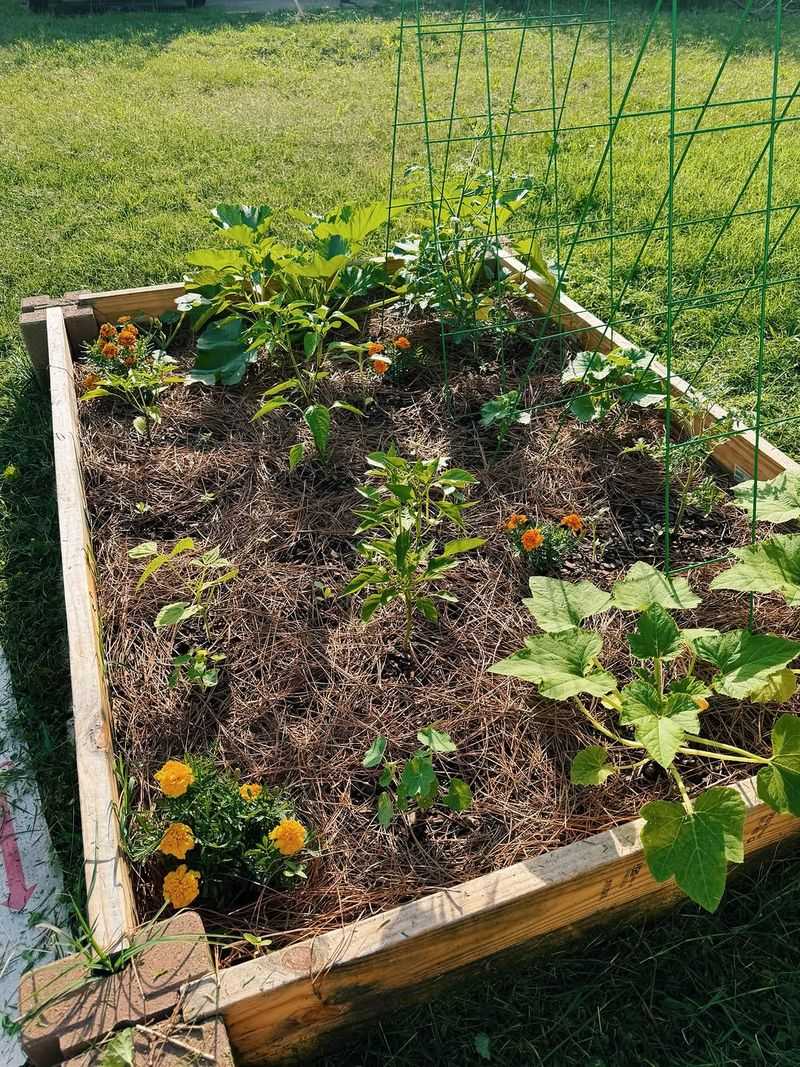
Plants that head into July well-fed are plants that hold up under pressure. Feeding your garden right before the heat peaks gives roots time to absorb nutrients and put them to use before stress kicks in.
Wait too long and you risk pushing tender new growth during the hottest part of summer, which can actually backfire. Timing really is everything with summer fertilizing.
For most vegetables and perennials, a balanced granular fertilizer with roughly equal parts nitrogen, phosphorus, and potassium works well at this stage.
Side-dress your vegetable rows by sprinkling the fertilizer a few inches away from the plant stems, then work it lightly into the soil surface and water it in thoroughly.
This gets nutrients moving toward the roots without burning delicate stem tissue.
Heavy nitrogen fertilizers are worth avoiding right now. Too much nitrogen in late June pushes leafy growth at the expense of root development and fruit production, and all that soft new growth can wilt dramatically under July heat.
A moderate, balanced approach gives your plants steady energy without putting them into overdrive at the wrong time of year.
Container plants need a little extra attention since they get watered more frequently and nutrients flush out faster.
A slow-release granular fertilizer mixed into the top inch of potting soil or a diluted liquid fertilizer applied every two weeks keeps containers productive through summer.
Raised bed gardens, which also drain faster than in-ground beds, benefit from the same approach. Get your feeding done by late June and your plants will be in the best possible shape to handle whatever July throws at them.
6. Monitor For Early Pest Activity

Pest populations have a sneaky way of exploding right when your plants are already dealing with heat stress, making a bad situation worse very quickly.
Catching problems early in late June, before temperatures peak, gives you a huge advantage.
Once July heat arrives, many pests breed faster, spread more rapidly, and become much harder to manage. A little scouting now saves a lot of trouble later.
Aphids are one of the most common early-season culprits in Detroit gardens. Check the undersides of leaves on roses, vegetables, and flowering perennials where they like to cluster.
A strong spray of water from your hose can knock large numbers off plants effectively, and it costs nothing.
For heavier infestations, insecticidal soap or neem oil spray applied in the early morning works well without harming beneficial insects like ladybugs that naturally keep aphid populations in check.
Cucumber beetles show up fast in Detroit vegetable gardens and can devastate squash, cucumbers, and melons. Row covers placed over young plants before beetles arrive act as a simple physical barrier that keeps them off.
Once plants start flowering and need pollinator access, you can remove the covers. Handpicking beetles in the early morning when they are slower is also surprisingly effective for smaller gardens.
Spider mites thrive in hot, dry conditions, so they tend to explode in July if not addressed in late June. Look for fine webbing on the undersides of leaves and a dusty, stippled appearance on leaf surfaces.
Keeping plants well-watered and applying a neem oil spray at the first sign of mites helps prevent a full outbreak before the hottest weather sets in for real.
7. Plan Shade Or Temporary Protection
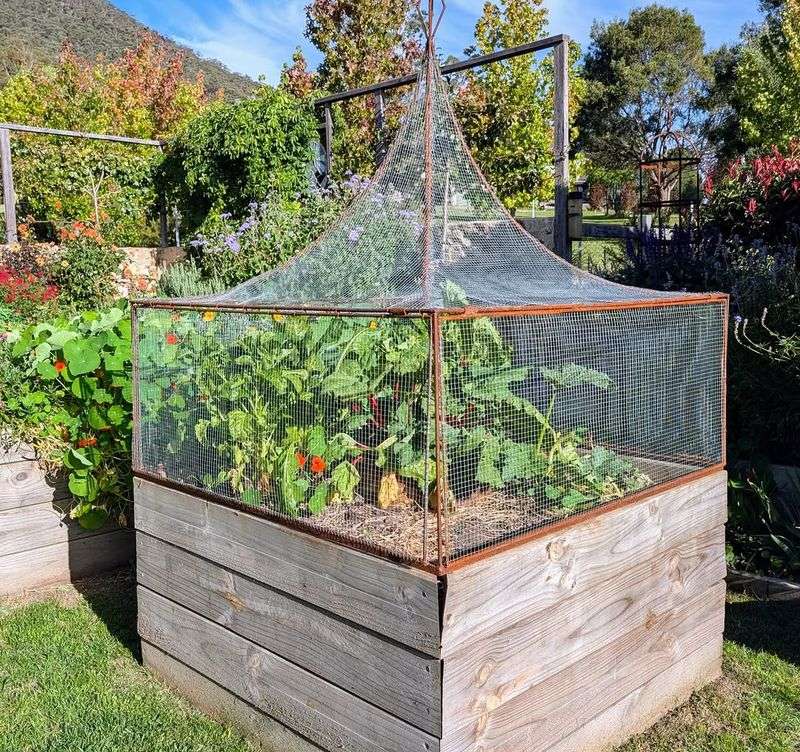
Some plants simply were not built for scorching afternoon sun, and Michigan’s July heat can push temperatures well past what tender vegetables and young transplants can handle comfortably.
Planning your shade strategy now, before the worst heat arrives, means you will have everything ready to deploy the moment the forecast turns brutal.
Scrambling to protect plants in the middle of a heatwave is stressful for both you and your garden. Shade cloth is one of the most practical tools available for summer garden protection.
It comes in different percentages of shade coverage, and a 30 to 40 percent shade cloth works well for most vegetables without blocking too much of the light they need for photosynthesis.
You can drape it over simple PVC hoops, wooden frames, or even attach it to existing fencing to create a quick shaded zone over your most vulnerable beds.
Pepper plants, lettuce, spinach, and young tomato transplants are among the most sensitive to intense afternoon sun in Detroit gardens.
Peppers in particular can drop their blossoms when temperatures stay consistently above 90 degrees, which cuts into your harvest significantly.
A little afternoon shade from roughly 1 p.m. to 4 p.m. can keep temperatures under the canopy cool enough to prevent blossom drop and leaf scorch.
Garden umbrellas and portable canopies are another option for smaller spaces or container gardens on patios and decks. They are easy to move around as the sun angle changes through the day.
Set up your shade structures before the end of June so you can test their positioning and make adjustments while conditions are still manageable. Your plants will reward you with stronger growth and better production all the way through August.