These 10 Cheap Plants Make Oregon Yards Look Professionally Landscaped
A polished Oregon yard does not have to start with a huge nursery bill. The right low-cost plants can make beds look fuller, paths feel softer, and empty corners seem planned.
It is all about choosing plants that give more than they cost. A small starter plant can grow into a strong feature when it fits the site well.
Good texture matters too, especially in a yard that needs shape before the big blooms arrive. Oregon’s mix of wet seasons and summer dry spells makes smart plant choice even more important.
Pick plants that settle in without constant fuss, and the whole yard can look more pulled together.
With a few budget-friendly favorites, a plain space can start to feel designed instead of simply planted.
1. Catmint Makes Borders Look Full Without Much Work
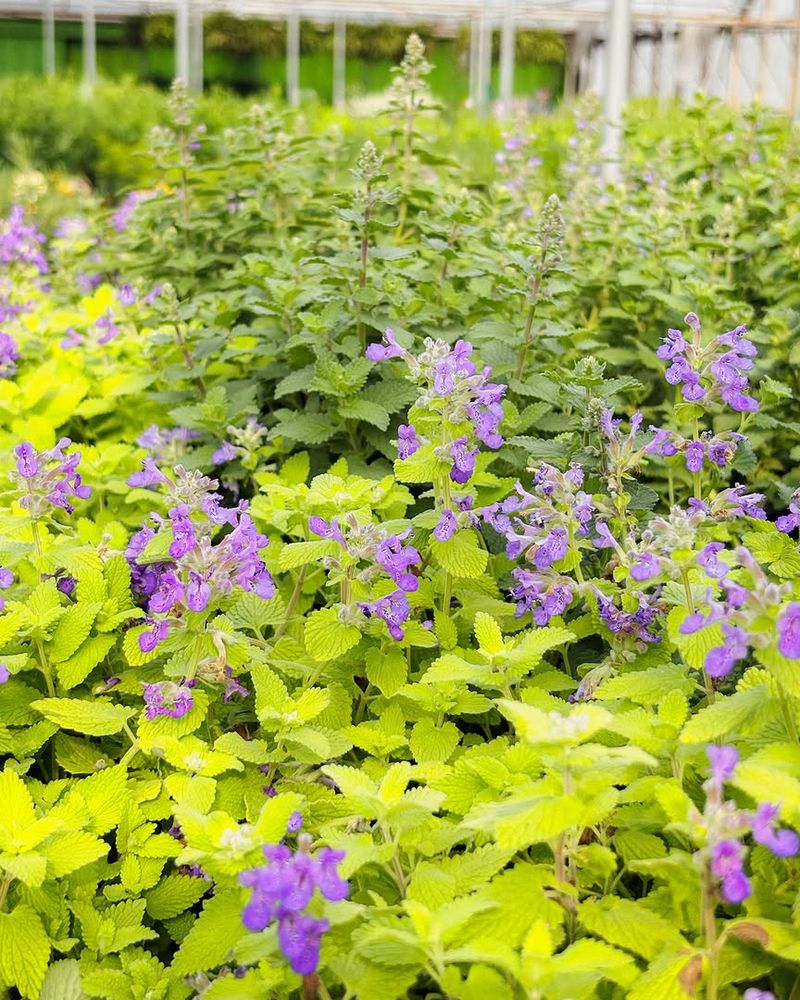
Few plants deliver as much visual punch for as little effort as catmint. Those soft, silvery-green leaves and clouds of lavender-blue flowers make any garden border look full, intentional, and professionally planned.
Plant it once and it comes back stronger every year. Catmint is incredibly forgiving. It handles dry spells well, which makes it a smart pick for summer in Oregon when rainfall slows down.
It doesn’t ask for rich soil or constant fertilizing. Just give it a sunny spot and decent drainage, and it takes care of the rest.
One of the best tricks gardeners use is cutting catmint back by about half after its first big bloom. Within a few weeks, it flushes out with a fresh round of flowers.
That second bloom keeps borders looking colorful well into late summer.
Bees and butterflies absolutely love it. Having catmint in your yard helps support local pollinators, which is good for every other plant growing nearby.
It also has a light, pleasant scent that makes the garden feel alive when you walk past.
You can find catmint at most local nurseries for just a few dollars per plant. Space them about 18 inches apart and they’ll fill in quickly.
Within one season, a small row of catmint can make an entire bed look lush, layered, and finished without any extra fuss.
2. Sedum Adds Structure From Summer Into Fall
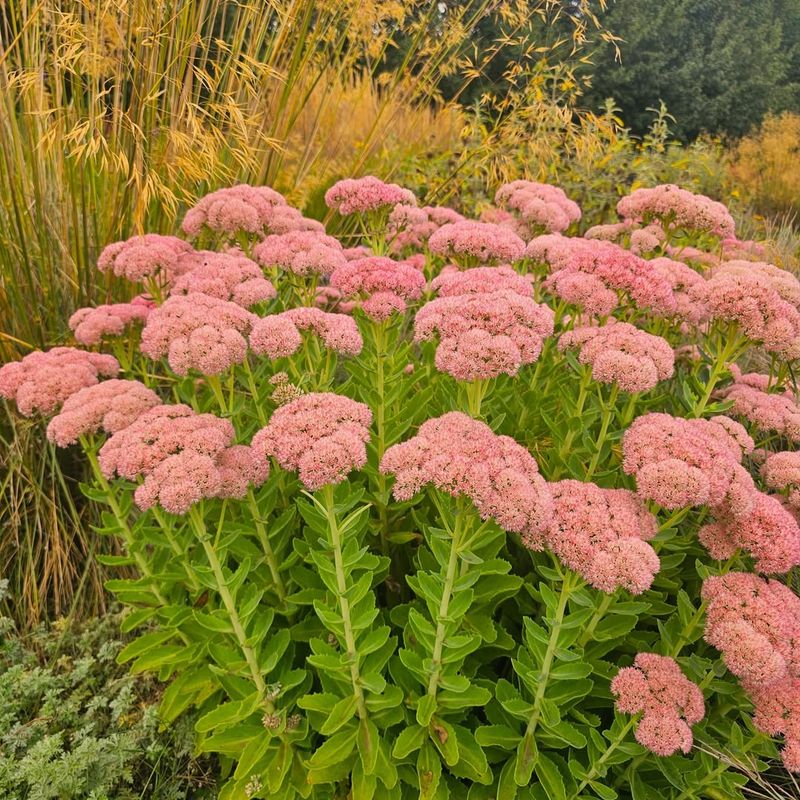
Not every plant in the yard needs to be flashy in spring. Sedum earns its place by looking great when most other plants have already faded.
Its thick, fleshy leaves hold their shape all season long, giving the garden a tidy, structured look even without blooms.
When late summer rolls around, sedum bursts into flat-topped clusters of flowers in shades of pink, red, and dusty rose. Those blooms attract late-season butterflies and bees that are still searching for food before cooler weather arrives.
It’s one of the last reliable nectar sources in the yard.
Sedum is also incredibly tough. It stores water in its leaves, so it handles dry stretches without wilting or looking sad.
This makes it a perfect fit for the drier parts of summer in Oregon, especially in garden beds that don’t get regular watering.
Your Oregon Garden Changes Every Week. Your Plan Should Too.
Gardening in Oregon changes quickly throughout the season. Every Friday you’ll receive a simple weekly plan showing exactly what to plant, prune, fertilize, harvest, and protect so you never miss the right timing.
Another great quality is that sedum looks good even after the flowers fade. The dried seed heads hold their structure through fall and into early winter, giving the garden a sculptural, finished appearance long after other plants have gone dormant.
You can buy sedum divisions for just a few dollars, and one plant quickly multiplies into several.
Plant it at the front or middle of a border for a plant that earns its keep from June all the way through the first frost without asking for much in return.
3. Black-Eyed Susan Gives Cheap Color In Big Drifts
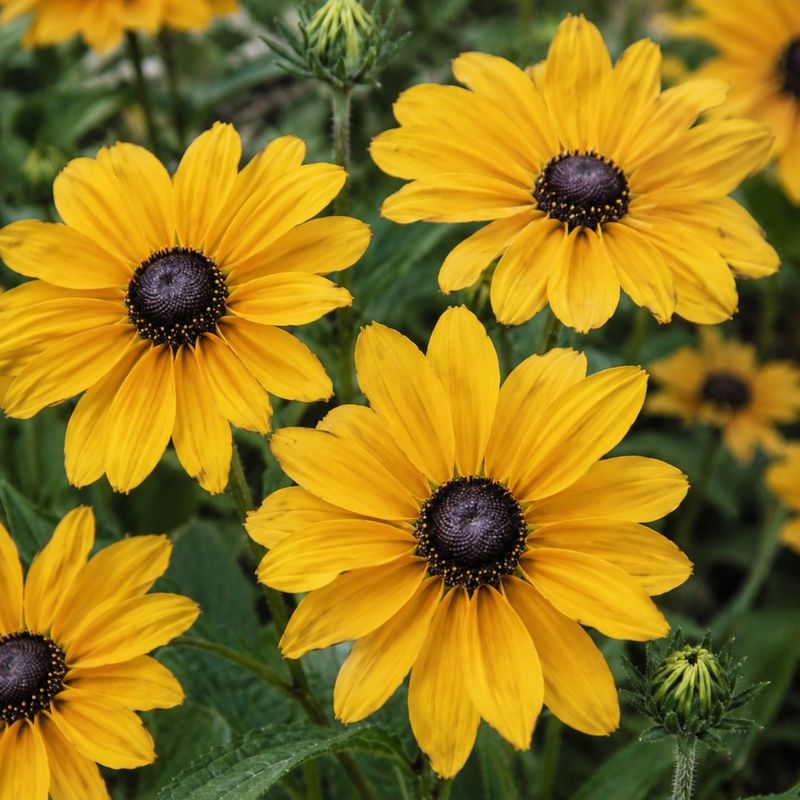
Bright yellow petals surrounding a dark chocolate-brown center make black-eyed Susan one of the most cheerful plants you can grow.
Plant a handful and within a couple of seasons, you’ll have a bold, sweeping drift of color that looks like it was carefully designed by a professional.
These plants love full sun and are perfectly suited for the warm, dry summers Oregon sees east of the Cascades and in valley areas.
They handle poor soil surprisingly well and don’t need much water once they’re established. That combination of toughness and beauty makes them a real bargain.
Black-eyed Susan blooms from midsummer into early fall, filling a gap when many spring flowers have already finished.
The long bloom time means your yard stays colorful during the hottest months when you want it to look its best for outdoor gatherings and curb appeal.
Birds are also big fans of the seed heads. Once the flowers fade, goldfinches and other small birds will visit regularly to snack on the seeds.
Leaving the stalks standing through fall adds both wildlife value and visual texture to the garden.
At most nurseries and garden centers, you can find a six-pack for just a few dollars. They spread by seed each year, so one small investment quickly multiplies into a full, colorful planting.
Few plants offer this much color and coverage for such a low starting cost.
4. Coneflower Makes Pollinator Beds Look Intentional
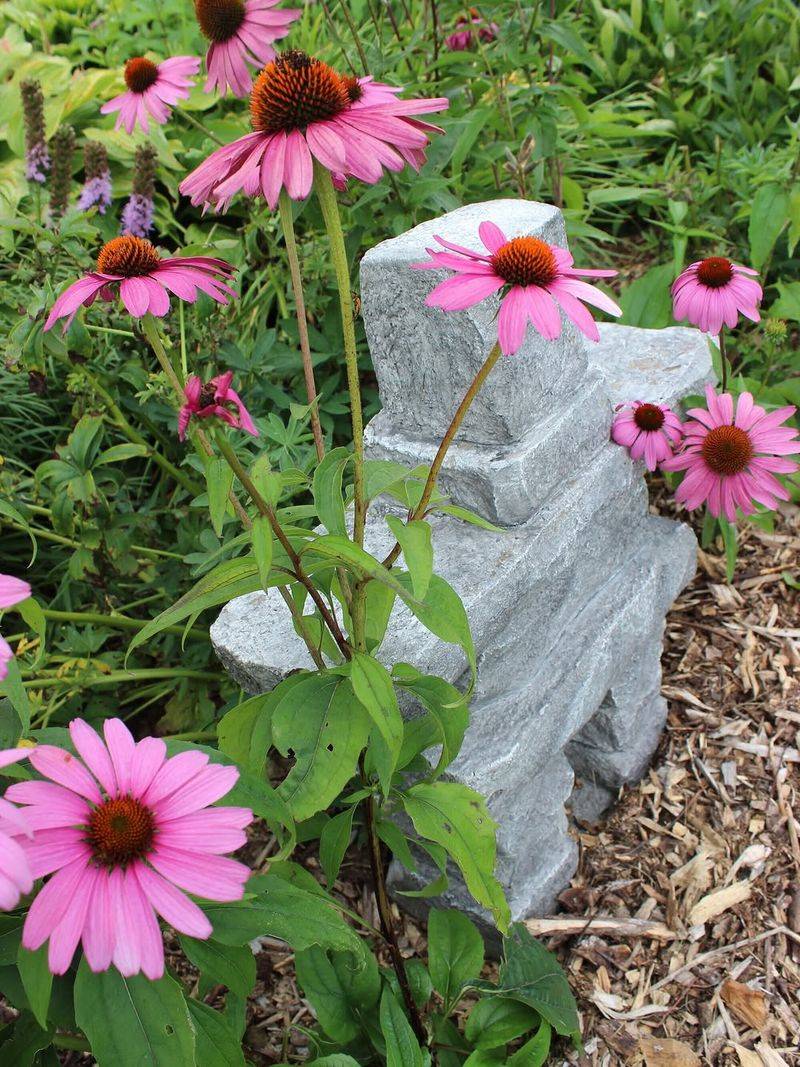
Purple coneflower has a way of making any garden look like it was thoughtfully planned. Those bold, daisy-like blooms with their spiky orange centers stand tall and proud, giving beds a structured, layered appearance that feels polished without being fussy.
Gardeners love coneflower because it handles both wet winters and dry summers without complaint. Once established, it’s one of the most self-sufficient plants you can grow.
It doesn’t need babying, and it rewards a little neglect with even more blooms the following year.
The real magic happens when coneflower is in full bloom. Bees, butterflies, and even hummingbirds show up in numbers.
A pollinator bed anchored by coneflower looks alive and intentional, like someone spent hours planning which plants would attract the most beneficial insects.
After the flowers fade, the seed heads become a food source for birds like finches and chickadees.
Leaving them standing through fall and winter adds visual structure to the garden during the quieter months.
It also means less cleanup work for you. Coneflower spreads slowly by seed and by root division, so one plant eventually becomes a small clump.
You can divide those clumps every few years and replant the divisions elsewhere in the yard, multiplying your investment for free.
A few plants bought for just a couple of dollars can fill an entire bed within two or three seasons.
5. Yarrow Fills Sunny Gaps With Long-Lasting Blooms
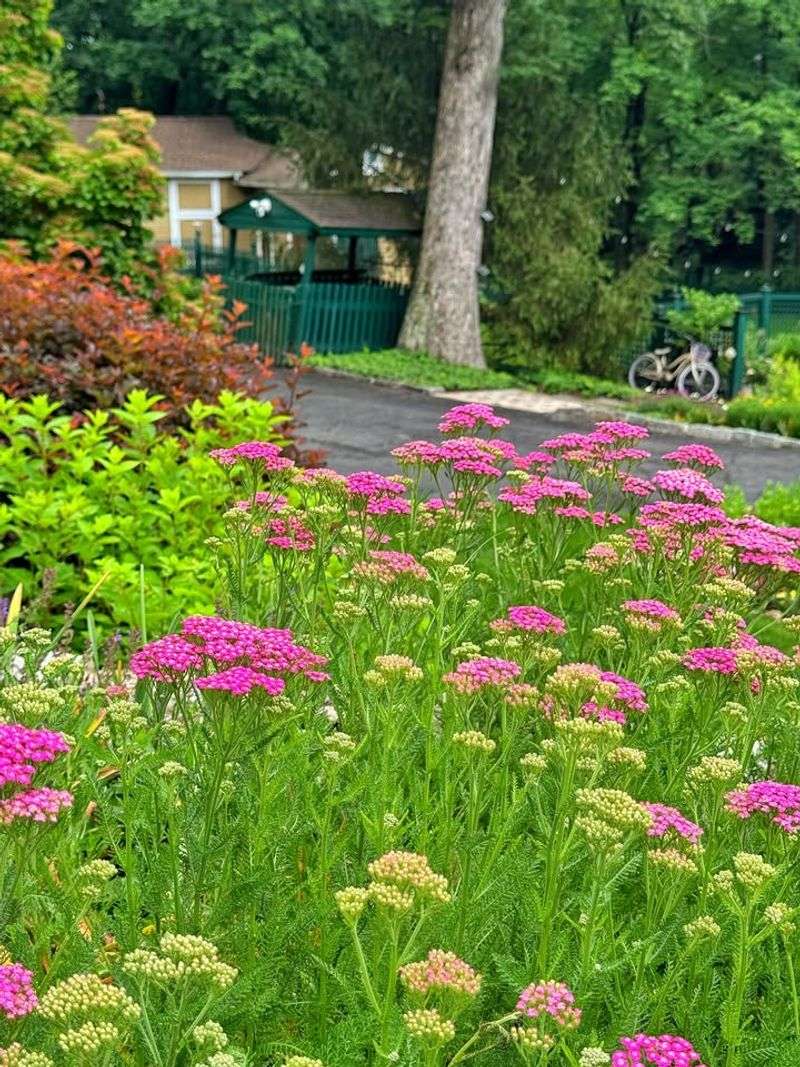
Yarrow is the kind of plant that makes a gardener look like they know exactly what they’re doing.
Its feathery, fern-like foliage looks great even before the flowers appear, and once those flat-topped clusters of blooms open up, they last for weeks without fading.
What makes yarrow especially useful is its ability to fill gaps in sunny beds where other plants struggle. It thrives in dry, well-drained soil and handles full sun without wilting.
That makes it a go-to plant for south-facing slopes, gravel gardens, and dry border edges.
The blooms come in a wide range of colors including yellow, white, pink, and red. You can mix varieties to create a layered color palette that looks professionally designed.
Yarrow also makes a wonderful cut flower, so you can bring some of that color indoors throughout the summer.
One practical bonus is that yarrow spreads at a steady pace, slowly filling in bare patches of soil without becoming invasive.
You can divide the clumps every couple of years to keep them tidy and replant the extras elsewhere in the yard.
Pollinators are strongly attracted to yarrow blooms, making it a functional addition to any garden.
A single plant bought for just a few dollars will spread and multiply over time, giving you more and more coverage without spending another cent.
Few plants offer this much value for such a small upfront cost.
6. Daylilies Give Oregon Yards Reliable Curb Appeal
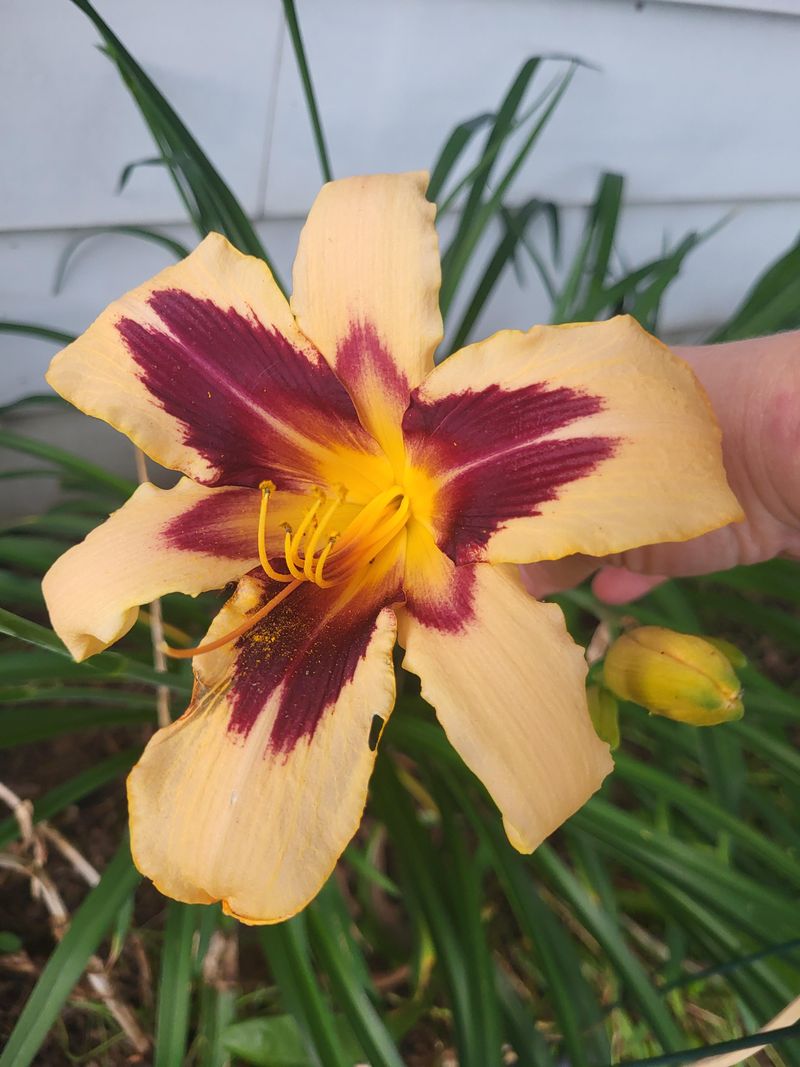
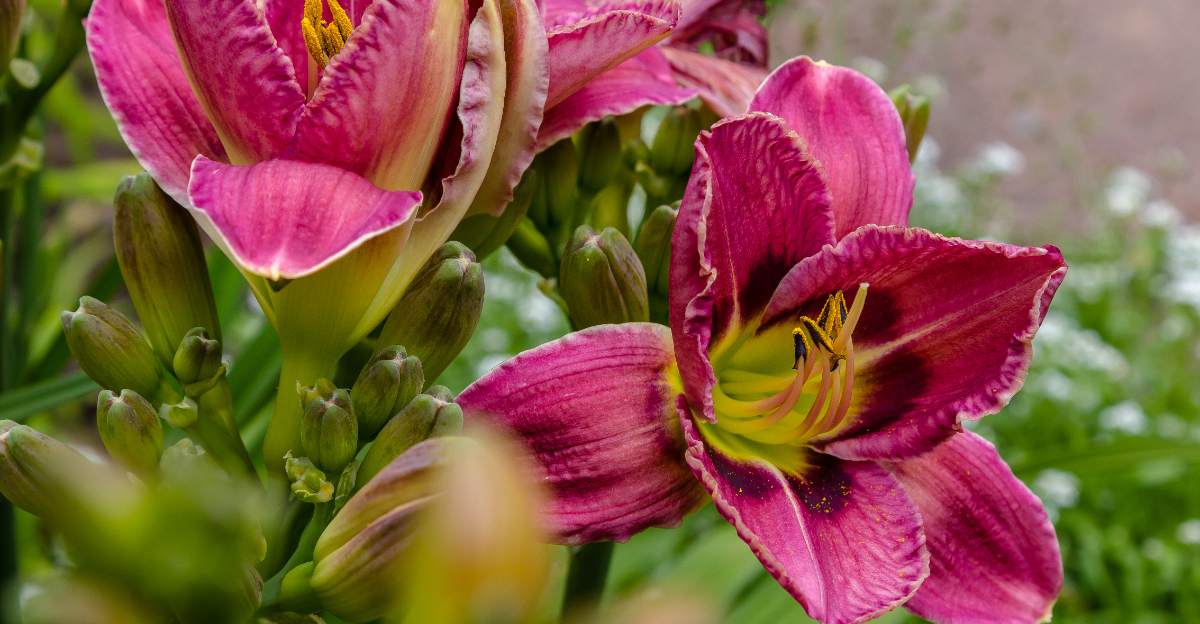
There’s a reason daylilies show up in front yards all over Oregon. They bloom reliably every summer, ask for very little care, and produce so many flowers that a single clump can look like an entire garden feature all on its own.
They’re one of the hardest-working plants for the price. Each flower only lasts one day, but the plant produces so many buds that the display goes on for weeks.
Some varieties bloom for six weeks or more, keeping the front yard looking colorful and well-tended all through the heart of summer.
That long season of color is hard to beat. Daylilies are also extremely adaptable.
They grow well in full sun or partial shade, handle a wide range of soil types, and bounce back from drought without much trouble.
Whether you’re gardening in the wet western valleys or the drier eastern parts of the state, daylilies tend to perform well.
Another huge advantage is how fast they multiply. Within a few seasons, one small plant becomes a large, impressive clump.
You can divide those clumps and share them with neighbors, or spread them to other parts of your own yard to create a cohesive, repeated look throughout the landscape.
Prices at local nurseries are very reasonable, and you can often find daylily divisions at plant swaps for free.
Few plants deliver this level of curb appeal, reliability, and ease for such a small investment of time and money.
7. Creeping Thyme Softens Paths And Bed Edges
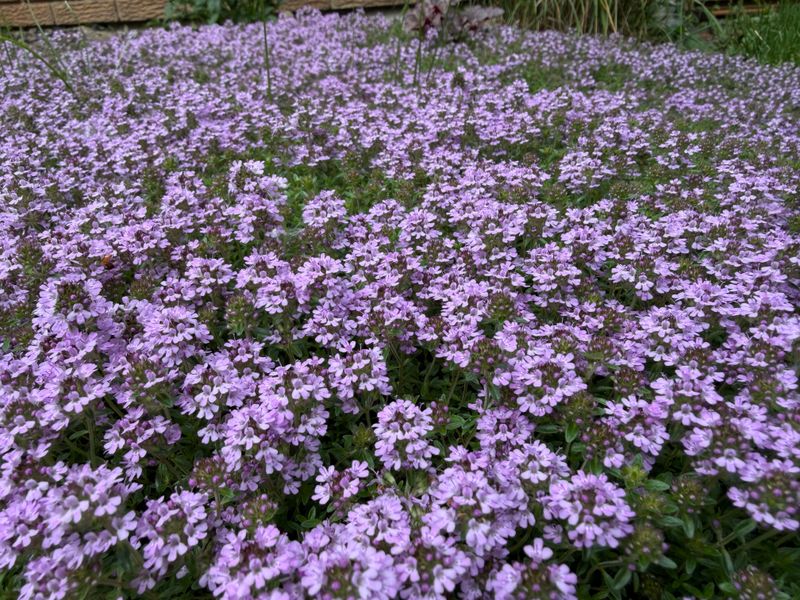
Creeping thyme has a quiet kind of beauty that sneaks up on you. It grows low to the ground, spreading slowly between stepping stones and along bed edges, softening hard lines and giving the garden a relaxed, natural look that feels both polished and effortless.
When it blooms in early summer, the entire mat turns a soft shade of pink or purple. The small flowers are packed so tightly together that the plant looks like a colorful carpet.
Bees go absolutely wild for it, and the light herbal scent is a pleasant bonus every time you brush past it.
One of the best things about creeping thyme is how tough it is. It handles foot traffic better than most ground covers, making it a smart choice for planting between pavers or along frequently used paths.
Light stepping on it actually releases that lovely fragrance into the air. In Oregon, where winters can be wet and cool, creeping thyme holds up well. It stays mostly green through the colder months and greens up quickly in spring.
It doesn’t need fertilizing or much watering once it’s settled in, which makes it very low maintenance.
Nurseries typically sell it in small pots for just a few dollars each. Plant them about 12 inches apart and they’ll fill in within one or two growing seasons.
The result is a finished, professional-looking edge that transforms ordinary paths into something that looks truly designed.
8. Hardy Geranium Covers Bare Soil Without Looking Messy
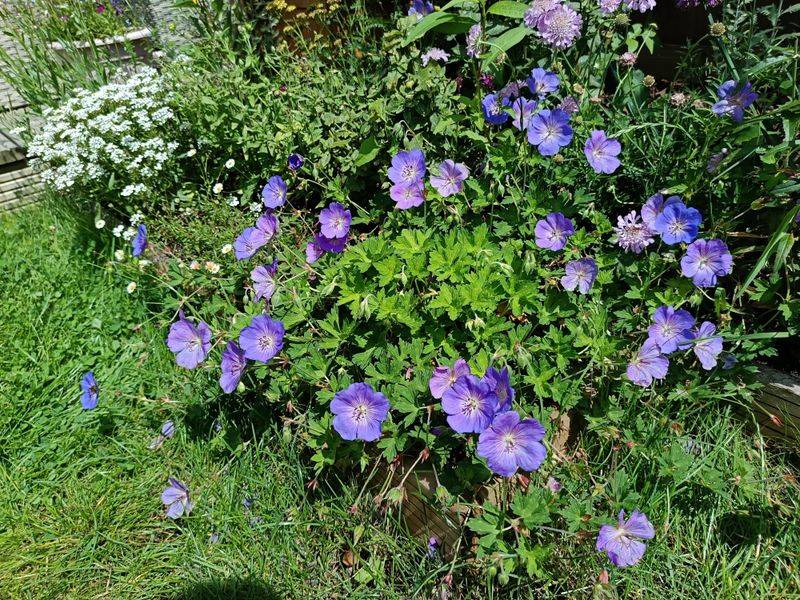
Bare soil in a garden bed is an open invitation for weeds. Hardy geranium, also called cranesbill, solves that problem beautifully.
Its dense, mounding foliage spreads out to cover the ground while staying tidy and attractive, giving beds a finished look without constant maintenance.
Unlike the annual geraniums sold in hanging baskets, hardy geranium is a true perennial that comes back every year. The flowers are smaller and more delicate, usually in shades of violet, blue, pink, or white.
They bloom for several weeks in late spring and early summer, then the attractive foliage carries the display through the rest of the season.
What makes it especially useful in Oregon is its adaptability. Hardy geranium grows well in both sun and partial shade, which makes it a flexible solution for tricky spots under trees or along the shaded side of a house.
It handles our cool, wet winters without any protection. The foliage often takes on warm reddish tones in fall before going dormant, giving you a second season of visual interest.
Cutting it back in late fall or early spring keeps the plant tidy and encourages fresh new growth. It’s a very forgiving plant that tolerates a range of soil conditions.
A single plant costs just a few dollars and spreads steadily over time. One plant can easily cover a square foot or more within a couple of seasons, making it a highly efficient and cost-effective solution for filling in bare garden areas.
9. Ornamental Grasses Add Professional-Looking Texture
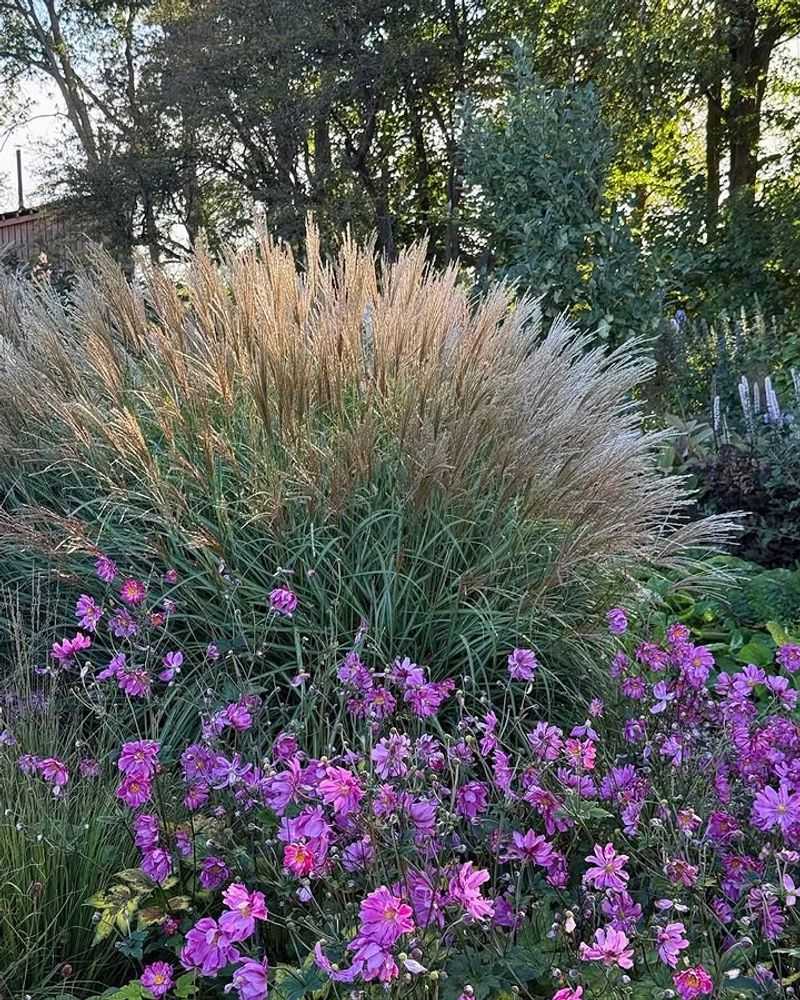
Walk past any professionally landscaped yard and you’ll almost always spot ornamental grasses somewhere in the design.
They add movement, texture, and height in a way that almost no other plant can match. Even on a calm day, they give the garden a sense of life and flow.
Several varieties thrive beautifully across Oregon. Blue oat grass, feather reed grass, and tufted hair grass are all well-suited to the Pacific Northwest climate.
They handle wet winters and dry summers without much fuss, and most of them look great in all four seasons.
Spring brings fresh green growth that fills in quickly. Summer reveals the full form of the plant, often with showy flower plumes rising above the foliage.
Fall turns many varieties to shades of gold, copper, and bronze. Even in winter, the dried forms add structure and visual interest to an otherwise bare garden.
Ornamental grasses also work hard as a design tool. Plant them at the back of a border for height, in the middle for texture, or at the edge for a soft, cascading effect.
They pair well with bold flowers like coneflower and black-eyed Susan, creating contrast that looks very intentional.
Most ornamental grasses are sold for just a few dollars per plant and grow quickly. Dividing them every few years keeps them healthy and gives you free plants to spread around the yard.
For the amount of visual impact they deliver, they are one of the best bargains in gardening.
10. California Poppy Reseeds For Easy Seasonal Color
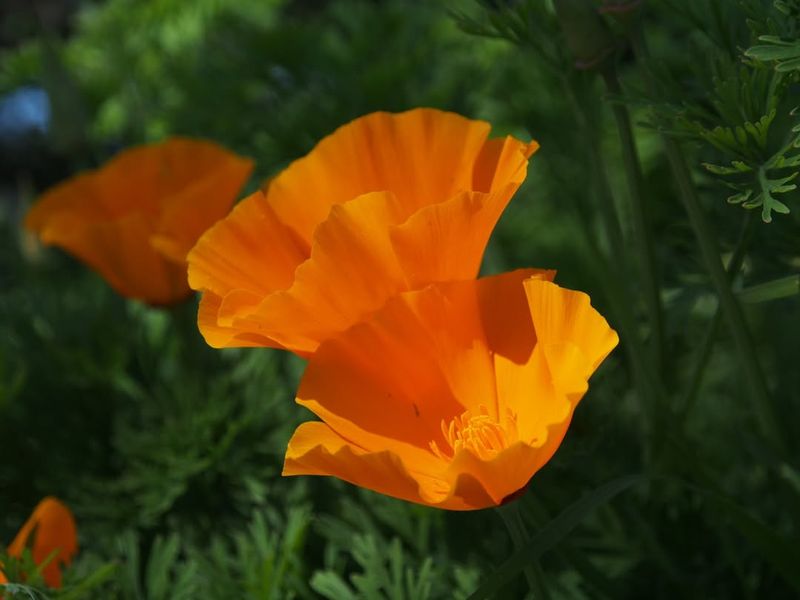
California poppy might have California in its name, but it thrives just as enthusiastically in Oregon.
Those silky, cup-shaped flowers in shades of orange, yellow, and red bring a burst of warm color to the yard each spring, and the best part is that they do it almost entirely on their own.
Once you scatter the seeds in a sunny spot, the plant takes over. After the first season, it reseeds itself generously, coming back year after year without any replanting required.
Over time, a small patch can spread into a wide, sweeping display that looks like you spent hours designing it.
The feathery blue-green foliage is attractive even before the flowers appear. It forms a soft, airy texture at ground level that pairs nicely with spikier plants like ornamental grasses or upright perennials.
The contrast makes both plants look better and gives the bed a layered, thoughtful appearance.
California poppy is extremely drought tolerant once established. It actually prefers lean, dry soil and doesn’t need fertilizing.
Giving it too much water or rich soil can reduce flowering, so neglect is genuinely the best approach. That makes it a perfect fit for low-maintenance areas of the yard.
A packet of seeds costs just one or two dollars and contains hundreds of seeds.
Scatter them in fall or early spring, and by late spring you’ll have a colorful, cheerful display that looks both wild and intentional. For effortless seasonal color, nothing beats this cheerful little plant.