How Michigan Gardeners Multiply Expensive Native Shrubs For Free In Early Summer
Native shrubs have become increasingly sought after in Michigan gardens, and the demand has pushed prices at nurseries to a point where building out a full planting scheme with them requires a significant budget investment.
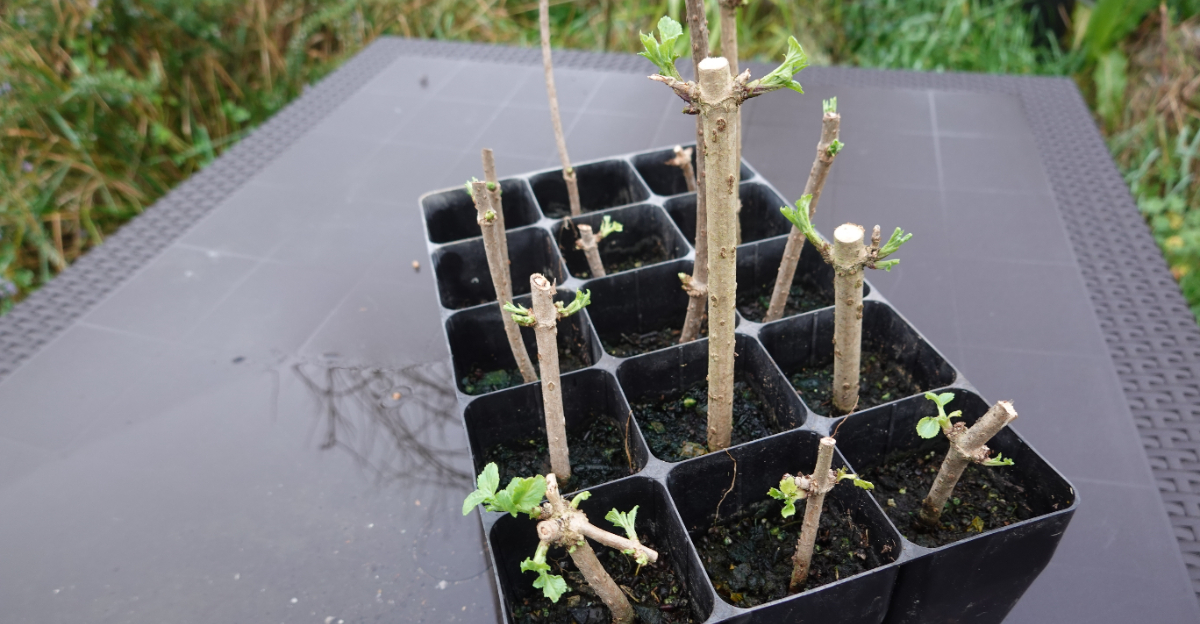
What experienced gardeners have figured out is that early summer is one of the most reliable windows of the entire year for propagating many of these shrubs from softwood cuttings.
You can use material from plants already growing on your property or sourced from willing neighbors.
The technique requires no expensive equipment and very little dedicated space, and the success rates with many Michigan native shrubs during this period are high enough that even first-time propagators come away with usable plants.
Once you have done it successfully once, the idea of paying full nursery price for the same shrubs becomes genuinely hard to justify.
1. Gray Dogwood
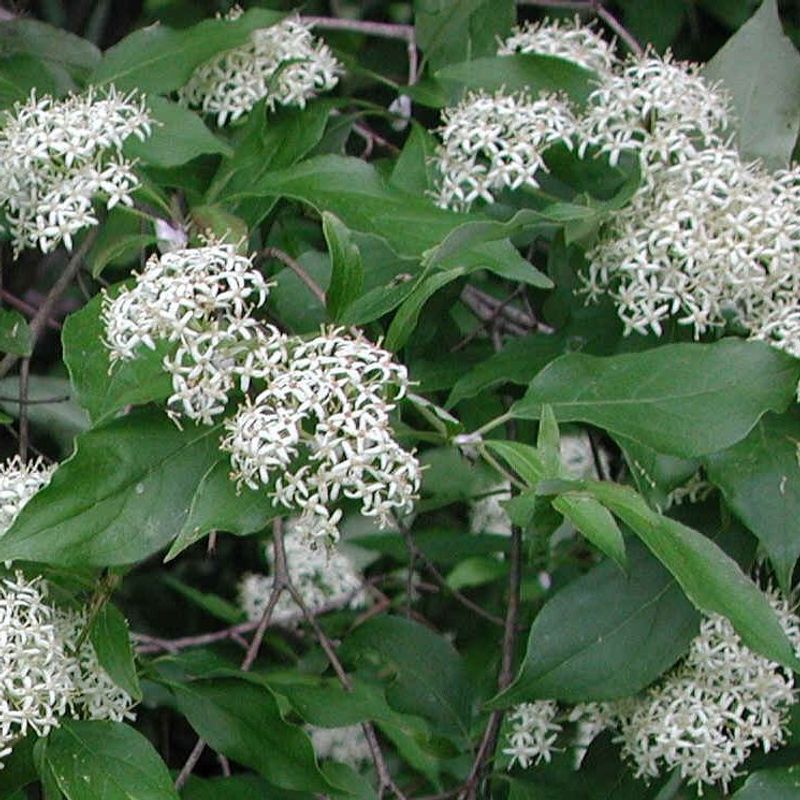
Gray dogwood is a scrappy, hardworking native that Michigan gardeners often overlook in favor of flashier species.
It forms natural thickets over time, spreads through suckers, and creates excellent cover for wildlife.
If you want to build a full, informal hedge or a naturalized edge without buying a dozen plants, this is the shrub to work with.
Cuttings taken in early summer from healthy new growth give you a reasonable shot at rooting your own plants.
Look for stems that are flexible but not floppy, somewhere between completely soft and fully hardened.
Trim each cutting to about 4 to 6 inches, strip the lower leaves, and leave a small cluster of leaves at the top to keep the cutting active.
A moist, well-drained rooting mix works well for gray dogwood. Perlite alone or mixed with a little peat creates the right balance of moisture and air around the stem base.
Set the cuttings in a covered or tented setup to hold humidity, and place them where they get bright but indirect light throughout the day.
Roots take a few weeks to develop, so resist the urge to disturb the cuttings too often. Once you feel gentle resistance when you give a cutting a soft tug, that is a good sign roots are forming.
Gray dogwood is not the fastest shrub to propagate from cuttings, but the reward of a whole thicket for free makes the wait worthwhile.
2. Red Osier Dogwood
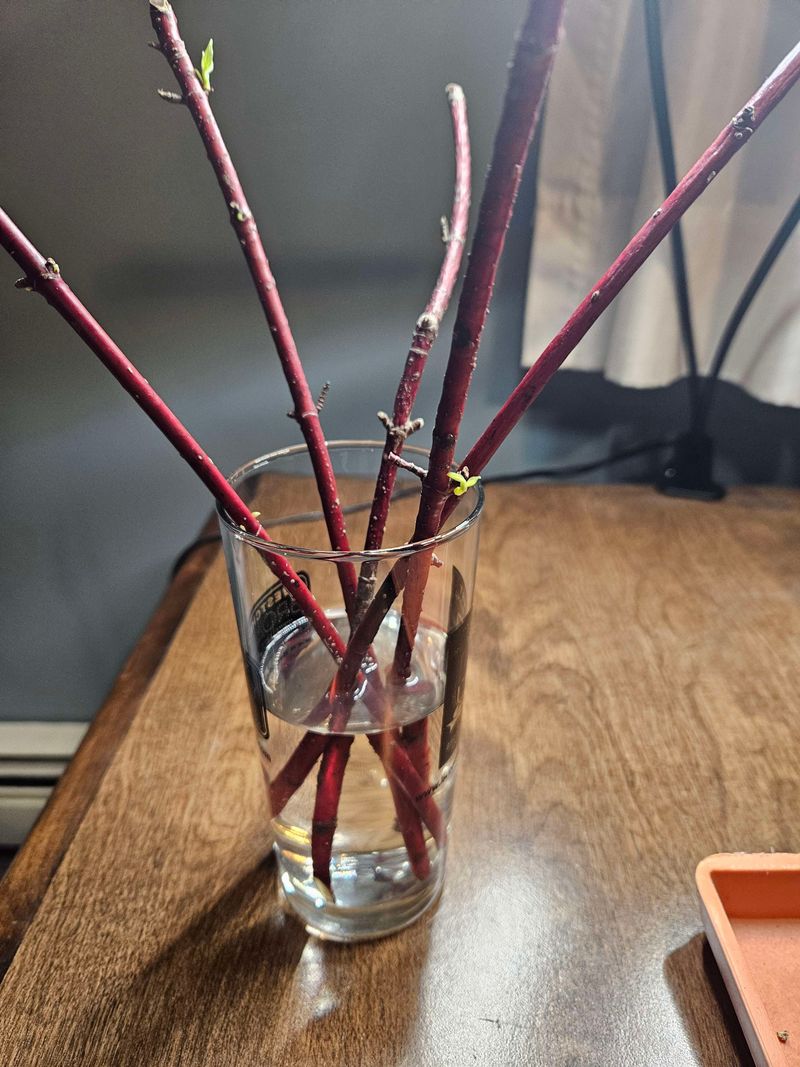
Few shrubs shout Michigan winter color the way red osier dogwood does, with its blazing red stems standing out against snow like neon signs.
But those same stems can cost a bundle at the nursery when you need a whole row of them. The good news is that this shrub is one of the friendlier ones to multiply at home.
Early summer is a solid window for softwood cuttings, taken from flexible new growth that has not yet turned woody.
Snip healthy stems to about 4 to 6 inches, remove the lower leaves, and leave just a small pair of leaves at the top.
That small leaf cluster gives the cutting enough energy to push roots without losing too much moisture through transpiration.
Your Michigan Garden Changes Every Week. Your Plan Should Too.
Gardening in Michigan changes quickly throughout the season. Every Friday you’ll receive a simple weekly plan showing exactly what to plant, prune, fertilize, harvest, and protect so you never miss the right timing.
Place the trimmed stems into moist perlite or a light rooting mix, then cover them loosely with a clear plastic bag or dome to hold humidity.
Set them in bright shade, not direct sun, and check the moisture level every day or two. Roots can begin forming in a few weeks under the right conditions.
Worth knowing: red osier dogwood also roots well from dormant hardwood cuttings or live stakes pushed directly into moist soil in late winter.
So if early summer cuttings do not work out, you have another chance later in the season. Either way, this shrub rewards patient gardeners generously.
3. Common Ninebark
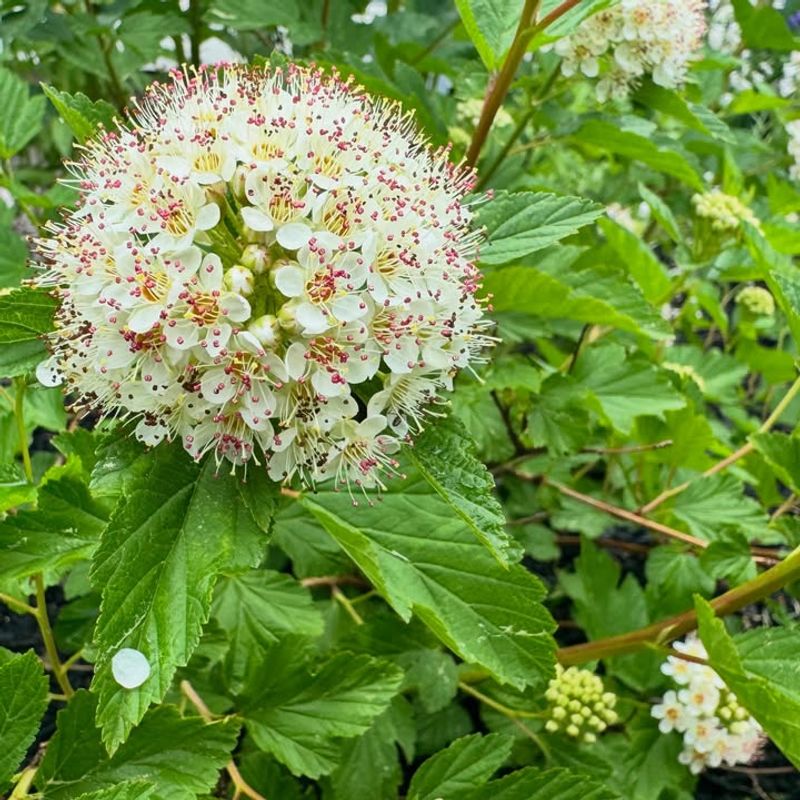
Common ninebark is one of those native shrubs that earns its place in the garden without asking for much.
It handles poor soils, tolerates part shade, and produces frothy clusters of white flowers in early summer that pollinators flock to.
And because named cultivars of ninebark can cost a lot at the nursery, propagating the straight species from your own plant makes a lot of sense.
Softwood cuttings work best when taken in early to midsummer, right when new growth is actively pushing out but has not yet hardened off. Aim for stems around 4 to 6 inches long.
Strip off the lower leaves, leaving just one small pair at the top so the cutting retains some energy without losing too much water through its leaves.
Dipping the cut end in rooting hormone powder or gel before planting can improve your success rate, though it is not always required.
Stick the prepared cutting into moist perlite or a light propagation mix, then cover the pot with a plastic bag or humidity dome.
Place it in bright shade and check the moisture every couple of days to keep things consistently damp but not soggy.
Roots typically start forming within three to five weeks under good conditions.
Once the cutting shows new leaf growth and resists a gentle tug, it is ready to pot up into a larger container. Grow it on for a full season before planting it out in the garden for the best results.
4. Black Chokeberry
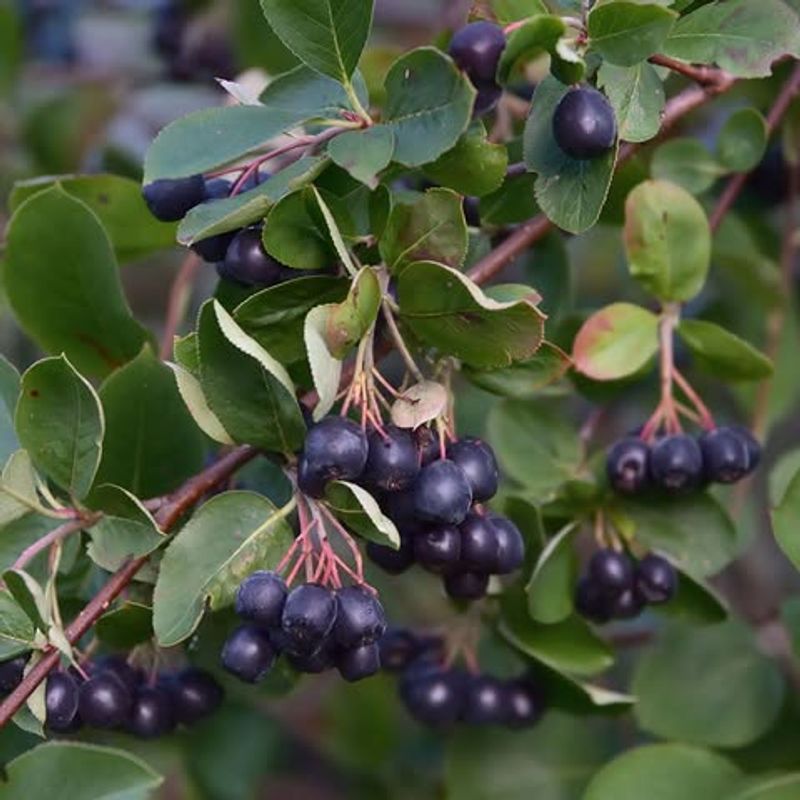
Black chokeberry packs a lot of value into one plant. Spring brings clusters of white flowers, summer produces dark glossy berries that birds devour, and fall turns the foliage a striking red-orange that rivals any ornamental shrub.
Nursery prices for chokeberry can be steep, especially if you want several for a mass planting or rain garden edge.
Late spring through early summer is a solid window for taking softwood or semi-softwood cuttings.
Semi-softwood means the stem has started to firm up slightly but is not yet fully woody, and these cuttings often root a little more reliably than completely soft new growth.
Look for healthy stems on the outer edges of the shrub where growth is most vigorous.
Trim your cuttings to about 4 to 6 inches, strip the lower leaves, and leave a small set of leaves at the tip. Place them in a moist, well-drained rooting mix such as perlite or a perlite-peat blend.
Covering the pot with a humidity dome or clear plastic bag traps moisture around the leaves and gives the cutting a much better chance of rooting successfully.
Check on your cuttings every few days to make sure the mix stays evenly moist. Roots should begin forming within a few weeks in warm, humid conditions.
Black chokeberry is adaptable and tough once established, so every rooted cutting you produce is a long-term asset for your Michigan native garden.
5. Silky Dogwood
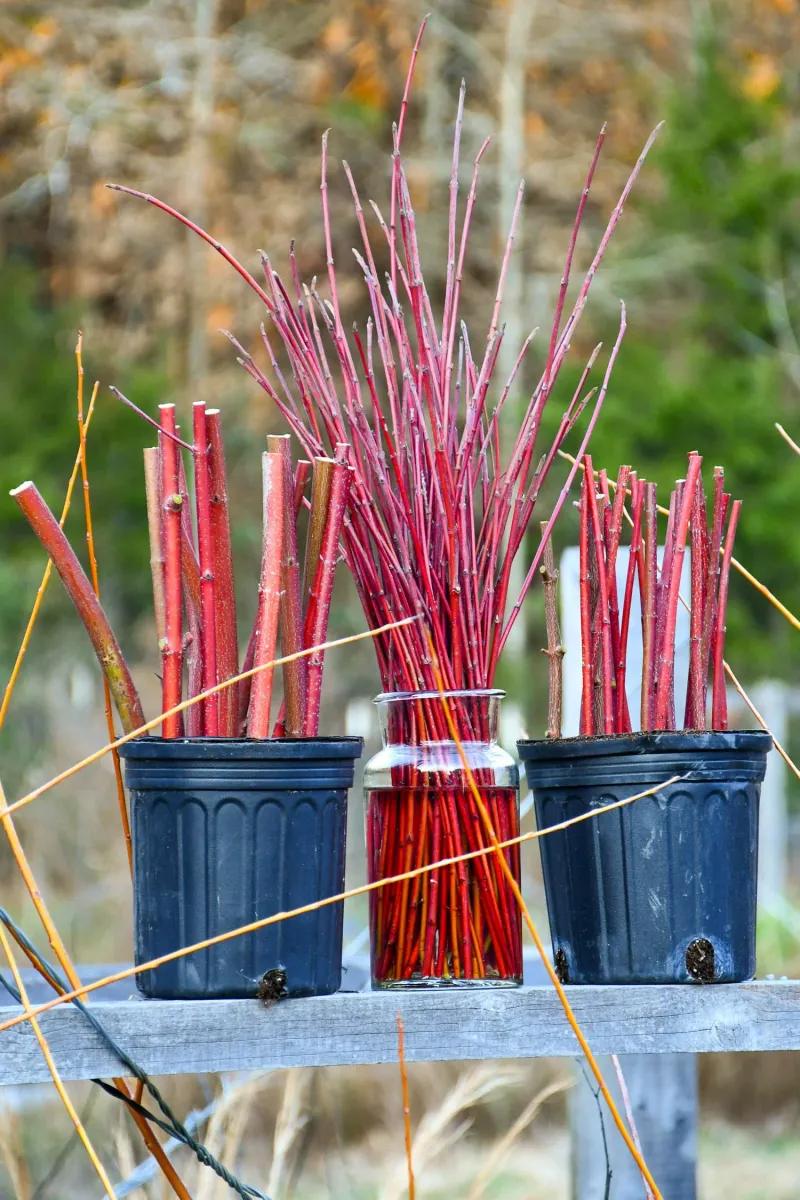
Silky dogwood is one of those quietly useful shrubs that does not get nearly enough attention.
It thrives in moist soils, works beautifully along natural borders, and produces berries that birds absolutely love.
If you already have one in your yard, multiplying it from cuttings is worth trying. Early summer is the right time to go looking for cutting material.
Choose flexible stems from healthy new growth, the kind that bends without snapping.
Each cutting should be around 4 to 6 inches long, with the lower leaves stripped off cleanly to reduce moisture loss.
Leave a small set of leaves at the tip so the cutting still has some photosynthesis going on while it works on making roots.
Push the prepared stems into a moist rooting mix, something like perlite or a perlite-peat blend, and cover the tray or pot with a clear dome or plastic bag.
Bright shade is the sweet spot here.
Too much sun will stress the cutting before roots have a chance to develop, and too little light slows things down. Not every cutting will root, and that is perfectly normal.
Silky dogwood responds well to consistent humidity and steady moisture, so check in regularly without overwatering.
Give it a few weeks and then gently tug to feel for resistance, which signals that roots are taking hold. Patience and attentiveness are your best tools with this one.
6. Winterberry Holly
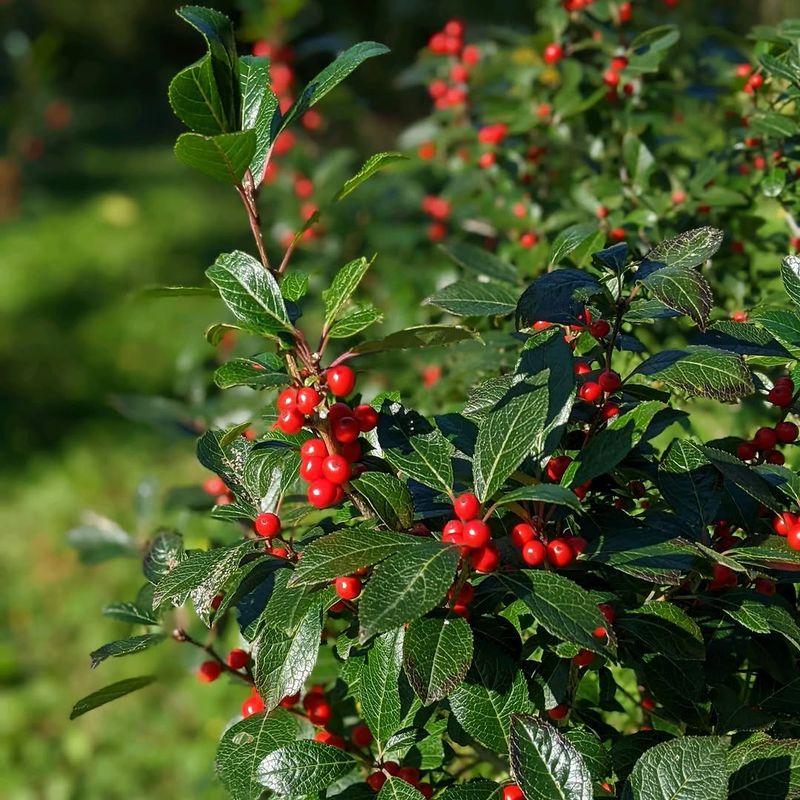
Winterberry holly is one of those shrubs that stops people in their tracks. Those clusters of blazing red berries clinging to bare gray stems in the middle of a Michigan winter look almost too good to be real.
Nursery plants are often pricey, and you typically need both male and female plants to get berries, which means the cost adds up fast.
Propagating winterberry from softwood cuttings is worth attempting in late spring to early summer, when new growth is flexible and full of moisture.
Take cuttings from healthy stems, trim them to around 4 to 6 inches, and remove the lower leaves while leaving a small pair at the top.
A rooting mix of peat and perlite works well for this shrub, keeping things moist without becoming waterlogged.
Here is something important to know before you start: cuttings are clones of the parent plant.
That means a cutting from a female plant will always be female, and a cutting from a male plant will always be male.
Since winterberry needs both sexes nearby to produce those famous berries, pay attention to which plant you are taking cuttings from.
Keep the cuttings in a humid, shaded spot and check moisture levels regularly. Rooting can take several weeks, so patience is essential.
Once roots form and new growth appears, pot the cuttings up and grow them on for a season before planting them out. Over time, your investment of one afternoon could give you an entire winterberry planting.
7. Buttonbush
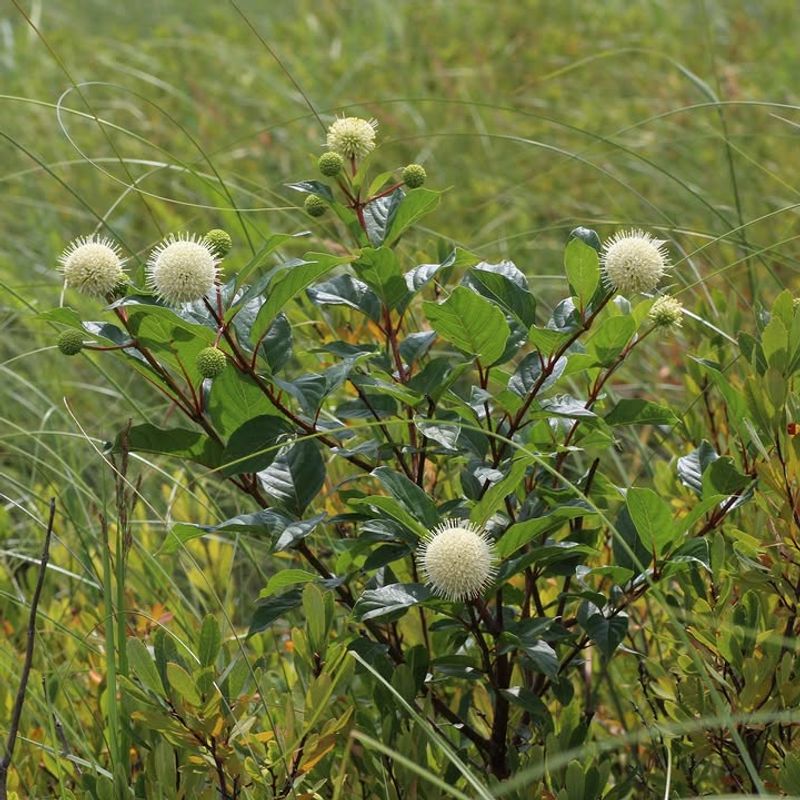
Buttonbush has one of the most distinctive flowers of any Michigan native shrub.
Those perfectly round, spiky white flower heads look like something from a science fiction movie, and pollinators absolutely cannot get enough of them.
If you have a rain garden, a wet yard edge, or a low-lying spot that stays damp, buttonbush belongs there.
The good news is that buttonbush roots fairly willingly from softwood cuttings taken in spring or early summer.
Choose stems from healthy new growth that are flexible but not completely floppy.
Each cutting should have at least two nodes, the small joints along the stem where leaves emerge, because roots tend to develop from these points.
Strip the lower leaves from each cutting and leave just a small set of leaves at the top.
Push the stems into a moist rooting mix, such as perlite or a sand-perlite blend, and cover the setup with a clear dome or plastic tent to trap humidity.
Buttonbush naturally grows in wet environments, so keeping the rooting mix consistently moist is especially important with this one.
Set the covered cuttings in bright shade and check them every couple of days.
Steady moisture and good humidity give buttonbush cuttings the best shot at rooting successfully.
Once you see new leaf growth and feel resistance when you gently tug a cutting, roots have formed.
Pot it up and keep it well-watered as it establishes, just like you would with any moisture-loving plant.
8. Arrowwood Viburnum
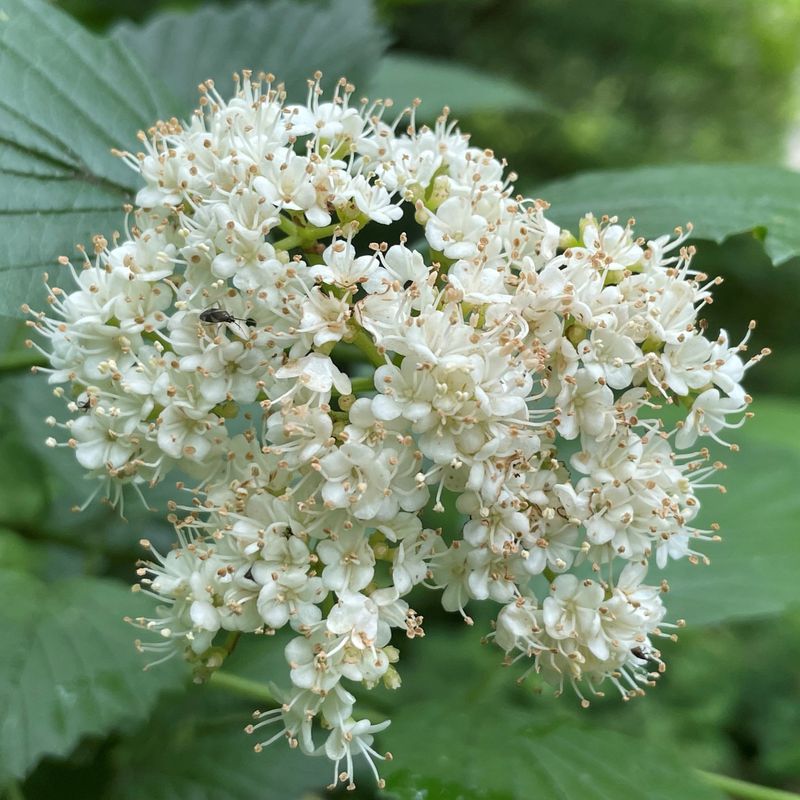
Arrowwood viburnum is a workhorse of the Michigan native garden.
It grows in sun or part shade, handles a range of soils, produces white flower clusters that pollinators love, and follows up with dark berries that birds snap up in fall.
For hedges, wildlife edges, or mixed borders, it is hard to beat. The catch is that buying several plants to fill a hedge line gets expensive quickly.
Late June to mid-July is a reliable window for taking softwood cuttings from arrowwood viburnum.
By that point, new growth has firmed up just enough to handle the propagation process without wilting immediately.
Look for stems on the outer edges of the shrub where growth is most active, and aim for cuttings around 6 inches long.
Remove the lower leaves from each cutting and leave just a small pair at the top.
Place the stems in perlite or a light rooting mix, making sure the base of each cutting is buried an inch or two into the mix.
Cover the pot with a humidity dome or clear plastic bag, and set it somewhere that gets bright but indirect light throughout the day.
Keep the rooting mix consistently moist and avoid letting it dry out between checks. Arrowwood viburnum cuttings can take several weeks to root, so stay patient.
Once new growth appears and cuttings resist a gentle tug, they are ready to pot up. Grow them on for a full season before transplanting to the garden.
9. American Elderberry
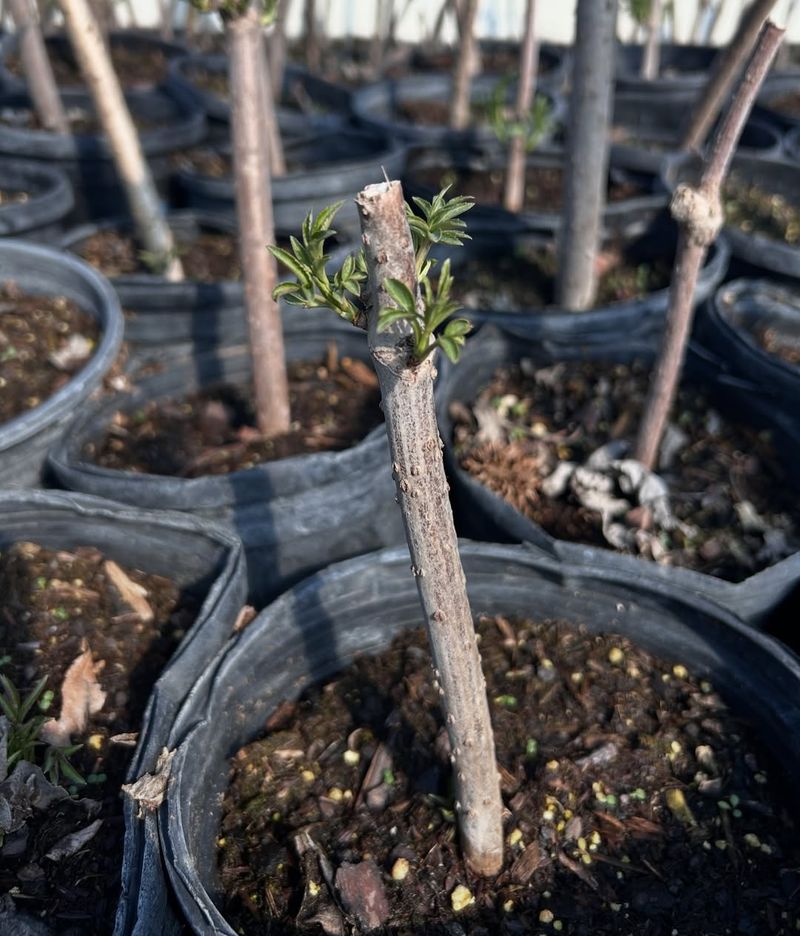
American elderberry is one of the most generous shrubs a Michigan gardener can grow.
It pumps out enormous clusters of white flowers in early summer, followed by dark berries that wildlife, and plenty of people, love.
Buying a few established elderberry plants adds up quickly, so propagating your own from cuttings is a smart move.
Softwood cuttings taken in early summer root reasonably well when handled carefully. Look for stems with two to four nodes, which are the small bumps or joints where leaves attach.
Each cutting should be around 4 to 6 inches long. Strip off the lower leaves and keep just a couple of leaves at the top to reduce moisture loss while roots develop.
Elderberry cuttings dry out faster than you might expect, so humidity is genuinely important here.
Place the stems in a sterile, light rooting mix and cover the setup with a clear dome or plastic tent right away.
Keep the mix consistently moist but never waterlogged, and set the cuttings in bright shade rather than direct afternoon sun.
Once roots develop and the cutting shows new growth, pot it up into a slightly larger container with regular potting mix.
Give it a few weeks to settle in before moving it to a sunnier spot.
Elderberry grows fast once established, so a rooted cutting from this summer could easily become a flowering shrub by next year. That kind of payoff is hard to beat.
10. Nannyberry Viburnum
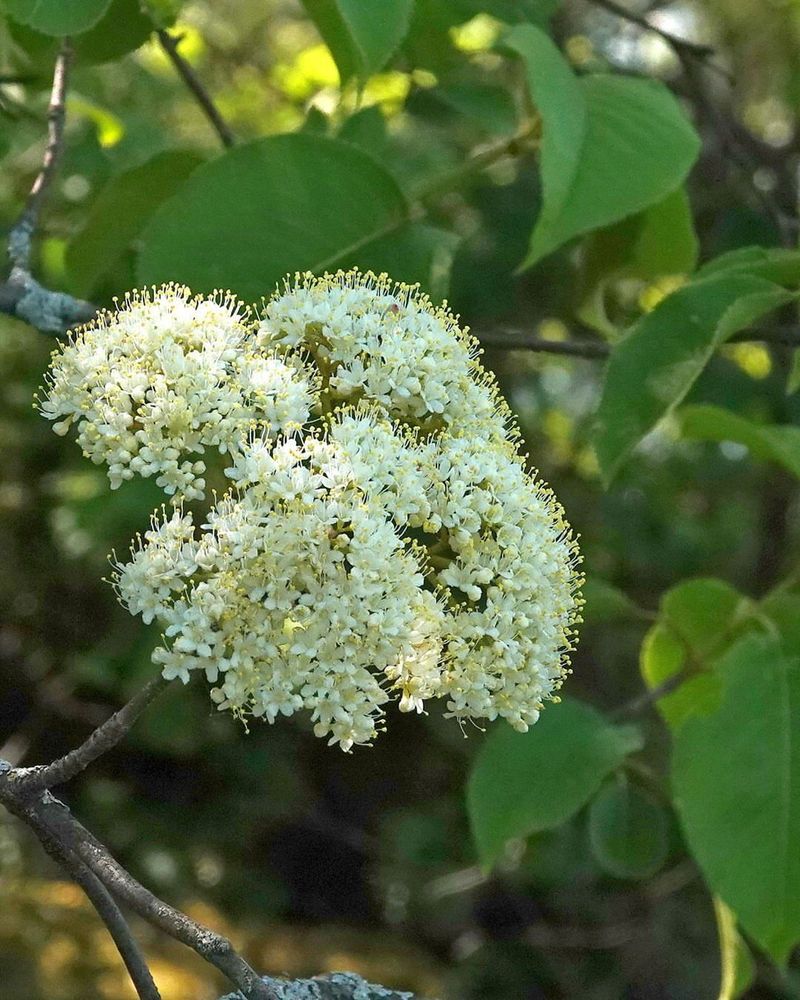
Nannyberry viburnum grows big, bold, and beautiful, often reaching 15 feet or more at maturity.
It produces fragrant white flower clusters in spring, dark blue-black berries that wildlife love in fall, and foliage that turns a warm reddish-purple as temperatures drop.
For larger yards and serious wildlife plantings, nannyberry is a standout choice.
Early-summer softwood cuttings are worth trying with nannyberry, using the same basic method that works for other viburnums. Take healthy stems from new growth that is flexible but not limp.
Trim each cutting to around 4 to 6 inches, strip off the lower leaves, and leave just a small set of leaves at the very tip to keep photosynthesis happening while roots develop below.
Moist rooting mix is essential, and a humidity tent or dome over the pot keeps conditions stable.
Nannyberry, like other viburnums, tends to take its time rooting compared to easier shrubs like elderberry or dogwood.
Patience is genuinely part of the process here, and checking cuttings too often or disturbing them before roots form can set things back.
Nannyberry also has a natural trick up its sleeve: branches that touch the ground sometimes layer on their own, forming roots where they make contact with soil.
If you spot a low branch doing this, you can encourage it by pinning it down and covering the contact point with moist soil.
Either way, this is a shrub well worth multiplying for the long haul.
11. Meadowsweet
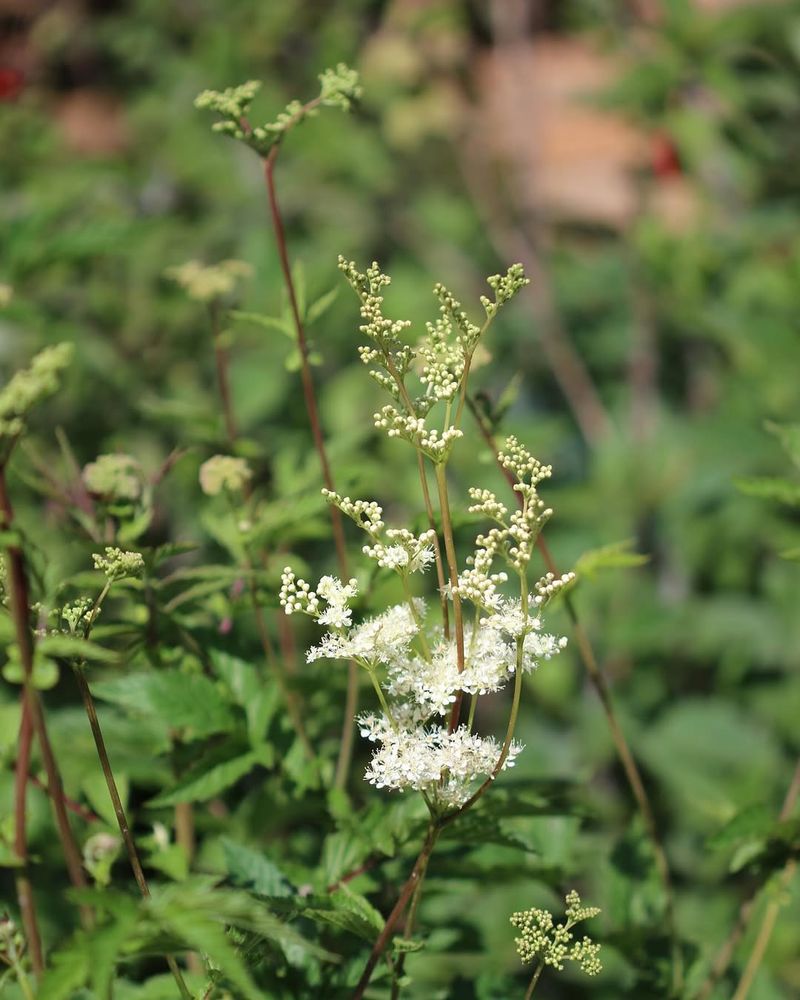
Meadowsweet is one of those plants that looks like it belongs on a cottage garden postcard.
Its fluffy white flower plumes appear in midsummer and attract a wonderful mix of native bees, butterflies, and other pollinators.
It thrives in sunny, moist spots, making it a natural fit for rain garden edges, low-lying areas, and streamside plantings across Michigan.
Early-summer softwood cuttings from non-flowering stems give you the best shot at rooting meadowsweet successfully.
Flowering stems put their energy into blooms rather than root production, so look for healthy vegetative shoots that are actively growing but have not yet formed flower buds.
Trim each cutting to around 4 to 5 inches and strip the lower leaves cleanly.
Place the prepared stems into a moist, light rooting mix and cover the pot or tray with a humidity dome or plastic tent.
Bright shade keeps the cuttings from drying out too quickly while they focus on root development.
Check the moisture level every couple of days and mist lightly if the mix starts to dry near the surface.
Meadowsweet also spreads naturally through suckers, so if you have an established clump, division in early spring or fall is another reliable way to get new plants. For early summer, though, softwood cuttings are your best bet.
Rooted cuttings potted up and grown on for a season will be ready to plant in their permanent sunny, moist spot the following spring.
12. Shrubby Cinquefoil
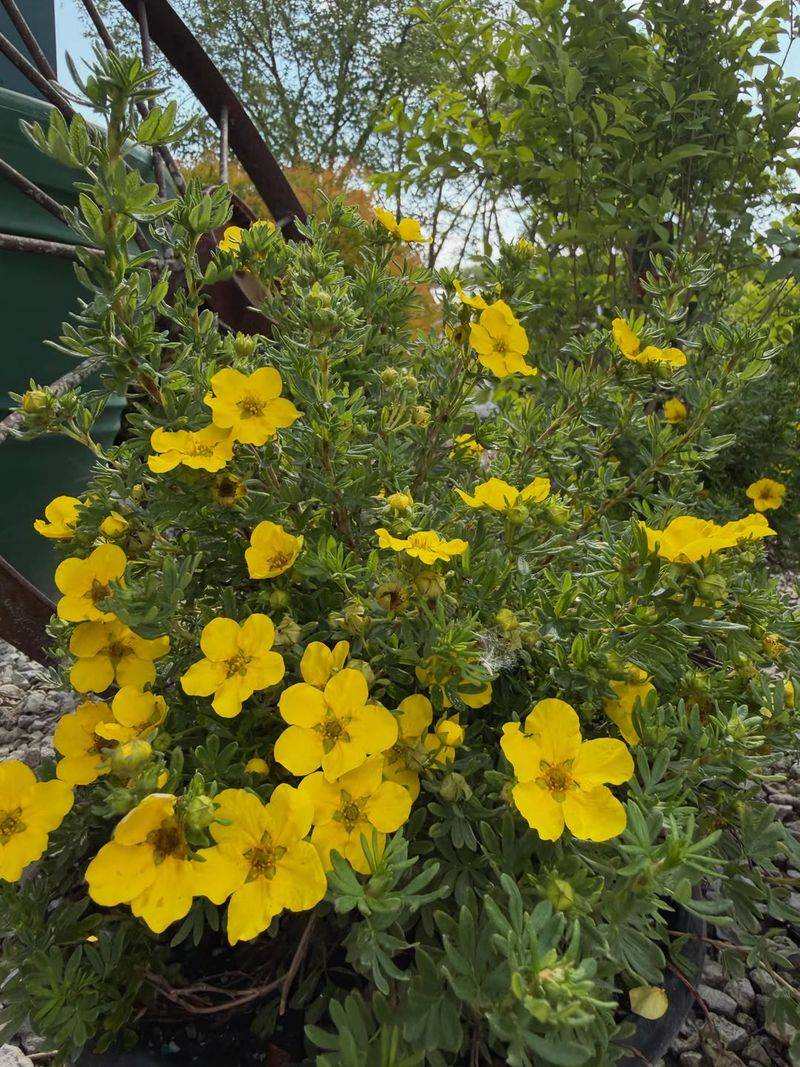
Shrubby cinquefoil is a tough little native that punches well above its weight class.
It stays compact, usually topping out around 2 to 4 feet, which makes it perfect for smaller landscapes, sunny borders, and spots where larger shrubs would simply take over.
And those cheerful yellow flowers keep coming from early summer all the way into fall, giving pollinators a reliable food source for months.
Early summer through July is a good window for taking softwood cuttings from shrubby cinquefoil. Look for fresh, flexible stems from the current season’s growth.
The ideal cutting is around 4 to 5 inches long, taken from a non-flowering shoot if possible. Flowering stems tend to root less reliably than vegetative ones, so choose your material carefully.
A rooting mix of perlite and peat, or even coarse sand mixed with perlite, gives the cutting good drainage while holding just enough moisture to keep things stable.
Strip the lower leaves from each cutting and push the base about an inch or two into the mix.
Rooting hormone powder or gel applied to the cut end can improve your success rate noticeably.
Cover the pot with a clear dome or plastic bag to hold humidity and set it in bright shade. Check every few days to make sure the mix stays evenly moist.
Shrubby cinquefoil cuttings generally root within three to five weeks under warm, humid conditions.
Once rooted, grow them on in a sunny spot before transplanting to their permanent home in the garden.