Have Mosquito-Free Patios All Summer In Louisiana With These 8 Plants
You stepped outside for peace. The mosquitoes had other plans. Louisiana summers are stunning, layered, and relentlessly alive.
But the moment that first buzz hits your ear, the magic dissolves and the evening you planned just slips away.
You flinch, you wave them off, you retreat inside. What if one season could finally feel different?
That cycle ends here. Your patio belongs to you, not to whatever tiny, bloodthirsty thing hatched in standing water nearby.
The fix is not a chemical cloud or a citronella candle that barely covers two square feet. It is something far more satisfying.
Plants. Specific ones. Ones that mosquitoes genuinely cannot stand. You already have the space.
You may already have the urge to grow something. What you need now is the right combination of beauty and bite.
These plants do not just look good in a Louisiana yard. They pull double duty, working quietly while you sit back and finally enjoy what summer here is supposed to feel like.
1. Lemongrass
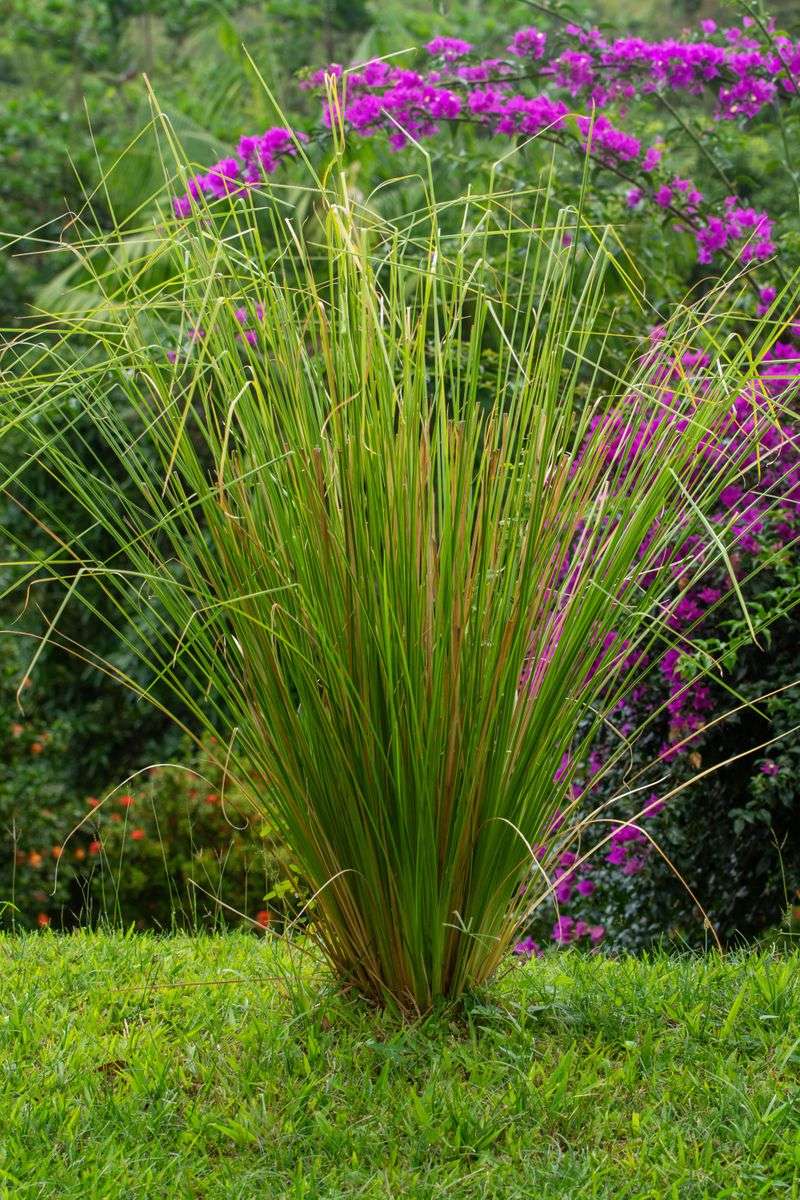
Lemongrass is the heavy hitter of mosquito-repelling plants, and it means serious business. One brush against its tall, grassy blades releases a sharp citrus scent that sends mosquitoes packing.
This tropical plant thrives in heat and humidity, making it a natural fit for Gulf Coast summers. It grows fast, looks bold, and does its job without any fuss from you.
Lemongrass contains citronellal, the same family of compounds that makes citronella candles work. Growing the actual plant gives you a living source of that repelling chemistry all season long.
Lemongrass can grow up to six feet tall, so place it in large containers near seating areas. Its height creates a natural wall between you and those uninvited guests buzzing around your yard.
You can also harvest the stalks for cooking, making it a two-for-one deal in your garden. Thai soups, marinades, and stir-fries all benefit from fresh lemongrass added right from the patio.
Water it regularly and give it full sun, and this plant will reward you generously. It loves warm soil and does not tolerate frost, so bring it indoors when temperatures drop.
Having mosquito-free patios all summer starts with one strong anchor plant, and lemongrass earns that title easily. Start with one large pot and watch your outdoor evenings transform completely.
2. Lavender
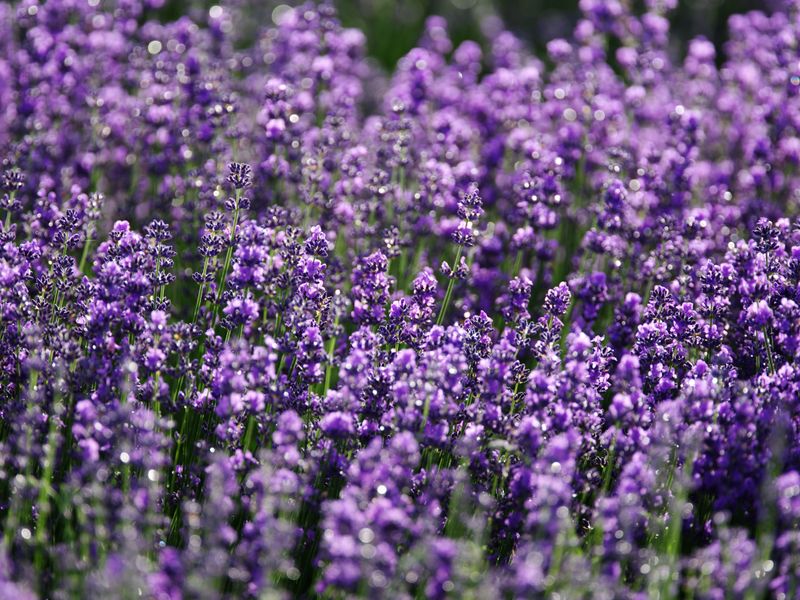
Close your eyes and imagine rows of purple flowers swaying in a warm breeze, filling the air with a scent so calming it almost feels like a hug. That is lavender, and mosquitoes absolutely cannot stand it.
While humans find lavender soothing and lovely, mosquitoes read that same smell as a giant stop sign. The plant produces linalool, a natural compound that messes with insect senses and keeps them at a distance.
Lavender thrives in well-drained soil and loves full sun, but Louisiana’s humidity is its biggest enemy. Do not plant it directly in the ground here.
Raised containers with fast-draining gritty soil give it the best chance of surviving a Gulf Coast summer without rotting at the roots.
Your Louisiana Garden Changes Every Week. Your Plan Should Too.
Gardening in Louisiana changes quickly throughout the season. Every Friday you’ll receive a simple weekly plan showing exactly what to plant, prune, fertilize, harvest, and protect so you never miss the right timing.
One smart trick is to rub a few fresh lavender stems between your palms before sitting outside. The oils transfer to your skin and give you a personal layer of protection without any sprays.
In the South, Spanish lavender tends to handle heat and humidity better than French or English varieties. Look for that specific type at local nurseries to avoid disappointment mid-summer.
Lavender also attracts pollinators like bees and butterflies, so your patio becomes a little ecosystem of good things. Fewer mosquitoes plus more butterflies sounds like a fair trade to most people.
Keep the soil on the drier side between waterings, and trim spent blooms to encourage new growth. A well-maintained lavender plant can last for years and keep working for your mosquito-free patios all summer long.
3. Rosemary
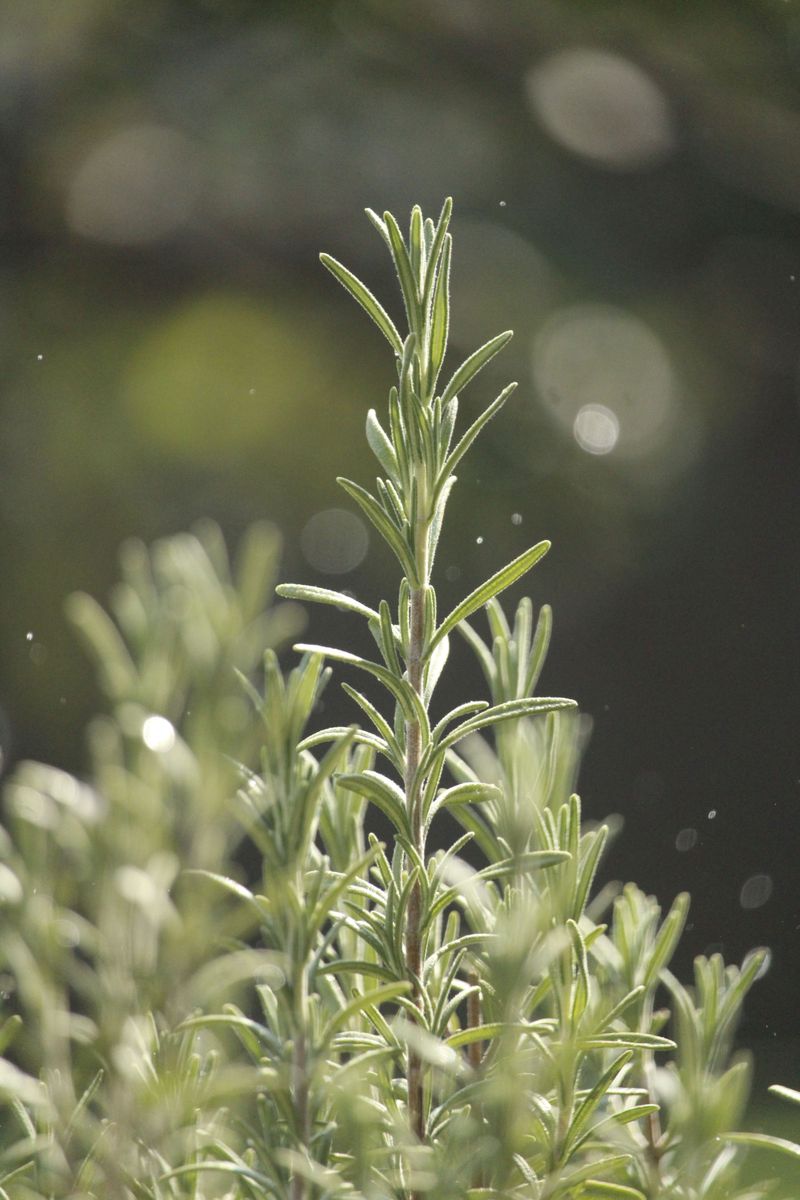
Rosemary smells like Sunday roast chicken and fresh focaccia bread, but to mosquitoes, it smells like danger. This tough, woody herb is one of the most underrated bug-fighters you can grow outdoors.
Its needle-like leaves contain strong aromatic oils that insects find deeply offensive. The more heat and sunlight the plant gets, the more oil it produces, which means hotter days actually make it more effective.
Rosemary is a dream plant for forgetful gardeners because it handles drought like a champ. Once established, it needs very little water and thrives on neglect, making it perfect for busy homeowners.
You can shape rosemary into a small shrub or let it sprawl naturally over the edges of a pot. Either way, it adds a Mediterranean charm to your patio while doing serious bug-repelling work.
For extra protection on especially buggy nights, toss a few rosemary sprigs onto a hot grill or outdoor fire pit. The smoke carries those repelling oils into the air around your seating area.
Rosemary pairs beautifully with other herbs in a container garden, so mix it with basil or lemon balm. A mixed herb pot near your patio door creates a fragrant, functional barrier against pests.
Louisiana summers can be brutal, but rosemary handles the heat without skipping a beat. Plant it once and enjoy its protection season after season with barely any effort on your part.
4. Basil
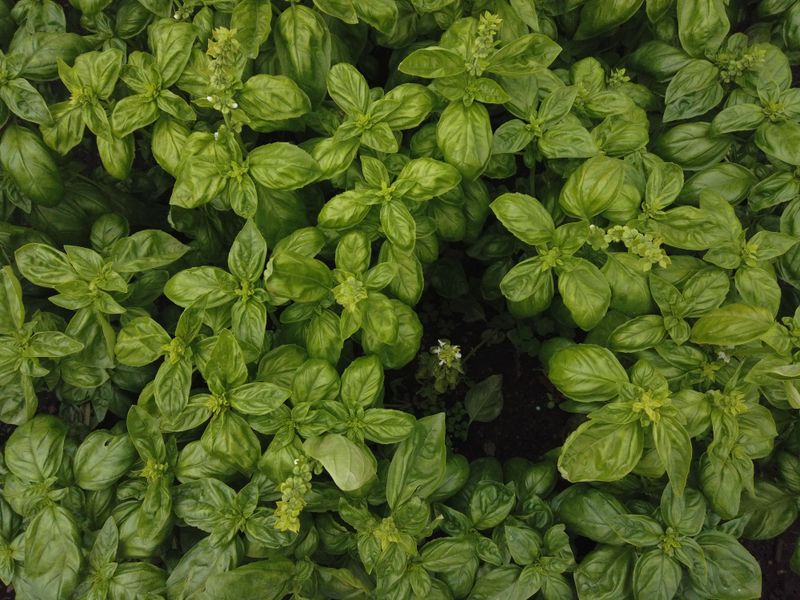
Basil is the overachiever of the herb garden, pulling double duty as a culinary superstar and a mosquito deterrent.
That bold, peppery aroma you love in pasta sauce is the exact thing that sends mosquitoes flying the other way.
Basil releases some of its oils passively into the air, which creates a mild deterrent around your seating area. For stronger protection, brush or lightly crush a few leaves before sitting outside.
That small step makes a noticeable difference in how well the plant performs. Lemon basil and cinnamon basil tend to be especially effective against mosquitoes compared to sweet basil.
Mixing a couple of varieties in one large pot gives you broader coverage and a more complex fragrance.
Basil loves heat and sun, and Louisiana delivers both in abundance. Place it where it gets at least six hours of direct sunlight daily.
Keep it well-watered but not waterlogged, and pinch off flower buds to keep the plant bushy and productive.
Harvest leaves regularly for your kitchen and the plant will thank you by growing even fuller. Louisiana cooking and fresh basil are a natural match.
Fresh caprese salads, homemade pesto, and grilled chicken all taste better with herbs from your own patio.
One fun trick is to place a small basil pot right on the table where you eat outdoors. Mosquitoes tend to avoid the immediate zone around the plant, giving you a natural buffer during meals.
Basil is affordable, easy to find, and grows quickly from seed or transplant. For Louisiana patios that need to pull double duty on beauty and bug control, basil earns its spot as both a flavor booster and a bug chaser.
5. Bee Balm
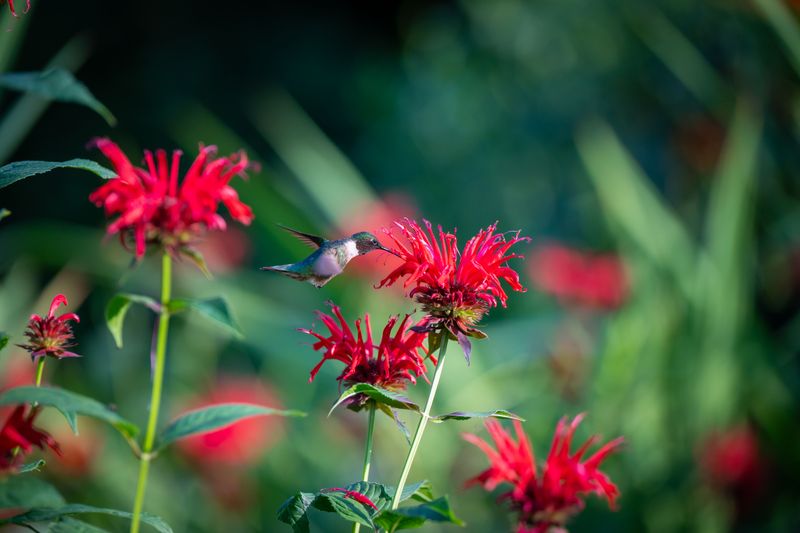
Bee balm looks like fireworks frozen mid-burst, with wild, spiky blooms in shades of red, pink, and purple.
It is one of the showiest plants on this list, and it comes with serious mosquito-fighting credentials.
The leaves and flowers contain thymol, a natural compound also found in thyme, which mosquitoes find deeply unpleasant.
Brushing against the plant releases the scent and gives the air around you an invisible layer of protection.
Native to North America, bee balm has been used by indigenous communities for centuries as a medicinal and aromatic herb. That long history of usefulness speaks to just how powerful and reliable this plant really is.
Bee balm thrives in full sun to partial shade, which gives it flexibility for different patio setups. It prefers moist, well-drained soil and benefits from regular watering during hot months.
In Louisiana, watch for powdery mildew, a common problem in high humidity. Choose mildew-resistant varieties like Jacob Cline or Raspberry Wine, and give plants enough spacing for air to circulate freely.
One of the biggest perks of bee balm is how much it attracts hummingbirds and butterflies. Your patio becomes a lively nature scene where the good creatures outnumber the bad ones significantly.
Remove spent blooms regularly to encourage continuous flowering throughout the season. A plant that keeps blooming keeps repelling, so a little grooming goes a long way.
Bee balm spreads enthusiastically, so container growing is a smart choice for patios with limited space.
Give it room to breathe and it will reward you with color, fragrance, and a noticeably less buggy outdoor experience all season.
6. Marigolds
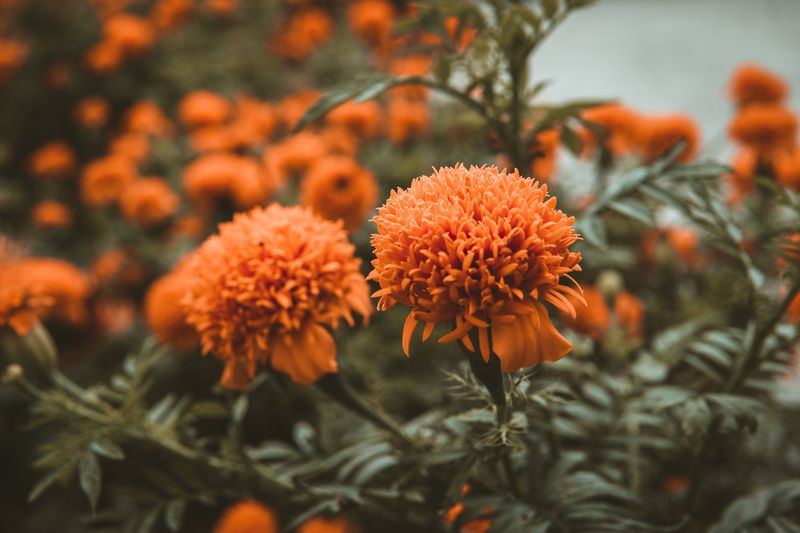
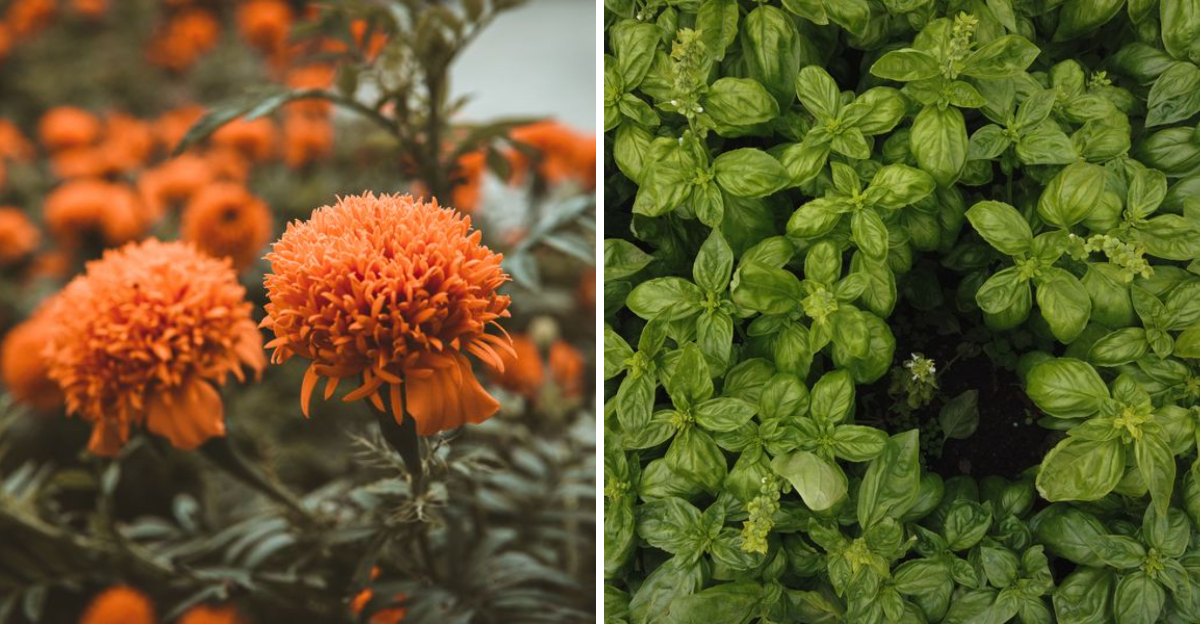
Marigolds are the cheerful, no-nonsense guard dogs of the garden world. Their bright orange and yellow blooms look welcoming to people but signal trouble to mosquitoes, aphids, and other unwanted bugs.
The secret lies in their volatile compounds, primarily limonene and ocimene, which mosquitoes find deeply off-putting.
These natural oils release into the air around the plant continuously, creating a low-level deterrent that works without any effort from you.
French marigolds, specifically the Tagetes patula variety, are considered the most effective for repelling mosquitoes.
Look for that variety at your local garden center when you are shopping for patio protection this season.
Marigolds are one of the easiest plants to grow, making them ideal for beginners or anyone short on time. They need full sun, moderate watering, and very little else to produce a season-long show of color.
Place pots of marigolds near entry points like patio doors, gate openings, and seating corners.
Creating a perimeter of blooms gives you the best chance of keeping the whole outdoor area mosquito-light. Removing spent flowers encourages the plant to keep producing new blooms.
More blooms mean more of those repelling compounds releasing into the air, so regular deadheading directly boosts your protection.
Marigolds also work brilliantly as companion plants alongside vegetables in raised beds. Their bug-fighting reputation extends to protecting tomatoes, peppers, and herbs from a wide range of garden pests all summer.
7. Lemon Balm
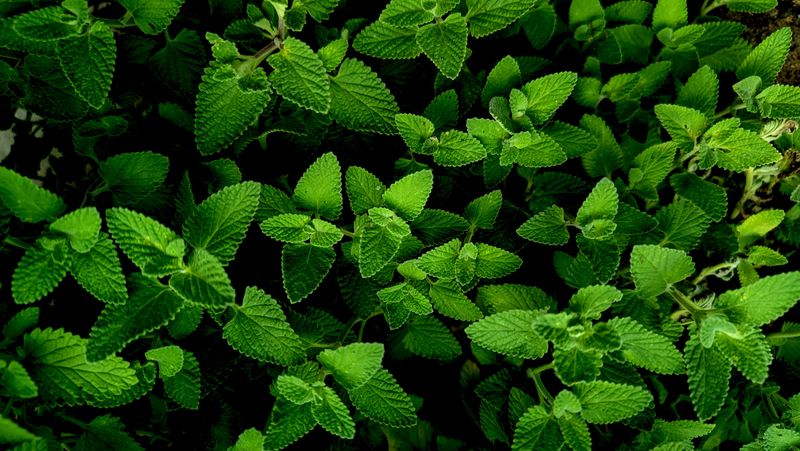
Lemon balm is the quiet overachiever that never gets enough credit in the garden conversation.
Its soft, crinkled leaves smell like fresh lemonade on a hot day, and mosquitoes absolutely refuse to be around it.
The plant is loaded with citronellal, a natural compound closely related to the oils found in citronella grass.
That connection makes lemon balm a surprisingly powerful deterrent despite its delicate, gentle appearance.
Lemon balm grows fast and spreads aggressively. In Louisiana’s warm, moist climate it can take over a garden bed within a single season and become genuinely difficult to remove.
Grow it exclusively in containers with no drainage contact with open soil, and check the pot base regularly. Kept contained, it thrives beautifully and causes no trouble at all.
Rub a few leaves between your fingers before heading outside and apply the oil directly to your skin. It acts as a light, natural insect deterrent with a noticeably more pleasant scent than most commercial sprays.
Beyond bug control, lemon balm has a long history as a calming herb used in teas and natural remedies. Steep fresh leaves in hot water for a soothing evening drink that pairs perfectly with a mosquito-free patio moment.
The plant prefers partial shade to full sun and stays happy with regular watering during hot months. Trim it back occasionally to prevent it from getting leggy and to encourage fresh, oil-rich new growth.
In Louisiana’s heat, that combination of reliability and low maintenance makes it one of the smartest additions to any patio setup.
8. Scented Geranium
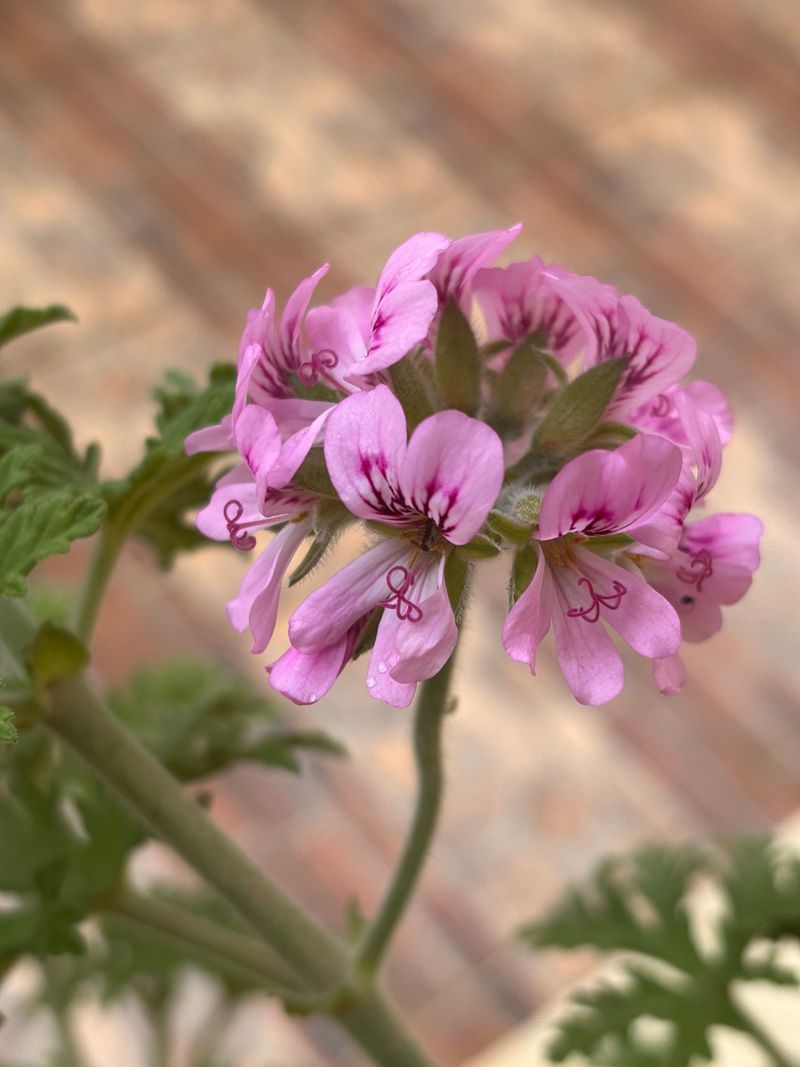
Often sold under the catchy nickname “mosquito plant,” the scented geranium is one of the most talked-about bug repellers in the garden world.
Its lacy, deeply lobed leaves smell unmistakably like citronella when touched or brushed. This plant is not a true geranium, but it earns its place through its beauty and fragrance.
The plant produces small, delicate pink or lavender flowers that add a soft, romantic touch to any patio setup.
Research shows that the plant alone may not repel mosquitoes from a wide area without some physical interaction.
Placing it where guests will naturally brush against it, like along a walkway or beside a chair, maximizes its effectiveness.
Crushing a few leaves and rubbing them on your arms and legs gives you a quick, pleasant-smelling barrier.
The citronella-like oils cling to skin and create a personal shield that lasts for a reasonable stretch of time.
This plant loves heat and sunshine, thriving in the exact conditions that make Gulf Coast summers so intense. Plant it in well-draining soil, water it moderately, and it will grow into a lush, fragrant centerpiece.
Scented geraniums come in a surprising range of fragrances beyond citronella, including rose, mint, and nutmeg.
Mixing a few scented varieties in one planter creates a multi-layered aromatic experience that is both beautiful and functional.
Adding this plant to your collection of mosquito-free patio solutions gives you charm, fragrance, and protection all wrapped into one gorgeous pot.