These Native Pennsylvania Plants Practically Grow Themselves In The Worst Heat Along Driveway Edges
Driveway edges in Pennsylvania take a specific kind of punishment through summer that most plants are not built to handle.
Reflected heat off the pavement, compacted soil from foot and vehicle traffic, and the dry conditions that form along hard surfaces create a growing environment that eliminates the usual landscaping choices quickly.
Most plants installed along driveway edges with good intentions end up looking stressed and patchy by August, requiring supplemental water and attention that the rest of the yard does not demand. Native Pennsylvania plants selected for exactly these conditions behave entirely differently.
They settle into the heat and the tough soil, establish root systems that manage without regular irrigation, and fill in with a natural presence that looks intentional rather than accidental.
Several of them bring seasonal color or texture that driveway edges rarely get credit for being able to support.
Getting the right natives established in these spots is one of the more quietly satisfying wins in a Pennsylvania garden.
1. Black-Eyed Susan
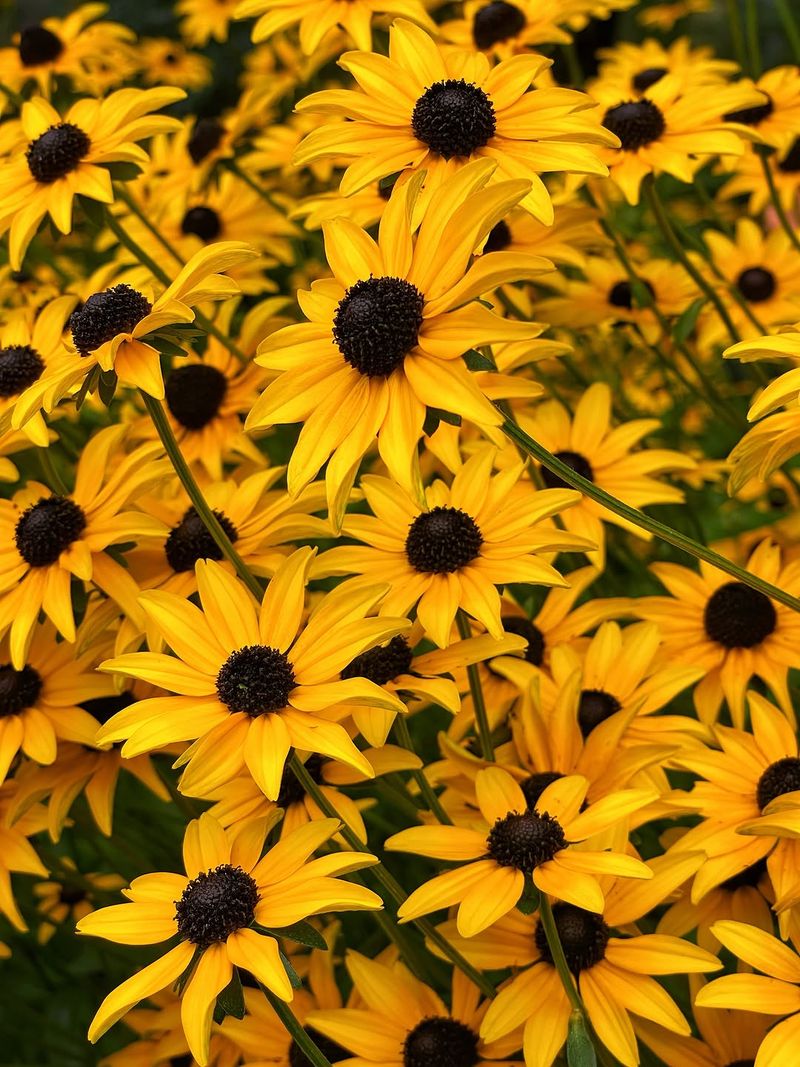
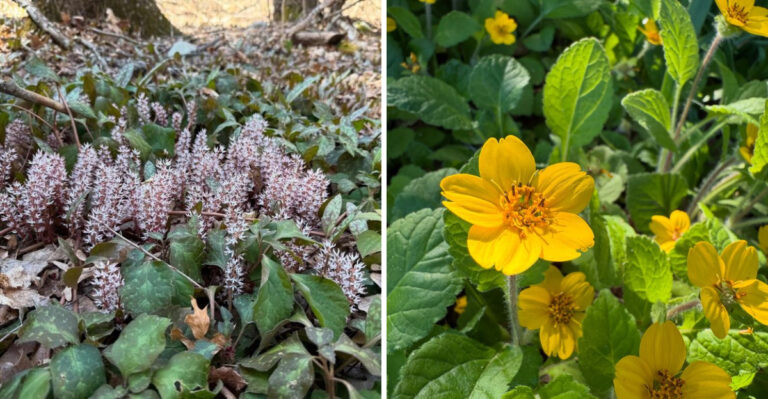
Few wildflowers say “summer” louder than a patch of Black-Eyed Susans. Those bold yellow petals surrounding a dark chocolate-brown center are impossible to miss, and they show up even in spots where other plants would give up fast.
Along driveway edges where heat radiates off pavement and soil dries out quickly, Black-Eyed Susans keep right on blooming without missing a beat.
Native to Pennsylvania and much of eastern North America, Rudbeckia hirta is a short-lived perennial that often acts like a self-seeding annual. That means once you plant it, it tends to come back year after year by dropping its own seeds.
You get a continuous, cheerful display without doing much at all. Planting is simple: just tuck seedlings or seeds into well-drained soil in a sunny spot and step back.
Black-Eyed Susans thrive in full sun and can handle poor, dry soil with no problem. They actually prefer lean soil over rich, amended garden beds.
Overwatering or over-fertilizing can cause floppy stems and fewer flowers. Less really is more with this plant.
Pollinators absolutely love them. Bees, butterflies, and even goldfinches visit regularly throughout summer and into fall.
The seed heads left standing after blooming provide food for birds during cooler months. Deadheading is optional since letting the seeds drop ensures next year’s show.
Reaching about two to three feet tall, they add cheerful vertical color to flat driveway borders without crowding out neighboring plants.
2. Purple Coneflower
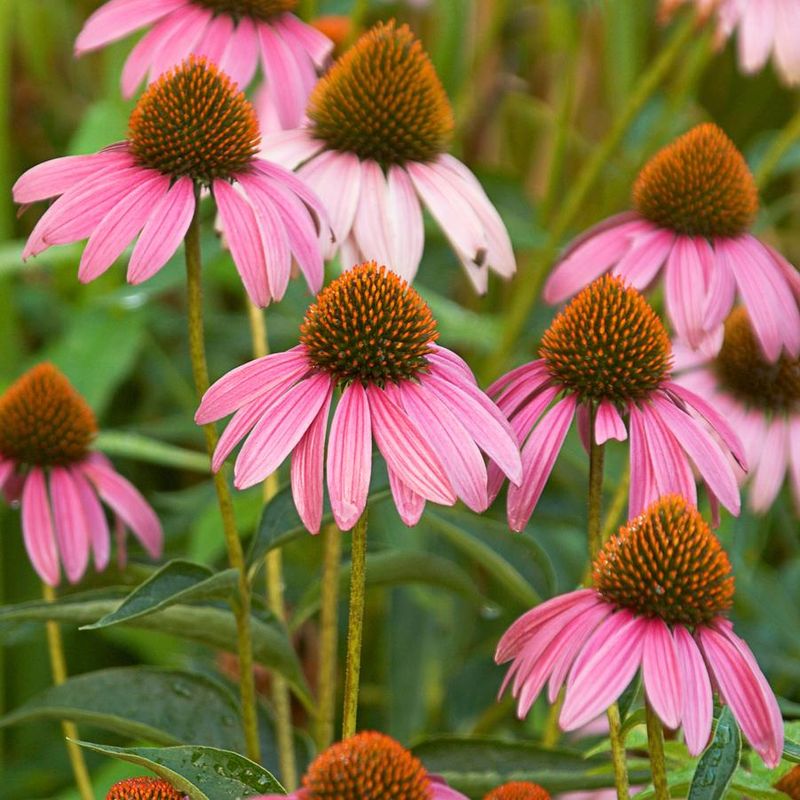
Tough, striking, and almost impossible to neglect into failure, Purple Coneflower has earned its reputation as one of the most dependable native perennials in Pennsylvania.
The rosy-purple petals droop slightly around a raised, spiky orange-brown cone, giving each bloom a relaxed, wildflower charm that looks natural along any driveway edge. Gardeners who have tried it once rarely go back to finicky alternatives.
Echinacea purpurea is built for the hard life. Rocky soil, blazing afternoon sun, and stretches of dry weather are conditions it handles without complaint.
The deep taproot system is the secret weapon here. It reaches down into the soil to find moisture long after the surface has dried out completely. Once established after the first season, this plant is remarkably self-sufficient.
Your Pennsylvania Garden Changes Every Week. Your Plan Should Too.
Gardening in Pennsylvania changes quickly throughout the season. Every Friday you’ll receive a simple weekly plan showing exactly what to plant, prune, fertilize, harvest, and protect so you never miss the right timing.
Did you know that Echinacea has been used medicinally for centuries by Native American tribes? Long before it appeared in health food stores, Indigenous peoples used it to treat infections and wounds.
Today it is celebrated both as a garden plant and a wellness herb. That rich history adds a layer of meaning to every plant you put in the ground.
Planting Purple Coneflower along a driveway is straightforward. Space plants about eighteen inches apart in full sun for best results, though they tolerate part shade too.
Avoid heavy clay or waterlogged soil. Blooms arrive in midsummer and last for weeks, attracting bees, butterflies, and hummingbirds.
Leaving seed heads standing through winter feeds hungry birds and adds structure to the garden during the cold, bare months ahead.
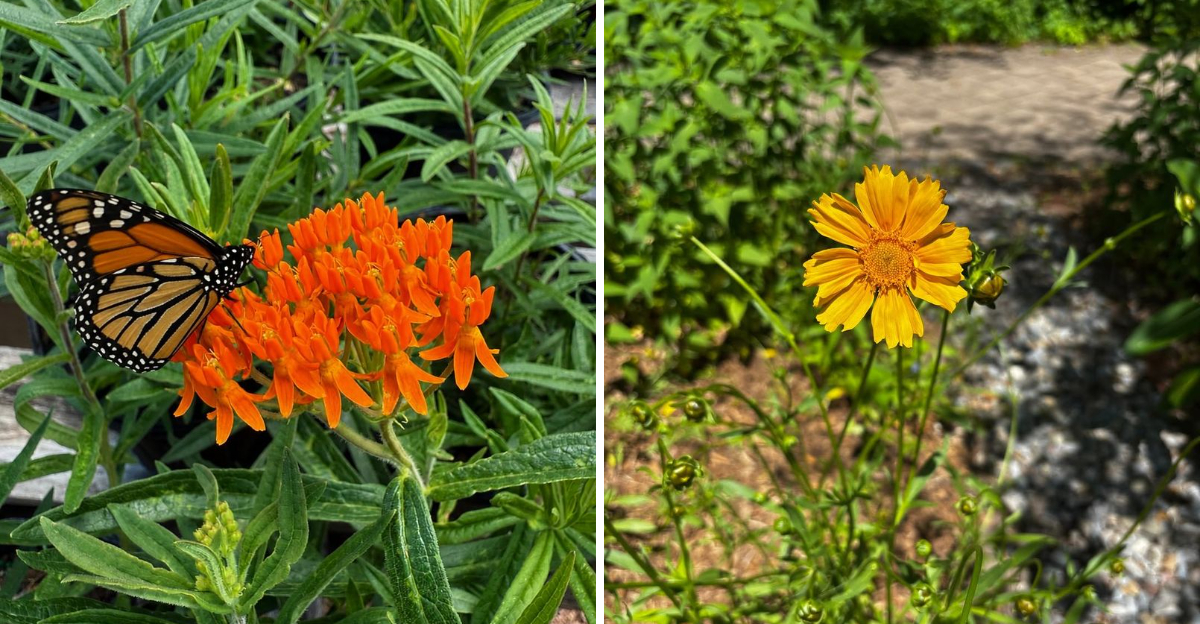
3. Butterfly Weed
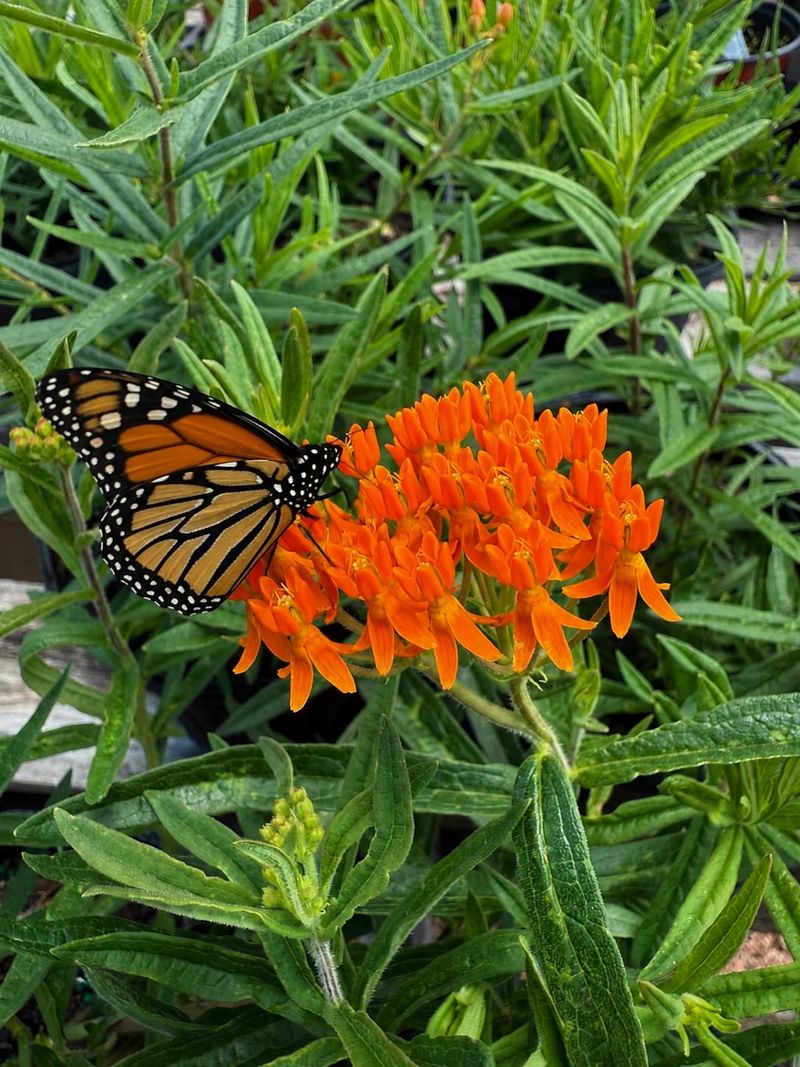
Imagine a plant so irresistible to butterflies that monarch migrations literally depend on it. That is Butterfly Weed in a nutshell.
The clusters of vivid orange blooms look like tiny fireworks, and from midsummer onward, you will rarely see a patch without at least one butterfly resting on it.
Along a driveway edge where heat builds up and conditions get harsh, Butterfly Weed does not just survive, it thrives.
Asclepias tuberosa is a native milkweed, and it is one of the most drought-tolerant plants Pennsylvania has to offer. The thick, deep taproot stores water and nutrients, allowing the plant to go weeks without rain without showing any signs of stress.
This makes it a perfect candidate for the dry, sun-baked strips of soil that run alongside driveways and sidewalks where irrigation rarely reaches.
One important tip for new gardeners: do not try to transplant established Butterfly Weed. The taproot does not like being disturbed.
Start from seed directly in the ground or purchase young container plants and settle them in carefully during spring. After that first season of establishment, you can basically forget about it. Minimal watering, no fertilizer needed, and no pest problems to worry about.
Beyond its value for monarchs, Butterfly Weed supports dozens of other native bee species and serves as a larval host plant for several moth species. Reaching about one to two feet tall, it fits neatly along narrow driveway edges without overwhelming the space.
The seed pods that form in late summer are also a fun bonus, splitting open to release silky, wind-carried seeds in early fall.
4. Prairie Dropseed
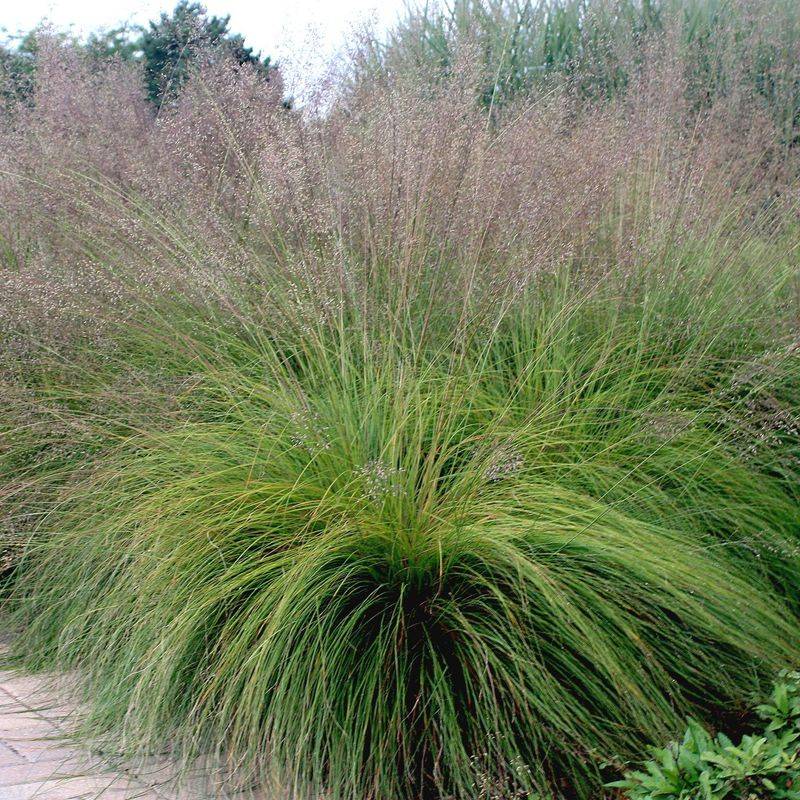
Not every driveway edge needs a flower. Sometimes the most elegant solution is a graceful, flowing grass that moves in the breeze and requires almost zero attention.
Prairie Dropseed is exactly that plant. Its fine, hair-like blades form tidy, arching mounds that look polished without any pruning or shaping.
Place a few clumps along a driveway edge and the whole space looks intentional and designed.
Sporobolus heterolepis is native to prairies across the Midwest and Northeast, including Pennsylvania.
It has adapted over thousands of years to handle full sun, dry soil, and intense summer heat, which makes it a natural fit for the punishing conditions found along paved surfaces.
The roots go deep, anchoring the plant and pulling up moisture from layers of soil that shallower-rooted plants cannot reach.
One of the most underrated features of Prairie Dropseed is its fragrance. In late summer, it produces delicate, airy flower and seed heads that carry a surprisingly pleasant scent, sometimes described as buttered popcorn or coriander.
It is a quirky little detail that catches first-time growers completely off guard in the best possible way.
Care is minimal. Plant in full sun and well-drained soil, water occasionally during the first season to help roots establish, and then leave it alone.
Prairie Dropseed is slow to establish but extremely long-lived once settled. It rarely needs dividing and has no serious pest or disease issues.
In fall, the foliage turns a warm golden-orange color, adding one last burst of seasonal beauty before winter sets in along your driveway.
5. Wild Bergamot
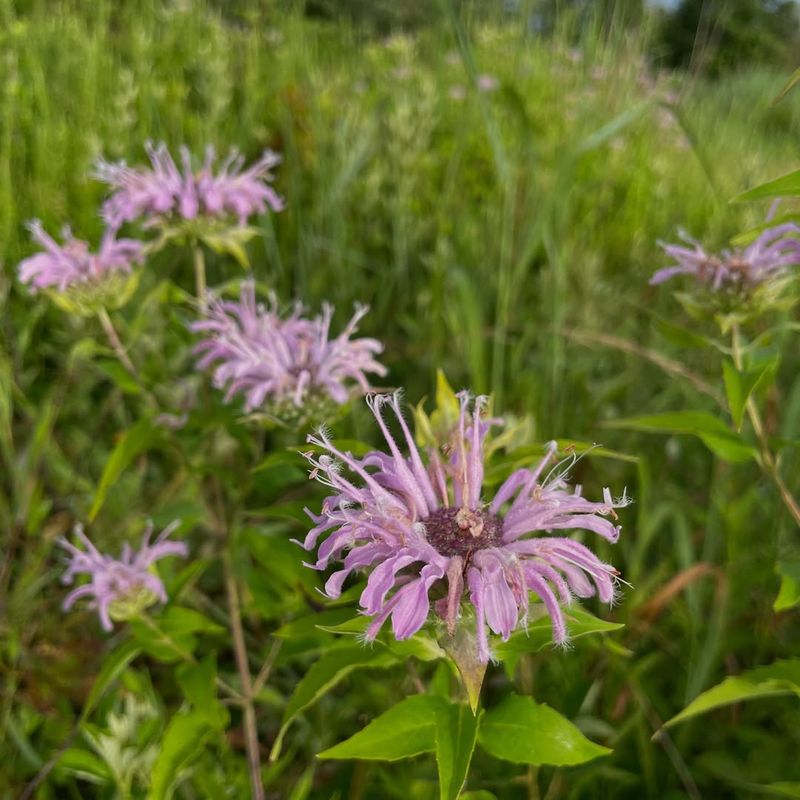
Walk past a patch of Wild Bergamot on a warm afternoon and you will catch a scent that is somewhere between oregano and mint, earthy, herby, and surprisingly pleasant.
That aroma comes from the same aromatic oils found in the culinary herb family, and it is part of what makes this plant so appealing to pollinators.
Bees practically line up to visit the lavender-pink flower clusters that bloom from midsummer into early fall.
Monarda fistulosa is a Pennsylvania native that has been growing in meadows, roadsides, and forest edges here for centuries. It adapts easily to the tough conditions along driveway edges, handling full sun and dry, nutrient-poor soil without complaint.
Unlike some of its showier Monarda cousins, Wild Bergamot is also notably resistant to powdery mildew, which is a common problem in humid Pennsylvania summers.
Growing to about two to four feet tall, it creates a soft, airy look when planted in groups of three or more. The blooms are not just pretty, they are functional.
Hummingbirds, native bees, and dozens of butterfly species visit regularly. After the flowers fade, the seed heads remain attractive through winter and provide food for small birds like goldfinches and chickadees.
Planting is easy. Set transplants or seeds in a sunny to partly shaded spot with decent drainage and give them a little water during the first season.
After that, Wild Bergamot spreads gradually by underground rhizomes, slowly filling in gaps along a driveway edge without becoming invasive. Dividing clumps every three to four years keeps growth tidy and encourages the most vigorous blooming each season.
6. Coreopsis
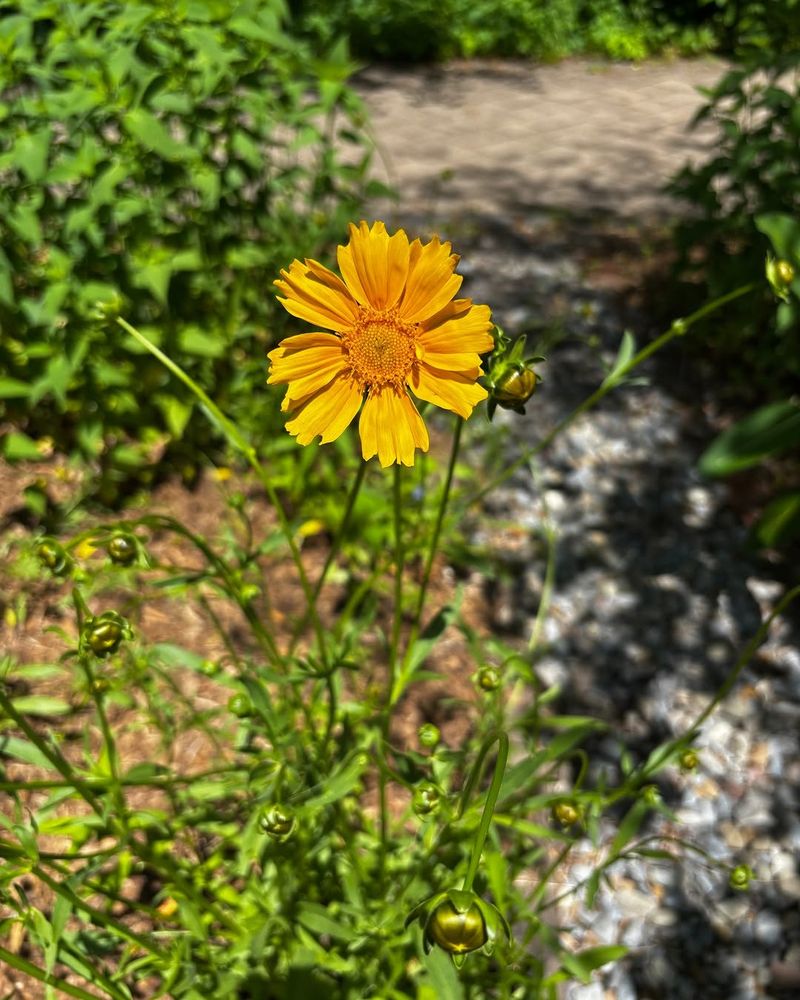
If there were a prize for the most cheerful plant along a driveway, Coreopsis would win every time. The bright, sunshine-yellow blooms pop against green foliage like tiny suns, and the best part is that they keep going all summer long without much encouragement.
While other plants slow down in the peak heat of July and August, Coreopsis just keeps pushing out new flowers week after week.
Several Coreopsis species are native to Pennsylvania, including Coreopsis lanceolata and Coreopsis tripteris. Both handle full sun and dry, lean soil exceptionally well.
The plants form low, spreading mounds that work perfectly along the narrow strips of ground beside driveways where space is limited and conditions are unforgiving.
They rarely grow taller than two feet, so there is no worry about blocking sightlines or flopping over onto pavement.
A fun gardening trick with Coreopsis: deadheading spent flowers regularly will push the plant to produce even more blooms. Simply snip off faded flower heads every week or two during the growing season and the plant responds by sending up fresh buds.
If you prefer a more hands-off approach, skipping deadheading entirely still results in a respectable show, plus birds will enjoy the resulting seed heads in late summer.
Coreopsis is also a fantastic choice for beginning gardeners because it is nearly impossible to overdo it. Poor soil, occasional drought, and reflected heat from pavement are all conditions it handles with ease.
Pair it with Black-Eyed Susans or Wild Bergamot for a native planting along your driveway that looks professionally designed but requires almost no maintenance all season.
7. Blazing Star (Liatris)
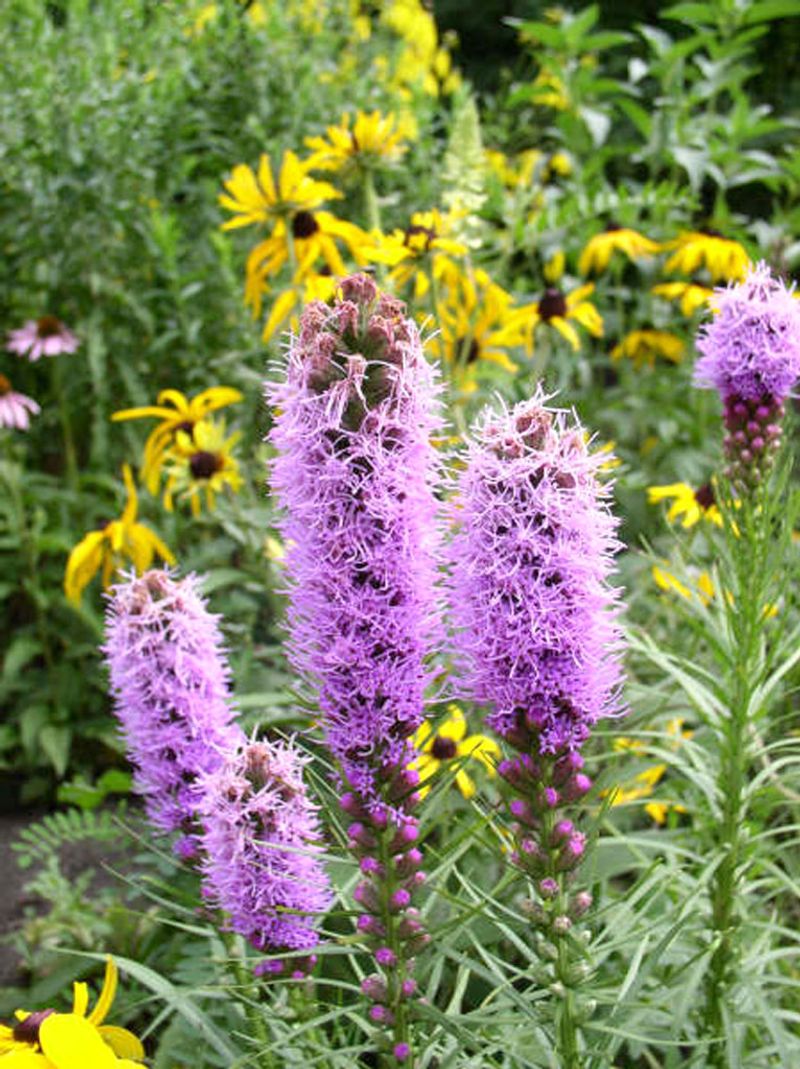
There is something almost theatrical about a row of Liatris in full bloom. The tall, upright purple spikes shoot straight up like torches, and unlike most flowers that open from the bottom up, Liatris blooms from the top down.
It is a small detail that makes it stand out from every other plant in the garden and gives it a bold, architectural quality that driveway edges desperately need.
Native to Pennsylvania and much of eastern North America, Liatris spicata and related species are naturally found in dry meadows, open woodlands, and roadsides. That background tells you everything about how to grow them successfully.
Full sun, well-drained soil, and minimal watering are all they ask for. Rocky or sandy soil along driveway edges is actually ideal.
These plants do not want to sit in moisture, so good drainage is the one non-negotiable condition.
Pollinators go absolutely wild for Liatris. Monarch butterflies, bumblebees, and hummingbirds visit the blooms regularly from midsummer through early fall.
The fluffy purple spikes also attract migrating monarchs in late summer, making a Liatris planting a meaningful contribution to butterfly conservation right in your own front yard.
Planting from corms, which look like small, flat bulbs, is the most common and reliable method. Set them about two inches deep in spring after the last frost.
They establish quickly and come back reliably year after year, slowly expanding into larger clumps. Heights range from two to five feet depending on the variety, so taller types work beautifully as a back border while shorter ones edge right up against the pavement neatly.