The Plants And Mulch Choices That Tend To Draw Armadillos Into Georgia Yards
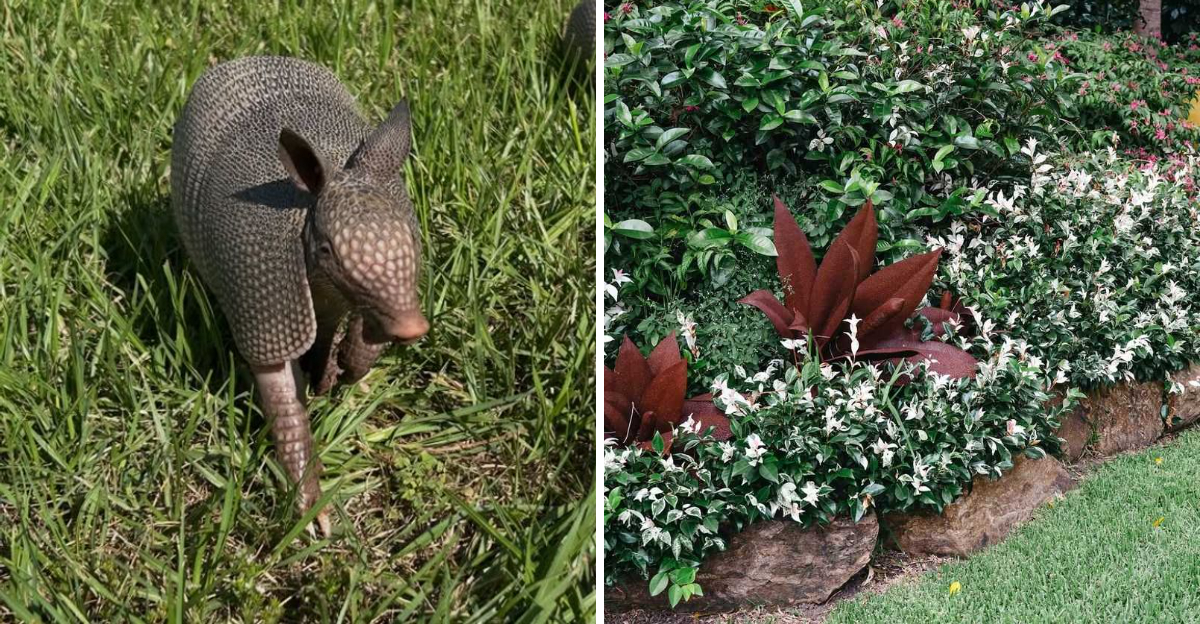
It usually starts with a few small holes that seem to appear out of nowhere. You look around the yard, wonder what caused them, and move on with your day.
Then a few more show up. Before long, parts of the landscape look like something has been searching through them night after night.
What catches many homeowners off guard is that armadillos are not always showing up because a yard is neglected. In fact, some of the same features people add to improve their outdoor space can make it more attractive to these visitors.
A fresh layer of mulch, certain planting choices, and areas that seem harmless at first glance may be encouraging them to stick around.
Across Georgia, more homeowners are noticing signs of armadillo activity and trying to figure out what is drawing them in. The answer is not always obvious.
Some of the biggest clues may be hiding in the landscaping choices that were meant to make a yard look better in the first place.
1. Hostas Create Cool Shady Areas Near The Soil Surface
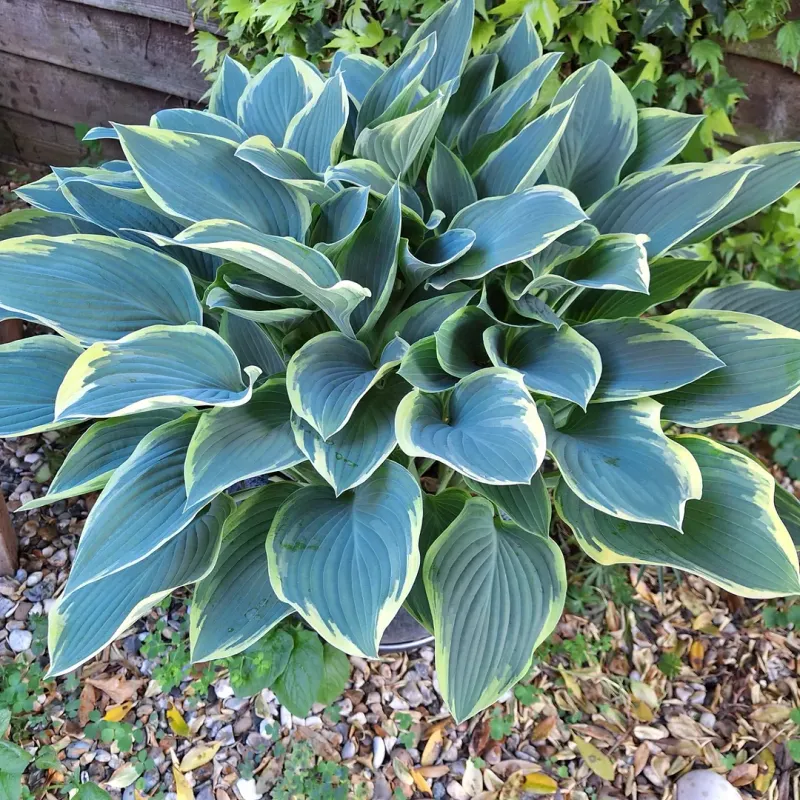
Hostas are one of those plants that look beautiful but quietly create the perfect setup for armadillo activity. Their wide, overlapping leaves trap moisture close to the ground and block sunlight from drying out the soil below.
Armadillos prefer soft, damp soil because it is easier to dig through when searching for insects and grubs. Hostas planted in shaded garden beds tend to keep that soil consistently moist, especially during Georgia’s warm and humid summers.
Worms and beetles often gather in the cool, dark zone beneath hosta leaves. Armadillos notice this quickly and return to the same spot repeatedly.
Planting hostas near your home’s foundation is especially risky. Foundation areas already stay shadier and cooler, and hostas amplify that effect significantly.
Spacing hostas farther apart can help reduce the dense shade they create. Allowing more airflow and sunlight to reach the soil between plants helps dry out the surface layer faster.
Replacing some hostas with drought-tolerant plants in high-traffic areas may reduce armadillo visits noticeably. Mixing in plants that do not retain ground moisture as heavily can shift the microenvironment enough to make your yard less appealing to foraging armadillos.
Hostas growing in large, dense clumps can make these damp conditions even more persistent after rainfall.
2. Fern Beds Stay Moist During Hot Summer Weather
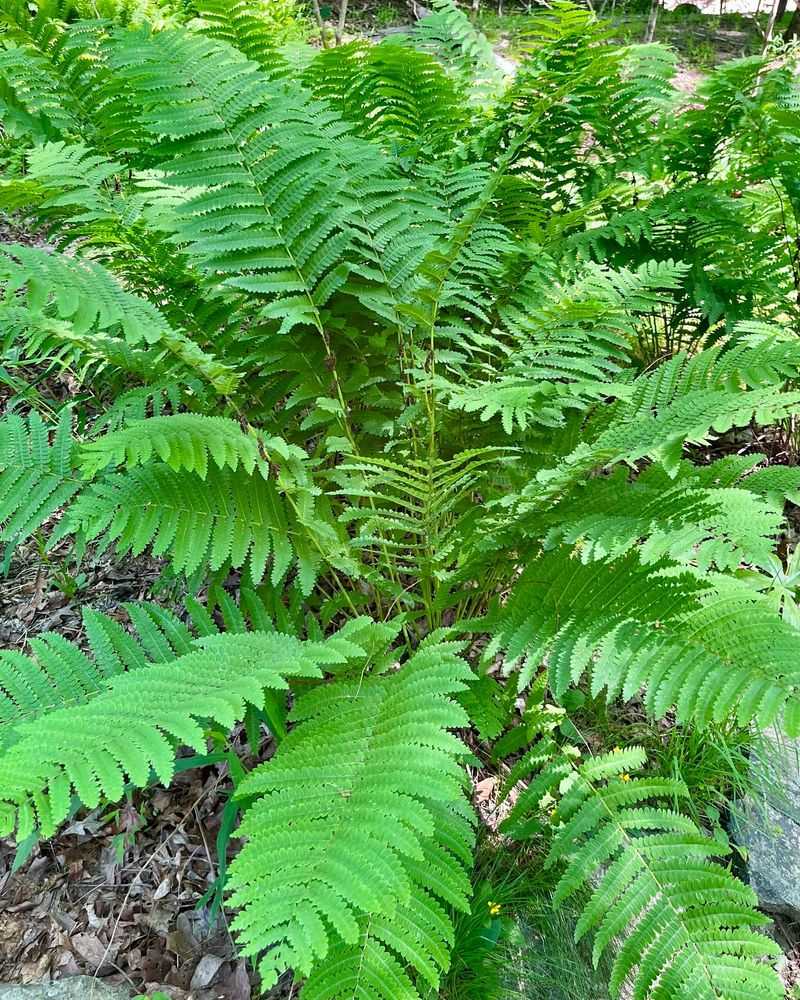
Ferns have a reputation for being low-maintenance, but they come with a hidden tradeoff in warm Southern climates. A well-established fern bed holds moisture like a sponge, even during stretches of dry summer heat.
That persistent dampness under the fronds creates ideal feeding conditions for soil insects. Armadillos rely heavily on smell, and a moist fern bed packed with earthworms and beetle larvae sends a strong signal.
Fern fronds spread low and wide, which keeps the soil beneath them shaded and cool throughout the day. Armadillos prefer to forage in areas where digging is easy, and soft, consistently moist ground fits that perfectly.
Homeowners often water fern beds more frequently than other plants to keep them healthy. That extra irrigation adds even more moisture to the soil and increases insect activity below the surface.
Your Georgia Garden Changes Every Week. Your Plan Should Too.
Gardening in Georgia changes quickly throughout the season. Every Friday you’ll receive a simple weekly plan showing exactly what to plant, prune, fertilize, harvest, and protect so you never miss the right timing.
Reducing watering frequency during periods of natural rainfall can help. Letting the top layer of soil dry slightly between waterings makes the area less inviting without harming the ferns.
Thinning out dense fern plantings also helps increase airflow.
When fronds are less tightly packed, sunlight reaches the soil more easily and the ground dries out faster between rain events, which naturally reduces the insect population that armadillos are hunting for.
Fern beds located in naturally shady parts of the yard can remain attractive to armadillos long after nearby areas have dried out.
3. Liriope Borders Create Dense Cover Near The Ground
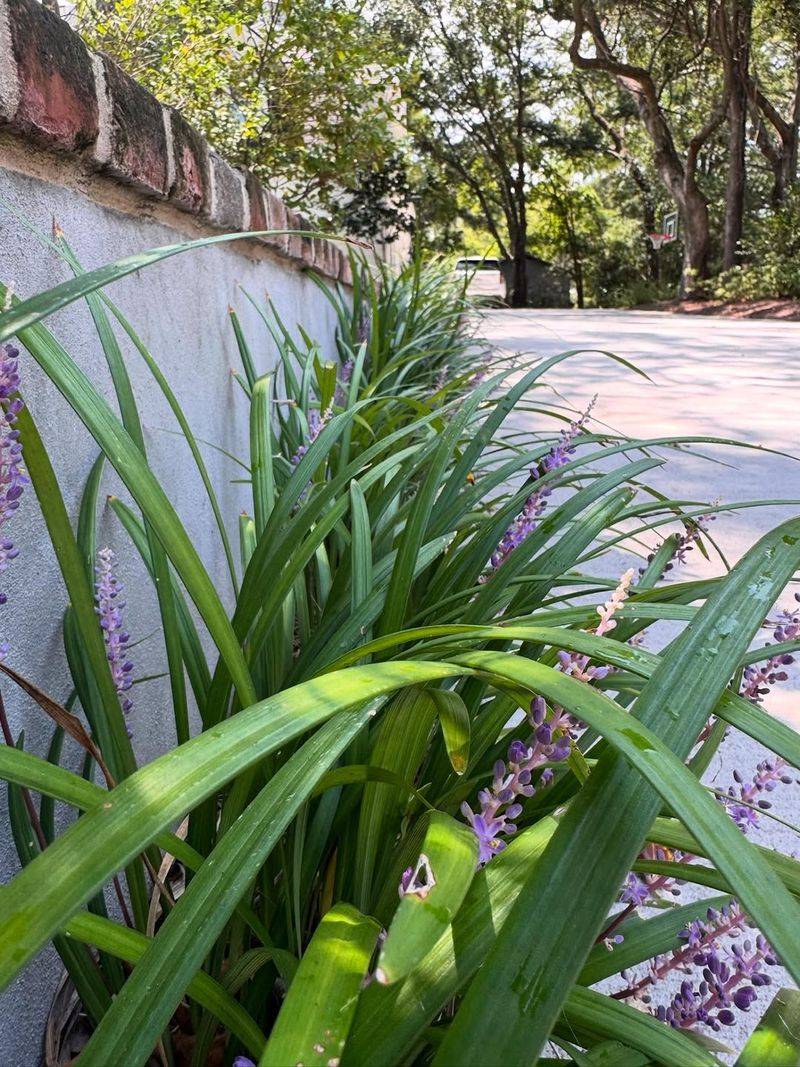
Liriope is everywhere in Southern landscaping, and for good reason. It is tough, low-maintenance, and stays green through most of the year.
But that same density that makes it useful as a border plant also makes it a magnet for armadillos.
A thick liriope border creates a sheltered zone right at ground level. Armadillos are cautious animals that prefer to forage near cover rather than out in the open, and liriope provides exactly that kind of low, dense protection.
Insects and earthworms accumulate in the soil beneath liriope clumps. The plant’s root mass holds moisture and organic matter, which supports a steady food supply for foraging animals.
Armadillos often work along the edges of liriope borders rather than digging directly through them. They use the plant as a shield while nosing through the adjacent soil for grubs.
Keeping liriope well-trimmed reduces its effectiveness as cover. When clumps are thinned and the interior soil is more exposed to light and air, the area becomes less sheltered and less attractive to armadillos.
Replacing liriope borders with gravel edges or open mulch strips in vulnerable areas can also help. Removing the dense ground-level cover takes away one of the key reasons armadillos keep returning to those specific spots in your yard.
Regularly clearing away accumulated leaf litter around liriope can further reduce the moist conditions that attract insects and other armadillo food sources.
4. Asiatic Jasmine Creates Thick Cover Across Garden Beds
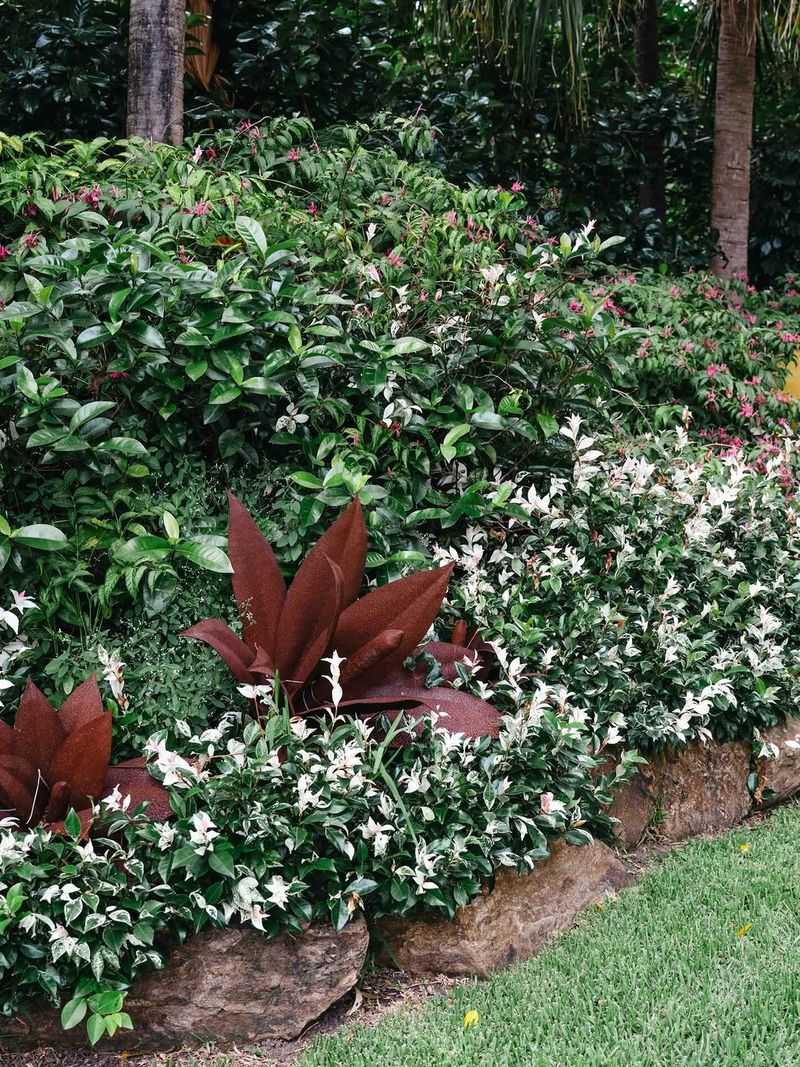
Asiatic jasmine spreads fast and covers ground densely, which is exactly why so many homeowners use it. It chokes out weeds, looks tidy, and requires very little attention once established.
However, that thick mat also creates a nearly perfect armadillo habitat.
Underneath a mature Asiatic jasmine planting, the soil stays consistently dark, cool, and moist. Earthworms and soil insects thrive in those conditions, and armadillos are very good at detecting them from above ground.
Because the mat is so dense, armadillos can push underneath the edges and forage without being fully exposed. That sense of cover encourages them to spend more time in the area and return more often.
Asiatic jasmine also traps fallen leaves and organic debris within its stems. That decomposing matter feeds fungus gnats, beetles, and other insects that add to the food supply armadillos are seeking.
Pulling back the edges of the jasmine mat periodically and allowing the border soil to dry out can reduce activity. Keeping a clear, exposed strip around the planting removes the sheltered entry points armadillos prefer.
If armadillo damage becomes frequent in a jasmine-covered bed, consider replacing sections with a less dense ground cover.
Open mulch or decorative stone around the perimeter can help break up the solid mat and reduce the sheltered feeding zones that keep drawing armadillos back.
5. Hardwood Mulch Can Harbor Insects Beneath The Surface
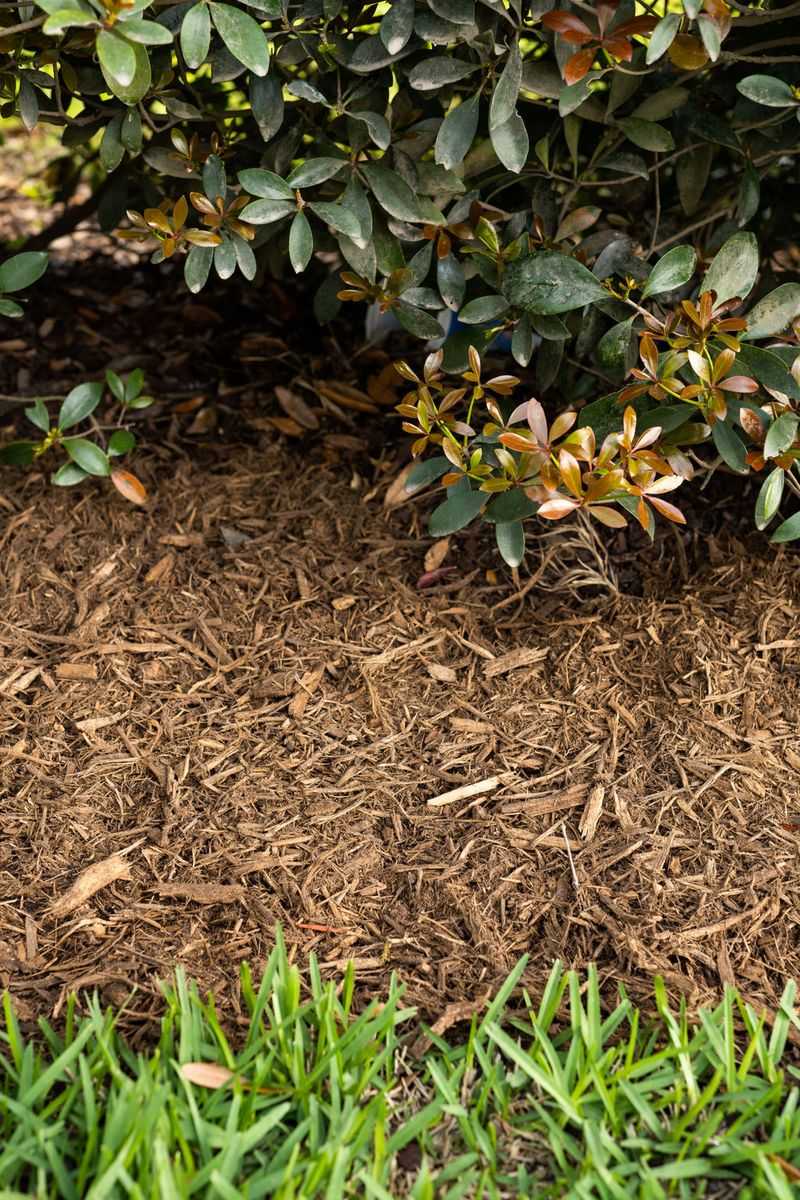
Hardwood mulch is one of the most popular choices for garden beds across the South, but it comes with a side effect most people do not expect.
As it breaks down, it creates a warm, moist layer just above the soil that becomes a feeding ground for insects.
Beetles, earwigs, millipedes, and other soft-bodied insects shelter in decomposing hardwood mulch. Armadillos have an exceptional sense of smell and can detect insect activity through several inches of mulch without any visual cues.
A thick layer of hardwood mulch also retains moisture after rain, keeping the environment beneath it consistently damp. That moisture encourages earthworm activity near the surface, which is another major food source armadillos actively seek out.
Fresh hardwood mulch applied in thick layers tends to attract more insect activity than thin applications.
Keeping mulch depth to around two inches rather than four or five can reduce the habitat it provides for soil insects.
Turning mulch regularly exposes insects to the surface and disrupts the stable environment they prefer. Armadillos are less likely to target mulch beds that are frequently disturbed.
Switching to a less organic mulch option in areas where armadillo digging is a problem can make a real difference.
Rubber mulch or crushed stone does not decompose the same way and provides far fewer feeding opportunities beneath the surface.
6. Pine Bark Mulch Helps Soil Stay Moist For Longer
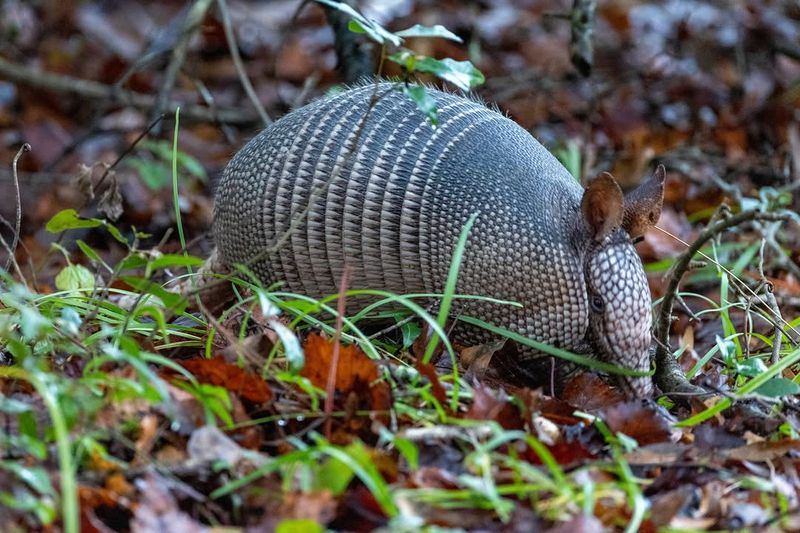
Pine bark mulch is widely used across warm-climate gardens because it looks clean, breaks down slowly, and does a great job of holding soil moisture.
That moisture retention is useful for plants, but it also makes the soil beneath far more attractive to armadillos.
Moist soil under pine bark mulch stays soft and easy to dig. Armadillos do not want to work hard for a meal, and loose, damp ground lets them root through quickly and efficiently.
Earthworms concentrate in areas where soil moisture is consistent. Pine bark mulch creates exactly that kind of stable, moist environment, and earthworms are one of the primary foods armadillos hunt for during nighttime foraging.
Pine bark also breaks down into fine particles over time, which adds organic matter to the soil and feeds fungal growth.
Fungus gnats and other small insects breed in that environment, adding another layer of food appeal.
Allowing pine bark mulch to dry out between waterings can reduce its attractiveness. Pulling the mulch slightly away from plant stems and leaving a small exposed ring around each plant helps the surface layer dry faster.
Mixing pine bark with coarser, less moisture-retentive materials can also help.
A blend that dries out more quickly after rain gives armadillos less reason to investigate, without sacrificing the weed-suppressing benefits you planted the mulch for in the first place.
7. Leaf Mulch Creates Loose Areas Easy To Search Through
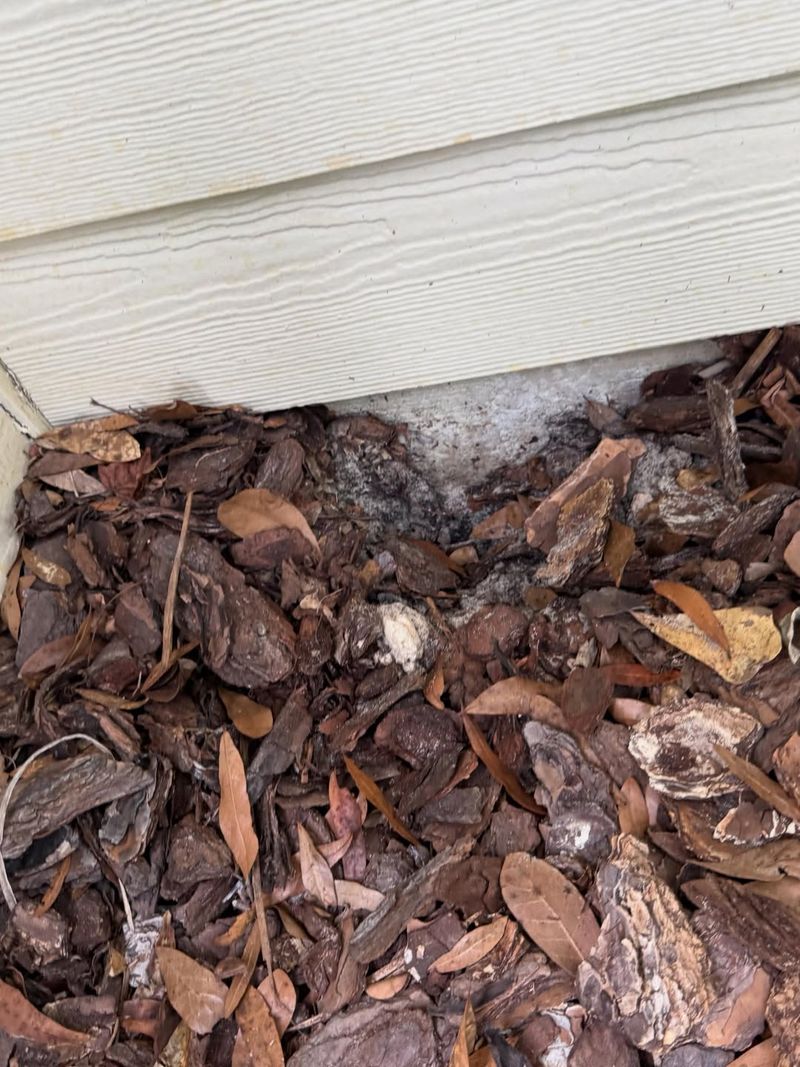
Leaf mulch might be the most armadillo-friendly mulch option of all. It is light, loose, and easy to push through, which means armadillos can search beneath it with almost no effort at all.
Decomposing leaves create a rich, organic environment that supports a wide range of soil insects.
Pill bugs, centipedes, and beetle larvae all thrive in that kind of loose, damp, decaying material.
Armadillos have strong front claws and a keen nose. Leaf mulch does not slow them down the way denser materials might, so they can cover more ground and find more food in less time.
Leaf mulch also tends to stay moist longer than other materials because the overlapping layers trap humidity close to the soil surface. After a rain event, a thick layer of leaves can stay damp for days.
Using leaf mulch in small, contained areas rather than spreading it broadly across large garden beds can help limit armadillo access. Smaller sections are easier to monitor and quicker to turn and dry out.
Replacing leaf mulch with a chunkier, less compactable material in problem areas is a practical option.
Larger wood chips or pine nuggets are harder for armadillos to push through and do not compact into a loose, searchable layer the way shredded leaves tend to do over time.
8. Wood Chip Mulch Can Shelter Grubs And Other Food Sources
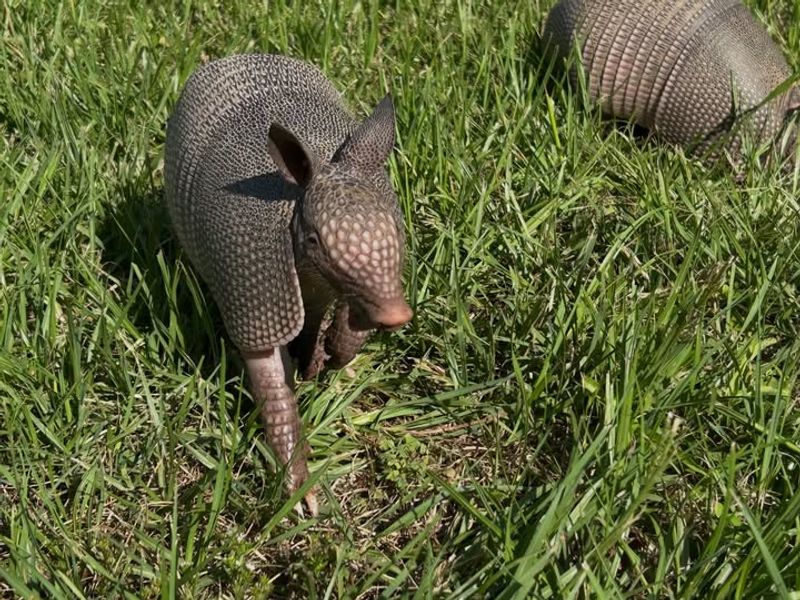
Wood chip mulch is chunky, natural, and widely recommended for garden health. But beneath those thick chips, a whole ecosystem develops that armadillos find extremely hard to resist.
Grubs are one of the main reasons armadillos tear through mulched beds. Beetle larvae hatch in the soil and move upward into the loose organic layer, where they are easy targets for an animal built to dig.
Wood chips hold heat as well as moisture. That warmth speeds up decomposition, which in turn feeds more insects and creates a continuously refreshing food source just below the surface.
Armadillos have been documented returning to the same garden beds night after night when food sources are reliable.
A wood chip mulch bed that consistently produces grubs and beetles becomes a regular stop on their nightly route.
Keeping wood chip mulch at a shallower depth reduces the habitat layer insects can use. A one to two inch layer still suppresses weeds but gives insects far less shelter than a four inch application would provide.
Treating the soil beneath wood chip mulch with a grub-control product labeled for residential use can reduce the food supply armadillos are targeting.
Fewer grubs in the soil means less reason for armadillos to investigate, and over time they may shift their foraging activity away from your yard entirely.