Outdoor Habits Arizona Homeowners Have That Are Attracting Kissing Bugs Near Their Homes
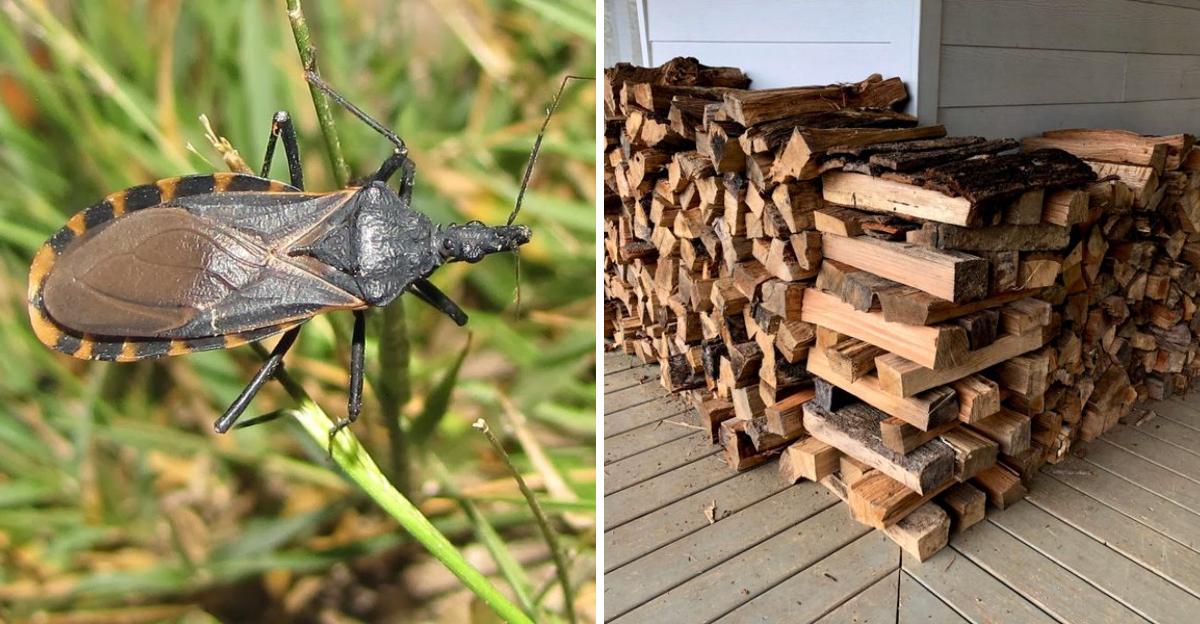
Warm summer evenings are a great time to enjoy a backyard, patio, or porch. Many homeowners spend more time outside this time of year, whether they are grilling, gardening, or simply relaxing after the sun goes down.
The problem is that some everyday outdoor habits can attract more than just family and friends.
Most people never think twice about certain items left outside or routine landscaping choices around the property. Yet small details can influence which insects are drawn closer to a home.
Because these habits seem harmless, they often go unnoticed until an unwanted pest starts appearing more frequently.
In Arizona, kissing bugs become more active during the warmer months, which makes this a good time to take a closer look at the area around your home.
A few common outdoor habits may be making your property more attractive to these insects without you realizing it.
Identifying those habits can be an important step toward reducing the chances of seeing them near your living spaces.
1. Porch Lights Draw More Kissing Bugs After Dark

Leaving your porch light on all night feels like a safety habit, but it can quietly work against you. Kissing bugs are nocturnal.
They move around after dark, and bright lights pull them in like a magnet.
Light attracts the insects that kissing bugs feed on. Moths, beetles, and other bugs swarm toward bulbs.
Kissing bugs follow their food source, which puts them right outside your door.
Switching to yellow or amber-toned bulbs can make a real difference. These wavelengths are far less attractive to most insects.
Motion-activated lights are another smart option since they stay off most of the night.
Keeping lights pointed downward instead of outward also helps reduce the spread of the glow. A wide beam pulling insects in from a distance is much worse than a focused, downward-facing light.
Small adjustments to your lighting setup can cut down on insect activity significantly.
Consider turning off decorative string lights or landscape lighting that runs all night. Those soft glows still attract bugs even if they seem dim.
Every light source adds up when you are trying to reduce insect pressure around your home.
Porch lighting is one of the easiest habits to change. It costs nothing to flip a switch or swap a bulb.
Making that small change can noticeably reduce how many insects gather near your entryways each night.
2. Pet Food Left Outside Can Attract Their Food Sources

Leaving pet food outside overnight is one of the most common habits that quietly invites trouble. It does not just attract raccoons or stray cats.
It draws in rodents, and rodents are a primary food source for kissing bugs.
Kissing bugs feed on blood. Rodents, dogs, and other warm-blooded animals are their preferred hosts.
When those animals gather near your home to eat, kissing bugs are not far behind.
Pick up pet bowls before sunset every single day. Even a small amount of leftover food can bring in mice or rats overnight.
Your Arizona Garden Changes Every Week. Your Plan Should Too.
Gardening in Arizona changes quickly throughout the season. Every Friday you’ll receive a simple weekly plan showing exactly what to plant, prune, fertilize, harvest, and protect so you never miss the right timing.
Once rodents start visiting regularly, the conditions for kissing bug activity improve dramatically.
Store pet food in sealed containers indoors. Bags left open in a garage or shed can attract pests just as easily as a bowl left on the patio.
Tight-fitting lids make a big difference in keeping unwanted visitors away.
Water bowls left outside also draw animals in. Standing water attracts a wide range of insects and wildlife.
Bringing water bowls inside at night removes one more reason for animals to linger near your walls and entryways.
Feeding pets on a schedule rather than leaving food available all day helps too. Controlled feeding means less leftover food sitting out.
Reducing that food source is a practical, low-effort way to make your yard less appealing to the chain of pests that eventually includes kissing bugs.
3. Rodent Problems Can Increase Kissing Bug Activity
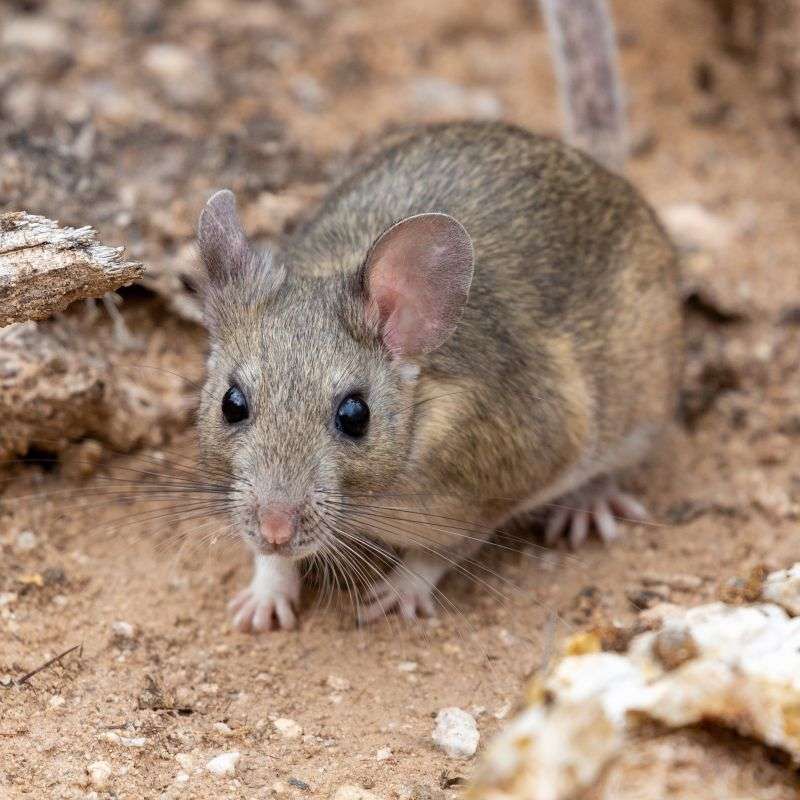
Rodents and kissing bugs have a well-documented connection. Where mice and rats nest, kissing bugs often follow.
Rodents provide the warm blood these insects need, so active rodent populations near a home create ideal conditions for kissing bugs to settle in.
Rats and mice often nest in wall voids, under porches, and in dense shrubs near foundations. Kissing bugs hide in those same spots during the day.
At night, both the rodents and the bugs become active at the same time and in the same areas.
Seal any gaps or cracks along your home’s foundation right away. Even small openings can allow rodents to enter wall spaces.
Once rodents are nesting inside walls, the problem becomes much harder to manage.
Remove anything that gives rodents a reason to stay close. Fallen fruit, birdseed on the ground, and unsecured trash all serve as food sources.
Cutting those off reduces rodent activity and, in turn, reduces kissing bug pressure.
Check under your porch, deck, or shed for signs of rodent nesting. Droppings, chewed material, and worn pathways in the dirt are all red flags.
Addressing a rodent problem early prevents a much larger pest situation later.
Working with a pest control professional can help identify entry points and nesting areas you might miss on your own. Getting ahead of a rodent issue is one of the most effective ways to reduce kissing bug activity around your property.
4. Wood Piles Near Homes Create More Hiding Spots
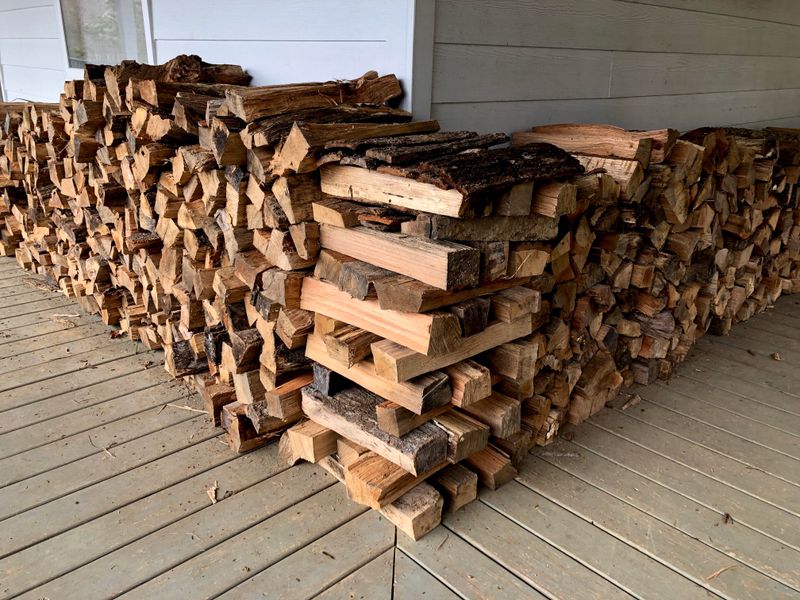
Stacking firewood against the side of your house feels convenient, but it creates a perfect shelter for kissing bugs. Dark, tight spaces between logs are exactly the kind of hiding spots these insects prefer during daylight hours.
Kissing bugs are not the only concern with wood piles stored too close to a home. Scorpions, spiders, and rodents also take up residence in stacked wood.
A wood pile near your foundation essentially becomes a pest apartment complex.
Move firewood storage at least 20 feet away from your home’s exterior walls. Keeping it elevated off the ground on a rack also helps by reducing the moisture and darkness that pests seek.
Ground contact gives insects and rodents even more cover to work with.
Only bring in the amount of firewood you plan to use right away. Do not stack large quantities inside a garage or on a covered porch for long periods.
The longer wood sits in one place, the more likely it is to become a nesting site.
Inspect logs carefully before bringing them indoors. Kissing bugs can cling to bark and ride inside on firewood without being noticed.
A quick visual check takes only a few seconds and can prevent an unwanted pest from entering your living space.
Reorganizing where and how you store wood is a straightforward fix. It removes one of the most common hiding places kissing bugs rely on near residential properties in the desert Southwest.
5. Yard Debris Can Provide Daytime Shelter
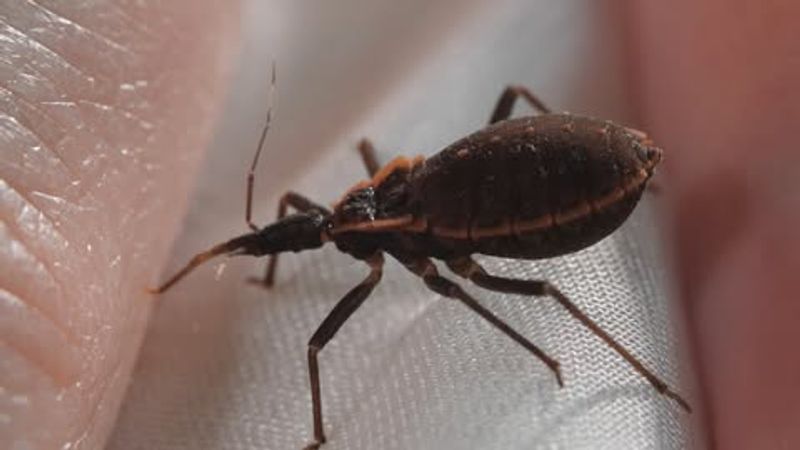
Yard waste piles up fast, especially after windstorms or seasonal trimming. Leaving that debris sitting against your home or along fence lines gives kissing bugs a ready-made shelter to hide in all day long.
Fallen leaves, branches, and grass clippings all create the kind of dark, undisturbed cover these insects look for.
During the heat of the day, kissing bugs need somewhere cool and protected to rest. Yard debris provides exactly that.
Make a habit of clearing debris within a few days of it accumulating. Letting it sit for weeks turns a minor cleanup task into a pest management problem.
Regular yard maintenance keeps conditions less favorable for insects looking to settle in close to your walls.
Pay attention to the areas directly against your foundation. Debris that presses against the base of your home creates a bridge between the yard and the structure itself.
That connection makes it easier for pests to eventually find their way inside.
Compost bins placed too close to the house can also serve as a debris-style shelter. Organic material breaking down produces warmth and moisture, which many insects find attractive.
Moving compost bins farther from the home reduces that draw significantly.
Raking and bagging yard waste consistently is not just about curb appeal. It actively removes the conditions kissing bugs depend on during daylight hours.
Keeping the area around your home clear is one of the simplest protective steps you can take.
6. Outdoor Clutter Gives Kissing Bugs More Cover
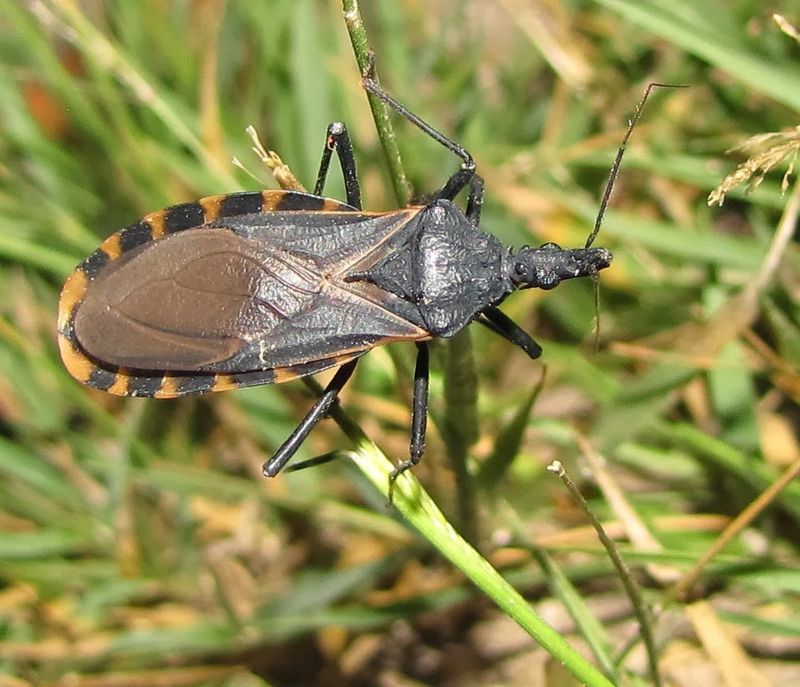
Old furniture, unused planters, stacked boxes, and forgotten equipment all have one thing in common. They create hidden spaces that kissing bugs can use as cover, rest areas, and staging grounds right next to your home.
Clutter near exterior walls is one of the most overlooked risk factors homeowners create without realizing it. Anything that sits undisturbed for long periods becomes potential habitat.
The more objects piled up, the more hiding spots are available.
Walk your yard and patio with fresh eyes at least once a month. Look for items that have not moved in weeks.
Those are the spots most likely to harbor insects, and removing or reorganizing them takes away that cover quickly.
Pay close attention to areas under stairs, behind air conditioning units, and beside storage sheds. These spots tend to collect clutter and rarely get disturbed.
Kissing bugs prefer exactly that kind of undisturbed, sheltered environment.
Old tires, broken pots, and unused garden tools should not sit against the house long-term. Even a single object left in place for a season can become a nesting area for multiple pest species.
Getting rid of items you no longer use is both practical and protective.
Keeping your outdoor spaces organized does more than improve the look of your yard. It directly reduces the number of places pests can hide and thrive.
In a warm climate like Arizona’s, where insects stay active much of the year, clutter control is a real line of defense.
7. Dense Plants Near Walls Can Harbor Kissing Bugs
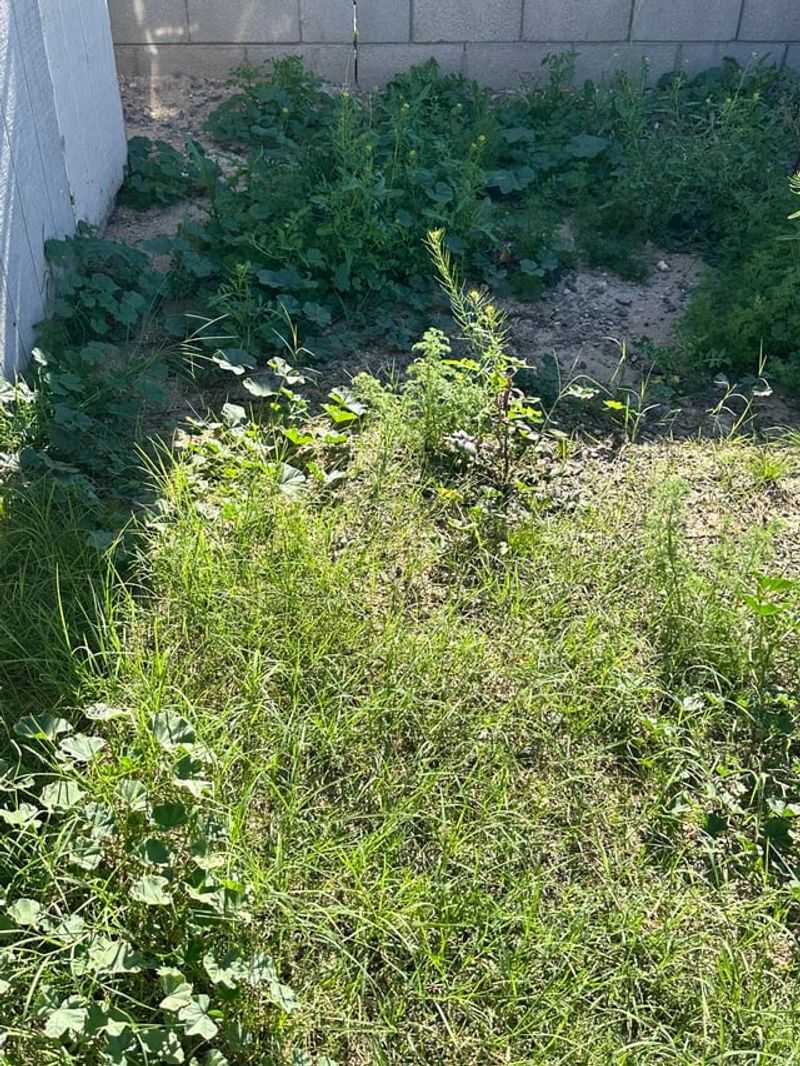
Lush landscaping right against your home looks great, but dense plants pressed against exterior walls create a sheltered zone that kissing bugs find very appealing. Shade, moisture, and tight spaces between stems give them everything they need to stay close.
Shrubs that grow directly against a wall trap humidity and block airflow. That combination of cool shade and protected space is ideal for insects resting during the day.
Trimming plants back from the wall removes that comfortable buffer zone.
Aim to keep at least a foot of clear space between any shrub or plant and your home’s exterior. That gap might seem small, but it removes the direct connection between dense vegetation and your walls.
Insects traveling through plants can no longer move seamlessly into cracks or gaps in the structure.
Vines are especially problematic. They grow directly on walls and create a layered, sheltered surface with dozens of hiding spots.
Removing climbing vines from exterior walls significantly reduces pest harborage along the entire surface.
Ground cover plants spread close to the foundation can also be an issue. Low-growing, dense varieties hold moisture and block sunlight at ground level.
Replacing them with gravel or a clear border near the foundation is a practical alternative.
Regularly pruning and thinning plants near your home is good for plant health too. It improves airflow, reduces moisture buildup, and removes the dense canopy that pests rely on.
Smart landscaping choices near your walls are a meaningful part of keeping kissing bugs at a distance.