Why More South Carolina Gardeners Are Building Higher Raised Beds This Season
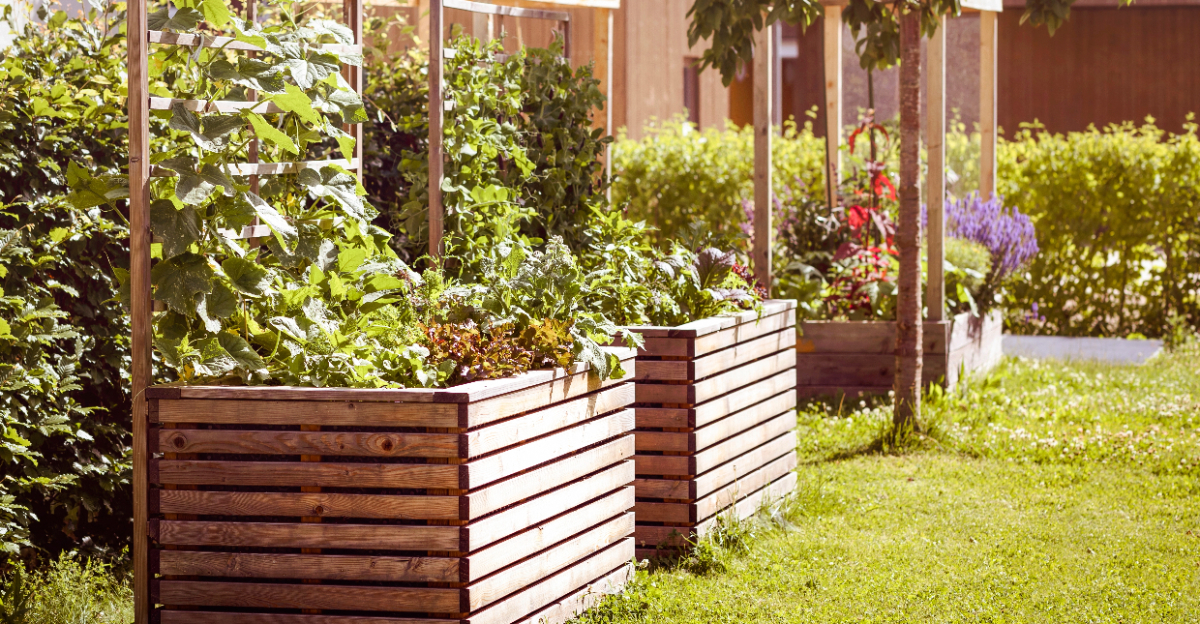
Something is shifting in South Carolina backyards this summer. Gardeners are building their raised beds taller, and once you see why, the standard six-inch frame starts to look like a missed opportunity.
The Palmetto State throws a lot at a garden. Heavy clay that drowns roots in a downpour and bakes rock-hard by August. Afternoon heat that wilts even the toughest plants. Pests that treat low beds like an open invitation.
Taller raised beds push back against all of it. More soil depth means stronger roots, better drainage, and harvests that actually deliver. There is also the matter of your back, your knees, and how many seasons you plan to keep doing this.
Gardeners across South Carolina are figuring out that going higher is not just a trend. It is a smarter way to grow in a state that does not make gardening easy.
Taller Raised Beds Give South Carolina Gardens A Real Advantage
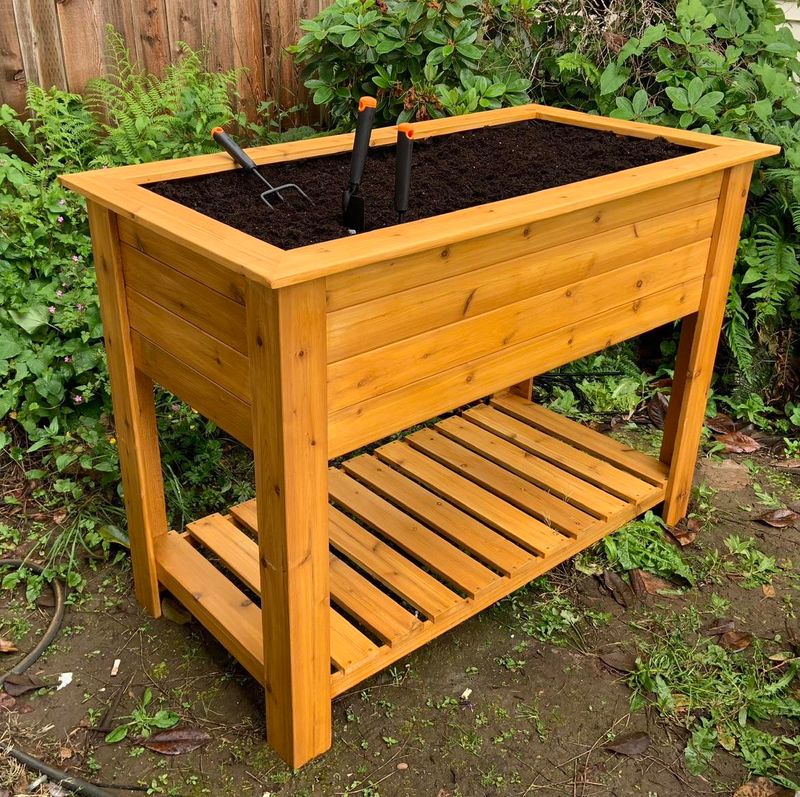
Something shifted this spring, and backyard gardeners noticed it fast. Taller raised beds are popping up everywhere, and the results speak for themselves.
A standard flat garden sits at the mercy of whatever the ground throws at it. Taller raised beds for South Carolina gardeners change that equation completely.
When you build up, you control the soil, the drainage, and the growing environment all at once. That kind of control is what separates a thriving garden from a frustrating one.
Warmer soil temps in spring mean seeds sprout faster. Plants hit the ground running instead of struggling through cold, compacted earth.
Taller beds also create a physical barrier against certain pests. Slugs, ground beetles, and crawling insects find it much harder to reach your crops.
Weed seeds from surrounding turf have a harder time blowing into a deeply filled bed. Less weeding means more time enjoying the harvest.
Experienced growers say the biggest surprise is how much more productive each square foot becomes. You pack more nutrients into the root zone and plants respond with vigor.
The upfront cost of building higher is real, but many gardeners find they recoup it within a season or two through better yields. The advantage compounds every year after that.
Even in summer heat, taller beds hold moisture more evenly than shallow ones. That consistency keeps plants from stressing between watering sessions.
Building higher is not just a trend. It is a practical upgrade that makes every hour you spend outside more rewarding.
South Carolina’s Clay Soil Makes Standard Bed Depth A Problem
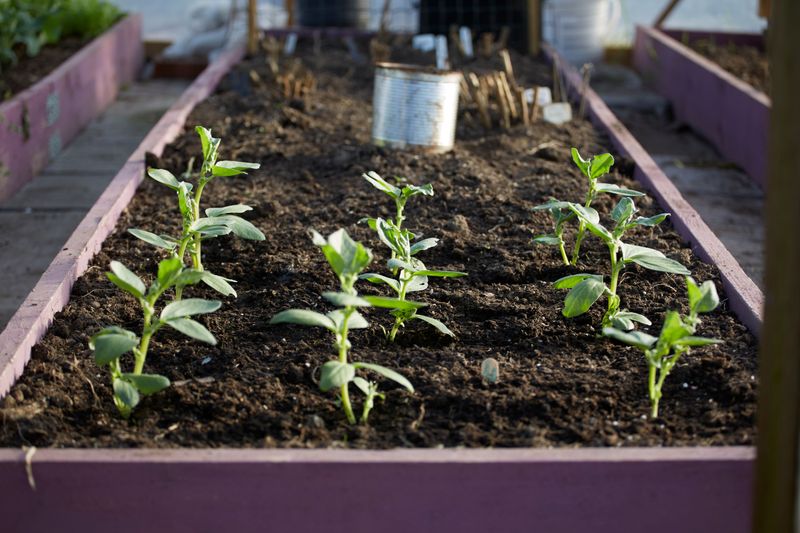
Dig six inches down in most South Carolina yards and you will hit something that feels like wet concrete. That dense red clay is the silent enemy of home gardeners across the state.
Clay soil compacts under pressure and seals off oxygen from plant roots. Roots that cannot breathe simply stop growing, and plants stall out no matter how much you water or fertilize.
A shallow raised bed only four to six inches deep barely clears the problem. Roots hit the clay layer quickly and curl sideways instead of driving downward.
Your South Carolina Garden Changes Every Week. Your Plan Should Too.
Gardening in South Carolina changes quickly throughout the season. Every Friday you’ll receive a simple weekly plan showing exactly what to plant, prune, fertilize, harvest, and protect so you never miss the right timing.
Taller beds filled with quality amended soil give roots a full column of loose, aerated growing medium. Carrots, beets, and potatoes especially need that depth to form properly.
The clay layer below a tall bed still exists, but it becomes less relevant. Your plants are thriving in the good stuff long before they ever reach it.
Over time, earthworms and organic matter from your bed actually begin breaking down the clay beneath. You are slowly improving even the native soil without any extra effort.
Gardeners who switched from four-inch beds to twelve-inch or taller setups report dramatically fewer stunted plants. The root systems they pull up at season end are noticeably larger and healthier.
Sandy coastal areas face the opposite problem, with soil that drains too fast. Taller beds with the right mix solve that issue just as effectively.
Understanding your native soil is the first step. Building above it is often the smartest solution available to home growers.
Deeper Beds Mean Better Drainage During Summer Storms
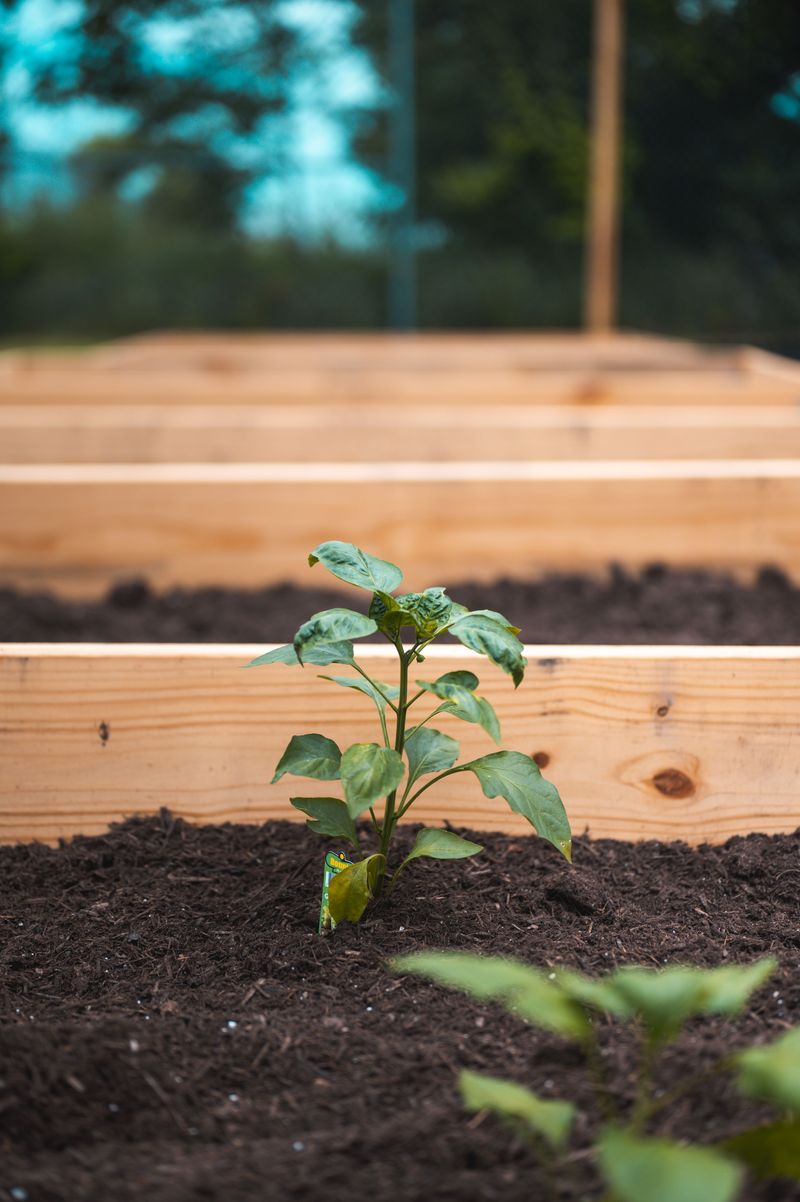
Summer in the Southeast is not gentle. Storms roll in fast, drop two inches of rain in an hour, and leave gardens flooded and gasping.
Flat in-ground beds have nowhere for that water to go. Plants sit in saturated soil, roots suffocate, and fungal problems explode almost overnight.
Taller raised beds sit above the surrounding grade, which means gravity does the drainage work for you. Water moves down and out instead of pooling around stems and crowns.
A bed twelve inches or taller drains so efficiently that most plants recover within hours of a heavy storm. That speed matters when you are trying to protect a full season of work.
Good drainage also reduces the risk of root rot, one of the most common and heartbreaking problems warm-season gardeners face. Tomatoes, peppers, and squash are especially vulnerable to waterlogged conditions.
The key is pairing the right soil mix with proper bed construction. Loose, well-amended soil inside a tall frame drains far better than any native ground can manage.
Some gardeners line the bottom of their beds with a thin layer of gravel or coarse sand for extra drainage insurance. That extra step helps during unusually intense storm seasons.
Raised beds also warm back up faster after rain, which keeps the growing season moving. Wet ground stays cold longer and slows plant metabolism significantly.
When the next big storm rolls through, a taller bed gives your garden a fighting chance. Drainage is not glamorous, but it saves crops season after season.
Plant Roots Need More Room Than Most Gardeners Realize
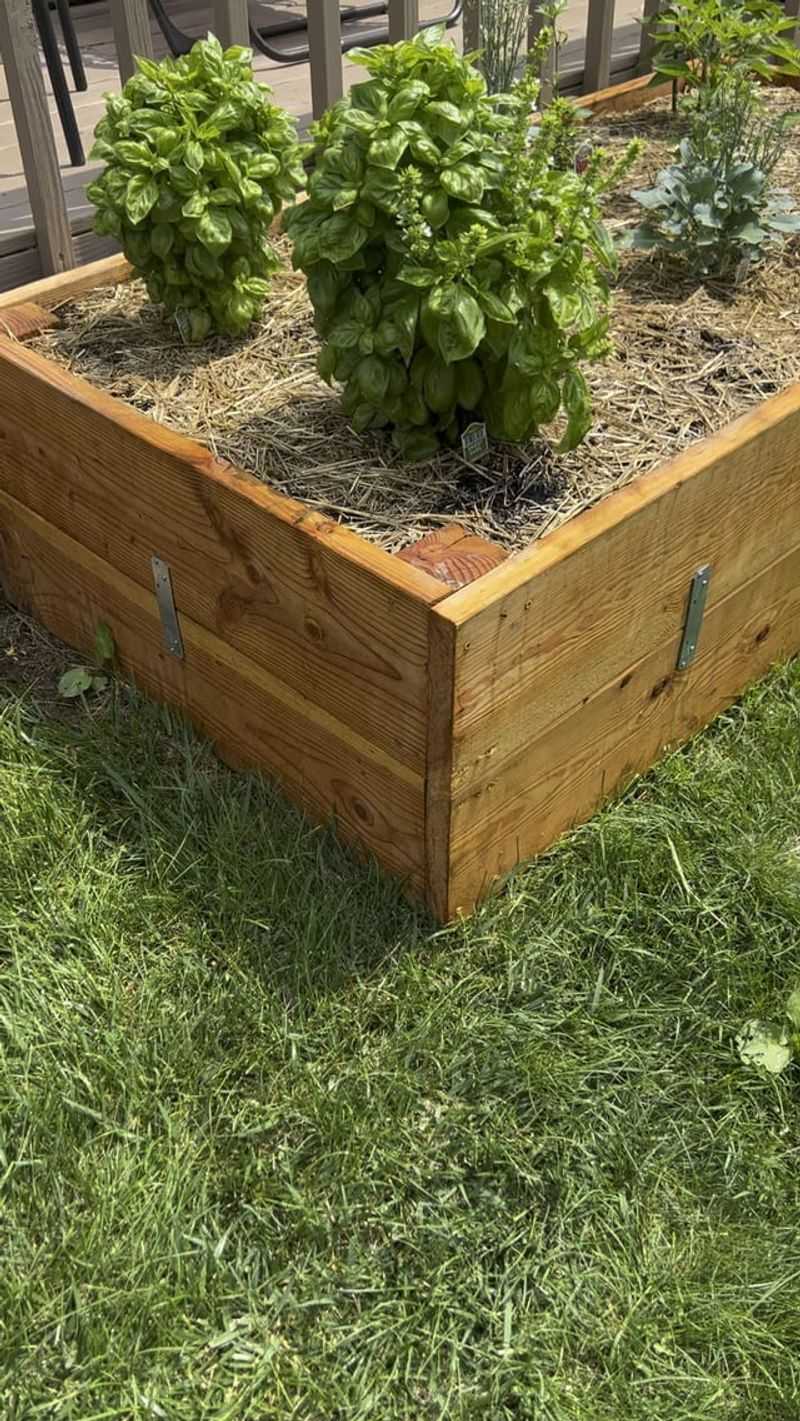
Most seed packets tell you spacing on the surface, but they leave out the depth story. Roots travel much farther down than the plant is tall above ground.
Tomato roots can push two to three feet deep in loose, well-amended soil. Pepper roots typically reach twelve to twenty-four inches when given the chance.
A four-inch raised bed cuts off that downward journey almost immediately. Plants compensate by spreading roots sideways, which leads to competition and reduced nutrient uptake.
Taller beds unlock the full genetic potential of your plants. When roots can go deep, the plant above ground grows stronger, fruits larger, and resists stress better.
Deep roots also access moisture stored lower in the soil profile. During a dry stretch, deeply rooted plants stay hydrated longer than shallow-rooted ones planted nearby.
Root vegetables like carrots, parsnips, and daikon radish are the most obvious beneficiaries. A carrot crammed into a six-inch bed forks and stunts almost every time.
Even herbs benefit from extra depth. Basil, rosemary, and dill all develop stronger root systems in deeper beds, which translates to more aromatic and productive plants above ground.
Gardeners often blame poor harvests on bad seeds or wrong fertilizer. The real culprit is frequently a root system that never had enough room to develop properly.
Think of the root zone as the engine of the plant. Give that engine more space and better fuel, and the whole machine runs the way it was designed to run.
Taller Beds Take the Strain Off Your Back And Knees
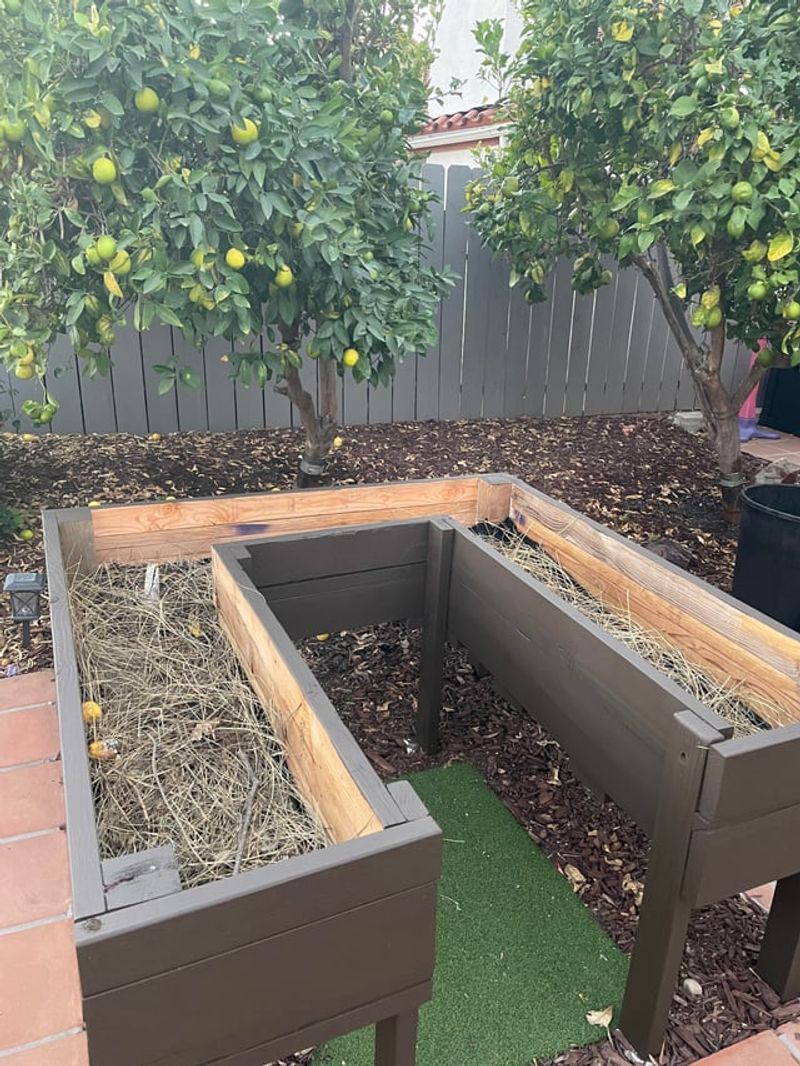
Ask any gardener over forty what their biggest complaint is, and the answer rarely has anything to do with plants. Aching backs and sore knees keep more people out of the garden than any pest or disease ever could.
Traditional ground-level gardening requires constant bending, kneeling, and crouching. After an hour of that, even healthy adults feel it the next morning.
Taller raised beds change the physical experience of gardening completely. A bed at hip or waist height lets you work standing upright or seated on a stool.
That posture shift reduces strain on the lumbar spine and takes pressure off knee joints. Gardeners with arthritis, bad backs, or recent surgeries often find they can garden again after switching to taller setups.
Physical therapists recommend raised bed gardening as one of the most accessible options for adults managing chronic pain. The accessibility benefits are well-documented and significant.
Children and older adults both benefit from a bed that meets them at a comfortable working height. Gardening becomes inclusive rather than physically exclusive.
You also work more efficiently when you are comfortable. Tasks that used to take an hour get done in thirty minutes when you are not stopping to stretch your back every few minutes.
The joy of gardening should come from the growing, not from surviving the physical toll. Taller beds remove that barrier and keep more people engaged season after season.
Your future self will thank you for building higher this year. Comfort is not a luxury in the garden, it is a strategy.
How Tall Should Your Raised Bed Actually Be
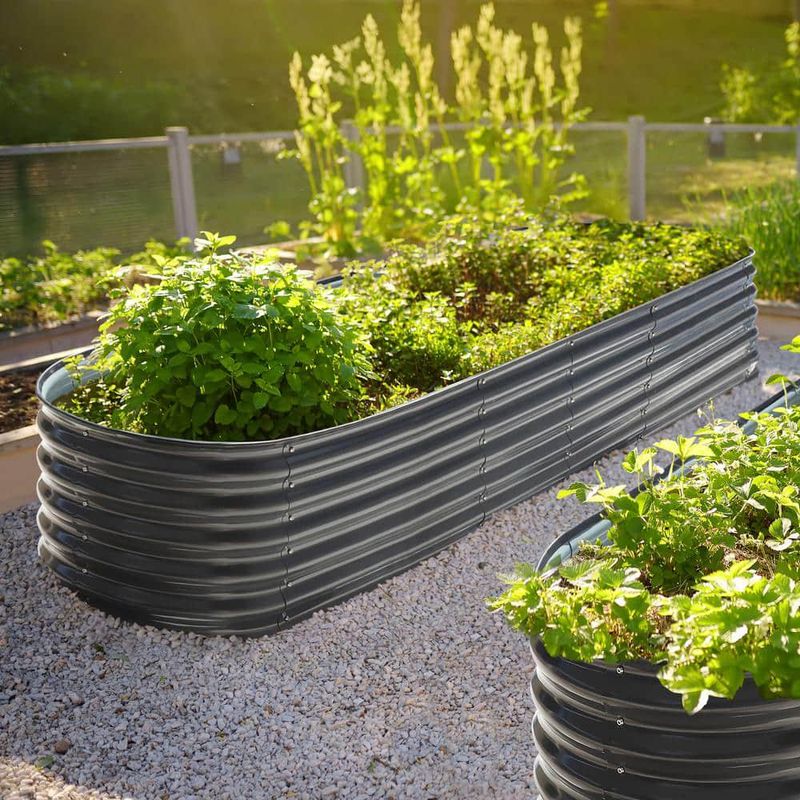
The most common question new raised bed builders ask is simple: how high should I go? The answer depends on what you plan to grow and who will be doing the gardening.
A six-inch bed is the bare minimum for most crops and works best for shallow-rooted greens like lettuce, spinach, and radishes. It is a starting point, not a destination.
Twelve inches is widely considered the sweet spot for general vegetable gardening. That depth handles tomatoes, peppers, cucumbers, and most herbs without restriction.
Eighteen to twenty-four inches is the premium tier, especially for root vegetables and for gardeners who want maximum ergonomic benefit. At that height, a seated gardener can work comfortably without bending at all.
Beds taller than twenty-four inches begin to require more fill material, which increases cost. Plan your budget carefully before committing to extra height across a large garden area.
If you are unsure, build at twelve inches first and see how your growing season goes. Adding height in a second season is always an option if roots are still hitting limits.
The width of your bed matters as much as the height. Keep it narrow enough to reach the center from either side without stepping in and compacting the soil.
Material choice also affects longevity and safety. Cedar and redwood resist rot naturally, while galvanized metal beds have become a popular modern alternative.
Building the right height for your specific needs is what makes raised beds for South Carolina gardeners such a flexible and lasting investment. Get the height right and everything else follows.