7 Simple Oregon Fuchsia Care Moves That Keep Blooms Going Longer
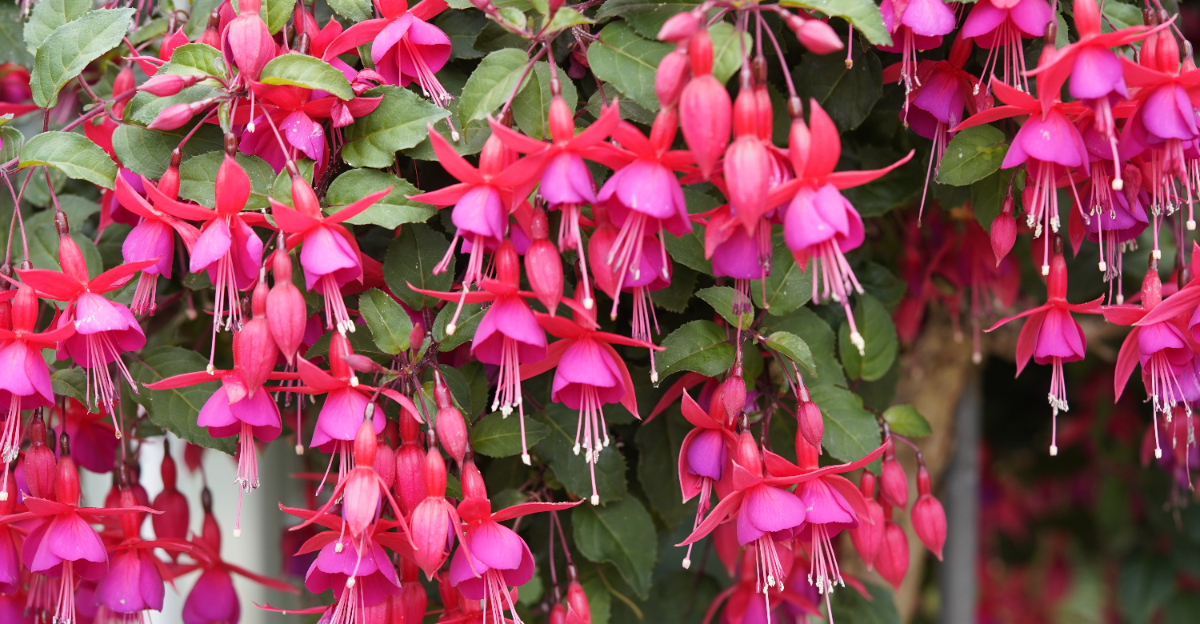
Fuchsia baskets can fool you.
In July, they look like they signed a flower contract with the whole porch. By September, some still spill color like they know a secret, while others look like the party ended early.
What changed? Usually not luck.
Oregon gives fuchsias an oddly friendly summer setup, but these plants can be dramatic about the details. Too much sun, one dry spell, a hungry week, or tired old flowers can shorten the show fast.
The sneaky part is that the fix rarely looks impressive. No grand garden overhaul. No special equipment. No porch ritual under the moon. Just small moves at the right moment, repeated before the plant starts to sulk.
That is where the magic hides.
The best fuchsia baskets often belong to gardeners who notice tiny clues before neighbors see the fade.
Want the basket that still looks smug in fall? The answer starts with good touch, steady rhythm, and a few habits most people skip. Your porch may be closer than it looks.
1. Give Morning Sun And Afternoon Shade
The porch can be the hero or the villain in a fuchsia basket story. A spot with soft early light and shade after lunch often keeps plants far happier than a bright, hot corner that bakes the pot by midafternoon.
Fuchsias need light to form buds, but harsh late-day sun can push them past their comfort zone. The leaves may look pale, limp, or washed out. Buds can pause. The whole basket can seem tired before August even gets settled.
That is the moment to play porch detective. Watch the light for one full day. East exposure often works well in Oregon because the plant gets a gentle start, then relief before the hottest hours.
A covered porch with open early light can be fuchsia paradise, minus the tiny resort fee.
A move of just a few feet can help. Shift the basket away from reflected heat, hot walls, or a south side overhang with no shade break. North or east spots can be useful, especially in warm spells.
Healthy light shows up in the leaves first. Look for deep green color, firm stems, and fresh buds near the tips. Once the sun and shade balance feels right, the rest of the care routine has a much better chance to pay off.
Fuchsias appreciate drama in the flowers, not in the weather report.
2. Water Before Containers Dry Hard
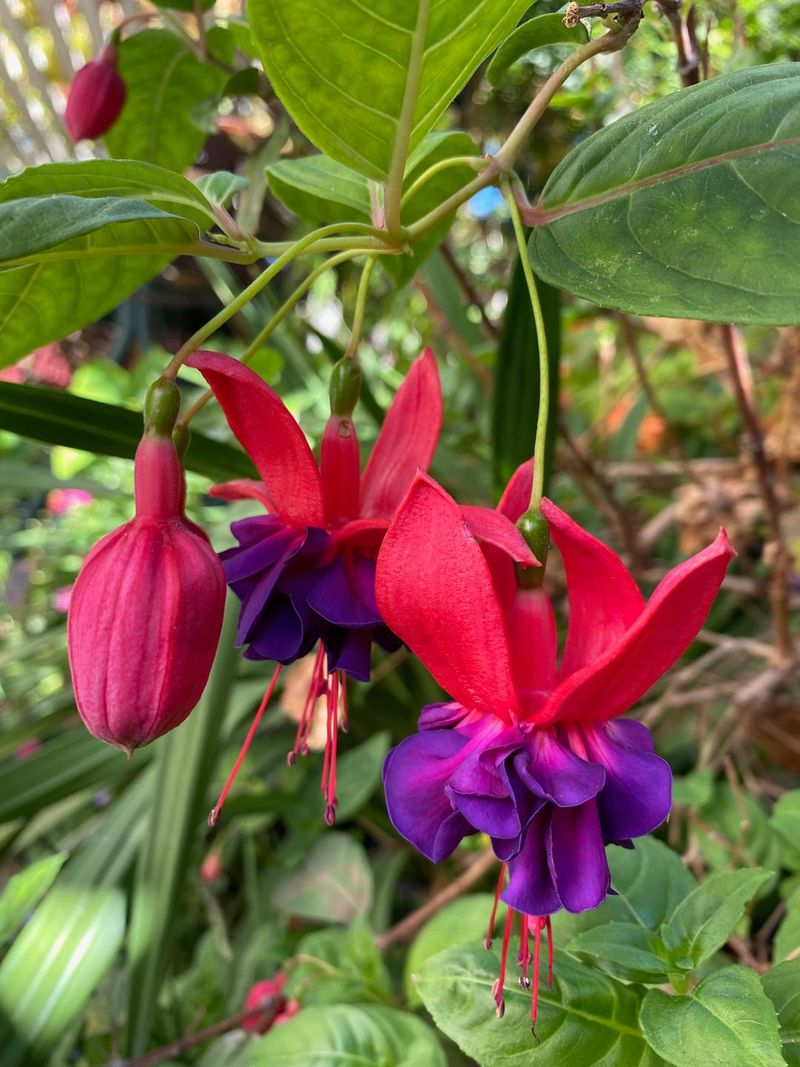
The fastest test is not fancy. Lift the basket. A well-watered fuchsia feels heavy, while a dry one feels strangely light, almost like the plant has been ghosted by its own soil. That two-second check can save a lot of bloom drama.
Container fuchsias dry faster than many gardeners expect, especially on warm Oregon days with a breeze. Once the mix pulls away from the pot edge, stress has already started.
Leaves may droop, buds may pause, and the plant may spend energy on recovery instead of flowers.
Aim for evenly moist soil, not a swamp. Water until excess flows from the drain holes, then let the top inch approach dryness before the next drink.
Your Oregon Garden Changes Every Week. Your Plan Should Too.
Gardening in Oregon changes quickly throughout the season. Every Friday you’ll receive a simple weekly plan showing exactly what to plant, prune, fertilize, harvest, and protect so you never miss the right timing.
Quick little splashes do not help much. They wet the surface and leave the deeper root zone short on moisture.
Peat-heavy mixes can act stubborn after they dry hard. Water may run straight through without a full root soak. A dry basket can sit in a tub of water for about half an hour so the mix can take moisture back in. Very spa day, but for roots.
Early-day water works well because leaves and stems have time to dry before night. That reduces leaf problems and keeps the plant fresher. A fuchsia with steady moisture tends to spend less time in a pout and more time on floral show duty.
3. Feed Lightly During Active Growth
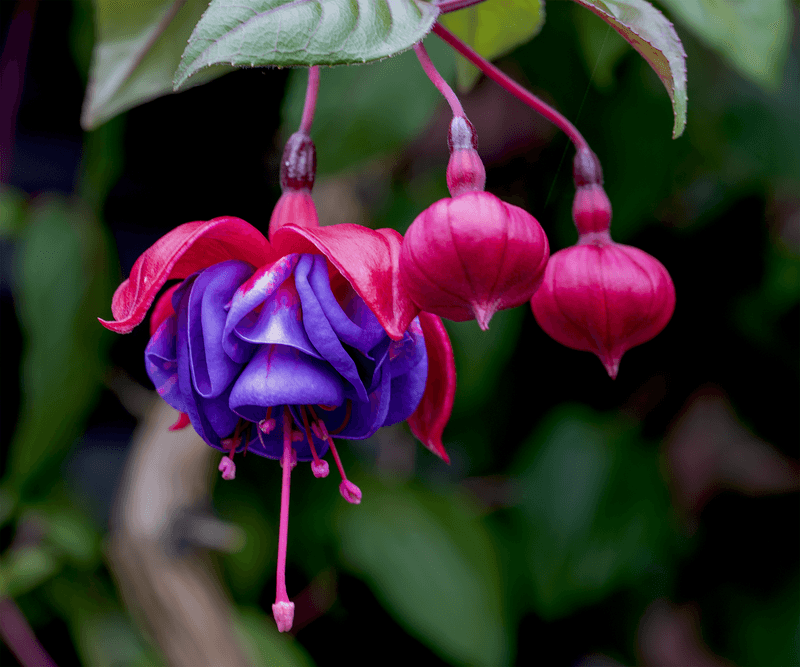
A fuchsia with no fuel gets quiet fast. The flowers shrink, new stems slow down, and the plant starts to look like it skipped lunch for a week. Food helps, but too much can send the whole basket in the wrong direction.
The goal is gentle, steady nutrition in active growth. A balanced liquid fertilizer works well for many container fuchsias.
Some gardeners use a bloom formula with a little extra phosphorus, but the main idea stays the same. Small doses beat big feast-or-famine meals.
This is not the plant for fertilizer heroics. A heavy dose, especially one rich in nitrogen, can push leaves at the expense of flowers. Great, now you have a salad basket. Pretty leaves are nice, but you came for the pendant blooms.
Use a diluted mix and apply it after plain water has already moistened the soil. Moist roots handle fertilizer better than dry roots. Many baskets respond well to light fertilizer about each week or two while the plant actively grows and blooms.
As Oregon summer shifts toward fall, ease up. Cooler weather and shorter days tell the plant to slow its pace. Heavy food late in the season can push soft new stems that do not suit the cooler months ahead.
Treat fertilizer like a snack schedule, not a buffet line, and the blooms tend to stay more cooperative.
4. Pinch Tips For Bushier Plants
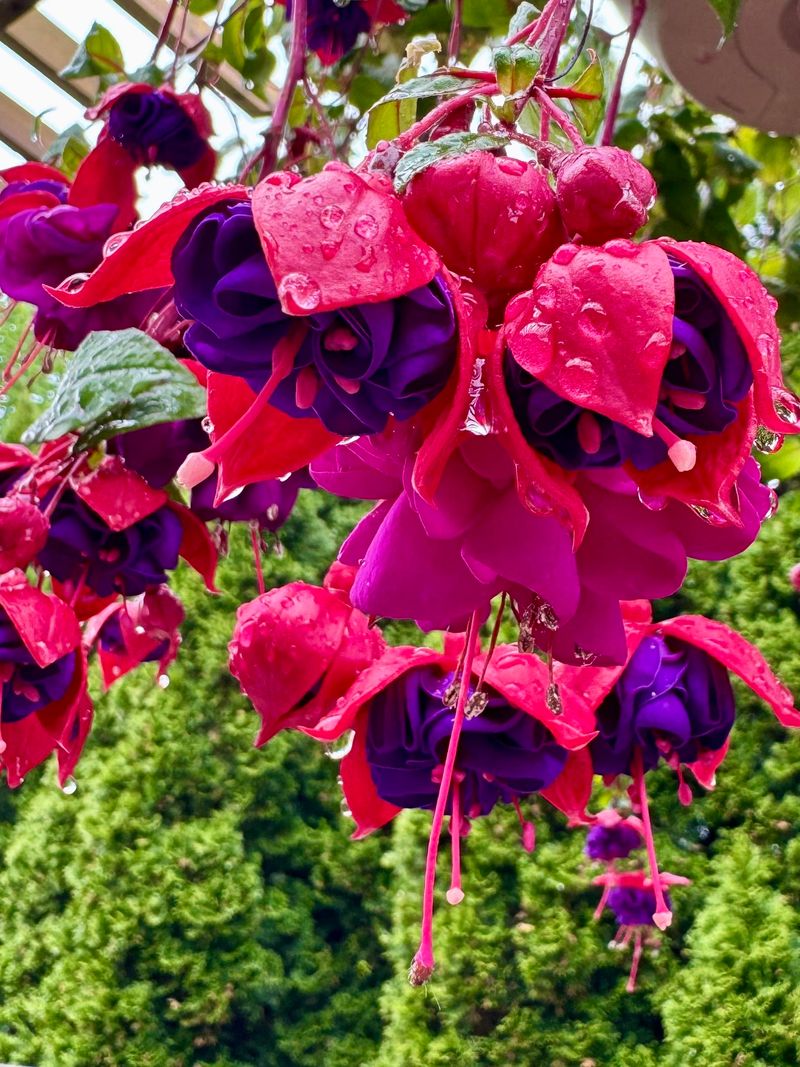
A stretched fuchsia usually tells on itself. Long bare stems, a few flowers at the ends, and a thin middle can make a basket look tired even with decent care. The fix starts early, with a small pinch at the stem tips.
Remove the soft tip of each young stem, along with the last pair of leaves. That tiny cut changes the plant’s plan. Instead of one long stem, it pushes side shoots from the nodes below.
More side shoots mean more places for future buds to form.
This is the fuchsia version of a good haircut. Not a buzz cut. Not a dramatic salon regret. Just a trim that helps the plant fill out instead of sprint straight upward. Repeat the pinch after new shoots form two or three leaf pairs.
The calendar matters. March through May is often the useful window in many Oregon gardens. Once summer bloom time gets close, too much tip removal can delay flowers because the plant needs several weeks to build buds on fresh stems.
Midseason plants can still get a light trim on a few bare or awkward stems. Keep it modest so current color stays on display.
Fuller plants hold more buds, look better from all sides, and hang with more charm from porch hooks. A fuchsia basket should not look like it skipped leg day. A little early pinch helps it show up with structure.
5. Remove Spent Flowers For More Buds
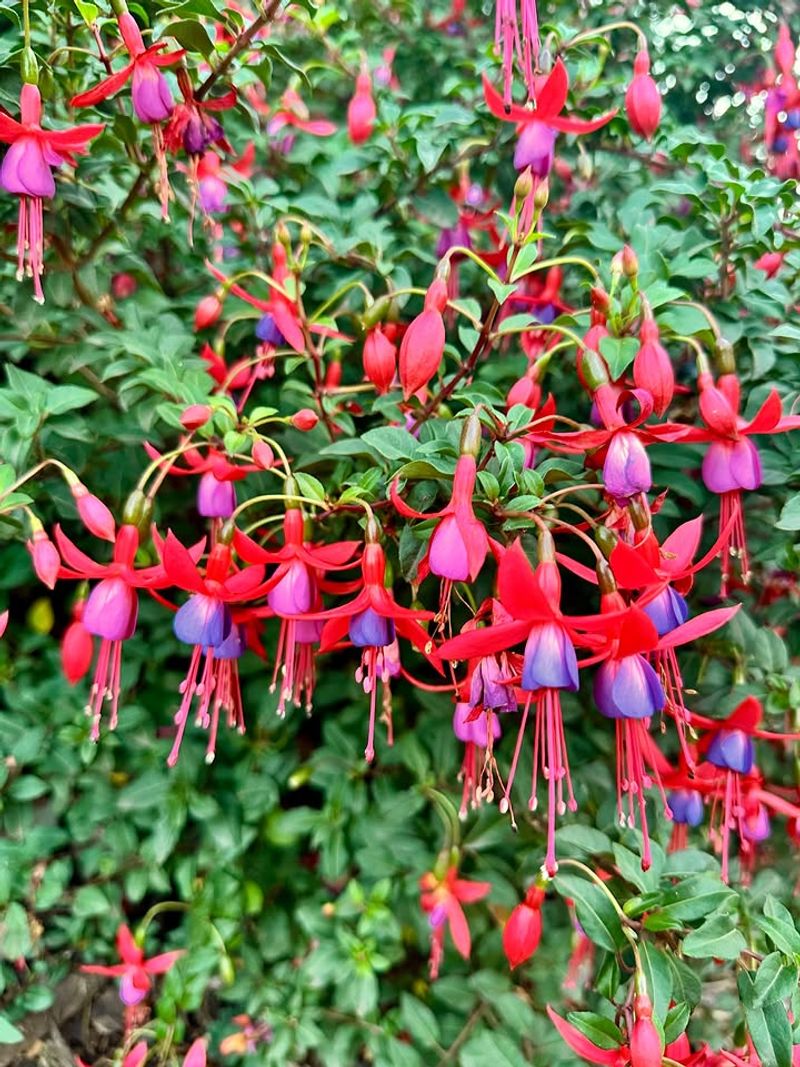
Old flowers are sneaky little energy thieves. They may look harmless at first, but once a faded bloom stays on the stem, the plant starts to put energy toward a seed pod instead of fresh buds. That is not the floral encore you want.
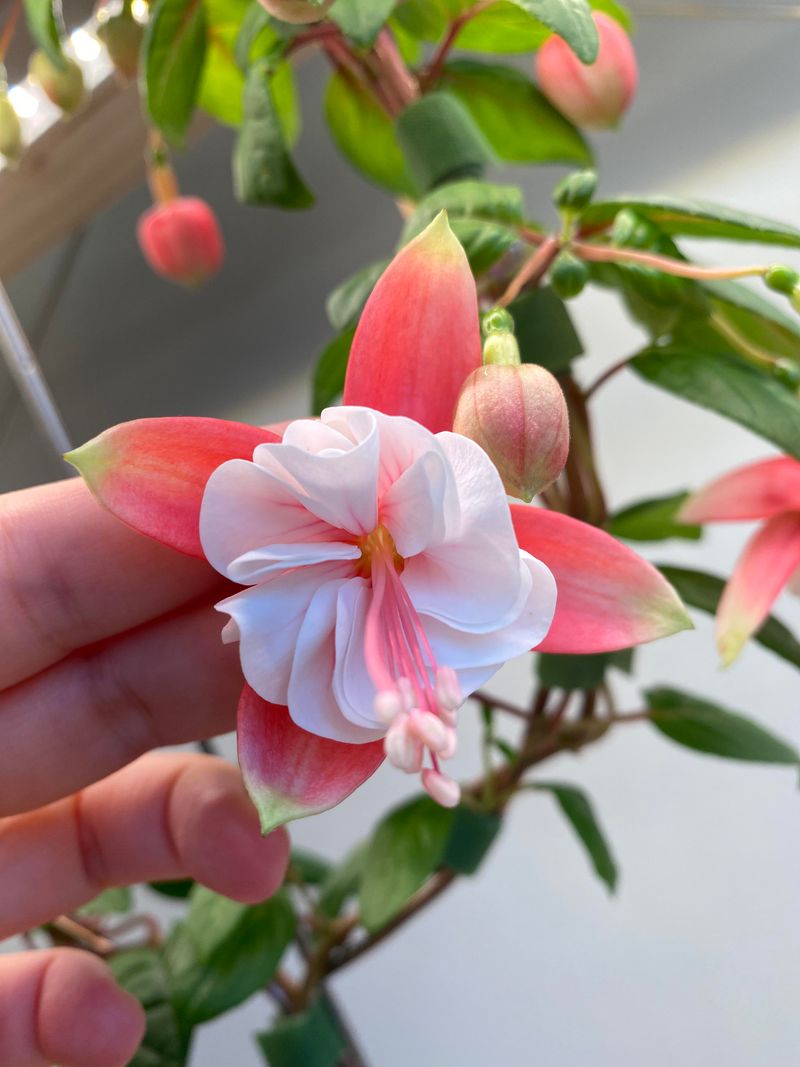
Remove the whole spent flower, not just the petals. The swollen base behind the bloom is the important part because that is where the seed pod develops.
Snap the faded flower off at the stem joint with your fingers or small scissors. After a few baskets, the move feels quick and oddly fun.
This is a tiny chore with big payoff. Put on a podcast, walk the porch, and give the plant a quick tidy-up. Fuchsia maintenance sounds fancy until it becomes a two-minute petal patrol.
Your basket will not complain. It may even act grateful in buds.
Do this every few days in heavy bloom periods. That steady cleanup nudges the plant to keep fresh flowers in the queue. It also keeps the basket from a messy look once old blooms start to fade.
While you work, remove yellow leaves or weak stems. Better airflow through the plant can help reduce leaf issues in Oregon’s damp late-season stretches.
Clean plants often bloom with more confidence. Less old flower baggage, more new color. That is a trade most gardeners can get behind.
6. Keep Roots Evenly Cool
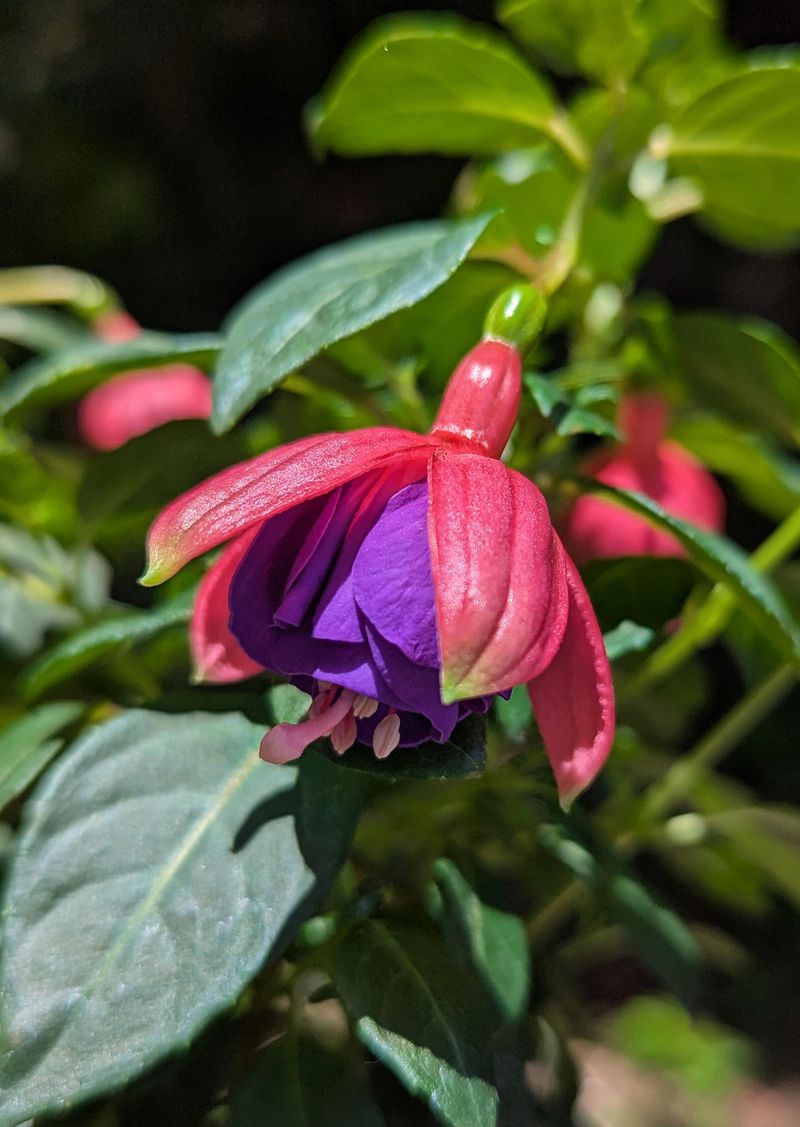
Roots do not get the glamour, but they run the show. A fuchsia can have perfect flowers, good water, and decent food, yet still struggle when the pot gets too hot. Container roots feel heat faster than people expect.
Dark plastic pots on sunny concrete can warm up fast. The air may feel mild to you while the root zone feels like a tiny sauna with leaves attached. Once roots get stressed, blooms can fade sooner and the plant may lose its fresh, bouncy look.
Start with the pot and surface. Light-colored containers reflect more heat than dark ones. A glazed ceramic pot can help, too.
Raise baskets or patio pots off hot concrete with a stand, wood surface, or gravel layer. That little gap reduces heat transfer from below.
A double-pot setup can also help. Place the fuchsia’s nursery pot inside a slightly larger decorative pot, with air space between the two. That pocket acts like insulation, and the roots get a cooler buffer on warm afternoons.
For beds or larger planters, use two to three inches of organic mulch around the base. Bark, compost, or shredded leaves help soil hold moisture and stay steadier in temperature.
Keep mulch a little away from the main stem so the crown does not stay too damp.
Cool roots support longer bloom color. Your fuchsia gets a chill zone, and you get fewer porch meltdowns.
7. Cut Back Hardy Fuchsias In Spring
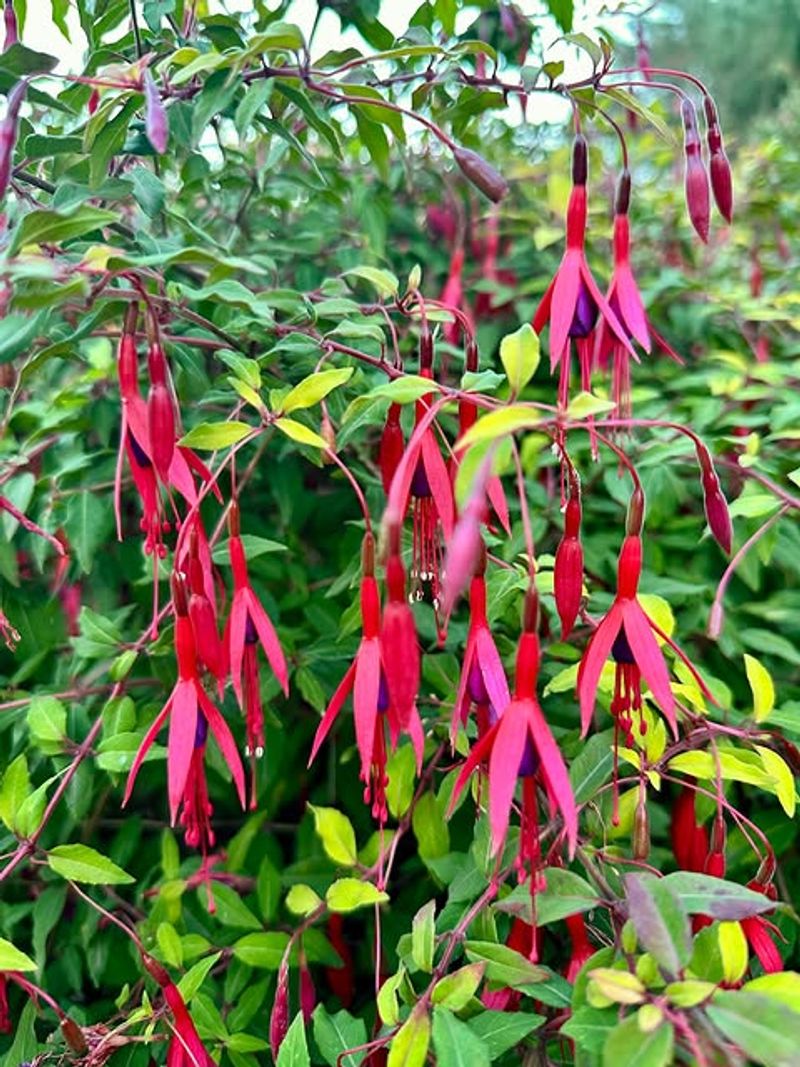
A brown tangle in March can fool even a careful gardener. Hardy fuchsia often comes out of winter as though it forgot the whole flower plan.
The stems may look dry, bare, and unimpressive, but the real action sits lower, inside the crown and roots.
Resist the rush to cut it all back right away. Hardy types such as Fuchsia magellanica store energy below ground through winter, then push fresh shoots once the soil warms.
In many Oregon gardens, that fresh growth may not show with confidence until April or early May. Late does not mean lost. It just means this plant hits snooze.
Wait for green shoots near the base or low on the stems before you trim. Those clues show where the plant has life left to build from.
Once you see them, cut old stems just above the lowest healthy buds. New shoots from the crown can also guide a lower cut.
This is not a race, even though the pruners may feel impatient. A too-early trim can remove buds that were still useful. After the cut, scratch a light dose of balanced fertilizer into the soil around the base. Water it in well.
Then step back and let the comeback begin. Hardy fuchsia rewards patience with fresh stems, fuller growth, and blooms that make the wait feel very smug.