The Georgia Yard Features That Box Turtles Are Looking For Every Summer
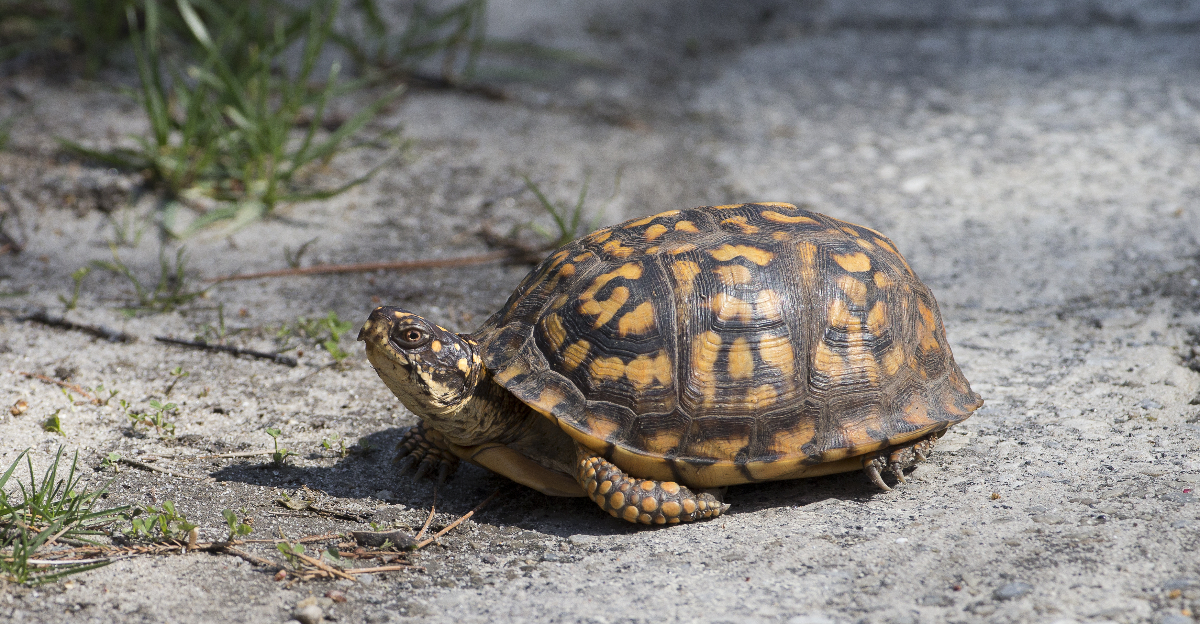
Finding a box turtle in the yard can feel like discovering a hidden neighbor you never knew was there. One day the garden looks exactly as it always has, and the next a turtle is slowly moving through a flower bed or resting beneath a shrub.
They are easy to miss because they spend much of their time tucked away in quiet spots.
These turtles are not drawn to every landscape equally. Some yards offer exactly what they need during the hottest months of the year, while others provide very little reason to stay.
Shade, moisture, shelter, and a few overlooked features can make a surprising difference.
Homeowners in Georgia often see box turtles during summer without realizing why their property caught the animal’s attention in the first place.
A closer look at the landscape usually reveals several features that help explain why these reptiles keep showing up year after year.
1. Shady Areas That Stay Cool During Hot Weather
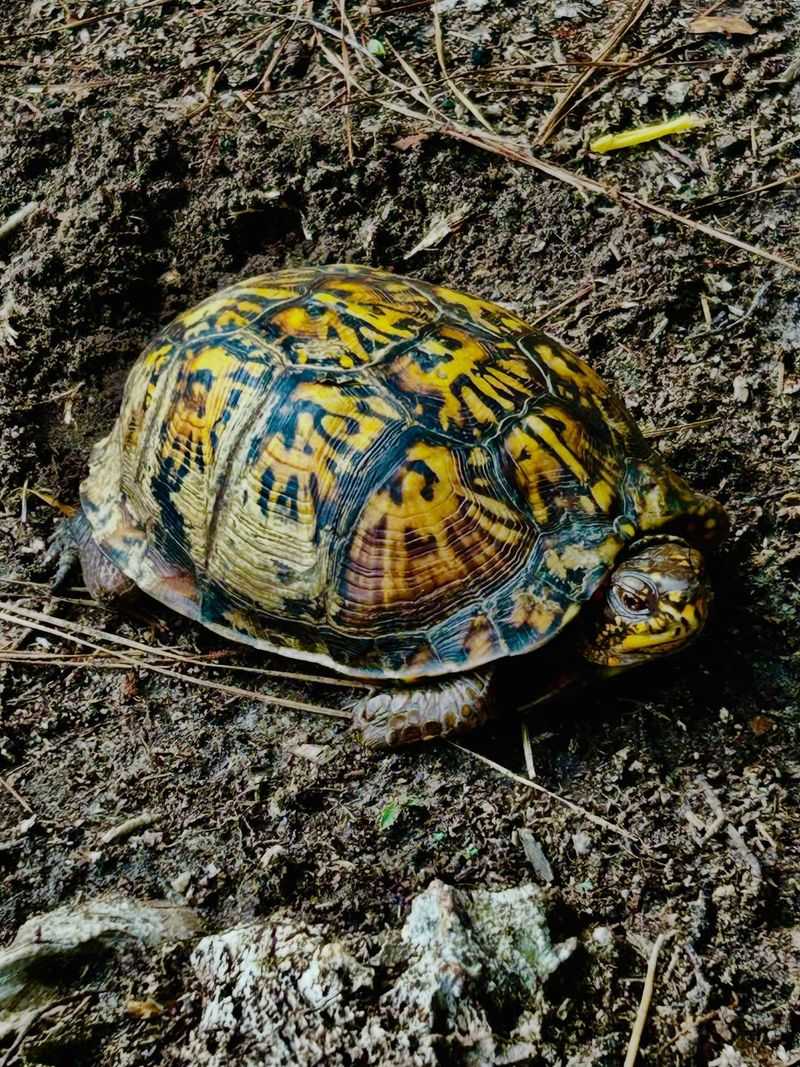
Shade is not optional for box turtles in summer. When ground temperatures climb past 90 degrees, these reptiles need cool spots to avoid overheating.
A yard without shade is basically an obstacle course for them.
Mature trees like oaks, maples, and sweetgums create the best natural canopy. Taller trees block direct sun for longer stretches of the day.
Even a few well-placed trees can drop ground-level temperatures significantly.
North-facing slopes and areas near dense shrubs tend to hold cool air longer. Box turtles often press themselves against the base of large trees or under low-hanging branches.
Those spots stay noticeably cooler than open lawn areas.
Patchy shade is actually better than solid shade for foraging. Turtles move between shaded and lightly lit areas while searching for food.
Variety in light levels keeps them comfortable and active.
Planting native trees is a long-term investment worth making. Fast-growing options like river birch or tulip poplar fill in quickly.
Once established, they provide reliable summer shade year after year without much maintenance.
Avoid cutting back low-hanging branches near ground level. Those drooping limbs create sheltered micro-climates that box turtles actively seek out.
Leaving some natural messiness in your yard goes a long way for wildlife.
2. Thick Mulch That Holds Moisture Near The Ground
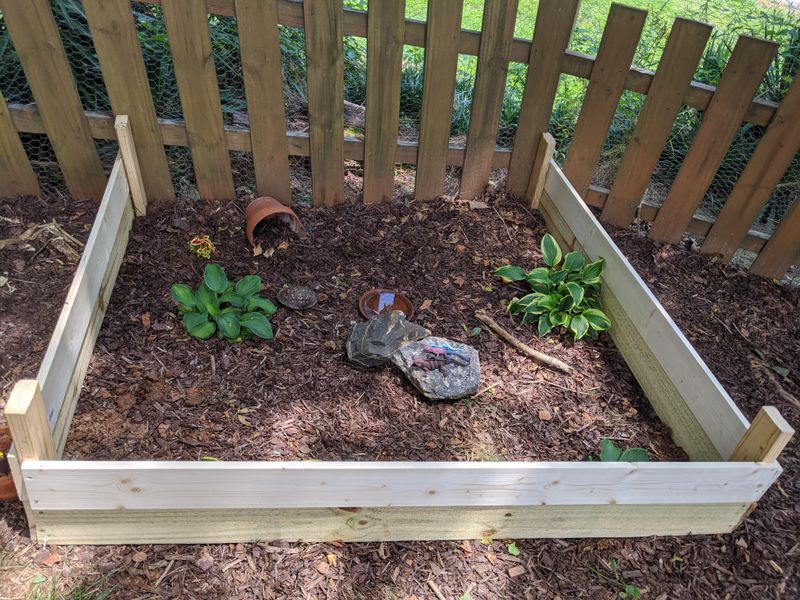
Mulch does something most people overlook. It holds moisture right at ground level, exactly where box turtles need it most.
A thick layer of organic material can feel noticeably cooler and damper than bare soil just inches away.
Wood chip mulch works especially well. It breaks down slowly, retains water after rain, and stays loose enough for turtles to push into.
Some turtles will actually burrow a few inches into deep mulch to escape midday heat.
Aim for at least three to four inches of mulch depth in garden beds. Shallow mulch dries out too fast to be useful.
Deeper layers create a stable, moist environment that stays comfortable even on the hottest afternoons.
Avoid dyed or treated mulch products. Chemical additives can irritate a turtle’s skin and eyes on contact.
Your Georgia Garden Changes Every Week. Your Plan Should Too.
Gardening in Georgia changes quickly throughout the season. Every Friday you’ll receive a simple weekly plan showing exactly what to plant, prune, fertilize, harvest, and protect so you never miss the right timing.
Natural hardwood or pine bark mulch is a safer choice for wildlife-friendly yards.
Mulched garden borders along fence lines or under trees are prime turtle territory. Box turtles follow these edges while foraging.
A continuous mulched path gives them a comfortable travel route across the yard.
Refreshing mulch once a year keeps it effective. Old mulch compacts over time and loses its moisture-holding ability.
Adding a fresh top layer each spring resets its performance before summer heat arrives.
3. Native Shrubs That Provide Daytime Cover
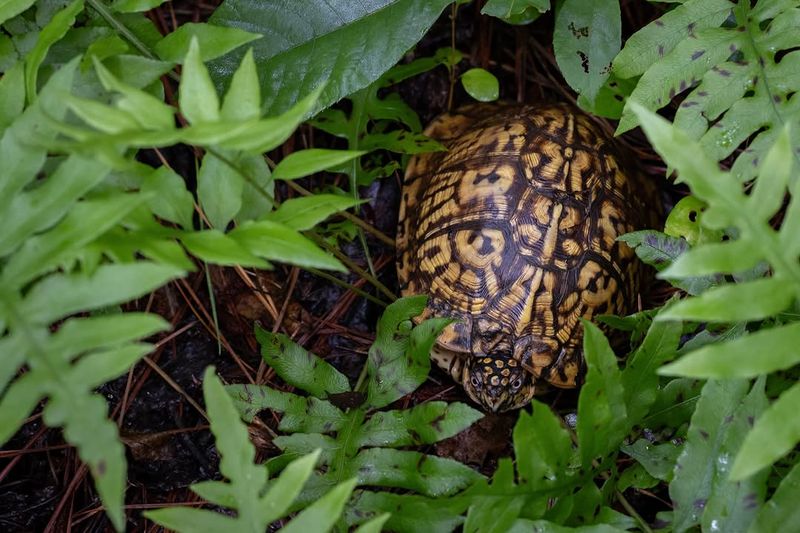
Native shrubs are workhorses in a wildlife-friendly yard. They provide cover, food, and structure all in one package.
Box turtles use low-growing shrubs as daytime hiding spots when they need a break from foraging.
American beautyberry is a standout choice. Its arching branches sweep close to the ground and create sheltered pockets underneath.
Turtles can slip beneath the canopy easily and stay hidden from predators.
Inkberry holly and Virginia sweetspire are two more solid options. Both grow naturally in the Southeast and tolerate heat well.
They also produce berries that box turtles will eat directly from low-hanging branches.
Shrubs planted in clusters work better than single specimens. A grouping of three or more shrubs creates a denser, more protected space.
Box turtles feel safer moving through connected cover rather than crossing open ground.
Keep the area under shrubs clear of heavy foot traffic. Disturbing resting turtles repeatedly causes stress and drives them away.
Letting the understory stay undisturbed makes the space genuinely useful for wildlife.
Avoid over-pruning native shrubs into tight shapes. A more natural, open form with drooping lower branches creates better ground-level habitat.
Tidy yards look nice but offer very little shelter for box turtles passing through.
4. Leaf Litter That Creates Shelter And Foraging Space
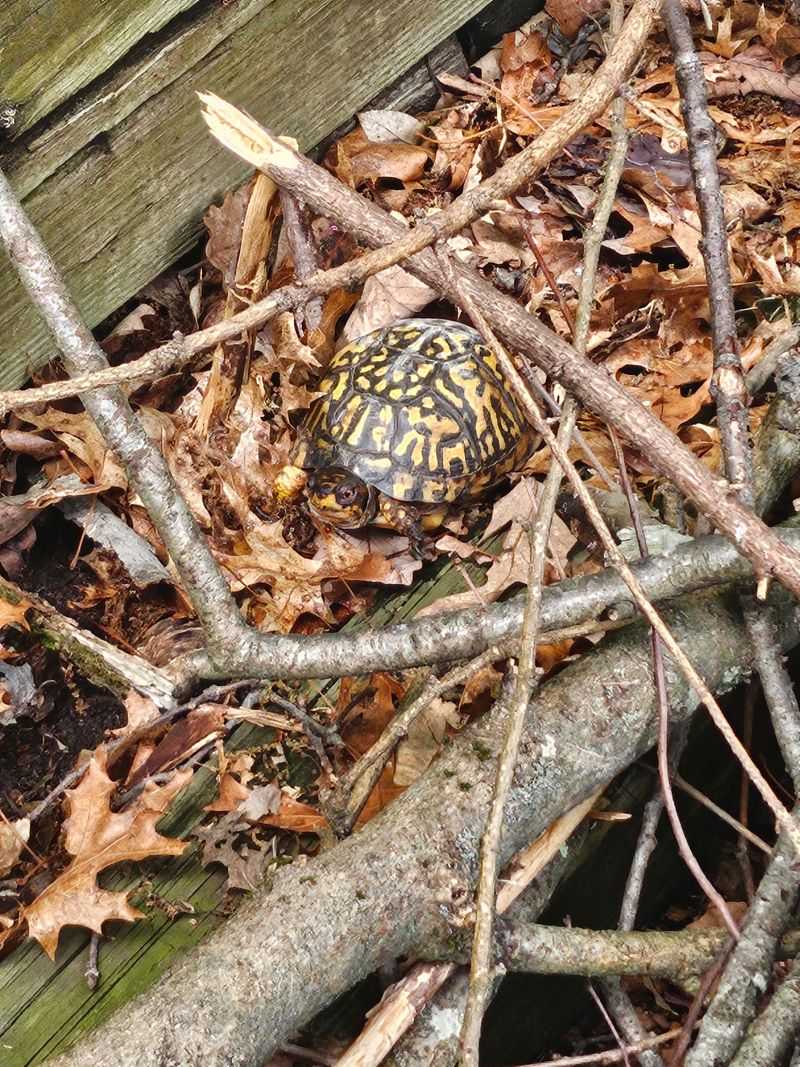
Raking every leaf off your lawn is one of the worst things you can do for box turtles. Leaf litter is not yard waste.
It is a functional habitat layer that turtles depend on for shelter, food, and moisture retention.
Fallen leaves create a loose, spongy surface that holds humidity close to the ground. Box turtles push into leaf piles to rest during the hottest parts of the day.
A few inches of accumulated leaves can drop the surface temperature noticeably compared to bare soil.
Leaf litter is also a foraging buffet. Beetles, earthworms, slugs, and pill bugs all live in decomposing leaves.
Box turtles root through debris slowly and methodically, picking off invertebrates as they go.
Oak leaves are especially valuable because they break down slowly. They stay loose and navigable for turtles longer than softer leaves like maple.
A mix of leaf types creates the best layered habitat.
Pile leaves along fence lines, under trees, or in garden corners. Box turtles gravitate toward edges where leaf litter meets other cover.
Keeping piles at least six inches deep gives them enough material to work with.
Leaving leaves in place through winter also supports overwintering insects. More insects in spring means more food available when turtles become active again.
One simple habit supports the whole food web.
5. Shallow Water Sources For Drinking And Soaking
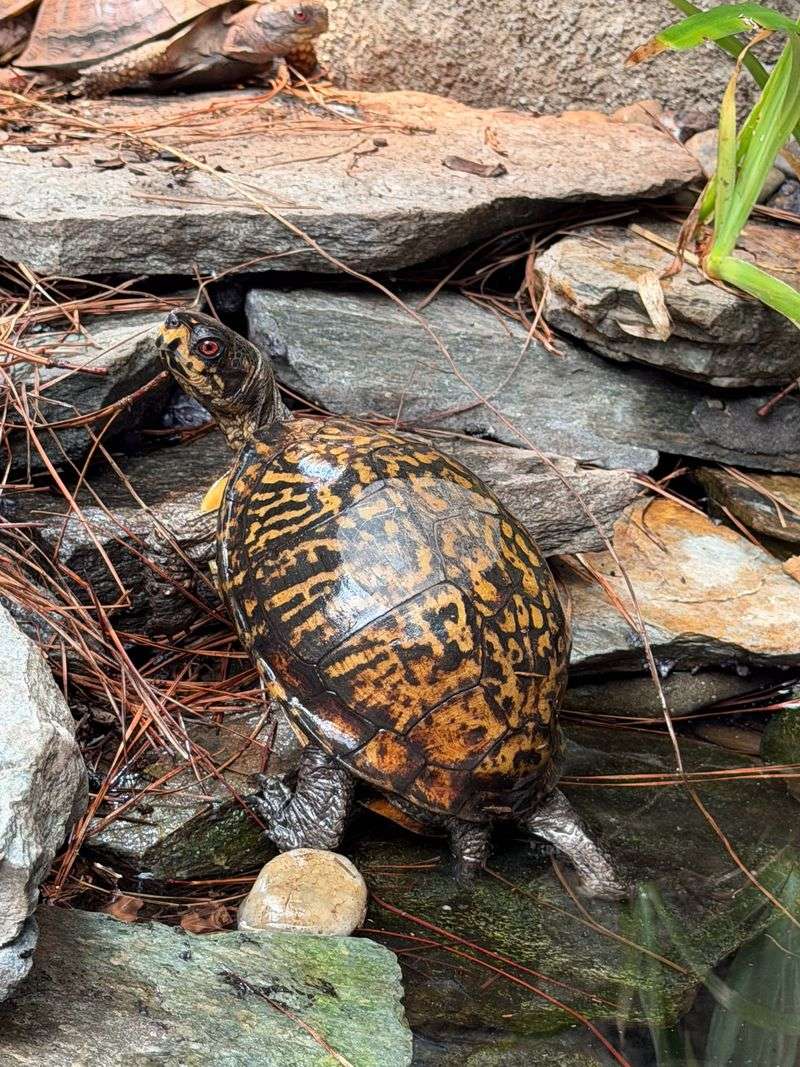
Box turtles soak. It is not just about drinking.
They absorb water through their skin and cloaca, making shallow soaking spots a genuine necessity during dry summer stretches. A yard without water is far less attractive to them.
A shallow dish, ceramic saucer, or small wildlife pond works perfectly. Water depth should stay between one and two inches.
Deeper water is actually a hazard because box turtles are not strong swimmers.
Place water sources in shaded areas whenever possible. Water in direct sun heats up fast and evaporates quickly.
A shaded dish stays cooler and more inviting throughout the afternoon.
Refresh the water every two to three days. Stagnant water grows algae and bacteria quickly in summer heat.
Clean water is safer and more appealing to turtles passing through the yard.
Slightly sunken dishes work better than raised ones. Box turtles approach water sources from ground level.
A dish that sits flush with the soil is much easier for them to access without tipping.
Adding a few flat stones inside the dish gives turtles a stable surface to stand on while soaking. Smooth stones prevent slipping and make the water feature feel more natural.
Small details like that improve how often turtles actually use the spot.
6. Dense Ground Cover That Offers Protection
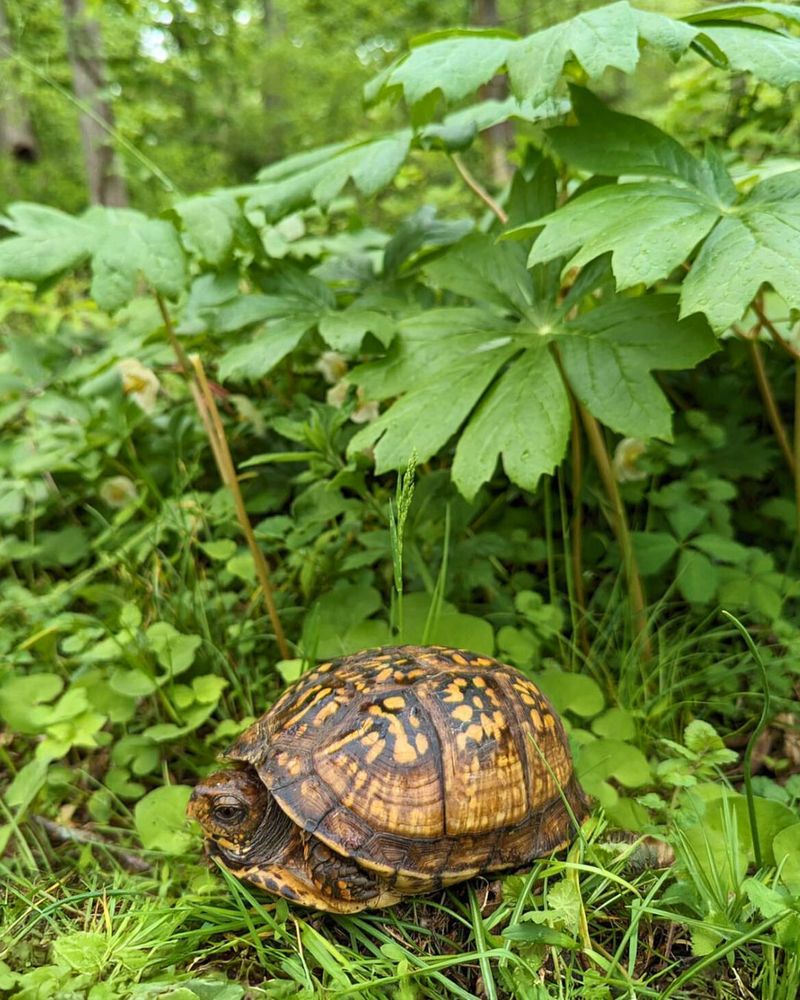
Open lawn offers box turtles almost nothing. Dense ground cover, on the other hand, gives them what they actually need.
Low-growing plants create a protective layer that shields turtles from heat, predators, and disturbance.
Wild ginger is one of the best native ground covers for turtle habitat. It spreads slowly to form a thick mat and stays green through most of the summer.
Box turtles move through it easily while staying mostly hidden from above.
Creeping phlox and wild strawberry are two more useful options. Both hug the ground tightly and tolerate the Southeast’s humid summers well.
Wild strawberry also produces fruit that box turtles will eat directly from the plant.
Ground cover works best when it connects to other habitat features. A patch of wild ginger leading into a mulched bed or leaf pile creates a travel corridor.
Turtles follow these connected zones rather than crossing wide-open spaces.
Avoid ground covers that spread too aggressively and crowd out everything else. English ivy, for example, creates a thick monoculture that reduces insect diversity.
Less insect diversity means less food for foraging turtles.
Mixing two or three native ground cover species creates a more layered, resilient habitat. Different plants attract different insects and provide varied textures.
That variety keeps the area productive for box turtles across the full summer season.
7. Logs And Fallen Branches That Create Hiding Spots
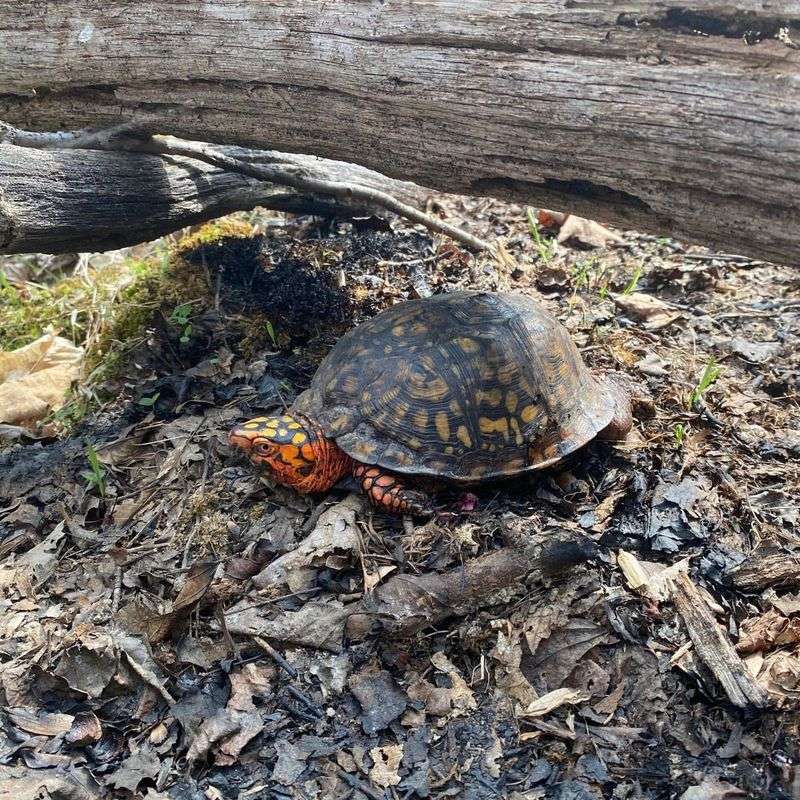
Rotting logs might look like clutter to some people, but to a box turtle they are prime real estate. Decaying wood holds moisture, harbors insects, and creates sheltered gaps that turtles squeeze into for safety and rest.
Hardwood logs break down best for wildlife habitat. Oak, hickory, and sweetgum logs decay at a moderate pace and support a wide variety of beetles, grubs, and fungi.
Box turtles forage along and beneath these logs regularly.
Logs do not need to be enormous to be useful. A section twelve to eighteen inches in diameter works well.
Even smaller branches stacked loosely together create enough cover to attract turtles.
Partially buried logs are especially effective. A log sitting flush with the ground creates a protected gap on the underside.
Turtles wedge themselves into those spaces during the hottest part of the day.
Place logs near the edges of your yard rather than in the middle of open lawn. Box turtles feel exposed in open spaces and prefer to move along edges.
A log near a fence line, garden bed, or treeline fits naturally into their travel patterns.
Leave logs in place once you set them down. Moving or flipping them repeatedly disturbs whatever has taken up residence underneath.
Stability is what makes a log genuinely useful as long-term habitat in a backyard setting.
8. Chemical Free Areas With Natural Food Sources
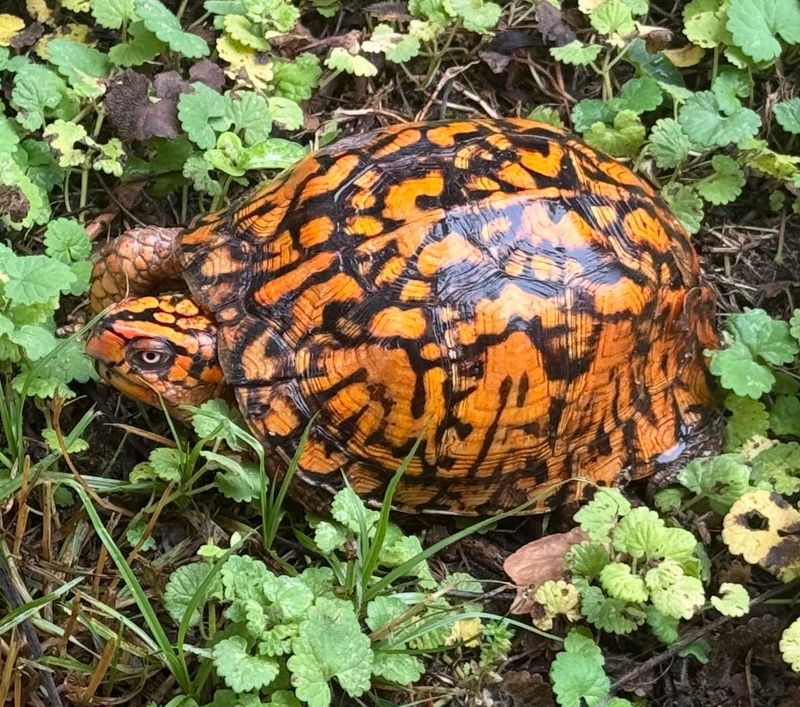
Pesticides and box turtles do not mix. Even low-level chemical exposure can affect a turtle’s nervous system and reduce its ability to forage effectively.
A yard sprayed with herbicides and insecticides offers very little for these animals.
Skipping pesticides is not just about avoiding harm. It actively builds a healthier food web.
More insects, earthworms, and fungi means more natural food available for turtles moving through the area.
Box turtles are omnivores with a broad appetite. Mushrooms, wild berries, earthworms, slugs, beetles, and fallen fruit all make up their diet.
A yard with chemical-free soil supports all of those food sources naturally.
Native berry-producing plants are worth adding specifically for food value. Beautyberry, wild blueberry, and pokeweed all produce fruit that box turtles eat readily.
Planting even a few of these near other habitat features increases the yard’s overall appeal.
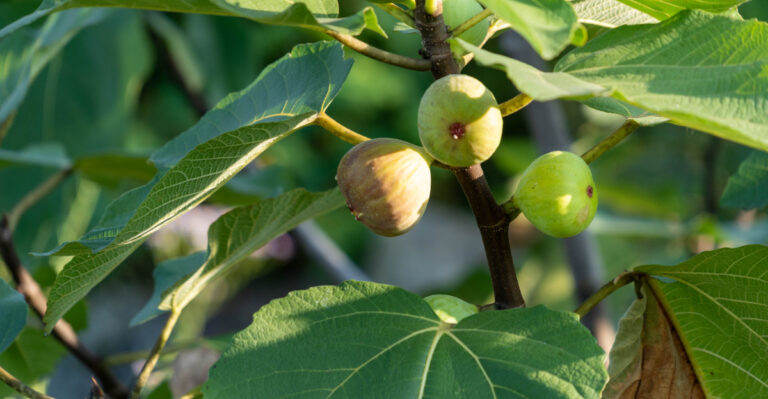
Fallen fruit from any backyard tree is also a reliable food source. Persimmons, figs, and crabapples left on the ground attract turtles during late summer.
Letting some fruit drop naturally rather than cleaning it up immediately makes a real difference.
Reducing lawn chemical use in Georgia’s suburban yards benefits far more than just turtles. Fireflies, native bees, and songbirds all respond positively.
One decision to go chemical-free creates a ripple effect across the entire backyard ecosystem.