7 Shady Fence Line Mistakes That Stress North Carolina Gardenias
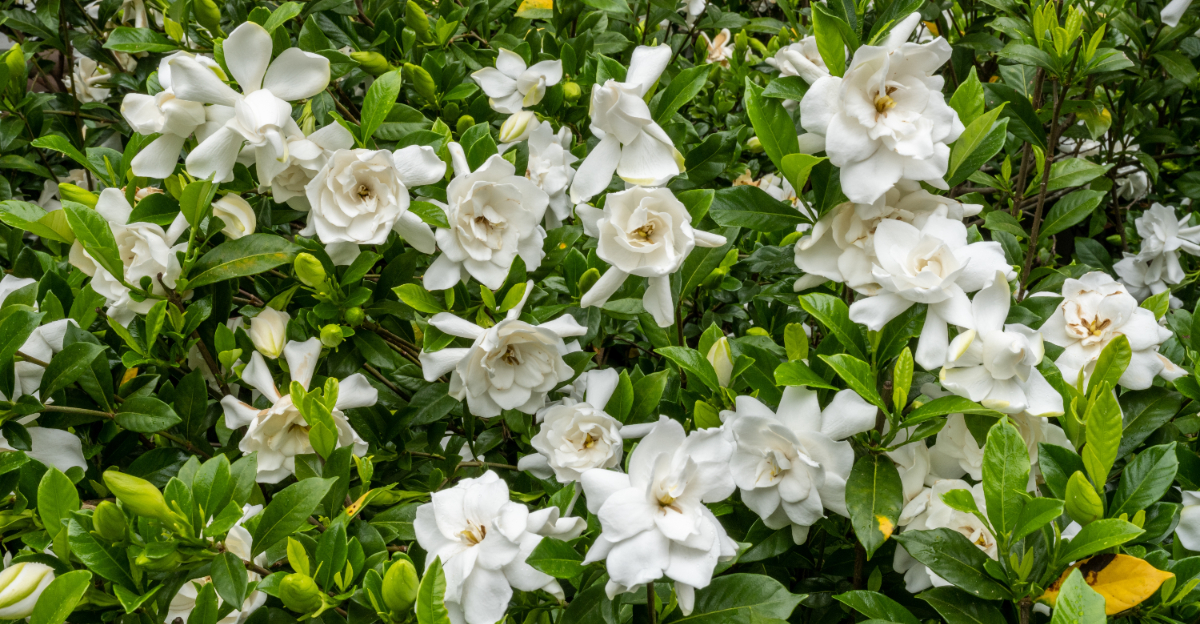
Your gardenias looked promising when you planted them.
The fence line seemed perfect, a little shelter, a little structure, exactly the kind of spot that looks right in a garden plan.
Now the blooms are sparse, the leaves are yellowing, and no amount of watering seems to fix it. The fence line is not just a backdrop for gardenias in North Carolina.
It is an active participant in how they perform, and most of the ways it can work against the plant are completely invisible until the damage is already showing.
Gardenias are particular about light, soil, airflow, and moisture in ways that make fence placement more consequential than most gardeners realize.
Seven specific mistakes show up again and again in North Carolina yards, and at least one of them is probably already happening behind your fence right now.
1. Planting In Deep Shade
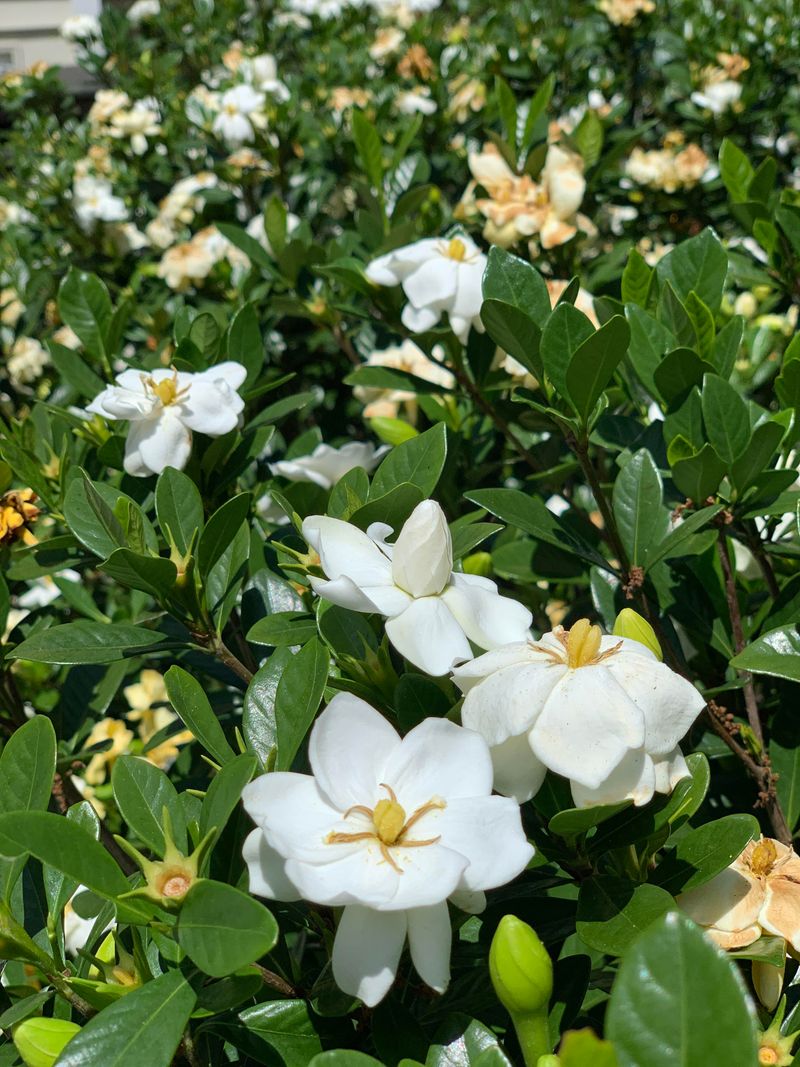
Many people assume gardenias love shade because they look like a tropical, sheltered kind of plant.
That assumption leads directly to one of the most common fence line mistakes in North Carolina yards, and it costs gardeners an entire season of blooms before they figure out what went wrong.
Gardenias are not true shade plants. They perform best with bright indirect light or at least some direct sun exposure each day.
A fence tucked under a dense tree canopy or pressed against a tall north-facing wall blocks too much light for gardenias to produce the energy they need to set flower buds.
Lush green leaves might appear at first, but buds will fall before they open, and the plant gradually weakens without enough light to sustain itself.
The tricky part is that a spot can look bright at eight in the morning and sit in heavy shade by noon.
Walking the fence line at different times of day before planting is the most reliable way to understand what light is actually available at ground level throughout the day.
A sun-mapping app on a phone can help track patterns over several days if the answer is not obvious.
Gardenias need at least four to six hours of light daily to bloom well. Bright filtered light under a high canopy can work, but dense, all-day shade along a fence is simply too dark for these plants to perform.
Fewer blooms, slower growth, and a plant that perpetually looks like it is struggling are all signs that the light situation needs to change before anything else will.
2. Skipping Morning Sun
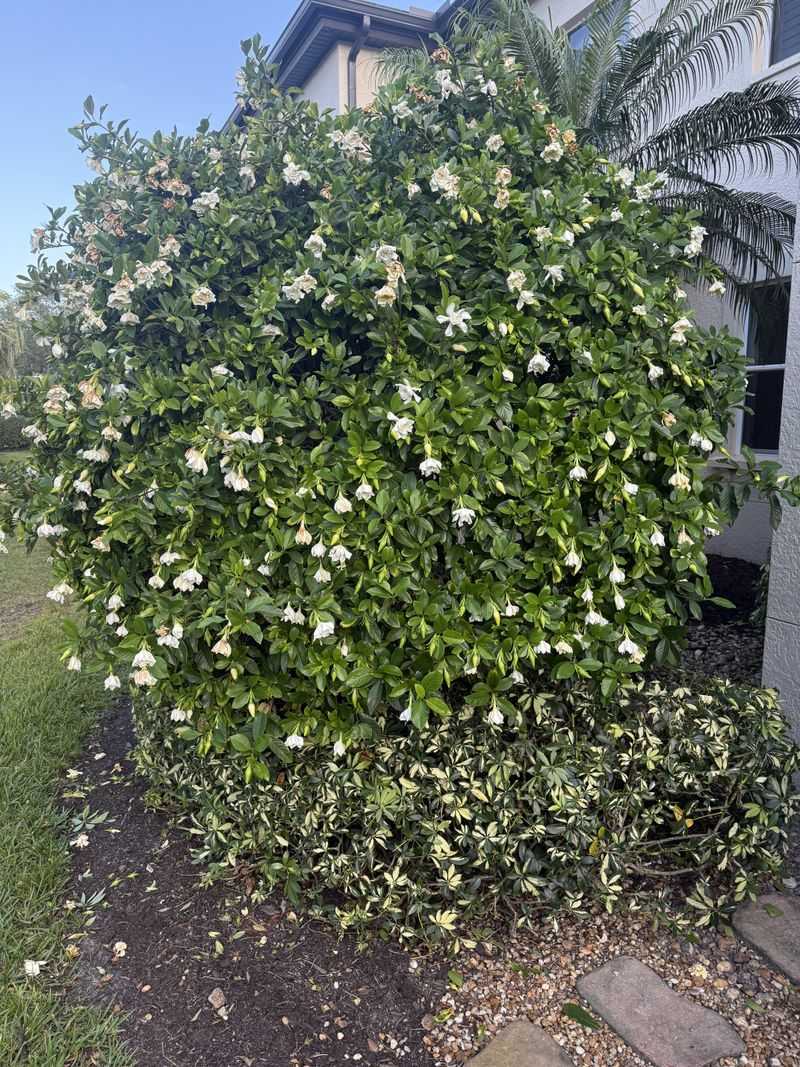
Here is something many gardeners get backwards. They protect gardenias from all direct sun, assuming shade is always the safer choice.
Gardenias actually need morning sun more than most people realize, and consistently skipping it costs blooms every single season.
Morning sun is gentle. It warms the plant gradually, dries overnight moisture off the leaves, and delivers the light energy gardenias need to push out those gorgeous white flowers.
Southeastern gardening guidance consistently points to morning sun with afternoon shade as the sweet spot for gardenia success.
That combination is not a preference. It is close to a requirement for reliable blooming in North Carolina summers.
Your North Carolina Garden Changes Every Week. Your Plan Should Too.
Gardening in North Carolina changes quickly throughout the season. Every Friday you’ll receive a simple weekly plan showing exactly what to plant, prune, fertilize, harvest, and protect so you never miss the right timing.
Afternoon sun is a different situation entirely. It arrives with full intensity after hours of heat buildup, scorches leaves, stresses roots, and bakes the soil dry faster than the plant can compensate.
Morning sun does the productive work. Afternoon sun just creates problems.
A fence line that faces east often provides the most gardenia-friendly light pattern naturally, offering that soft morning glow before the heat of the day becomes a factor.
A south-facing or west-facing fence with no afternoon shade can be too harsh. A north-facing fence blocks almost all direct sun.
If the only available spot is a sunnier location, adding a taller shrub or small tree on the west side to create afternoon shade solves the problem without relocating the plant.
Morning sun is not optional for happy gardenias. It is one of their most basic requirements.
3. Crowding Roots Against The Fence
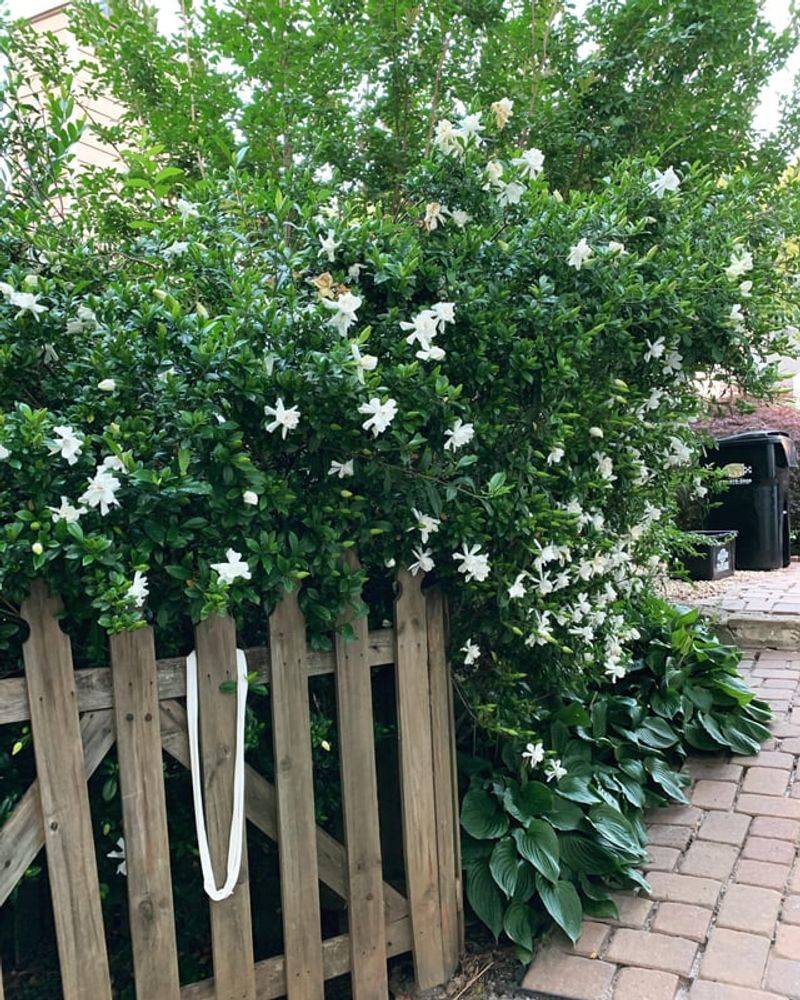
Pressing a gardenia too close to a wooden post or concrete footer might seem harmless above ground.
Underground, those roots are working against a barrier they cannot get past, and a root system that cannot expand cannot support healthy growth above it.
Gardenias have moderately aggressive roots that need room to spread outward.
Planted within inches of a fence structure, roots hit barriers quickly and cannot develop the spread needed to absorb water and nutrients effectively.
Wooden fences can also leach compounds or alter soil pH over time, especially pressure-treated lumber, which creates an unfriendly environment for acid-loving plants.
Concrete footings raise pH as well, adding another layer of stress to an already compromised root zone.
Beyond the physical barriers, tight fence planting creates nutrient competition. Grass, weeds, and fence-side debris all compete with the gardenia for the same limited soil.
The plant ends up nutrient-starved even with regular fertilizing because the roots simply do not have the space to absorb what they need.
Planting gardenias at least two to three feet away from the fence structure itself gives roots space to develop naturally, improves drainage, and keeps the plant from rubbing against wood during wind.
Gardenias planted with proper spacing grow fuller, bloom more reliably, and stay healthier through hot North Carolina summers. Give them room and the difference in performance is noticeable within a single growing season.
4. Ignoring Acidic Soil Needs
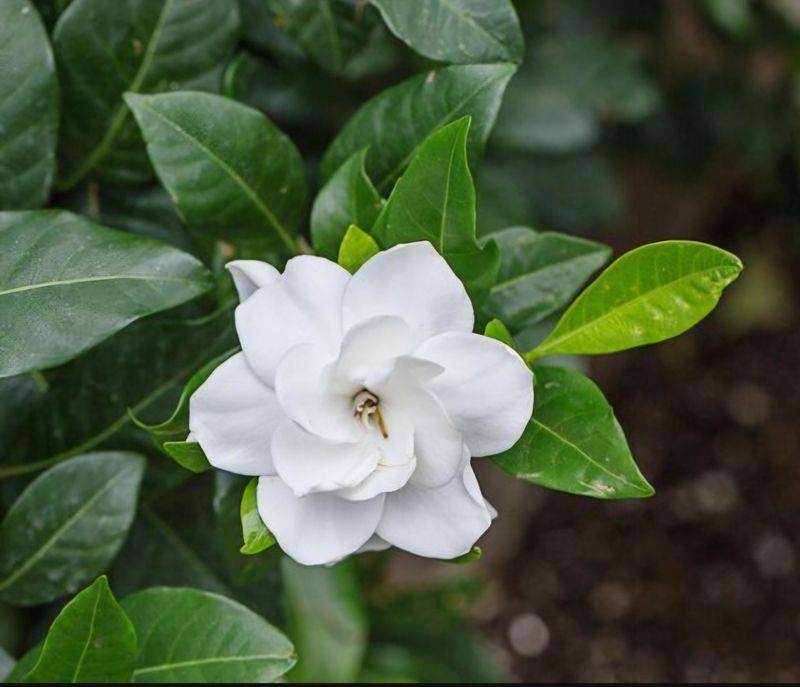
Gardenias are famously particular about soil, and pH is the biggest part of that. These plants need acidic soil to thrive, with a pH between 5.0 and 6.0 being the ideal range.
Ignore that requirement along a fence line and the plant will show it through yellowing leaves between the veins, weak growth, and a refusal to bloom regardless of how much water or fertilizer goes in.
That yellowing pattern is called chlorosis, and it happens when soil pH climbs too high. When the soil is not acidic enough, gardenias cannot absorb iron and other nutrients even when those nutrients are physically present in the ground.
The plant is surrounded by food it cannot use. Fence line soil is especially problematic because concrete footings, limestone gravel, and certain treated wood materials all raise pH over time without any visible sign that it is happening.
Testing soil before planting is one of the most useful steps a North Carolina gardener can take.
County cooperative extension offices offer affordable soil testing that tells you exactly where pH stands and what amendments are needed.
Sulfur is the most common adjustment for raising acidity. Acidifying fertilizers made for azaleas and camellias work well for gardenias too.
Retesting fence line soil every year or two keeps the situation from quietly sliding in the wrong direction.
pH can creep back up, especially near concrete structures, and the plant will show the effects before most gardeners think to check the chemistry.
Staying ahead of soil acidity is one of the most effective things you can do for consistent, fragrant blooms season after season.
5. Letting Roots Stay Too Wet
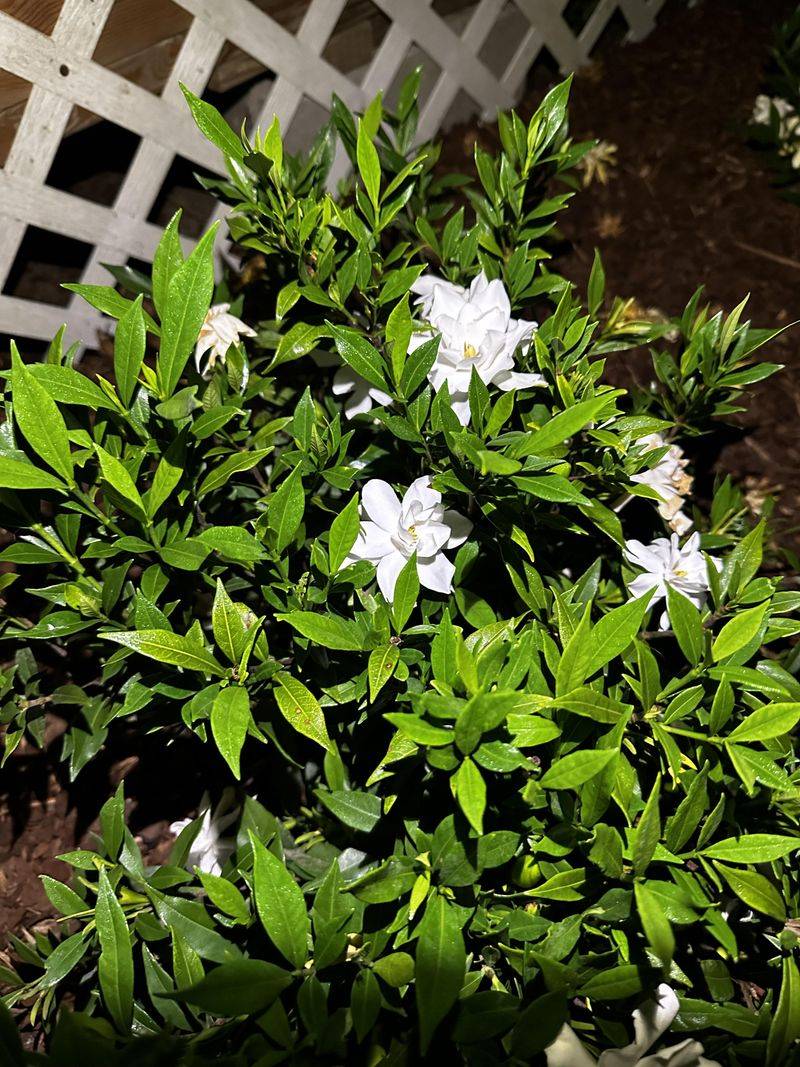
Water is essential, but too much of it causes problems just as real as too little.
Gardenias planted in low spots along a fence line are especially vulnerable to soggy roots. Roots that stay wet for too long begin to break down in ways that eventually show up above ground as wilting and yellowing.
North Carolina gets significant rainfall, especially in spring and early summer. A fence line that collects runoff from a roof, a slope, or a neighboring yard can turn into a drainage problem that never fully resolves.
Gardenias need consistently moist soil, but they also need that soil to drain well between watering and rain events. Water pooling around the base for more than a few hours after rain is a sign that something needs to change.
Before planting, pour a bucket of water into the planting area and watch how fast it drains. If water sits for more than an hour, that spot has a drainage issue.
Raised beds or mounded planting help in low spots. Mixing compost and coarse sand into heavy clay soil improves drainage significantly, which is a common and effective fix in many North Carolina gardens.
Good drainage also helps maintain the right soil temperature and prevents fungal diseases that thrive in wet conditions.
A gardenia with well-drained, airy roots is a gardenia that can focus all its energy on producing those fragrant blooms rather than managing stress from below.
6. Forgetting Mulch In Summer
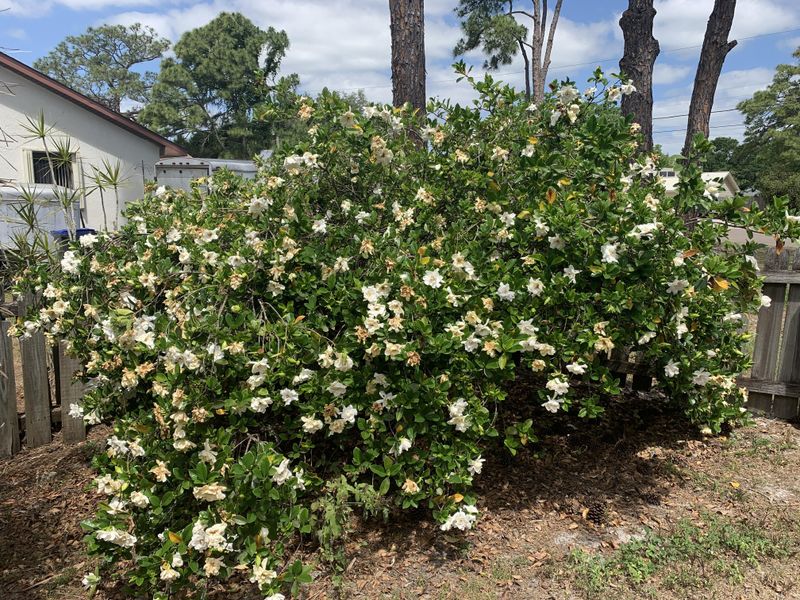
North Carolina summers are genuinely intense. Temperatures climb, soil dries out fast, and roots bake under the sun.
Gardenias along a fence line face additional exposure because fences can reflect heat and block cooling breezes from reaching the plant. Skipping mulch in summer is one of the easiest mistakes to make and also one of the easiest to fix.
Mulch holds moisture in the soil between waterings, keeps soil temperature cooler and more stable, and breaks down slowly over time to add organic matter that improves soil structure, all things that work directly in a gardenia’s favor.
That combination of benefits from a single simple step is genuinely hard to beat.
Pine bark mulch and pine straw are both excellent choices for gardenias in North Carolina. Both are slightly acidic, widely available, and work well around acid-loving plants.
A two to three inch layer around the base of the plant handles most of the summer stress, with mulch kept a few inches away from the main stem to prevent moisture buildup against the bark.
Refreshing mulch every spring before the heat arrives is the habit that makes this work consistently. By midsummer a lot of mulch breaks down or thins, leaving roots exposed at exactly the hottest point of the season.
A quick top-up in July makes a real difference in how gardenias handle August. The root zone stays cooler, moisture lasts longer, and the plant keeps blooming instead of going into heat-induced survival mode.
7. Blocking Airflow Around Leaves
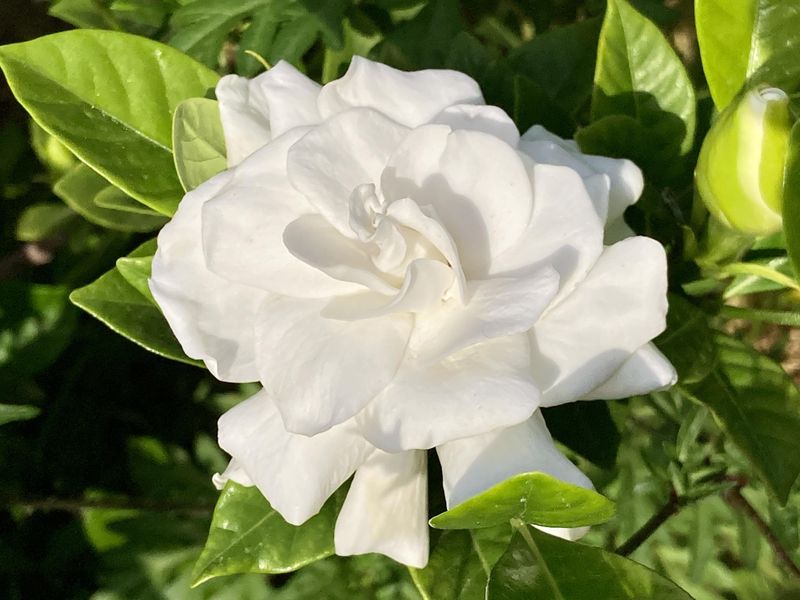
Good airflow is something gardenias genuinely need, and fence lines have a particular talent for eliminating it. A solid privacy fence acts like a wall that stops moving air.
Gardenias planted right against that wall end up sitting in still, humid air for hours at a time, and that environment encourages fungal problems like powdery mildew and sooty mold to develop on the foliage.
North Carolina summers are already humid. That humidity alone puts gardenias at risk for leaf diseases. Add a fence that blocks air movement entirely and the conditions become significantly worse.
Leaves stay wet longer after rain or irrigation. Fungal spores spread easily in still air. The plant spends energy managing disease pressure instead of producing flowers, and the bloom count drops noticeably as a result.
Spacing gardenias at least two to three feet from a solid fence gives leaves room to breathe and allows air to move around and through the plant, drying foliage faster and reducing disease pressure throughout the season.
If the fence cannot be moved and the only available spots are close to a solid wall, choosing a section where the fence has gaps or lattice panels helps maintain some air movement.
Pruning supports this too. Keeping the interior of the shrub open and thinned out improves airflow even when the fence is nearby.
Removing crossing branches and any congested growth each spring after blooming ends maintains that openness.
A well-spaced, well-pruned gardenia planted with room between it and the fence will almost always outperform a crowded one, with cleaner foliage and far more blooms to show for the extra attention paid at planting time.