The Leaf Problem That Stumps Illinois Gardeners And Most People Never See It Coming
You wake up, step into the yard, and something is wrong. Your pepper leaves have gone paper-thin at the edges.
The basil looks like it gave up. Your carefully watered zucchini is wilting anyway, as if the water barely reached them at all.
Most backyard gardeners across Illinois lose weeks every summer chasing answers that lead nowhere. They adjust the watering schedule. They check the soil. They move pots into the shade.
The garden still looks worse by Thursday. Here is what nobody tells you upfront: the real culprit is not hiding underground, and it is not something you can wash off a leaf.
It strikes in broad daylight, moves fast, and hits hardest on the exact days you thought your plants were fine. This is heat scorch.
It mimics a dozen other problems, fools experienced Illinois gardeners every season, and responds to exactly none of the usual fixes.
Once you understand what is actually happening, the brown edges and curling leaves start making a different kind of sense. And the money you were about to spend at the garden center stays in your pocket.
Illinois Plants Are Not Diseased, They Are Stressed By Heat Dome Conditions
Your plants are not sick. They are sunburned, and there is a big difference between the two.
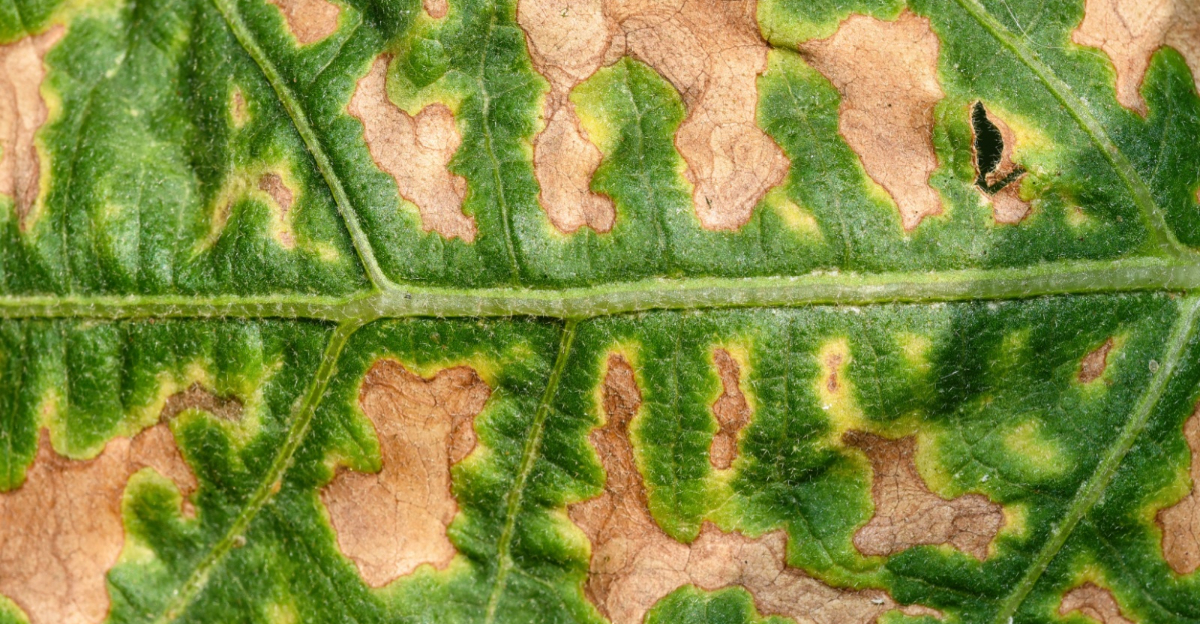
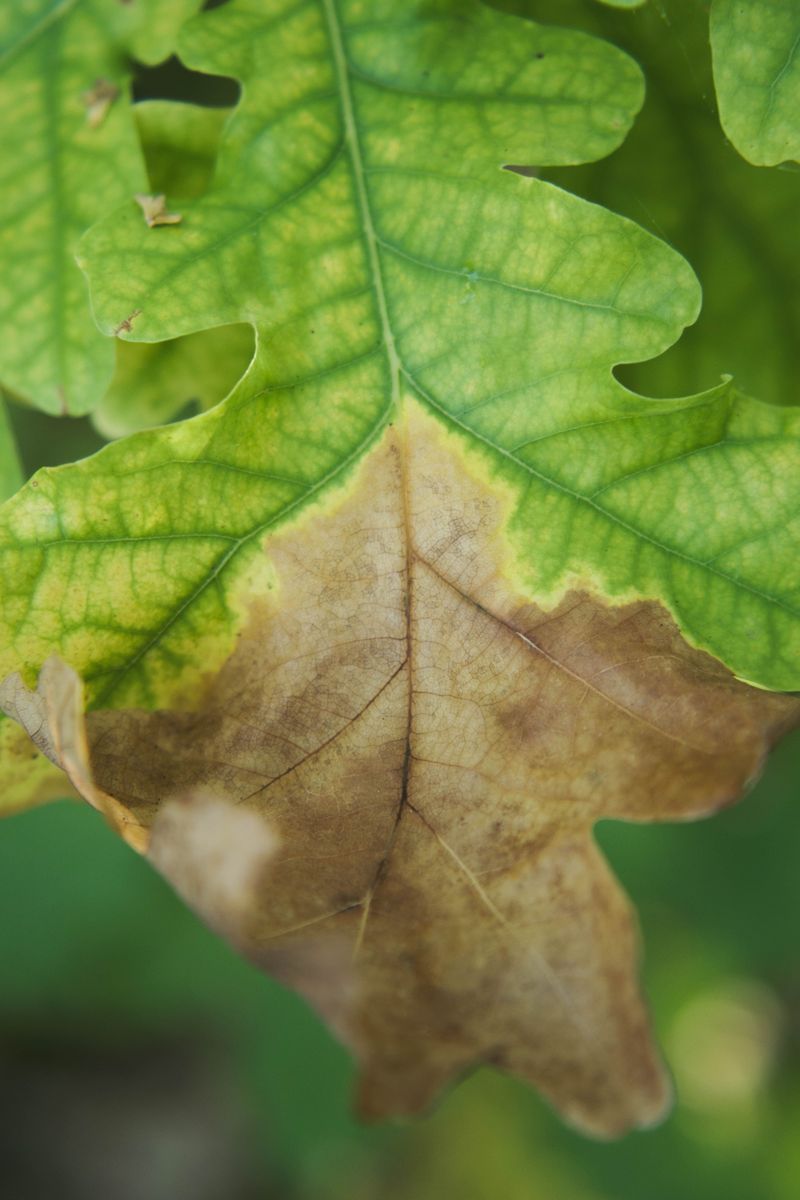
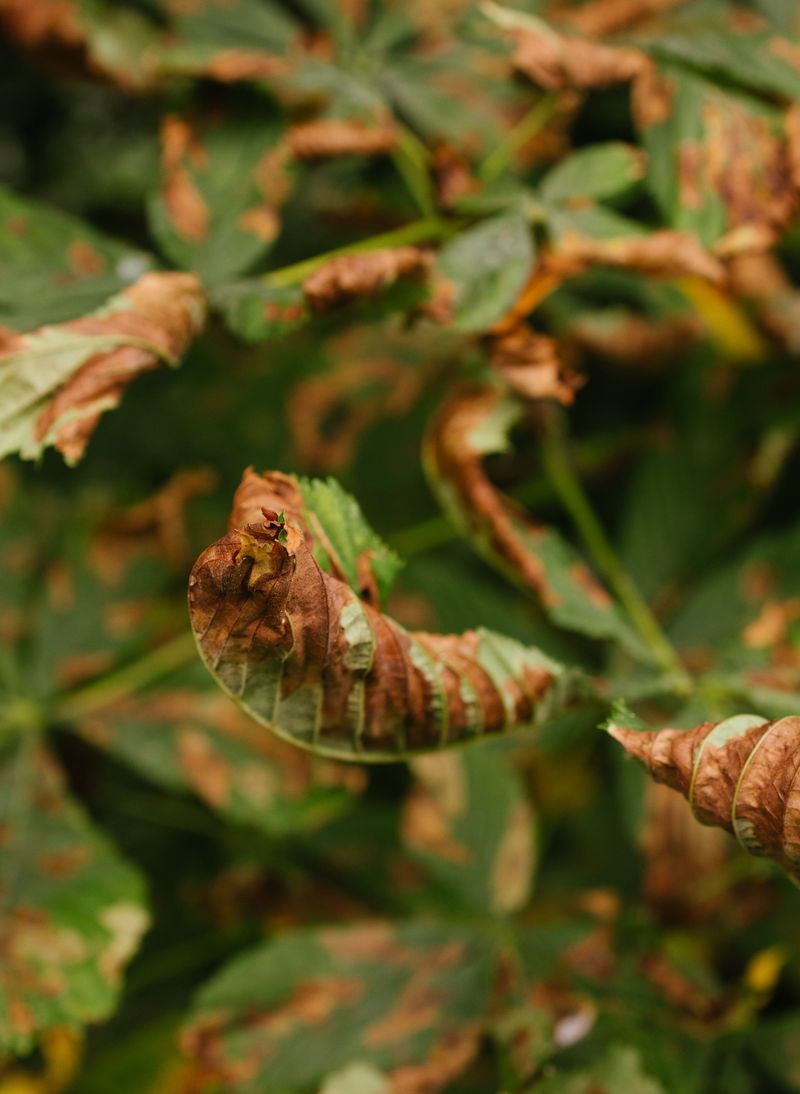
Heat scorch happens when temperatures soar and plants lose water faster than their roots can replace it. The leaf edges dry out, turn brown, and curl inward like a taco shell left on a hot sidewalk.
Many gardeners in the Chicago suburbs and central Illinois mistake heat scorch for a fungal infection, especially when symptoms appear overnight during a heat event.
The leaf problem that stumps Illinois gardeners is not disease but is actually a physiological response to extreme heat and drought stress. No pathogen is involved in pure heat scorch, which means fungicides and bactericides are unlikely to have any effect on the damage itself.
Understanding this difference is the first step to saving your garden without wasting money. Heat scorch is your plant showing clear signs of stress and asking for shade and water, not chemical treatment.
Once you accept that your garden is dealing with a heat problem, your whole approach shifts. You stop buying fungicide and start thinking about mulch, watering schedules, and smarter planting choices instead.
What the Dome Effect Actually Is and Why Illinois Gets Hit Hard
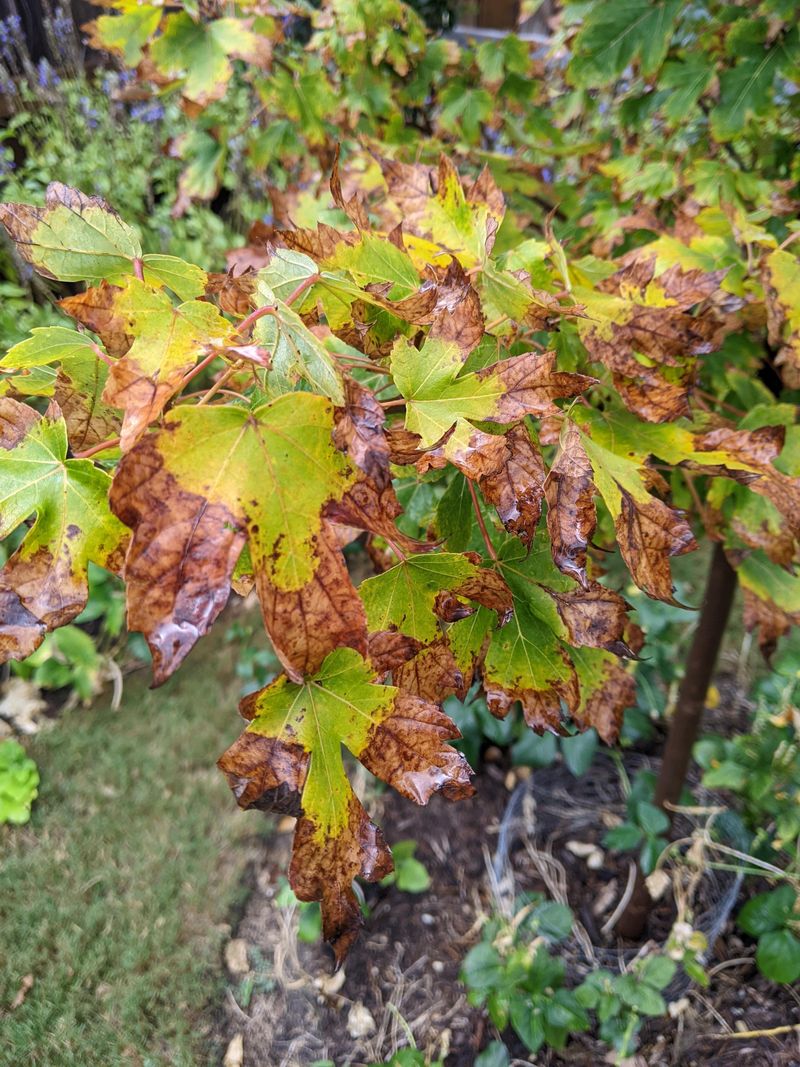
Picture a giant invisible lid sitting over the entire state. That is essentially what a heat dome does to Illinois every summer.
High-pressure systems trap hot air close to the ground, preventing it from rising and cooling off. Temperatures stay dangerously high for days, and humidity makes it feel even worse for both people and plants.
Illinois sits in a geographic sweet spot for heat dome formation. Flat terrain, proximity to the Gulf of Mexico moisture, and urban heat islands around Chicago and Springfield all combine to make conditions especially punishing.
When nighttime temperatures stay above 75 degrees, most plants struggle to recover from the daytime heat. Continuous stress compounds quickly, and leaf damage accelerates with each passing hot night.
Your Illinois Garden Changes Every Week. Your Plan Should Too.
Gardening in Illinois changes quickly throughout the season. Every Friday you’ll receive a simple weekly plan showing exactly what to plant, prune, fertilize, harvest, and protect so you never miss the right timing.
The dome effect is not just a summer curiosity. It is a documented climate pattern that has grown more frequent and more intense over the past two decades, according to climate research and NOAA data.
Knowing this helps gardeners plan smarter, not just react. If you understand that your region faces recurring heat events, you can build a garden that survives them year after year with less drama.
How to Tell Heat Scorch Apart From Fungal and Bacterial Leaf Disease
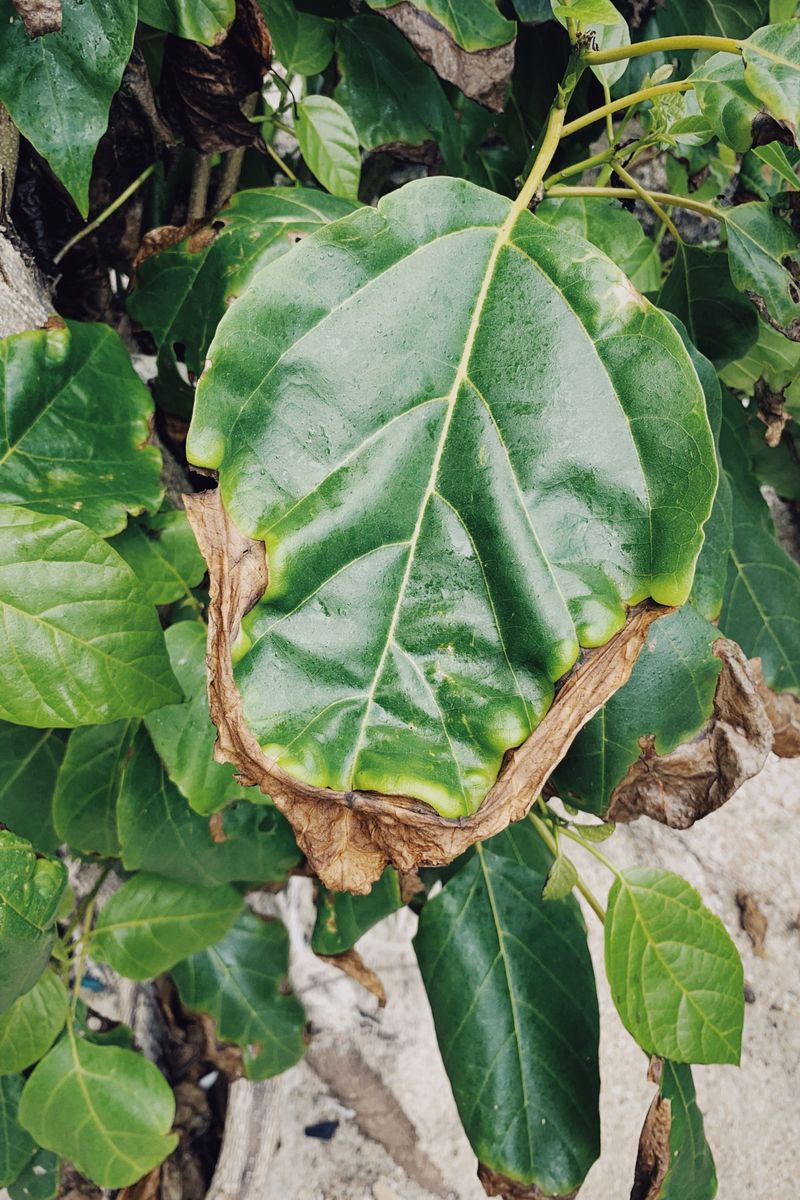
Brown leaf edges are tricky because they show up with both heat stress and disease. Knowing which one you are dealing with saves time, money, and frustration.
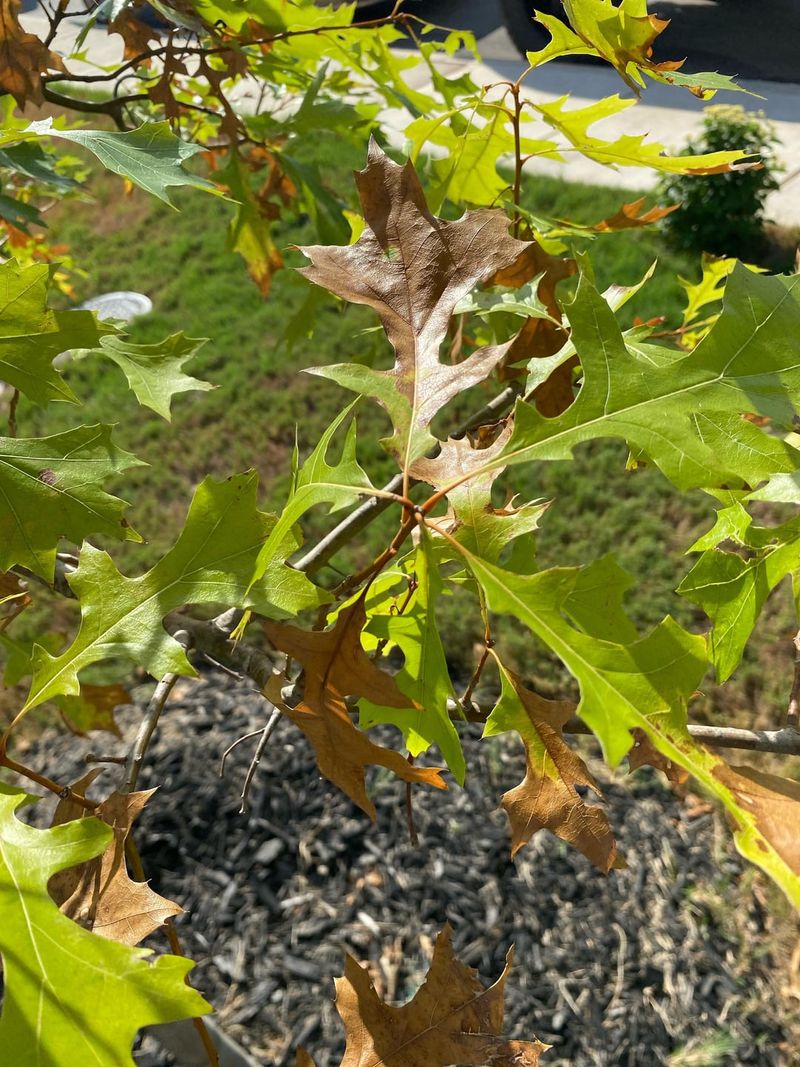
Heat scorch almost always starts at the outer edge of a leaf and moves inward. The damaged tissue looks dry, papery, and tan or light brown, without any fuzzy growth or wet spots nearby.
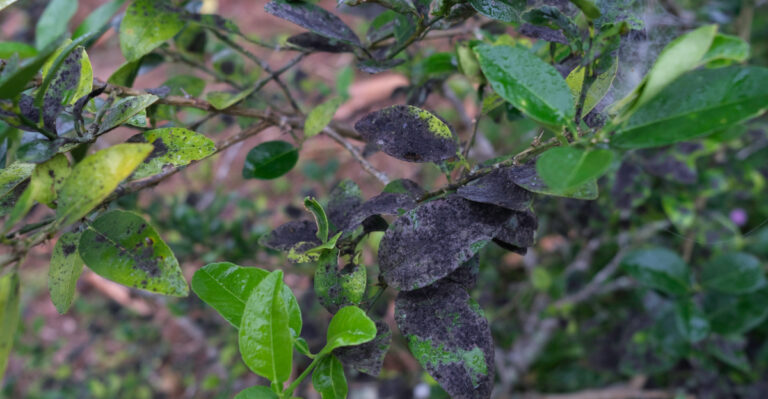
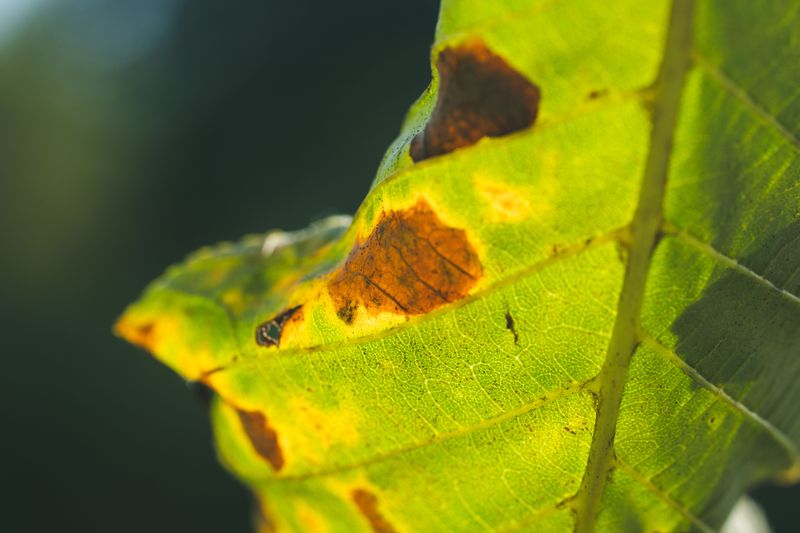
Fungal infections behave very differently. They often appear as circular spots, rings, or blotches in the middle of the leaf, and you may notice a powdery coating or dark specks on the surface.
Bacterial disease usually shows water-soaked patches that turn yellow or brown, often surrounded by a yellow halo. That halo is a giveaway that something biological is at work.
With heat scorch, the pattern follows the sun exposure. Leaves on the south or west side of a plant tend to show damage first, while shaded inner leaves stay green and healthy.
If you flip a scorched leaf over and see nothing unusual underneath, heat stress is almost certainly the cause. Diseases rarely leave the underside completely clean and undisturbed.
Grab a magnifying glass and spend two minutes examining your leaves closely. That quick inspection can often point you toward the right answer faster than reaching for a test kit.
Which Illinois Plants Are Most Vulnerable to Heat Scorch Damage
Not every plant in your yard handles brutal heat the same way. Some are built for it, and some absolutely are not.
Hostas are among the most vulnerable plants in Illinois gardens. They thrive in cool, shaded spots, and even partial afternoon sun during a heat dome can leave their edges looking like burnt toast.
Hydrangeas, especially the big-leaf varieties, are notorious for wilting dramatically during heat events. Their large leaf surface area means they lose moisture rapidly when temperatures climb past 90 degrees.
Japanese maples are elegant trees that suffer badly in reflected heat. Planting them near concrete driveways or south-facing walls significantly increases the risk of scorched foliage by mid-July.
Cool-season vegetables like lettuce, spinach, and kale bolt and scorch quickly when summer heat arrives. Gardeners who plant these in full sun spots often lose their entire crop in a single brutal week.
Even some native prairie plants can show edge browning when rainfall drops and temperatures spike simultaneously. Drought stress and heat stress often team up to create the worst-looking damage.
Knowing your most fragile plants lets you prioritize care during heat events. A little shade cloth or extra watering on your hostas can make the difference between a thriving garden and a crispy one.
Immediate Steps to Take When You Spot Scorched Leaves
You spotted the damage. Now act fast, because every hour of continued heat stress adds up. Water deeply at the base of the plant, not on the leaves.
Overhead watering during peak heat actually makes things worse by creating wet conditions that invite fungal problems on already-stressed plants.
The best time to water is early morning, before 9 a.m. This gives roots time to absorb moisture before afternoon temperatures peak and evaporation steals it away.
Lay down a thick layer of mulch around the base of your plants immediately. Two to three inches of wood chip mulch keeps soil cooler, holds moisture longer, and buffers roots from the worst of the heat above.
If you have potted plants, move them to a shaded spot right away. Container plants dry out dramatically faster than in-ground ones, and a single hot afternoon can push them into serious stress that is difficult to reverse.
Do not prune the scorched leaves off immediately. In most cases, damaged leaves still offer some protection while the plant recovers, and removing them too soon can add unnecessary stress.
Give the plant a few days of consistent watering and shade before deciding whether to trim anything. Patience here is genuinely one of the most powerful tools in your gardening kit.
Long-Term Landscaping Strategies to Prevent Heat Scorch in Illinois Gardens
Reacting to scorch every July gets exhausting. Building a garden that resists it in the first place is a much smarter play.
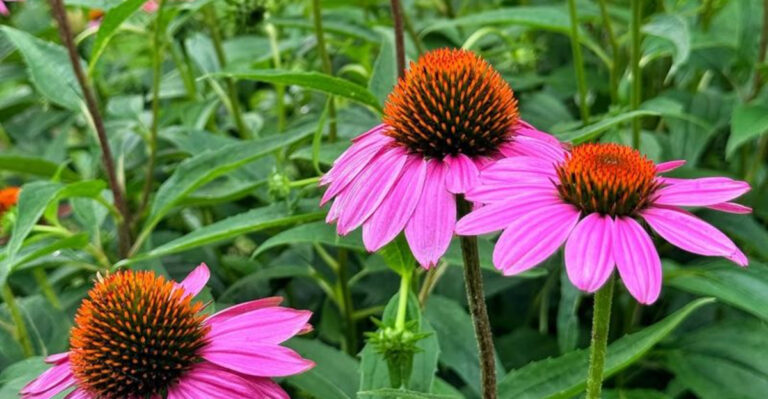
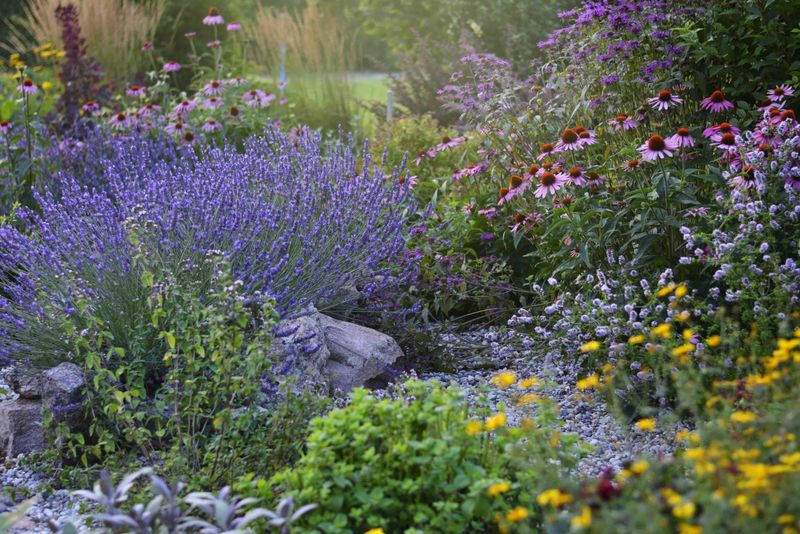
Start by choosing plants suited to heat and drought. Native Illinois species like coneflowers, black-eyed Susans, and prairie dropseed are naturally adapted to the region’s punishing summer swings.
Strategic tree placement changes everything for a garden. A single shade tree on the west side of your yard can drop afternoon temperatures in its shadow by up to 10 degrees Fahrenheit, according to USDA Forest Service research.
Drip irrigation systems deliver water directly to roots, reducing evaporation and keeping foliage dry. Dry foliage during heat events means fewer secondary problems and more efficient water use overall.
Group plants with similar water needs together in your beds. This approach, called hydrozoning, prevents some plants from being overwatered while others in the same bed go thirsty.
Replace high-risk plants in exposed areas with tougher alternatives over time. Swapping a big-leaf hydrangea for a panicle hydrangea, which handles heat far better, is one of the easiest upgrades you can make.
The leaf problem that stumps Illinois gardeners is not disease but is actually preventable with smart design choices. A well-planned landscape handles heat domes with far less drama and far less work from you.
When To Call A Plant Professional And When You Can Handle It Yourself
Most heat scorch situations do not need a professional. But a few situations absolutely do, and knowing the difference saves both your plants and your wallet.
Call an arborist or certified plant diagnostician if you see oozing cankers, black streaks under bark, or wilting that spreads from one branch to the entire tree within days. Those are signs of something far more serious than heat stress.
If a new pattern appears after temperatures cool down, take notice. Heat scorch damage stops progressing once conditions improve, so any new spots appearing during mild weather suggest a true pathogen is involved.
Check with your local cooperative extension office before spending money on treatments. The University of Illinois Plant Clinic accepts samples directly from the public year-round, and their diagnostics are based on actual science rather than guesswork.
Skip the expensive soil tests if your only symptom is brown leaf edges after a heat event. Those tests are valuable tools, but they will not tell you anything useful about a heat scorch situation.
Photograph your plants over several days and compare the images. If damage is static and not spreading, heat stress is almost certainly the cause and your plants are already beginning to recover.
The leaf problem that stumps Illinois gardeners is not disease but is actually something your garden can bounce back from with the right care and a little time.