What Maryland Gardeners Should Do With Storm-Damaged Plants Before Summer Heat Sets In
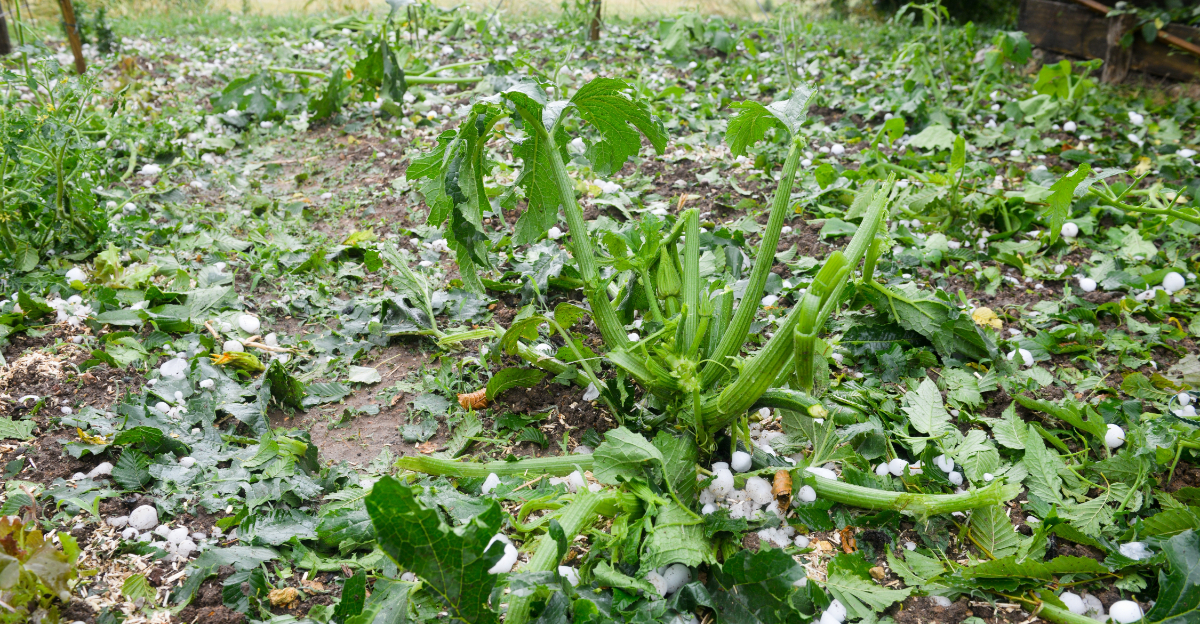
A single June storm can undo weeks of careful tending in a matter of hours. Maryland gardens take a beating when the seasonal storms roll through, and the damage is not always obvious at first glance.
What looks like a minor setback on the surface can quietly turn fatal once the heat of July locks in. That is the part most gardeners miss. The days immediately following a storm are not cleanup time, they are decision time.
Every choice made in that window, from what gets pruned to what gets left alone, shapes whether a plant survives the summer or quietly declines over the next few weeks.
Maryland’s humid heat has little patience for plants already running on empty. Most storm-damaged plants can recover, but only if you act with purpose and act soon.
What June Storms In Maryland Leave Plants Struggling To Survive
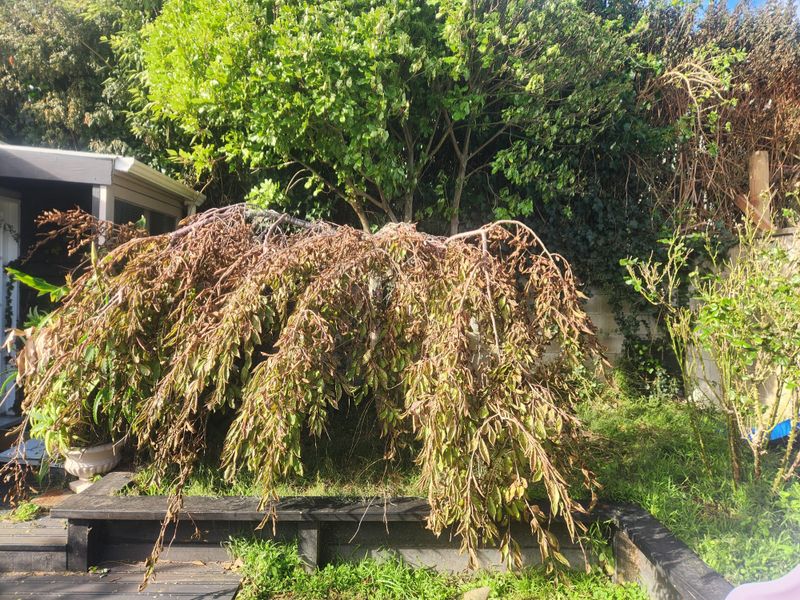
After a June storm rolls through, your garden can look like a completely different place. Snapped stems, muddy puddles, and toppled shrubs greet you the next morning.
Storm-damaged plants in Maryland face a unique challenge. The combination of high humidity, heavy rain, and incoming summer heat creates a stressful environment that weakens already hurt plants fast.
June storms here often bring strong winds alongside intense rain. That combo physically breaks branches while also saturating the root zone in ways that slow oxygen flow underground.
Compacted, soaked soil is one of the sneakiest threats your plants face after a storm. Roots sitting in waterlogged ground can begin to show stress within a day or two, depending on soil type and plant species.
Broken bark and exposed wood also invite fungal disease and harmful insects almost immediately. Summer heat accelerates this process, turning a manageable wound into a serious infection.
Most plants are tougher than they look. Acting quickly and calmly gives them a real fighting chance before temperatures climb into the 90s.
Understanding what your garden just went through is the first step toward helping it heal. Once you see the full picture of storm impact, the path forward becomes much clearer.
Assessing The Damage Before You Prune Or Pull Anything
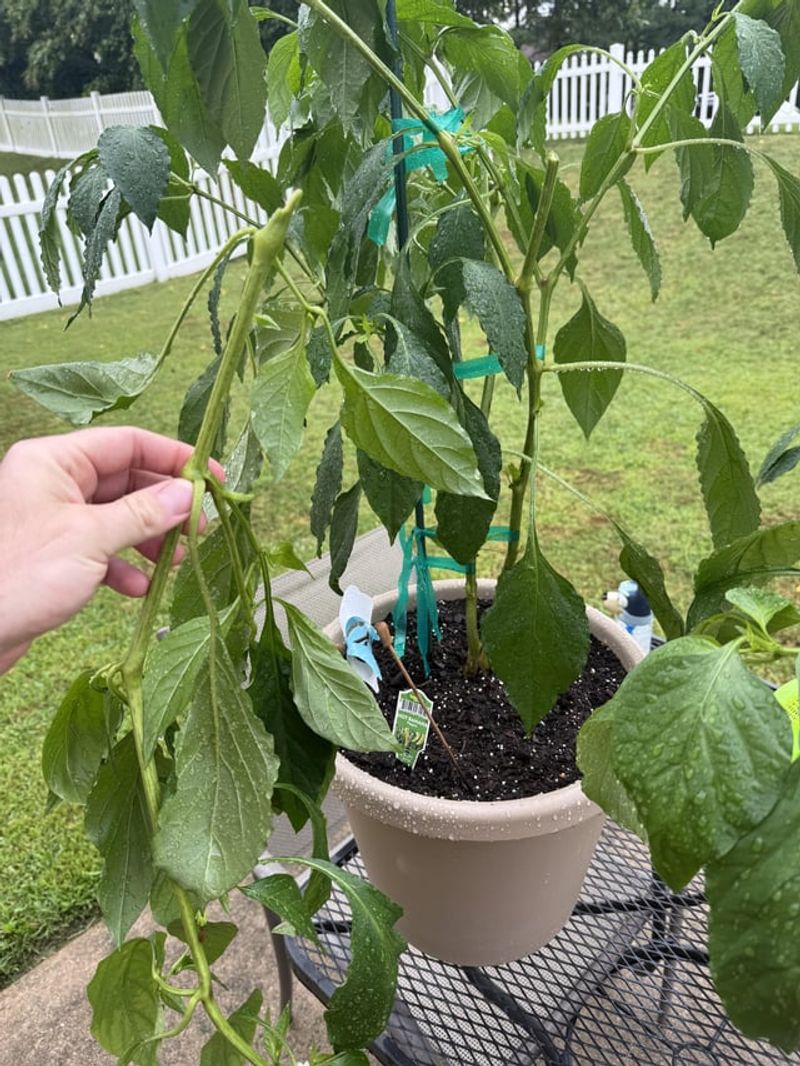
Before you grab your pruning shears, slow down and take a full walk around your garden. Rushing into cuts without a clear plan can make recovery harder than it needs to be.
Start by sorting plants into three groups: clearly fine, possibly salvageable, and too far gone. This mental triage saves time and prevents you from removing plants that would have recovered on their own.
Look at the root zone first, not the top of the plant. If the base is still firmly anchored in the ground, that is a strong sign the plant has a future.
Check the stems carefully for green tissue just beneath the outer bark. Scratch gently with your fingernail and look for that bright green layer, which signals active life inside.
Bent stems are not the same as broken ones. Many flexible plants, like coneflowers or young shrubs, will straighten themselves out over a few days with no help from you.
Your Maryland Garden Changes Every Week. Your Plan Should Too.
Gardening in Maryland changes quickly throughout the season. Every Friday you’ll receive a simple weekly plan showing exactly what to plant, prune, fertilize, harvest, and protect so you never miss the right timing.
Photograph the damage before touching anything. Those images help you track recovery progress and also remind you what was storm-related versus what developed later.
Patience here is genuinely a gardening skill. Waiting 48 hours after a storm before making major decisions lets the plant show you what it can handle on its own.
Pruning Back Broken Branches And Stems The Right Way
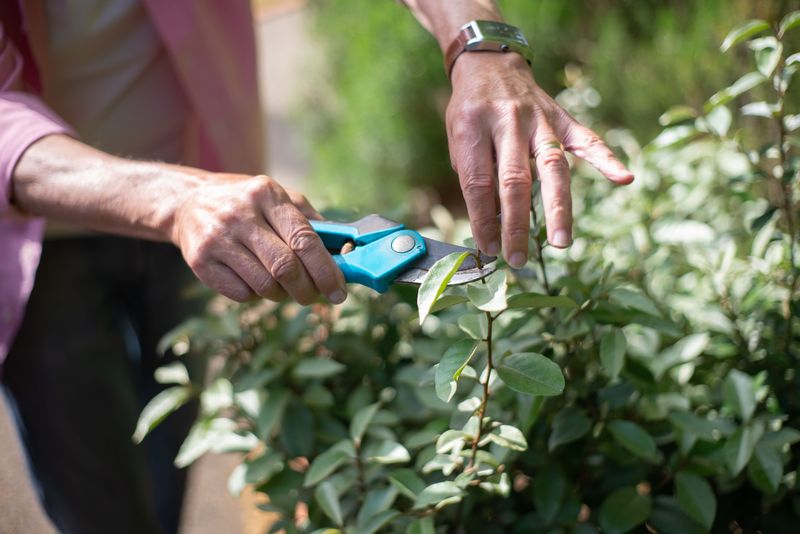
Clean cuts heal faster than ragged ones, and that simple fact should guide every pruning decision you make after a storm. Jagged breaks left untreated become entry points for disease within days.
Always cut back to a healthy node, which is the spot on a stem where a leaf or bud grows. Making your cut just above that point encourages new growth in the right direction.
Use sharp, clean tools every single time. Dull blades crush plant tissue instead of slicing it, and dirty tools can spread fungal spores from one plant to the next.
For woody shrubs and small trees, cut broken limbs back to the nearest healthy branch union. Leaving stubs behind is a common mistake that slows healing and invites rot.
Angle your cuts at roughly 45 degrees when working on stems. This helps water slide off the cut surface instead of pooling on it and creating a moist spot for disease.
Avoid pruning during the hottest part of the day when plants are already under heat stress. Early morning is the ideal time because temperatures are lower and the plant is more resilient.
After every major cut, step back and look at the overall shape of the plant. Good pruning improves structure, and a well-shaped plant handles summer stress far better than a lopsided one.
Helping Waterlogged Roots Recover After Heavy Rain
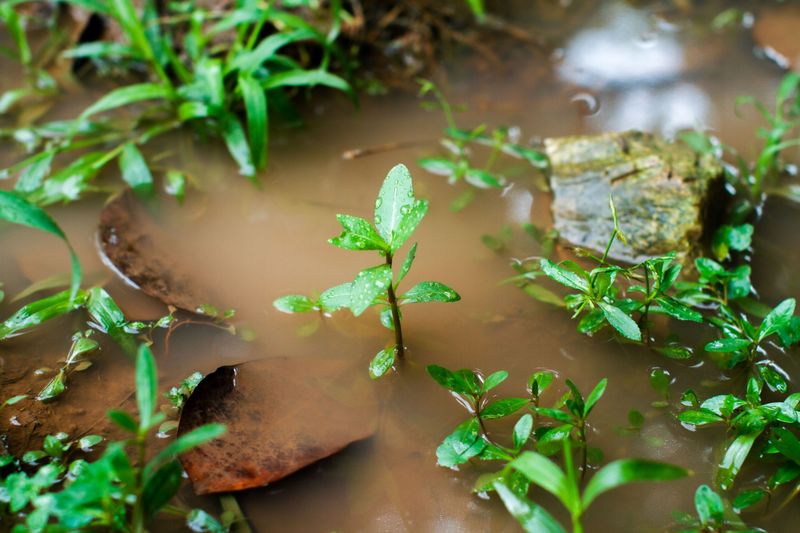
Standing water around your plants after a storm is not just an eyesore. It is an oxygen crisis happening underground right now, and roots need air just as much as water to survive.
The first thing to do is gently improve drainage without disturbing the root zone. Use a garden fork to carefully aerate compacted soil around the outer edge of the plant, not directly at the base.
Avoid digging deeply into wet soil because this compacts the lower layers even more. Light, shallow aeration is all you need to open up breathing room for stressed roots.
If water is pooling badly, consider adding a thin layer of organic compost around the plant base. This improves drainage over time and adds nutrients as it breaks down.
Hold off on fertilizing waterlogged plants, no matter how tempting it feels. Roots that are oxygen-starved cannot absorb nutrients efficiently, and adding fertilizer to stressed plants often burns them.
Mulch is your best friend during recovery, but apply it correctly. Keep mulch a few inches away from the stem to allow airflow and prevent crown rot in the weeks ahead.
Most plants bounce back from short-term waterlogging if drainage improves within two days. Roots that have been submerged longer than 72 hours may show wilting or yellowing leaves, which signals a harder road to recovery.
Protecting Damaged Plants From Sunscald And Heat Stress
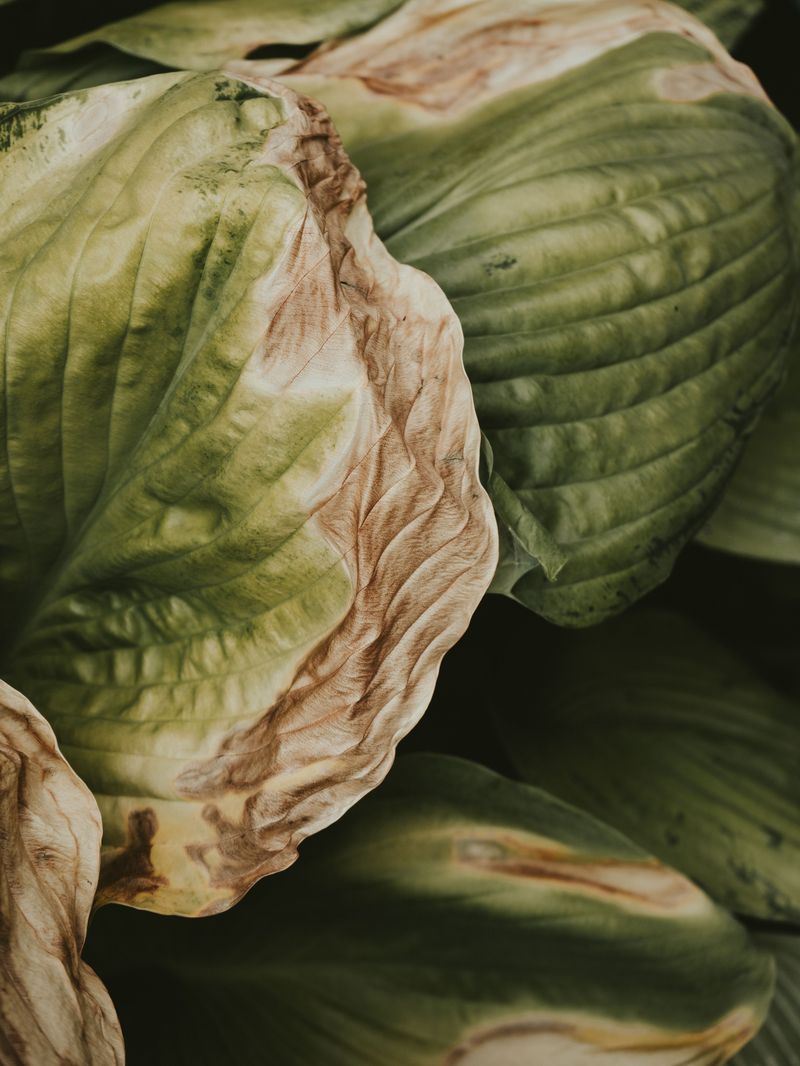
A plant that just survived a brutal storm is not ready for a 95-degree afternoon in the sun. Damaged tissue is more vulnerable to sunscald than healthy growth, and summer heat arrives fast in this region.
Sunscald happens when exposed plant tissue gets hit with intense direct light before it can adjust. You will notice it as bleached, papery patches on leaves or stems that were not there before the storm.
Temporary shade cloth is one of the easiest ways to protect recovering plants. A lightweight 30 to 40 percent shade cloth draped loosely over affected plants reduces heat load without blocking all the light they need.
Water more frequently but in smaller amounts during the recovery period. Consistent soil moisture helps plants regulate their internal temperature when the air around them gets brutally hot.
Avoid wetting foliage in the middle of the day. Wet leaves in hot, humid conditions create the right environment for fungal disease to take hold.
Apply a fresh layer of organic mulch around each plant to keep soil temperatures cooler. Cooler roots mean a calmer plant, and a calmer plant puts energy into recovery instead of survival.
Shade protection is not permanent, just a bridge to stability. Once new growth appears and the plant shows signs of vigor, you can remove the cloth and let it face the sun on its own terms again.
Signs A Plant Is Worth Saving And When To Replace It
Not every storm survivor deserves a second chance, and knowing the difference saves you weeks of wasted effort. Some plants signal loudly that they are on their way back, while others quietly tell you they are finished.
Green tissue beneath the bark is the most reliable sign of life in a woody plant. If you scratch the stem and see brown, dry tissue all the way through, that branch is gone for good.
New buds pushing out from a damaged stem are the clearest green light to keep nurturing a plant. Fresh growth means the root system is still functioning and sending energy upward.
Watch for mushy stems at the base of the plant, which usually signal crown rot from prolonged waterlogging. A soft, dark base with a foul smell means the damage has reached a point that is very hard to reverse.
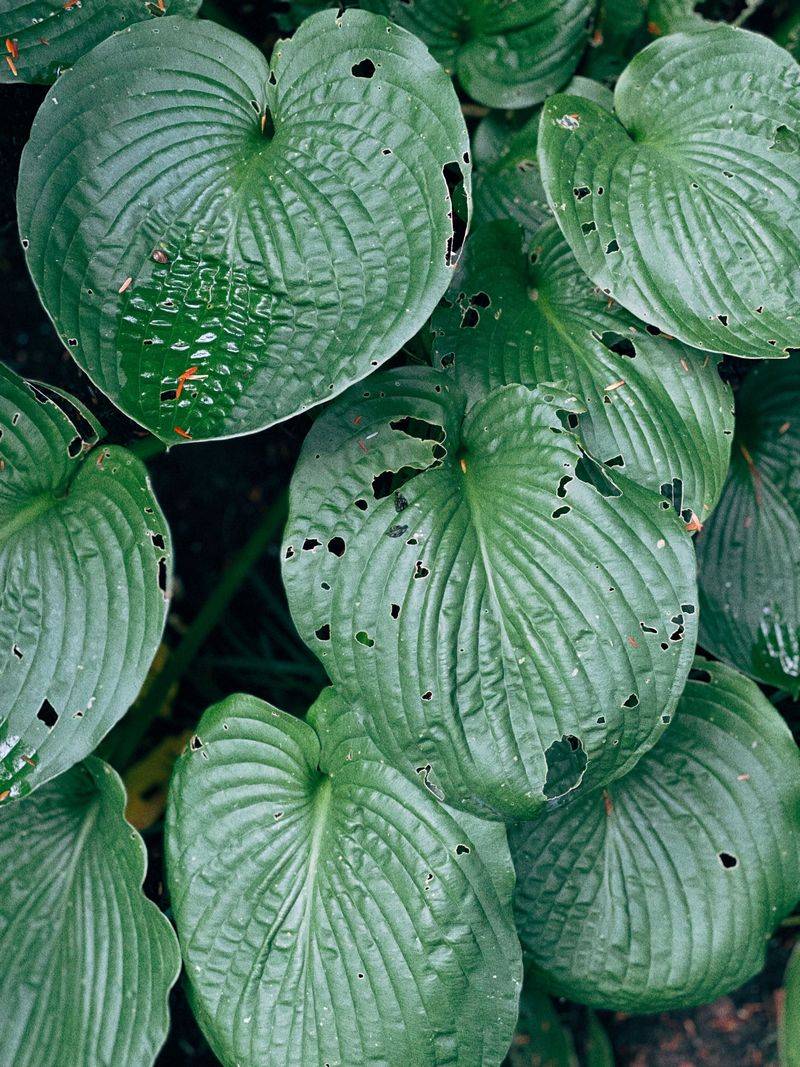
Perennials like hostas are incredibly forgiving after storm trauma. Even if the top growth looks destroyed, the underground root system often stays intact and pushes out new growth within weeks.
Annual flowers and shallow-rooted vegetables have less reserve energy to draw from. If they show no new growth within a week of good care, replacing them is often the smarter investment of your time.
Letting go of a struggling plant is not failure. It is smart gardening, and filling that space with a healthy transplant gives your whole garden a stronger finish before summer peaks.