Swap Petunias In Hot Spots For These Heat-Loving Flowers
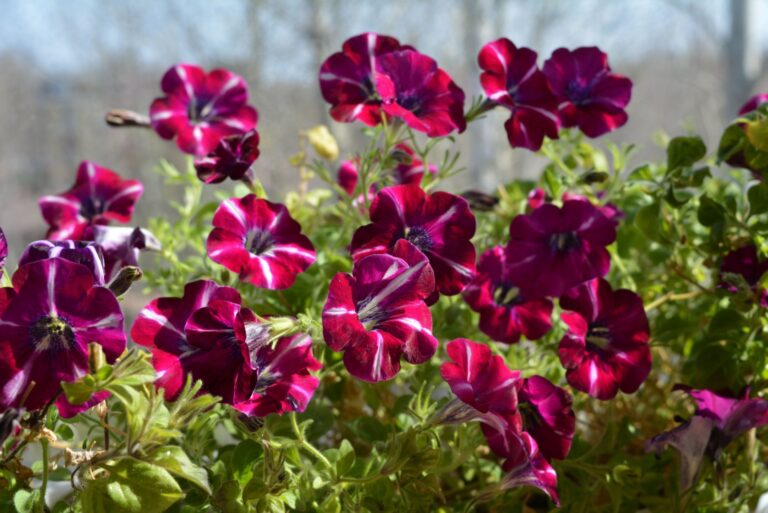
Petunias have a reputation for being reliable summer bloomers, but that reputation has limits. Push them into a south-facing bed, a sun-baked planter near concrete, or a spot that gets hammered by afternoon heat, and they fold fast.
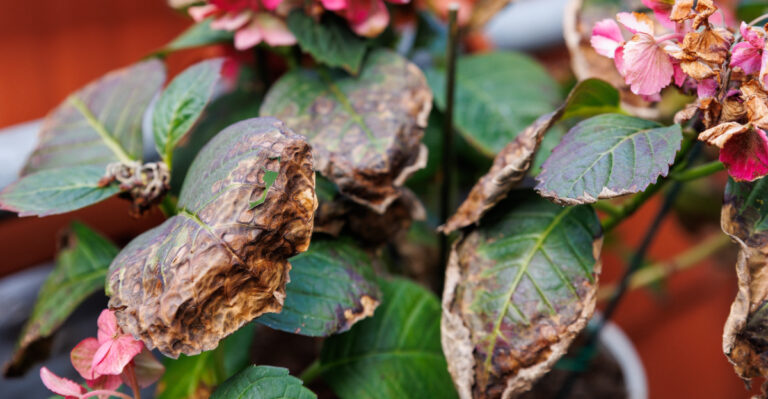
Leggy stems, sparse blooms, and that unmistakable droopy look are their way of waving a white flag. Your hot spots do not have to stay flowerless, though, far from it.
Some plants were practically built for conditions that would finish a petunia off before July ends. They thrive on full sun, shrug off drought, and keep producing color when the thermometer climbs past the point of reason.
Swap petunias for these eight heat-lovers, and your toughest spots might become your best ones.
1. Zinnia
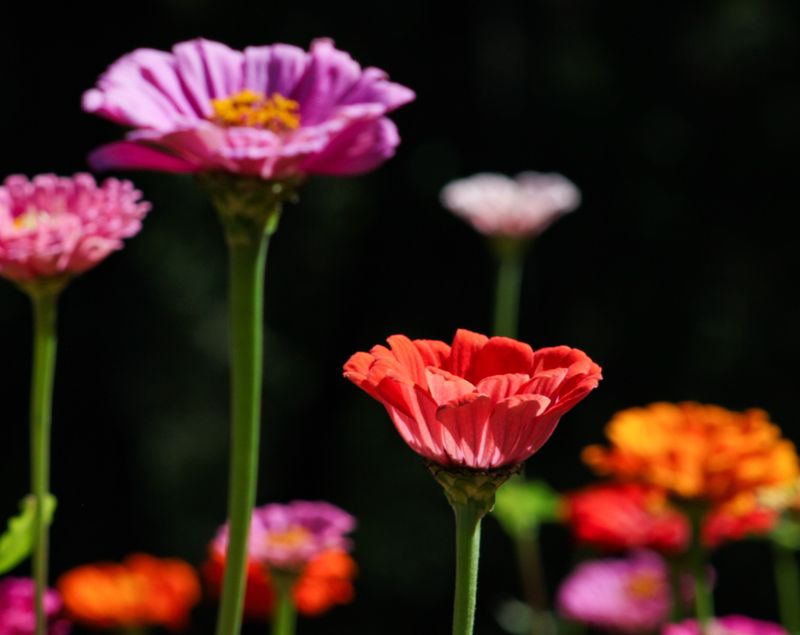
Zinnias are the overachievers of the summer garden, blooming nonstop even when the thermometer hits 100 degrees. They come in nearly every color imaginable, from cherry red to lime green, so your garden never looks boring.
One of the best things about zinnias is how little fuss they require. Direct-sow seeds right into warm soil after the last frost, and they sprout fast, often within a week.
Zinnias prefer full sun and well-drained soil, so hot spots suit them perfectly. They actually struggle in cool, wet conditions, which makes them the anti-petunia in the best possible way.
Removing spent blooms encourages fresh flowers to keep coming all season long. Skip the it and production slows, but the plants still look cheerful and full.
Butterflies absolutely love zinnias, so expect your garden to become a pollinator party all summer. Monarch butterflies especially are drawn to tall varieties like ‘Benary’s Giant.’
Powdery mildew can show up late in the season, but good airflow between plants helps prevent it. Space them about a foot apart for the best results.
Zinnias grow in heights ranging from six-inch dwarfs to four-foot giants, so there is a variety for every garden spot. Tall types make excellent cut flowers that brighten any room.
Once you plant zinnias in a hot spot, you will wonder why you ever bothered with petunias at all. These sun-worshippers are the easiest swap you will ever make.
2. Annual Vinca
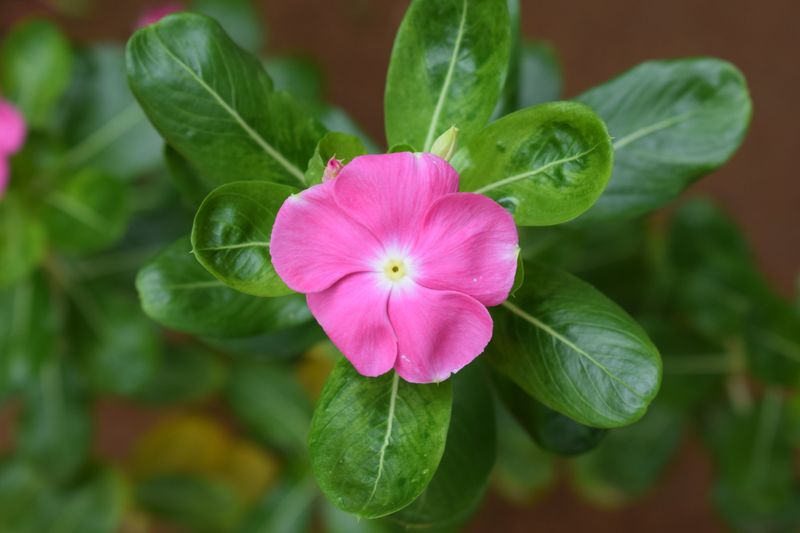
Annual vinca, also called Madagascar periwinkle, is one of the few flowering annuals that genuinely thrives in the kind of heat that stops most plants cold.
Glossy, dark green leaves stay pristine all season, and the cheerful blooms in pink, red, coral, white, and lavender never seem to stop appearing. This plant does not take breaks, even in peak summer heat.
Annual vinca is one of the most drought-tolerant flowering annuals you can grow, which makes it ideal for those spots that dry out fast. Once established, it can go several days between waterings without showing any stress.
Plant it in full sun for the best performance, and make sure the soil drains well. Wet, soggy roots are the one thing that can bring this tough plant to its knees.
Removing spent blooms is not required because spent blooms drop cleanly on their own, and new buds open right behind them. That self-cleaning habit keeps the plant looking tidy without any extra effort from you.
Annual vinca grows six to eighteen inches tall depending on the variety, with spreading types that work beautifully in containers and window boxes. Upright types fill garden beds with a neat, mounded form.
Watch out for aerial phytophthora, a fungal disease that can spread quickly in overly wet conditions. Proper spacing and avoiding overhead watering keeps this issue from ever becoming a problem.
Swapping petunias for annual vinca in your hottest beds is one of the smartest moves you can make for long-season color. This bloom is the definition of low-drama, high-reward gardening.
3. Lantana
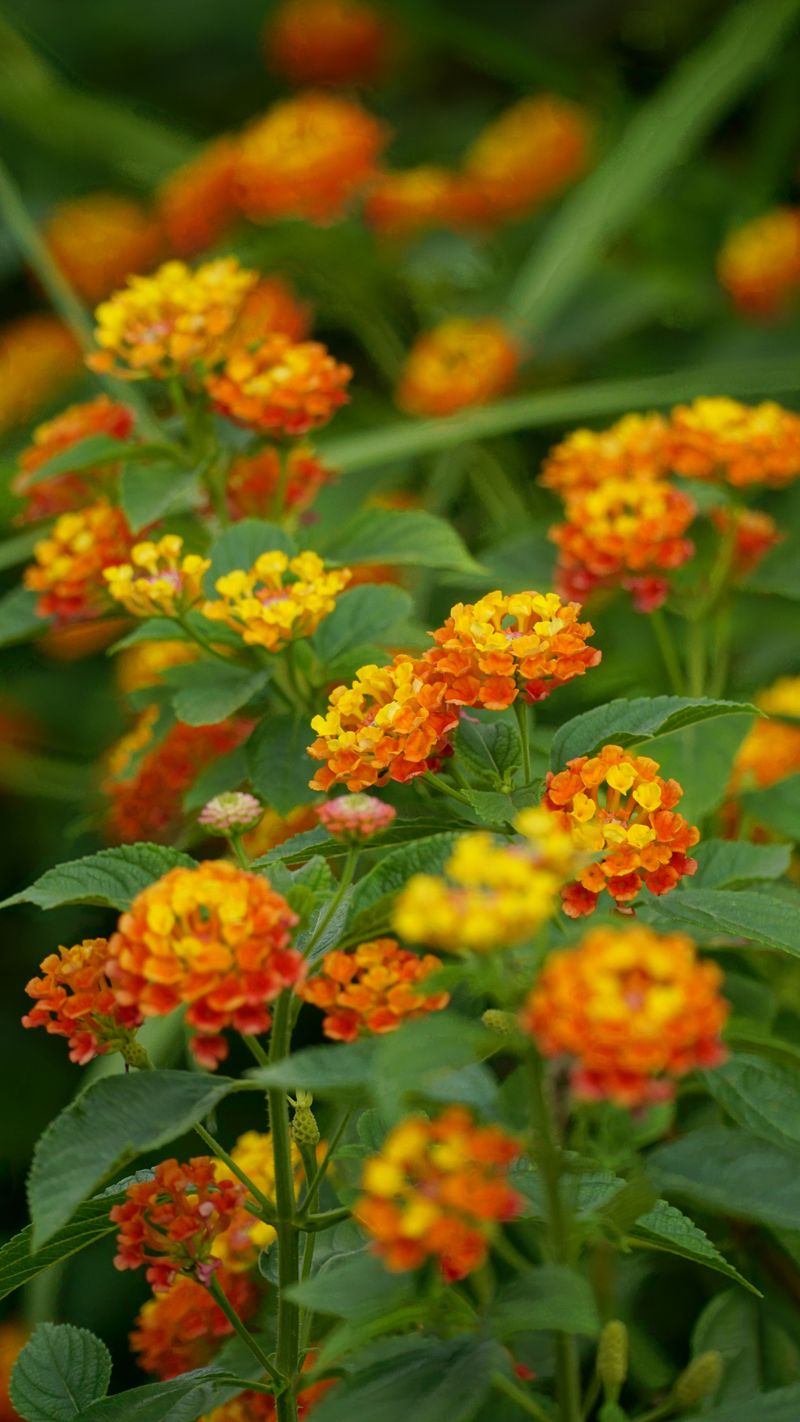
Image Credit: © Duy Le Duc / Pexels
Lantana is basically a heat magnet, and it wears that title with pride. The more the sun blazes down, the more flowers this tough shrubby plant pushes out in cheerful clusters.
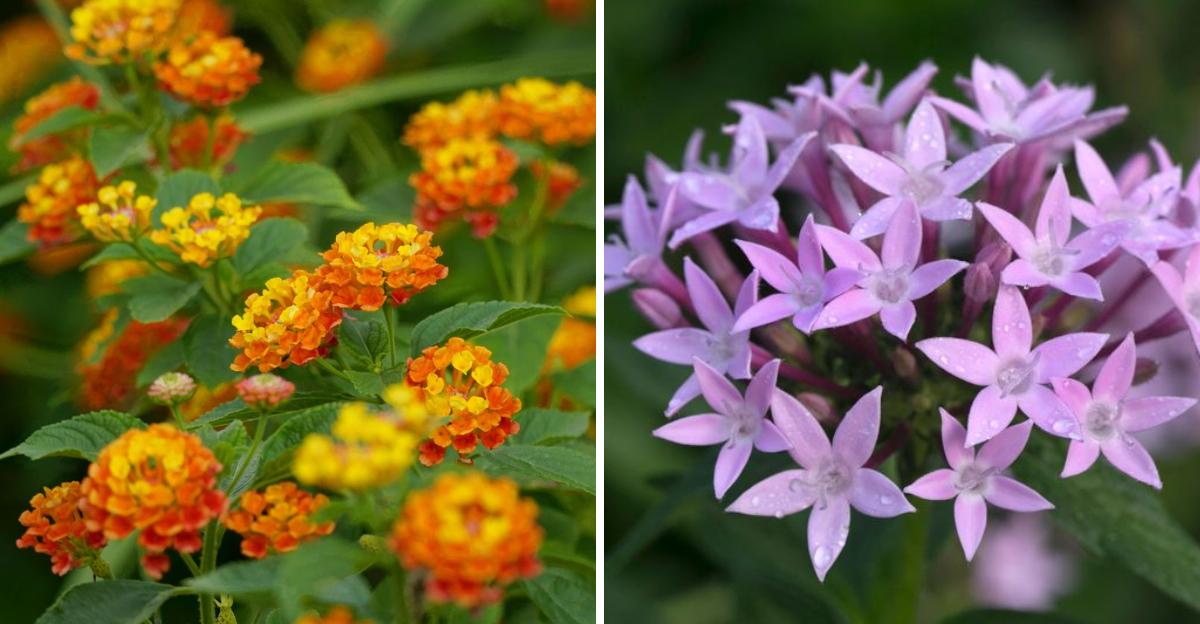
Each flower cluster is a tiny rainbow, shifting from yellow to orange to pink or red as individual blooms age. That color-changing trick makes lantana look like it has multiple personalities, all of them fabulous.
Native to tropical regions, lantana evolved to handle intense heat and dry spells without missing a beat. Once established, it barely needs supplemental watering, making it a dream for busy gardeners.
Butterflies and hummingbirds flock to lantana like it is the best restaurant in town. Planting it near a patio means you get a live nature show all summer long.
Lantana grows as an annual in colder climates but acts like a perennial shrub in warm southern zones. Either way, it delivers months of non-stop color from late spring through fall.
One caution worth mentioning: lantana berries are toxic to pets and children, so plant it thoughtfully in your yard. Keep it in raised beds or areas where curious little ones do not roam freely.
Prune lantana back by about a third mid-season to encourage a fresh flush of growth and flowers. This simple trick keeps plants from getting woody and sparse looking.
Swapping petunias for lantana in your hottest beds is one of the best decisions you can make for a low-maintenance summer display. You get toughness, beauty, and wildlife action all in one package.
4. Verbena
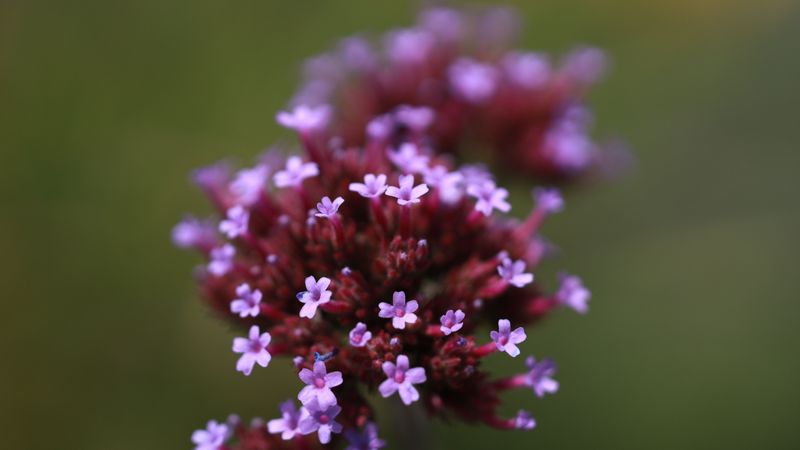
Trailing verbena is the low-key superstar of hot, sunny containers and garden edges. It spills over walls and pot rims with a waterfall of tiny, jewel-toned blooms that just keep coming.
Unlike petunias, verbena does not turn into a scraggly mess when heat peaks in July and August. It stays compact, colorful, and covered in flowers right through the toughest part of summer.
Verbena thrives in full sun and actually suffers in too much shade or moisture. Plant it where reflected heat bounces off walls or pavement, and it responds by blooming even harder.
Colors range from deep purple and magenta to bright red and soft pink, with some varieties featuring a white eye at the center of each cluster. That little detail adds a charming touch to any planting.
Watering verbena deeply but infrequently trains the roots to go deep into the soil. Deep roots help the plant weather dry spells without wilting or dropping flower production.
Verbena is also a magnet for butterflies, especially swallowtails that hover over the blooms like living jewels. Adding verbena to a pollinator garden is one of the easiest wins you can make.
Trim plants back lightly if they start to look straggly around midsummer. Within two weeks, fresh new growth and a new round of blooms will appear to reward your effort.
For anyone swapping petunias in hot spots, verbena delivers similar visual impact with far more heat tolerance. It is beauty without the drama.
5. Salvia
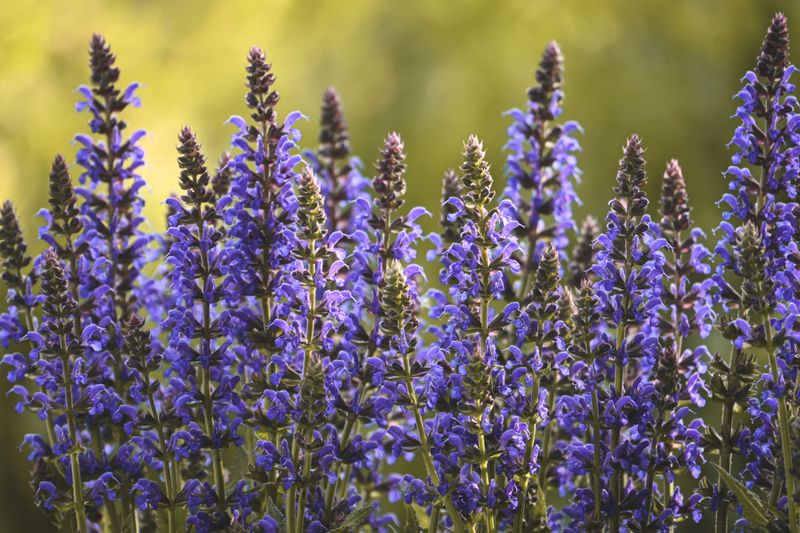
Salvia stands tall in the summer garden through weeks of brutal heat, pushing out fresh flower spikes without skipping a beat. Those upright flower spikes in red, purple, coral, or white add serious vertical drama to any planting.
Hummingbirds treat salvia like a five-star diner, hovering at each tubular bloom to sip nectar. Planting a row of red salvia near a window turns every morning into a wildlife documentary.
Annual salvias like Salvia splendens and the newer ‘Unplugged’ series handle summer heat with remarkable ease. They bloom from early summer all the way through the first frost without complaint.
Full sun is non-negotiable for salvia, and it also appreciates well-drained soil that does not stay soggy after rain. Root rot is the one enemy that can take salvia down, so drainage matters.
Removing spent spikes encourages the plant to push out fresh blooms quickly. Snip spent stalks back to a healthy leaf node, and new growth appears within days.
Salvia pairs beautifully with silvery plants like dusty miller, which reflects light and makes the flower colors pop even more. That contrast is a classic garden design trick for a reason.
Some salvia varieties grow two to three feet tall, making them excellent backdrops for shorter companions like alyssum or lobularia. Layering plant heights creates a lush, full look that impresses every visitor.
Replacing petunias with salvia in hot spots gives your garden structure, wildlife value, and relentless color. That is a triple win any gardener should celebrate.
6. Gaillardia
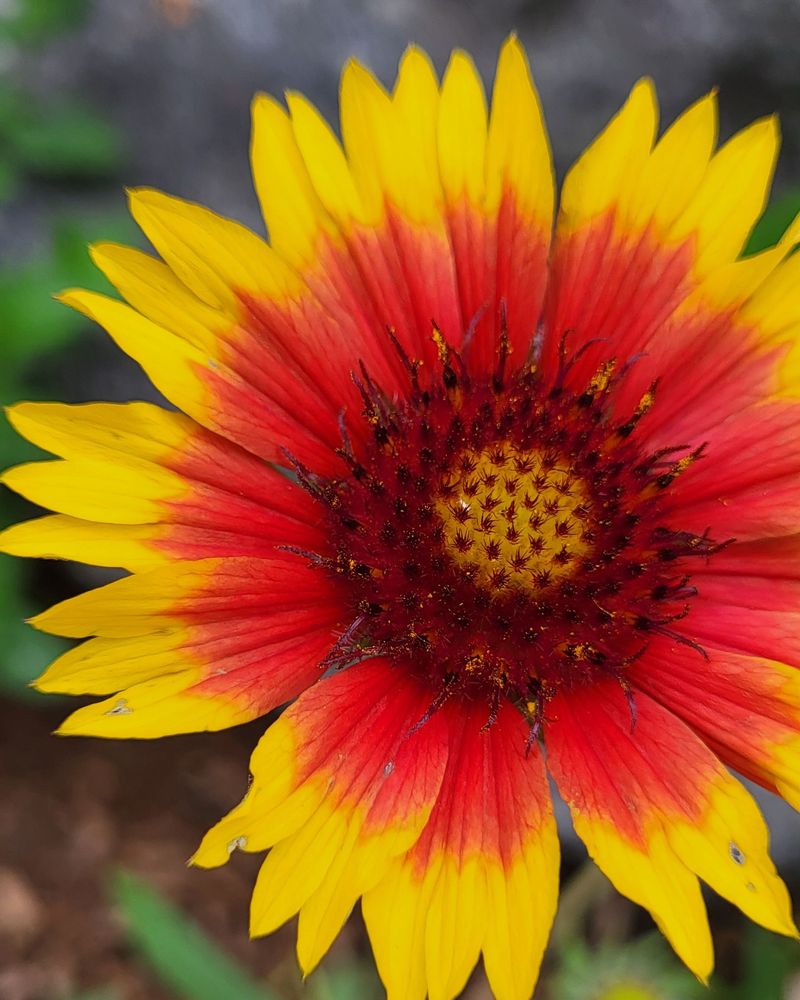
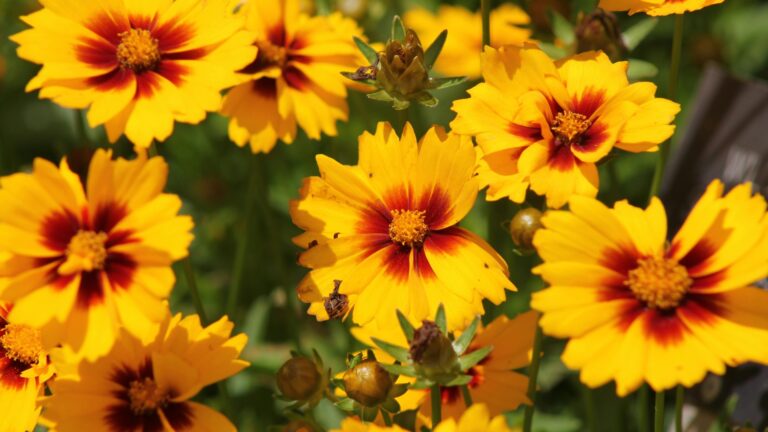
Gaillardia, also called blanket flower, looks like summer itself decided to become a bloom. Those bold red and yellow petals radiate outward like tiny sunbursts, and they hold up even in scorching heat.
Native to the prairies and open fields of North America, gaillardia evolved for sun, wind, and drought. It does not just survive tough conditions, it genuinely prefers them over anything coddled or comfortable.
Poor soil is actually fine for gaillardia, which makes it perfect for those baked, nutrient-depleted spots where nothing else wants to grow. Rich soil can actually cause it to flop over from too much leafy growth.
Blooms appear from early summer through fall, and each flower lasts a long time on the stem. The centers turn into spiky seed heads that birds enjoy picking apart in autumn.
Gaillardia grows about one to two feet tall and spreads nicely to fill bare spots without becoming invasive. That moderate spread makes it ideal for filling gaps between larger perennials or shrubs.
Removing spent blooms regularly keeps the flower show going strong all season long. Once plants are allowed to set seed heavily, bloom production slows noticeably.
The warm color palette of gaillardia pairs perfectly with ornamental grasses and rudbeckia for a fire-toned summer display. That combination looks like a painter chose every plant with intention.
When you swap petunias for gaillardia in your hottest, driest spots, you get a wildflower-style beauty that practically takes care of itself. Tough has never looked this gorgeous.
7. Pentas
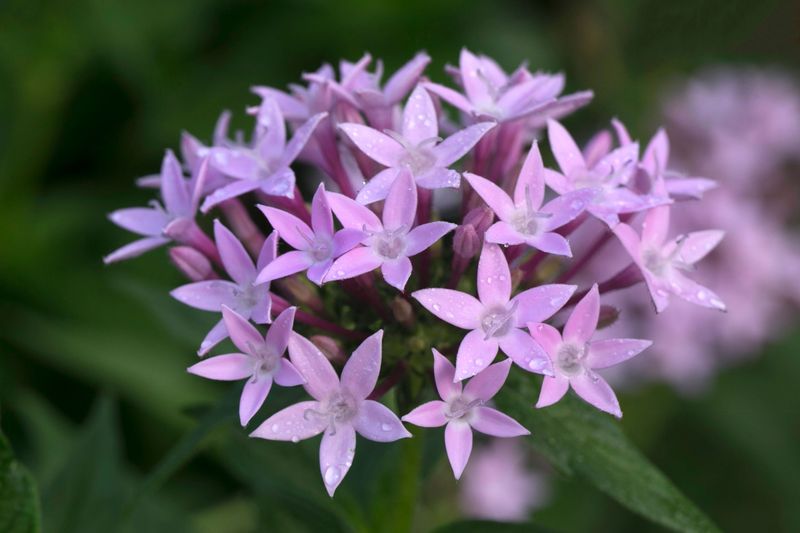
Image Credit: © Jeffry Surianto / Pexels
Pentas might be the most underrated heat-lover in the entire summer flower lineup. Those clusters of star-shaped blooms look delicate, but they are tougher than they appear when temperatures climb.
Originally from tropical Africa, pentas is built for relentless heat and humidity. It thrives in the kind of muggy, blazing summer weather that sends most gardeners straight to the shade.
Colors include bright red, hot pink, soft lavender, and crisp white, giving gardeners plenty of options for any color scheme. The flowers cluster in rounded heads that create a lush, full appearance even on small plants.
Butterflies and hummingbirds go absolutely wild for pentas, treating each flower cluster like a treasure chest. A few plants near a porch railing can attract a surprising amount of wildlife traffic.
Pentas performs best in full sun with regular watering, especially during the hottest stretches of summer. A layer of mulch around the base keeps roots cool and moisture consistent between watering sessions.
Plants grow about one to two feet tall and stay bushy and well-shaped without much pruning. That tidy growth habit makes pentas easy to mix with other plants in containers or garden beds.
Fertilize pentas every few weeks with a balanced bloom-boosting fertilizer to keep flower production at its peak. Skipping fertilizer mid-season leads to smaller clusters and slower growth overall.
Swapping petunias for pentas in your hottest beds brings tropical flair and pollinator action to any garden. Once you try it, going back feels impossible.
8. Angelonia
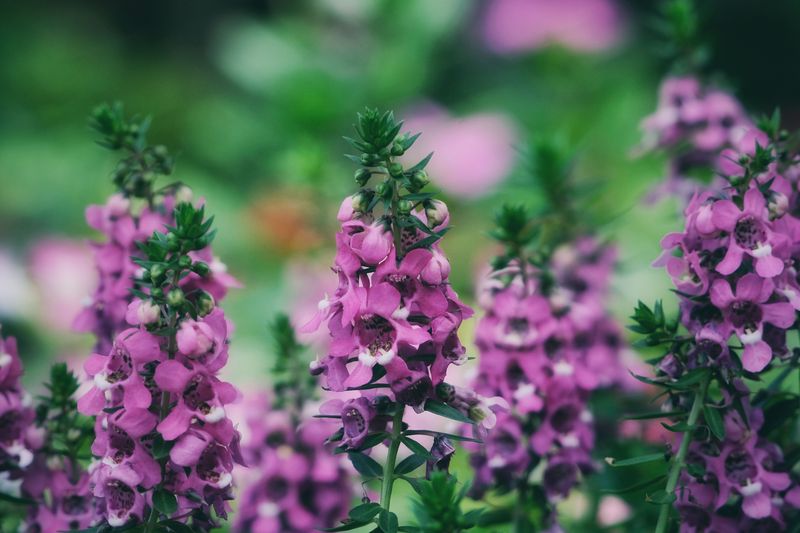
Angelonia has a secret identity: it looks like a delicate orchid, but it acts like a heat-hardened warrior. Gardeners who discover it for the first time often ask why it took them so long to find it.
Angelonia produces tall, slender spikes covered in small blooms that carry a faint, sweet fragrance depending on the variety. That subtle fragrance is a surprising bonus on a warm afternoon.
It handles heat, humidity, and drought better than almost any other flowering annual. Unlike petunias, angelonia does not need removing spent blooms to keep producing fresh blooms all season long.
Colors include rich purple, soft lavender, pink, white, and bicolored combinations that add depth to any planting. The upright growth habit, usually twelve to eighteen inches tall, adds vertical interest to flat garden beds.
Full sun is where angelonia truly shines, though it can handle a few hours of afternoon shade in the hottest climates. Too much shade and it stretches out, losing that tidy, upright form.
Water angelonia regularly when it is young, but once established, it handles dry spells with grace. Overwatering is actually more dangerous for this plant than underwatering.
Pair angelonia with low-growing plants like portulaca or moss verbena to create a layered look that fills the bed beautifully. The contrast in height and texture makes both plants look better.
For anyone swapping petunias in hot spots, angelonia delivers non-stop elegance with almost no effort required. It is the quiet confidence of the garden world.