What The Summer Heat Is Doing To Virginia Tomato Blossoms, And How To Respond
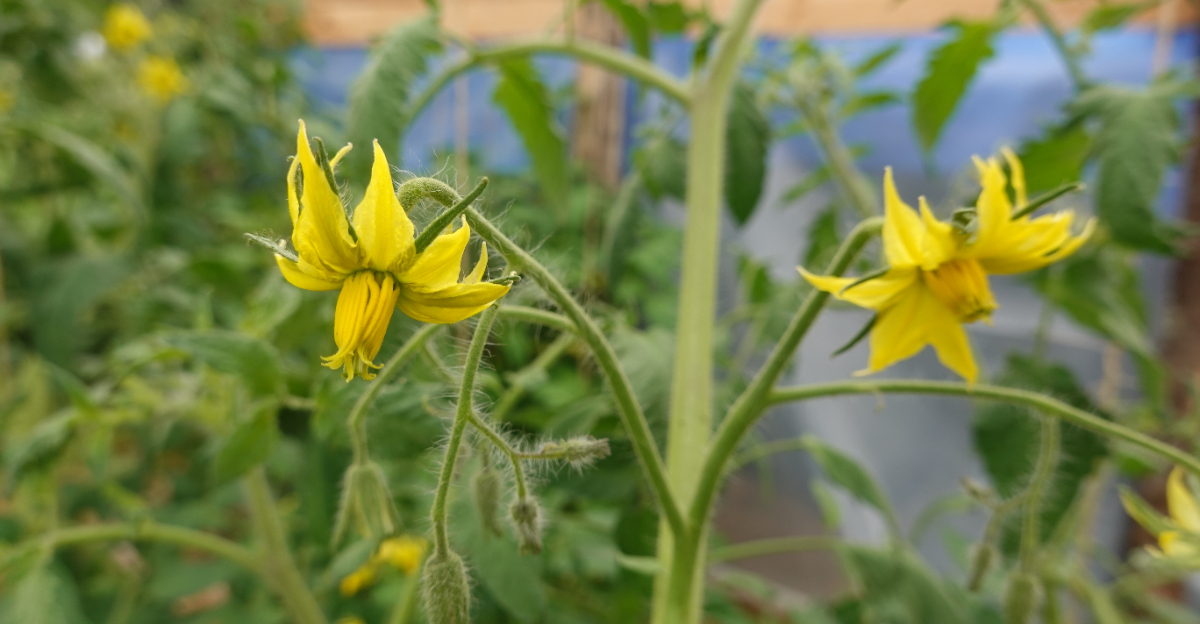
One week your tomato plants are loaded with yellow blossoms, practically begging you to start planning pasta sauce. The next week, those flowers are gone without any explanation, just bare stems and a lot of questions.
Virginia summers have a way of turning a promising garden into a frustrating mystery, and heat is usually the culprit nobody talks about enough.
When temperatures climb past a certain point, tomato plants do something that feels almost deliberate: they abort their own blossoms before fruit can ever set. It is a survival move, not a failure on your part.
But watching a potential harvest disappear in real time is maddening, and your plants have more resilience than you might think.
The Real Reason Tomato Plants Shed Blossoms During Virginia Summers
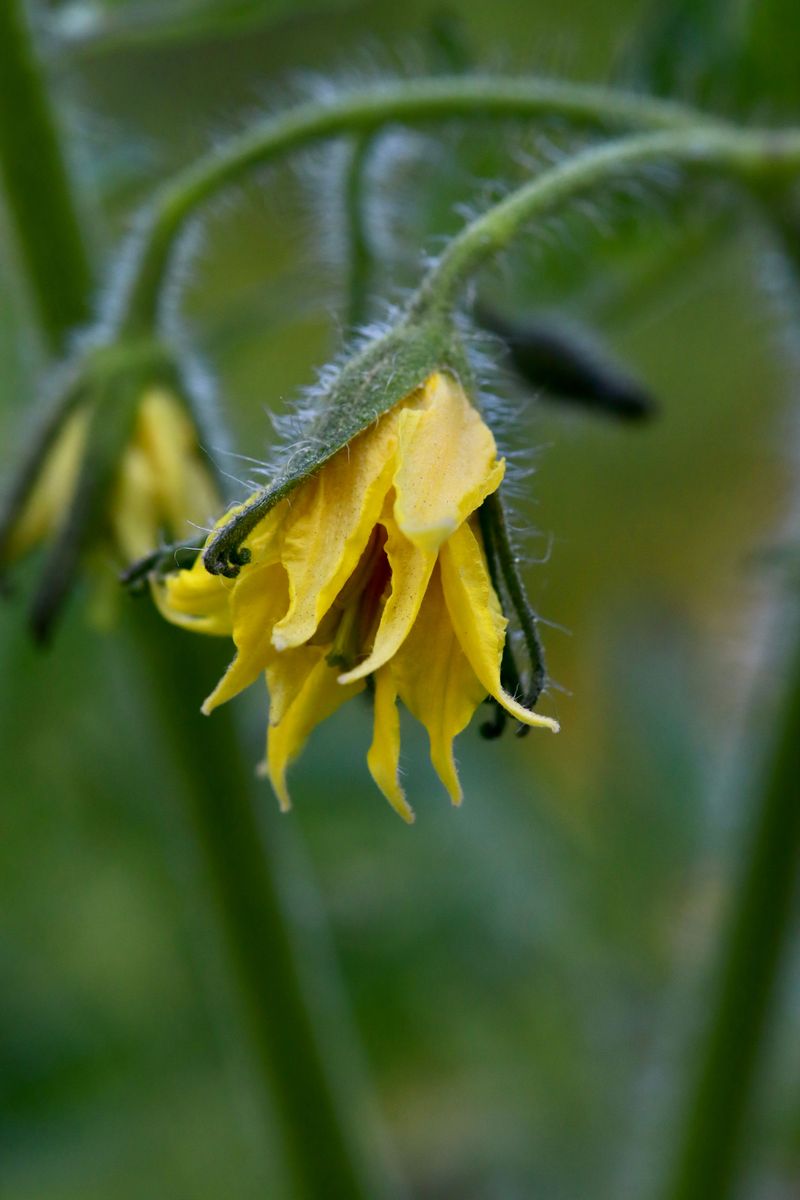
Flowers just vanish, and it feels personal. You did nothing wrong, but your tomato plant is making a dramatic decision all on its own.
Tomato plants are actually self-protecting when temperatures push past certain limits. The plant senses stress and drops its blossoms to conserve energy for survival.
This process is called blossom drop, and it happens because the plant cannot support fruit development in extreme heat. Setting fruit takes enormous resources, and the plant simply will not risk it when conditions are brutal.
It all starts with a breakdown in pollen. Heat damages pollen grains, making them sterile or too dry to stick properly during pollination.
Without successful pollination, the flower has no reason to stay attached. The plant releases it, and that potential tomato disappears before your eyes.
Many gardeners assume something is wrong with their soil or watering routine. The real culprit is often just the temperature climbing above what the plant can tolerate.
Understanding this biological response helps you stop blaming yourself. Your plant is not struggling because of neglect, it is responding to an environment that has crossed a biological line.
Once you know the root cause, you can start making smart changes. The goal shifts from confusion to action, and that is a much better place to garden from.
The Temperature Thresholds That Trigger Blossom Drop
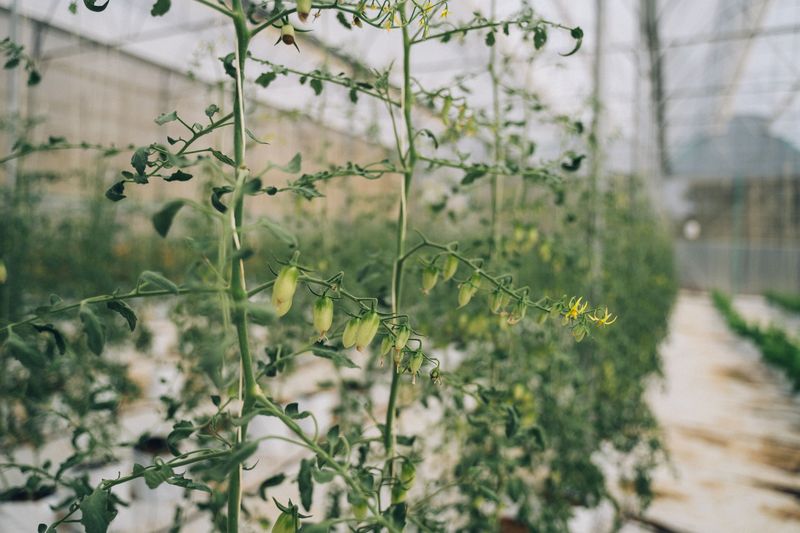
Numbers matter more than you think. Tomato plants have specific temperature limits, and once those limits are crossed, blossom drop begins almost immediately.
Daytime temperatures above 90 degrees Fahrenheit are the main trigger. When heat pushes past that point, pollen becomes non-viable and fertilization often fails or becomes unreliable.
Nighttime temperatures are equally important, and this surprises most gardeners. When nights stay above 70 degrees, the plant cannot recover from daytime heat stress.
Virginia summers regularly push past both of those thresholds, especially from mid-July through August. That window is often the most frustrating stretch for tomato growers across the region.
The pattern becomes clearest when you start tracking your overnight lows. A single hot night can set back days of careful daytime management.
Soil temperature also plays a role that most people overlook. When ground temps spike above 85 degrees, root function slows and the plant struggles to move water and nutrients upward.
Your Virginia Garden Changes Every Week. Your Plan Should Too.
Gardening in Virginia changes quickly throughout the season. Every Friday you’ll receive a simple weekly plan showing exactly what to plant, prune, fertilize, harvest, and protect so you never miss the right timing.
Stressed roots mean stressed flowers, and stressed flowers fall off. The chain reaction starts underground and ends with bare stems where clusters should be forming.
Knowing these thresholds gives you a practical target. When your forecast shows multiple days above 90 degrees, that is your signal to act fast and protect what you have got growing.
How Virginia’s Humidity Makes The Problem Worse
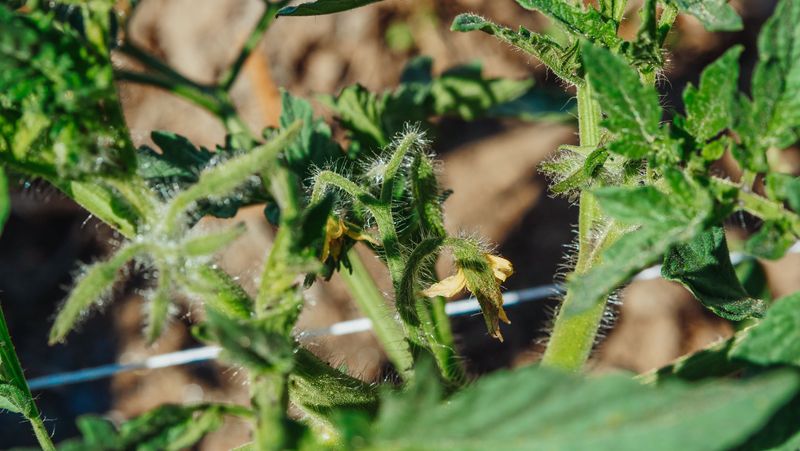
Heat alone is rough, but humidity turns the whole situation into something messier. Virginia summers combine both, and that pairing is particularly hard on tomato blossoms.
Tomato pollen needs to be dry and loose to transfer effectively during pollination. When humidity climbs above 90 percent, pollen clumps together and cannot move from the anther to the stigma.
Without that transfer, fertilization rarely succeeds. The flower sits there looking fine from a distance, but it is already destined to drop because nothing worked inside.
High moisture in the air also creates a perfect environment for fungal problems. Botrytis and other molds can attack blossoms directly, causing them to rot and fall before the plant even makes a decision.
Many Virginia gardeners notice their worst blossom loss happens after a stretch of muggy nights followed by blazing afternoons. That pattern puts the plant under pressure from two directions at once, and blossoms are usually the first casualty.
Air circulation becomes critically important in these conditions. Plants that are crowded or trained too tightly trap moisture around their flowers, making the humidity problem even more intense.
Pruning for airflow is one of the simplest responses to this challenge. Removing some lower leaves and suckers lets air move through the canopy and helps blossoms stay drier during humid stretches.
Humidity will not disappear from a Virginia summer, but managing your plant structure gives the blossoms a fighting chance when the air feels like a warm wet towel.
Soil Moisture Role In Flower Loss
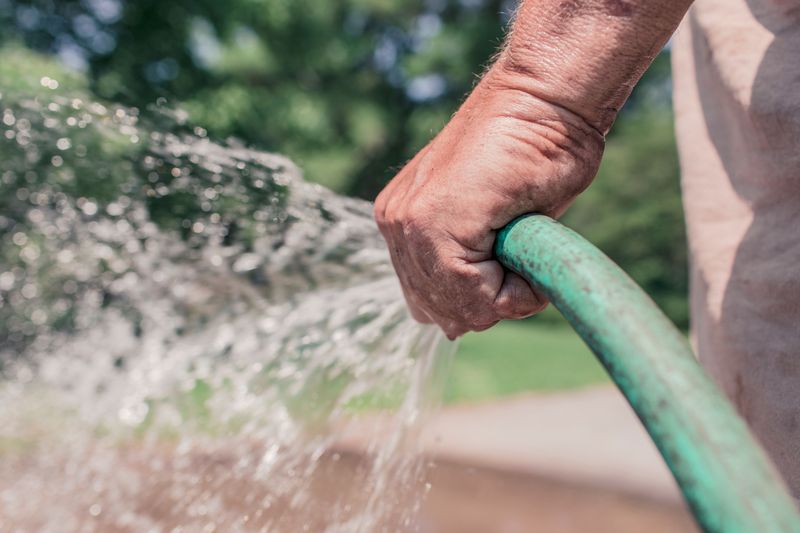
Watering feels straightforward until your blossoms start dropping for no clear reason. Inconsistent soil moisture is one of the sneakiest contributors to flower loss during summer heat.
Tomato plants need steady, even moisture at the root zone. When soil swings between bone dry and waterlogged, the plant goes into stress mode and starts shedding blossoms to cope.
A common mistake is watering heavily every few days rather than lightly and consistently. That feast-and-famine cycle confuses the plant and makes it impossible to maintain the stability needed for fruit set.
During Virginia heat waves, soil in raised beds or containers can dry out surprisingly fast, sometimes within a day or two depending on conditions.
Soaker hoses and drip irrigation are a solid investment in this climate. They deliver water directly to roots without wetting foliage, which also helps reduce the fungal risks that come with overhead watering.
Mulching is another powerful tool that many gardeners underestimate. A thick layer of straw or wood chips around the base of each plant slows evaporation and keeps root zone temperatures more stable.
Inconsistent watering affects more than just moisture levels. Uneven water delivery can interfere with how well the plant absorbs nutrients, putting additional strain on an already stressed plant.
Steady moisture is not glamorous advice, but it is one of the most effective ways to keep flowers attached and fruit forming through the hottest weeks of summer.
Tomato Varieties That Hold Up Better In Virginia Heat
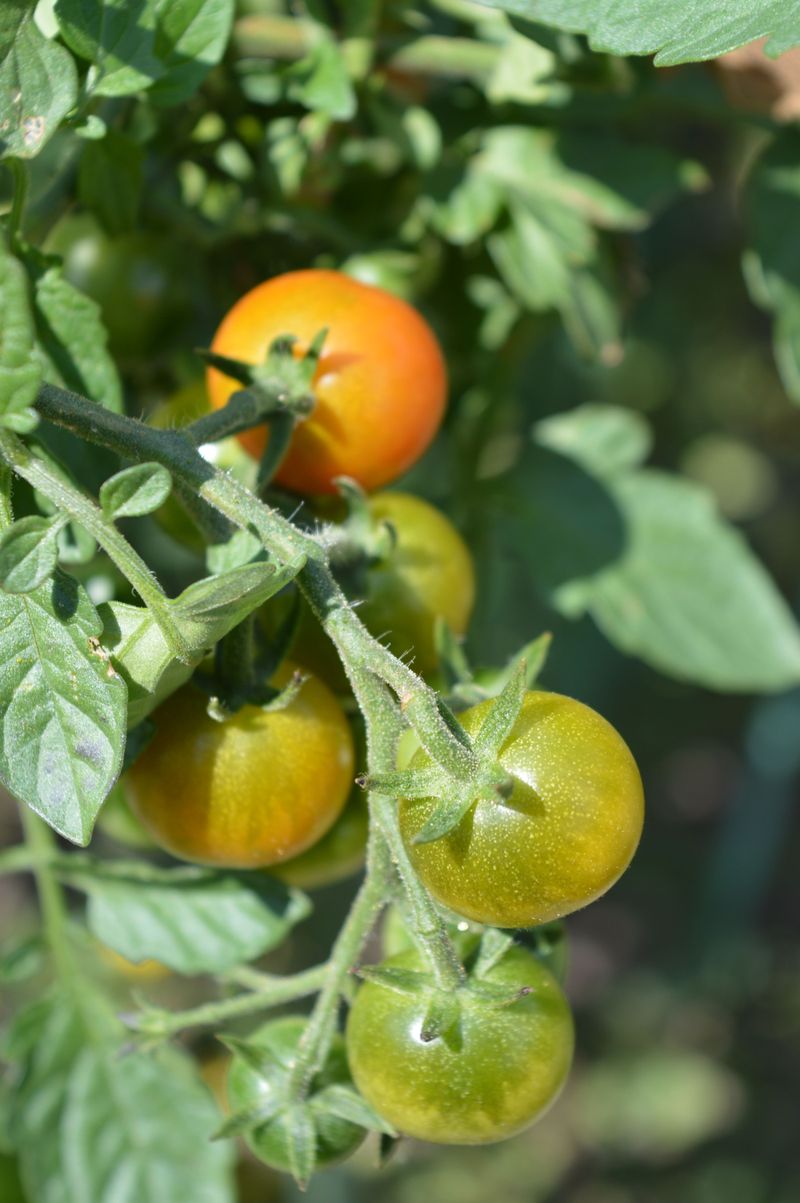
Not all tomatoes were built for the same battle. Choosing the right variety is one of the most powerful things you can do before a single seed goes into the ground.
Heat-tolerant varieties have been bred specifically to set fruit even when temperatures climb past normal limits. Their pollen remains viable at higher temperatures and their blossoms stay attached longer under stress.
Solar Fire, Heatmaster, and Florida 91 are popular choices that consistently perform well in hot, humid regions. Gardeners across the mid-Atlantic have reported strong fruit set with these varieties even during brutal July stretches.
Cherry tomatoes are also worth considering because they tend to be more forgiving in heat than large beefsteak types. Smaller fruit requires less energy to develop, so the plant commits to setting it even when conditions are not ideal.
Sweet 100 and Sun Gold are two cherry varieties that many experienced Virginia gardeners rely on as their summer backup plan. They keep producing when bigger varieties have completely stalled.
Many heirloom varieties tend to be more sensitive to extreme heat, so they are more likely to struggle during the hottest weeks.
Selecting varieties suited to your region is not giving up on what you love, it is gardening smarter. You can always grow your favorite heirloom in spring and fall when temperatures are kinder.
The right plant in the right season makes the heat feel like a manageable challenge rather than an impossible obstacle.
Steps To Help Your Tomato Plants Recover And Keep Producing
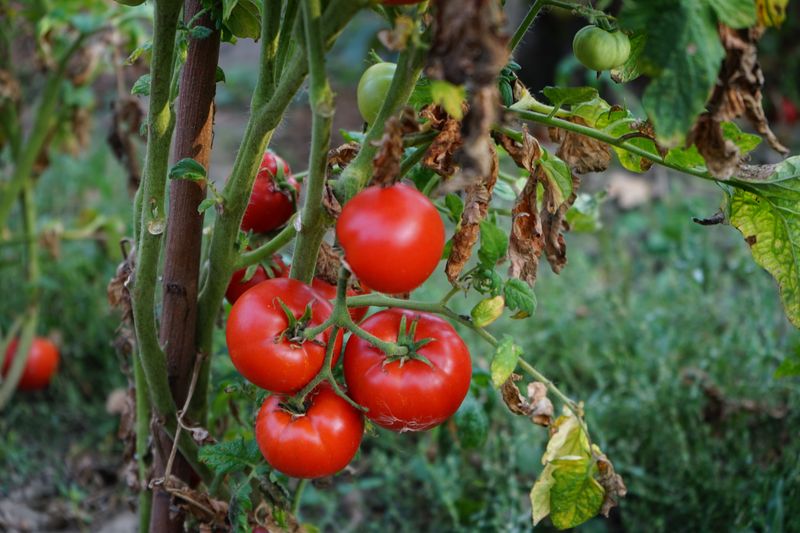
Your plants are not finished, even when it looks bleak. A few targeted actions taken now can shift the momentum and get your garden producing again before the season ends.
Shade cloth is one of the fastest ways to reduce heat stress on blossoms. A 30 to 50 percent shade cloth draped over your plants during peak afternoon hours can drop canopy temperatures by 10 degrees or more.
That reduction alone can push conditions back below the threshold where blossom drop becomes inevitable. Some gardeners notice new blossom activity relatively quickly after adding afternoon shade, especially if the heat stress was the primary issue.
Foliar sprays with diluted kelp or seaweed extract can help stressed plants recover more quickly. These natural products support cellular function and help the plant bounce back from heat damage faster.
Avoid heavy fertilizing during the hottest weeks because nitrogen-rich feeding pushes leafy growth instead of flowers. Backing off fertilizer and focusing on root health gives the plant energy where it actually needs it.
Picking any ripe or near-ripe fruit regularly also helps redirect plant energy toward new blossom development. Holding onto old fruit signals the plant that its work is done, which slows new production.
Plants that were protected through the worst of the heat will flush with new flowers once conditions ease, and in Virginia, that window often comes sooner than you think.
Stay patient, stay consistent, and trust that your effort through the hard weeks will pay off in tomatoes worth every drop of sweat.