Hummingbirds And The Surprising Reasons They Stop Coming Around
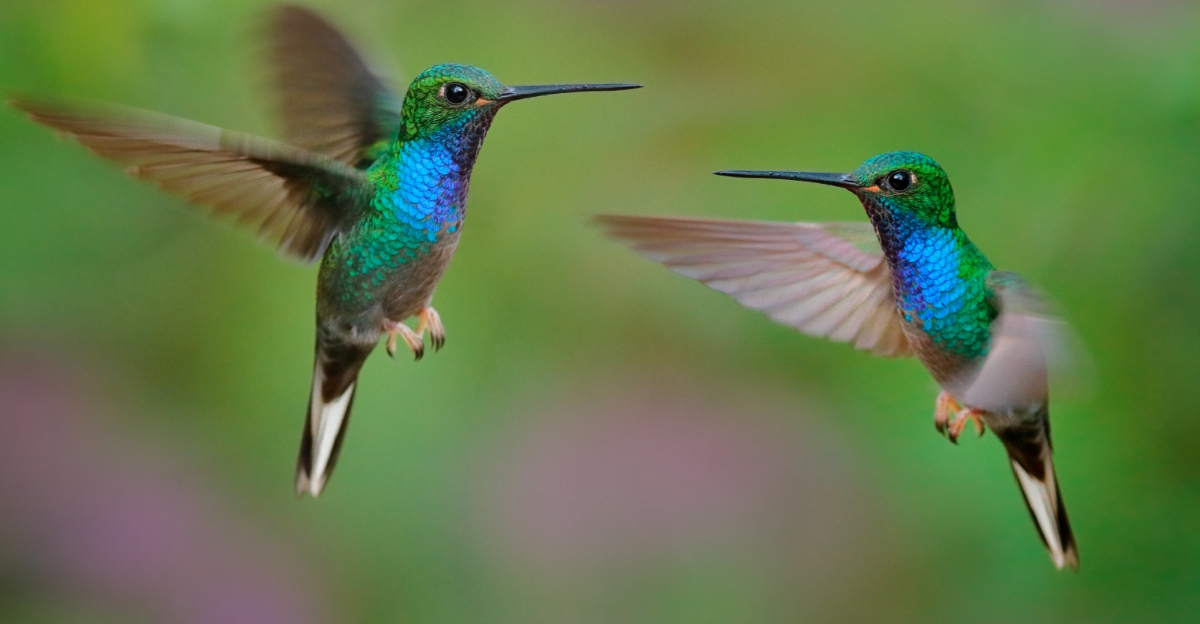
Empty feeders feel personal. You filled them, you hung them, you watched from the window every morning like a proud landlord, and now the tenants are gone.
Most people immediately start second-guessing their nectar ratio. But here is the thing: hummingbirds are not delicate or fussy.
They are calculated. When they disappear from a yard, it is not a verdict on your hospitality.
It is a response to something far more specific, and the list of causes is longer than most people expect.
Several reasons show up again and again, and knowing them changes how you think about your whole setup.
Once you understand what actually drives these birds, the silence starts making sense, and more importantly, you gain real tools to break it. This is not about doing more. It is about doing the right things.
1. Feeders Have Gone Empty Or The Nectar Has Spoiled
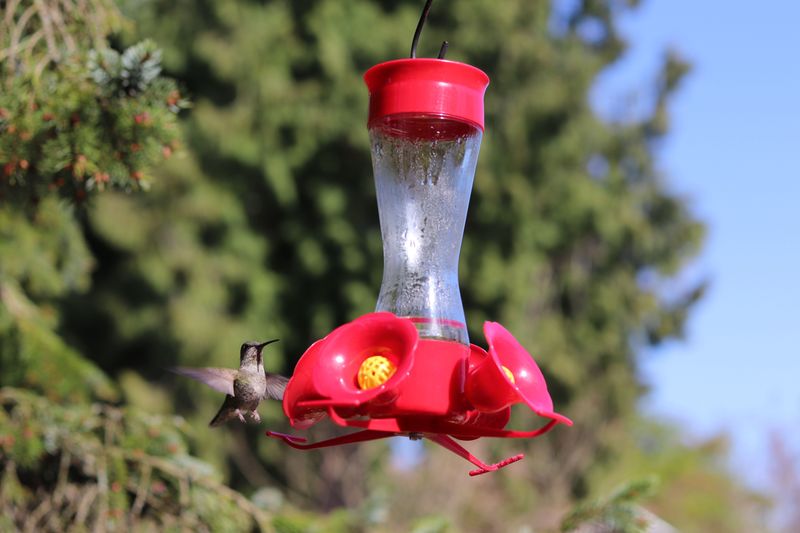
Spoiled nectar is one of the fastest ways to lose hummingbirds quickly. These tiny birds have sharp instincts and will avoid food that smells off or looks murky.
Nectar ferments quickly, especially in summer heat. A feeder left out for more than three days in warm weather can turn into something closer to vinegar than sugar water.
Hummingbirds have sensitive taste receptors. They can detect fermented or contaminated liquid almost immediately, and they will simply fly past your feeder without stopping.
Cleaning your feeder every two to three days is not optional. It is the single most important habit you can build if you want consistent hummingbird visits.
Use hot water and a bottle brush to scrub every corner. Avoid soap with strong fragrances, as residue can deter even the boldest visitors.
The ratio of nectar matters too. Stick to one part white sugar to four parts water, nothing more and nothing less.
Skip the red food coloring entirely. It is unnecessary and may actually be harmful to these birds over time.
If you have ever wondered why hummingbirds stopped coming to your yard, a dirty or empty feeder is almost always the first place to look. Fresh nectar and a clean feeder can bring them back within a day or two, and that small effort pays off in a big way.
2. Natural Food Sources Are Now More Abundant Nearby
Your feeder is great, but sometimes nature offers something even better. When wildflowers, garden blooms, and native plants hit their peak season, hummingbirds often prefer the real thing.
Natural nectar contains trace minerals and nutrients that plain sugar water simply cannot replicate. A hummingbird following its instincts will always choose the richer option when available.
Neighbors with blooming trumpet vines or salvia patches can pull your birds away without anyone realizing it. The pull of a flowering garden is incredibly strong for these tiny creatures.
This shift is actually a sign of a healthy local ecosystem. More blooms mean more food options, which supports the overall hummingbird population in your area.
Pay attention to what is flowering in your neighborhood during the weeks your visitors disappear. Chances are something spectacular is blooming just a short flight away.
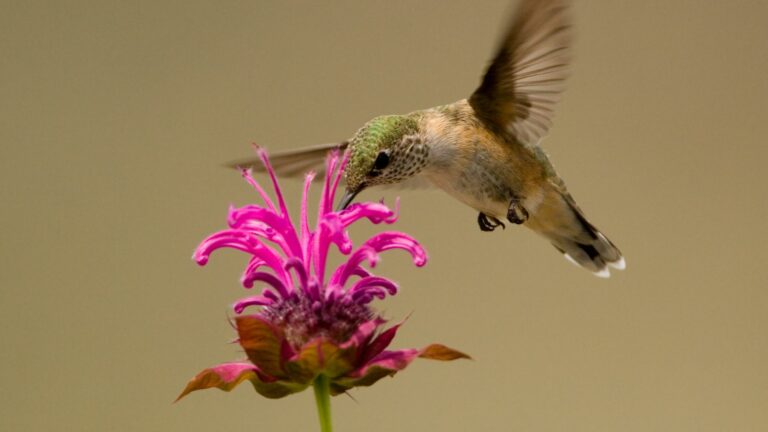
The good news is you can compete with nature by planting native flowering species in your own yard. Red salvia, bee balm, and coral honeysuckle are all excellent choices that attract hummingbirds reliably.
Pairing a well-stocked feeder with native plants creates a one-two punch that is hard for any hummingbird to resist. You stop being just a rest stop and become a full destination.
When hummingbirds stop coming around because of natural abundance nearby, the solution is not to panic. Plant strategically and let your yard become the most irresistible spot on the block.
3. Migration Season Has Begun And They’ve Moved On
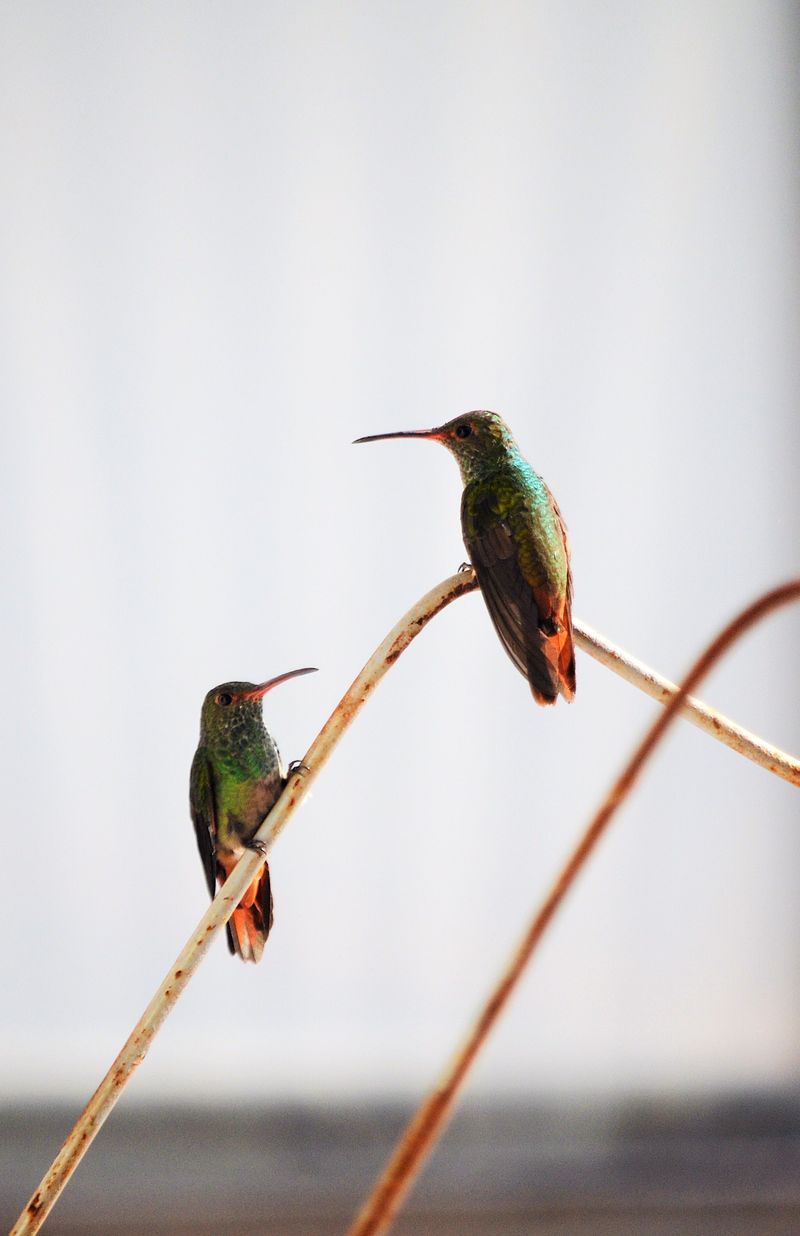
Every fall, something ancient and powerful kicks in for hummingbirds. An internal compass fires up, and no amount of fresh nectar will stop them from heading south.
Ruby-throated hummingbirds, the most common species in eastern yards, typically begin migrating in late July through September. Their departure can feel sudden and a little heartbreaking.
Many people assume they scared the birds away or did something wrong. In reality, migration is one of the most reliable reasons hummingbirds stop coming around each year.
These birds can fly approximately 500 miles in a single stretch across the Gulf of Mexico. That kind of journey requires serious biological preparation that starts weeks before they leave.
You may notice your visitors eating more aggressively before they go. They are bulking up on nectar and insects to fuel their long flight south.
Leaving your feeder up through October actually helps late migrants passing through. Not every hummingbird follows the same exact schedule, and stragglers appreciate a reliable pit stop.
Western species like Anna’s hummingbird may stick around year-round in mild climates. If you live in the Pacific Southwest, disappearing birds might signal a different problem entirely.
Migration is one of nature’s most jaw-dropping events, and hummingbirds are tiny proof of that power. Mark your calendar for spring, keep the feeder clean, and trust that they will find their way back to your yard.
4. A Predator Has Been Spotted Near The Feeding Area
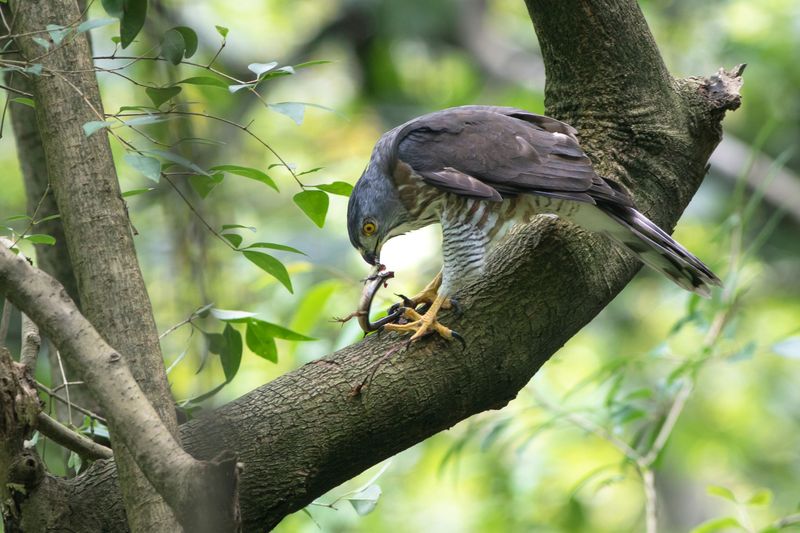
Hummingbirds are tiny, fast, and remarkably smart about danger. If a predator shows up near your feeder even once, they may avoid that spot for days or weeks.
Cats are the most common culprit in suburban yards. A cat does not even need to catch a hummingbird to ruin the experience. Simply being present is enough to trigger avoidance behavior.
Hawks are another major threat. Sharp-shinned hawks and Cooper’s hawks actively hunt small birds, and hummingbirds know exactly what those silhouettes mean in the sky above them.
Even praying mantises have been documented catching hummingbirds at feeders. It sounds unbelievable, but these insects are strong enough to grab a hovering bird mid-flight.
If your feeder suddenly goes quiet, spend a few minutes watching from a window. Look for any animal lurking nearby that might be making your visitors nervous.
Relocating the feeder to a more open area with clear sightlines can help. Hummingbirds feel safer when they can spot a threat coming from a distance and escape quickly.
Removing perches near the feeder also reduces ambush opportunities for predators. A hawk or cat needs somewhere to wait, and eliminating those spots makes your yard less appealing to hunters.
Protecting your feeder zone is a simple act that pays real dividends. A safer feeding area means more confident hummingbirds and far more of those dazzling, hovering moments you love to watch.
5. Changes In Your Garden Have Reduced Flower Availability
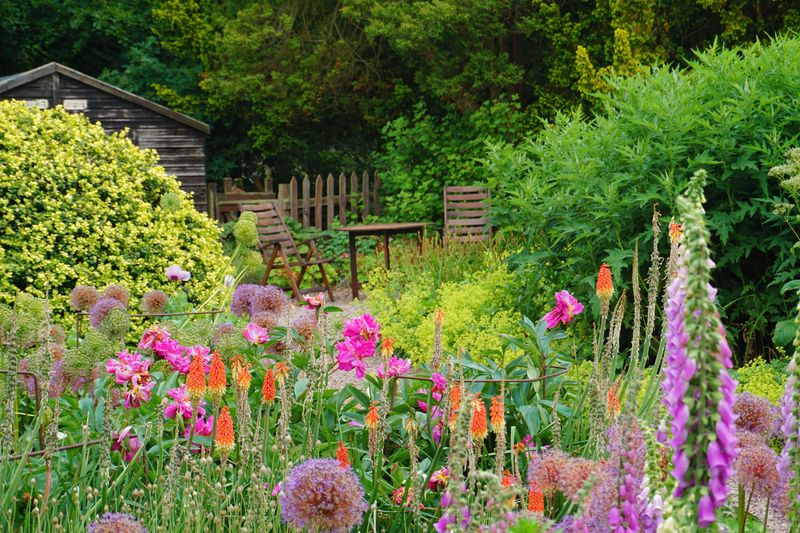
Gardens change constantly through the seasons, and hummingbirds notice every shift. When the blooms that once attracted them fade or get pruned away, the birds simply follow the flowers elsewhere.
A yard that was bursting with color in June can look completely different by August. Spent flowers, trimmed hedges, and seasonal die-back all reduce the appeal of your outdoor space.
Hummingbirds rely heavily on visual cues to find food. Bright tubular flowers act like neon signs pointing directly to nectar, and when those signs disappear, so do the birds.
Removing your spent flowers regularly encourages new blooms and keeps the buffet open longer. It takes only a few minutes and makes a significant difference in how long your garden stays attractive.
Consider planting a staggered selection of species that bloom at different times. That way, something is always flowering from early spring through late fall, giving hummingbirds a reason to keep returning.
Late-season bloomers like cardinal flower, salvia guaranitica, and autumn sage are especially valuable. They provide fuel for migrating birds that are actively searching for energy before heading south.
Removing invasive plants and replacing them with native species also boosts your garden’s appeal. Native plants co-evolved with local hummingbirds and tend to produce exactly the kind of nectar these birds crave.
Your garden is a living invitation to hummingbirds. Keep it blooming strategically and those iridescent wings will keep showing up right on schedule.
6. Extreme Heat Is Causing Them To Seek Cooler Environments
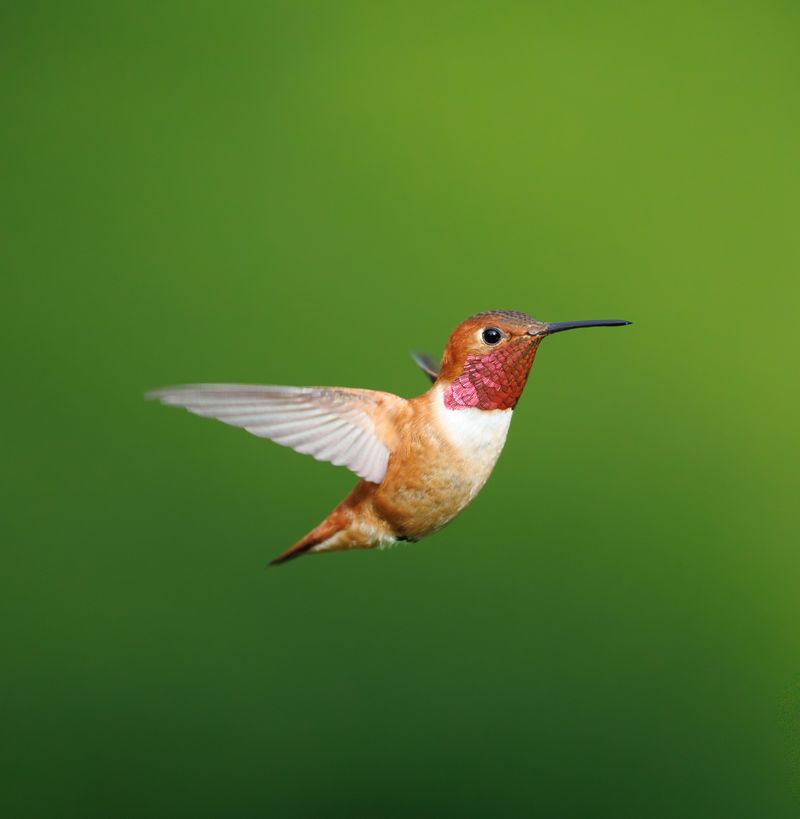
When temperatures soar past 95 degrees, hummingbirds change their behavior dramatically. They shift feeding times, seek shade, and sometimes move to cooler microclimates entirely.
Hummingbirds are warm-blooded and can overheat just like people can. During extreme heat waves, they conserve energy by reducing their activity and feeding during the hottest parts of the day.
You might notice them visiting only in early morning or late evening during a heat wave. That shift in timing can make it seem like they have disappeared when they are actually just on a different schedule.
Nectar also spoils much faster in high heat, which creates a double problem. A feeder that would last three days in mild weather might go bad within 24 hours when temperatures spike.
Moving your feeder to a shaded spot during summer heat can make a real difference. Cooler nectar stays fresh longer and is more refreshing for birds working hard to regulate their body temperature.
Adding a shallow water mister or drip fountain nearby is another smart move. Hummingbirds love flying through fine mist to cool off, and a water feature can make your yard a true oasis.
Dense tree canopy and tall shrubs also create cooler zones that attract heat-stressed birds. Planting for shade is a long-term investment that benefits every creature in your yard.
Heat waves are temporary, but the habits you build around them can permanently improve your yard for hummingbirds and keep them coming back season after season.
7. Competing Feeders In The Neighborhood Are More Attractive
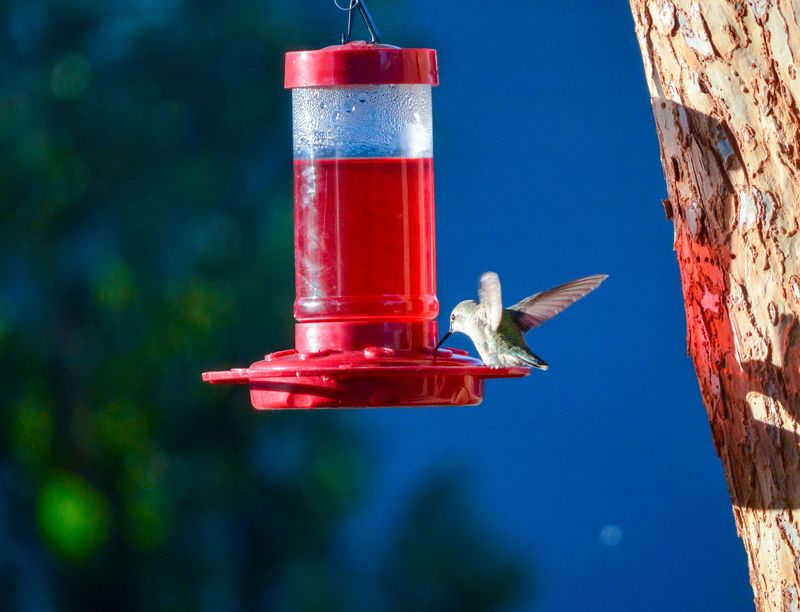
Hummingbirds are surprisingly picky shoppers. If a neighbor puts out a cleaner, fuller, or better-positioned feeder, your birds may simply vote with their wings and go there instead.
This is especially common in neighborhoods where multiple people feed hummingbirds. The birds learn the best spots quickly and will return to the most reliable source every time.
Feeder design actually matters more than most people think. Wide-mouthed ports that are easy to access, bright red coloring, and stable perches all make a feeder more competitive in a crowded market.
Placement plays a huge role too. A feeder in a high-traffic area with lots of human movement nearby will lose out to a quieter, more sheltered option every single time.
Consider upgrading your feeder if it is more than a few seasons old. Faded plastic and worn parts make a feeder less visible and harder for birds to use comfortably.
Hanging multiple feeders in different spots around your yard can also help. Hummingbirds are territorial, and a dominant bird often guards a single feeder aggressively, chasing others away.
Spreading feeders out reduces that territorial tension and allows more birds to feed simultaneously. More feeding stations mean more birds, which actually makes your yard more attractive to newcomers passing through.
Winning the neighborhood feeder competition is not about luck. It is about consistency, cleanliness, and smart placement, and once you nail those three things, hummingbirds will choose your yard every time.
8. Pesticide Use Has Reduced The Insect Population They Need
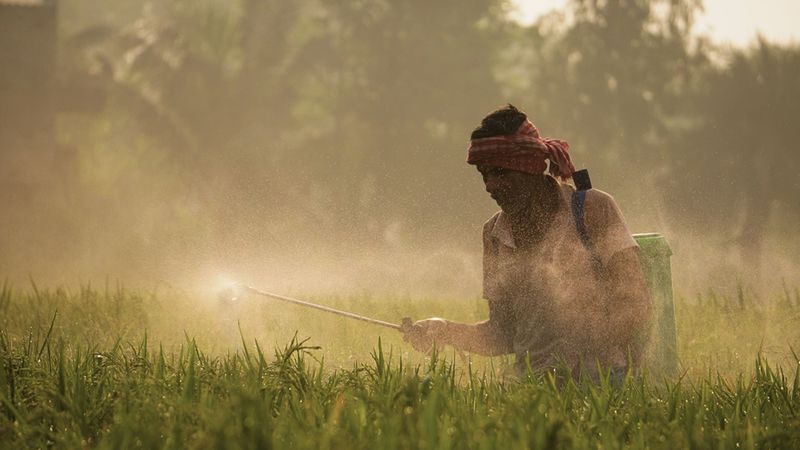
Most people think hummingbirds only eat nectar, but that is only half the story. These birds actually need insects and spiders to survive, especially during nesting season and migration.
Protein from insects fuels muscle growth, feather development, and the intense energy demands of raising young. A yard without insects is like a restaurant with half the menu missing.
Pesticides, including many common lawn and garden sprays, wipe out the tiny bugs that hummingbirds depend on. When the insect population crashes, hummingbirds stop coming around because the nutritional value of your yard drops sharply.
Systemic pesticides are particularly problematic because they persist in plant tissue long after spraying. A hummingbird feeding on treated flowers can ingest these chemicals indirectly through contaminated nectar.
Switching to organic pest control methods protects both the insects and the birds that eat them. Simple solutions like neem oil, insecticidal soap, and hand-picking pests are far gentler on the local food web.
Letting a small section of your yard go a little wild also helps. Leaf litter, bare soil patches, and native grasses create habitat for the tiny invertebrates that hummingbirds hunt between nectar stops.
Talk to your neighbors about pesticide use too, since chemicals do not respect property lines. A community approach to reducing chemical use creates a healthier environment for every backyard visitor.
Protecting your local insect population is one of the most powerful things you can do for hummingbirds. A yard full of life from the ground up is a yard that keeps hummingbirds coming around all season long.