Here Is What It Means When A Cardinal Visits Your Massachusetts Yard And Stays
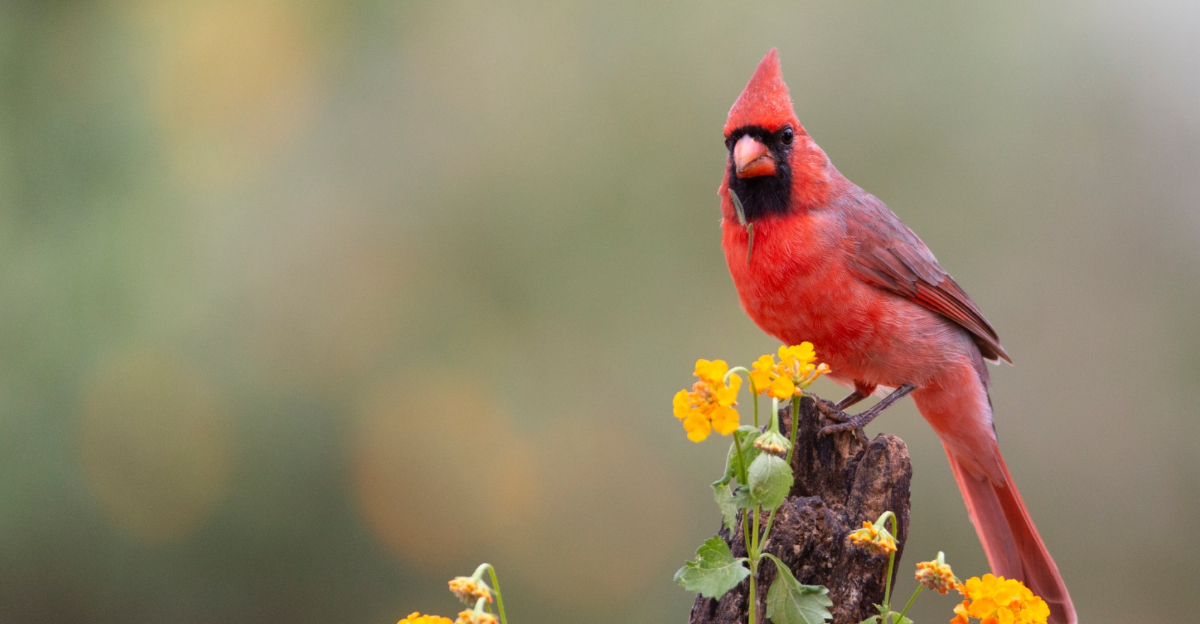
The cardinal does not land just anywhere. It watches, it weighs its options, and then it chooses.
So when one drops into your Massachusetts yard and lingers, wings folded, scanning your garden like it owns the place, you are looking at a verdict.
That bird has decided your outdoor space passed some invisible inspection. Cardinals are territorial, selective, and surprisingly loyal to locations that meet their standards.
A yard they like in October is a yard they will return to in February, and March, and the spring after that.
The question is not whether you got lucky. The question is what you did right, and whether you know enough to keep doing it.
Cardinals are year-round residents of Massachusetts, and they respond to very specific things. The height of your shrubs. The particular seeds sitting in your feeder.
This guide breaks down each one, so you can turn one lucky visit into a permanent arrangement.
Cardinals Are Year-Round Residents Of Massachusetts Yards
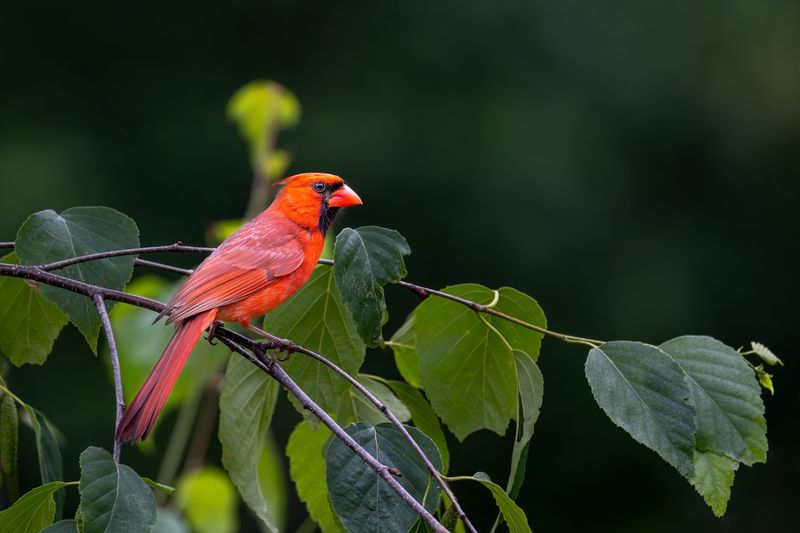
That bold red bird is not just passing through. Northern cardinals are one of the few songbirds that stick around New England all year long, through brutal winters and humid summers alike.
Unlike many migratory birds, cardinals do not head south when temperatures drop. They are tough, territorial, and deeply loyal to the patches of land they call home.
When a cardinal visits your Massachusetts yard and stays, it likely means your property falls within an established home range. A single male can patrol a territory of several acres, returning to the same spots day after day.
Spotting the same bird repeatedly is not a coincidence. Cardinals learn safe routes and reliable food zones, then stick to them with impressive dedication.
Females are just as committed to their chosen areas, though they blend into the background more easily with their warm brown and rust-toned feathers. Both sexes are creatures of strong habit.
Knowing your yard sits inside a cardinal’s permanent territory is genuinely exciting. Your outdoor space has earned a place on their mental map, and that kind of loyalty is hard to win back once lost.
Cardinals Visit Your Yard In Search Of Food And Feeders
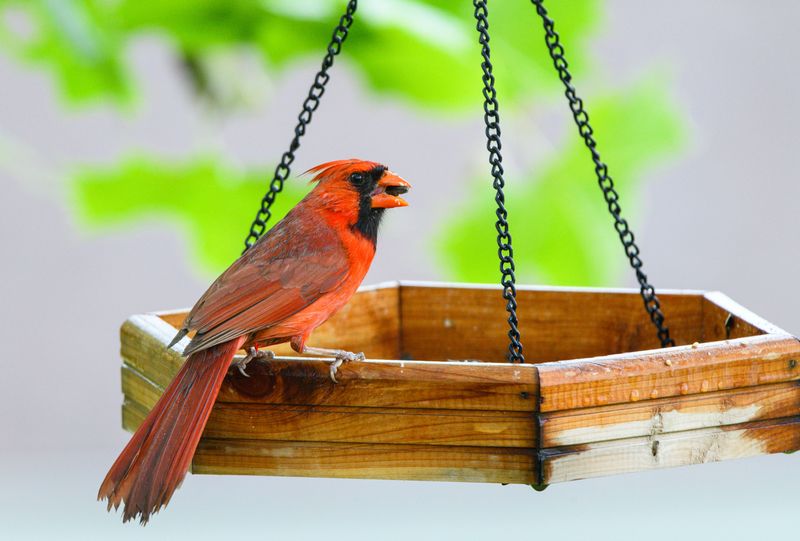
Food is the fastest way to a cardinal’s heart. These birds have powerful, cone-shaped beaks built for cracking open tough seeds, and they know exactly where a reliable meal lives.
Sunflower seeds are their absolute favorite, especially black-oil sunflower seeds, which have thinner shells and pack serious nutritional value. Safflower seeds run a close second on their preference list.
Platform feeders work best for cardinals because they prefer to eat while standing on a flat surface. Tube feeders with short perches can frustrate them, since their bodies are larger than most backyard songbirds.
When a cardinal visits your Massachusetts yard and stays near a feeder, the bird has decided your setup is worth trusting. Cardinals are cautious by nature and will observe a new feeder from a distance before committing.
Your Massachusetts Garden Changes Every Week. Your Plan Should Too.
Gardening in Massachusetts changes quickly throughout the season. Every Friday you’ll receive a simple weekly plan showing exactly what to plant, prune, fertilize, harvest, and protect so you never miss the right timing.
Placing feeders within ten feet of a shrub gives cardinals a quick escape route, which makes them far more comfortable feeding in the open. That small detail can transform a rarely visited feeder into a busy one.
Keeping your feeder stocked through winter is especially powerful. A well-fed cardinal will return morning after morning, bringing a partner along once the season shifts toward spring.
Dense Shrubs And Trees Attract Cardinals For Shelter And Nesting
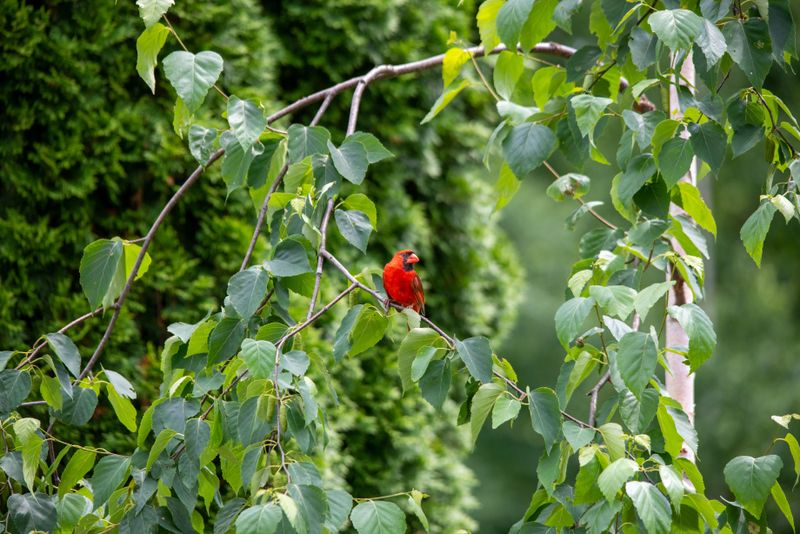
Cardinals are not open-sky birds. They hug the edges of yards, darting between shrubs, low branches, and brush piles with confident ease.
If your yard has thick plantings like arborvitae, boxwood, holly, or dense ornamental grasses, you have likely already rolled out the welcome mat for these birds. Cover is everything to a cardinal seeking safety.
Nesting season runs roughly from late April through August in New England, and females choose nest sites with impressive care. They look for dense shrubs or small trees between three and ten feet off the ground.
A female cardinal builds the nest almost entirely on her own, weaving together twigs, bark strips, and grasses into a neat cup shape. She can complete the whole structure in just a few days when materials are nearby.
Yards with layered plantings, meaning short shrubs under taller trees, mimic natural woodland edges. That layered look is the cardinal’s preferred habitat, and it is surprisingly easy to recreate in a suburban setting.
Leaving some wild corners in your yard, even a small brushy patch near a fence, gives cardinals the sheltered zones they crave. A yard that feels safe is a yard that gets visited again and again.
Water Sources Bring Cardinals Closer To Your Property
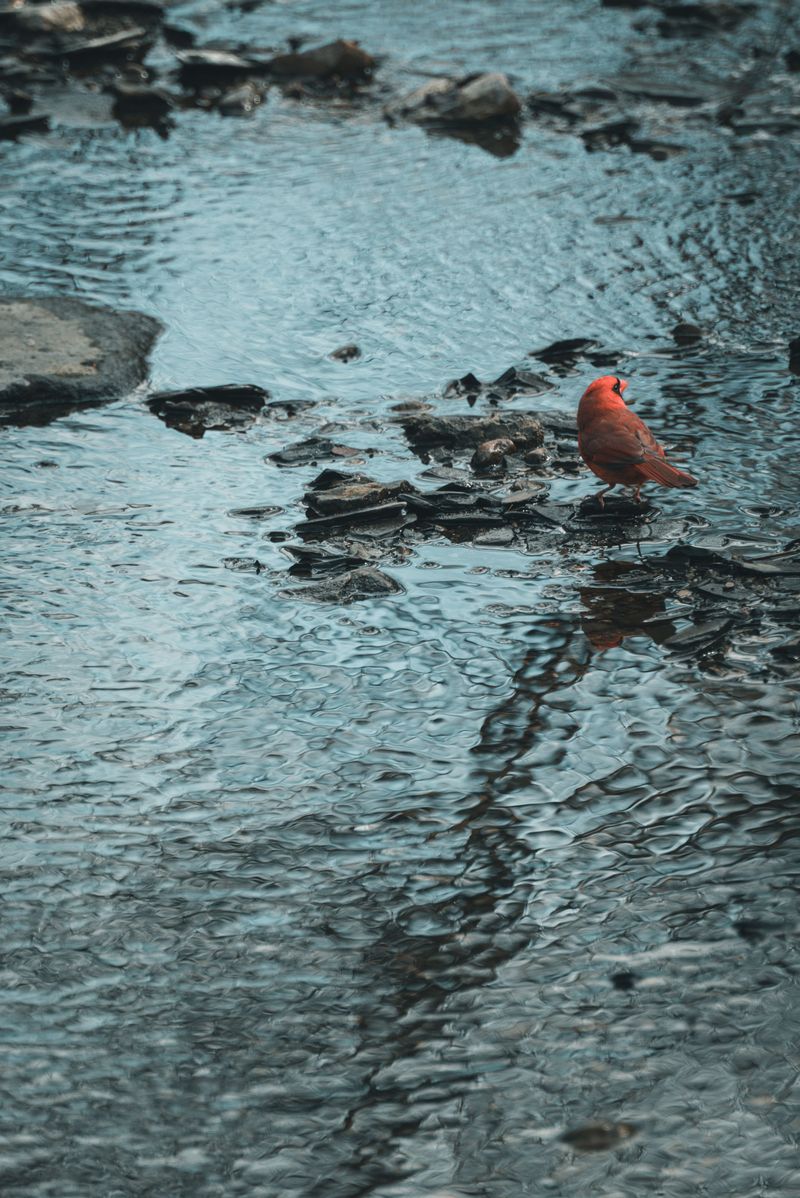
Fresh water might be the most underrated tool in a backyard birder’s kit. Cardinals need to drink and bathe regularly, and they will travel surprisingly far to find a clean, accessible source.
A simple birdbath placed at a low height works wonderfully. Cardinals prefer to approach water from the ground level rather than flying up to a tall pedestal, so a shallow basin near the soil suits them best.
Keeping the water clean is non-negotiable. Stagnant or dirty water will send cardinals to a neighbor’s yard faster than you can refill it, so aim to refresh the basin every couple of days.
In winter, a heated birdbath becomes a reliable draw. When ponds and puddles freeze across New England, a yard offering liquid water stands out clearly to thirsty birds.
The sound of moving water is another strong draw. A small solar-powered dripper or fountain attachment creates gentle rippling sounds that alert birds from a distance, pulling in cardinals that might otherwise pass by.
When a cardinal visits your Massachusetts yard and lingers near a water feature, the bird has found a resource it cannot easily replace elsewhere. That dependence builds a habit, and habits bring cardinals back daily.
Seasonal Changes Influence How Often Cardinals Appear In Your Yard
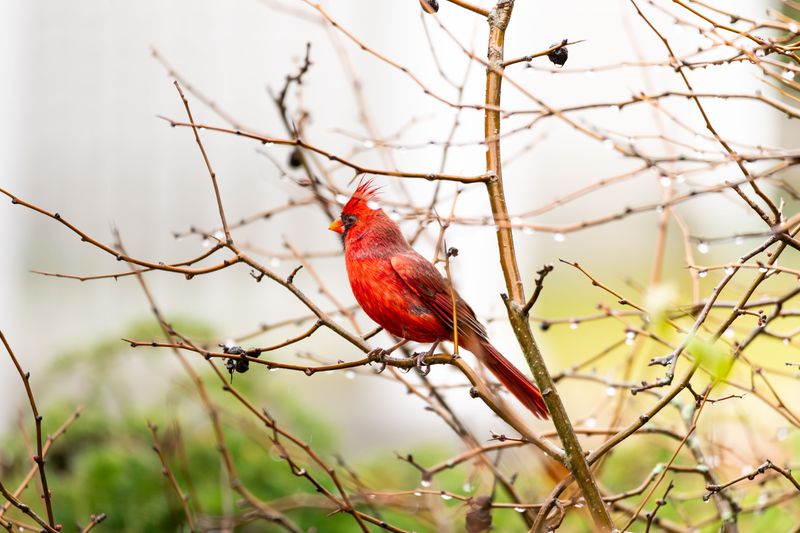
Cardinal activity shifts noticeably with the seasons, and understanding that rhythm helps you know what to expect at different times of year. Spring brings the most dramatic change in behavior.
From late February through June, male cardinals become intensely vocal and visible. They sing loudly from exposed perches, trying to attract a mate and warn rival males away from their claimed space.
Summer visits can feel quieter even when cardinals are still around. Adults spend long hours hidden in dense cover while raising chicks, so you may hear them more often than you spot them.
Fall is a season of movement and feeding. Cardinals bulk up before cold weather arrives, so feeder visits increase sharply in October and November as birds prepare for the leaner months ahead.
Winter is when a well-stocked yard truly shines. Cardinals stand out brilliantly against snow, and a reliable food source during harsh weather can make your yard a permanent fixture in their daily routine.
Tracking which seasons bring the most activity in your specific yard helps you fine-tune your setup over time. When a cardinal visits your Massachusetts yard and stays through multiple seasons, you have built something genuinely special for local wildlife.
Male And Female Cardinals Visit For Different Behavioral Reasons
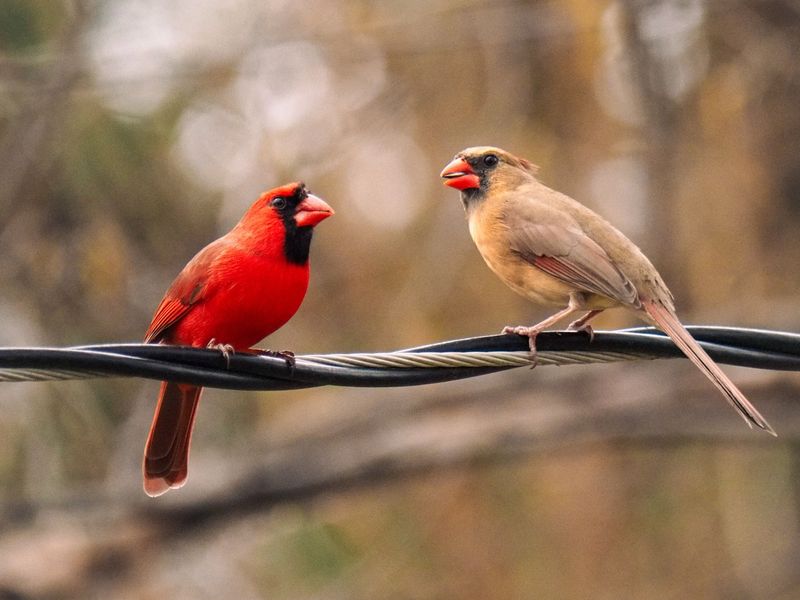
Most people notice the male cardinal first. His red plumage is impossible to miss, and he tends to visit feeders boldly and often, especially during the early morning hours.
The female is subtler but equally fascinating. Her warm brown feathers with rust-red accents are actually excellent camouflage, designed by evolution to keep her hidden while nesting.
Males visit feeders primarily to fuel their high-energy singing and territorial displays. During breeding season, a male may also bring food directly to the female in a charming behavior called courtship feeding.
Females tend to be more cautious at feeders, scanning surroundings carefully before landing. They often arrive slightly later in the morning and spend less time in the open than their brightly colored partners.
Watching both sexes together tells a richer story about what is happening in your yard. A male feeding a female near your birdbath in early spring is one of the clearest signs that nesting may be coming soon.
When a cardinal visits your Massachusetts yard and you see both a male and female on the same day, your outdoor space has likely become part of a bonded pair’s shared territory. That is a strong indicator your backyard habitat is genuinely working.
Your Yard’s Plant Life Plays A Key Role In Attracting Cardinals
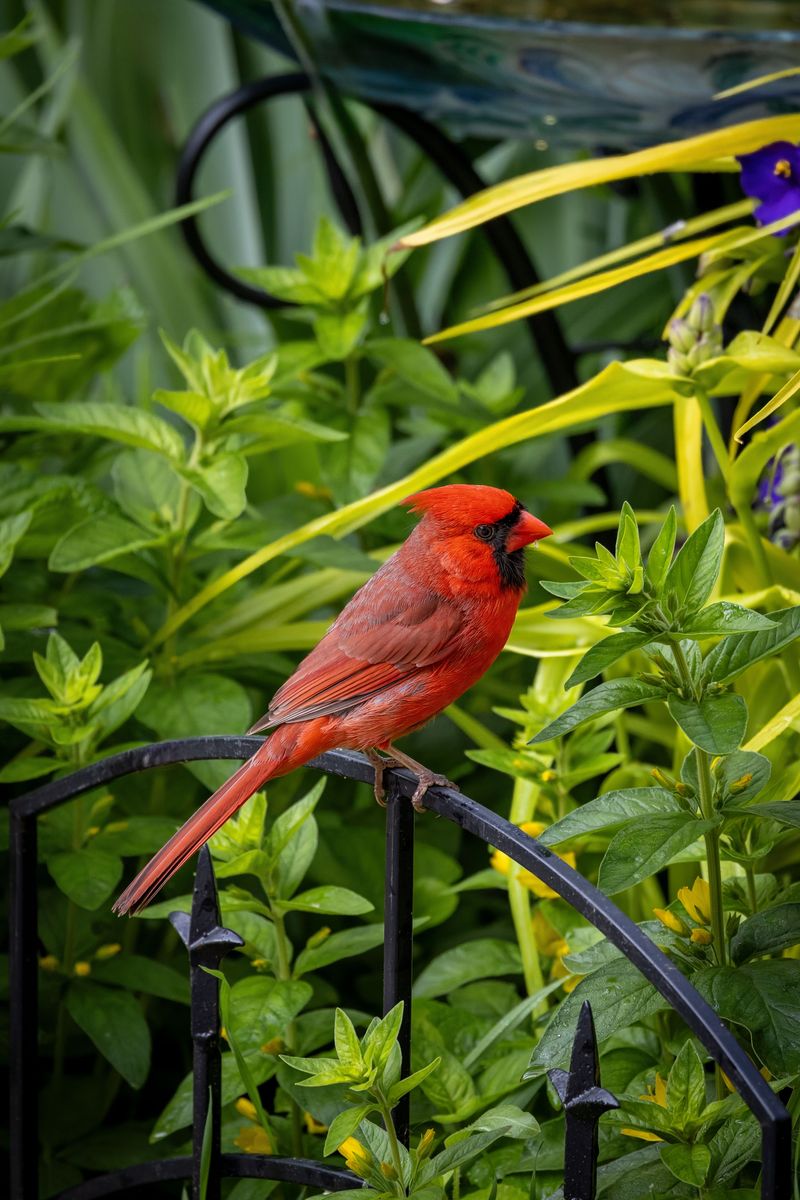
Native plants are underrated assets for any homeowner hoping to attract cardinals. Plants like coneflowers, sunflowers, and native grasses produce natural seeds that cardinals actively seek out from late summer through winter.
Berry-producing shrubs are equally valuable. American holly, winterberry, and dogwood offer high-calorie fruit that sustains cardinals when seeds are buried under snow or harder to find.
Cardinals are edge-habitat birds, meaning they thrive where open areas meet dense plantings. A yard that mixes open lawn with thick border shrubs creates the exact landscape they prefer to patrol.
Avoiding heavy pesticide use matters more than many homeowners realize. Reducing pesticide use matters more than many homeowners realize.
Many common products decrease local insect populations, and since cardinals feed insects to their chicks during nesting season, a bug-friendly yard supports the whole family.
Leaving seed heads on coneflowers and black-eyed Susans through autumn gives cardinals a natural food source right in your garden beds. That simple choice can reduce how much you spend on purchased birdseed each season.
When a cardinal visits your Massachusetts yard and stays to forage through your garden, the bird is telling you that your plant choices are working.
A thoughtfully planted yard does not just look beautiful, it becomes a living habitat worth returning to every single day.