The Most Underrated Pennsylvania Native That Crowds Out Weeds Along Woodland Edges Without Any Help
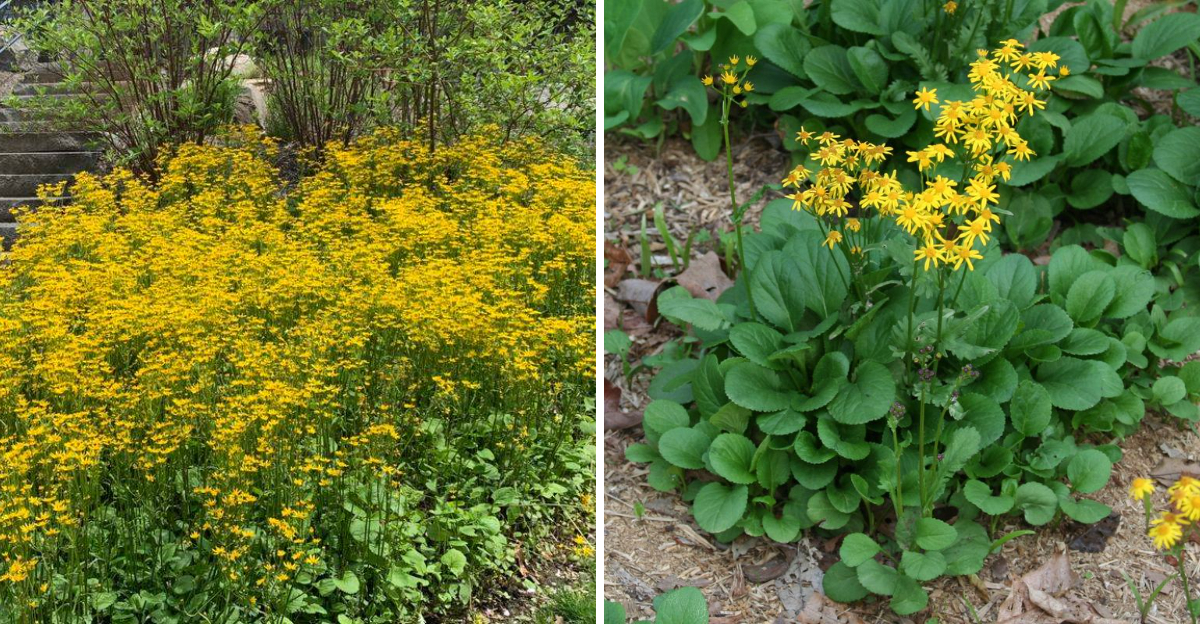
Every Pennsylvania yard seems to have that one shady, moist corner where lawn grass gave up a long time ago and weeds have been winning ever since.
It is one of those spots that is easy to ignore until it becomes impossible to ignore, and by then the options can feel pretty limited.
Golden groundsel is the kind of plant that makes that corner a lot less complicated.
This Pennsylvania native comes up swinging every spring with cheerful yellow flowers at a time when most of the garden is still waking up, and it sticks around with semi-evergreen leaves through much of the year.
Over time it spreads into a low, dense mat that covers bare soil, supports early pollinators, and genuinely reduces the amount of weeding that otherwise comes with that kind of tricky spot.
1. Golden Groundsel Spreads Into A Living Carpet
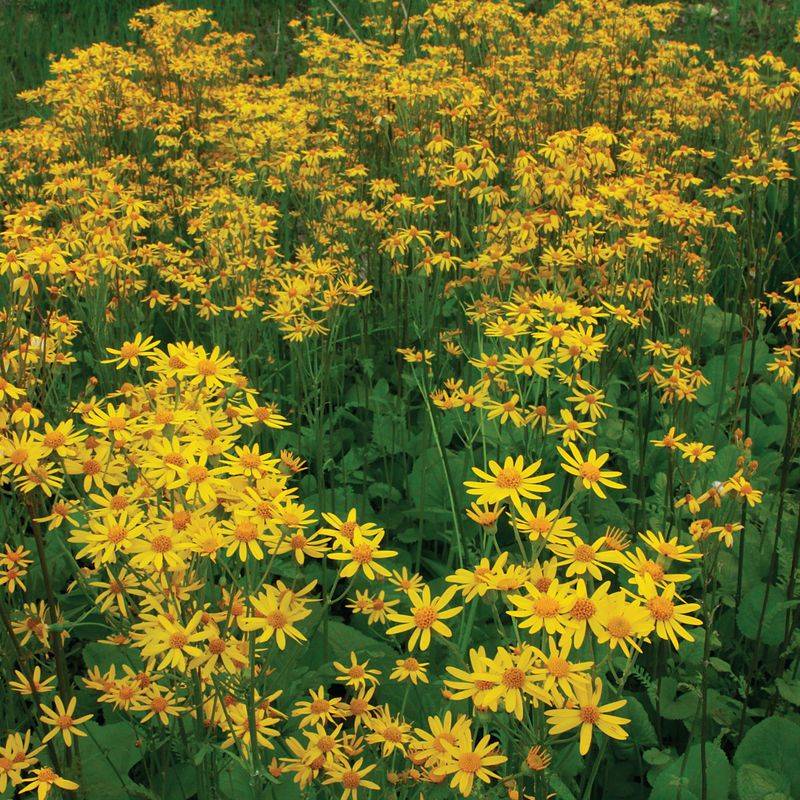
Bare patches along shaded borders have a way of filling with whatever seeds blow in first, and in many Pennsylvania yards, that means weeds. Golden groundsel offers a different outcome.
Over time, this native can spread into a low, dense mat that covers ground in spots where little else wants to grow.
Golden groundsel, known botanically as Packera aurea, spreads in two main ways. It self-seeds into nearby open soil, and it also creeps outward through short underground stems called rhizomes.
Neither process happens overnight, but in a moist, partly shaded spot, the plant gradually fills in and creates what gardeners often describe as a living carpet of green foliage.
The spread rate varies depending on your specific site. A location with consistently moist soil and filtered shade tends to see faster coverage than a drier or sunnier spot.
In most gardens, patience is part of the process. Giving the plant a full growing season or two to settle in before expecting dense coverage is a reasonable approach.
Starting with several transplants spaced about a foot apart gives you a head start. As the colony thickens, it covers more soil, which naturally leaves less open ground for opportunistic weeds to take hold.
That is the real value of this Pennsylvania native as a groundcover – not instant results, but steady, reliable coverage that builds season after season.
2. Yellow Spring Flowers Brighten Woodland Edges
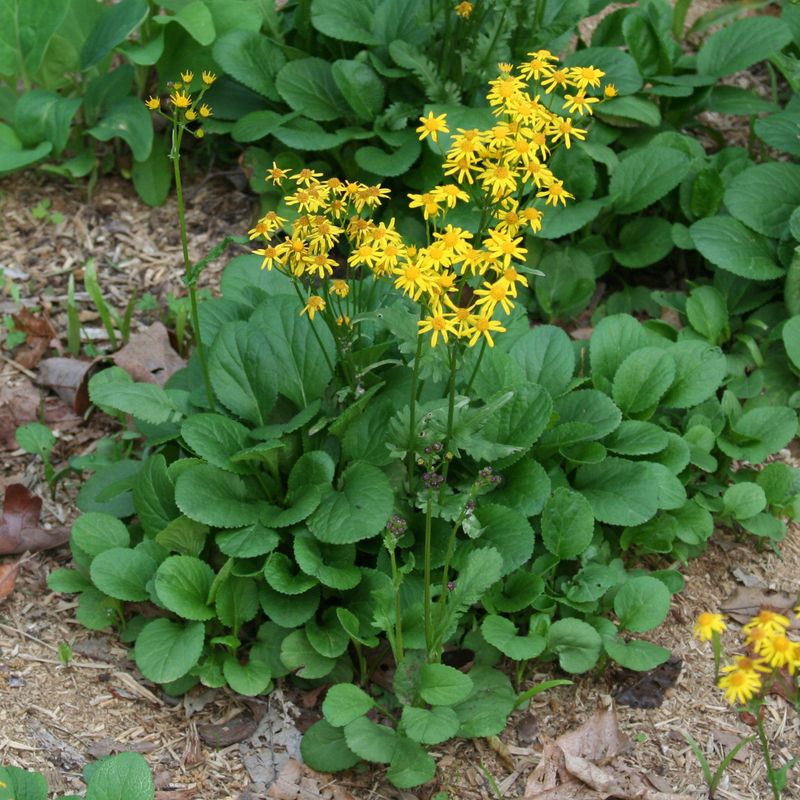
Few sights in a Pennsylvania spring garden are as quietly satisfying as a patch of golden groundsel in full bloom. Small, daisy-like yellow flowers appear in clusters on upright stems, typically from mid-April into May, depending on the year and the specific location.
They rise above the low foliage like little bursts of sunshine along an otherwise shaded border.
The bloom season arrives early, which matters more than it might seem at first. In early spring, not many native plants are flowering yet along Pennsylvania woodland edges.
Golden groundsel steps in and provides color at a time when the garden can feel bare and quiet. For gardeners who enjoy a layered planting, the yellow flowers also pair beautifully with spring ephemerals and early-leafing shrubs.
Your Pennsylvania Garden Changes Every Week. Your Plan Should Too.
Gardening in Pennsylvania changes quickly throughout the season. Every Friday you’ll receive a simple weekly plan showing exactly what to plant, prune, fertilize, harvest, and protect so you never miss the right timing.
The flower stems typically reach about one to two feet tall, giving the plant a brief but noticeable vertical presence before settling back into its lower groundcover form as summer arrives.
After blooming, the plant produces small seeds that can drift into nearby soil and start new plants, which contributes to its gradual spread.
From a design perspective, the yellow flowers add warmth and seasonal interest to spots that might otherwise look dull in early spring.
Along Pennsylvania woodland edges, where the palette can feel muted before full leaf-out, a colony of golden groundsel in bloom brings a welcome pop of color that signals the season is shifting.
3. Semi-Evergreen Leaves Cover Bare Soil
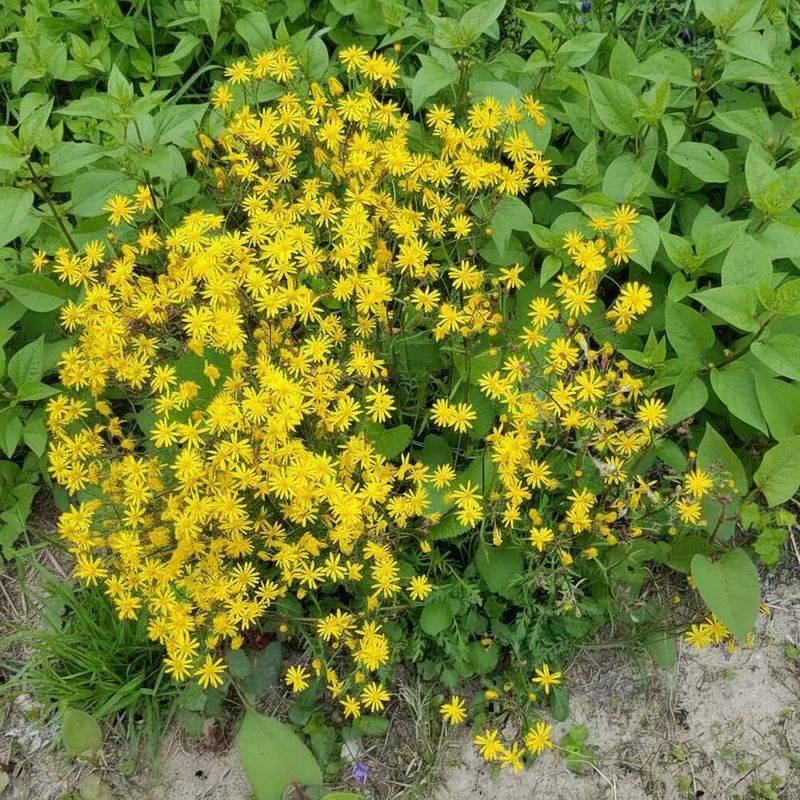
One of the quieter advantages of golden groundsel is what it does long after the spring flowers are finished. The foliage, which is rounded and deep green at the base of the plant, tends to stay present through much of the year in Pennsylvania gardens.
In mild winters, the leaves can hold on well into the cold months, giving the planting a semi-evergreen quality that many other native groundcovers do not offer.
That persistent foliage matters most in late fall and winter, when bare soil along woodland edges is most vulnerable to erosion and weed seedling establishment.
A low mat of golden groundsel leaves covering the ground during those months provides a layer of protection that helps keep soil in place and reduces the open patches where weed seeds land and germinate.
The basal leaves are heart-shaped to kidney-shaped, with slightly scalloped edges and a rich green color that holds up well even in dense shade.
They are not fragile or delicate-looking, which suits them well for the rough-and-tumble conditions of a Pennsylvania woodland edge where leaf litter, foot traffic near paths, and variable moisture are part of the picture.
In colder Pennsylvania winters or particularly dry conditions, some foliage may thin out. That is normal and expected.
New growth returns reliably in early spring, often well before many other plants emerge, so the groundcover presence is re-established quickly as the season warms up again.
4. Moist Shade Helps It Fill In Fast
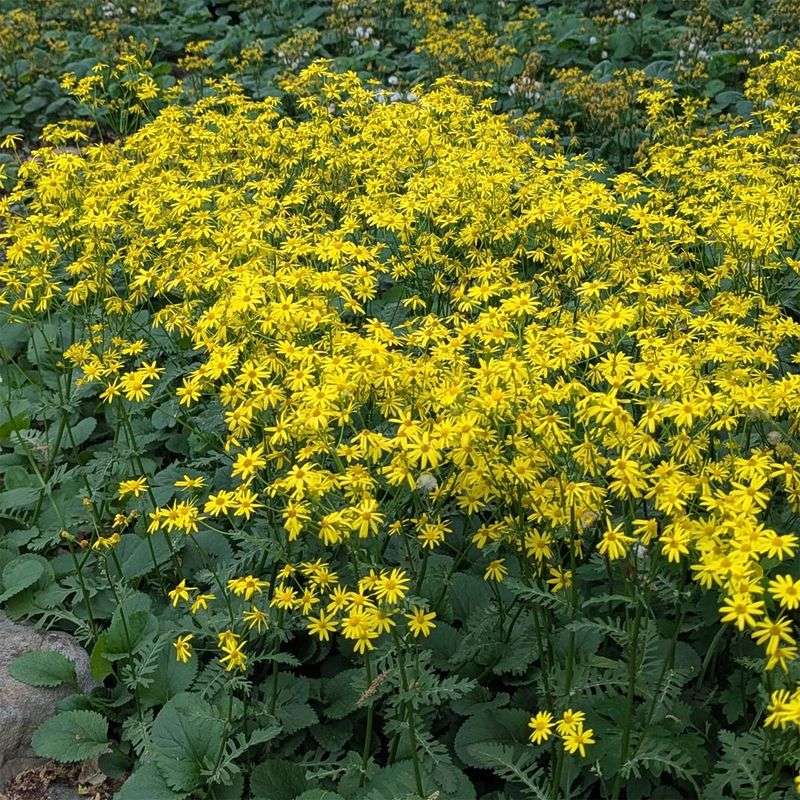
Shaded spots with consistently moist soil are some of the most difficult areas to manage in a Pennsylvania yard. Lawn grass struggles there, mulch washes away, and weeds like garlic mustard and ground ivy are quick to move in.
Golden groundsel, though, seems to find those conditions genuinely agreeable.
This plant is native to woodland habitats across Pennsylvania and much of the eastern United States, where it naturally grows along stream edges, in moist forest understories, and at the base of slopes where water tends to collect.
Replicating those conditions in a home garden – even loosely – gives golden groundsel the environment it needs to spread with more confidence.
Moist, humus-rich soil in part shade to full shade tends to produce the densest and most vigorous colonies.
The plant can also handle periods of wet soil better than many groundcovers, making it a reasonable option for low spots in the yard that stay damp after rain.
It is less enthusiastic in dry, compacted, or heavily clay soil without some improvement.
Before planting, loosening the soil and adding organic matter like compost can help new transplants establish more quickly.
Watering during the first growing season is worth the effort, since that early establishment period is when the plant is most dependent on consistent moisture.
Once it has settled in and begun to spread, golden groundsel generally handles Pennsylvania summer conditions with less intervention needed from the gardener.
5. Dense Growth Leaves Less Room For Weeds
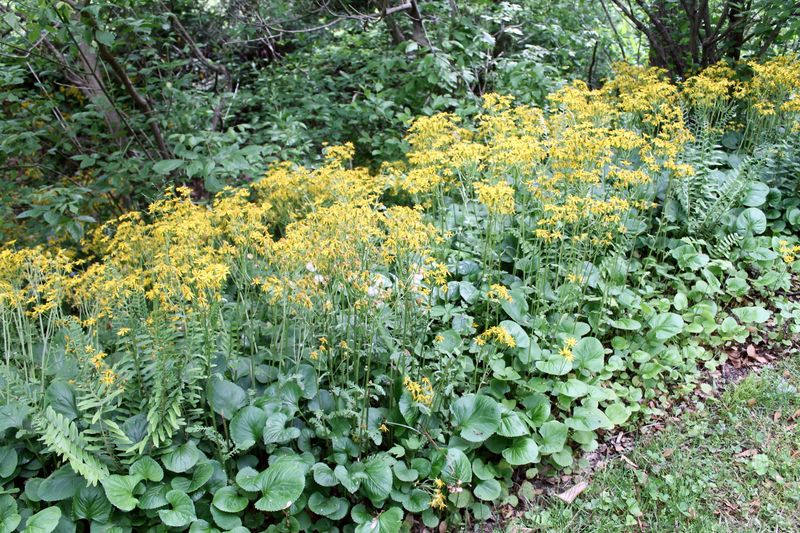
Along the edges of Pennsylvania woodland gardens, open soil is basically an invitation for weeds. Annual weed seeds drift in constantly, and perennial weeds like garlic mustard, creeping Charlie, and Japanese stiltgrass are always looking for a foothold.
One of the most practical ways to reduce that pressure is to cover the ground with something you actually want growing there.
Golden groundsel, once established, forms a fairly dense layer of foliage that covers the soil surface. That coverage reduces the amount of open ground available for weed seeds to land and germinate.
It is not a foolproof solution – some persistent weeds can still push through, especially along the edges of a planting – but a well-established colony of golden groundsel noticeably reduces the maintenance burden compared to bare or lightly mulched ground.
The key word is established. During the first year or two, while plants are still young and spacing is wider, weeds will still require hand-pulling or careful spot treatment.
Keeping up with weed removal during that establishment window protects the young groundsel plants and gives them room to grow and spread without competition.
As the colony thickens and the canopy of leaves closes in, the ongoing weed management typically becomes lighter.
Many gardeners find that a mature patch of golden groundsel along a shaded edge requires far less weeding than the same space left bare or covered only with mulch.
That shift in maintenance is one of the most practical reasons to use this native groundcover.
6. Pollinators Visit The Early Blooms
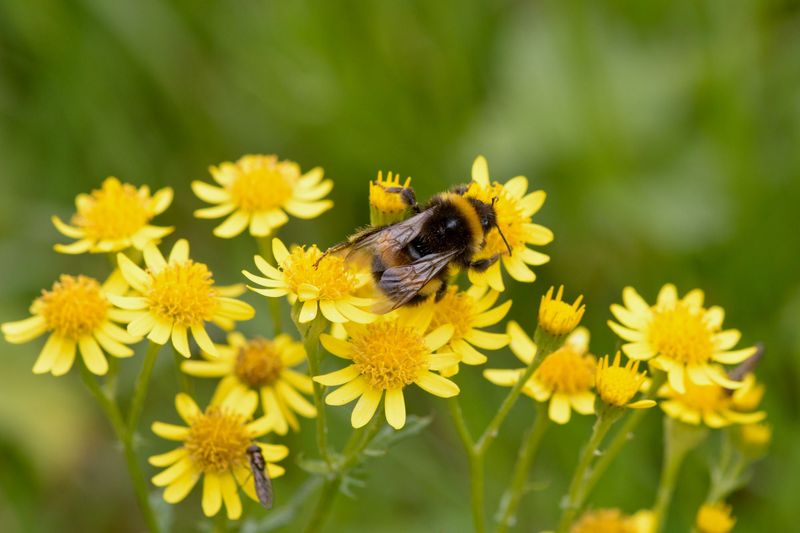
Early spring is a critical time for pollinators in Pennsylvania. Queen bumblebees emerge from overwintering and need nectar and pollen sources before most garden flowers have opened.
Native bees, small flies, and early butterflies are all searching for resources at a time when the landscape is still waking up. Golden groundsel steps in at exactly the right moment.
The clusters of small yellow flowers bloom from mid-April into May in most Pennsylvania locations, providing accessible pollen and nectar to a range of early-season visitors.
The flowers are open-faced and daisy-like, which makes them easy for small native bees and other insects to land on and forage from without needing specialized anatomy or behavior.
Gardeners who are building native plantings for pollinator support often focus on summer and fall bloomers, since those get more attention in books and plant lists.
But early spring bloom is just as important, especially in woodland-edge gardens where the plant palette tends to be quieter.
Adding golden groundsel to a Pennsylvania native planting helps fill that early gap in the seasonal bloom sequence.
Golden groundsel is also a larval host plant for the northern checkerspot butterfly, which adds another layer of ecological value beyond just nectar and pollen provision.
Supporting larval development means supporting the full life cycle of native insects, not just feeding adult foragers.
For gardeners interested in building genuinely functional native habitat, that distinction is worth keeping in mind when selecting groundcover plants.
7. It Works Well Under Trees And Shrubs
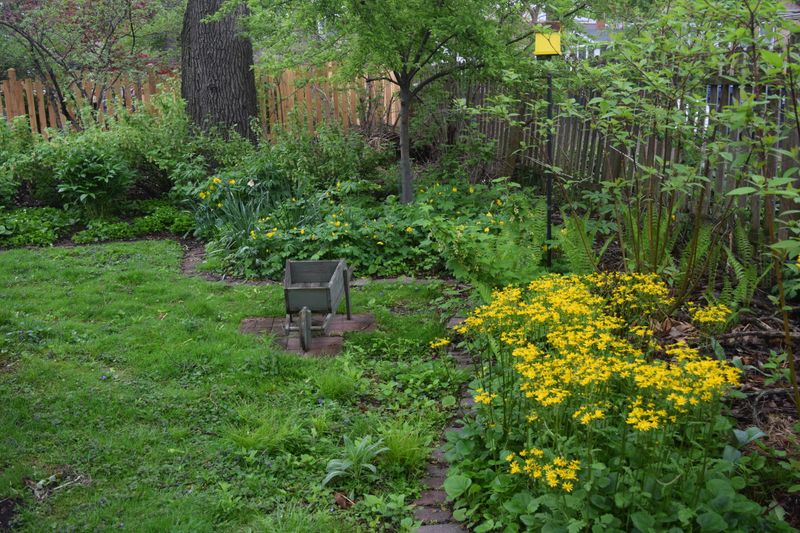
The dry, rooty soil under established trees is one of the hardest spaces to plant in any Pennsylvania yard. Shallow tree roots compete for moisture and nutrients, the shade can be dense, and many plants simply struggle to get established.
Golden groundsel handles these conditions better than most, which makes it a genuinely useful option for those frustrating under-tree spaces.
In its natural habitat, golden groundsel grows alongside and beneath shrubs and trees in Pennsylvania woodlands, so the conditions under a mature oak, maple, or serviceberry are not entirely foreign to it.
It does best when some moisture is available, so under trees in particularly dry areas it may need supplemental watering during establishment and during summer dry spells.
Shrub beds with open soil between plants are another strong fit.
Golden groundsel can fill in the gaps between larger native shrubs like viburnums, native azaleas, or witch hazel, creating a layered planting that looks intentional and supports multiple layers of the garden ecosystem.
That layered approach is something Pennsylvania native plant gardeners are increasingly interested in, and golden groundsel fits naturally into it.
One practical note: avoid planting too close to tree trunks or shrub crowns, since good air circulation around the base of woody plants is generally beneficial.
Leaving a few inches of open space around trunks and main stems before letting the groundsel fill in around them is a reasonable habit.
Beyond that small consideration, golden groundsel is a low-fuss companion for the shaded woody layer.
8. A Strong Native Choice For Tough Edges
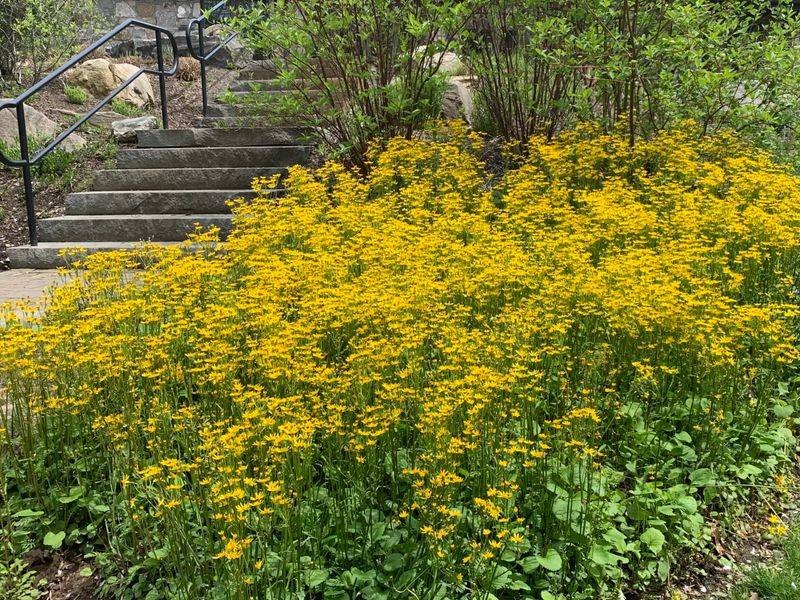
Woodland edges in Pennsylvania yards are often the most neglected spaces in the garden.
They sit between the lawn and the tree line, too shady for grass, too exposed for true woodland plants, and just awkward enough that many homeowners leave them bare or cover them with mulch that keeps washing away.
Golden groundsel was practically made for exactly these in-between spaces.
As a Pennsylvania native, it evolved in the kinds of conditions those edges naturally provide – variable moisture, shifting light as tree canopies move, competition from roots, and seasonal leaf litter.
That evolutionary history gives it a resilience that non-native groundcovers often lack, because it is genuinely adapted to the regional climate and soil rather than simply tolerating it.
Using golden groundsel along a woodland edge also supports the broader goal of building a more ecologically connected landscape. Native plants support native insects, which support native birds and other wildlife, which contributes to a healthier local ecosystem.
That is a meaningful outcome for a plant that also happens to look attractive and reduce maintenance.
For homeowners who are tired of fighting weeds in shaded, moist border areas, golden groundsel offers a practical and ecologically sound alternative to repeated mulching or herbicide applications.
It will not transform a difficult edge overnight, and some care during establishment is genuinely needed.
But given a season or two to settle in, this underrated Pennsylvania native can quietly become one of the most hardworking plants in the garden.