8 Signs Of Cucumber Heat Stress You Shouldn’t Ignore
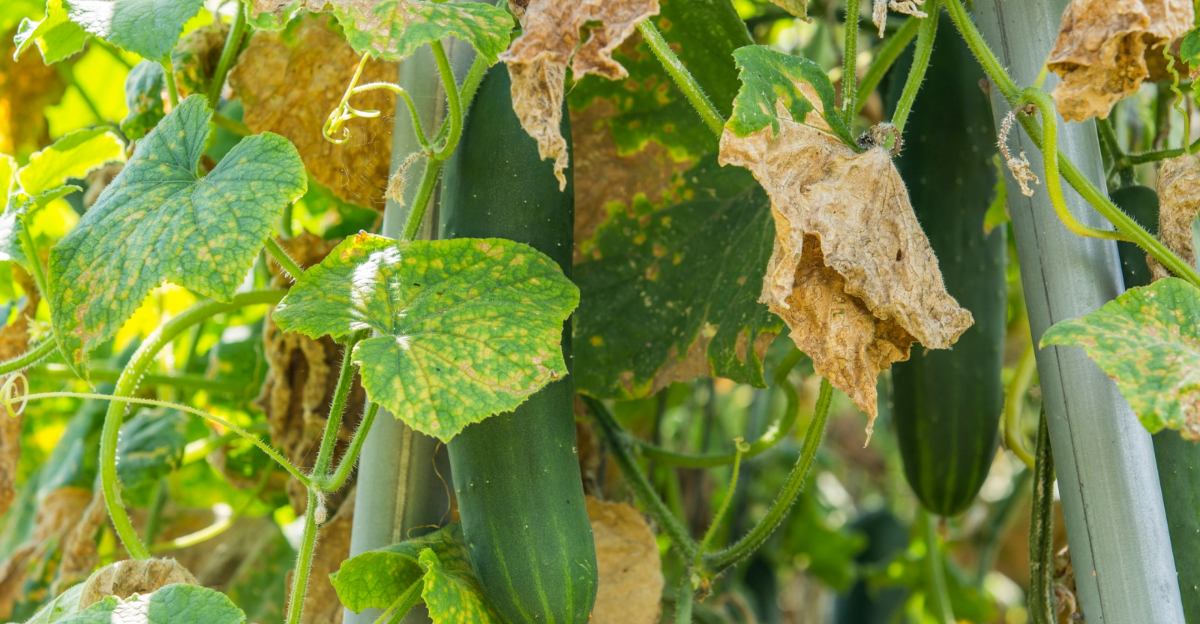
Cucumbers ask for sun, not a sauna. Once the mercury pushes past their comfort zone, these vines stop growing and start coping, and coping looks nothing like thriving.
Leaves curl inward like they’re flinching. Blossoms drop before they ever get the chance to become fruit. Growth stalls, and what little energy the plant has left goes toward getting by, not producing.
Most gardeners miss these cues because they still look like a healthy plant having an off day. But heat stress builds quietly, then can significantly cut into a harvest all at once.
The good news: cucumber plants are surprisingly vocal about their discomfort, if you know their language.
From bitter-tasting fruit to leaves that scorch at the edges, your plants are clearly signaling trouble long before they collapse. Catch the warning signs now, or watch your harvest slip away.
1. Leaves Wilt During The Hottest Part Of The Day
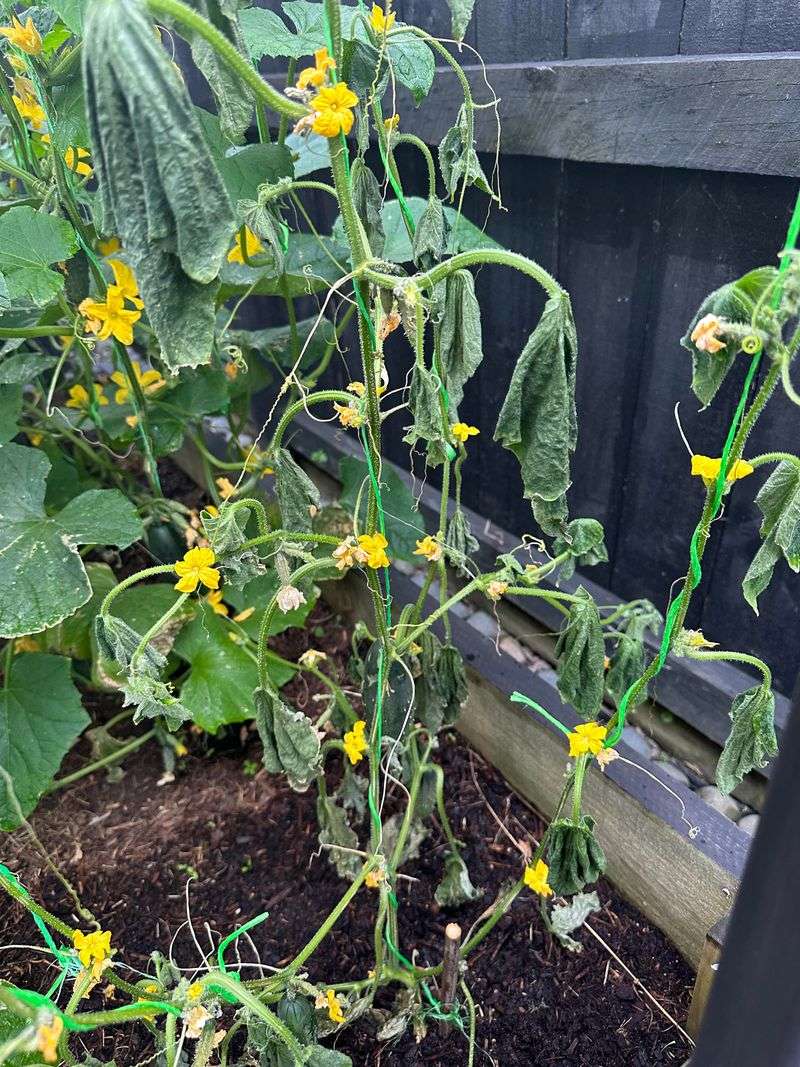
You walk outside at two in the afternoon and your cucumber leaves look like wet paper towels hanging from a clothesline. That dramatic droop is your plant showing an early stress response to the sun.
Wilting during peak heat hours is one of the earliest signs of heat stress in cucumber plants. When temperatures spike, plants lose water through their leaves faster than roots can replace it.
The plant responds by letting leaves go limp to reduce surface exposure. It is a coping mechanism, not a lost cause.
The key is watching what happens after sunset. If leaves perk back up once temperatures cool down, your plant is coping but struggling.
If they stay wilted overnight, that signals a deeper problem needing immediate attention. Water your cucumbers deeply in the early morning so roots have moisture reserves before heat peaks.
Mulching around the base helps lock in that soil moisture longer. A layer of straw or wood chips can often lower soil temperature by several degrees.
Shade cloth is another smart tool for gardeners dealing with brutal afternoon sun. A thirty to forty percent shade cloth draped over plants during peak hours gives them breathing room.
Your cucumbers will thank you with stronger growth and better production once temperatures ease off.
2. Flowers Drop Before Fruiting
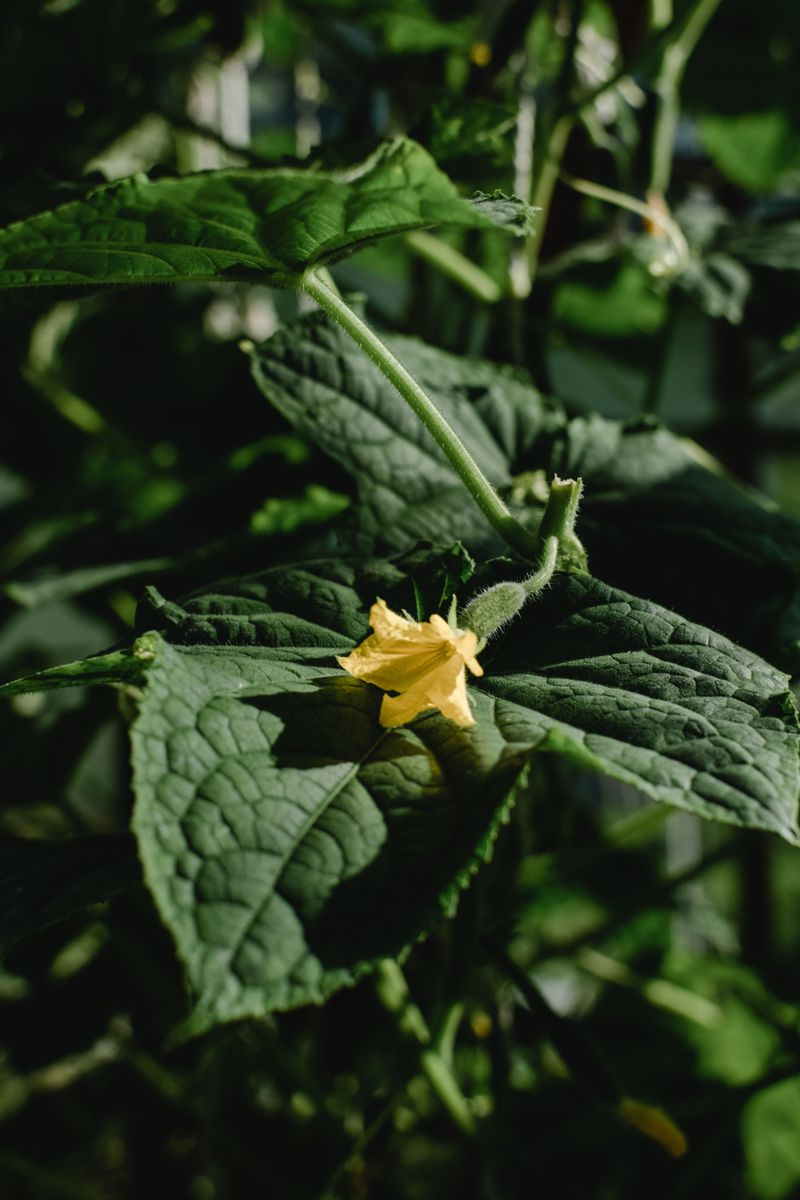
Tiny yellow flowers appear on your cucumber vines, and then, just like that, they vanish before a single fruit forms.
Flower drop is frustrating for any gardener who has been patiently waiting for harvest. Heat stress in cucumber plants is one of the top reasons this happens.
Cucumber flowers are fragile and highly sensitive to temperature swings. When daytime heat pushes past ninety degrees Fahrenheit, pollen becomes less viable.
The plant essentially gives up on reproduction during dangerous conditions. Male flowers typically drop first, which can confuse gardeners who assume something is wrong with pollination.
Female flowers, identified by the tiny cucumber-shaped base beneath the petals, will also drop when heat persists. No flowers means no fruit, plain and simple.
Bees also tend to stay home during extreme heat, which worsens the problem. Even if a flower survives, poor pollinator activity means fewer fruits set successfully.
Planting pollinator-friendly flowers nearby can help attract bees during cooler morning hours.
Try hand-pollinating early in the morning when temperatures are manageable and flowers are fresh. Use a small paintbrush to transfer pollen from male to female flowers.
Consistent watering and afternoon shade can also encourage your plant to hold onto its blooms longer and push through the heat.
3. Fruit Turns Bitter Or Misshapen
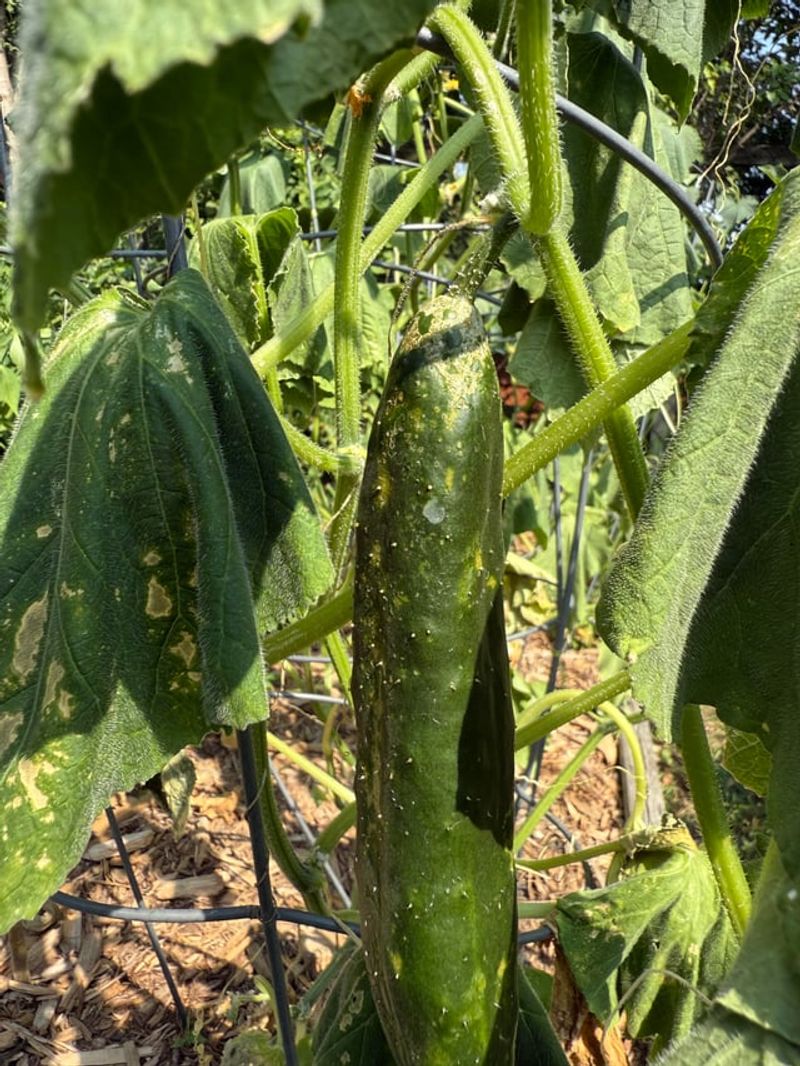
You bite into a cucumber expecting crisp and refreshing, and instead you get something noticeably bitter. Bitter, oddly shaped cucumbers are not just bad luck.
They are a clear symptom of heat stress in cucumber plants pushing the fruit through abnormal development.
Cucumbers produce a compound called cucurbitacin when stressed. Heat triggers higher production of this bitter chemical as the plant diverts energy away from fruit quality.
The result is a harvest that is technically edible but far from enjoyable. Misshapen fruits tell a different story about inconsistent watering during heat waves.
When moisture levels fluctuate dramatically, cells in the developing fruit do not grow evenly. You end up with curved, bulging, or pinched cucumbers with an uneven, irregular shape.
Keeping soil moisture consistent is the single best defense against both bitterness and deformity. Water deeply every day during hot spells rather than giving shallow, frequent sprinkles.
Deep watering encourages roots to grow downward where soil stays cooler and more stable.
Harvest cucumbers frequently during heat waves, even if they seem small. Leaving fruit on the vine too long during extreme heat speeds up stress responses.
Picking early encourages the plant to redirect energy toward new growth and healthier fruit production going forward.
4. Growth Slows Noticeably
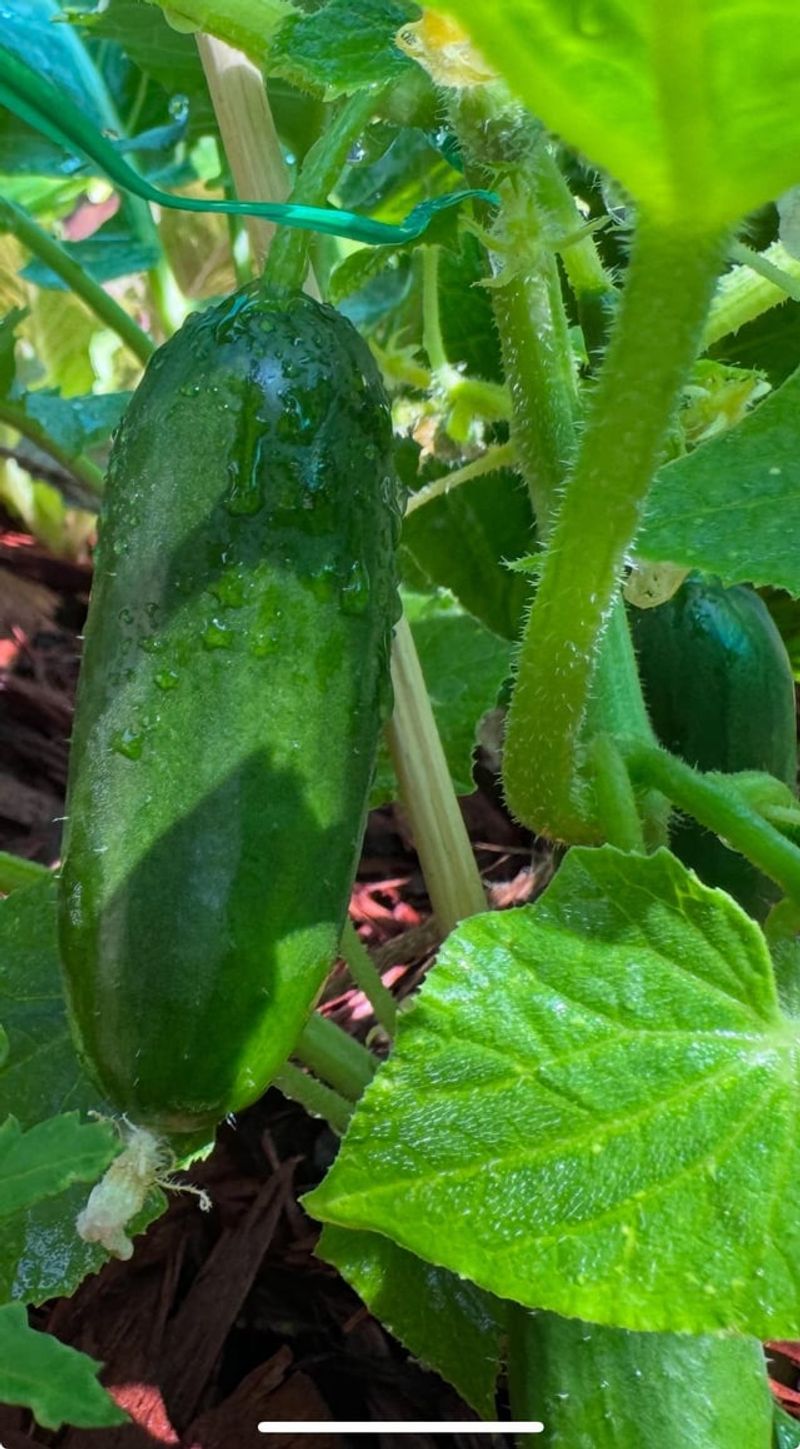
Last week your cucumber vines were racing up the trellis, and now they seem completely frozen in place. Sudden slowdowns in growth are a quiet but telling sign that something is wrong.
Heat stress in cucumber plants often puts the brakes on new development before any other symptoms appear. Plants prioritize self-protection over growth when temperatures climb too high.
Energy that would normally go toward producing new leaves and extending vines gets redirected to managing heat damage. The result looks like the plant simply stopped trying.
New leaf production slows dramatically, and existing leaves may feel thicker or leathery than usual. Tendrils that once reached eagerly for support may hang limp and unresponsive.
The whole plant can show sudden signs of stress within a day or two, with growth barely moving. Check your soil temperature if growth stalls unexpectedly.
Soil temperatures above roughly eighty-five degrees Fahrenheit can start to disrupt root function and nutrient absorption.
Roots struggling in hot soil cannot deliver what the plant needs to keep growing, even if surface conditions seem fine.
Adding organic mulch is one of the fastest fixes for overheated soil. A thick two-to-three-inch layer around the base of each plant can drop soil temperature significantly.
Combine that with deep morning watering, and you give your cucumbers the best shot at bouncing back and resuming strong growth.
5. Yellowing Appears On Older Leaves
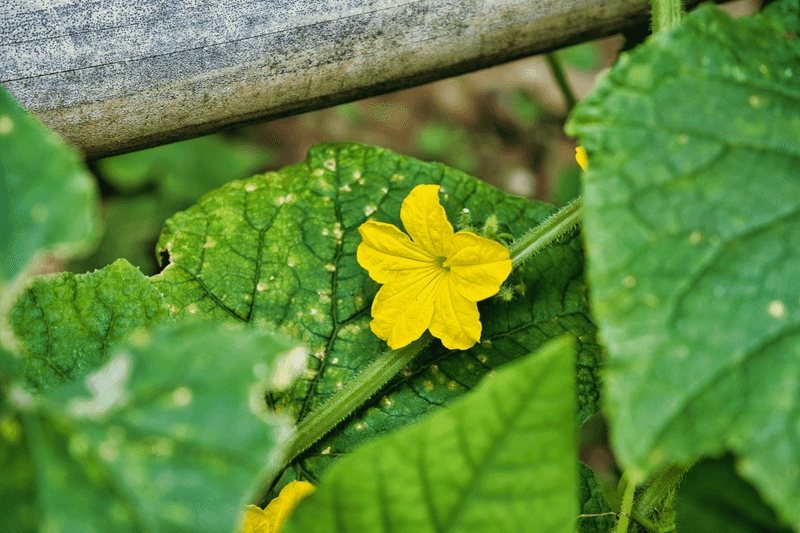
Bright yellow patches creeping across the bottom leaves of your cucumber plant are hard to ignore. It’s easy to spot, and it should get your attention quickly.
Yellowing on older, lower leaves is a classic sign of heat stress in cucumber plants, especially when it spreads fast during a heat wave.
When plants overheat, chlorophyll breaks down faster than it can be replaced. Chlorophyll is the green pigment that powers photosynthesis, so losing it means losing the plant’s ability to feed itself.
Older leaves are sacrificed first as the plant pulls resources toward younger growth. Nutrient deficiency can look similar to heat stress yellowing, which makes diagnosis tricky. The difference is timing and pattern.
Heat-related yellowing tends to appear suddenly during or after a hot stretch, while nutrient issues develop more gradually over weeks.
Check whether the yellowing follows a heat spike in your area before reaching for fertilizer.
Adding nitrogen to a heat-stressed plant can actually make things worse by pushing growth the plant cannot support. Focus first on cooling the root zone and restoring consistent moisture.
Remove severely yellowed leaves to reduce stress on the overall plant and improve airflow. Trim them cleanly at the stem using sanitized scissors.
Improving airflow around the base of the plant helps lower the ambient temperature and gives your cucumber a fighting chance to recover.
6. Blossoms Fail To Set Fruit
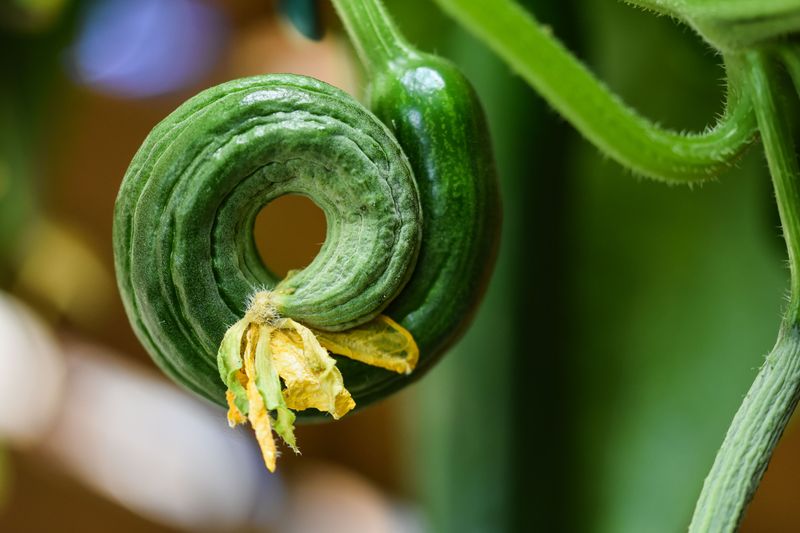
Flowers are blooming, bees are visiting, and yet not a single cucumber is forming. This frustrating situation is more common than most gardeners realize during summer heat peaks.
When blossoms fail to set fruit, heat stress in cucumber plants is almost always part of the explanation.
Successful fruit set requires viable pollen and receptive female flowers at the same time. Extreme heat damages pollen grains, making them sterile or unable to germinate properly.
Even a perfectly healthy female flower cannot produce fruit from compromised pollen. Night temperatures matter just as much as daytime highs.
Cucumbers need nights that cool below seventy degrees Fahrenheit to recover from daytime heat and prepare for pollination. Nights that stay warm prevent that recovery cycle and lead to repeated fruit set failures.
Gardeners in hot climates sometimes switch to heat-tolerant cucumber varieties to solve this problem. Varieties bred for Southern gardens or tropical conditions handle high temperatures with much better results.
Checking seed packets for heat tolerance ratings before planting can save you a lot of frustration mid-season.
Evening watering can help lower plant temperature heading into the night, giving blossoms a better chance. Water the soil directly rather than the leaves, since wet foliage overnight can encourage powdery mildew and other fungal problems in cucumbers.
Paired with morning hand-pollination, this routine gives your plants the best opportunity to finally start setting fruit.
7. Soil Dries Out Much Faster Than Usual
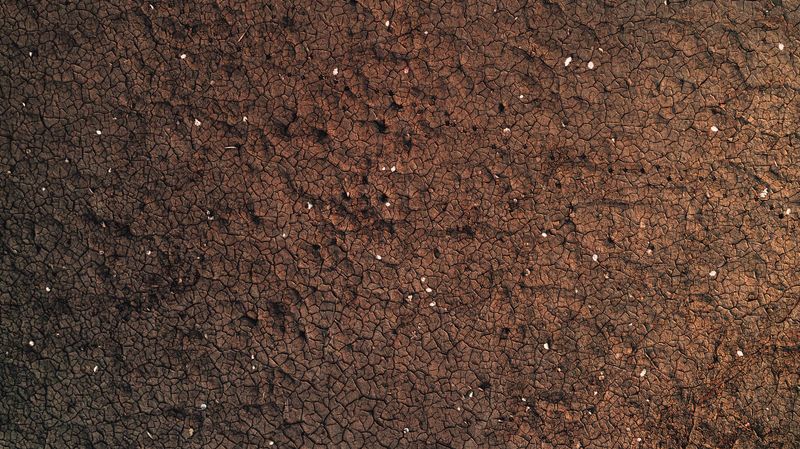
You watered your cucumbers yesterday morning, and by afternoon the soil already looks bone dry and cracked. That rapid moisture loss is not just an inconvenience.
Soil drying out unusually fast is both a cause and a symptom of heat stress in cucumber plants during summer heat waves. High temperatures increase evaporation from the soil surface at an alarming rate.
At the same time, stressed plants pull water more aggressively trying to cool their tissues through transpiration. The combination can dry out a garden bed in hours instead of days.
Checking soil moisture before watering is smarter than following a fixed schedule during hot weather. Push your finger two inches into the soil near the plant base.
If it feels dry at that depth, water immediately rather than waiting for a scheduled day. Drip irrigation is a highly effective tool for managing soil moisture during heat waves.
It delivers water directly to the root zone slowly and consistently, reducing surface evaporation dramatically.
Even a basic soaker hose setup can make a significant difference in how long your soil stays moist. Combining drip irrigation with a thick mulch layer creates a powerful moisture-retention system.
Wood chips, straw, or shredded leaves all work well and break down over time to improve soil quality.
Keeping roots consistently moist is the foundation of protecting cucumbers from heat stress all season long.
8. Curling Or Cupping Shows On Leaf Edges
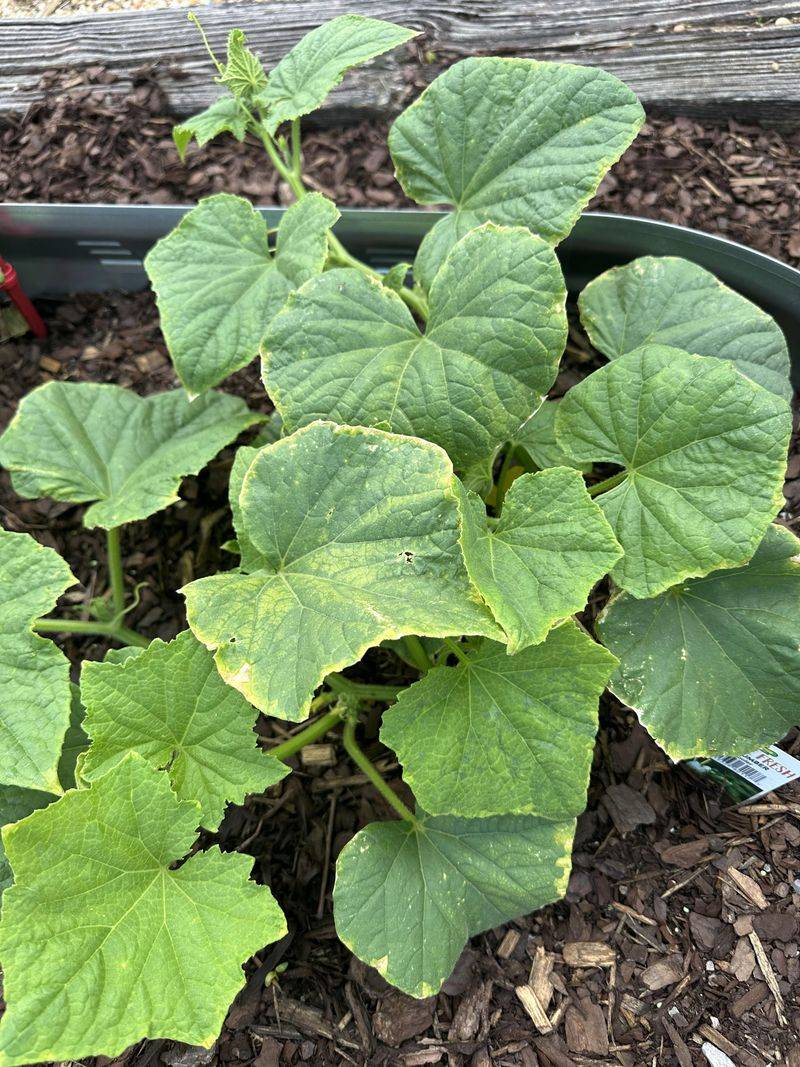
Run your hand along a cucumber leaf and feel the edges curling upward like a taco shell baking in the sun. That unusual shape is not a quirk of the variety.
Leaf curling and cupping are physical responses to heat stress in cucumber plants trying to protect themselves from intense radiation.
When leaves curl upward, they reduce the surface area exposed to direct sunlight. Less surface area means less heat absorption and slower water loss. It is a natural defense response, but it also signals that your plant is under serious pressure.
Cupping differs slightly from general wilting in that the leaf structure itself changes shape rather than just going limp.
The edges fold inward or roll under, and the leaf may feel thicker or stiffer than normal. Both curling and cupping can occur on the same plant at the same time.
Spider mites sometimes cause similar leaf curling, so inspect the undersides of affected leaves carefully. Tiny dots or fine webbing indicate pest activity rather than heat damage alone.
Treating both issues simultaneously gives your plants the fastest path to recovery. Providing afternoon shade is the most direct solution for curling leaves caused by heat.
A simple shade cloth frame built over your cucumber bed can often reduce leaf temperature by ten degrees or more.
Consistent moisture paired with reduced sun exposure helps leaves relax back to their natural shape and keeps your cucumbers producing strong through the heat.