The Best Time Of Day To Move Houseplants Outdoors In Michigan Once Summer Heat Arrives
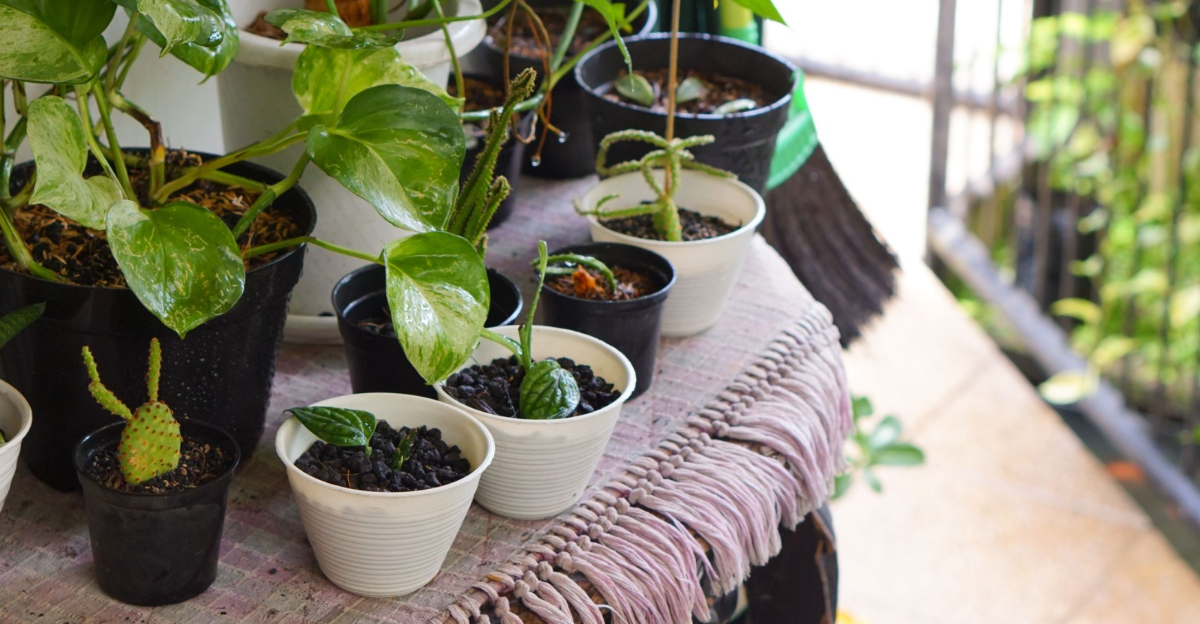
The first warm Michigan morning of the year is genuinely exciting, and the houseplants lined up on the windowsill have been waiting for this moment just as long as everyone else. The instinct is to carry them all straight outside and let them soak up the season.
That instinct, however enthusiastic, tends to end badly.
Leaves that have spent months adapting to the soft, filtered light of an indoor window are not ready for a Michigan June afternoon in full sun, and they will say so loudly and irreversibly within a day or two.
Early morning is the right window for moving plants out, bright shade is the right starting spot, and gradual acclimation over several days is what actually sets houseplants up to thrive outdoors rather than just survive the shock of getting there.
1. Early Morning Is The Safest Move
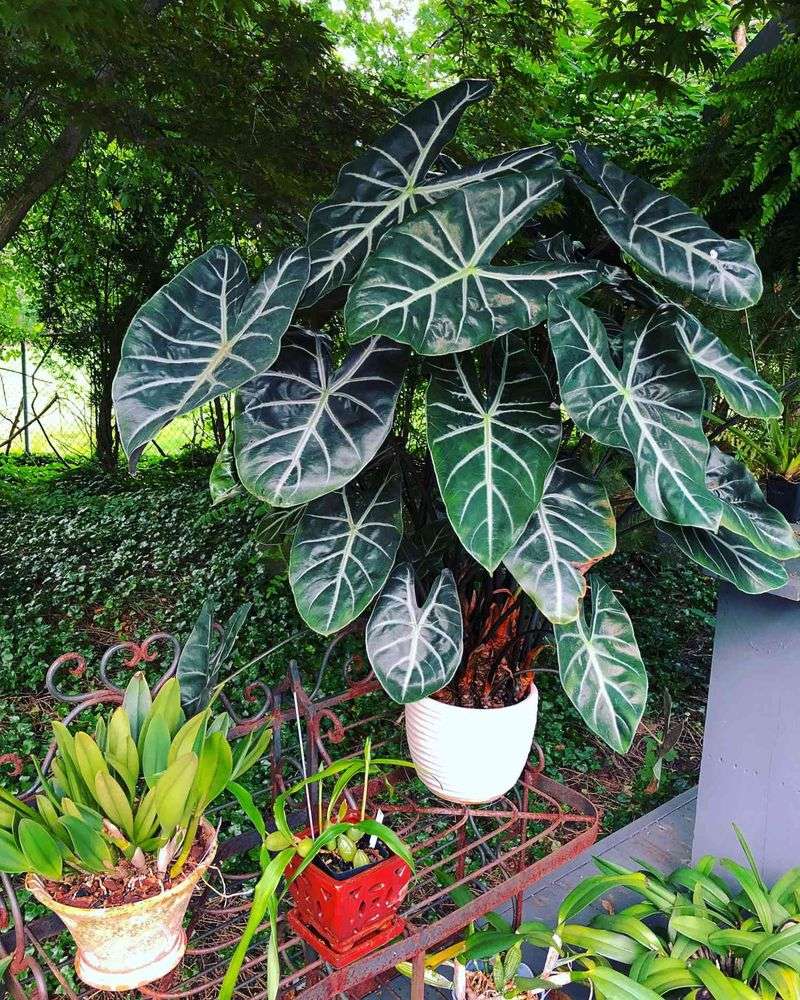
Warm patio boards that feel cool underfoot in the early hours are one of the best signs that the timing is right.
Early morning, roughly between 6 a.m. and 9 a.m., offers Michigan plant owners a narrow window when outdoor temperatures are still mild, humidity tends to be higher, and direct sun has not yet reached its peak intensity.
Plants moved during this window experience far less immediate stress than those carried outside at noon.
Indoor houseplants, especially tropical foliage varieties, develop soft leaves adapted to filtered window light.
Stepping outside into even moderate morning sun is a significant change, but it is far more forgiving than exposure to the harsh midday glare that arrives later in a Michigan summer.
Morning air also tends to be calmer, which means less wind stress on delicate leaves during those first critical hours outdoors.
Starting the outdoor transition in the early morning also gives you time to observe how the plant responds before the day gets busy.
If leaves begin to look pale, wilted, or slightly curled within the first hour, moving the plant to deeper shade is much easier at 7 a.m. than at 2 p.m. when the heat is bearing down.
Think of early morning as a soft handshake between your houseplant and the Michigan summer rather than a sudden introduction.
2. Bright Shade Helps Plants Adjust
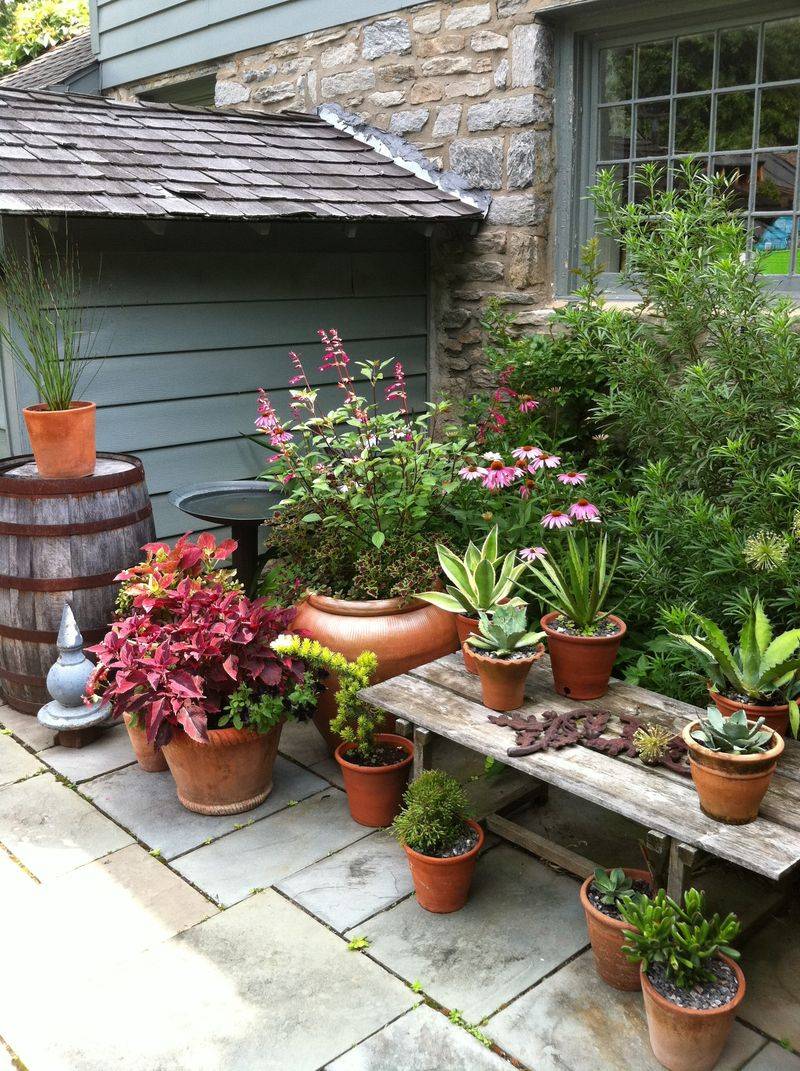
A covered porch or the shaded side of a house can feel completely different from a sunny deck, even on the same Michigan afternoon. That difference in light intensity is exactly what houseplants need during their first days outdoors.
Bright shade, meaning a spot that receives good ambient light without direct sun rays hitting the leaves, gives plants a chance to adjust their internal systems before facing stronger exposure.
Most indoor houseplants are grown under conditions that involve indirect light from windows. Even a south-facing window delivers far less light than an open outdoor setting in full sun.
Placing a plant directly into full Michigan summer sun can overwhelm the leaf tissue, causing bleaching, browning edges, or a washed-out appearance that signals sun stress.
Bright shade acts as a middle ground that keeps light levels interesting without being punishing.
Your Michigan Garden Changes Every Week. Your Plan Should Too.
Gardening in Michigan changes quickly throughout the season. Every Friday you’ll receive a simple weekly plan showing exactly what to plant, prune, fertilize, harvest, and protect so you never miss the right timing.
Good spots for bright shade in a typical Michigan yard include the north side of the house, beneath a large deciduous tree with an open canopy, or under a pergola with slatted overhead coverage.
Covered porches work especially well because they block direct overhead sun while still allowing plenty of reflected and ambient light.
Starting plants in these locations for the first week or two before gradually moving them into brighter positions gives leaves time to thicken and adjust, which makes the whole outdoor season go more smoothly for both the plant and the person caring for it.
3. Midday Sun Can Scorch Leaves
Hot deck boards at noon tell you everything you need to know about what the sun is doing to exposed surfaces in a Michigan summer. If the wood feels burning underfoot, the light intensity hitting plant leaves is equally intense.
Midday sun, typically from around 11 a.m. to 3 p.m., carries the highest UV intensity and heat of the day, and houseplants with soft indoor-adapted leaves are especially vulnerable during this window.
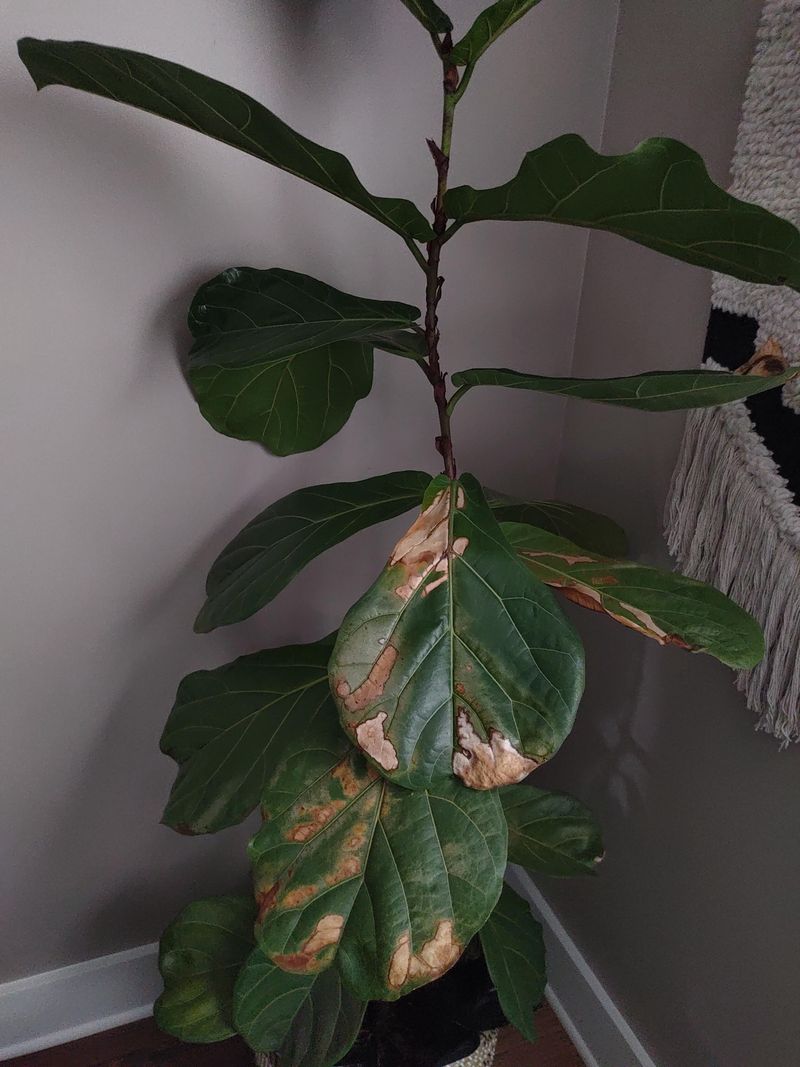
Leaf scorch happens when leaf tissue loses moisture faster than the roots can replace it, and when light intensity exceeds what the plant’s chlorophyll can process.
The result shows up as pale tan patches, crispy brown edges, or large bleached sections across leaves that were perfectly healthy indoors.
Once scorched, those patches do not recover, and the plant must put energy into growing new leaves to compensate.
Avoiding midday moves is one of the simplest ways to protect houseplants during the outdoor transition.
If a plant accidentally ends up in full sun around noon, moving it to shade immediately and giving it a thorough watering can help reduce further stress.
Michigan summers can be deceptively intense, especially in southern parts of the state where July temperatures and solar angles combine to create very strong midday conditions.
Urban areas with reflective concrete or brick surfaces can feel even hotter, which means balcony and patio plants in cities like Grand Rapids or Detroit face added midday heat challenges.
4. Nighttime Temperatures Still Matter
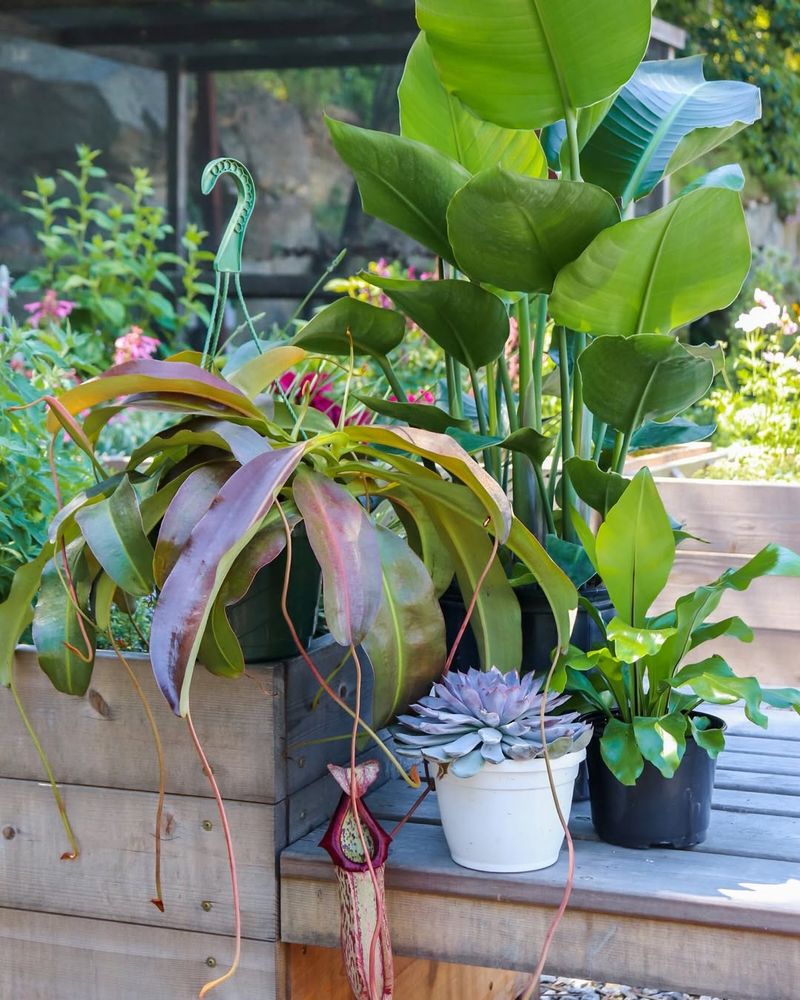
Even after a blazing Michigan summer day, nighttime can bring temperatures that surprise plant owners who assumed warm weather had fully arrived.
Many tropical houseplants are sensitive to temperatures below 50 to 55 degrees Fahrenheit, and Michigan cool nights can persist well into June.
Northern parts of the state and areas near the Great Lakes are especially prone to fresh lake breezes that keep evenings cooler than expected well into early summer.
A plant moved outdoors during a warm afternoon may look fine by sunset and then show chilling symptoms by the next morning.
Signs of cold stress in tropical houseplants include darkened or water-soaked leaf patches, wilting that does not recover with watering, and leaf drop.
These symptoms do not always appear immediately, which makes it easy to miss the connection between a cool night and the plant’s declining appearance days later.
Checking overnight low temperatures before committing to leaving houseplants outside is a practical habit worth building early in the season.
Many Michigan gardeners use local weather apps or National Weather Service forecasts to track nighttime lows during late spring and early summer.
If temperatures are expected to drop below 55 degrees Fahrenheit, bringing sensitive tropical plants back indoors for the night is a reasonable precaution.
Some plants, like succulents or certain herbs, tolerate cooler nights better than others, but most indoor tropicals appreciate nighttime temperatures that stay comfortably above that threshold throughout the outdoor season.
5. Wind Protection Reduces Stress
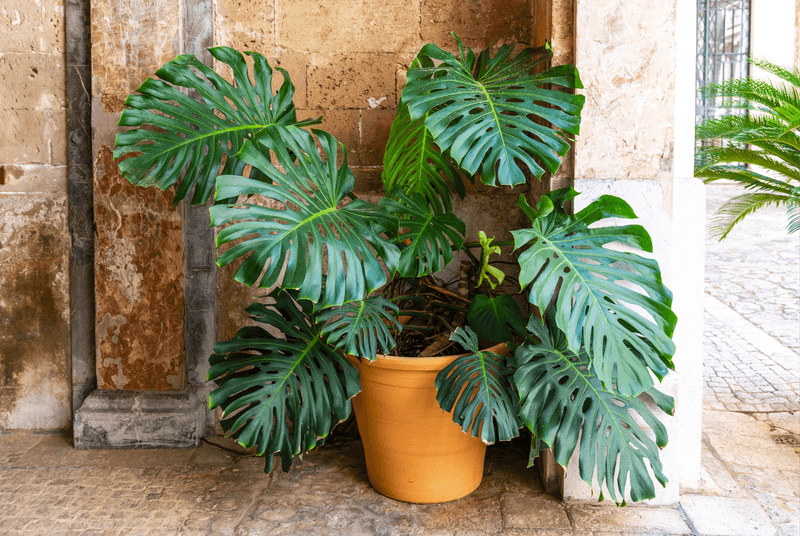
Breezy afternoons are one of Michigan’s most common summer features, and while a gentle breeze feels refreshing to a person sitting on the porch, it can be genuinely stressful for houseplants that have spent months in the still air of a living room or sunroom.
Indoor plants are not conditioned to handle regular wind exposure, and their leaves, stems, and root systems need time to adjust to moving air before facing a full Michigan afternoon gust.
Wind increases the rate at which moisture evaporates from both the soil and the leaf surface. A container plant sitting in a breezy spot can dry out significantly faster than the same plant sitting in a calm indoor environment.
This is especially true for plants in lightweight plastic or small terracotta pots, which lose moisture quickly under outdoor conditions.
Wind also physically stresses stems and petioles, sometimes causing small tears or bruising that leave entry points for disease.
Placing newly transitioned houseplants near a wall, fence, or hedge that breaks the prevailing wind can make a noticeable difference in how well they settle into outdoor life.
Covered porches with partial enclosures work particularly well because they reduce both wind and intense sun simultaneously.
In areas of Michigan that experience regular lake-effect breezes or open-yard wind exposure, this kind of sheltered placement is especially valuable during the first several weeks of outdoor living for indoor plants.
6. Gradual Acclimation Prevents Shock
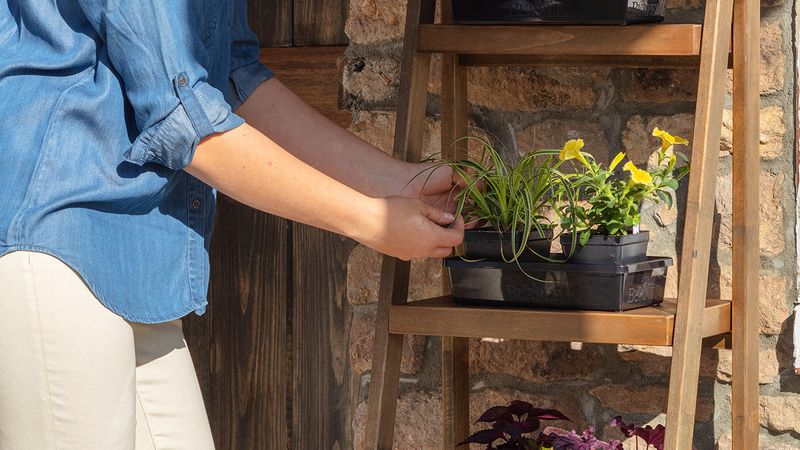
Soft indoor leaves are genuinely different from leaves that have grown under outdoor conditions. Plants that live inside near a window develop leaf structures suited to lower light, steadier temperatures, and still air.
Carrying one of these plants outside and leaving it there for the entire summer without any gradual introduction is asking a lot of the plant’s ability to adapt, and the transition often shows up in stressed or damaged foliage within the first few days.
A gradual acclimation process typically involves starting with short outdoor sessions of one to two hours in a shaded spot, then slowly increasing the time and light exposure over one to three weeks.
This approach gives leaves a chance to adjust their internal chemistry, thicken their outer layer slightly, and respond to changing moisture and light conditions at a manageable pace.
The process mirrors what commercial growers call hardening off, which is standard practice when transitioning any plant from a protected environment to outdoor conditions.
In Michigan, where summer conditions vary widely between a shaded northern porch and a sun-drenched southern patio, the acclimation timeline may need to be adjusted based on the specific spot where the plant will ultimately live.
Plants heading to a fully shaded porch may need only a week or so of gradual adjustment, while those destined for a partly sunny deck benefit from a longer and more careful transition.
Patience during this stage pays off over the entire outdoor growing season.
7. Containers Dry Faster Outdoors
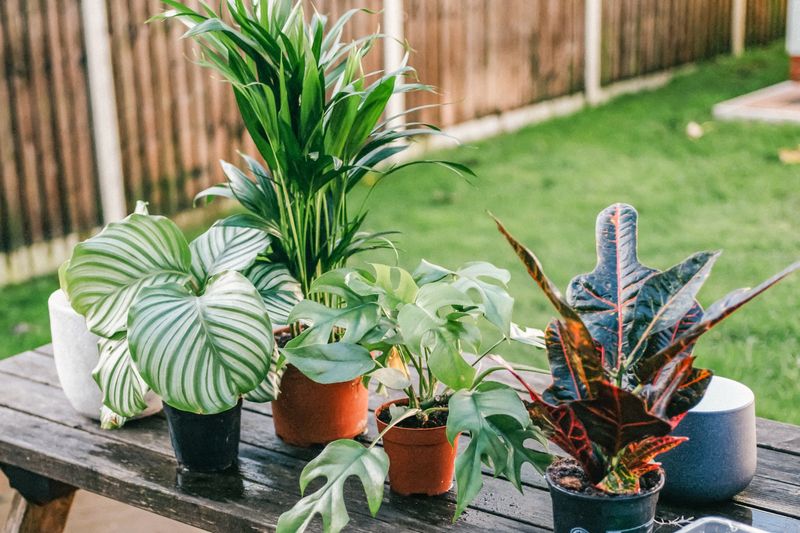
Potting mix that stays moist for a week indoors can dry out in just a day or two once a container moves outside into Michigan summer conditions.
The combination of higher temperatures, direct or indirect sun, moving air, and lower relative humidity all accelerate moisture loss from container soil in ways that catch many plant owners off guard during the first weeks of outdoor placement.
Terracotta pots are especially prone to fast drying because the porous clay walls allow moisture to evaporate from the sides of the pot as well as from the soil surface.
Lightweight plastic and fabric grow bags also dry quickly in breezy or sunny conditions.
Even glazed ceramic pots, which hold moisture better, can dry faster outdoors than expected during a stretch of hot Michigan weather in July or August.
Checking soil moisture more frequently than you would indoors is one of the most practical adjustments to make when houseplants move outside. Pressing a finger an inch or two into the soil gives a quick and reliable moisture reading.
Some plant owners find that outdoor container plants need water every one to two days during peak summer heat, compared to once a week or less indoors.
Using saucers under pots can help retain some moisture, but be mindful that standing water for extended periods can create root health issues.
Staying attentive to soil moisture is one of the most important parts of outdoor container care in Michigan summers.
8. Evening Works If Morning Is Missed
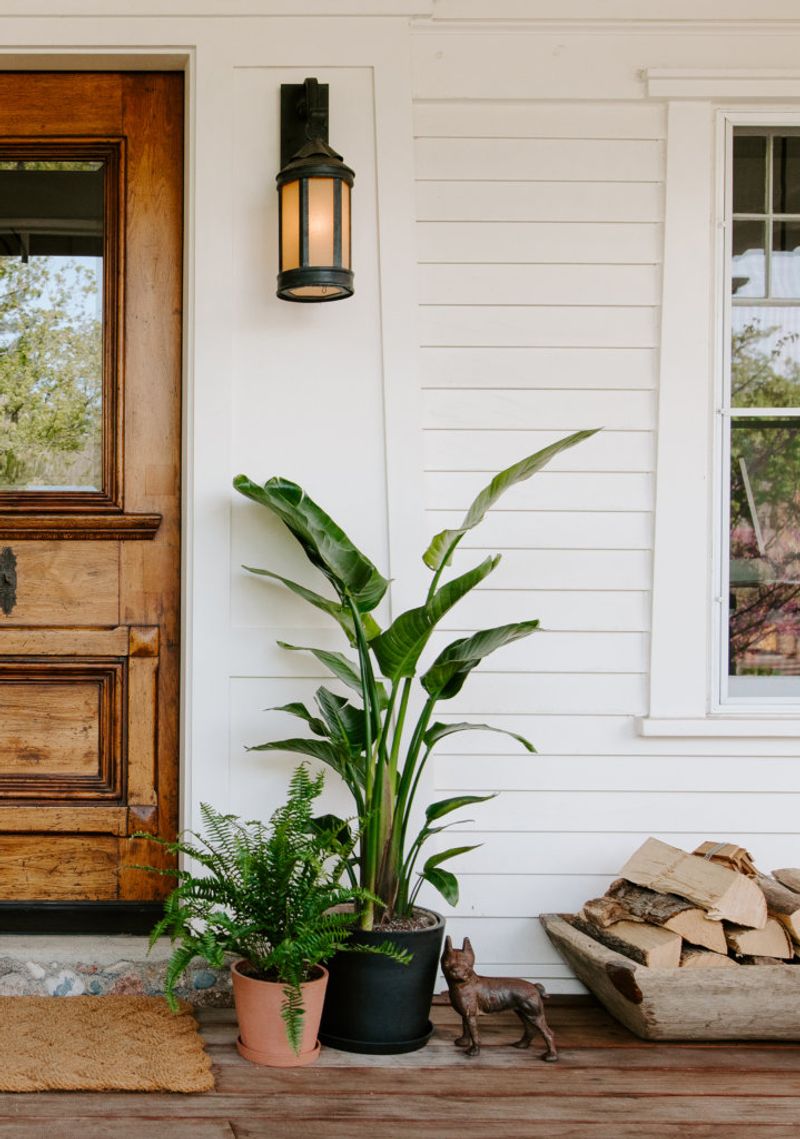
Sometimes the morning slips by in a rush of school drop-offs, work calls, or a busy Michigan summer schedule, and the best-laid plant-moving plans get pushed to later in the day.
Early evening, roughly from 5 p.m. to 7 p.m., is a reasonable backup window that avoids the most intense heat of the day while still giving plants a chance to settle before dark.
It is not quite as gentle as early morning, but it is a far better option than moving plants during the midday heat peak.
By early evening, outdoor temperatures in Michigan have typically begun to drop from their afternoon high, direct sun angles are lower and less intense, and the air often calms down compared to the breezy mid-afternoon hours.
Plants moved during this window have several hours of cooling conditions ahead before nightfall, which gives them a gentler first experience outdoors than a noon move would provide.
One thing to keep in mind with evening moves is that soil moisture may already be low if the pot spent time drying out indoors, and watering right after placing the plant outside helps it start the night in good condition.
Also, double-check the overnight forecast before deciding to leave the plant outside.
If temperatures are expected to stay comfortably above 55 degrees Fahrenheit, an evening placement can work well. If a cool Michigan night is coming, it may be smarter to wait until the following morning when conditions are more favorable.