This Elegant Ornamental Grass Is Taking Over Michigan Gardens For Good Reason
Something has been quietly showing up in Michigan front yards, side beds, and garden borders over the past few seasons, and once you notice it, you start seeing it everywhere.
One particular ornamental grass has been spreading from neighbor to neighbor the way good plants tend to, through cuttings shared over fences, divisions dropped off at doorsteps, and the kind of word of mouth that no garden center marketing can replicate.
It moves through neighborhoods because it genuinely performs. Michigan winters don’t rattle it.
Summer heat doesn’t flatten it. It holds its shape through the whole season, catches light in a way that makes the rest of the garden look more intentional around it, and brings a texture that most flowering plants simply can’t offer.
Gardeners who tried it once haven’t pulled it out. That alone tells you something worth paying attention to.
1. Prairie Dropseed
Meet Sporobolus heterolepis, the botanical name for prairie dropseed, a native grass that has been quietly winning over Michigan gardeners season after season. This is not some trendy import from far away.
Prairie dropseed is a true Midwestern native, naturally found across the Great Plains and Great Lakes region, which means it already knows how to handle everything Michigan throws at it.
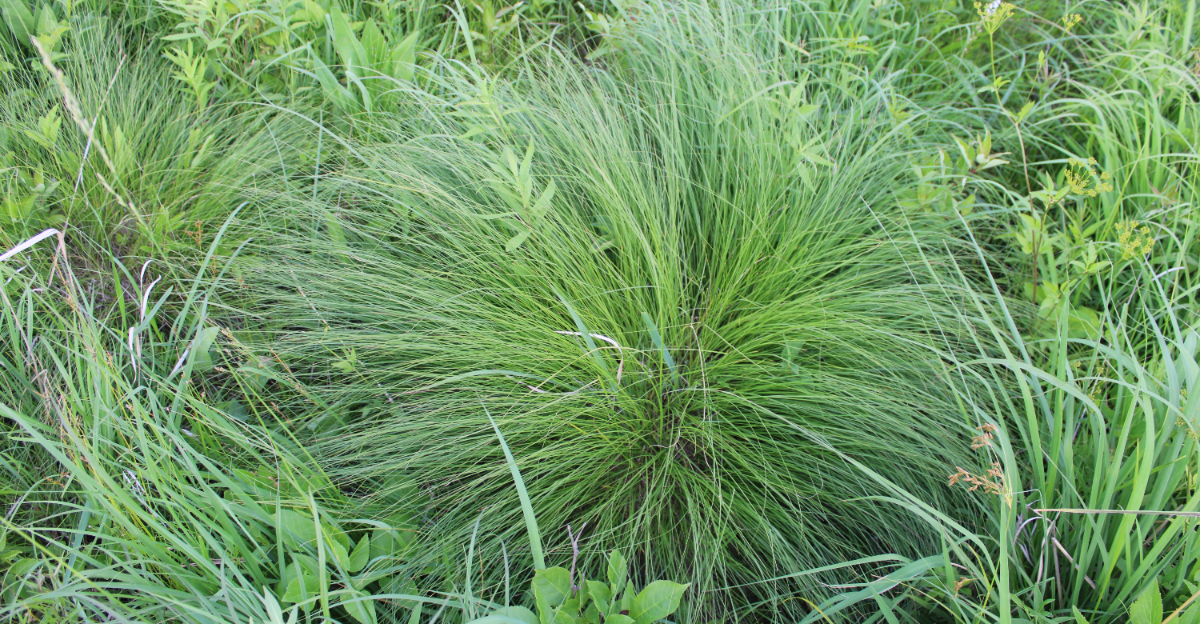
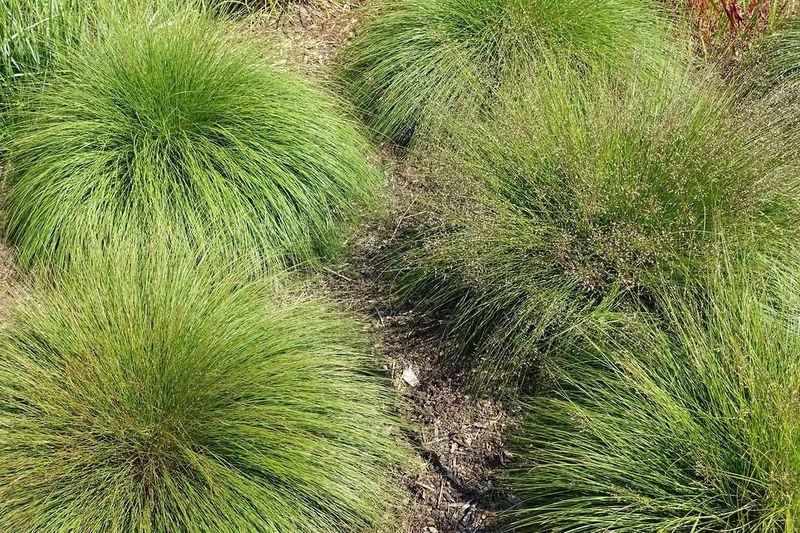
What makes it stand out from the crowd is a combination of elegance and toughness that few plants can match. The foliage is incredibly fine-textured, forming soft, arching mounds that look more like a flowing fountain than a typical grass clump.
Gardeners who plant it often say it adds a sense of movement and lightness that heavier perennials simply cannot offer.
Beyond looks, prairie dropseed earns its place through sheer reliability. Once established, it handles cold winters, dry spells, and average soils without complaint.
It rarely needs fertilizing, almost never requires staking, and spreads slowly enough to stay right where you planted it. For Michigan gardeners who want beauty without constant babysitting, this grass checks every box on the list.
2. It Stays Neat Without Taking Over The Garden
Some ornamental grasses are beautiful but come with a warning label. They spread aggressively, self-seed everywhere, and before long they have taken over the entire bed.
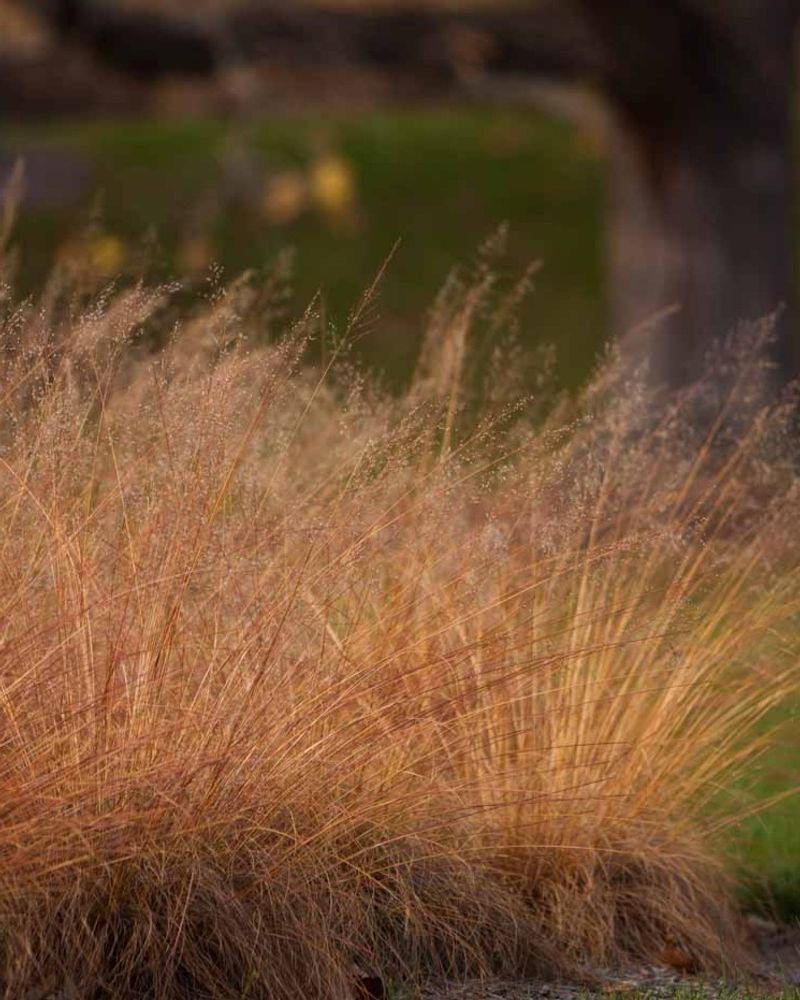
Prairie dropseed is refreshingly different. It grows in tidy, rounded clumps that hold their shape year after year without trying to colonize the rest of your yard.
A mature clump typically reaches about two to three feet wide and one to two feet tall in its foliage stage, with flower stalks rising a bit higher in late summer. That predictable size makes it genuinely easy to plan around.
You can place it along a path, at the front of a border, or in a mass planting without worrying that it will outgrow the space within a couple of seasons.
Spacing plants about two to three feet apart gives each clump room to develop its natural rounded shape. Crowding them too close can reduce air circulation and make the planting look messy rather than polished.
Your Michigan Garden Changes Every Week. Your Plan Should Too.
Gardening in Michigan changes quickly throughout the season. Every Friday you’ll receive a simple weekly plan showing exactly what to plant, prune, fertilize, harvest, and protect so you never miss the right timing.
Prairie dropseed actually looks its best when given a little breathing room, so each mound can show off its graceful, fountain-like form.
For gardeners who appreciate order and elegance without spending weekends pulling unwanted plants, this grass is a genuinely satisfying choice.
3. It Handles Michigan Winters Without Fuss
Michigan winters are not gentle. Temperatures regularly drop well below freezing, and some regions see heavy snowfall from November through March.
A lot of ornamental plants struggle under those conditions, but Sporobolus heterolepis handles cold weather like it was born for it, and honestly, it was.
Prairie dropseed is rated hardy to USDA Zone 3, which means it can survive temperatures as low as minus forty degrees Fahrenheit. That is far colder than anything Michigan typically experiences, even in the Upper Peninsula.
The plant achieves this toughness through a deep, fibrous root system that anchors it securely in the soil and stores energy through the coldest months. When spring arrives, those roots send up fresh new growth reliably, season after season.
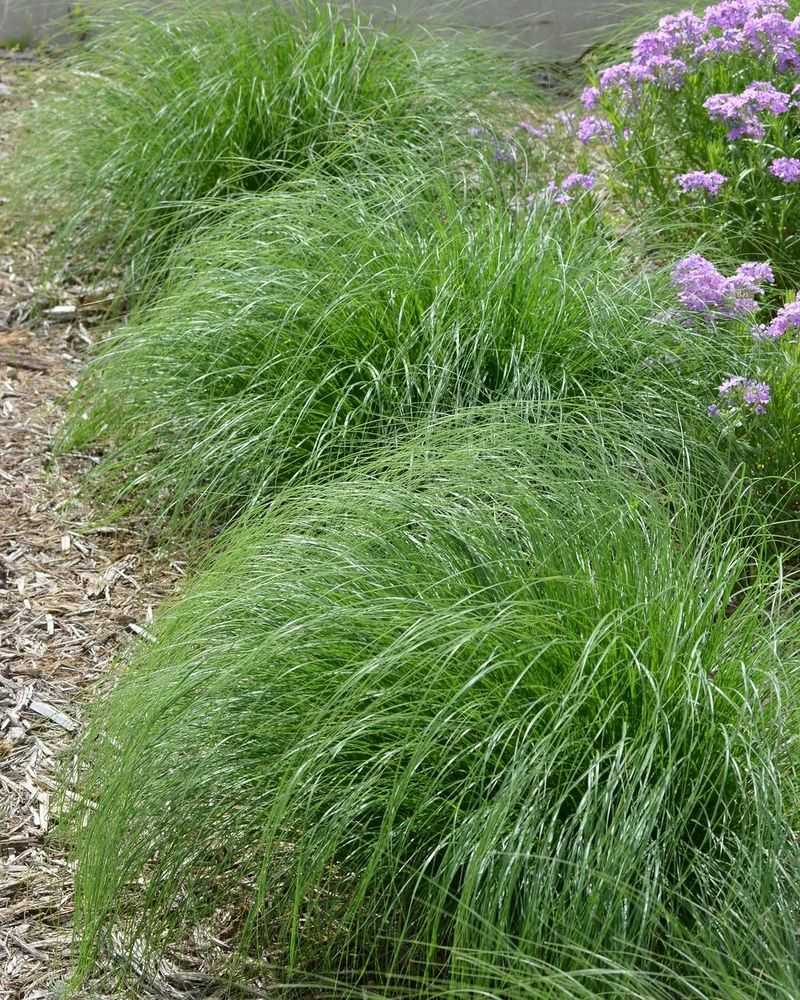
One of the best things about its winter performance is that the foliage does not collapse or look beaten down. The clumps turn a warm golden tan color in fall and hold that upright shape through snow and ice, adding real visual interest to the winter garden.
Many Michigan gardeners say their prairie dropseed actually looks more beautiful in January than some plants do in July. That kind of year-round reliability is rare, and it is a big reason why this grass keeps growing in popularity across the state.
4. It Thrives In Full Sun And Dry Soil
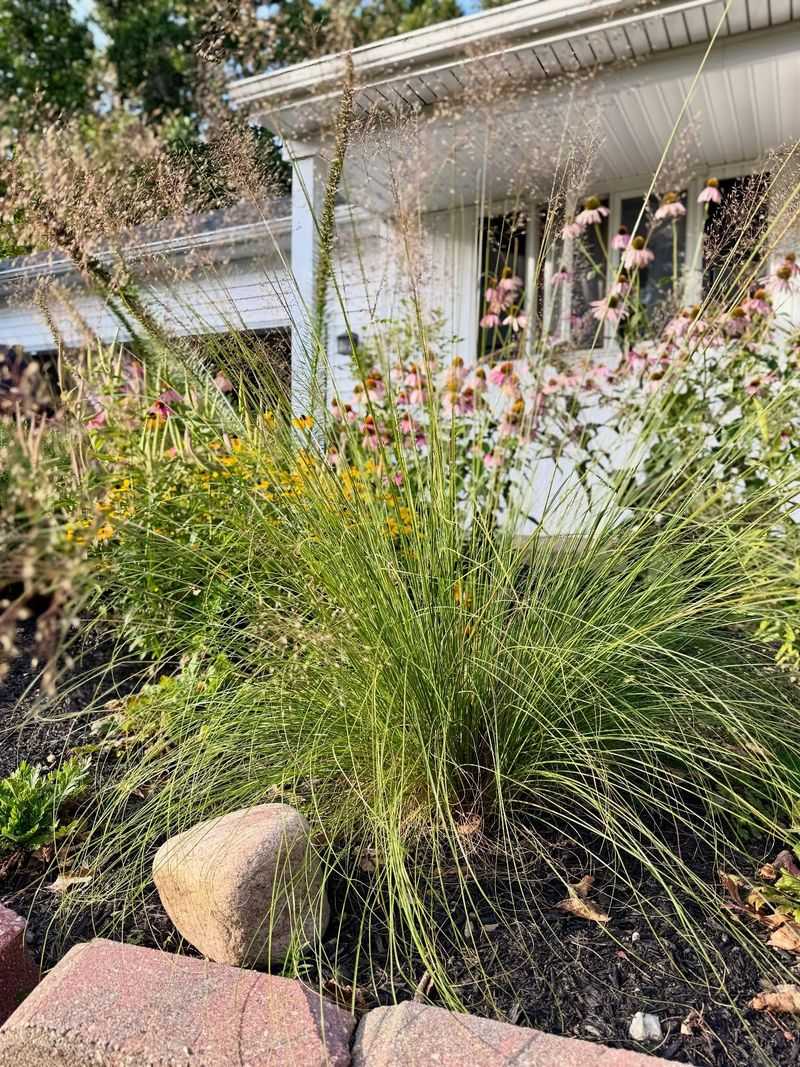
Not every garden has rich, moist soil, and that is perfectly fine when you are growing prairie dropseed. This grass actually prefers leaner conditions over the lush, heavily amended beds that other perennials demand.
Full sun and well-drained soil are its two main requirements, and most Michigan gardens can deliver both without much effort.
Sandy soils, which are common in many parts of Michigan, are close to ideal for prairie dropseed. The grass roots move easily through looser soil, and the fast drainage keeps the crown from sitting in moisture during wet periods.
Average garden soil works well too, as long as water does not pool around the base of the plant after heavy rain. The one condition to watch for is heavy clay.
If your soil stays soggy for days after a storm, it is worth mixing in some coarse sand or compost before planting to improve drainage.
Raised beds and sloped areas are also excellent spots for prairie dropseed because both naturally encourage water to move away from the roots.
Rock gardens, gravel pathways, and sunny slopes where other plants struggle are exactly the kinds of places where this grass shines brightest.
Think of it as the plant that fills in the tough spots of your yard and somehow makes them look intentional and beautiful at the same time.
5. It Looks Beautiful From Summer Through Winter
Four-season interest is something every gardener dreams about but rarely achieves. Prairie dropseed is one of those special plants that genuinely earns that description without any exaggeration.
From the moment new growth emerges in spring to the golden clumps standing in winter snow, there is always something worth looking at.
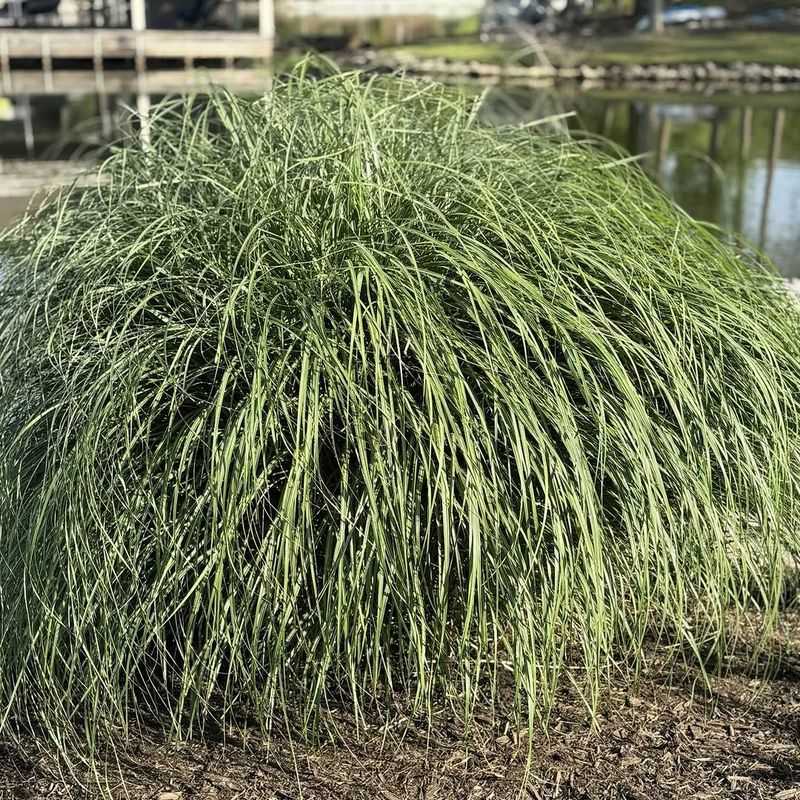
Through summer, the fine-textured foliage stays a rich, medium green, forming soft mounds that catch the breeze and add movement to the garden.
In late summer, airy flower panicles rise above the foliage on slender stems, creating a cloud-like effect that is genuinely breathtaking when backlit by morning or evening sun.
The flowers carry a subtle fragrance often described as similar to buttered popcorn or fresh cilantro, which surprises visitors walking nearby for the first time.
As temperatures cool in fall, the entire plant transforms into warm shades of orange, copper, and gold. Few ornamental grasses put on a fall color show this rich or this long-lasting.
When winter arrives and the color fades to a soft tan, the upright clumps hold their structure beautifully against snow and frost. That winter silhouette adds texture to an otherwise bare garden and gives birds a place to shelter and forage.
Prairie dropseed does not just survive the seasons in Michigan, it performs in every single one of them.
6. It Supports Pollinators And Native Garden Ecology
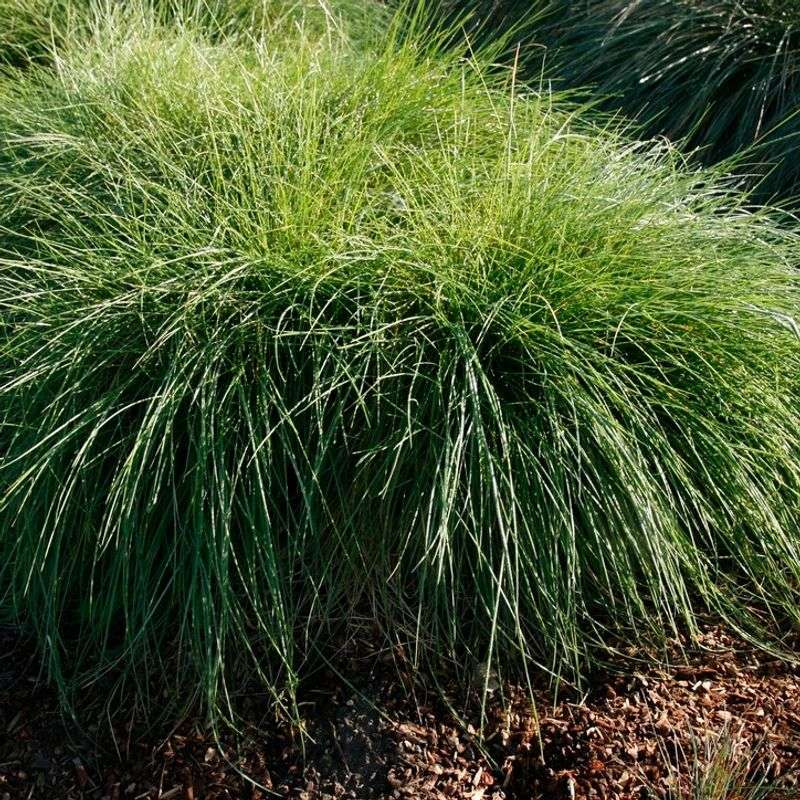
Choosing native plants is one of the most impactful decisions a Michigan gardener can make for local wildlife, and prairie dropseed is a standout contributor to garden ecology.
Because it evolved alongside native insects, birds, and other wildlife over thousands of years, it offers a level of ecological value that non-native ornamental grasses simply cannot match.
The airy flowers that bloom in late summer attract beneficial insects, including native bees and small pollinators that move through the garden foraging for pollen and nectar.
The dense clumps of foliage provide shelter and nesting material for ground-nesting insects and small birds.
In fall, the seed heads become a food source for finches and sparrows, which can often be spotted picking through the dried panicles on crisp October mornings.
Prairie dropseed fits naturally into pollinator gardens, rain gardens, and native plant landscapes where the goal is to create habitat alongside beauty.
It works especially well as a structural grass layered among blooming native perennials, giving the planting a naturalistic feel that mimics the open prairies this plant originally called home.
Gardeners who want their yards to do more than just look nice will find prairie dropseed to be one of the most rewarding plants they can grow. It gives back to the ecosystem with every season it stands in the ground.
7. It Needs Less Water Than Many Traditional Perennials
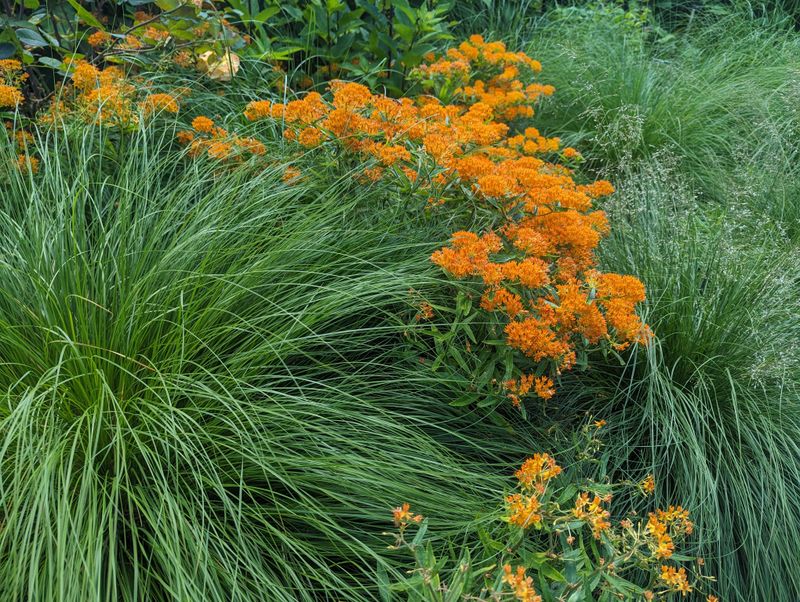
Water bills, drought restrictions, and the general hassle of keeping a garden irrigated through a hot Michigan summer are real concerns for a lot of homeowners.
Prairie dropseed offers a genuinely practical solution because once it establishes itself, it handles dry conditions with impressive ease.
The first growing season is the one time this grass needs consistent attention. Watering once or twice a week during dry stretches in year one helps the roots get deep and strong.
Think of it as an investment period. You are putting in a little extra effort upfront so the plant can take care of itself for years to come.
After that first season, most gardeners find they rarely need to water prairie dropseed at all during a typical Michigan summer.
Mature plants develop deep root systems that reach moisture far below the soil surface, making them resilient even during extended dry periods.
This drought tolerance is especially valuable in sandy-soil areas of Michigan, where water moves through the ground quickly and shallow-rooted plants often struggle.
Prairie dropseed does not just survive dry conditions, it actually seems to settle in and look more at home when the sun is hot and the rain is scarce.
Replacing thirsty annuals and high-maintenance perennials with this grass can meaningfully reduce how much time and water you spend keeping your garden alive each summer.
8. It Pairs Beautifully With Michigan Native Flowers
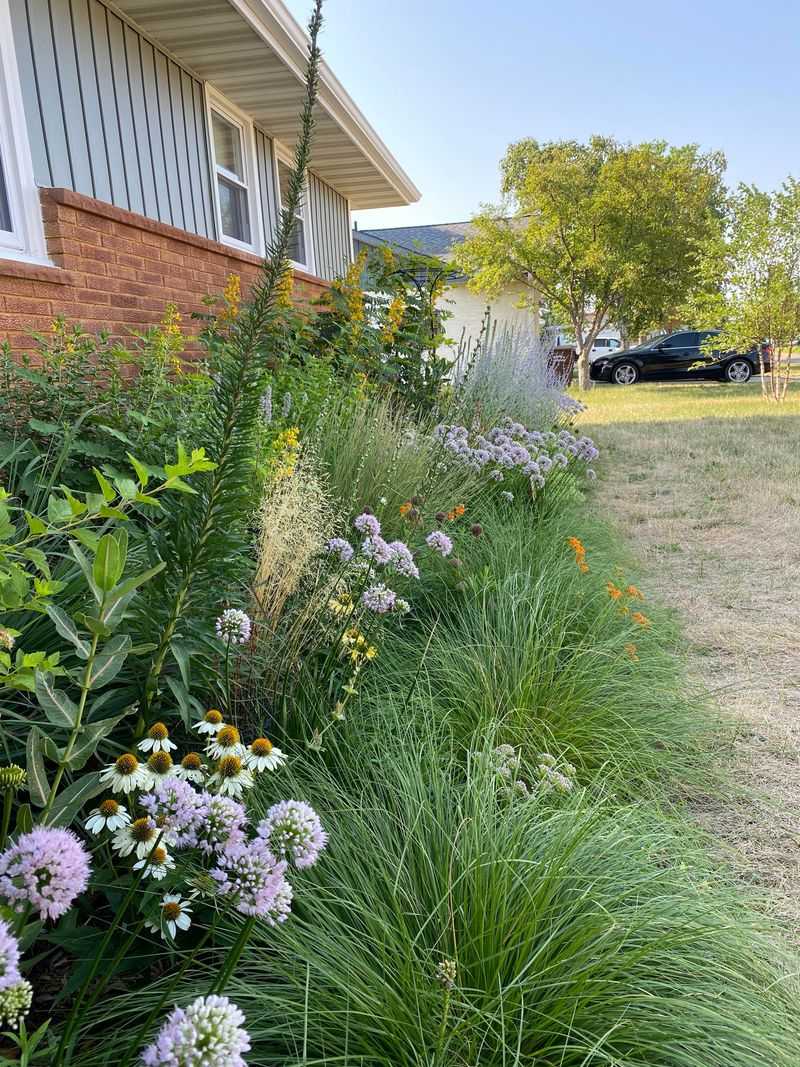
One of the most exciting things about prairie dropseed is how well it plays with other plants.
Its fine, airy texture creates the perfect contrast against bold-flowered native perennials, and because it shares similar growing preferences with many Michigan natives, building a cohesive, low-maintenance planting is genuinely straightforward.
Purple coneflower is a classic pairing that works on every level. The rich pink blooms stand out dramatically against prairie dropseed’s soft green foliage, and both plants thrive in full sun with well-drained soil.
Wild bergamot brings lavender-purple flowers and a wonderful fragrance to the mix, blooming right around the same time as prairie dropseed’s airy seed heads emerge in late summer.
The combination has a natural, meadow-like feel that looks designed but requires almost no fussing.
Butterfly weed adds brilliant orange to the palette, attracting monarch butterflies while harmonizing beautifully with the warm fall tones of prairie dropseed.
Black-eyed Susan rounds out the color story with cheerful yellow blooms that light up the garden from midsummer through fall.
All four of these companion plants prefer the same sunny, well-drained conditions that prairie dropseed favors, which means you are building a plant community where everyone thrives together.
Grouping these plants in drifts creates a vibrant, wildlife-friendly garden that looks polished from June all the way through October.
9. It Only Needs One Main Cleanup Each Year
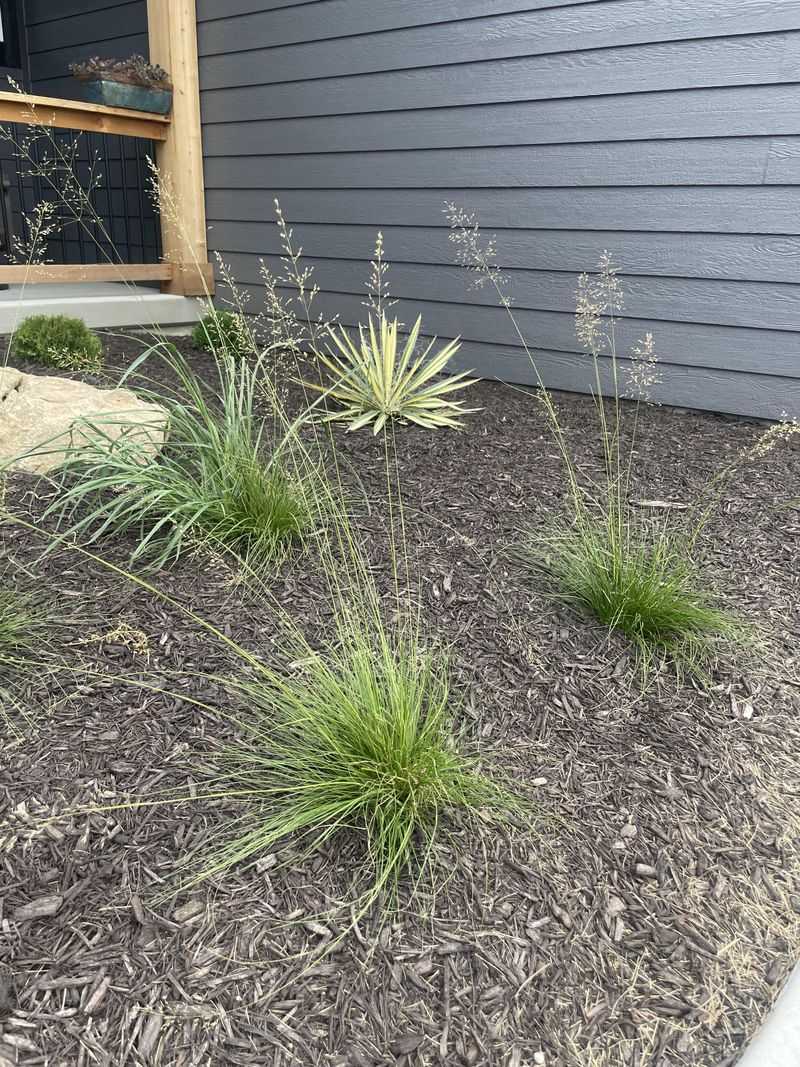
Gardening should be enjoyable, not exhausting. Prairie dropseed seems to understand that philosophy completely, because its maintenance routine is about as simple as it gets for any perennial plant in a Michigan landscape.
One tidy-up per year is genuinely all it needs. Through fall and winter, the best thing you can do is leave the clumps standing exactly as they are.
The golden foliage adds warmth and texture to the winter garden, and the dried seed heads feed birds during the lean months when food is harder to find.
There is also a practical benefit for the plant itself. The standing foliage acts as natural insulation around the crown, helping it stay protected during the coldest snaps of a Michigan winter.
When late winter transitions into early spring, usually sometime in March or early April depending on your location in Michigan, that is the moment to cut the old foliage back.
Trim the clumps down to about three to four inches above the ground before the new growth starts pushing up from the base.
Using a rubber band or twine to bundle the clump before cutting makes cleanup faster and neater. Within a few weeks, fresh green blades will emerge from the center, and the whole cycle begins again.
No deadheading, no dividing every few years, no complex feeding schedule. Prairie dropseed simply asks for one honest cleanup and then rewards you with another full season of beauty.