Spotted Lanternflies Are Damaging These 8 New York Trees This July, Here’s What To Do
That red-and-black pattern on your maple isn’t a decoration. It’s a spotted lanternfly, and New York has a serious infestation this July. These planthoppers move in swarms, and once they find a tree they like, they don’t leave quietly.
Here’s what most homeowners miss: lanternflies don’t chew leaves, they pierce bark and drain sap, leaving behind a sticky residue called honeydew that attracts wasps, ants, and sooty mold.
Certain trees draw far heavier swarms than others, and repeated feeding wears them down over time, sapping their energy and leaving them vulnerable to disease and stress they’d otherwise shrug off.
You still have time to act before populations peak this summer, and knowing what to look for now puts you ahead of the damage.
1. Tree Of Heaven
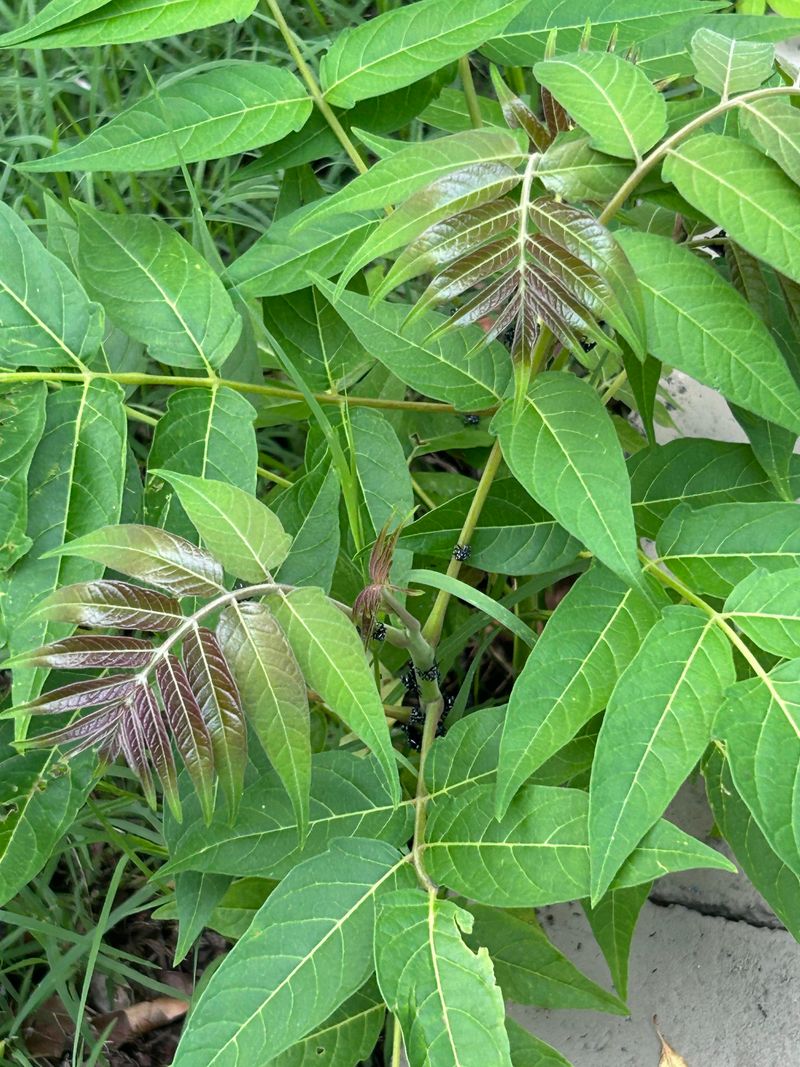
Here’s something worth knowing: the Tree of Heaven is actually the spotted lanternfly’s favorite host. This invasive tree from China practically rolled out the welcome mat for these bugs when they arrived in the U.S.
Spotted lanternflies swarm Tree of Heaven trunks in massive numbers. You’ll see them stacked on top of each other like rush-hour subway riders, all feeding at once.
The bugs pierce the bark and suck out sap. This weakens branches, causes leaf curling, and leaves behind sticky honeydew that drips onto everything below.
Black sooty mold then grows on that honeydew. It coats leaves and bark, blocking sunlight and making the tree even more stressed.
Here’s the upside: Tree of Heaven is itself invasive and considered a nuisance species, so many experts actually recommend removing it to cut off the lanternfly’s main food supply.
If you want to take action, contact your local Cornell Cooperative Extension office. They can guide you on safe removal options specific to your county.
Scraping egg masses off the bark in fall and winter is another solid move. Each egg mass can contain 30 to 50 eggs, so every one you remove matters.
Sticky tree bands placed around the trunk can trap nymphs as they climb. Check and replace them regularly so other wildlife doesn’t get caught too.
Removing Tree of Heaven from your property is one of the most powerful steps you can take against spotted lanternflies this season.
2. Black Walnut
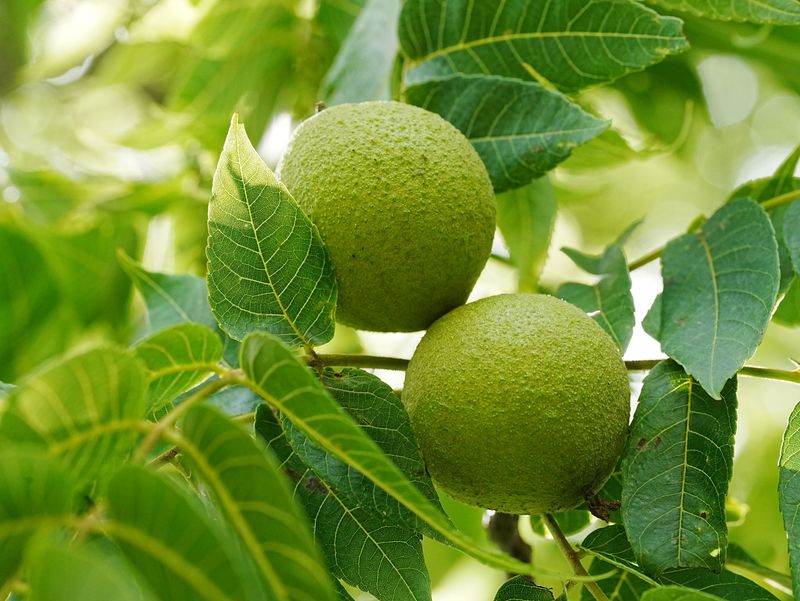
Black Walnut trees are the quiet giants of the American backyard, but spotted lanternflies have been targeting them hard this July. These trees are already sensitive to soil conditions, and adding an insect invasion makes things worse fast.
Lanternflies pierce the outer bark and feed on the phloem, which is the layer that carries nutrients through the tree. Repeated feeding sessions drain the tree’s energy reserves over time.
You might notice wilting leaves or early leaf drop as the first warning signs. Some branches may look scorched or dried out even when the rest of the tree seems fine.
The honeydew buildup on Black Walnut is especially messy. It falls on grass, patio furniture, and garden beds below, making the whole area sticky and unpleasant.
Your New York Garden Changes Every Week. Your Plan Should Too.
Gardening in New York changes quickly throughout the season. Every Friday you’ll receive a simple weekly plan showing exactly what to plant, prune, fertilize, harvest, and protect so you never miss the right timing.
Sooty mold follows quickly after the honeydew appears. That black coating on leaves and bark isn’t just ugly, it interferes with photosynthesis and slows the tree’s recovery.
To protect your Black Walnut, start by checking the trunk daily during peak summer months. Look for clusters of lanternflies and scrape them off into a bucket of soapy water.
Avoid using broad-spectrum insecticides without a plan, since they can harm pollinators and beneficial insects nearby. A licensed arborist can recommend targeted treatments that are safer for the surrounding environment.
Healthy Black Walnut trees can bounce back from moderate feeding pressure. Keeping up with watering and mulching gives them the strength to fight back on their own terms.
3. Red Maple
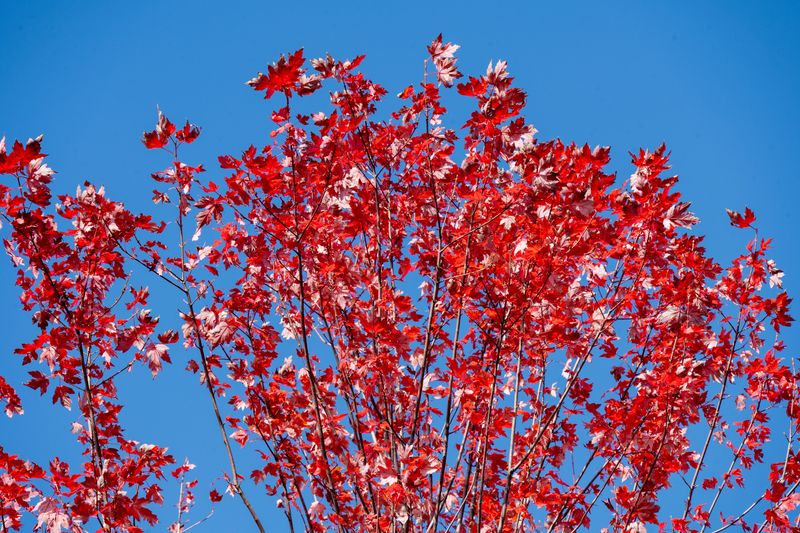
Red Maples are everywhere in New York neighborhoods, lining streets and shading backyards from Long Island to the Adirondacks. That wide presence makes them a huge target for spotted lanternflies looking for a meal.
These bugs are opportunistic feeders, and Red Maples offer plenty of soft bark and accessible sap. During July, populations spike and the feeding pressure on individual trees can get intense.
Watch for sap seeping from the bark in unusual spots. That weeping, wet-looking bark is a telltale sign that insects have been feeding on the tree repeatedly.
Younger Red Maples tend to be more vulnerable. Their bark is thinner and their root systems aren’t established enough yet to compensate for the energy loss caused by heavy feeding.
If you have a young maple, wrap the base with a sticky band trap in early summer. This catches nymphs before they reach the canopy and start feeding on tender new growth.
For established maples, focus on overall tree health. Deep watering during dry spells and a layer of organic mulch around the base help the tree maintain its natural defenses.
Report any large infestations to the New York State Department of Agriculture and Markets. Your sighting helps officials track the spread and plan response efforts across the region.
A stressed Red Maple is more likely to suffer long-term damage. Giving it extra care this summer is the smartest investment you can make for your yard’s future.
4. American Beech
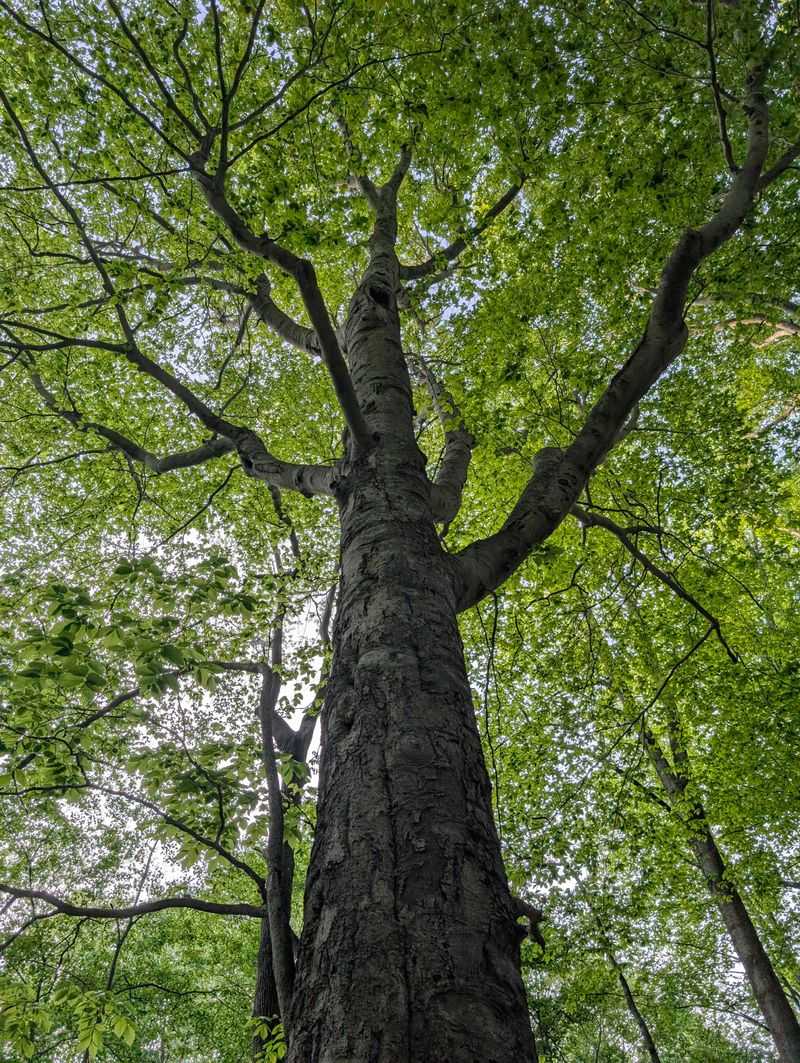
American Beech trees have a rough enough time already, battling beech leaf disease across New York. Now spotted lanternflies are adding another layer of stress to an already struggling species.
The smooth gray bark of a Beech tree makes it easy to spot feeding damage. Look for dark wet patches or sticky drips running down the trunk, those are your first red flags.
Lanternflies often cluster in large numbers on the trunk before spreading into the canopy, making early infestations easy to miss from the ground.
Heavy feeding weakens the tree’s ability to store energy for winter. A Beech that enters the cold season already depleted has a much harder time recovering in spring.
Scraping egg masses off the bark is one of the most effective things you can do. Use a plastic card or putty knife to scrape them into a bag, then seal it and throw it away.
Avoid scraping too aggressively, since Beech bark is thin and easily damaged. A gentle but thorough approach removes the eggs without creating open wounds that invite other pests.
If you notice a large number of lanternflies on a Beech tree, contact a certified arborist. Some systemic treatments can be applied to the soil and absorbed through the roots without spraying the whole tree.
Protecting American Beech now means giving this iconic forest tree a fighting chance against multiple threats at once, and that’s worth every bit of effort.
5. Willow

Willow trees are dramatic and beautiful, with those long sweeping branches that brush the ground near ponds and streams. Unfortunately, spotted lanternflies find them just as irresistible as we do.
Willows grow fast and produce a lot of sap, which makes them a high-value target for hungry lanternfly populations. During July, you might see hundreds of them on a single tree at once.
The sheer volume of insects on a Willow can look alarming, and honestly, it should. That level of feeding puts enormous strain on even a fast-growing tree like this one.
Look for wilting at the tips of branches, sometimes called flagging. Those drooping, discolored branch ends signal that the tree is struggling to move water and nutrients properly.
Willows near water sources need extra attention because runoff from pesticide treatments can harm aquatic life. Always choose treatments carefully and read labels before applying anything near a pond or stream.
Sticky band traps work well on Willow trunks because the bark is relatively smooth. Place the bands about four feet off the ground and check them every few days during peak season.
Hand-removal is tedious but effective for small infestations. A firm spray of water from a garden hose can knock lanternflies off branches, making them easier to collect and dispose of.
Willows are resilient by nature, but even tough trees have limits, staying consistent with monitoring through July and August gives yours the best shot at a full recovery.
6. Sycamore
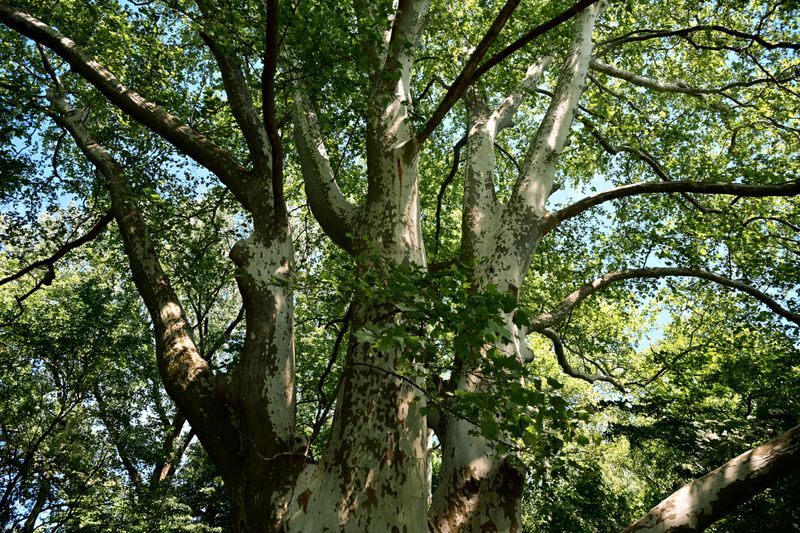
Sycamores are some of the most recognizable trees in New York, with their patchwork bark of white, green, and tan. That distinctive trunk has become a landing pad for spotted lanternflies this summer.
These large trees can handle a fair amount of feeding pressure before showing serious symptoms. But that doesn’t mean you should wait and watch, early action always pays off.
Spotted lanternflies often gather in large groups on the Sycamore trunk before spreading upward into the crown to feed on younger, more tender tissue.
Honeydew secretions from lanternflies on Sycamores can coat a wide area beneath the canopy. Grass, garden furniture, and even parked cars can end up covered in that sticky residue.
Black sooty mold grows on the honeydew within days. It looks alarming, but the mold itself doesn’t attack the tree, it’s the sustained feeding underneath that causes the real harm.
A strong, healthy Sycamore is your best defense. Make sure the tree gets adequate water during summer dry spells and isn’t competing with turf grass for nutrients right at the root zone.
For large Sycamores, professional trunk injection treatments are available through licensed arborists. These systemic options reach the canopy without the need for widespread spraying.
Spotted lanternflies on your Sycamore are manageable with the right approach, and getting ahead of the problem in July means less work, and less damage, for the rest of the season.
7. Grapevines
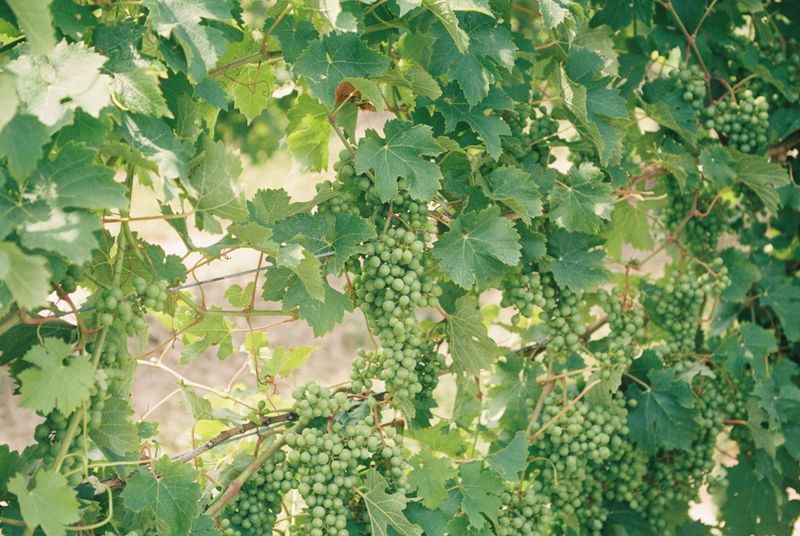
Ask any New York vineyard owner what keeps them up at night, and spotted lanternflies will be near the top of the list. Grapevines are one of the most economically significant hosts for this pest.
These insects don’t just weaken the plant, they can devastate an entire growing season. Feeding on grapevines reduces fruit quality, lowers sugar content, and stresses the plant heading into fall harvest.
Lanternflies target the green stems and canes of the vine, piercing through to the phloem layer. That’s where the sugar-rich sap flows, and it’s exactly what these insects are after.
Backyard grape growers should inspect their vines every single day in July. Populations can raise almost overnight, and a vine that looked fine on Monday can be covered by Wednesday.
Egg masses are commonly laid on the wooden posts and fencing around trellises. Scrape and destroy them whenever you find them to reduce next year’s population before it even hatches.
For small home vineyards, physical removal and sticky traps are your most practical tools. Larger operations should consult with the Cornell Viticulture Program for approved spray options and timing guidance.
Avoid letting weeds and Tree of Heaven grow near your grapevines. Those plants attract lanternflies and create a pipeline that leads the insects straight to your crop.
Protecting your grapevines from spotted lanternflies isn’t just about this season, it’s about keeping your garden productive and your harvest something worth celebrating for years to come.
8. Stone Fruit Trees
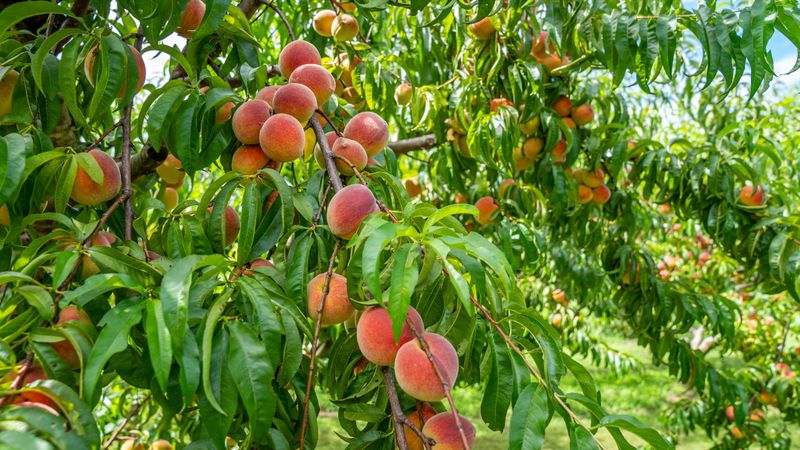
Peach, cherry, plum, and apricot trees fall into the stone fruit category, and all of them are on spotted lanternflies’ summer menu. If you’ve got any of these in your yard, now is the time to pay close attention.
Stone fruit trees are already prone to a range of pests and diseases, so adding lanternfly pressure is a serious blow. A tree juggling multiple stressors at once has a much harder time staying productive.
Feeding damage on stone fruit trees often appears as oozing sap from the bark. That sap attracts other insects like wasps and ants, turning one problem into a whole swarm of issues fast.
Fruit quality drops noticeably on heavily infested trees. The plant diverts energy away from fruit development to deal with the ongoing attack, leaving you with smaller, less flavorful harvests.
Check the trunk and main branches each morning before the heat of the day sets in. Lanternflies are slower and easier to catch early, before they scatter into the upper canopy.
Collect and crush any egg masses you find on the bark or on nearby structures. This step is free, takes just minutes, and can prevent thousands of new insects from hatching next spring.
Talk to your county’s Cornell Cooperative Extension agent about treatment options safe for fruit-bearing trees. Not all insecticides are approved for use on trees that produce food, so professional guidance matters here.
Spotted lanternflies are a real threat to stone fruit trees across New York, but with consistent monitoring and quick action, your backyard orchard can still have a season worth savoring.