Why New York Garden Designers Are Downsizing From Ponds To Smaller Water Features
Forget the sprawling backyard pond your neighbor spent a fortune digging out. Across New York gardeners are trading big water features for small, clever ones, and the results are turning heads.
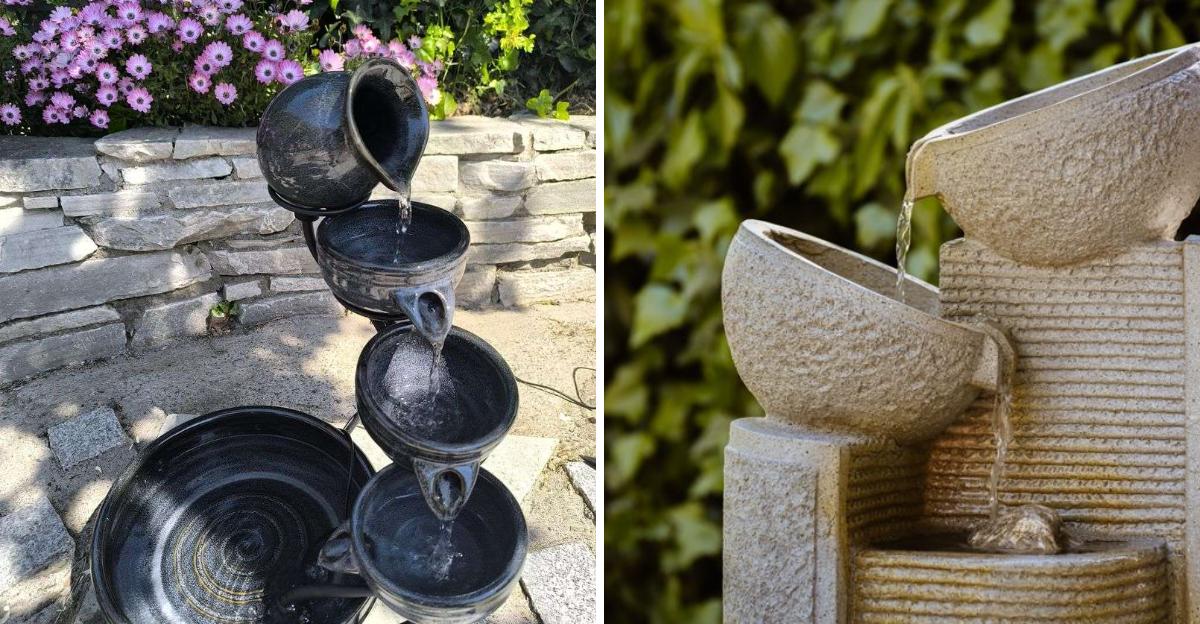
A bubbling ceramic bowl tucked between potted hostas. A slim recirculating fountain that fits on a fire escape. These pint-sized setups prove you don’t need acreage or a landscaping crew to bring the sound of water into your outdoor space.
What’s driving the shift isn’t just tight square footage. It’s a craving for gardens that feel calm instead of demanding, personal instead of showy.
A mini water feature asks for a weekend afternoon and a modest budget, not months of construction. It rewards you almost instantly with movement, sound, and a spot where birds actually stop by.
For anyone tired of high-maintenance dreams that never quite get built, this trend offers something refreshingly within reach.
1. The Shift Away From Traditional Backyard Ponds
Big ponds had a long run in American backyards. For decades, a full pond felt like the ultimate garden status symbol.
But New York garden designers are now downsizing from ponds to smaller water features, and the reasons are piling up fast. Ponds require constant upkeep, serious cash, and a yard big enough to hold them.
Algae blooms, leaking liners, and mosquito problems have turned pond ownership into more work than most people expect. A weekend project can quickly spiral into a weekly chore that nobody signed up for.
Smaller water features sidestep almost all of those headaches. They offer the same calming sound and visual appeal without the baggage.
New York City designers have noticed that clients want serenity, not a second job. A bubbling fountain or wall-mounted spout delivers that feeling in a fraction of the footprint.
The trend also reflects a broader shift toward intentional, manageable outdoor spaces. Homeowners want gardens that feel peaceful, not overwhelming.
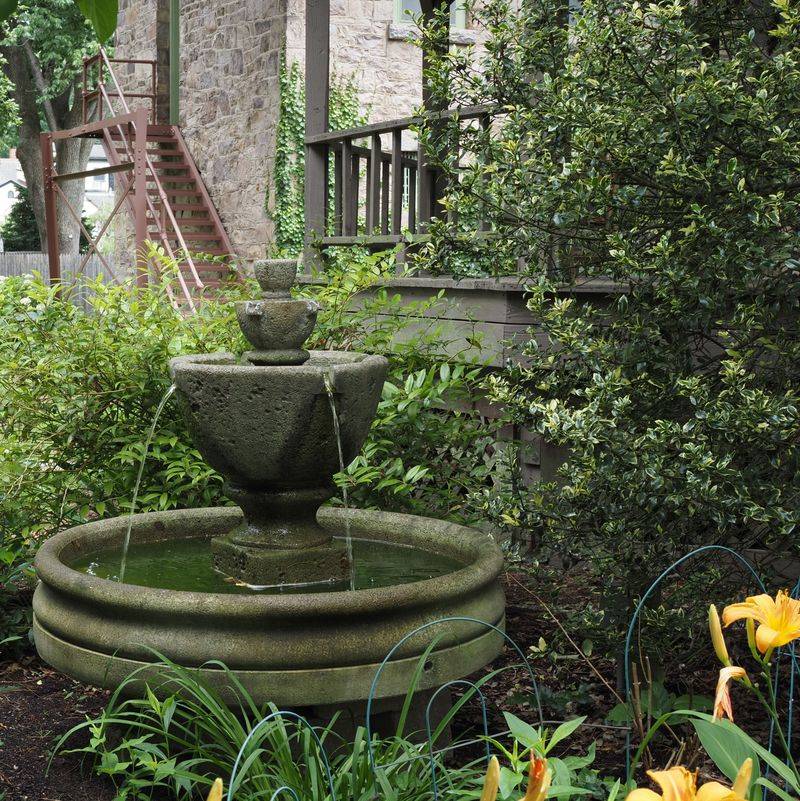
Designers across Westchester and beyond report the same pattern: homeowners who swap a leaky pond for a sleek stone fountain describe an instant sense of relief.
Smaller features also age better in tight urban spaces. They fit patios, rooftops, and narrow side yards without dominating the landscape.
The era of the high-maintenance backyard pond is quietly fading. What is replacing it is smarter, simpler, and honestly, more stunning.
2. What Counts As A Smaller Water Feature
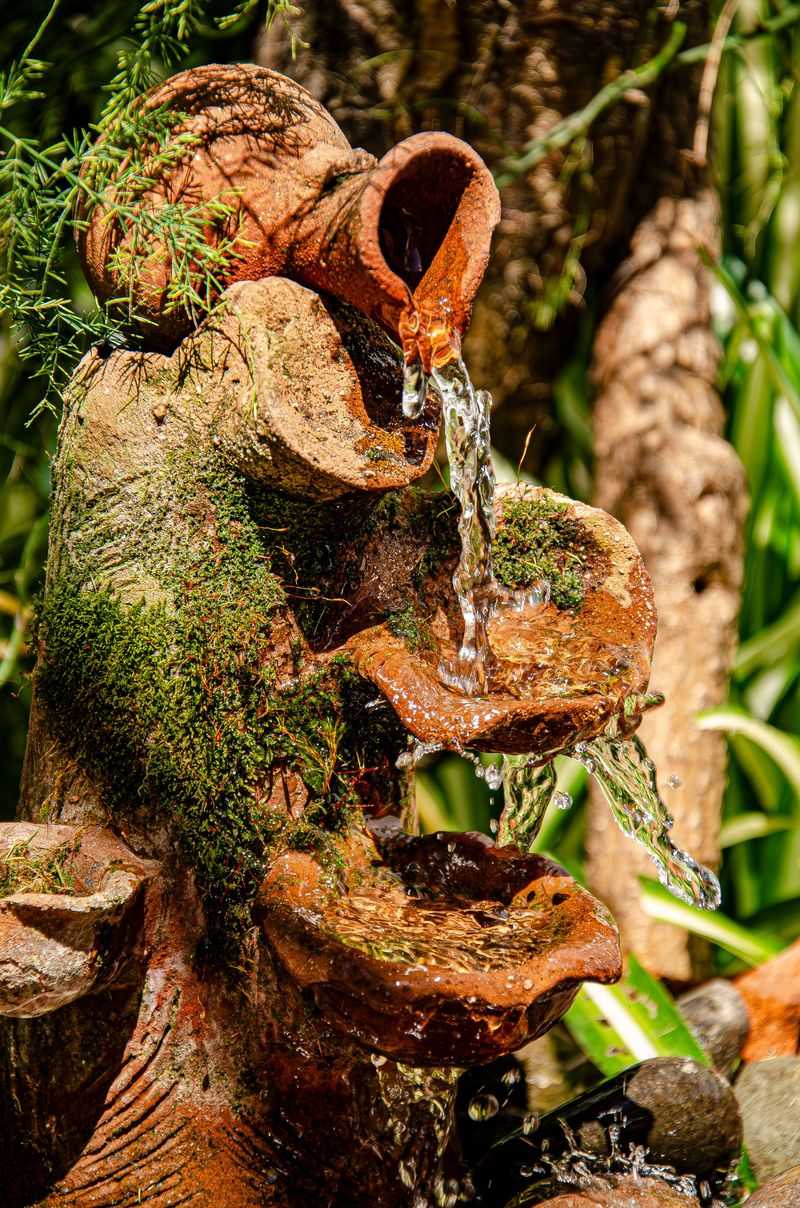
Not every water feature needs a hole in the ground. The category of smaller water features is wider than most people expect.
Tabletop fountains, wall-mounted spouts, container water gardens, and pondless waterfalls all qualify. Each one brings sound, movement, and visual interest without a massive footprint.
A container water garden is exactly what it sounds like: a large pot or basin filled with water, aquatic plants, and sometimes a small pump. You can set one up on a patio in an afternoon.
Pondless waterfalls are another crowd favorite. Water cascades over rocks and disappears into a buried reservoir below, so there is no standing water to manage.
Your New York Garden Changes Every Week. Your Plan Should Too.
Gardening in New York changes quickly throughout the season. Every Friday you’ll receive a simple weekly plan showing exactly what to plant, prune, fertilize, harvest, and protect so you never miss the right timing.
Wall-mounted features are perfect for urban gardens where horizontal space is tight. A simple spout mounted to a fence or brick wall can transform a dull corner into a focal point.
Millstone fountains use a flat stone with a hole drilled through the center. Water bubbles up from below and spills over the edges in a satisfying, gentle flow.
Even a simple birdbath with a solar-powered bubbler counts. Moving water helps discourage mosquitoes from breeding and attracts birds, making it both practical and charming.
The key distinction between these features and a traditional pond is scale and complexity. Smaller features are designed to fit your life, not demand it.
Once you see how many options exist, the idea of building a full pond starts to feel unnecessary. Smaller truly can be more spectacular.
3. Benefits For Small And Mid-Size New York Yards
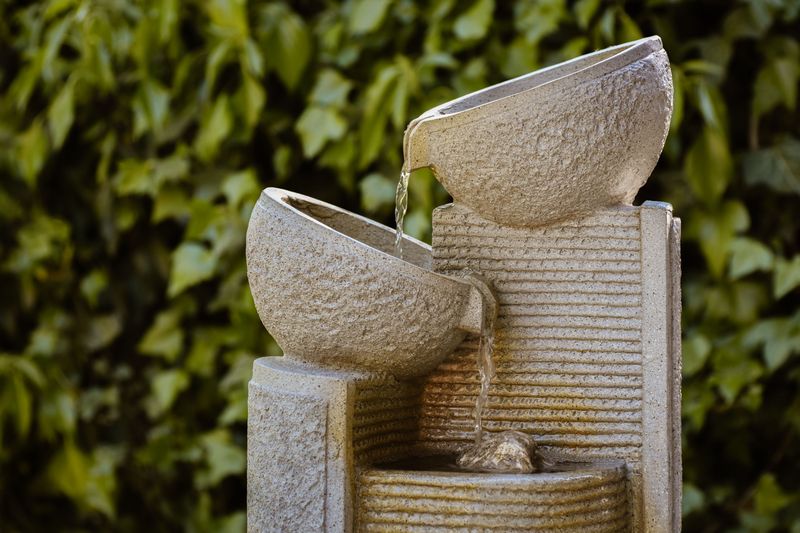
Space is currency in New York, and most homeowners do not have much to spare. A compact water feature respects that reality while still delivering serious garden charm.
Even a 10-by-12 patio can host a wall fountain or container water garden. You do not need a sprawling estate to enjoy the sound of running water.
Smaller features also work harder visually in tight spaces. A well-placed fountain becomes an instant focal point that pulls the whole garden together.
Mid-size yards in Queens or Nassau County often have enough room for a pondless waterfall. These features create a dramatic effect without eating up the lawn area kids actually use.
Sound is one of the most underrated benefits of any water feature. In a city as loud as New York, the gentle gurgle of a fountain can mask traffic noise surprisingly well.
Smaller features also support local wildlife without the risks a full pond can bring. Songbirds, bees, and butterflies are drawn to moving water sources.
Property value is another real benefit worth considering. A thoughtfully designed water feature can boost curb appeal and make a backyard feel like a retreat.
Designers in Brooklyn and the Bronx are increasingly recommending compact features to clients who assumed water was off the table for their small spaces. The reaction is almost always surprise and delight.
A smaller yard does not mean settling for less beauty. It means choosing features that work with your space, not against it.
4. Lower Maintenance Compared To Full Ponds
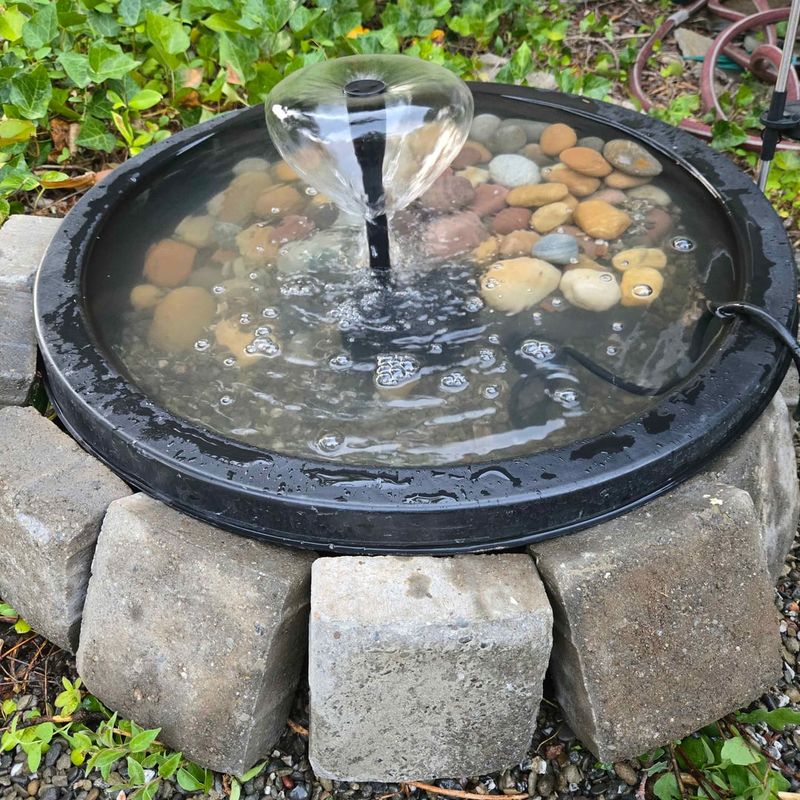
Ask any former pond owner about maintenance, and watch their expression shift. Ponds are living ecosystems that demand constant attention.
Algae needs to be managed. Fish require feeding, water testing, and protection from predators. Pumps clog, liners crack, and winter prep alone can take a full weekend.
Smaller water features cut almost all of that work out of the equation. Most compact fountains only need a quick wipe-down and a pump rinse every few weeks.
Container water gardens need occasional top-offs and a seasonal plant trim. That is roughly the same effort as caring for a potted tomato plant.
Pondless waterfall systems are especially low-effort. The buried reservoir keeps the water recirculating without creating a surface area where algae can take over.
Solar-powered pumps make maintenance even simpler.
Winter shutdown is dramatically easier with smaller features too. Most compact fountains can be drained and stored in under an hour, protecting the pump from freeze damage.
New York winters are no joke, and pond owners know the annual stress of protecting fish and managing ice. Smaller feature owners simply unplug and store.
The time savings add up to something genuinely valuable: more hours to actually enjoy your garden. That shift from caretaker to relaxed homeowner is exactly what designers are selling right now.
Less work often means more time to simply enjoy the space.
5. Design Ideas For Compact Spaces
Creativity thrives under constraints, and compact garden spaces prove that every single time. Some of the most beautiful water features in New York are tucked into the tightest spots imaginable.
A narrow side yard can become magical with a simple stacked-stone water column. The vertical design draws the eye upward and makes the space feel taller and more open.
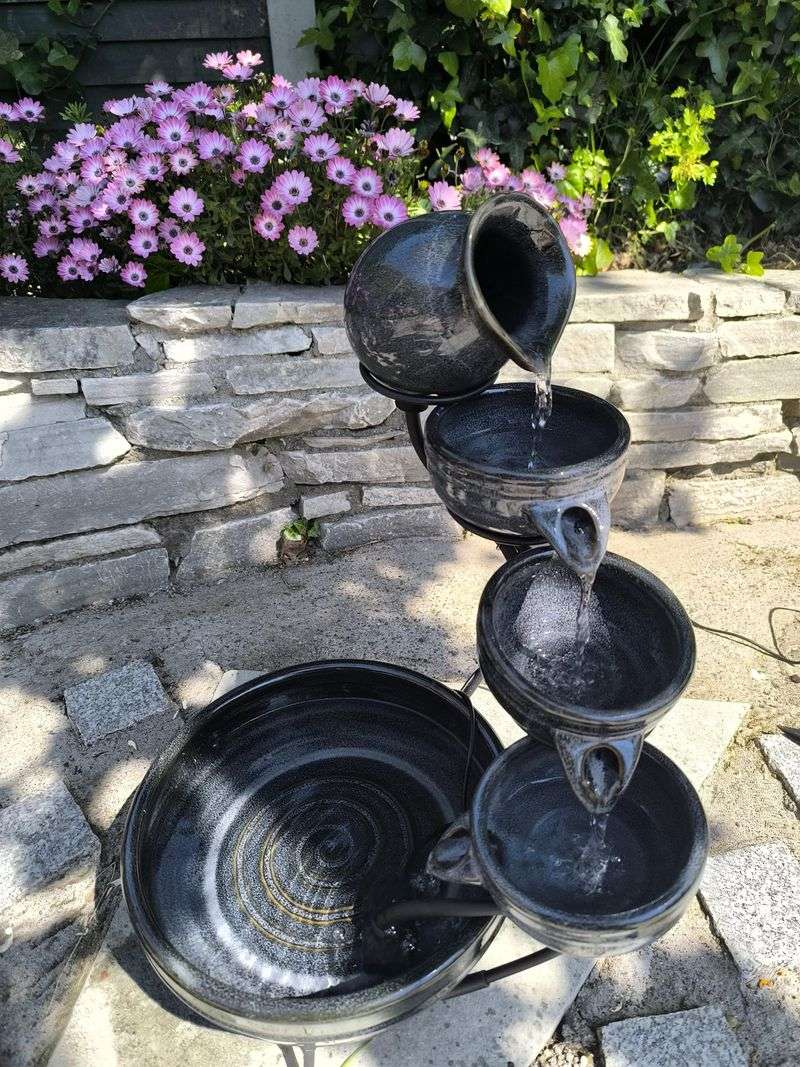
Corner installations are another smart strategy for small gardens. A tiered ceramic fountain placed in a corner uses bare space and creates a natural gathering point in the yard.
Wall-mounted spouts work especially well on fences and exterior walls. Pair one with a small basin and some trailing plants, and you have a feature that looks like it belongs in a boutique hotel courtyard.
Container water gardens offer the most design flexibility of all. You can move them, rearrange them, and swap out the plants with the seasons to keep the look fresh.
Lighting takes any compact water feature from nice to breathtaking. Submersible LED lights in a fountain basin create an incredible glow after dark that completely changes the garden atmosphere.
Natural materials like slate, river rock, and aged copper complement water beautifully in small spaces. They add texture and warmth without overwhelming the eye.
Mixing a compact water feature with raised planters and a simple bench creates a full outdoor room. Suddenly, a 15-foot patio feels like a private sanctuary.
Good design is about editing, not adding. The right small water feature makes everything around it look intentional and polished.
6. Choosing The Right Feature For Your Garden
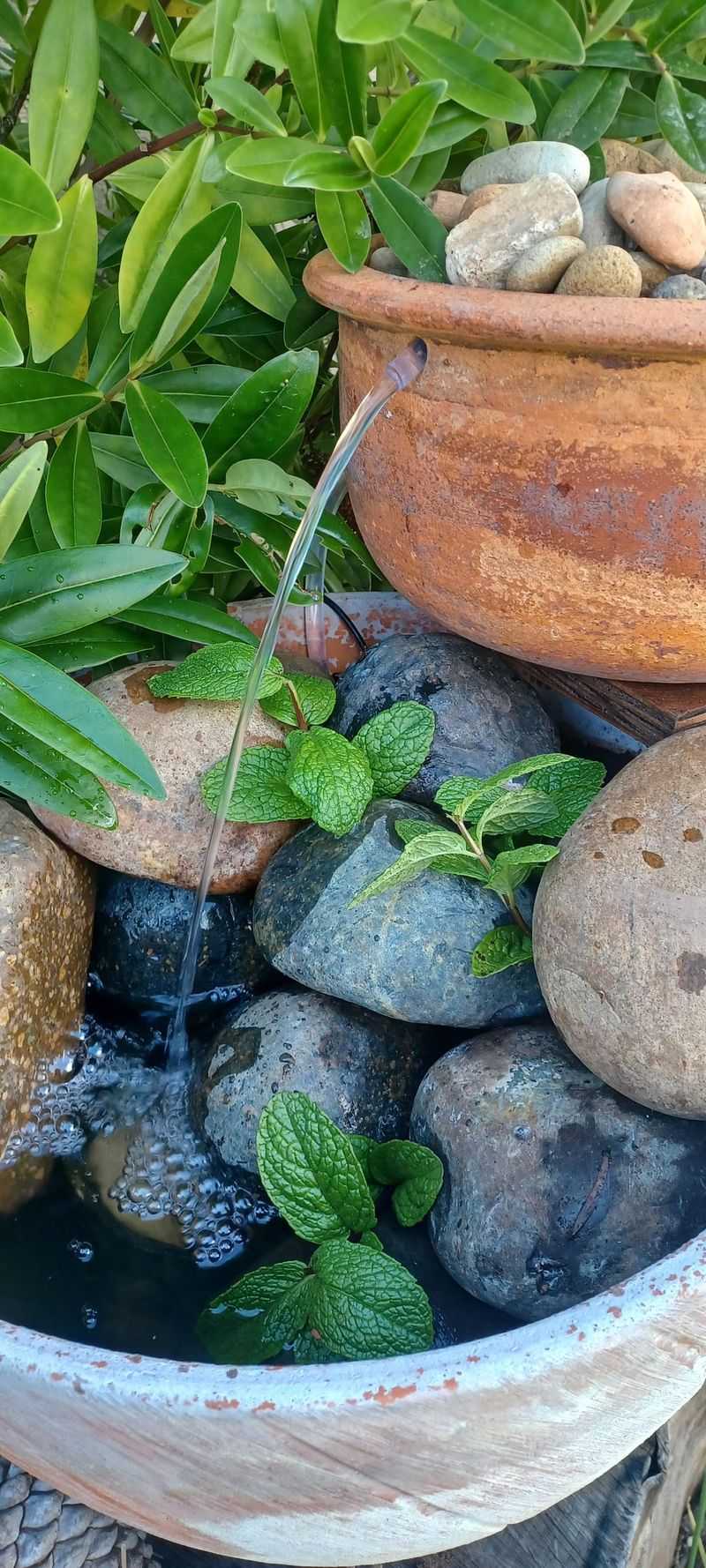
Picking the right water feature is a lot like choosing the right piece of furniture. It needs to fit the space, match the style, and actually work for how you live.
Start by measuring your available space honestly. A feature that looks small in a showroom can overwhelm a tight patio once it is installed.
Think about how much sound you want. A tall waterfall creates bold, dramatic noise while a gentle bubbling bowl produces a softer, more subtle effect.
Sun exposure matters more than most people realize. Solar-powered pumps need direct sunlight to function properly, so a shaded courtyard may require a plug-in model instead.
Consider your household situation too. Families with young children should lean toward pondless or fountain-style features with no open water deeper than a few inches.
Budget shapes the decision significantly as well. A quality container water garden can be assembled on a modest budget, while a custom pondless waterfall requires a much larger investment.
Maintenance appetite is a real factor to weigh. Be honest with yourself about how much time you are willing to spend keeping the feature clean and running smoothly.
Talking to a local New York garden designer before purchasing can save a lot of regret. They know which features hold up through the city’s humid summers and freezing winters.
The best water feature is one you will actually love looking at every day. Choose with your gut and your lifestyle, and the result will almost always feel right.
7. Ponds Vs. Compact Features
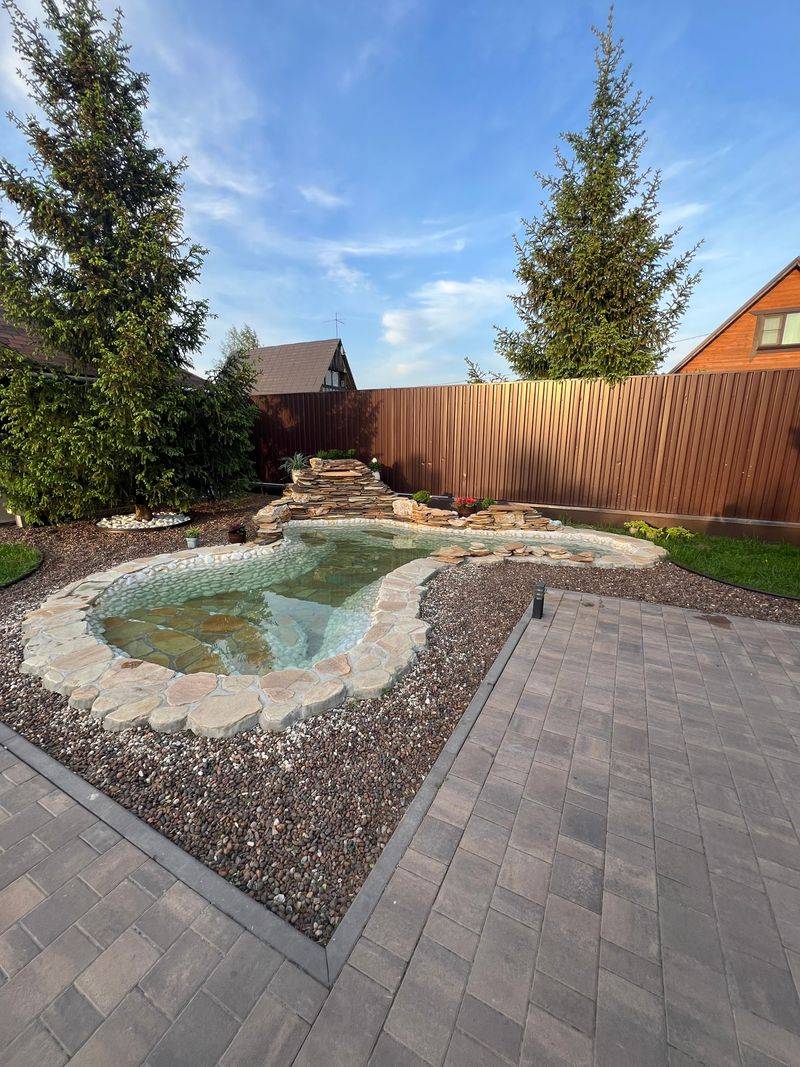
Money talks, and in New York it practically shouts. The cost difference between a traditional pond and a compact water feature is one of the biggest reasons designers are making the switch.
A professionally installed backyard pond in the New York area can carry a hefty price tag, often costing tens of thousands of dollars depending on size and materials. That number includes excavation, liner, pump, filtration, and plants.
A pondless waterfall system typically costs significantly less when installed, with the final price depending on scale. That is a fraction of the price for nearly the same visual and auditory payoff.
Container water gardens are the most budget-friendly option by far. A beautiful setup with a ceramic pot, pump, and aquatic plants can come together for very little money.
Operating costs also favor smaller features. A compact fountain pump uses roughly the same electricity as a standard light bulb, while pond filtration systems run around the clock at much higher wattage.
Repair costs are another area where compact features win. Replacing a small fountain pump is a minor, affordable fix, while repairing a pond liner or filtration system can get expensive fast.
Winter storage is free with most compact features. Pond winterization, on the other hand, often requires professional help and supplies that add up quickly each fall.
Resale value is harder to measure, but well-designed small water features tend to appeal to more buyers than high-maintenance ponds. Buyers see potential, not a chore list.
Spending less and getting more satisfaction is a rare combination. Compact water features deliver exactly that bargain.
8. How To Get Started With Your First Water Feature
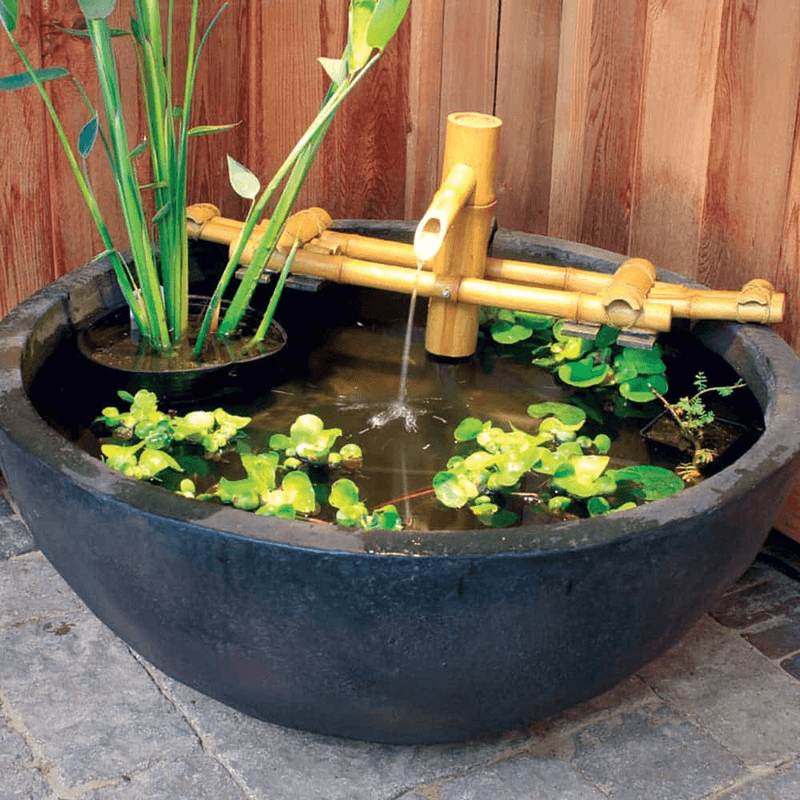
Starting feels like the hardest part, but it honestly is not. Your first compact water feature can be up and running in a single afternoon with the right kit.
Begin with a container water garden if you are brand new to water features. Grab a large ceramic or resin pot, seal the drainage hole, add a small submersible pump, and fill it with water.
Aquatic plants like water lettuce, dwarf papyrus, or hardy water lilies are easy to find at garden centers. They add life, color, and natural filtration to your setup without any special skills.
Place your feature somewhere you will see it often, like near a seating area or just outside a kitchen window. The more you see it, the more you will enjoy it.
If a pondless waterfall sounds appealing, consider hiring a local New York landscape professional for the first installation. Watching the process once teaches you everything you need for future projects.
Wall-mounted spouts are another great starter option. Most kits come with everything you need and require only basic drilling and a nearby outdoor outlet.
Maintenance routines are simple once you establish them. A quick check every week and a pump cleaning once a month keeps most compact features running beautifully all season.
Join a local garden club or online group focused on water gardening in the New York area. The community is warm, helpful, and full of people who started exactly where you are now.
Smaller water features are where great gardens begin. Take the first step and watch your outdoor space completely transform.