25 Ways To Speed Up Your Tomato Harvest This Season
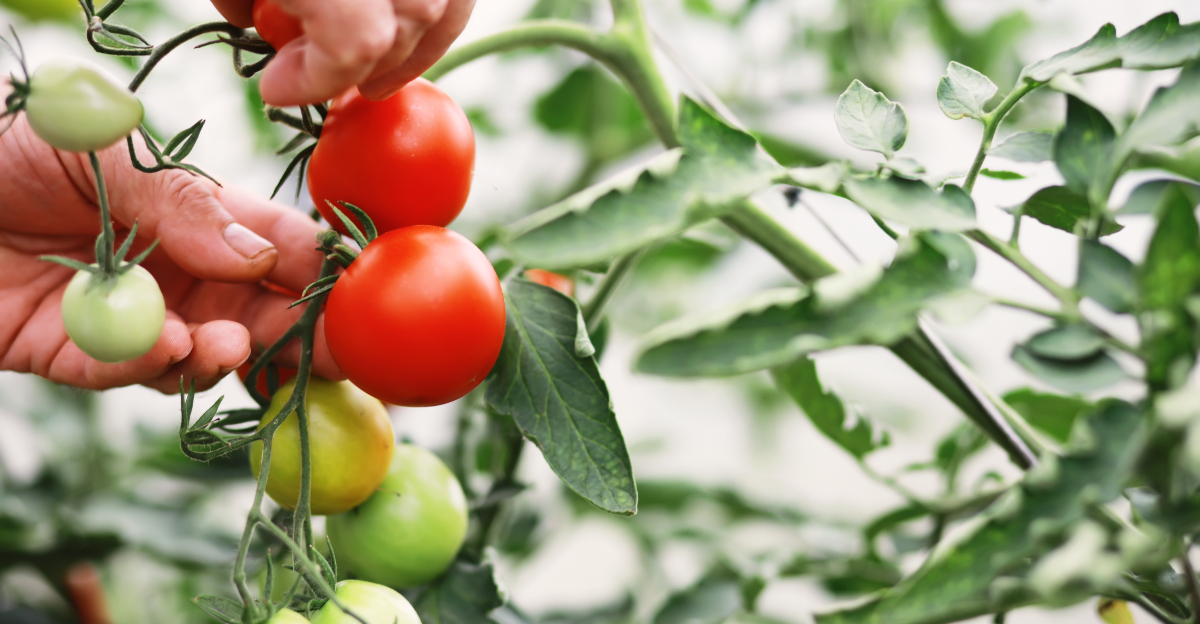
There’s a particular kind of impatience that comes with growing tomatoes. You check the vines every morning, willing those green orbs to blush red overnight. Most gardeners assume they’re stuck waiting on nature’s clock.
That assumption isn’t quite right. Small choices, from the variety you plant to how you care for the fruit once it forms, can shift your harvest timeline by days or even weeks. Some tomato types are simply built for speed, reaching ripeness while others are still forming flowers.
Beyond variety selection, a handful of clever techniques can nudge stubborn green tomatoes toward ripening faster than they would on their own.
Your tomato patch might be closer to harvest than you realize.
1. Choose Short-Season Tomato Varieties
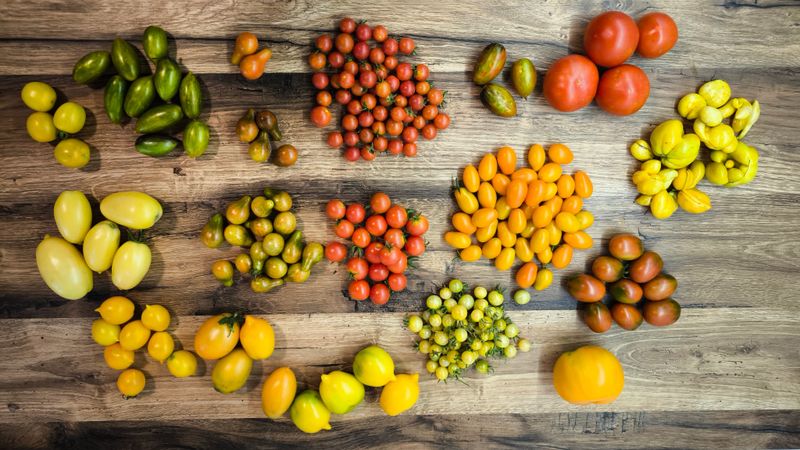
Some tomatoes are simply born to be quick. Short-season varieties like Stupice, Siletz, or Early Girl are bred to ripen in 50 to 65 days. That is weeks faster than standard varieties.
Choosing the right tomato from the start makes a real difference in how quickly you harvest. Check seed packets for days-to-maturity numbers before buying. Lower numbers mean faster tomatoes on your plate.
Planting a fast-maturing variety sets your entire season up for success. Your summer dinner table will thank you for it.
2. Start Seeds Indoors Several Weeks Early
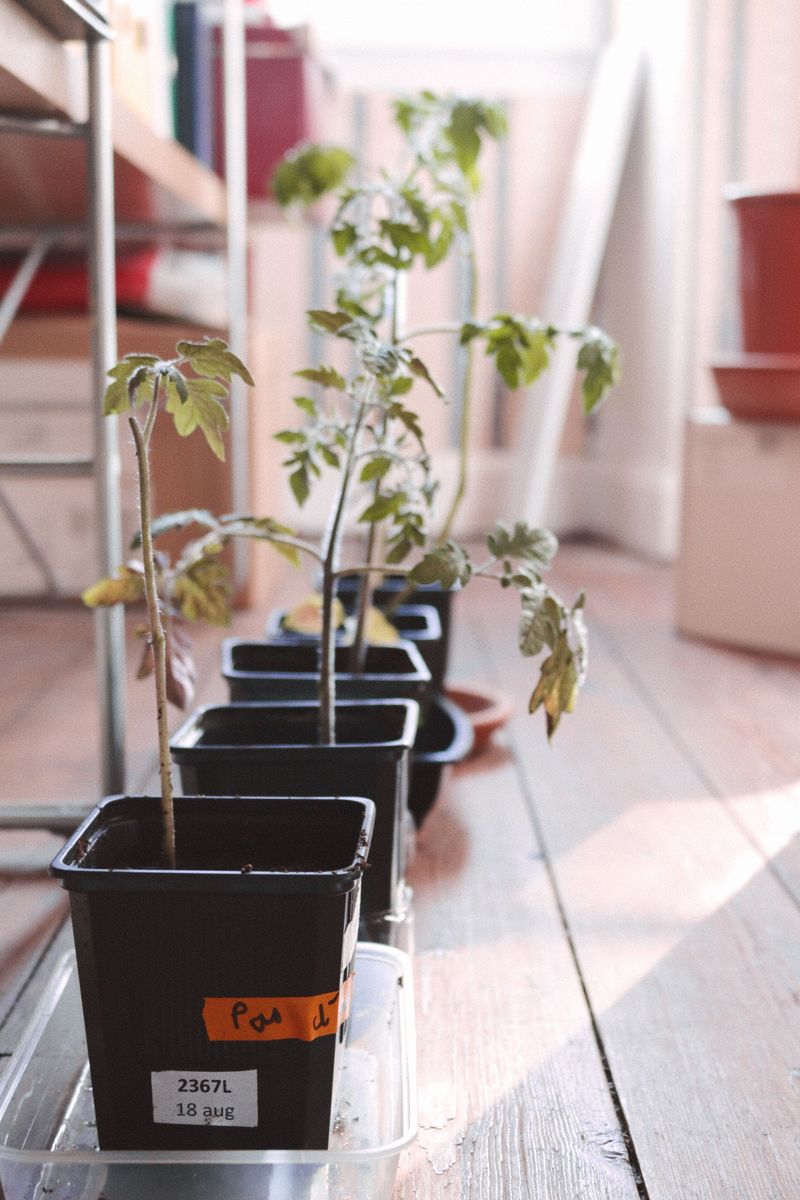
Getting a head start indoors is like giving your tomatoes a running start. Begin seeds six to eight weeks before your last frost date. That extra time builds strong plants ready to hit the ground running.
Use a heat mat under your seed trays to boost germination speed. Tomato seeds sprout fastest in soil temperatures between 70 and 80 degrees. Warm soil means sprouts appear in just five to seven days.
Transplanting robust seedlings instead of tiny sprouts shaves weeks off your outdoor growing time. Stronger plants tend to produce fruit faster than weaker ones.
3. Warm The Soil With Black Plastic Before Planting
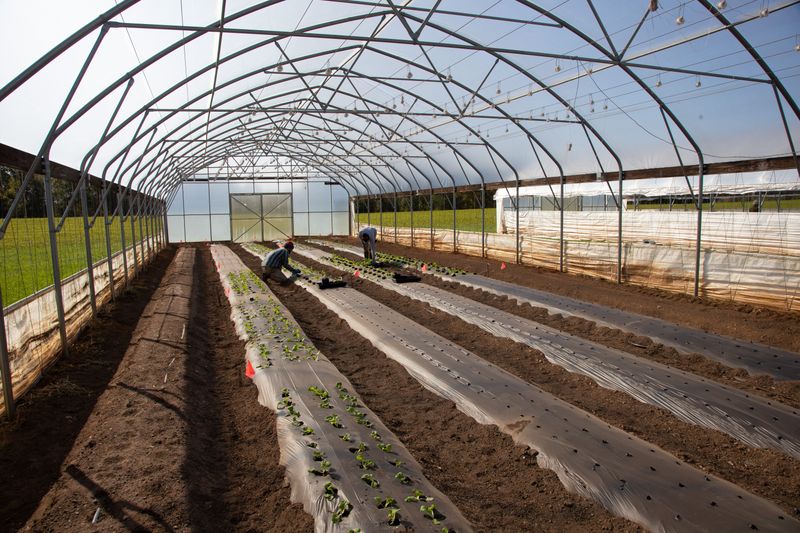
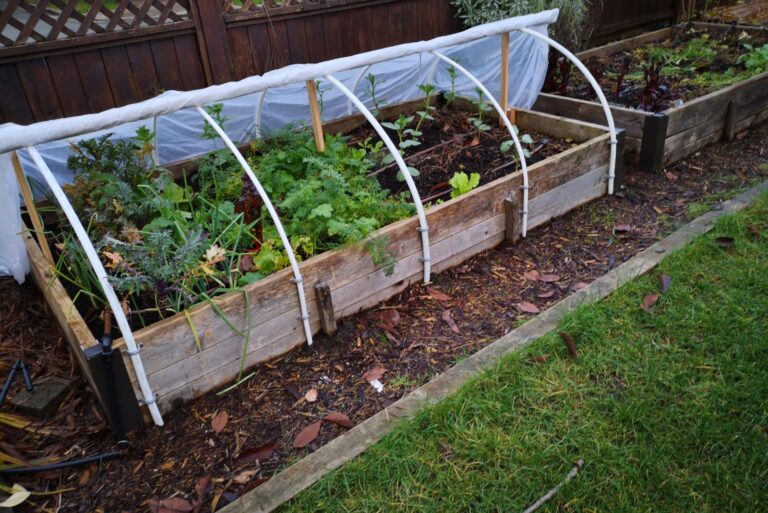
Cold soil slows tomatoes down like a traffic jam on a Monday morning. Laying black plastic sheeting over your garden bed two weeks before planting warms the soil fast. Warmer soil means roots establish quickly and growth kicks into high gear.
Black plastic absorbs sunlight and transfers that heat directly into the ground. Soil temperatures can rise by 10 degrees or more beneath it. That warmth encourages early root development and faster fruiting.
Simply cut holes in the plastic and plant your transplants right through it. Your tomatoes will take off like they have been waiting all season for this moment.
4. Use Red Plastic Mulch Around The Base
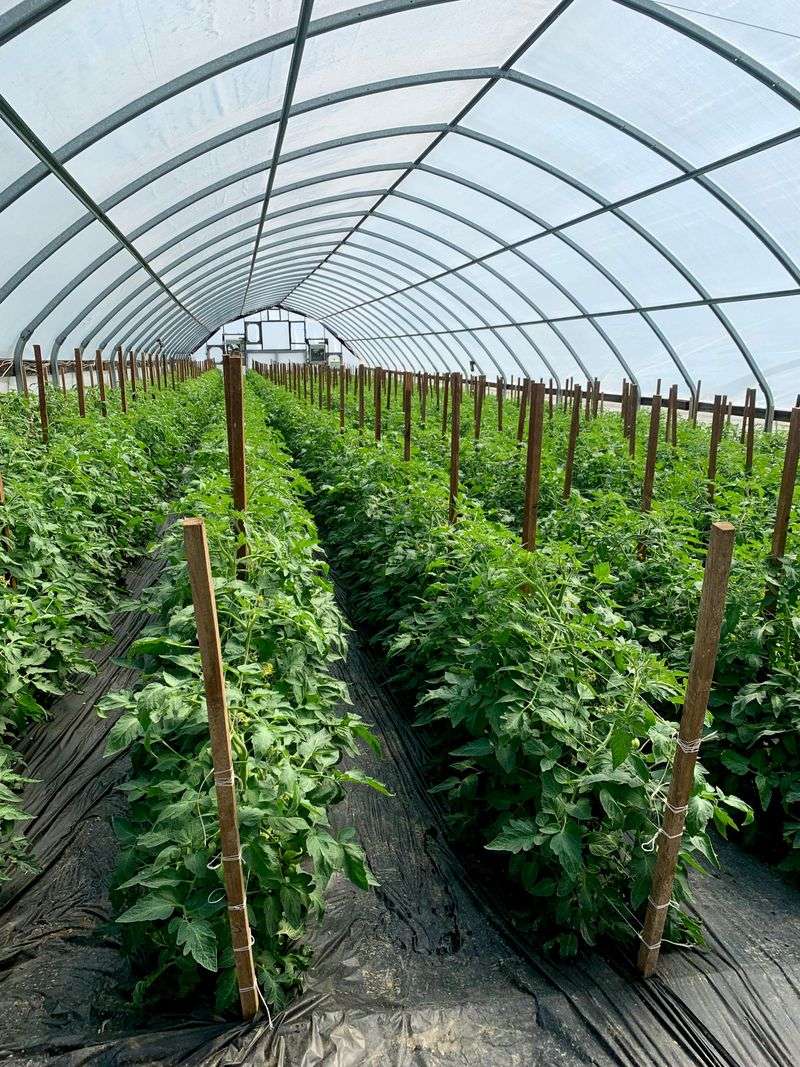
Red plastic mulch sounds like a quirky gardening experiment, but the science behind it is solid. Studies from Penn State found that red mulch reflects specific light wavelengths back up into the plant canopy.
That reflected light actually signals the plant to produce more fruit. Beyond light reflection, red mulch also keeps soil warm and locks in moisture.
It suppresses weeds that compete with your tomatoes for nutrients. Fewer weeds mean more energy directed straight into fruit production.
Lay it flat around each plant and secure the edges with soil or staples. The results can surprise even experienced gardeners who try it for the first time.
5. Plant In A Spot With Full Sun Exposure
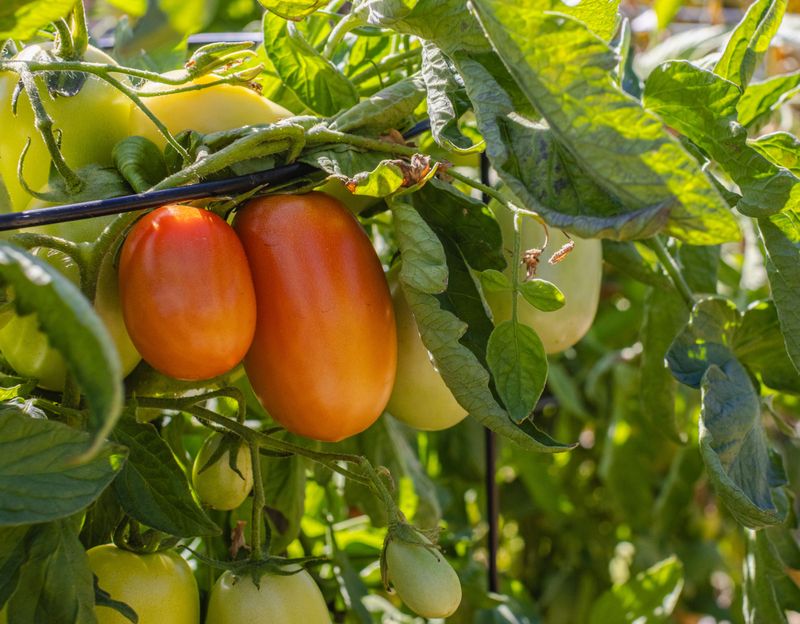
Tomatoes are sun worshippers through and through. They need a minimum of six to eight hours of direct sunlight daily to ripen fruit properly. Less sun equals slower ripening and smaller harvests.
Before planting, spend a day watching how sunlight moves across your yard. Avoid spots shaded by fences, trees, or buildings during peak afternoon hours.
Even partial shade can delay fruit development by several days. South-facing garden beds typically receive the most consistent light throughout the day.
Positioning your tomatoes there is one of the easiest ways to speed up your tomato harvest without spending a single dollar.
6. Space Plants Properly For Better Airflow
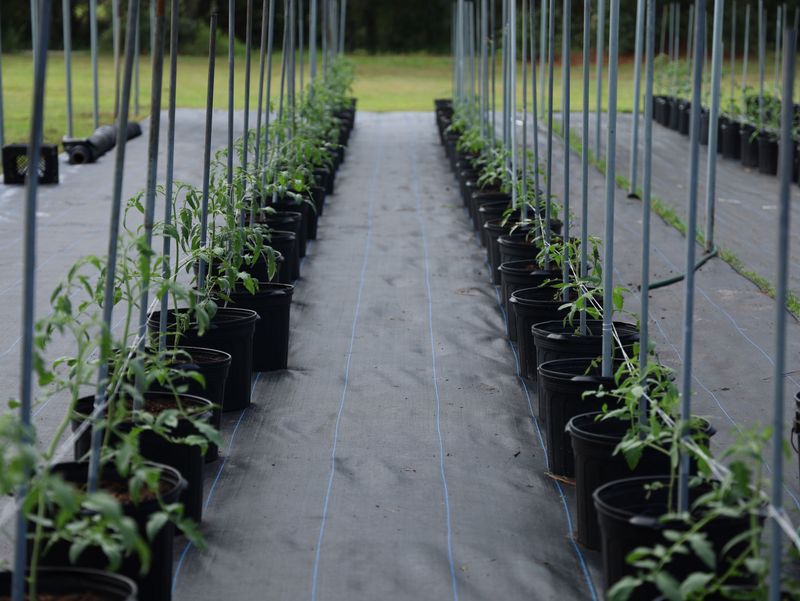
Crowded tomatoes are stressed tomatoes, and stressed plants ripen slowly. Proper spacing allows air to flow freely between plants, reducing humidity and disease pressure.
Healthy plants focus energy on making fruit instead of fighting off problems. Indeterminate varieties need at least 24 to 36 inches between plants.
Determinate types can handle slightly tighter spacing at 18 to 24 inches. Getting this right from planting day saves you headaches all season long.
Good airflow also helps pollen transfer between flowers, boosting fruit set. More fruit set early in the season means a bigger, faster harvest.
Give your tomatoes room to breathe and they will reward you generously.
7. Prune Suckers Throughout The Growing Season
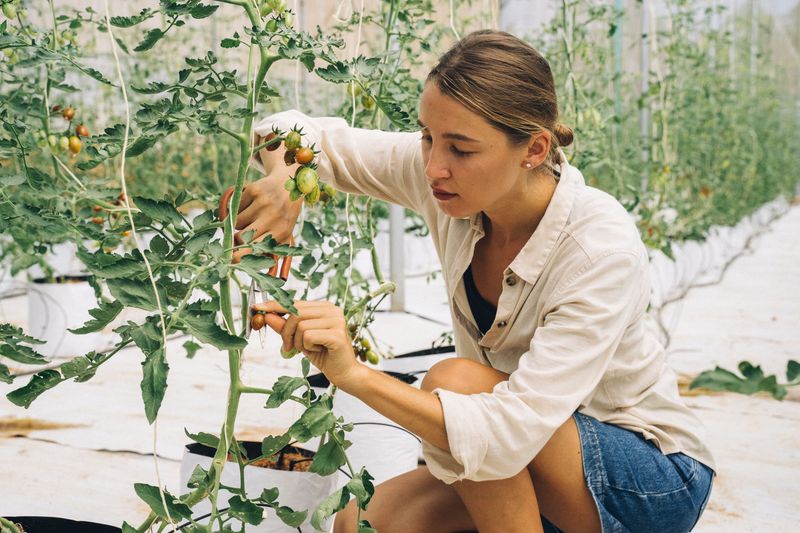
Suckers are sneaky little shoots that pop up between the main stem and branches. Left alone, they grow into full branches that drain energy from fruit production.
Pinching them out redirects that energy straight to the tomatoes already forming. Focus on removing suckers below the first flower cluster for the biggest impact.
Use clean fingers or small pruning snips to avoid damaging the plant. Check your plants every week because suckers grow fast in warm weather.
Pruning suckers also keeps the plant manageable and easier to stake. A tidier plant gets better light penetration throughout its canopy. Better light on developing fruit speeds up ripening noticeably.
8. Remove Lower Leaves To Improve Air Circulation
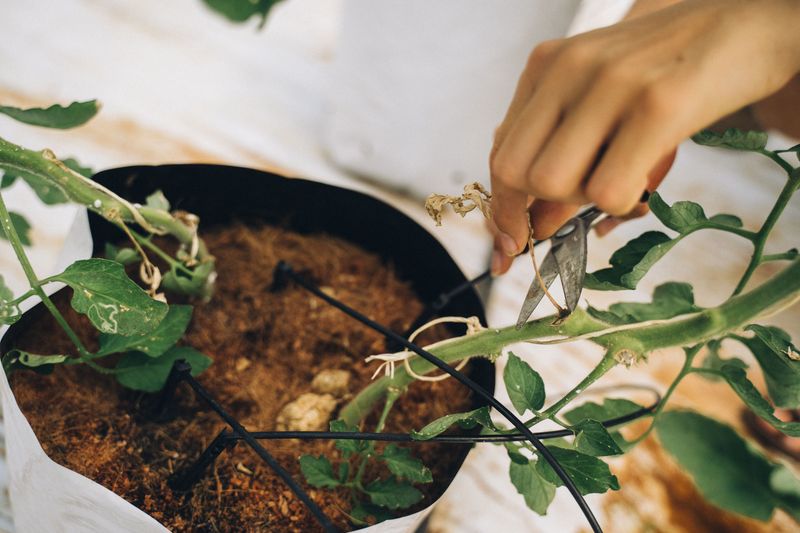
The bottom leaves of a tomato plant are often the first to show disease and the last to contribute to fruit production. Removing leaves from the bottom 12 inches of the plant opens up airflow near the soil.
That reduces fungal disease risks that slow plants down. Lower leaves tend to stay damp longer because they sit close to the ground.
That moisture creates a perfect environment for early blight and other problems. Clearing them out is a simple step with a big payoff.
Snip them cleanly with sanitized scissors rather than tearing, which can leave wounds. A cleaner plant channels resources upward where the fruit is growing. That upward focus means faster ripening where it counts.
9. Pinch Off The Growing Tip Late In The Season
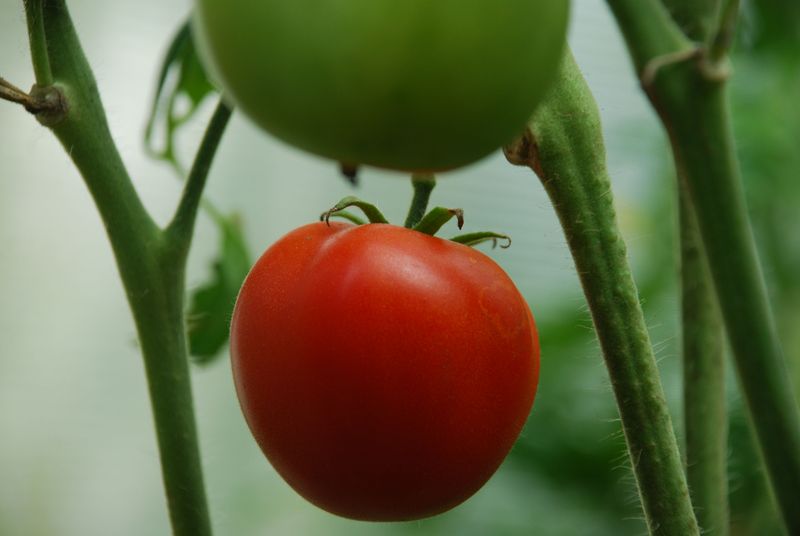
About four to six weeks before your first expected frost, do something that feels counterintuitive: pinch off the very top of your tomato plant. This stops the plant from putting energy into new growth that will never have time to mature.
Instead, all that stored energy rushes toward the fruit already on the vine. Gardeners call this technique topping or terminal pruning. It signals the plant that the season is winding down.
The plant responds by accelerating ripening on existing tomatoes.
Timing this move correctly can shave one to two weeks off your ripening timeline. That is a big deal when fall frosts are closing in fast.
10. Remove New Flower Clusters Near Season’s End
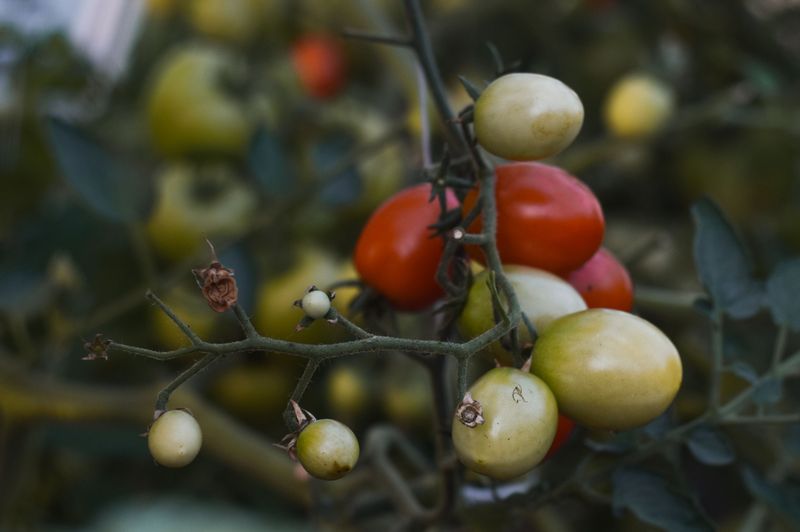
Late-season flowers are beautiful but ultimately pointless. Any flower that opens in the last six weeks of your season is unlikely to become a ripe tomato before frost hits.
Removing these blooms frees up significant plant energy. That redirected energy flows directly into the green tomatoes already hanging on the plant.
Those fruits ripen faster and more fully when they are not competing with new flower development. It is a simple trade-off with a clear winner.
Walk through your garden every few days and snip off any new blossoms you spot. Be ruthless about it in late August and September. Your existing tomatoes will cross the finish line faster because of your decisive action.
11. Fertilize With Phosphorus Instead Of Nitrogen
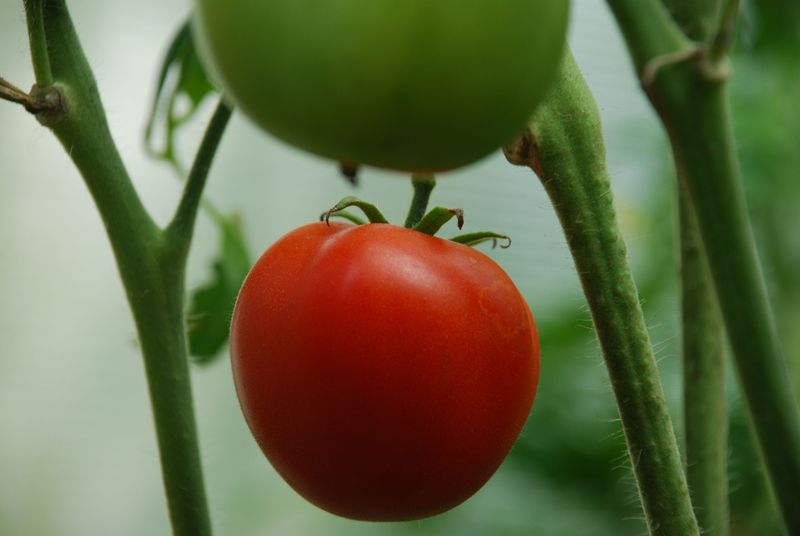
Nitrogen is the nutrient that makes plants grow big and leafy. But too much nitrogen late in the season pushes the plant to keep producing leaves instead of ripening fruit.
Switching to a phosphorus-rich fertilizer changes that priority entirely. Phosphorus supports root development, flower production, and fruit maturation. Look for fertilizers with a higher middle number on the N-P-K label, like 5-10-5.
That middle number represents phosphorus content. Apply a phosphorus feed every two to three weeks once flowers begin forming.
Cut back on any high-nitrogen feeds at that point. Giving your tomatoes the right fuel at the right time is one of the most effective ways to speed up your tomato harvest.
12. Water Deeply And On A Consistent Schedule
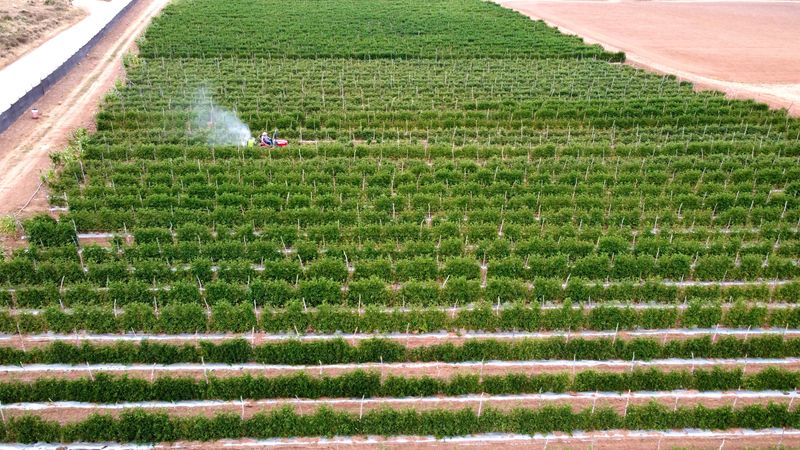
Inconsistent watering is one of the sneakiest ways to delay your harvest. Tomatoes that swing between dry and waterlogged develop problems like blossom end rot and cracking.
Both conditions slow fruiting and damage the tomatoes you already have growing. Water deeply at the base of the plant rather than overhead.
Aim for about one to two inches of water per week depending on heat and rainfall. Deep watering encourages roots to grow downward, making plants more resilient.
A drip irrigation system or soaker hose makes consistency effortless. Set a timer if you tend to forget mid-summer. Steady watering keeps your plants humming along at peak production speed.
13. Reduce Watering Slightly To Induce Ripening Stress
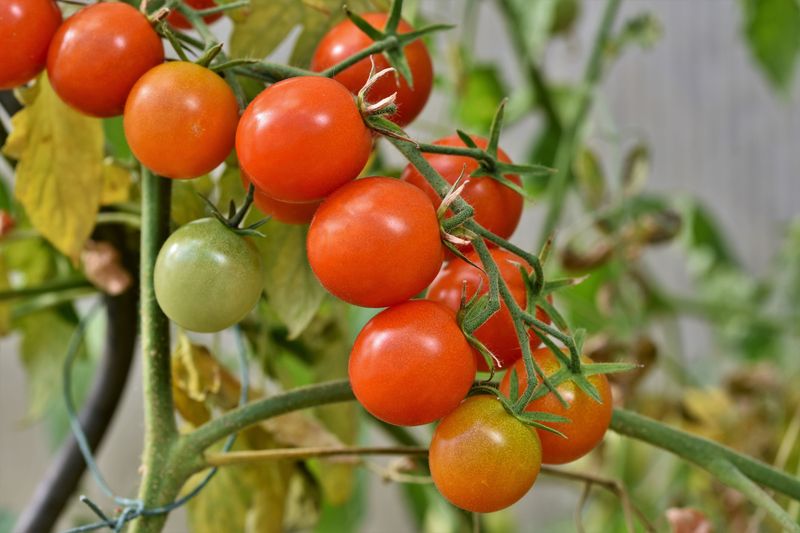
A little stress can actually be a good thing for tomatoes near harvest time. Slightly reducing water in the final weeks signals the plant that conditions are getting tougher.
The plant responds by rushing its fruit toward full ripeness as a survival response. Cut back watering by about 25 percent once the majority of your tomatoes are full-sized and just starting to show color.
Do not let the plant wilt completely, though. Moderate stress is the goal, not drought-level suffering.
You will notice color developing faster and fruit softening sooner than expected. This technique is used by experienced growers to push tomatoes over the finish line.
A small reduction in water delivers a surprisingly large ripening boost.
14. Root Prune The Plant To Trigger Faster Ripening
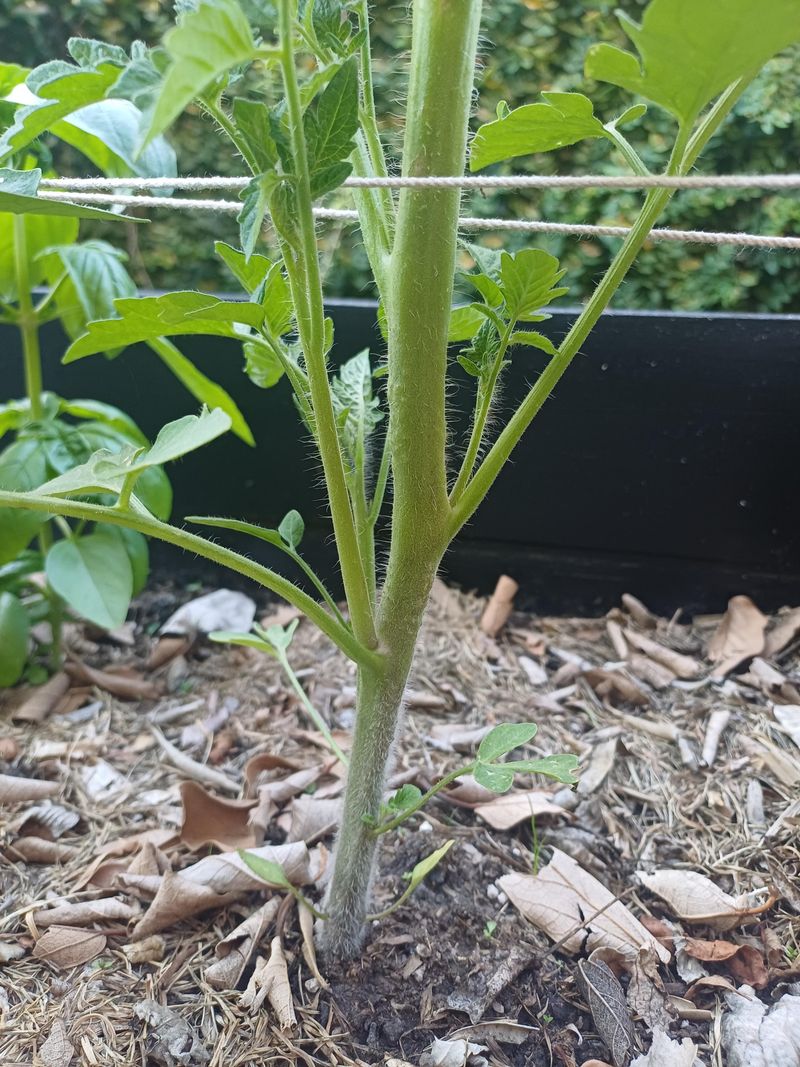
Root pruning sounds drastic, but it is a proven technique used by experienced growers. Push a sharp spade into the soil about eight to ten inches from the base of the plant.
Do this in a half-circle on one side of the stem. Cutting some of the roots sends a stress signal to the plant. That signal mimics the feeling of a changing season and triggers the ripening process.
The plant shifts focus from growth to seed dispersal, which means ripening fruit faster. Do this only once per plant and only when tomatoes are already full-sized.
Combining root pruning with reduced watering creates a powerful one-two ripening punch. Your green tomatoes will start blushing color within days.
15. Mulch The Soil To Retain Heat And Moisture
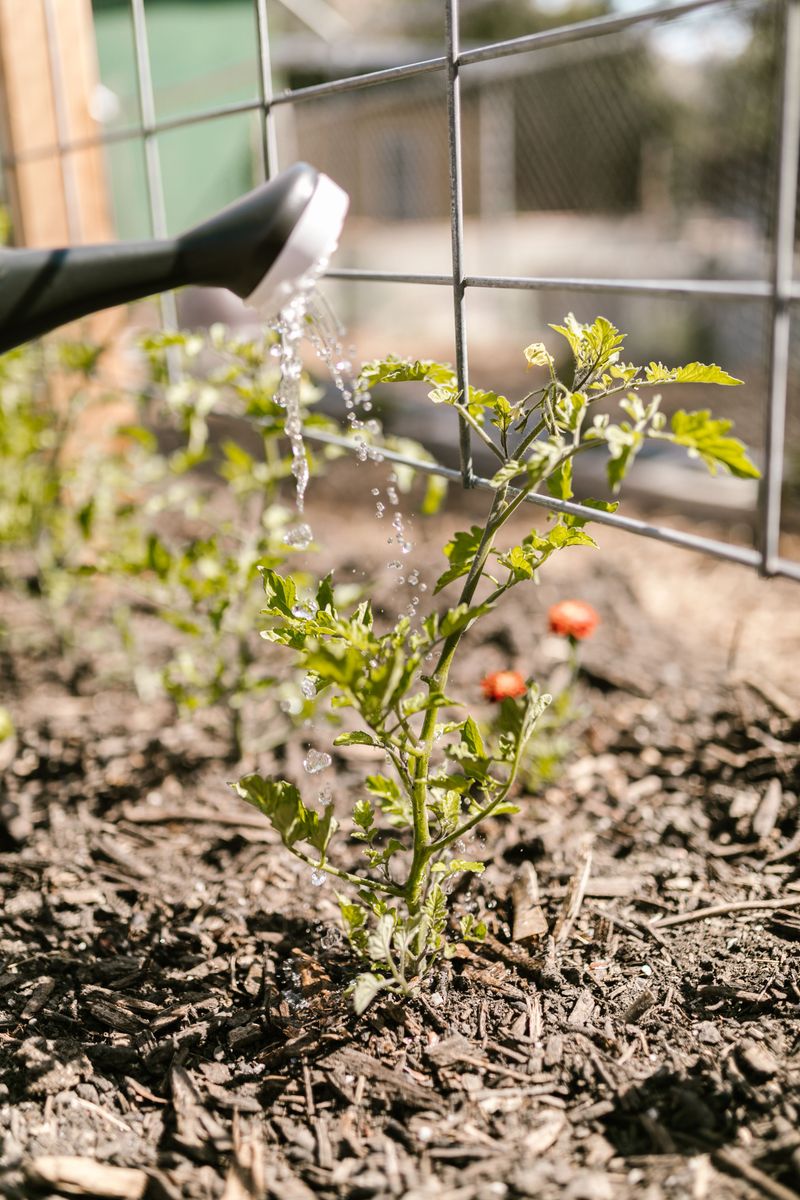
A thick layer of mulch around your tomato plants works like a cozy blanket for the soil. It keeps moisture from evaporating too quickly on hot summer days.
It also holds daytime warmth in the soil through cooler nights. Straw, shredded leaves, or wood chips all work well as mulch materials. Aim for a layer two to three inches thick around each plant.
Keep the mulch a few inches away from the main stem to prevent rot. Consistent soil temperature and moisture levels mean fewer stressful swings for your plants.
Tomatoes growing in stable conditions develop and ripen more predictably. Mulching is one of the lowest-effort, highest-reward moves in the garden.
16. Stake Or Cage Plants For Better Sun Exposure
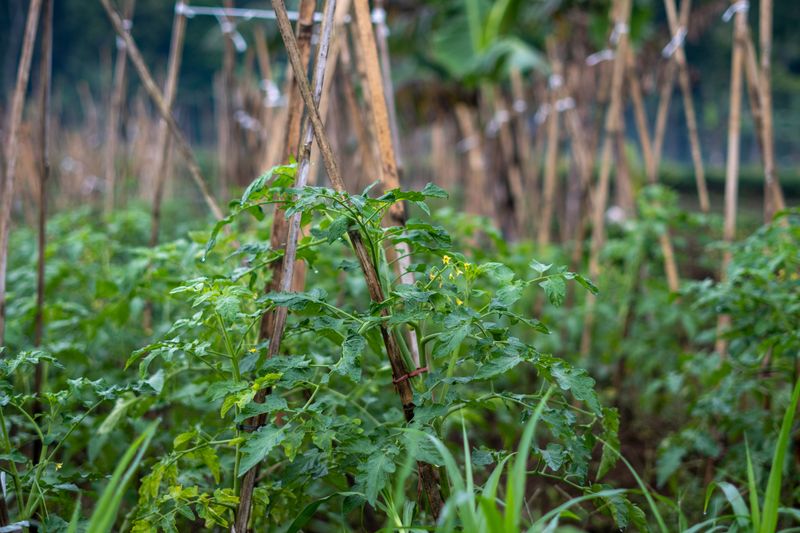
A tomato plant sprawling on the ground is a tomato plant in trouble. Fruit that touches the soil rots faster and ripens unevenly.
Getting plants up off the ground with stakes or cages changes everything about their performance. Vertical growing exposes more leaf surface area and developing fruit to direct sunlight. More sun contact accelerates the ripening process significantly.
It also makes it much easier to spot ripe tomatoes at harvest time. Install stakes or cages at planting time to avoid disturbing roots later.
Tie plants loosely with soft garden twine as they grow taller. Keeping plants upright and well-supported is one of the simplest things you can do to speed up your tomato harvest.
17. Shade Plants During Extreme Heat Waves
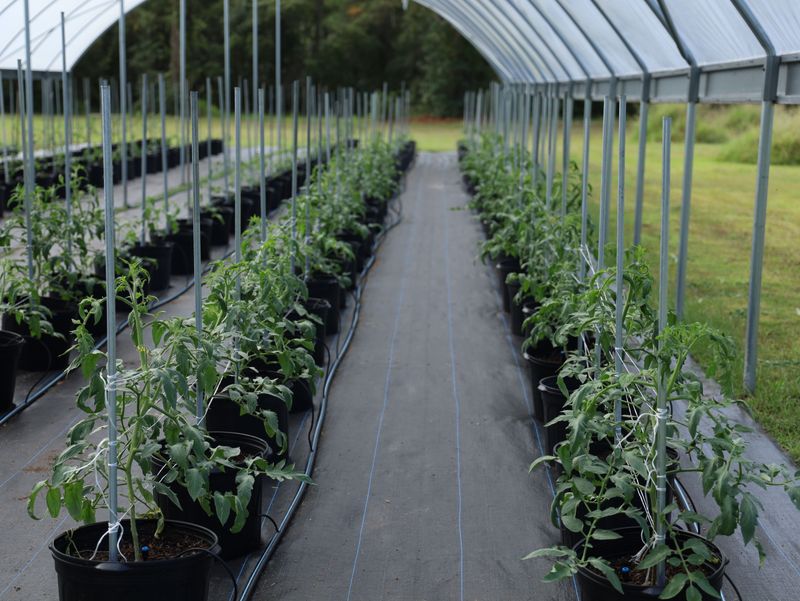
Tomatoes love the sun but have a breaking point. When temperatures climb above 90 degrees Fahrenheit consistently, tomato plants set less fruit and ripening slows down.
The blossoms drop and existing fruit can scald or cook right on the vine. Draping a lightweight shade cloth over your plants during heat waves protects them from the worst of it.
A 30 to 40 percent shade cloth reduces temperature stress without blocking too much light. Plants bounce back quickly once cooler conditions return.
Set up a simple frame with PVC pipes or tall stakes to hold the cloth above the plants. Remove it as soon as temperatures drop back to normal.
Protecting your plants during heat spikes keeps their ripening momentum going strong.
18. Treat Pests And Diseases As Soon As They Appear
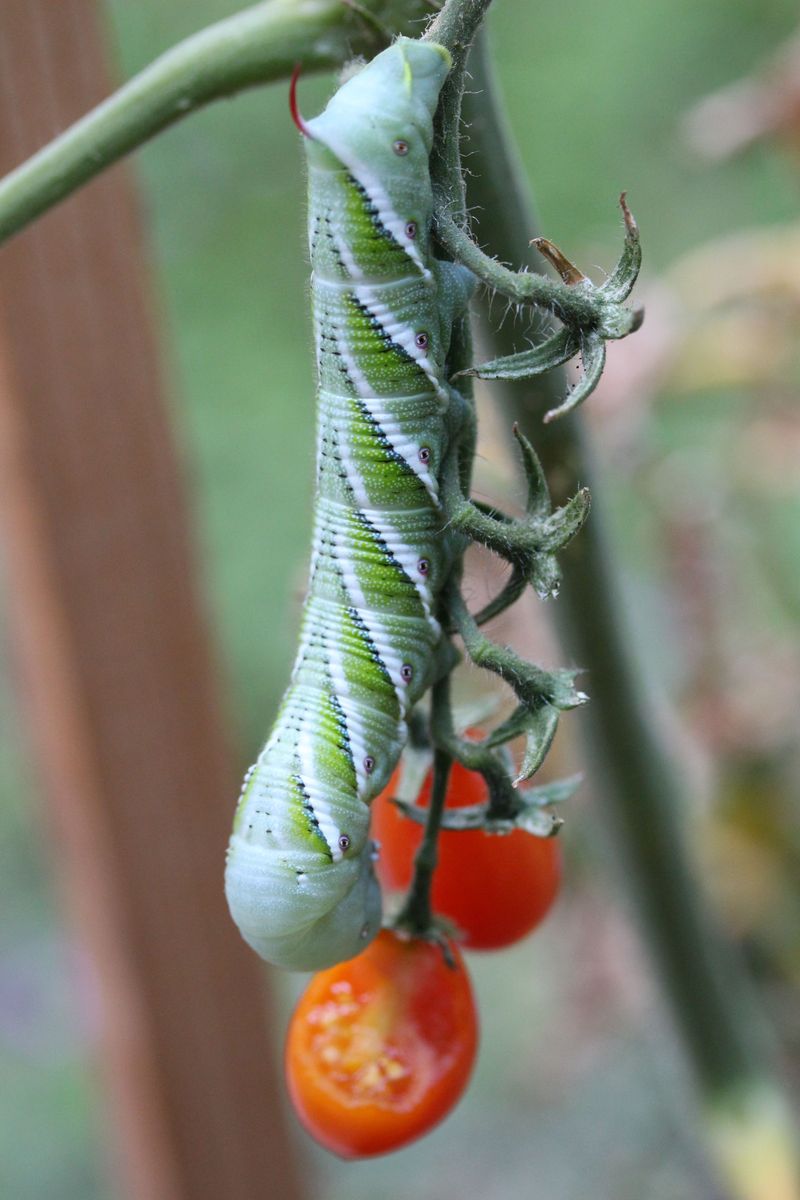
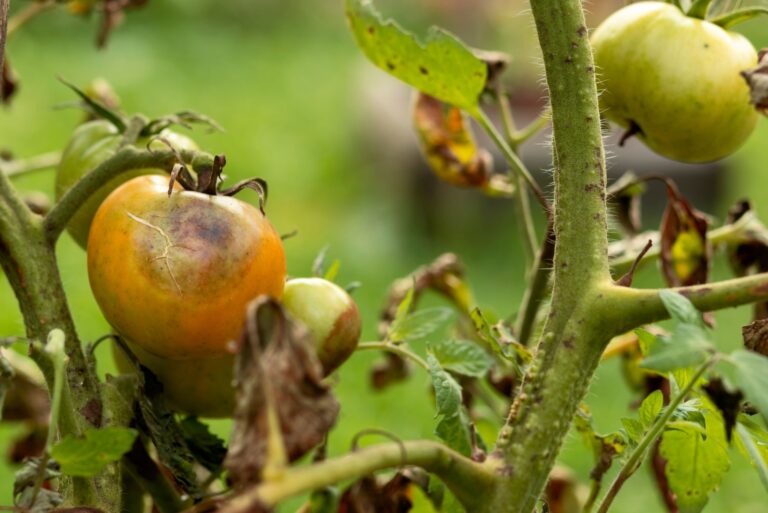
Pests and diseases are silent harvest thieves. A hornworm or a patch of early blight left unchecked can set your entire crop back by weeks.
Catching problems early keeps plants healthy and productive through the whole season. Scout your plants every few days, checking both the tops and undersides of leaves.
Look for chewed edges, yellow spots, sticky residue, or unusual discoloration. Early detection is generally easier and cheaper to address than a full-blown infestation.
Treat problems with the least invasive method first, like hand-picking pests or removing affected leaves. Move to organic sprays like neem oil if the problem persists.
19. Plant Basil Or Marigolds Nearby As Companions
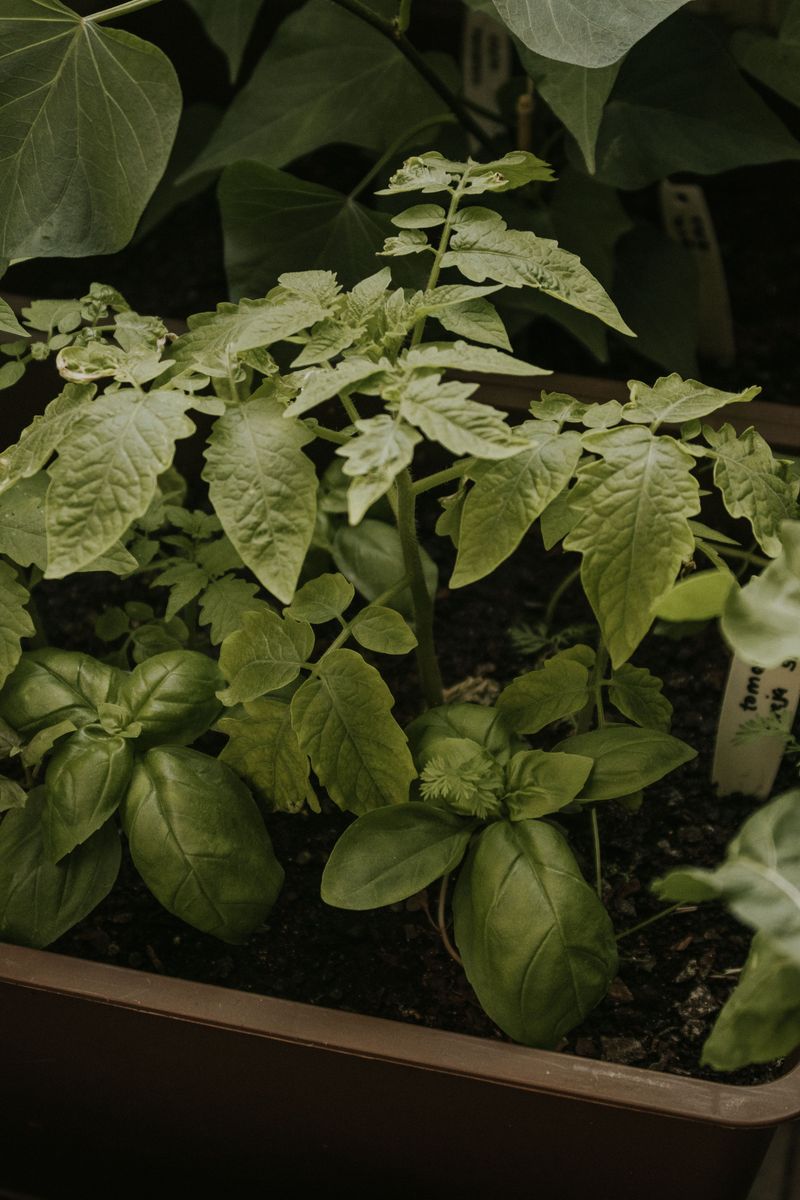
Companion planting is one of those old-school gardening tricks that actually holds up to modern scrutiny. Basil planted near tomatoes is said to repel aphids and whiteflies that can weaken plants.
Marigolds deter nematodes in the soil and attract beneficial insects that prey on pests. Both companions help create a healthier growing environment around your tomatoes.
Fewer pests means less plant stress and more energy going into fruit development. That translates directly into faster, more abundant ripening.
Plant basil within a foot or two of each tomato plant for the best effect. Scatter marigolds around the edges of your garden bed as a protective border.
The combination creates a thriving mini-ecosystem that works in your favor all season.
20. Avoid Over-Pruning To Prevent Sunscald On Fruit
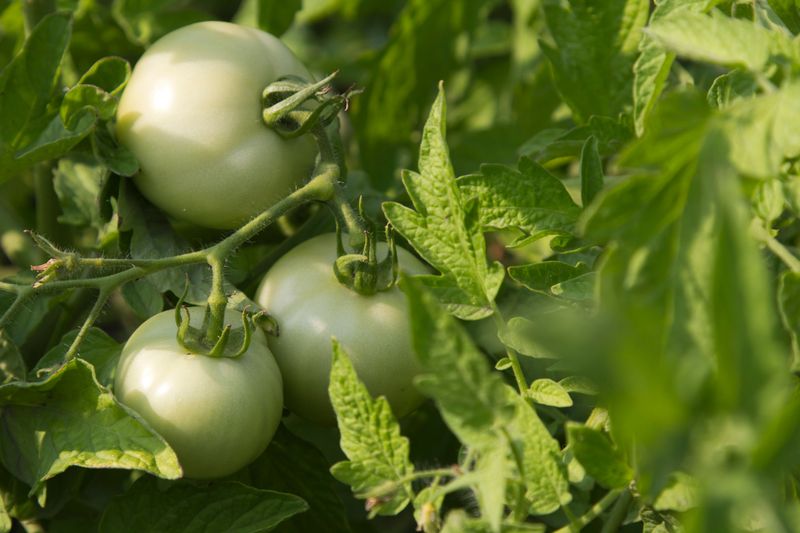
Pruning is powerful, but too much of it backfires fast. Removing too many leaves exposes developing fruit directly to intense summer sun.
That exposure causes sunscald, which appears as pale, papery patches on the skin of your tomatoes. Sunscalded tomatoes are not only unattractive but also more vulnerable to secondary rot. The damage cannot be undone once it appears, so prevention is the best approach.
Keep enough foliage on each plant to provide natural shade for developing fruit. Focus pruning on the lower sections and remove only clearly diseased or withered leaves higher up.
21. Add Calcium Or Epsom Salt For Healthy Fruit Set
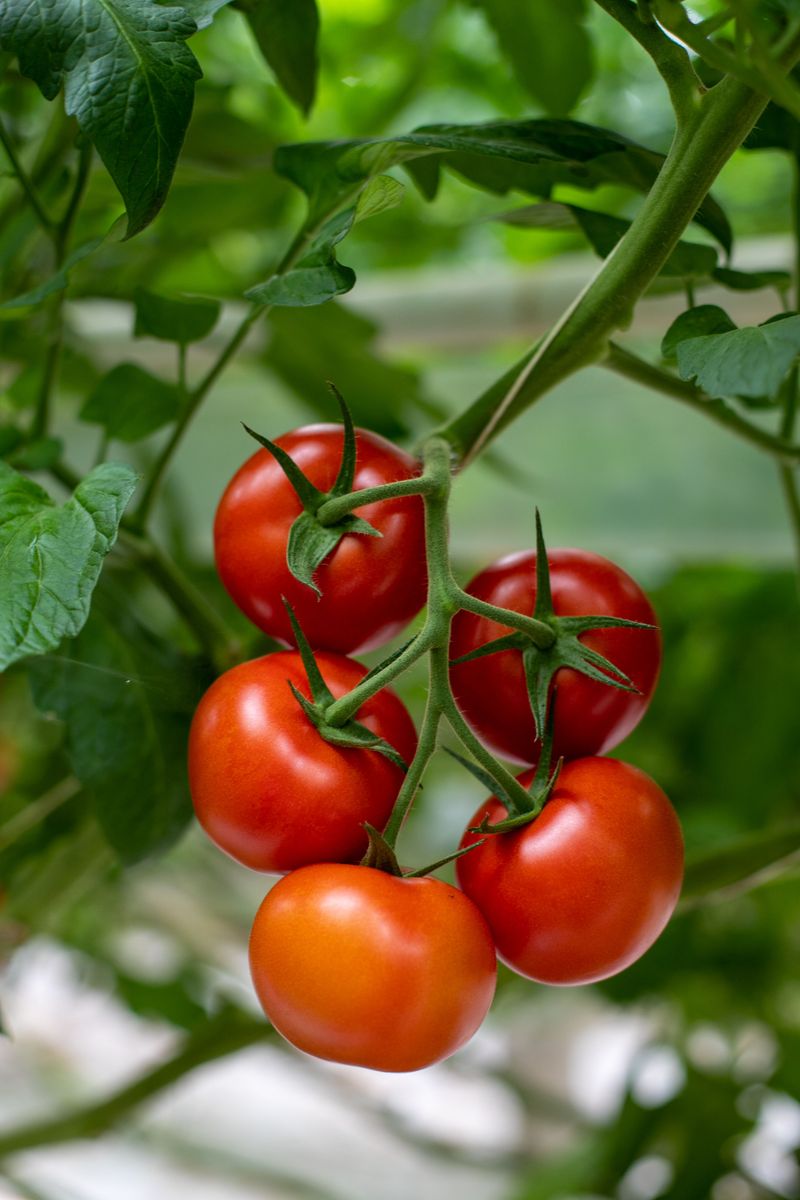
Blossom end rot is every tomato grower’s nightmare. That dark, sunken patch on the bottom of the fruit is caused by a calcium deficiency in the developing tomato.
Adding calcium to your soil or water helps prevent this problem before it starts. Crushed eggshells, agricultural lime, or liquid calcium sprays are all effective options.
Epsom salt, which contains magnesium, is often used alongside calcium to support overall nutrient uptake. A tablespoon dissolved in a gallon of water applied every two weeks works well.
Healthy fruit set means more tomatoes making it all the way to full ripeness. Fewer losses to rot means a bigger final harvest.
22. Pick Fruit As Soon As It Starts Showing Color
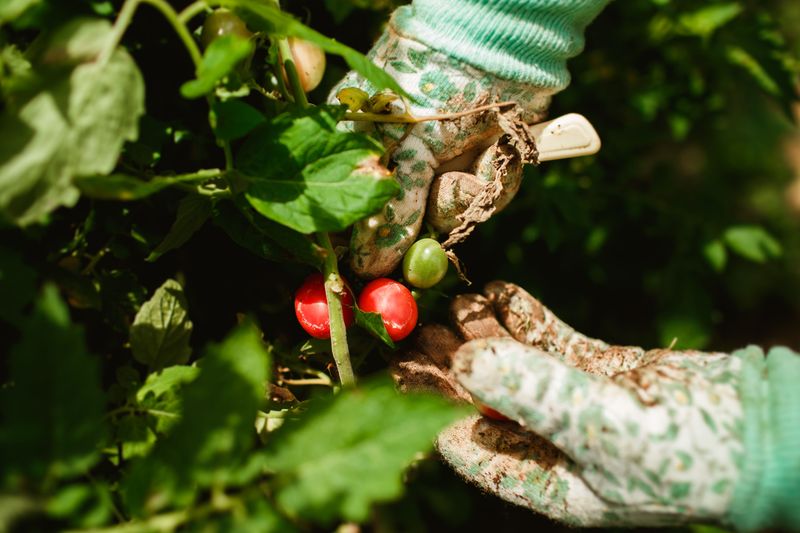
Here is a fact that surprises a lot of home gardeners: tomatoes do not need to finish ripening on the vine. Once a tomato reaches the breaker stage, where it begins showing its first blush of color, the vine’s job is essentially done.
The fruit can ripen perfectly well off the plant from that point on. Picking at the breaker stage protects fruit from pests, birds, and sudden rainstorms.
It also signals the plant to redirect energy into the remaining green tomatoes still developing. That energy shift speeds up ripening across the whole plant.
Bring picked tomatoes indoors and let them ripen on a countertop out of direct sunlight. You will be amazed at how quickly they reach full color and flavor.
23. Place Harvested Tomatoes In A Bag With A Banana
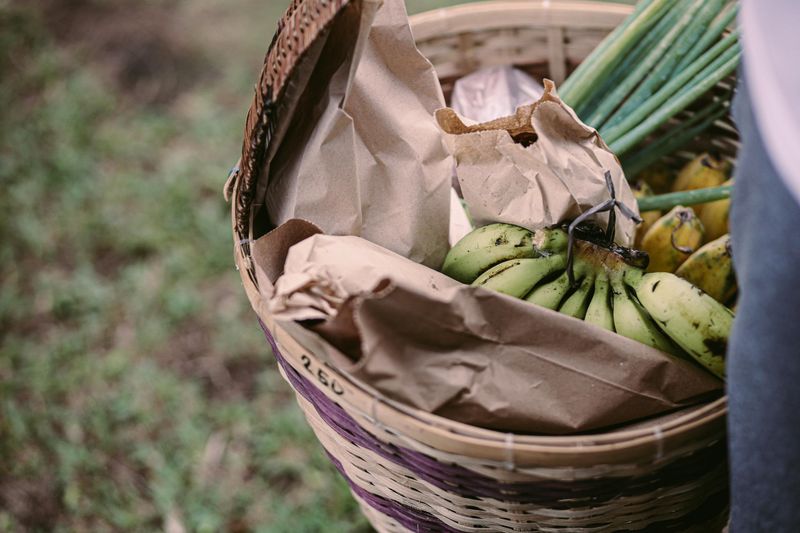
Bananas have a secret superpower that tomato growers can exploit. As bananas ripen, they release ethylene gas, a natural plant hormone that triggers fruit ripening.
Placing a ripe banana in a paper bag with your green tomatoes floods them with this ripening signal. The paper bag traps the ethylene gas around the fruit, concentrating its effect.
Tomatoes already showing a hint of color can ripen fully within a few days using this method.
Poke a few small holes in the bag to allow some airflow and prevent mold. Check on the tomatoes daily once you set them up. You will be slicing into a ripe, juicy tomato before you know it.
24. Store Ripening Tomatoes At Room Temperature, Never In The Fridge
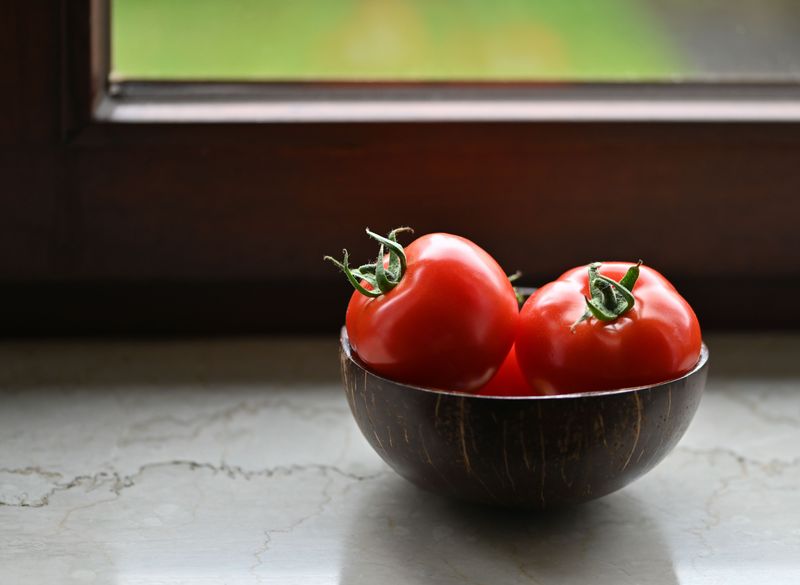
Putting tomatoes in the refrigerator is one of the most common mistakes home gardeners make. Cold temperatures below 55 degrees Fahrenheit slow or halt the ripening process and weaken the enzymes responsible for flavor.
What comes out of the fridge is a mealy, bland version of what went in. Ripening tomatoes generally do best at room temperature, ideally between 65 and 70 degrees.
Tomatoes stored correctly at room temperature ripen more evenly and taste significantly better. Speeding up your tomato harvest means nothing if the flavor suffers along the way.
Treat your tomatoes right from vine to table and enjoy every bite.
25. Wrap Ripening Clusters In A Vented Plastic Bag On The Vine
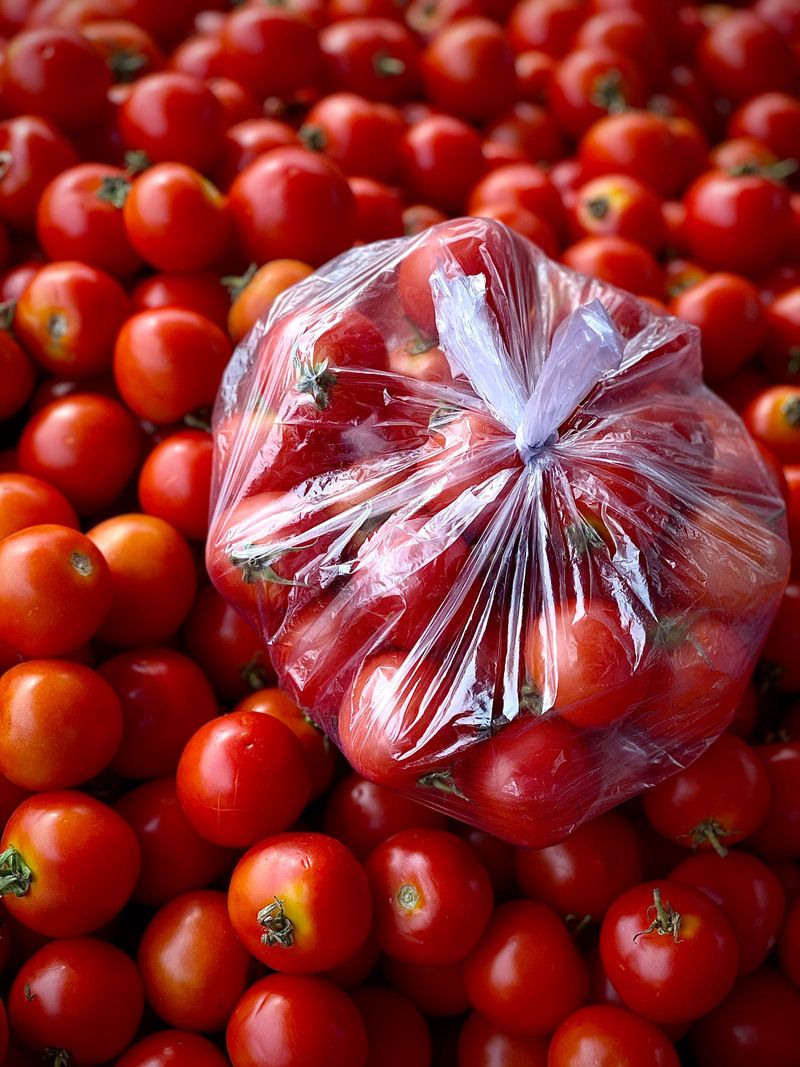
This clever technique brings the ethylene trick directly to the garden. Loosely wrap a cluster of mature green tomatoes still on the vine in a clear plastic bag.
The bag traps the natural ethylene gas the tomatoes themselves produce and concentrates it around the fruit. Poke several small holes in the bag to allow some ventilation and prevent moisture buildup.
The combination of trapped gas and continued warmth accelerates ripening noticeably. Check the cluster every day or two to monitor progress and catch any ripe ones promptly.
Your vine-ripened tomatoes will be ready days ahead of schedule.