The Hidden Cause Behind Small Tomatoes Most Gardeners Miss
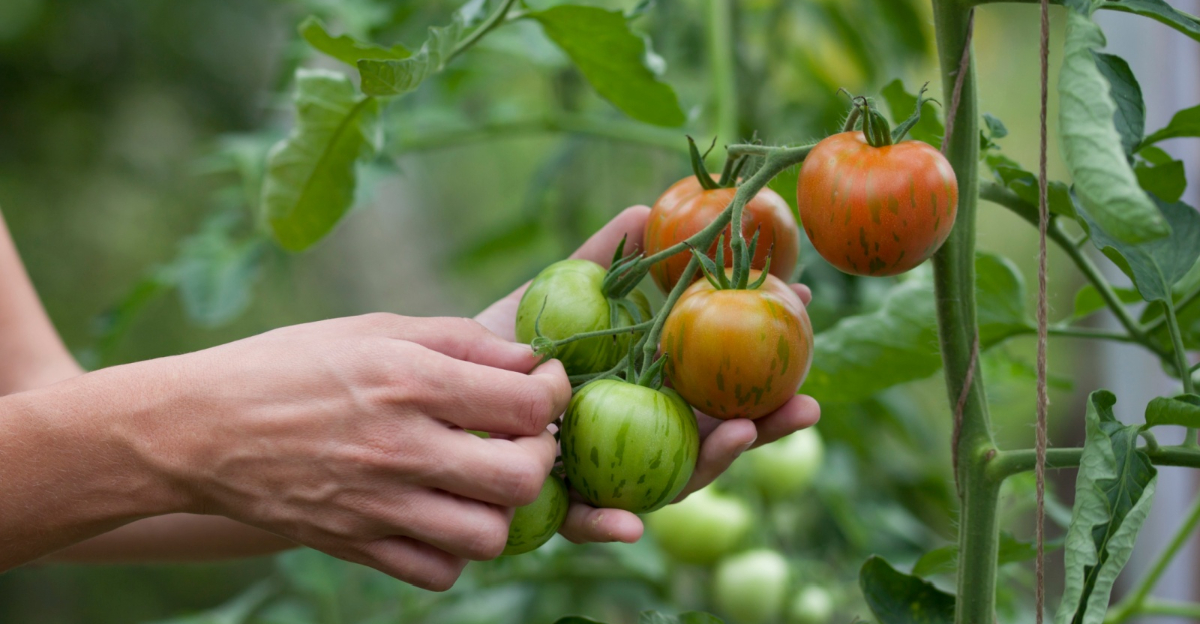
You cared for those tomato plants all season. Morning waterings, perfect stake placement, maybe even a little pep talk on the rough days.
Then harvest time rolls around and what you pull off the vine looks like something a squirrel would pass on. Sound about right?
Here’s the twist most gardeners miss: those tiny tomatoes aren’t random bad luck. They’re a message.
Somewhere along the way, your plant hit a rough patch, whether that was a heat spike, thirsty roots, tired soil, or bees that skipped the party.
And when a tomato plant feels a bit overwhelmed, it stops chasing big fruit and starts focusing on staying steady. Your plant isn’t failing you. It’s just leaning into caution instead of growth.
Once you know which stressor flipped that switch, the fix usually takes minutes, not months. And next season’s tomatoes? They’ll actually look like tomatoes.
What Small Tomatoes Really Mean And When To Worry
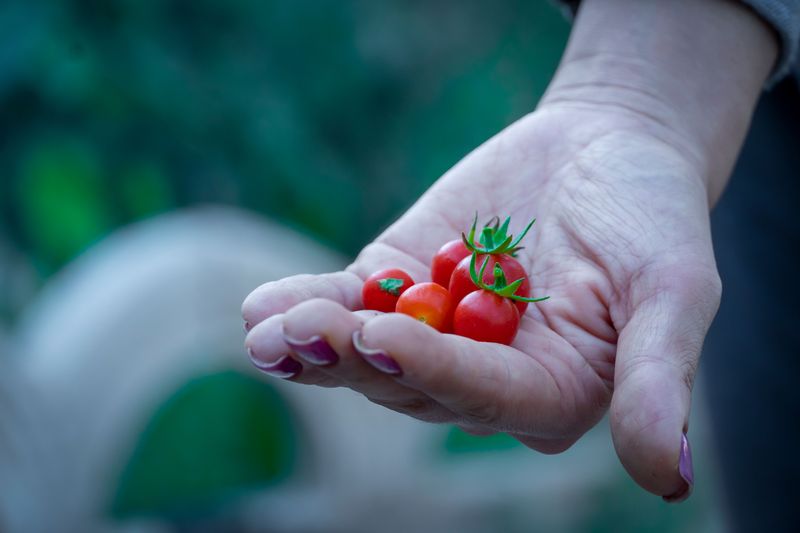
Small tomatoes are not always a disaster. Some varieties, like cherry and grape types, are naturally petite and packed with flavor.
But when a beefsteak or Roma comes out looking like a grape, that is a clear signal something went wrong. The hidden cause behind small tomatoes is almost always stress of some kind.
Tomato plants are naturally resilient. When they sense a threat, their first move is to slow down fruit development and focus energy on basic upkeep.
Fruit size drops fast when the plant shifts into this protective state. You might notice the tomatoes stop swelling around a certain point, then just sit there, small and firm.
Timing matters a lot here. If your tomatoes are small early in the season, the cause is likely different from late-season shrinkage.
Early small fruit often points to pollination problems or cold snaps. Late-season shrinkage usually signals heat stress or depleted soil nutrients.
Checking your fruit at different growth stages helps you pinpoint the problem faster. Look at the size, color, and texture together for clues.
A healthy tomato should feel heavy for its size and smell earthy near the stem. Lightweight, pale, or seedy fruit with little flesh usually confirms a stress response.
Do not panic when you spot small tomatoes on the vine. Take a breath, look closely at your plant, and start asking the right questions about its growing conditions.
Plant Stress Redirects Energy Away From Fruit
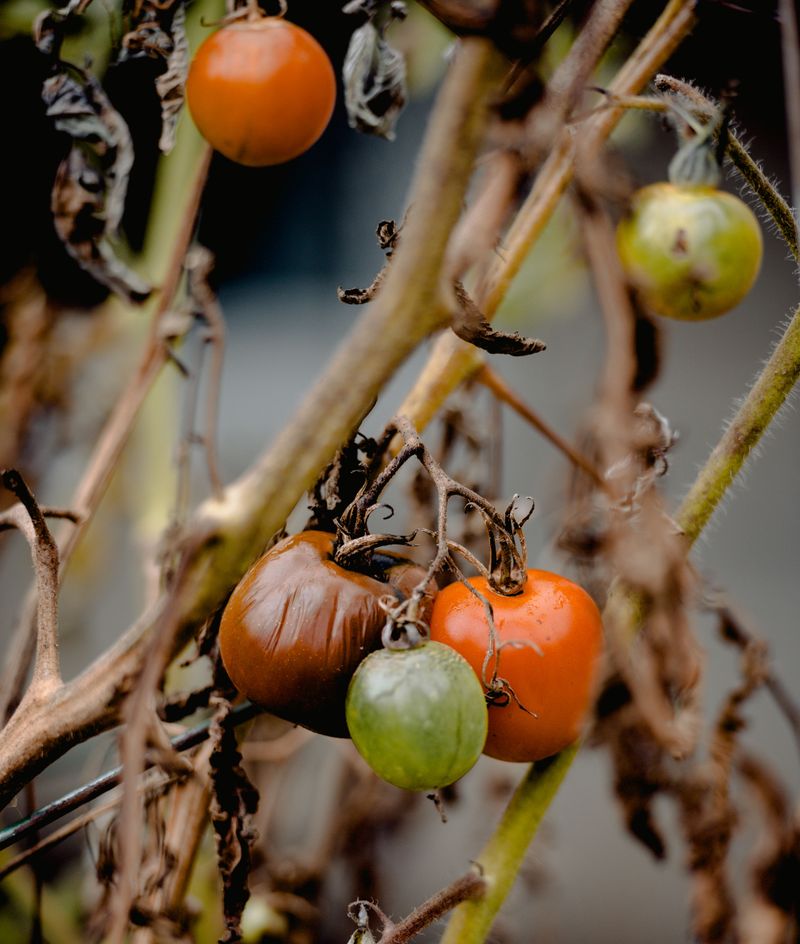
Think of your tomato plant like a person juggling too many tasks at once. When life gets overwhelming, something has to give.
For a tomato plant, that something is fruit size. Plant stress redirects energy away from fruit and toward essential upkeep like root maintenance and leaf repair. This is not a flaw in the plant.
It is an effective adaptation that has helped tomatoes endure for thousands of years in tough conditions. The plant prioritizes its own upkeep over reproduction when resources run low.
Smaller fruit means less energy spent, which means the plant can keep going through hard times.
Stress hormones in plants work a lot like adrenaline in humans. They trigger quick protective responses that often come at the cost of long-term productivity.
When a tomato senses drought, extreme heat, or pest damage, it releases a hormone called abscisic acid. That chemical signals the plant to slow down fruit development immediately.
Gardeners often blame themselves when they see small fruit, assuming they planted wrong or chose a bad variety. But the real issue is almost always environmental stress that built up quietly over weeks.
Catching stress early makes a huge difference in final fruit size. Watch for leaf curl, yellowing edges, or blossom drop as early warning signs.
Reducing stress at any stage still helps the plant recover and push more energy back into growing bigger, better fruit before the season ends.
Water Stress, The Most Common Trigger
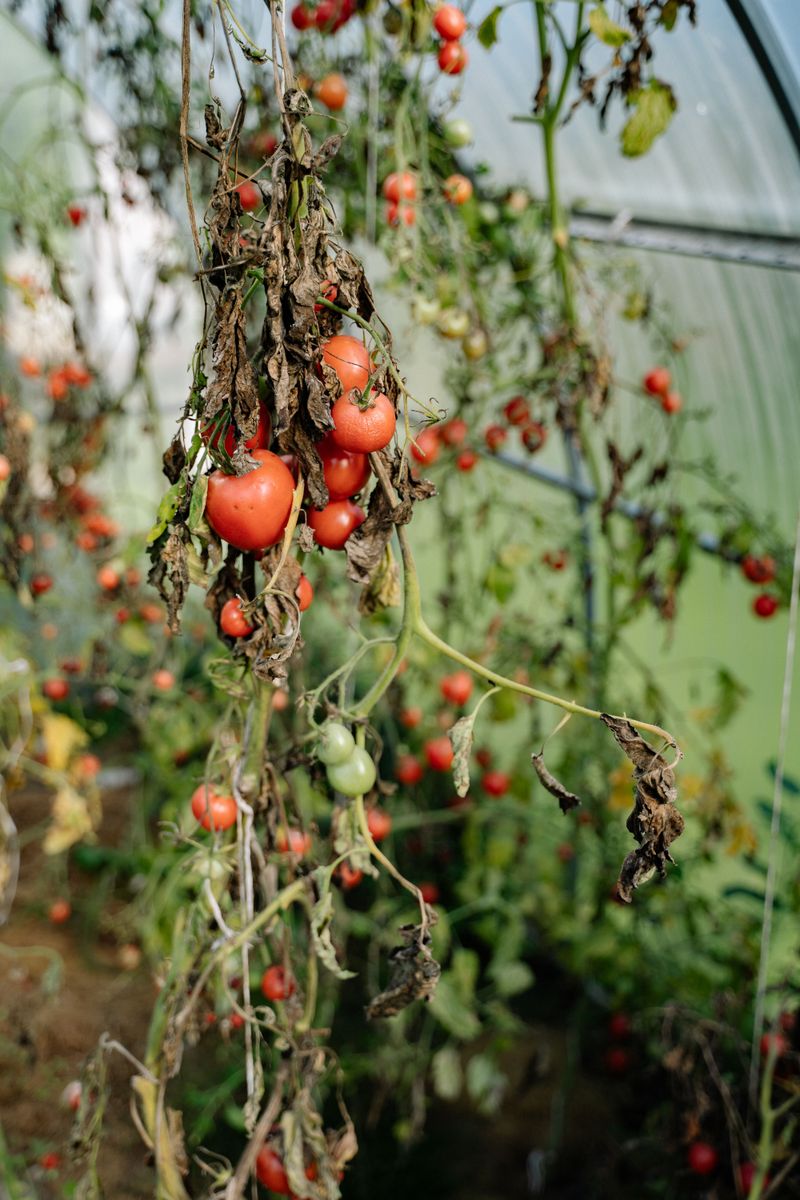
Dry soil is the number one reason tomatoes end up small, and it sneaks up on gardeners faster than almost any other problem. Tomatoes are thirsty plants that need steady, consistent moisture to grow fruit properly.
Inconsistent watering is actually worse than being slightly dry all the time. When soil swings between soaking wet and bone dry, the plant reduces resource allocation to fruit production.
This response is where fruit size problems begin. The plant tightens its resources and stops sending water and nutrients to developing fruit, leaving them small and sometimes cracked.
Blossom end rot, a condition where the bottom of the fruit turns black and sunken, is a classic sign of water stress. It happens because calcium cannot move into the fruit without steady moisture in the soil.
Aim for one to two inches of water per week, delivered slowly and deeply. Shallow watering encourages roots to stay near the surface, making the plant even more vulnerable to dry spells.
Mulching around your plants with straw or wood chips helps soil hold moisture between watering sessions. A two to three inch layer can significantly reduce moisture loss on hot days.
Drip irrigation is a reliable solution for tomato growers who struggle with consistency. It delivers water directly to the roots at a slow, steady rate that keeps the soil evenly moist.
Once you lock in consistent watering, your tomatoes will often respond with larger, heavier fruit over the following weeks, especially if water was the main stressor.
Poor Pollination, The Overlooked Culprit
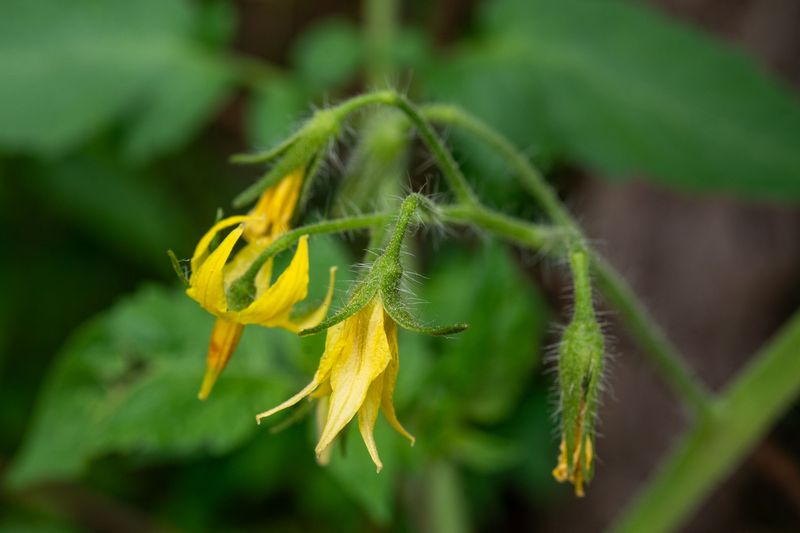
Most gardeners check their soil and water first, but they never think to look at their flowers. Poor pollination is one of the most overlooked causes of small tomatoes, and it is quite common.
Tomato flowers are self-pollinating, meaning each bloom carries both male and female parts. But they still need a little help to release pollen properly.
In nature, bees and wind provide that help by vibrating the flowers at just the right frequency. Without that vibration, pollen stays trapped inside the anther and never reaches the stigma.
No pollen transfer means no seeds forming inside the fruit. Fewer seeds can mean smaller fruit, since seeds are among the factors that influence the hormones responsible for fruit growth.
Heat plays a sneaky role in pollination failure too. When daytime temperatures climb above 85 to 90 degrees Fahrenheit, pollen becomes sticky and clumpy, making transfer nearly impossible.
Nights above 70 degrees Fahrenheit cause a similar problem. The plant may drop flowers entirely rather than set fruit under those warm conditions.
If you are not seeing many bees in your garden, you can hand-pollinate by gently shaking flower clusters each morning.
Some gardeners find that an electric toothbrush held near the base of each bloom helps release pollen more effectively.
Planting pollinator-friendly flowers like marigolds, basil, and zinnias nearby may help draw in more bees. Better pollination leads directly to bigger, meatier tomatoes without any other changes needed.
Other Contributing Factors Like Nitrogen, Heat, Soil, And Pruning
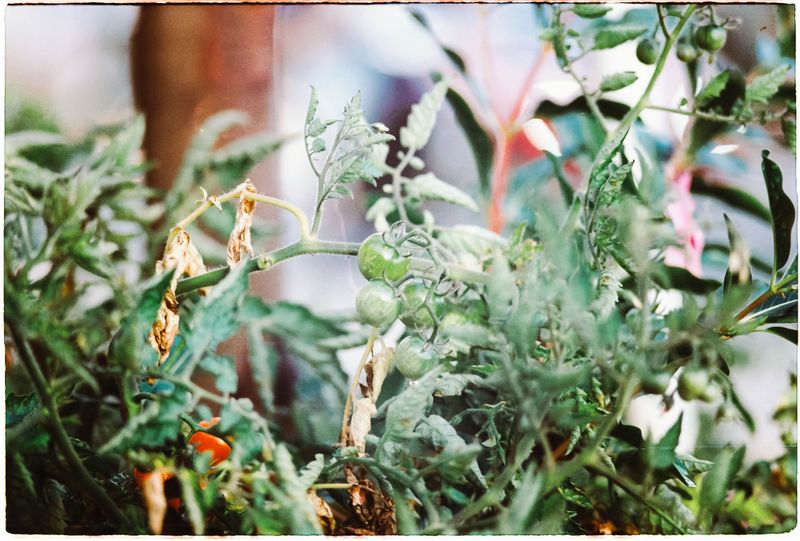
Water and pollination get most of the blame, but several other factors gradually reduce tomato size. Nitrogen is a big one that gardeners often get wrong in both directions.
Too much nitrogen pushes the plant to grow lush, dark green leaves at the expense of fruit. The plant loves the nitrogen so much that it forgets to focus on reproduction.
Too little nitrogen causes yellowing leaves and weak stems, which also tank fruit development. Finding the right balance means using a fertilizer with lower nitrogen and higher phosphorus once flowers appear.
Soil pH is another easy-to-miss factor. Tomatoes thrive in soil with a pH between 6.0 and 6.8, and outside that range, nutrients get locked out even when they are physically present in the soil.
A simple pH test kit from any garden center is inexpensive and quick to use. Adjusting pH with lime or sulfur can help unlock a noticeable improvement in fruit size.
Extreme heat above 85 to 95 degrees Fahrenheit starts to shut down fruit development. Shade cloth during peak afternoon hours gives plants relief without reducing overall sunlight too much.
Pruning suckers, the small shoots growing between the main stem and branches, is commonly believed to help redirect energy toward existing fruit. But over-pruning stresses the plant and reduces the leaf area needed for photosynthesis.
Balance is everything in tomato growing. Paying attention to all these factors together gives your plant the best possible chance at producing big, satisfying fruit.
How To Fix It And Get Bigger Tomatoes
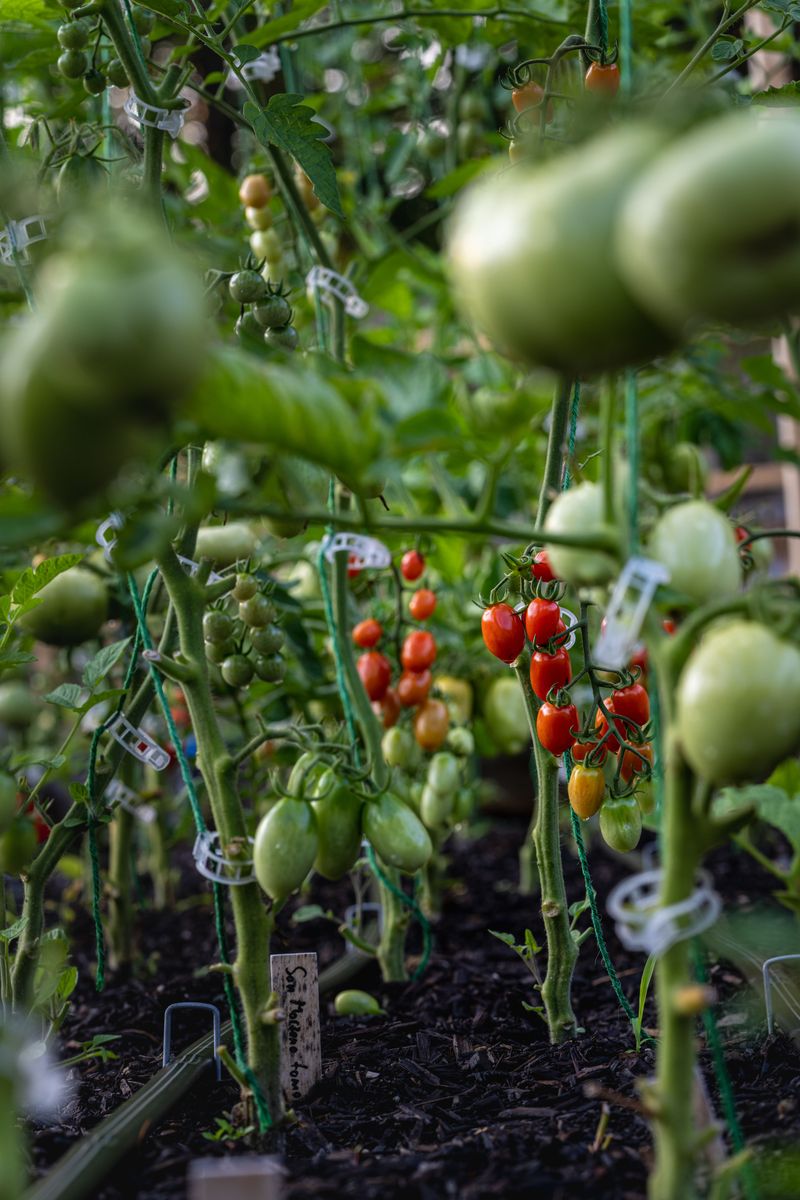
Fixing small tomatoes starts with playing detective in your own garden. Walk through your plants slowly and look for clues like wilting, yellowing, flower drop, or unusually small fruit clusters.
Start with water, since it is the most common hidden cause behind small tomatoes and the easiest to fix. Set a consistent schedule and use a moisture meter to take the guesswork out of when to water.
Add a thick layer of mulch around each plant right away. That single step alone can help stabilize soil moisture and temperature, which gradually reduces stress.
Switch your fertilizer formula once flowers appear. Move from a high-nitrogen blend to one labeled for tomatoes or fruiting plants, with a higher middle number on the label indicating phosphorus.
Test your soil pH before adding any amendments so you know exactly what you are working with. Correcting pH is an effective way to unlock nutrients that are already sitting in your soil.
Check for bees and pollinators during morning hours when flowers are most receptive. If activity seems low, add a few pollinator plants nearby or try hand-pollinating with a small brush.
Protect your plants from extreme heat with a shade cloth rated for thirty to forty percent shade coverage. Position it to block the harsh afternoon sun while still letting in morning light.
Every step you take to reduce stress gives your plant permission to invest more energy back into growing bigger, bolder fruit, which is exactly what you planted them for.