How Nevada Gardeners Revive Tired Petunias So They Keep Blooming Well Into Fall
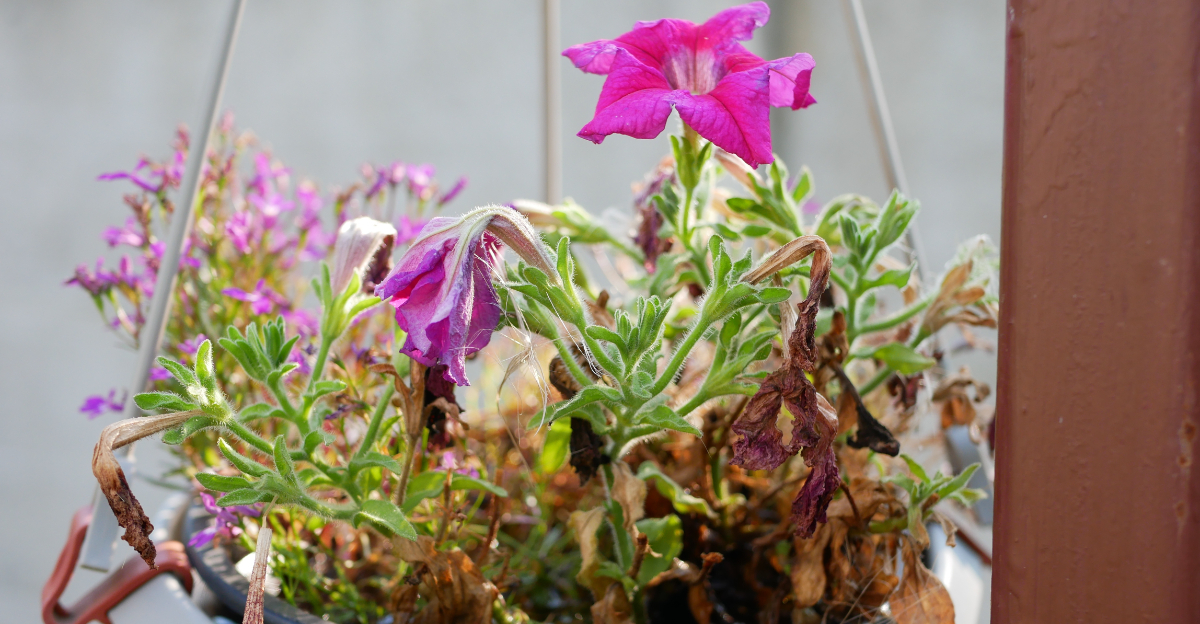
By July, your petunias look like they gave up. The blooms thin out, the stems stretch thin and bare, and the whole pot starts to sag under the Nevada sun. This is not the end of the story.
Petunias are stubborn plants, and a little strategic pressure can push them right back into bloom mode before the first fall chill hits. The trick lies in understanding what the plant is actually trying to do.
Once a petunia sets seed, it reads that as a signal to stop flowering. Your job is to interrupt that signal all summer long. Grown in a hanging basket, a raised bed, or a simple terracotta pot, the same handful of moves will snap a leggy petunia out of its slump.
Most take only a few minutes, and none require a special trip to the nursery. By September, these plants can look better than they did in May.
1. Cut Back Leggy Stems By Half
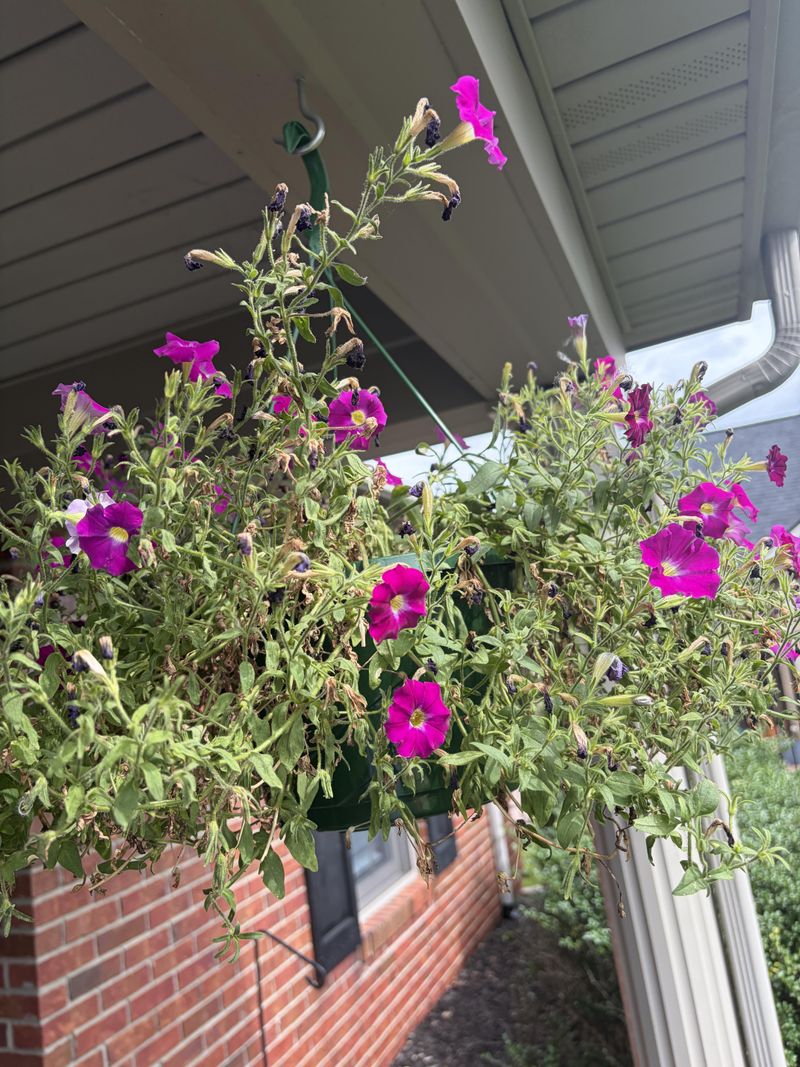
Leggy petunias are basically begging for a haircut. When stems stretch out long and bare, with blooms only at the very tips, the plant is wasting energy on stem growth instead of flowers.
Grab a clean pair of garden shears and cut each stem back by about half its length. Make your cut just above a leaf node, which is the small bump where a new branch wants to sprout.
This one move redirects the plant’s energy from maintaining long bare stems to pushing out fresh side shoots. Those new shoots are where your next wave of blooms will come from.
Many gardeners hesitate because cutting back feels counterintuitive. You are removing green growth that looks alive, and that feels wrong in the moment.
Trust the process, because petunias are incredibly resilient. Within seven to ten days, you will see tiny new buds forming along the freshly cut stems.
Doing this in late July or early August in Nevada gives the plant enough time to recover before fall temperatures arrive. The cooler nights of September will then supercharge that new growth into a spectacular bloom display.
Clean your shears before and after cutting to avoid spreading any fungal issues between plants. A quick wipe with diluted bleach or rubbing the blades with a clean cloth takes only seconds.
Cutting back is one of the most effective reset tools for how Nevada gardeners revive tired petunias.
2. Remove Spent Blooms Regularly
A faded bloom left on the plant is a signal to stop flowering. Petunias read spent flowers as a sign that their reproductive job is done, so they shift gears away from producing new blooms.
Removing spent blooms means snipping or pinching off those faded, papery flowers before they have a chance to form seeds. It sounds fancy, but it is really just a quick habit you repeat every few days.
Walk your garden in the morning with a small basket and snap off anything that looks brown, mushy, or papery. The plant responds almost immediately by sending energy toward new bud formation.
Your Nevada Garden Changes Every Week. Your Plan Should Too.
Gardening in Nevada changes quickly throughout the season. Every Friday you’ll receive a simple weekly plan showing exactly what to plant, prune, fertilize, harvest, and protect so you never miss the right timing.
Some petunia varieties drop their spent blooms on their own, but most need a little help from you. Wave petunias are more self-cleaning than traditional grandifloras, but even they benefit from regular checks.
Make bloom grooming a habit by tying it to something you already do each morning, like having your coffee outside. A five-minute check becomes second nature after just a week.
In the intense Nevada summer heat, blooms fade faster than they would in cooler climates. That means you may need to groom your plants every two to three days rather than once a week.
Keeping up with spent blooms also keeps the plant looking tidy and fresh. Nobody wants to display a container full of brown mush when the neighbors walk by.
Staying on top of spent bloom removal is one of the easiest ways to keep color coming strong all the way to fall.
3. Feed With A Nitrogen-Rich Liquid Fertilizer
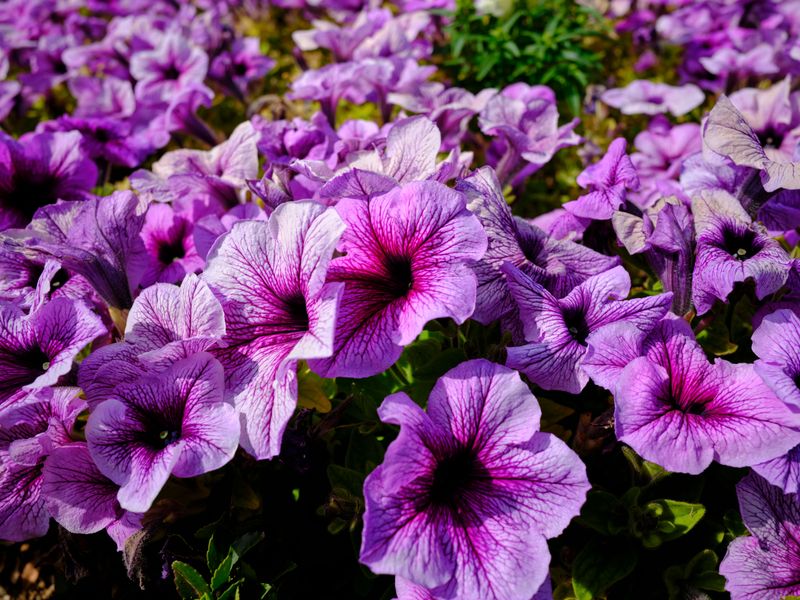
Hungry plants bloom poorly, and petunias are heavy feeders that burn through nutrients fast. By midsummer, the soil or potting mix in your containers has likely been stripped of most of its original nutrition.
A liquid fertilizer with higher nitrogen content gives the plant the fuel it needs to push out fresh green growth after a hard cutback. New leafy growth is what supports the next round of blooms.
Look for a fertilizer with a ratio like 24-8-16 or similar, where the first number representing nitrogen is the highest. Mix it according to package directions and apply it directly to the soil, not the leaves.
Feeding every seven to ten days during the recovery phase makes a noticeable difference in how fast petunias bounce back. Skipping feedings is one of the main reasons plants stall out after a trim.
Liquid fertilizers work faster than granular ones because the nutrients are already dissolved and ready for root uptake. Speed matters when you are trying to revive tired petunias before fall arrives.
Avoid over-fertilizing, because too much nitrogen can actually push leafy growth at the expense of blooms. Stick to the recommended dose and trust the schedule.
If your petunias are in the ground rather than containers, they may need slightly less frequent feeding since garden soil holds nutrients longer. Check the leaves for yellowing, which signals a clear need for more food.
Consistent feeding paired with regular trimming creates a powerful combo that keeps color coming strong.
4. Remove The Entire Seed Pod, Not Just The Bloom
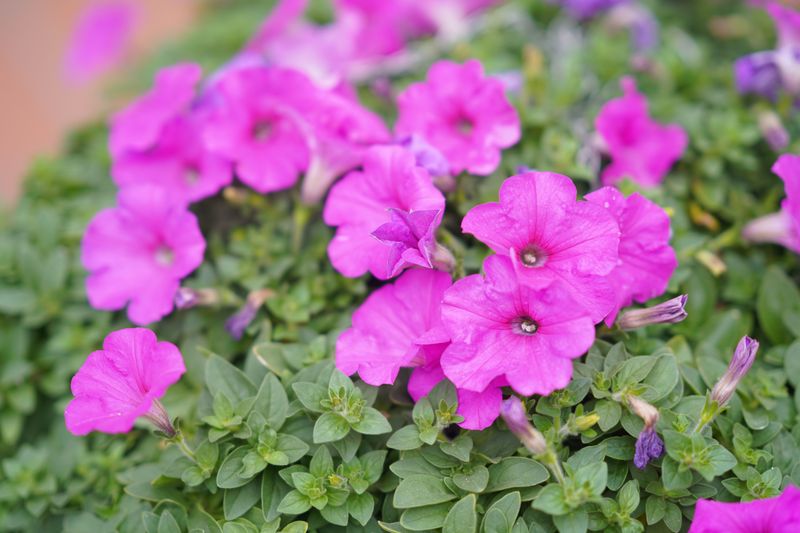
Most gardeners pull off the colorful petals and call it done, but the real trick is removing the seed pod hiding underneath. That small green bump at the base of every spent flower is where seeds develop.
When a seed pod forms and matures, the plant considers its mission accomplished. It slows bloom production because, biologically speaking, it has already reproduced.
Pinching off just the petals leaves the pod intact, which means the plant still gets the signal to wind down. You have to remove the entire pod along with the faded flower to truly reset the cycle.
Feel around the base of each spent bloom with your fingertips and locate the small swollen green nub. Pinch it off cleanly at the stem, removing the whole structure in one motion.
This is a detail that even experienced gardeners sometimes miss, and it explains why some plants rebloom faster than others after removing spent blooms. The pod removal is the missing step.
In Nevada’s long growing season, staying on top of pod removal can extend your bloom window by several extra weeks. That is a meaningful difference when fall color is the goal.
Checking for pods every two to three days keeps the plant in a constant state of trying to produce flowers. It never gets the chance to shift into seed-setting mode.
This small but mighty habit is one of the most underrated techniques for how Nevada gardeners revive tired petunias before the season ends.
5. Water Deeply In The Morning
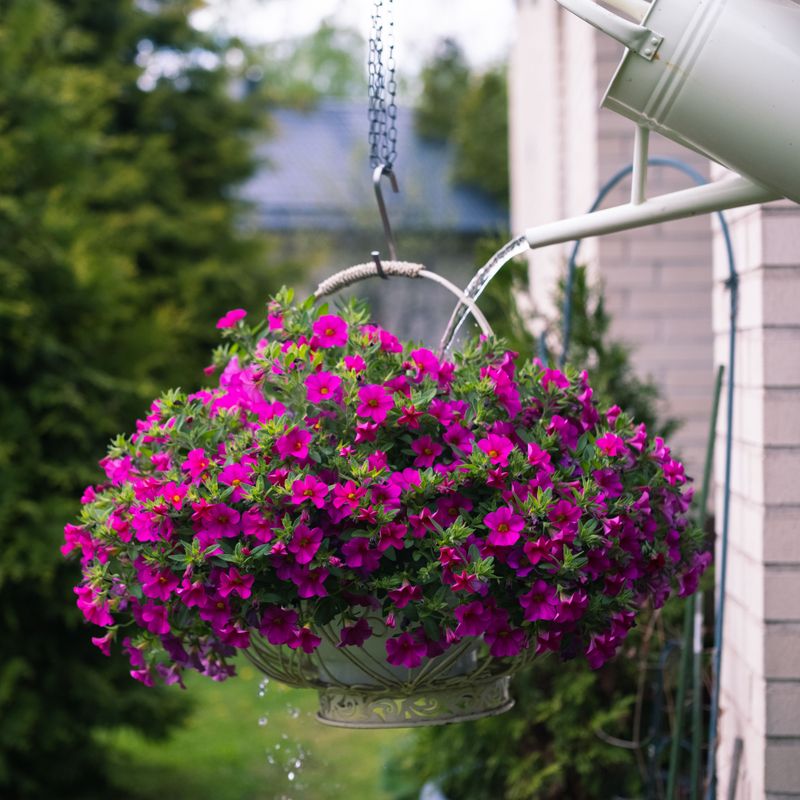
Shallow watering creates shallow roots, and shallow roots cannot handle desert heat. Petunias that only receive a light daily sprinkle tend to stress out fast when temperatures climb past 100 degrees.
Deep watering means soaking the soil slowly until moisture reaches six to eight inches below the surface. This encourages roots to grow downward where the soil stays cooler and more consistently moist.
Morning is the ideal time to water because the plant has all day to absorb moisture before the heat peaks. Wet foliage in the morning also dries quickly, which reduces the chance of fungal issues developing.
Use a slow trickle from a hose or a drip system rather than a quick blast from a sprinkler. Slow watering gives the dry desert soil time to absorb water instead of letting it run off.
In Nevada’s arid climate, the soil can look damp on the surface but be bone dry just two inches down. Stick your finger into the soil before watering to check actual moisture levels.
Watering deeply every two to three days is usually more effective than a light daily sprinkle. Petunias prefer a wet-dry cycle rather than constantly soggy roots.
Overwatering is just as harmful as underwatering, causing root rot that mimics drought stress symptoms. If leaves look wilted but the soil is wet, ease back on how often you water.
Getting the watering rhythm right is foundational to keeping petunias healthy and blooming through the heat.
6. Give Afternoon Shade During Peak Desert Heat
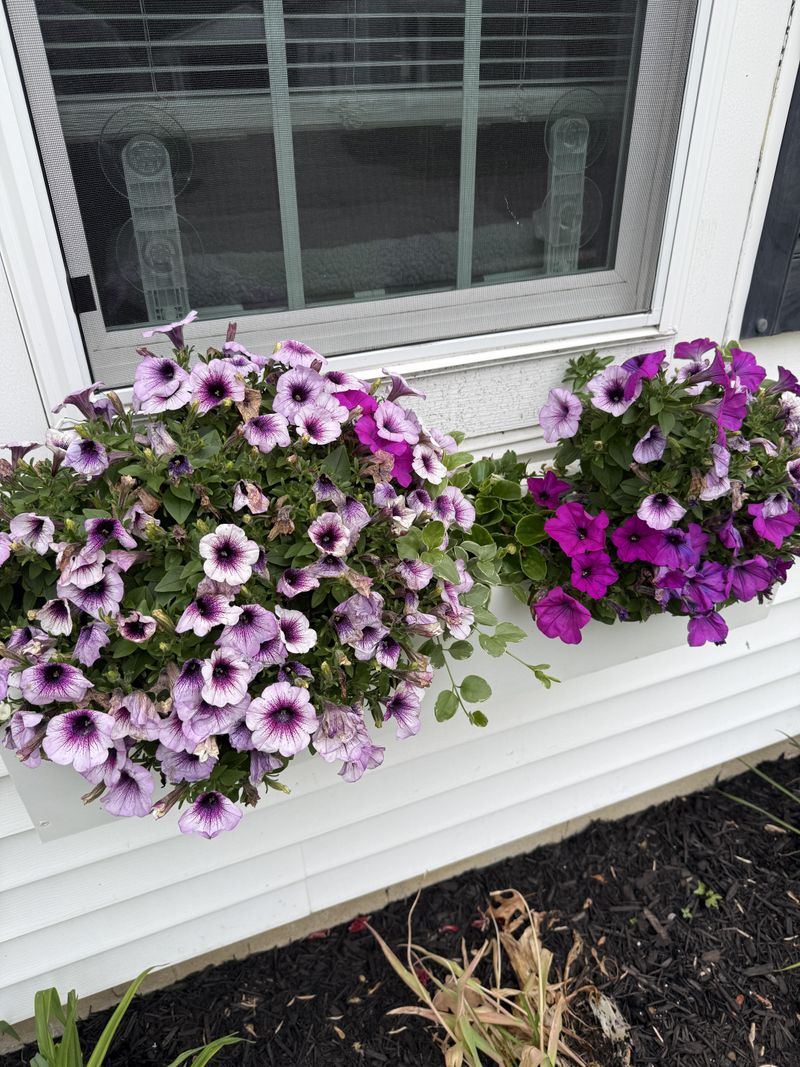
Full blazing sun from noon to four in the afternoon is brutal, even for plants labeled as sun-lovers. Petunias can tolerate plenty of direct light, but the extreme afternoon intensity in Nevada pushes them past their comfort zone.
Providing shade during those hottest hours gives the plant a break without cutting off the morning and evening sun it genuinely thrives on. Even two to three hours of afternoon shade makes a measurable difference in plant health.
Shade sails are a popular and affordable solution for patios and garden beds throughout the Southwest. They block harsh rays while still allowing airflow, which keeps plants from baking in trapped heat.
Moving potted petunias to a shadier spot during peak heat hours is one of the easiest fixes available. A spot that gets morning sun and afternoon shade is practically perfect for midsummer blooming.
If your plants are in the ground, consider using a temporary shade cloth supported by simple stakes. Garden centers carry lightweight fabric designed specifically for this purpose.
Petunias growing in afternoon shade tend to keep their color more vivid because intense UV light fades pigmentation in the blooms. Shaded flowers also last longer on the plant before fading out.
Afternoon protection also reduces how quickly the soil dries out, which means less frequent watering is needed. That is a bonus in a region where water conservation matters.
Shade is not a crutch. It is a smart seasonal strategy that keeps color going strong well into fall.
7. Water More Often In Containers
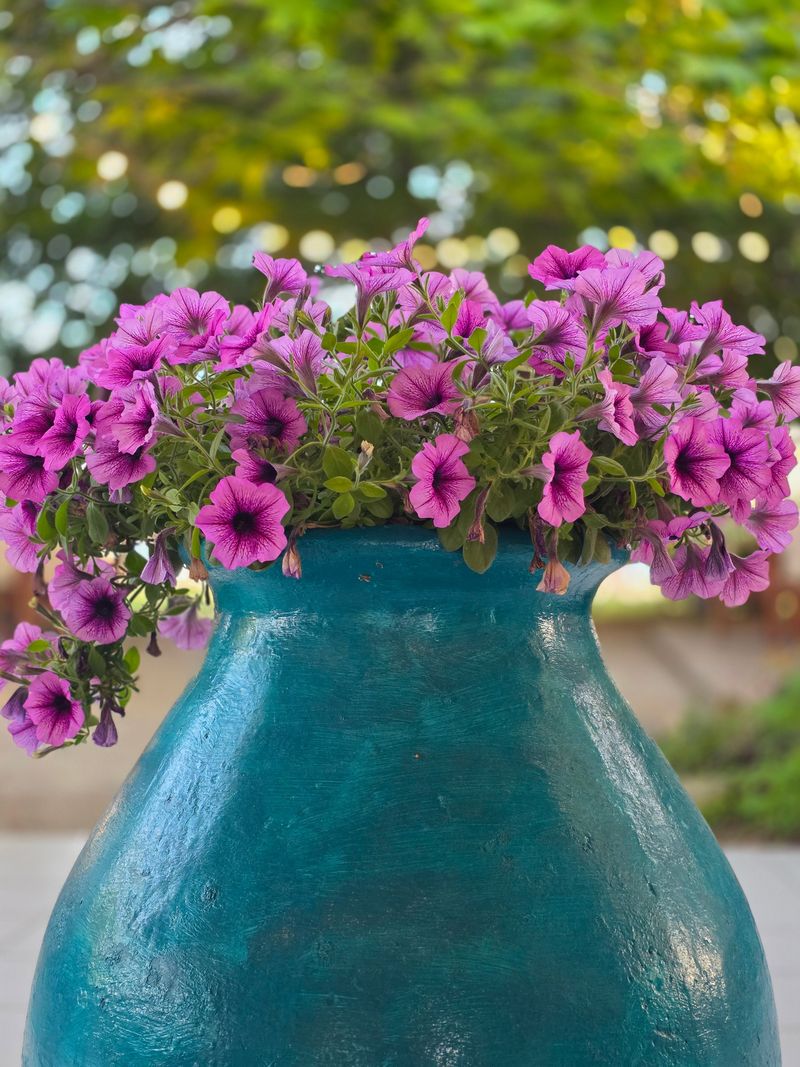
Container plants and garden beds play by completely different rules when it comes to watering frequency. Pots heat up fast in desert sun, and that heat evaporates moisture from the potting mix at an alarming rate.
A container sitting on a concrete patio in Nevada can lose its moisture in as little as one day during peak summer heat. Checking soil moisture daily is not excessive, it is necessary.
Small pots dry out faster than large ones, so if you are growing petunias in anything smaller than a twelve-inch container, expect to water daily or even twice daily during heat waves. Bigger containers give roots more insulated space and hold moisture longer.
Self-watering containers are a practical solution for busy gardeners who cannot check on their plants every afternoon. A built-in reservoir wicks water up to the roots as needed, keeping moisture levels consistent.
Adding a layer of mulch on top of the potting mix slows evaporation significantly. Even a thin layer of bark or shredded leaves on the soil surface makes a real difference in moisture retention.
Petunias in containers also flush nutrients out of the pot faster with frequent watering, so feeding every week becomes even more critical. Pair your watering schedule with a steady fertilizing routine for best results.
Watch for wilting in the late afternoon as your early warning sign that the container needs water. Catching it early prevents the stress that causes bloom production to stall out.
Container care is an art, and mastering it keeps your potted petunias thriving right through the season.
8. Avoid Overhead Watering
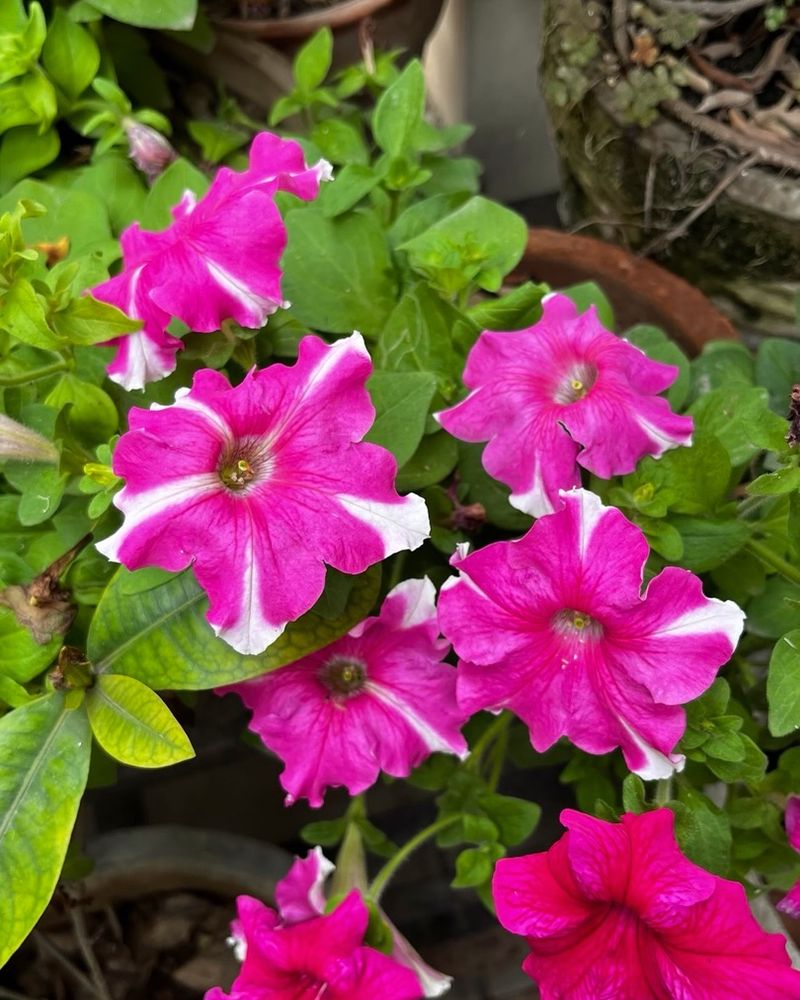
Spraying water directly onto petunia flowers and foliage seems harmless, but it actually causes a surprising amount of damage. Wet blooms in hot sun can scorch, and consistently wet leaves create the perfect environment for fungal disease.
Botrytis blight and powdery mildew are two common problems that spread rapidly on petunias when foliage stays wet for extended periods. Both conditions cause blooms to break down and leaves to develop unsightly patches.
Directing water to the base of the plant keeps the roots hydrated without soaking the leaves and flowers above. A simple drip emitter or a soaker hose does this job automatically without any extra effort.
If you use a handheld hose, angle it low and aim at the soil rather than the canopy of the plant. It takes a small adjustment in technique but makes a significant difference in plant health over time.
Overhead sprinklers are convenient but problematic for petunias specifically. Consider switching to a targeted watering method if your current setup sprays the foliage directly.
In Nevada’s dry climate, most overhead moisture evaporates before it causes fungal trouble, but the risk still exists, especially in shadier spots with less airflow. Humid microclimates around walls or fences are particularly prone to problems.
Wet flowers also tend to clump together and look matted rather than open and cheerful. Keeping blooms dry preserves their appearance and extends how long each individual flower lasts on the plant.
Switching to base watering is one final, powerful step in how Nevada gardeners revive tired petunias and keep them blooming beautifully into fall.