Why Your California Orange Tree Flowers But Fruit Falls Off Early
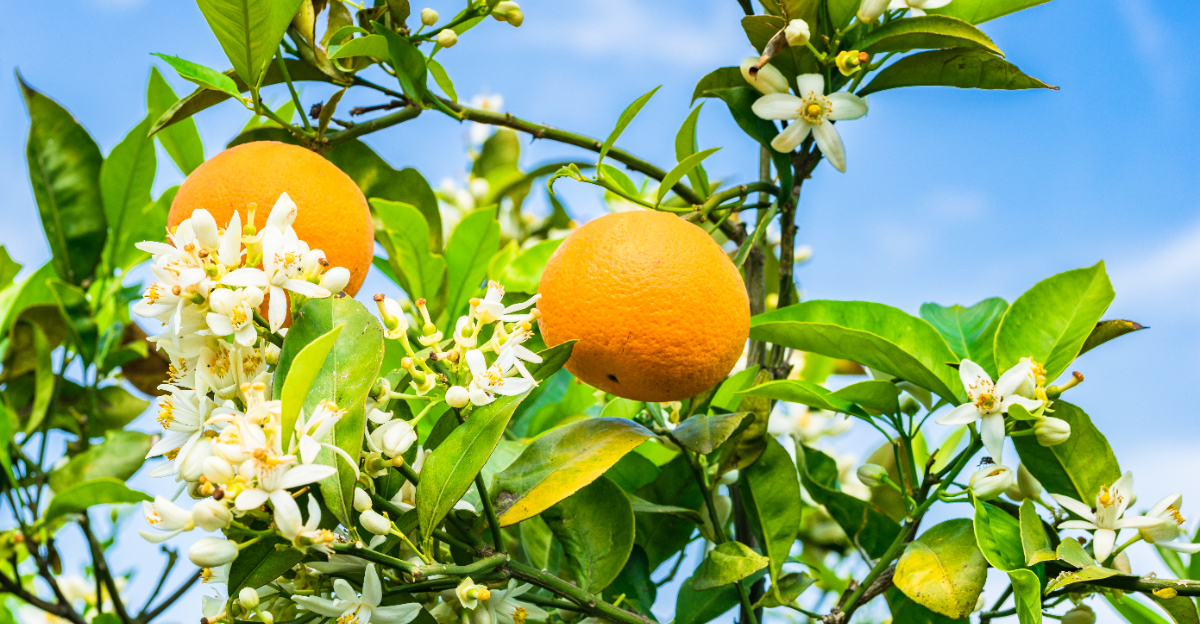
Seeing orange blossoms cover your tree feels like a promise of fresh fruit. Then the tiny oranges begin to fall, and that promise quickly disappears.
This is a common problem for California growers, but it does not always mean the tree is unhealthy. Orange trees naturally release some young fruit when they cannot support everything they produced.
Trouble begins when too much fruit drops too soon. The tree is usually reacting to stress, and the timing can reveal what is going wrong.
A careful look at the soil can also offer an important clue. The leaves may show changes before the fruit begins to fall.
Once the cause becomes clear, the solution is often simple. Small changes in care can help the tree stay balanced and hold more fruit through the season.
Your blossoms were not wasted. They may be showing you exactly what the tree needs next.
Some Early Fruit Drop Is Normal
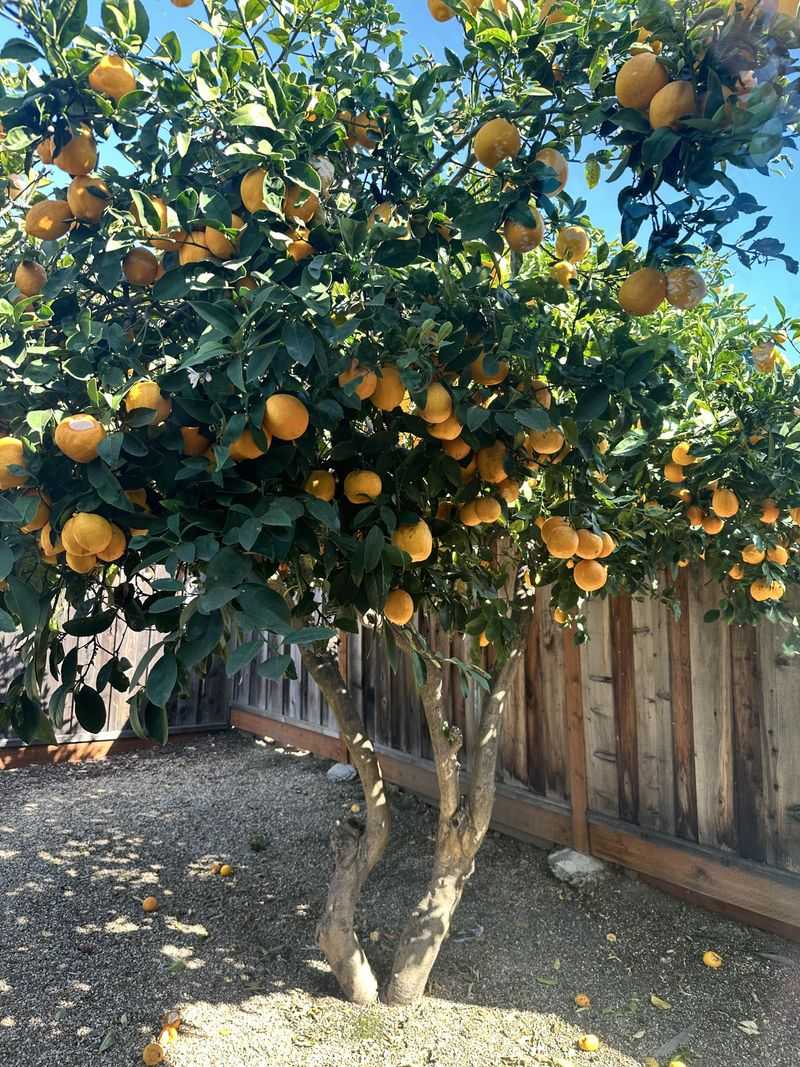
Not every tiny orange that forms on your tree is meant to survive. Orange trees are actually pretty smart about this.
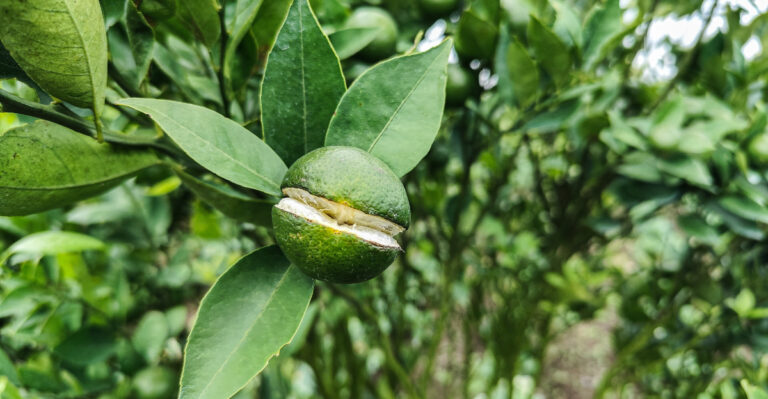
When a tree sets more fruit than it can realistically support, it naturally sheds the extras. This is called June drop, and it happens every year, even on healthy trees.
Most citrus trees will drop anywhere from 70 to 90 percent of their blossoms and young fruit. That sounds alarming, but it is completely normal.
The tree is simply doing the math, keeping only the fruit it has enough energy and resources to grow to full size.
If you notice a light scattering of tiny oranges under your tree in late spring or early summer, do not panic right away. Watch how many are falling.
A small amount is expected. A large, ongoing drop that continues through summer is a different story and usually points to another problem.
The key is learning the difference between natural thinning and stress-related drop. Natural drop happens quickly, slows down, and then stops.
Stress-related drop tends to keep going week after week. Keep a close eye on your tree during the first few weeks after bloom.
Count the fruit that remains on the branches. If a good number of oranges are still holding on and growing, your tree is likely doing just fine on its own.
Heat Stress Makes Tiny Oranges Fall
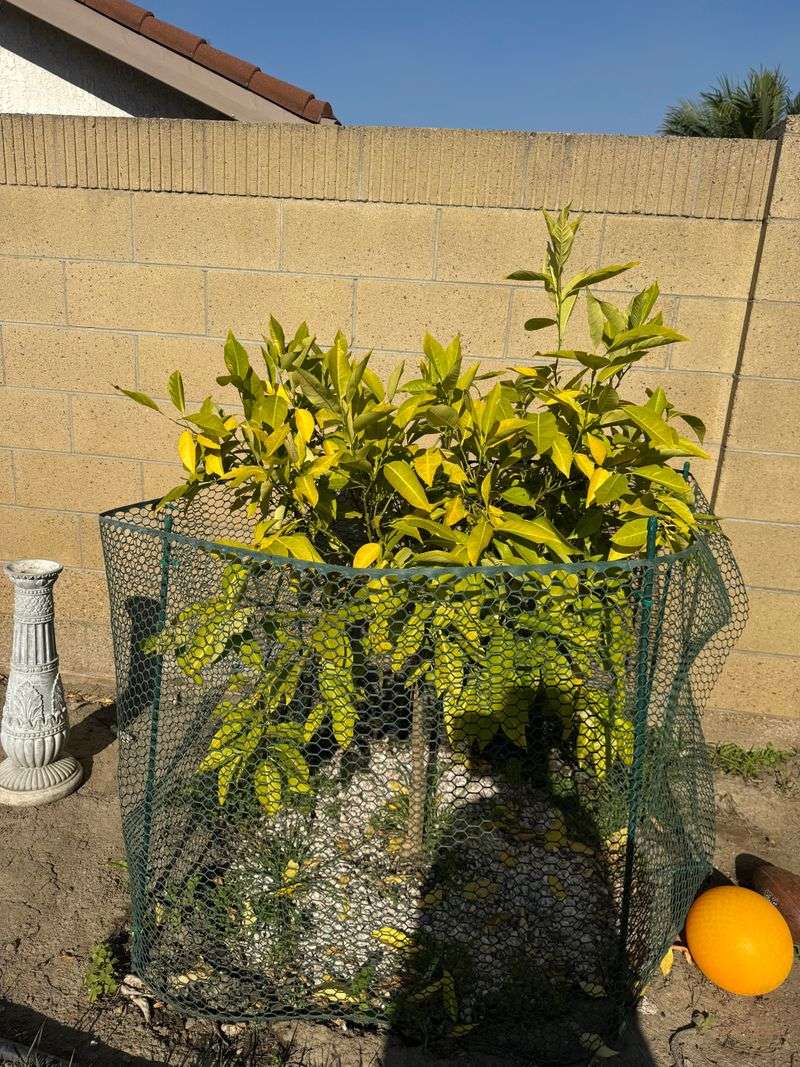
Summers in California can be brutal, especially in inland valleys where temperatures regularly climb past 100 degrees Fahrenheit. Young citrus fruit is very sensitive to extreme heat.
When temperatures spike fast, the tree goes into survival mode.
During a heat wave, the tree pulls water away from developing fruit to protect its leaves and roots. Without enough moisture inside them, those tiny oranges shrivel and fall off the branch.
It happens fast, sometimes within just a day or two of a heat event.
You can protect your tree during hot spells by watering deeply the day before a heat wave hits. Wet soil holds temperature better and keeps roots cooler longer.
Watering in the early morning also gives the tree moisture before the heat of the day arrives.
Your California Garden Changes Every Week. Your Plan Should Too.
Gardening in California changes quickly throughout the season. Every Friday you’ll receive a simple weekly plan showing exactly what to plant, prune, fertilize, harvest, and protect so you never miss the right timing.
Shade cloth is another helpful tool, especially for younger trees. A 30 to 40 percent shade cloth draped over the canopy during peak summer heat can lower leaf temperature noticeably.
Remove it once temperatures drop back to normal. Avoid spraying water directly on the fruit or leaves during the hottest part of the afternoon.
That can actually cause sunburn on the fruit skin. Focus your efforts on keeping the soil moist and the roots cool, and your tree will handle heat stress much better throughout the season.
Dry Soil Triggers Heavy Fruit Drop
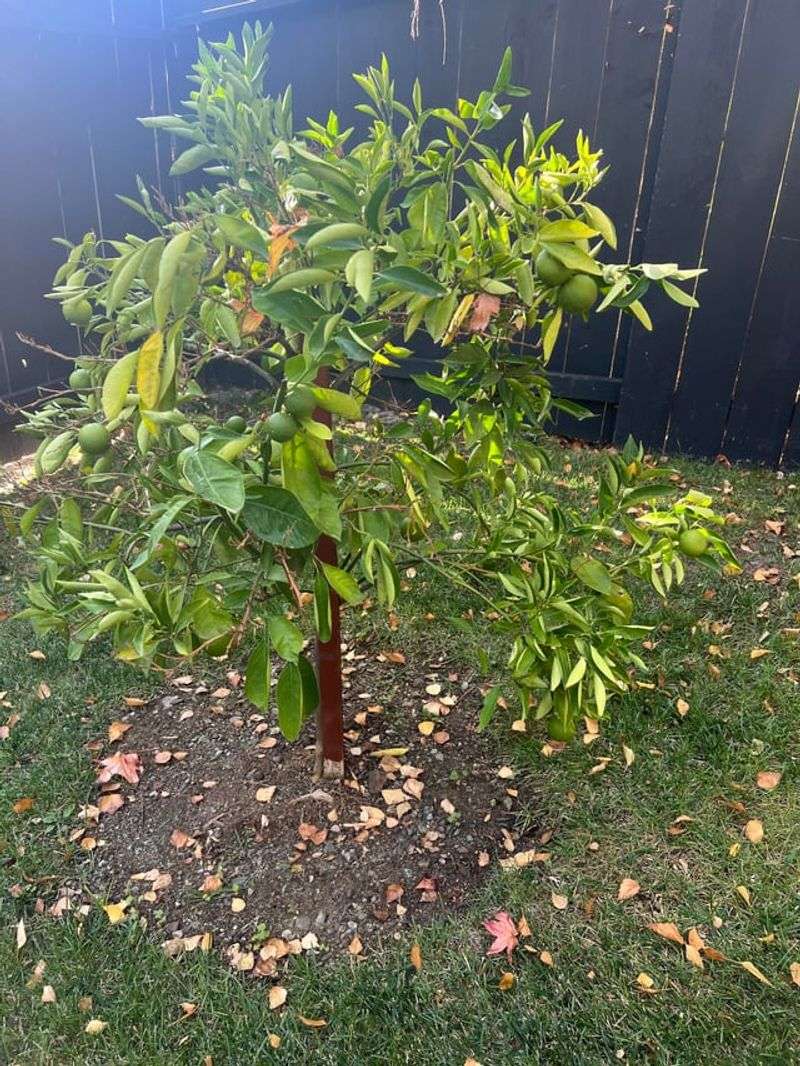
Water is everything for a citrus tree trying to grow fruit. When the soil dries out too much between waterings, the tree makes a tough choice.
It drops its fruit to conserve the water it has left. The oranges fall off not because they are sick, but because the tree is protecting itself.
Many growers in California underestimate how much water a fruiting citrus tree actually needs, especially during spring and early summer when fruit is actively developing.
A mature orange tree in warm weather may need deep watering two to three times per week. Sandy soils dry out even faster and may need more frequent attention.
The best way to check soil moisture is simple. Push your finger two to three inches into the soil near the base of the tree.
If it feels dry at that depth, it is time to water. Do not rely only on looking at the surface, because the top inch can dry out fast while deeper soil stays moist.
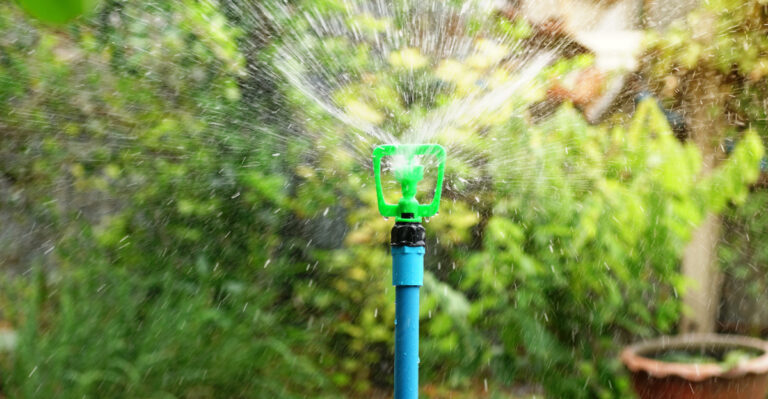
Drip irrigation is a great option for citrus because it delivers water slowly and directly to the root zone. Set your drip system to run long enough to soak the soil at least 12 to 18 inches deep.
Shallow watering encourages shallow roots, which makes the tree even more vulnerable to dry conditions. Consistent, deep watering is one of the easiest ways to reduce fruit drop significantly.
Sudden Water Swings Shock The Tree
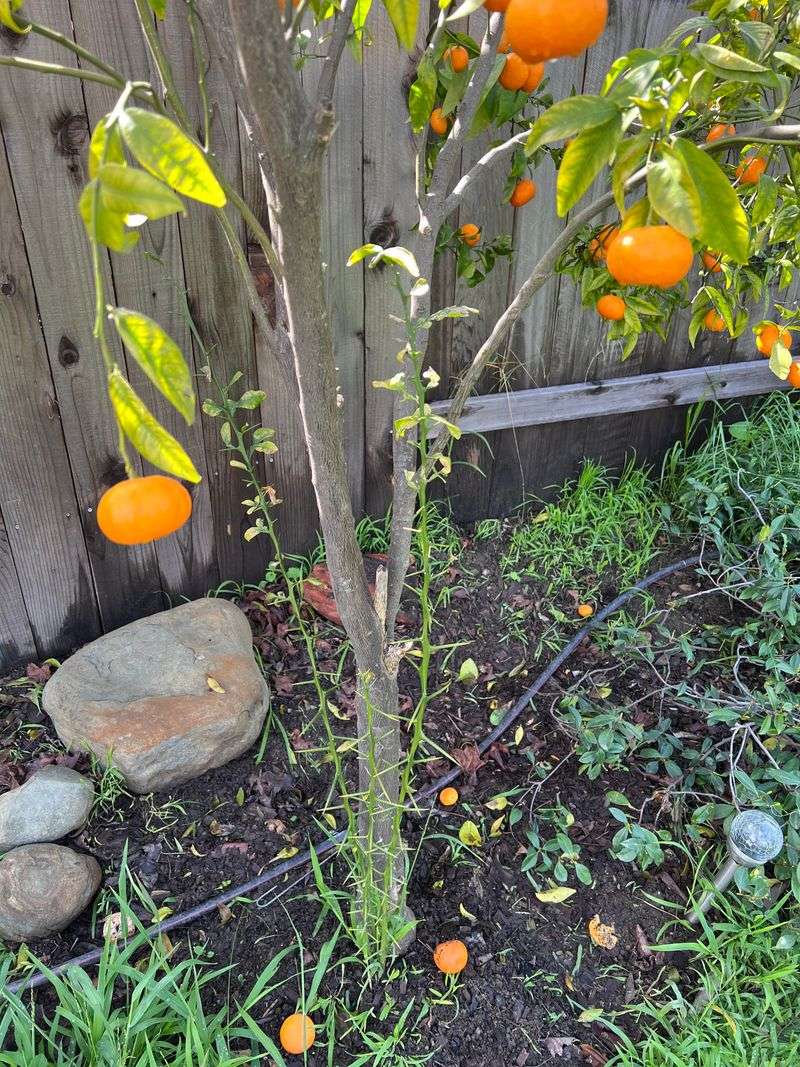
Going from bone-dry soil to soaking wet and back again is really hard on an orange tree. These sudden swings in soil moisture confuse the tree’s water uptake system.
The result is often a wave of fruit drop that seems to come out of nowhere.
Here is what happens inside the fruit when this occurs. During dry spells, the developing oranges shrink slightly as they lose moisture.
Then when a big watering happens, water rushes back in quickly. The fruit swells faster than the skin can stretch, causing cracking or premature detachment from the stem.
This is especially common in California when growers skip waterings during a busy week and then try to make up for it all at once.
Irregular watering schedules are one of the top reasons fruit drops in home gardens. The tree wants consistency more than anything else.
Setting a regular watering schedule and sticking to it makes a huge difference. If you use a hose, try to water on the same days each week rather than waiting until the soil looks extremely dry.
Automated drip timers are a smart investment because they take the guesswork out of the process. During rainy stretches, adjust your schedule so you are not overwatering on top of rainfall.
Steady moisture levels keep the fruit attached and growing strong from bloom all the way through harvest.
Young Trees Shed Fruit They Can’t Carry
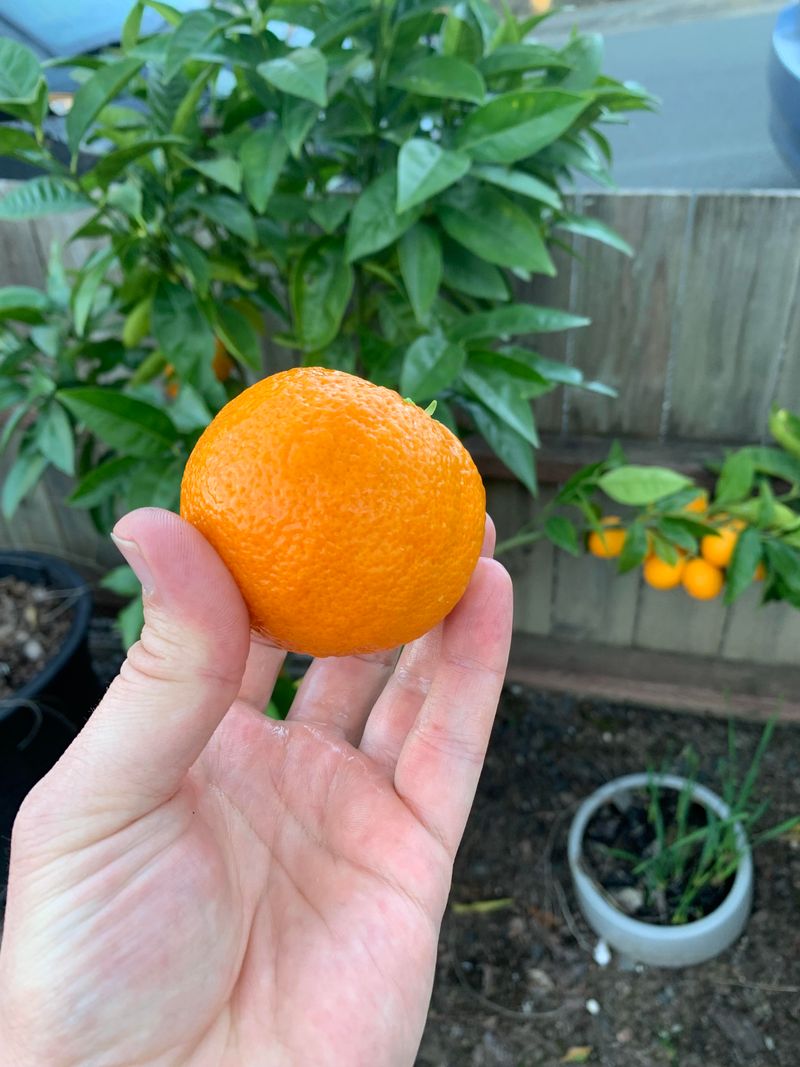
A young orange tree covered in blossoms looks like great news, but it can actually be a problem.
Trees that are only one to three years old do not yet have the root system or energy reserves needed to support a full crop. When they try to hold onto too much fruit, they simply cannot do it.
The result is a heavy drop of young fruit that leaves you feeling confused and disappointed. But the tree is not failing.
It is being realistic about what it can handle. Pushing a young tree to fruit heavily too soon can actually slow down its long-term development and make it weaker over time.
Experienced citrus growers often recommend removing blossoms or very young fruit from trees in their first two to three years.
It feels counterintuitive, but letting the tree focus its energy on building strong roots and branches pays off later.
A tree with a solid foundation will produce far more fruit in years four and five than one that was stressed early on.
If you want to let your young tree try fruiting, limit it to just a handful of oranges per branch. Remove the rest by hand when they are still very small.
This gives the tree a manageable goal and keeps fruit drop to a minimum. Be patient with young trees.
They reward growers who give them time to grow up properly before expecting a full harvest.
Too Much Nitrogen Pushes Leaves Over Fruit
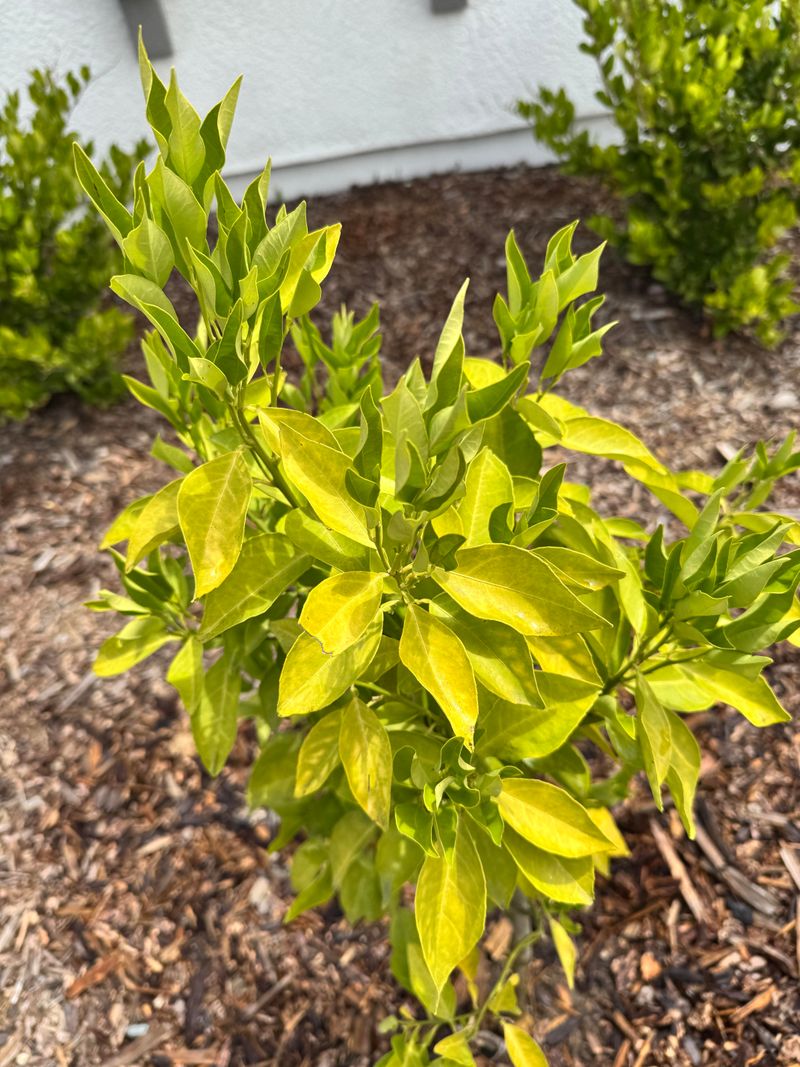
Fertilizer is supposed to help your tree, but too much of the wrong kind at the wrong time can backfire badly. Nitrogen is the nutrient most responsible for leafy, green growth.
When a citrus tree gets too much nitrogen during the fruiting season, it puts all its energy into making new leaves instead of holding onto its fruit.
The oranges drop because the tree has essentially been told to grow foliage, not food. You end up with a gorgeous, lush-looking tree that produces almost nothing worth eating.
It is one of the more frustrating mistakes because the tree looks so healthy from the outside.
Timing your fertilizer applications correctly makes a big difference. The best time to feed citrus with a nitrogen-heavy fertilizer is late winter, just before the bloom season begins.
This gives the tree a boost right when it needs energy for flowering. After fruit sets, switch to a balanced fertilizer that includes potassium and phosphorus to support fruit development.
Avoid fertilizing heavily in summer when fruit is actively growing. If you are not sure what your soil needs, a simple soil test from your local garden center can give you clear answers.
Over-fertilizing is just as harmful as under-fertilizing. Read the label on your fertilizer carefully and follow the recommended amounts for citrus trees.
Less is often more when it comes to keeping fruit on the branches where it belongs.
Potted Trees Drop Fruit Faster
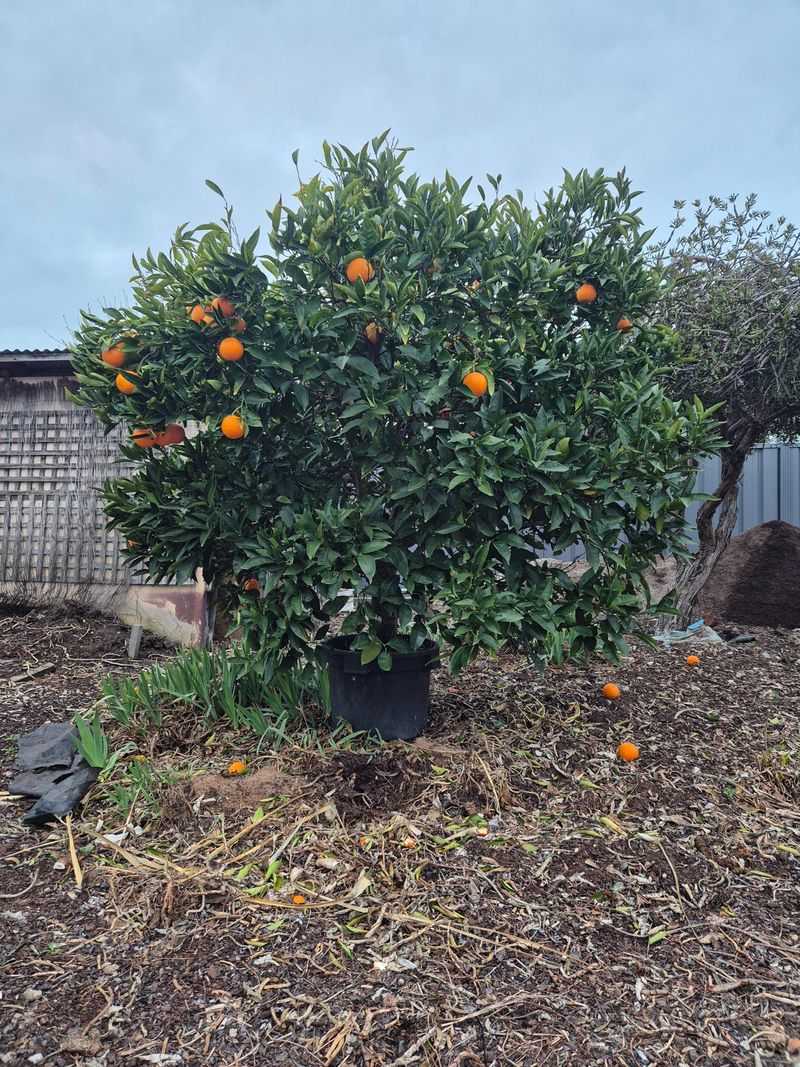
Growing an orange tree in a container is a popular choice, especially in apartments, small yards, and cooler coastal areas of California.
Potted citrus can thrive beautifully, but they also come with extra challenges that in-ground trees do not face. Fruit drop is one of the biggest issues container growers deal with.
The root space inside a pot is limited, which means the tree has less access to water and nutrients than it would in the ground. Pots also dry out much faster than garden soil, especially during warm weather.
A potted orange tree can go from properly moist to dangerously dry in just one or two days in the summer heat.
Repotting your tree into a larger container every two to three years helps prevent root crowding. Choose a pot that is at least two to three inches wider than the current one.
Make sure it has good drainage holes at the bottom. Use a high-quality citrus potting mix, not regular garden soil, which can compact and block drainage over time.
Water potted trees more frequently than in-ground trees, but always check the soil first before adding more water. Feed them with a slow-release citrus fertilizer every few months during the growing season.
Moving the pot to a spot with morning sun and afternoon shade can reduce heat stress significantly.
With consistent attention, potted orange trees can hold their fruit just as well as trees grown in the ground.
Mulch Keeps Citrus Roots Steadier
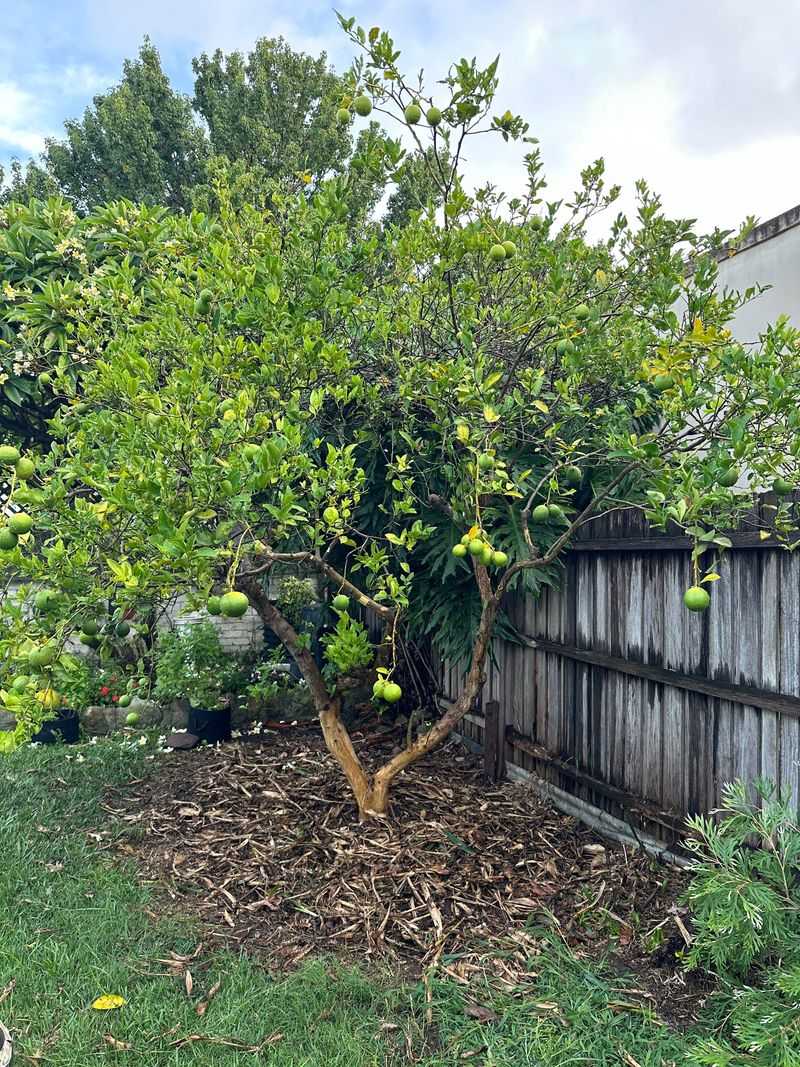
One of the simplest and most overlooked tools in citrus care is a good layer of mulch. Spreading mulch around the base of your orange tree does more than just make the garden look tidy.
It plays a real role in keeping fruit on the branches by protecting the root zone from temperature swings and moisture loss.
Mulch acts like a blanket for the soil. During hot days, it slows down evaporation so the roots stay moist longer between waterings.
During cooler nights, it holds warmth in the soil and protects surface roots from sudden temperature drops. Both of these benefits directly reduce the stress that leads to fruit drop.
Wood chips, straw, or shredded bark all work well for citrus trees. Apply a layer about three to four inches deep, starting about six inches away from the trunk.
Keeping mulch away from the trunk itself is important because mulch pressed against the bark can hold moisture there and cause rot over time.
Refresh your mulch layer once or twice a year as it breaks down. As it decomposes, it also adds organic matter to the soil, which improves drainage and feeds beneficial soil organisms.
Mulching is a low-cost, low-effort practice that pays off in a big way. California growers who mulch their citrus trees consistently tend to see fewer fruit drops and healthier trees overall, season after season.