Native Alternatives To Crape Myrtles For Mississippi Fence Lines And Driveways
Something curious is happening along fence lines across Mississippi. You keep planting crape myrtles because tradition told you to.
Nobody explained what your own soil truly craves instead. Native plants adapted here long before crape myrtles arrived.
Birds ignore ornamental blooms and chase native seed heads. Bees skip showy petals for flowers shaped by evolution.
Butterflies need host plants, not mere decoration for humans. Your driveway could host something wilder, tougher, and stranger.
Mississippi heat tests weak roots without mercy or apology. Drought hits hard, yet native species rarely even flinch.
Pests devour imported ornamentals while natives shrug them off. Color still shows, texture still shifts, structure holds firm.
Every native swap rewards you without demanding constant upkeep. Wildlife multiplies fast the moment you finally switch your choices.
Fence lines and driveways can finally work for you, not against you. This changes everything you thought you knew about your yard.
1. Oakleaf Hydrangea
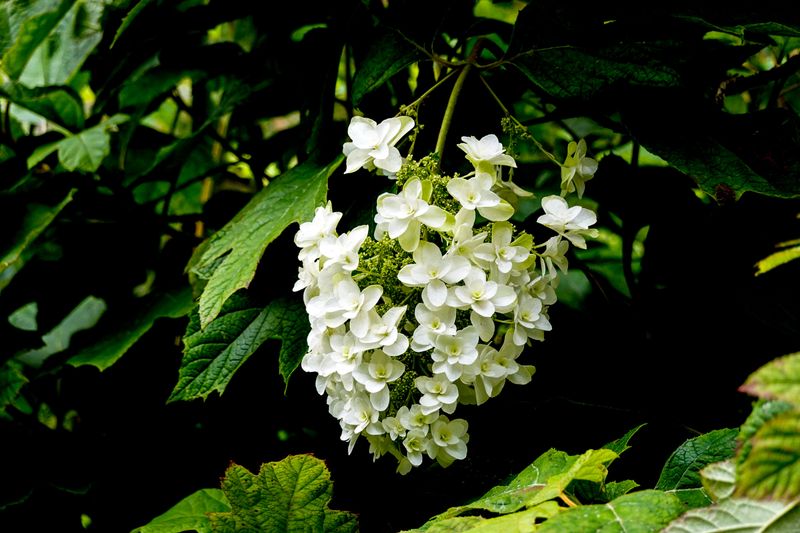
Bold and dramatic, the Oakleaf Hydrangea draws attention wherever it’s planted. This native shrub produces enormous cone-shaped flower clusters that start creamy white and slowly blush to parchment pink.
Those blooms can stretch up to twelve inches long, making them impossible to miss along a fence line.
Planted in a row, Oakleaf Hydrangeas create a layered screen that looks both natural and intentional. They grow six to eight feet tall and nearly as wide, filling space beautifully without constant pruning.
The leaves are the secret weapon here. Shaped like oversized oak leaves, they turn deep burgundy and orange in fall, giving you a second season of serious color.
Even in winter, the plant earns its keep with peeling cinnamon-colored bark that adds texture to bare garden beds. Birds love nesting in the dense branching structure, so expect feathered visitors year-round.
Oakleaf Hydrangea thrives in partial shade, which makes it perfect for driveways lined with taller trees. It handles Mississippi humidity without complaint and tolerates drought once established.
Plant it three to four feet from the fence for best airflow and spread. Mulch heavily around the base to keep moisture locked in during summer heat.
Few native shrubs deliver this much year-round interest with this little effort. Once established, this plant practically takes care of itself.
2. Sweetbay Magnolia
Close your eyes and imagine a warm June evening with the scent of vanilla and lemon drifting across your driveway. That is exactly what Sweetbay Magnolia delivers every single year.
Unlike its towering Southern Magnolia cousin, this native species typically stays manageable at fifteen to twenty feet tall in home landscapes, though it can grow taller in wet, favorable conditions.
That makes it a practical and elegant choice for fence lines and driveways where space matters.
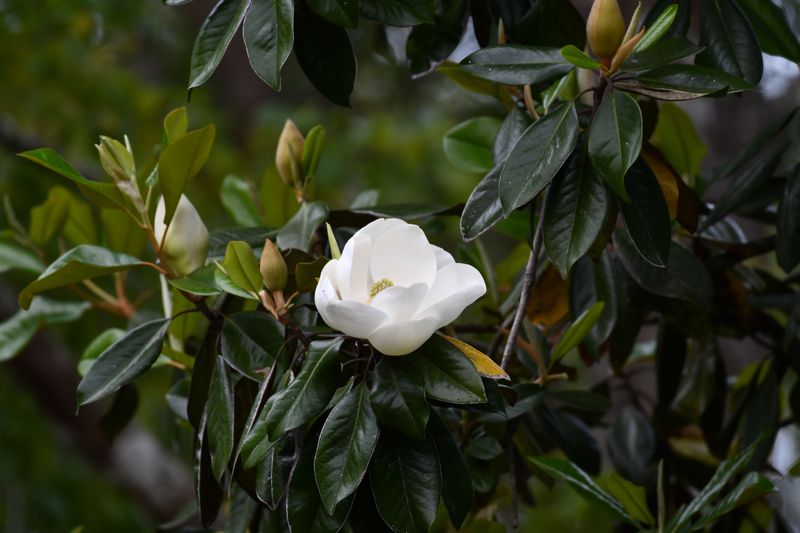
The flowers are creamy white, cupped, and intensely fragrant, blooming from late spring through midsummer. Each blossom is about three inches across, delicate but plentiful enough to perfume an entire yard.
Sweetbay Magnolia is semi-evergreen in Mississippi, meaning it holds its glossy leaves through most of the winter before dropping them briefly in early spring. That semi-evergreen quality gives your property a polished look even in the coldest months.
Your Mississippi Garden Changes Every Week. Your Plan Should Too.
Gardening in Mississippi changes quickly throughout the season. Every Friday you’ll receive a simple weekly plan showing exactly what to plant, prune, fertilize, harvest, and protect so you never miss the right timing.
Wildlife absolutely adores this tree. Songbirds feast on the bright red seeds that appear in fall, and pollinators swarm the blooms all summer long.
It grows naturally in wet areas and bottomlands, so it handles poorly drained spots near driveways better than most ornamentals ever could. Plant it where water tends to pool and watch it thrive.
Full sun to partial shade works well for this adaptable native. Give it room to spread its multi-stemmed canopy and it rewards you generously.
Sweetbay Magnolia is one of those plants that earns compliments from every neighbor who passes by your driveway.
3. Possumhaw Holly
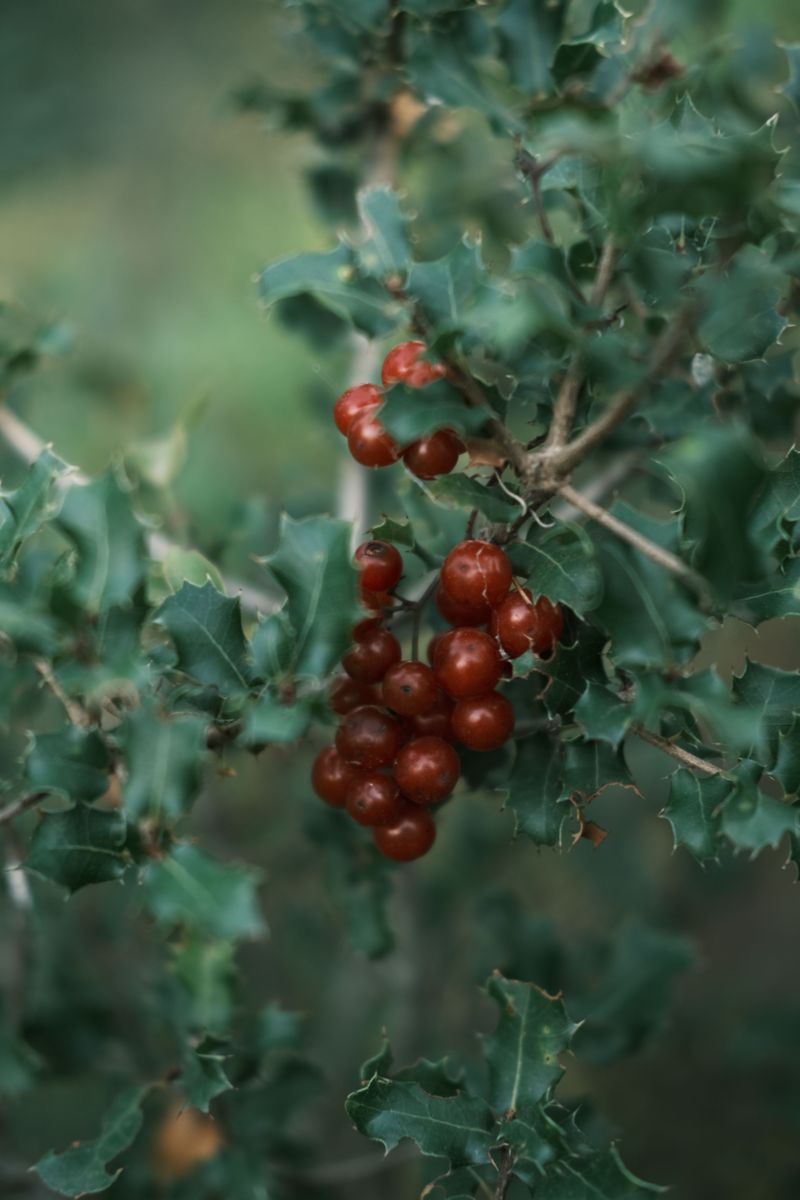
Possumhaw Holly in January looks like someone strung Christmas lights across your fence and forgot to take them down. The berry display is that spectacular.
This native deciduous holly drops its leaves in fall, leaving behind thousands of brilliant red or orange berries clinging to every branch. Against a gray winter sky, the effect is genuinely stunning.
Planted along a fence line, a row of Possumhaw Hollies creates a wildlife buffet that birds cannot resist. Cedar waxwings, mockingbirds, and robins descend in flocks to strip the branches clean by late winter.
In shrub form it typically grows eight to twelve feet tall, though it can reach greater heights when allowed to grow as a small tree. It works beautifully as a naturalistic hedge without needing constant shaping.
Possumhaw Holly is highly resilient once established. It tolerates wet soils, clay, drought, and full sun without missing a beat, which makes it perfectly suited to Mississippi conditions.
You will need both male and female plants to get the best berry production. A general guideline is one male for every few female shrubs, though the ideal ratio can vary depending on your specific planting layout.
Spring brings small white flowers that attract native bees before the berries even form. So you get pollinator support in spring and bird activity all winter long.
Few plants work as hard across all four seasons as Possumhaw Holly does along a Mississippi fence line.
4. Fringe Tree
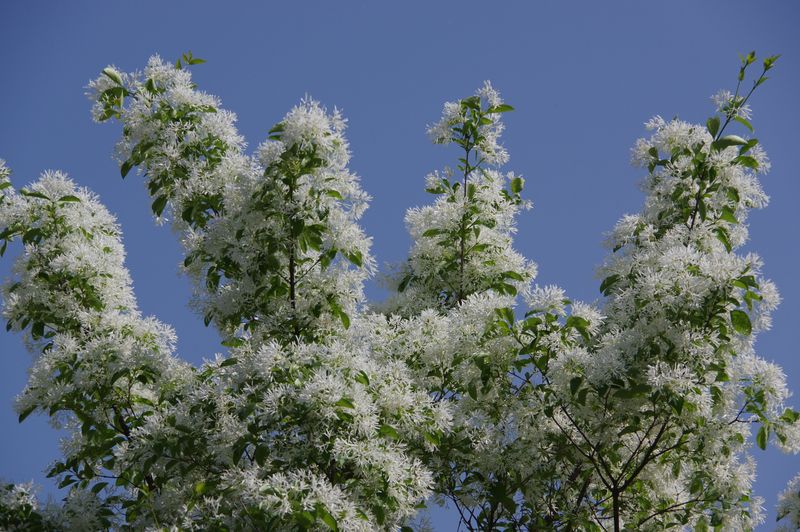
A Fringe Tree in full spring bloom gives any driveway a striking, memorable entrance. Sometimes called Old Man’s Beard, this native small tree bursts into bloom in late April with cascading clusters of white, thread-like flowers that drape over every branch.
The effect is soft, dreamy, and completely unforgettable. Fringe Tree grows slowly to fifteen to twenty feet tall, making it an ideal accent along driveways where you want height without overwhelming scale.
Its natural rounded shape rarely needs pruning, which is a genuine relief for busy homeowners.
The fragrance is subtle but sweet, carried on warm spring breezes right to your front door. Pollinators, especially native bees, go absolutely wild for the blooms during their short but glorious season.
Female trees produce dark blue-black fruit clusters in late summer that songbirds find irresistible. So after the flower show ends, the wildlife show begins almost immediately.
Fall color is an underrated bonus, with leaves turning clear yellow before dropping cleanly. The tree looks neat and intentional in every season without demanding much attention from you.
Fringe Tree adapts well to a range of soil types and tolerates both dry and moist conditions once established. Full sun brings the heaviest flowering, though it handles light afternoon shade with grace.
Plant one at the end of a driveway and your property will have a landmark that neighbors talk about every spring without fail.
5. Wax Myrtle
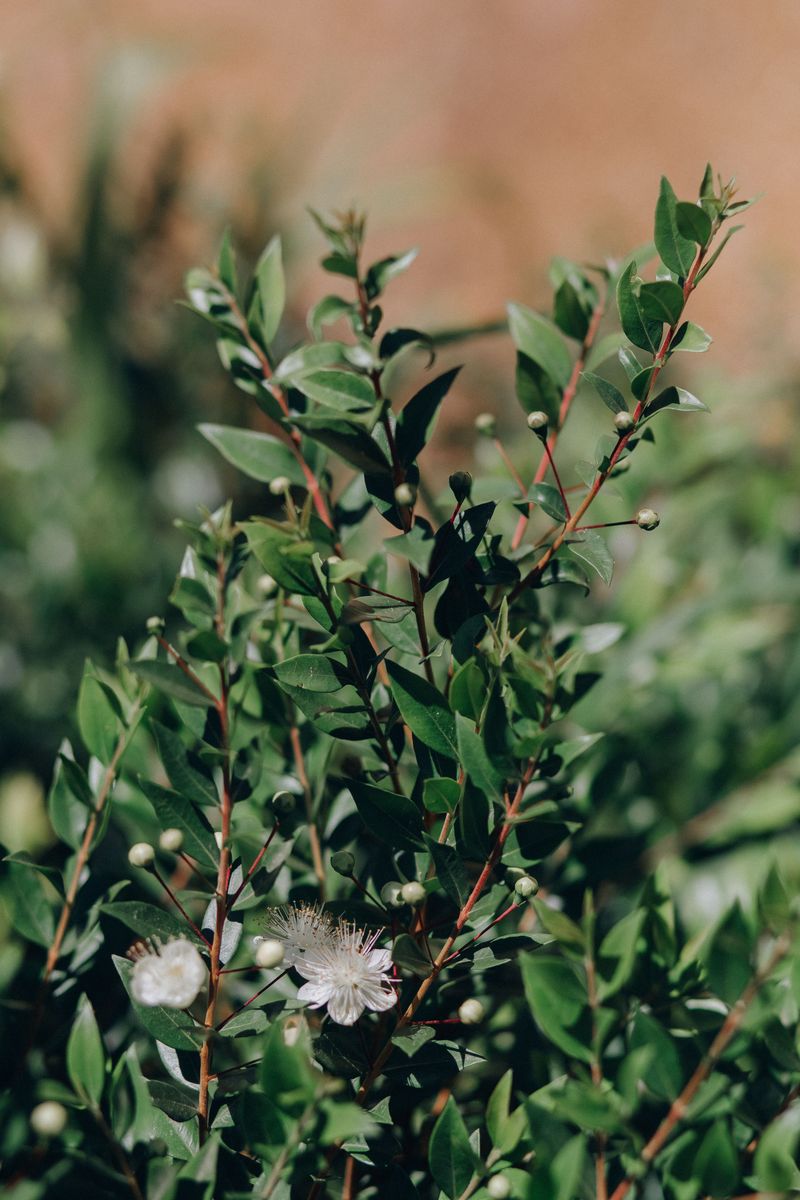
Wax Myrtle is one of the most reliable and low-maintenance native Southern shrubs. This fast-growing evergreen reaches ten to fifteen feet tall, forming a dense screen along fence lines that blocks wind, noise, and nosy neighbors with equal efficiency.
Plant it and within two to three seasons, you have serious privacy. The aromatic gray-green foliage smells faintly of bay leaves when you brush against it.
That subtle scent is one of those small sensory pleasures that makes working in the yard genuinely enjoyable.
Wax Myrtle produces clusters of waxy blue-gray berries that are irresistible to yellow-rumped warblers and dozens of other songbirds. Colonists once boiled the berries to make fragrant candles, which is how the plant earned its name centuries ago.
It thrives in poor, sandy soils where other shrubs struggle to grow. Wet areas, dry slopes, salt spray, and compacted roadsides are all conditions Wax Myrtle shrugs off without any drama.
For fence lines and driveways, it can be grown as a formal clipped hedge or left to develop its natural multi-stemmed, billowing form. Both approaches look polished and intentional in a landscape.
Full sun produces the densest growth and the most berries, but partial shade works fine too. Once established, it needs very little supplemental watering or fertilizing.
Wax Myrtle is the plant that makes your fence line look effortlessly designed without costing you much time or money.
6. American Beautyberry
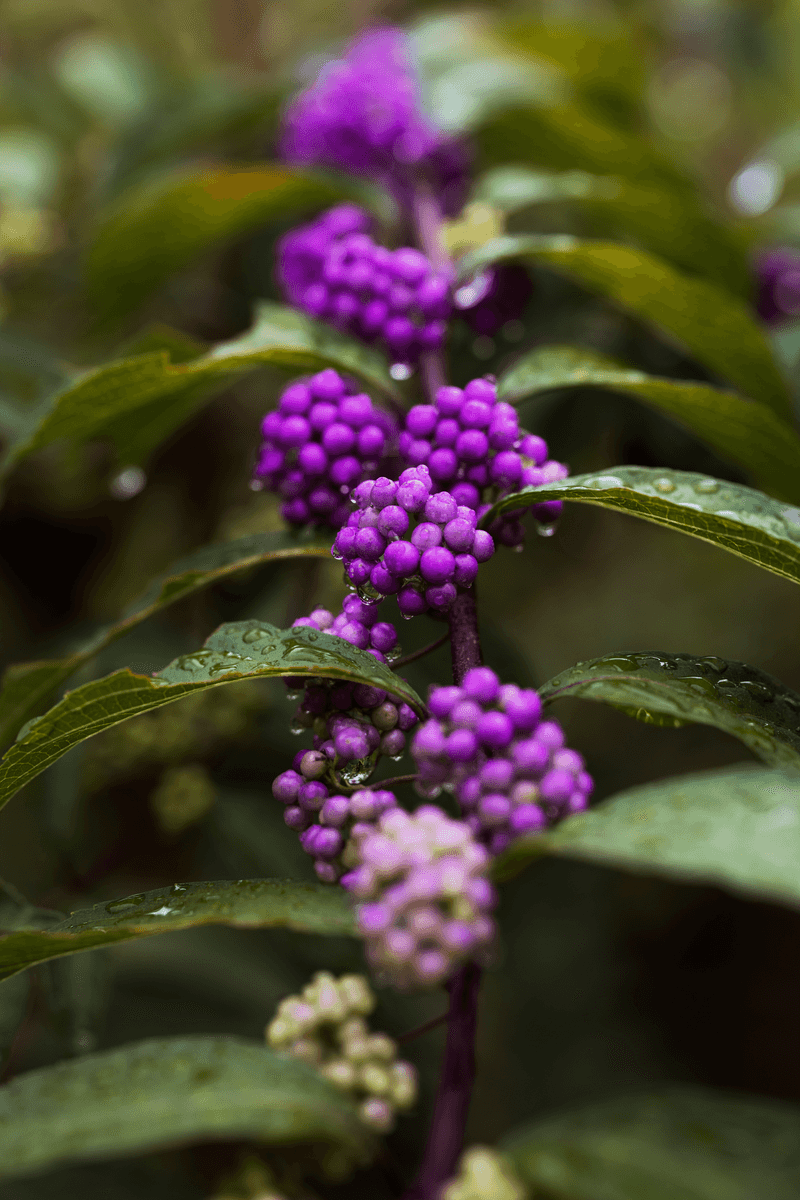
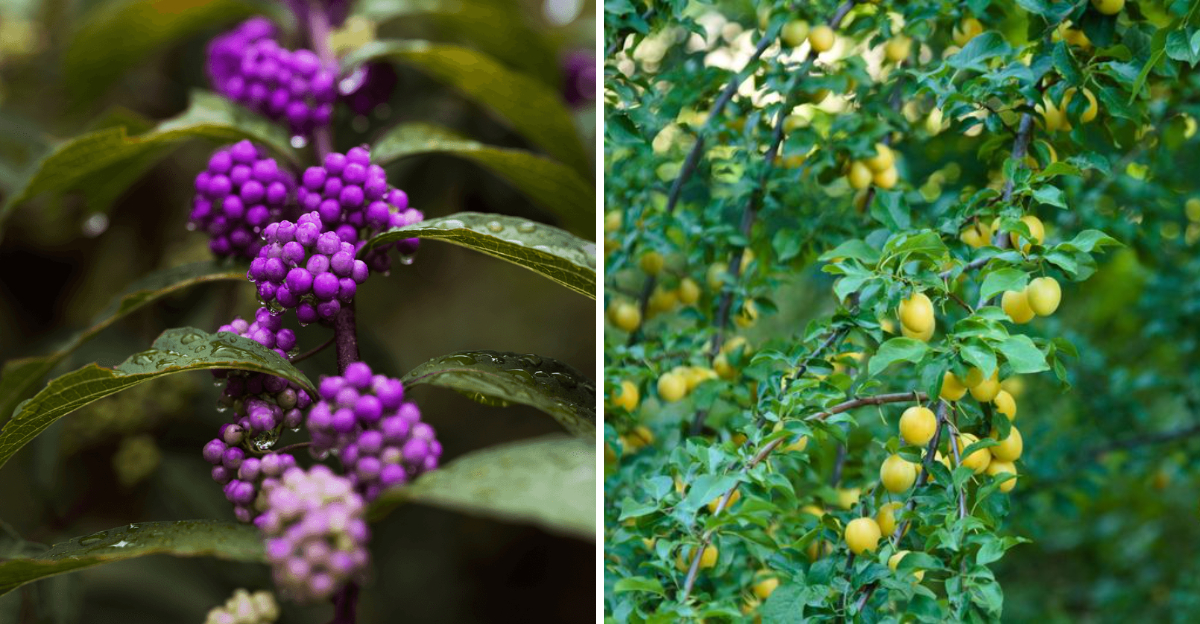
American Beautyberry produces a strikingly vivid magenta-purple color in late summer, unlike most native Southern plants.
The berries cluster tightly around each stem in dense rings, creating a beaded effect that looks almost artificial. From August through October, the shrub becomes one of the most eye-catching things in any yard.
American Beautyberry grows six to eight feet tall with long, arching branches that give it a relaxed, graceful silhouette. Along a fence line, it creates a loose, naturalistic screen that feels more like a woodland edge than a formal hedge.
Wildlife treats these berries like a seasonal feast. A wide range of songbirds are known to feed on the berries, and white-tailed deer browse the foliage regularly throughout the growing season.
The leaves contain a natural insect repellent compound that Indigenous peoples used for centuries. Crushing a leaf and rubbing it on your skin actually works to deter mosquitoes during outdoor projects.
Spring brings small lavender flowers that attract native bees and butterflies before the berry show even starts. So the plant supports pollinators and frugivores across multiple seasons without any help from you.
American Beautyberry grows best in partial shade but tolerates full sun with adequate moisture.
It bounces back strongly even if cut to the ground in late winter, making rejuvenation pruning simple and forgiving. Plant it where guests will walk past it in fall and watch their reactions every single time.
7. Chickasaw Plum
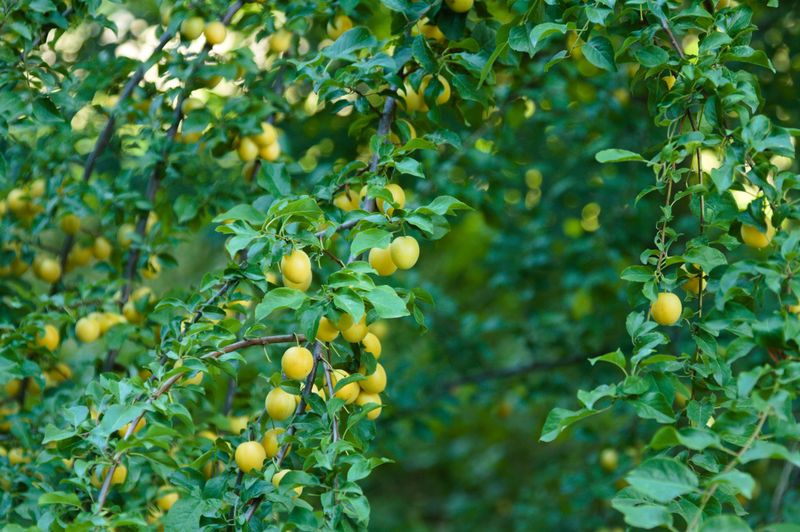
Chickasaw Plum blooms so early in spring that it feels like a promise that winter is finally finished for good.
Tiny white flowers cover every branch in late February or early March, sometimes before a single other plant in the yard has even leafed out. The early timing offers a welcome burst of color after a long gray season.
This native small tree or large shrub grows eight to twelve feet tall and spreads vigorously by root sprouts. Along a fence line, that spreading habit creates a dense, thorny thicket that serves as a natural security barrier.
The small red and yellow plums ripen in early summer and are edible right off the branch. They make excellent jams and preserves, so you get both a beautiful landscape plant and a productive food source.
Wildlife absolutely depends on Chickasaw Plum during summer. Birds, foxes, raccoons, and deer all compete for the fruit, turning your fence line into a lively wildlife corridor from June through July.
The thorny branches provide excellent nesting cover for mockingbirds and brown thrashers, two species that aggressively defend their territory against larger predators. Having them nest in your hedgerow provides natural protection against larger predators.
Chickasaw Plum tolerates poor soils, drought, and full sun with impressive resilience. It asks for very little and returns enormous ecological and aesthetic value season after season.
Few natives bring this combination of spring beauty, summer fruit, and year-round wildlife support to a Mississippi fence line.
8. American Snowbell
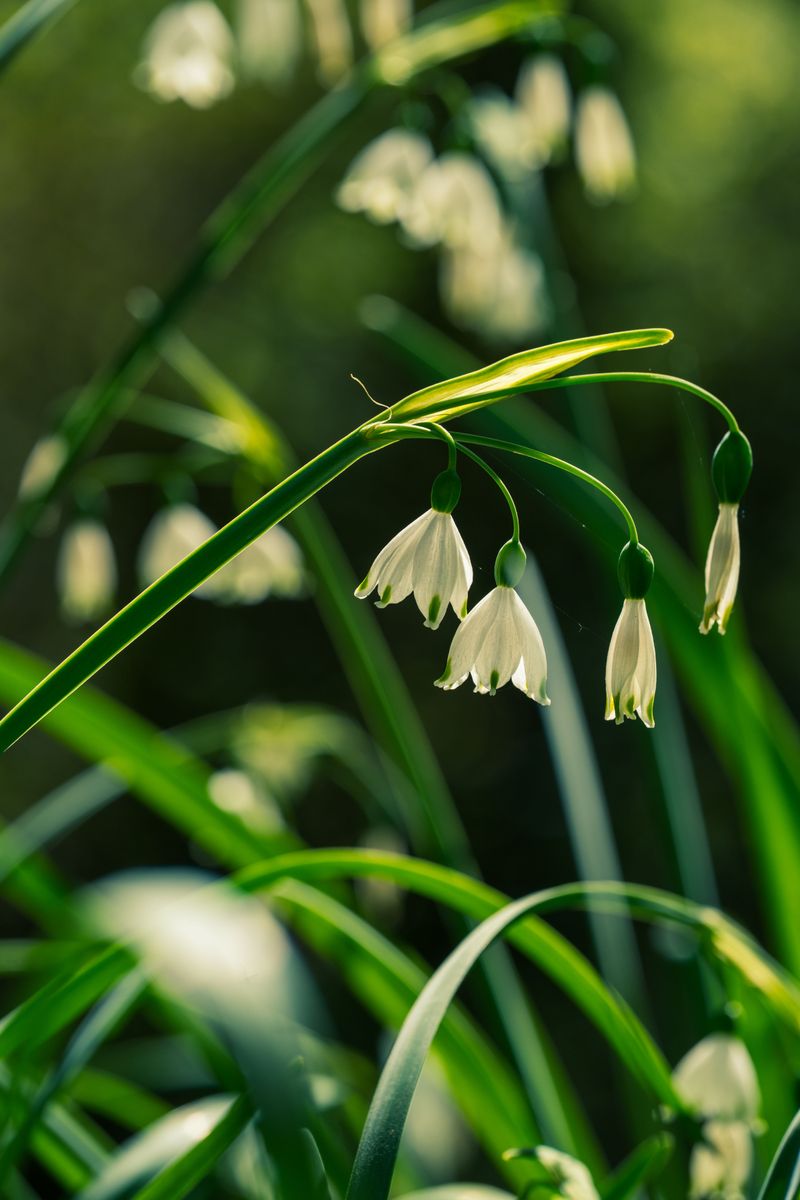
American Snowbell is an understated gem that deserves far more attention from native plant enthusiasts.
In late spring, this small native tree drips with pendulous white bell-shaped flowers that hang in graceful rows beneath every branch. The blossoms face downward, so you need to stand beneath the canopy to fully appreciate how breathtaking they are.
Growing eight to fourteen feet tall, American Snowbell fits beautifully along shaded driveways where larger trees already create a canopy overhead. It is one of the few flowering natives that actually prefers growing in dappled shade rather than full sun.
The flowers attract native bees, particularly specialist bees that have co-evolved with plants in the Styrax family. Supporting specialist pollinators is one of the highest-value things a homeowner can do for local ecosystems.
Fall brings small olive-shaped fruit that songbirds find appealing, extending the plant’s wildlife value well past the spring bloom season. The foliage turns soft yellow before dropping, adding a quiet but lovely seasonal transition.
American Snowbell prefers moist, acidic soils rich in organic matter, conditions that are common along wooded driveways and stream-adjacent fence lines throughout Mississippi. Amend heavy clay with compost before planting for the best establishment results.
It rarely needs pruning and has virtually no serious pest or disease problems in its native range. Low-input, high-reward gardening does not get much better than this.
Native alternatives to crape myrtles for Mississippi fence lines and driveways do not get more elegant than American Snowbell.