The Rain Garden Plant Some Pennsylvania Streets Are Quietly Adding To Handle Stormwater Naturally And Beautifully
Stormwater runoff is one of those problems that most Pennsylvania homeowners know exists but rarely think about as something they can personally do anything about.
Heavy rain hits, water sheets off driveways and rooftops, and it flows wherever gravity takes it, often carrying pollutants into local waterways and overwhelming drainage systems that were never designed for the rainfall events Pennsylvania increasingly sees.
But some Pennsylvania streets and homeowners have started doing something about it. Quietly, beautifully, and with plants.
Rain gardens are gaining real momentum across the state, and the right plant choices make them both highly functional and genuinely attractive additions to any landscape. These aren’t just holes in the ground filled with gravel.
Done right, a rain garden planted with the right natives becomes one of the most interesting and ecologically valuable features a Pennsylvania yard can have.
One plant in particular has emerged as the standout choice for Pennsylvania rain gardens, and the streets planting it are looking noticeably better for it.
The Rain Garden Plant Pennsylvania Streets Are Adding For Stormwater Beauty
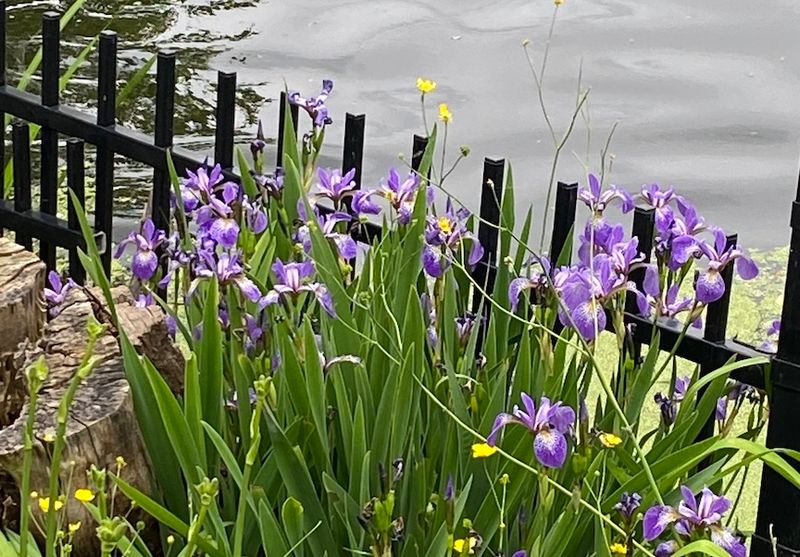
Picture a patch of wild blue-purple flowers blooming right along a city street, tucked into a low bed where rainwater collects after a storm.
That is exactly what blue flag iris looks like in action, and it is turning ordinary drainage strips into something worth stopping to admire.
Blue flag iris, known scientifically as Iris virginica or Iris versicolor, is a native wetland perennial that grows naturally along stream banks, pond edges, and marshy areas throughout the eastern United States, including Pennsylvania.
It has been thriving in wet spots for thousands of years without any help from gardeners. What makes it special for street-level rain gardens is its ability to handle the kind of soggy, sometimes waterlogged soil that would stress most ornamental plants.
When heavy rain fills a curbside planting bed, blue flag iris does not struggle. It actually welcomes the moisture.
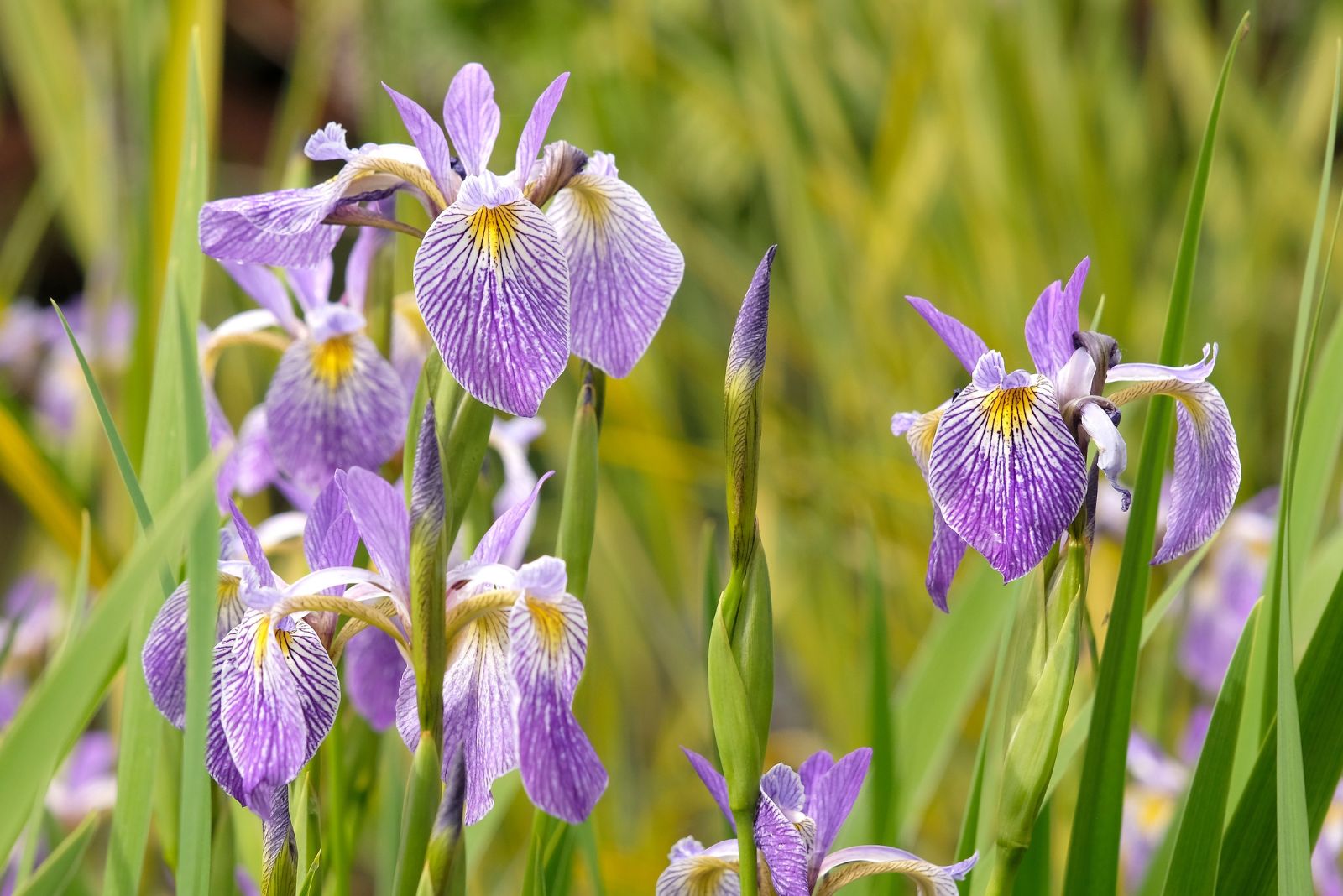
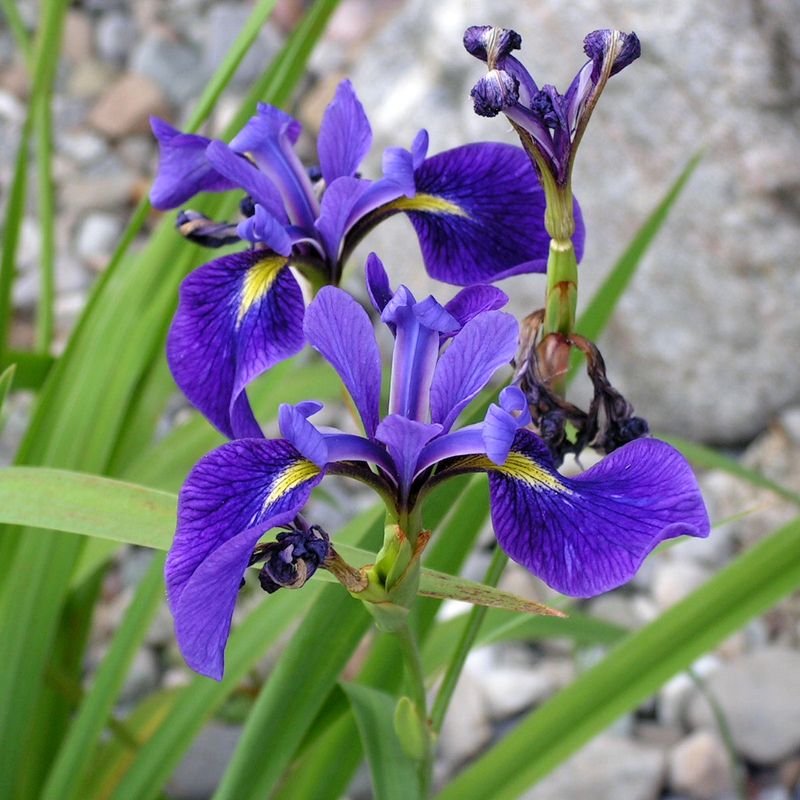
The blooms appear in late spring, usually May through June in Pennsylvania, and they are genuinely eye-catching. The flowers feature the classic iris shape with delicate violet-blue petals marked with yellow and white veining.
Even after the flowers fade, the tall upright leaves stay green and tidy through the growing season.
Municipalities and homeowners across Pennsylvania are starting to recognize that a drainage solution does not have to look like a drainage solution.
By planting blue flag iris in rain gardens and stormwater areas, communities are turning a water management challenge into a neighborhood asset.
It is a practical plant with a beautiful personality, and Pennsylvania streets are quietly becoming more colorful because of it.
Why Pennsylvania Streets Need Rain Garden Plants
Every time it rains hard in Pennsylvania, millions of gallons of water have nowhere natural to go. Rooftops, driveways, parking lots, and sidewalks are all sealed surfaces that send rainwater sliding straight toward the nearest drain or gutter.
That rushing water picks up oil, fertilizer, pet waste, and other pollutants as it moves. By the time it reaches a storm drain, it is carrying a mix of chemicals and debris that flows directly into local streams, rivers, and creeks without any filtering.
Your Pennsylvania Garden Changes Every Week. Your Plan Should Too.
Gardening in Pennsylvania changes quickly throughout the season. Every Friday you’ll receive a simple weekly plan showing exactly what to plant, prune, fertilize, harvest, and protect so you never miss the right timing.
Pennsylvania waterways like the Chesapeake Bay watershed have been dealing with this kind of pollution for decades.
Rain gardens offer a smart, low-cost solution. A rain garden is simply a shallow, planted depression in the ground that is designed to capture runoff from a nearby hard surface.
The plants and soil inside the garden slow the water down and allow it to soak in gradually over a day or two after a storm.
When water soaks into the soil instead of racing across pavement, plants and microbes in the ground naturally filter out many of those pollutants.
The cleaned water then slowly moves into the groundwater supply rather than rushing into waterways loaded with contaminants.
Pennsylvania gets an average of about 42 inches of rain per year, with heavy storm events becoming more frequent due to changing weather patterns.
Streets and neighborhoods need tools to manage that water load without overwhelming sewer systems or flooding low-lying areas.
Rain garden plants like blue flag iris are a nature-based answer to a very modern problem. They slow things down, clean things up, and make neighborhoods look better in the process.
Why Blue Flag Iris Works So Well In Wet Spots
Most plants sold at garden centers are designed for average, well-drained soil. Ask them to sit in standing water for a day or two after a rainstorm, and they will start to struggle fast.
Blue flag iris is built differently, and that difference is exactly what makes it so valuable in a rain garden setting.
In the wild, blue flag iris grows naturally in marshes, along stream banks, and in wet meadows where the soil stays saturated for long stretches at a time.
Its root system is adapted to handle low-oxygen, waterlogged conditions that would cause root rot in most ornamental plants. That natural toughness translates perfectly to rain garden environments.
The lowest zone of a rain garden, called the ponding area, is where water sits the longest after a storm. Most plants placed there will fail within a season or two.
Blue flag iris thrives there. It can handle brief periods of standing water without any damage to its roots or foliage.
Beyond handling wet conditions, it also tolerates periods of dryness between rain events. Pennsylvania summers can alternate between heavy rains and dry spells, and blue flag iris handles both ends of that range without needing constant attention from a gardener.
The plant spreads gradually over time through underground rhizomes, forming dense clumps that help stabilize soil and prevent erosion at the edges of rain gardens and drainage swales.
That spreading habit means fewer bare spots and less room for weeds to move in. Few plants check as many practical boxes for wet, variable conditions as blue flag iris. It is reliable, resilient, and ready for whatever Pennsylvania weather sends its way.
What Makes It Beautiful Enough For Front-Yard Plantings
Drainage plants have a reputation problem. Most people hear the words stormwater garden and picture a muddy, weedy ditch that no one wants to look at. Blue flag iris changes that story completely, and it does so with some real elegance.
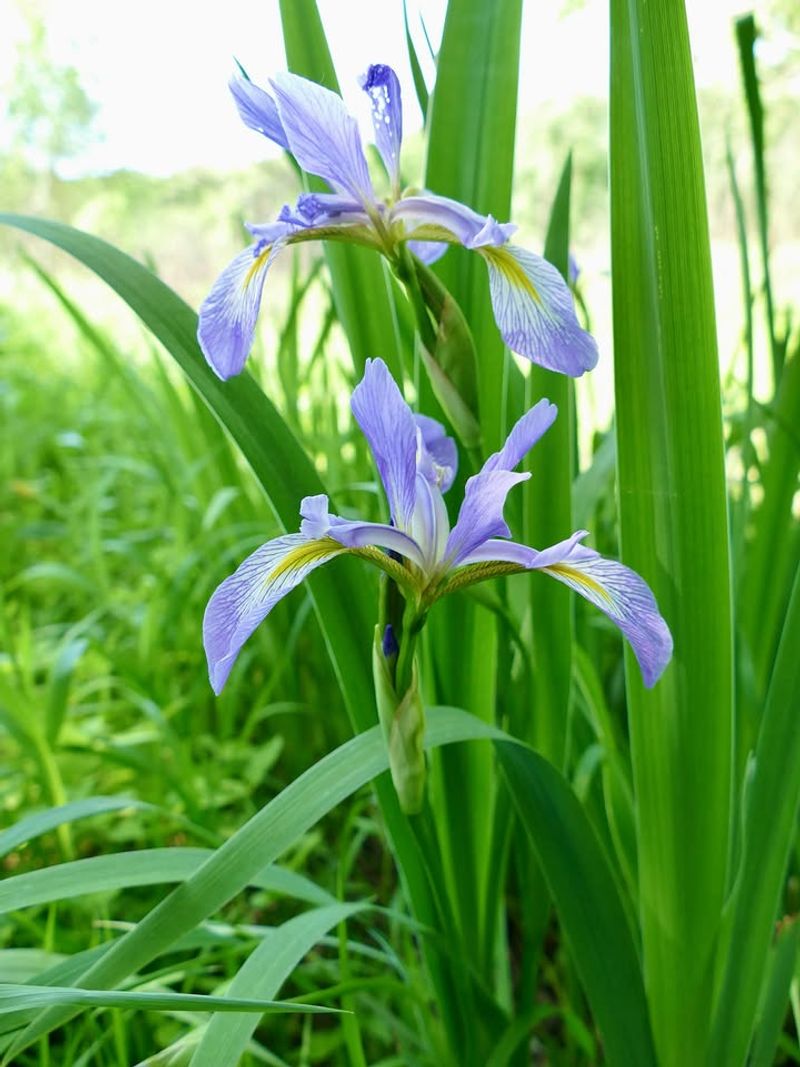
The flowers are genuinely spectacular. Each bloom features the classic iris form with falls, the lower petals that sweep downward, marked with bold yellow and white veining against a rich violet-blue background.
The color is intense and jewel-like, and it photographs beautifully. Neighbors stop and ask about it.
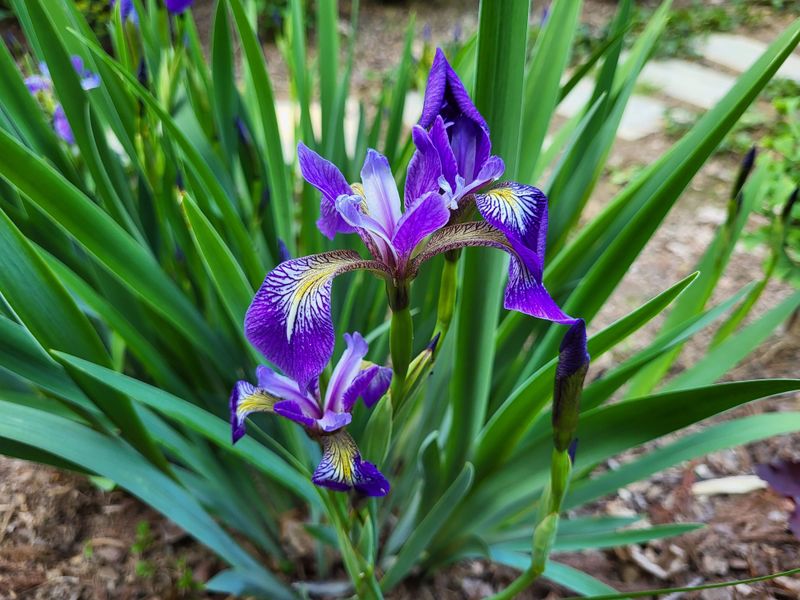
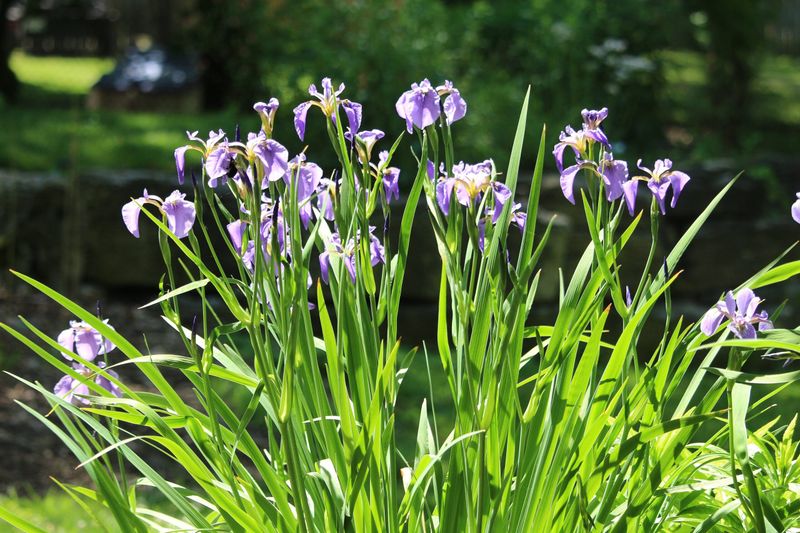
Even when it is not blooming, the plant holds its own in the landscape. The sword-shaped leaves grow upright and tidy, reaching two to three feet tall in most garden settings.
They give a rain garden a structured, intentional look that signals to passersby that someone put thought into this planting.
That visual structure matters a lot in front-yard and curbside settings. A rain garden that looks designed and cared-for builds community support and neighborhood pride.
One that looks messy or overgrown can face complaints or even removal orders from local municipalities.
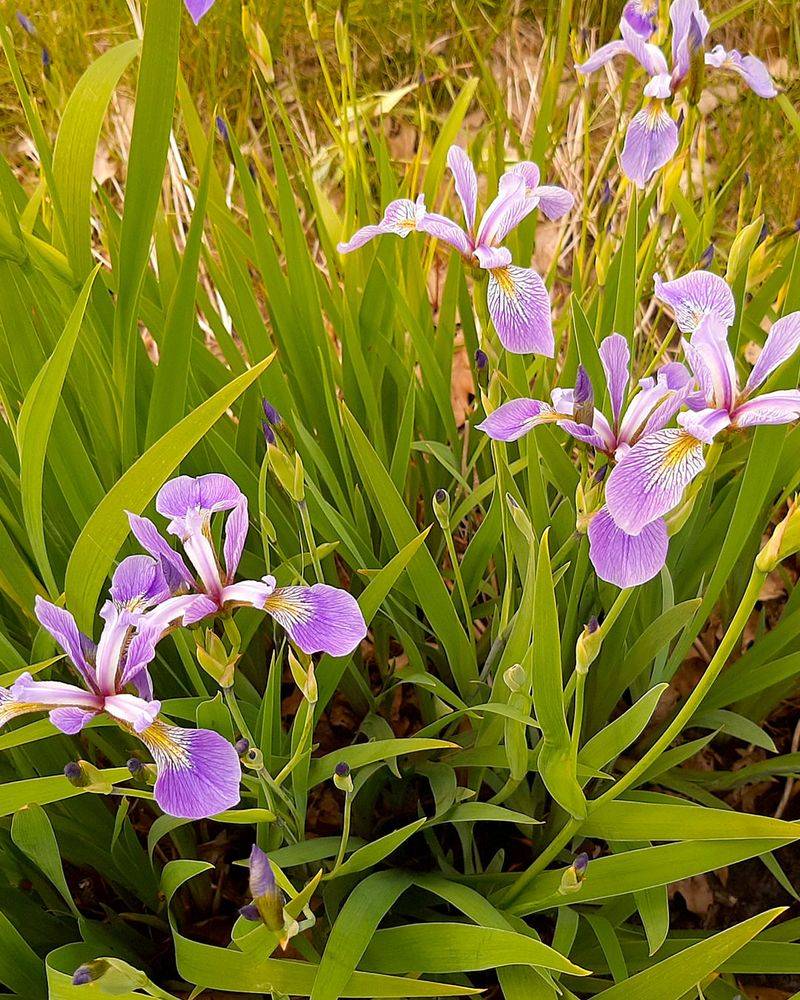
Blue flag iris pairs naturally with other moisture-loving native plants like swamp milkweed, cardinal flower, and Joe-Pye weed. Together, these plants create a layered, lush look that resembles a natural stream bank more than a drainage ditch.
The combination attracts butterflies, bees, and hummingbirds throughout the growing season.
A well-planted rain garden with blue flag iris as an anchor plant can become a genuine front-yard showpiece. It proves that solving a stormwater problem and creating something beautiful are not goals that have to compete with each other.
Where To Plant Blue Flag Iris For Best Results
Knowing where to put blue flag iris makes all the difference between a planting that thrives and one that struggles. The good news is that this plant is flexible enough to fit into a surprising number of spots around a yard or streetscape.
Rain gardens are the most obvious choice. Place blue flag iris in the lowest section of the garden where water collects and sits the longest after a storm.
It handles those wet conditions without complaint and helps stabilize the soil so the garden holds its shape over time.
Swales, which are shallow channels designed to slow and direct runoff, are another excellent location.
Blue flag iris planted along the bottom and sides of a swale slows the flow of water, reduces erosion, and adds visual appeal to what might otherwise look like a plain grassy ditch.
Curbside beds in Pennsylvania municipalities are increasingly being planted with native species to manage roadway runoff. Blue flag iris fits well in these narrow planting strips as long as the soil stays consistently moist.
Avoid placing it in spots where fast-moving water during heavy storms would uproot or bury the plants.
Pond edges and rain barrels overflow areas are also ideal. If your downspout drains to a low corner of the yard that tends to stay soggy, that is a perfect home for a clump of blue flag iris.
One thing to avoid is planting it in well-drained, dry soil. Blue flag iris can survive moderate dryness once established, but it will not perform its best or spread the way it should without consistent moisture nearby.
How To Keep A Blue Flag Iris Rain Garden Looking Good
One of the best things about blue flag iris is that it does not demand a lot of attention once it gets settled in. Still, a little seasonal care goes a long way toward keeping a rain garden looking sharp and functioning well year after year.
When you first plant blue flag iris, water it regularly for the first few weeks to help the roots establish.
After that, rainfall in most Pennsylvania locations will handle the job during the growing season. Only step in with supplemental watering during unusually long dry spells in summer.
At the end of the growing season, the foliage can be left standing through fall and winter to provide shelter for small insects and visual structure in the garden. Cut it back to a few inches above the ground in late winter or very early spring before new growth emerges.
Removing old foliage at that point keeps the planting tidy and gives new shoots plenty of room to push up.
Every three to four years, blue flag iris clumps will become crowded and may start blooming less. That is the signal to divide them.
Dig up the clump, separate the rhizomes with a clean cut, and replant sections with healthy growth buds. Divisions can be shared with neighbors or moved to expand the rain garden.
Weeding matters most in the first year or two before the iris fills in. After that, a dense clump of blue flag iris does a decent job of shading out weeds on its own.
Pair it with swamp milkweed, blue vervain, or native sedges for a full, layered rain garden that handles stormwater with style through every season.