10 Lesser-Known Facts About Growing Narcissus In South Carolina
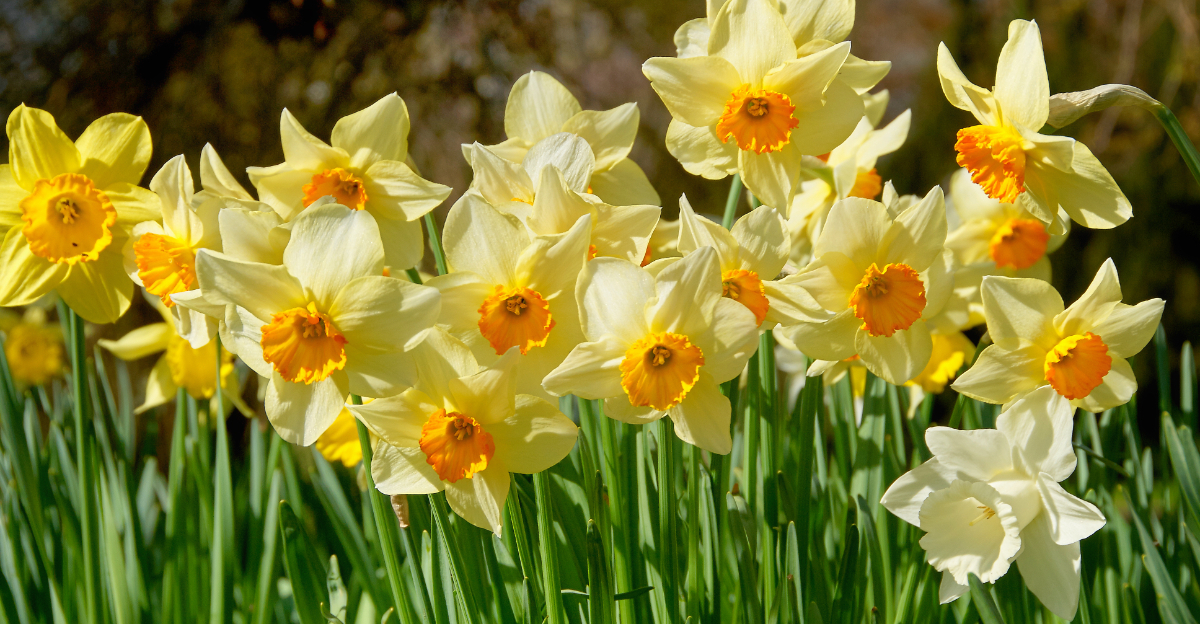
Narcissus bulbs planted in South Carolina soil face a problem most Northern advice never mentions: not enough winter chill. These flowers need a real cold stretch to bloom properly.
The Lowcountry’s mild winters can leave gardeners staring at leaves with no flowers in sight. Pick the wrong variety and you’re setting yourself up for a season of green foliage and empty stems.
Timing matters just as much as selection here. Plant too early in September’s lingering heat and bulbs rot before they root. Plant too late and they miss the narrow cold window entirely, leaving roots underdeveloped come spring.
Soil drainage adds another layer of difficulty. Clay-heavy ground in much of the state holds water around bulbs long enough to invite rot.
That turns a promising bed into a disappointing patch of mush by February. Get these three factors right, and South Carolina yards can rival any spring display up North.
1. Not Every Daffodil Type Performs Well In Warmer Zones
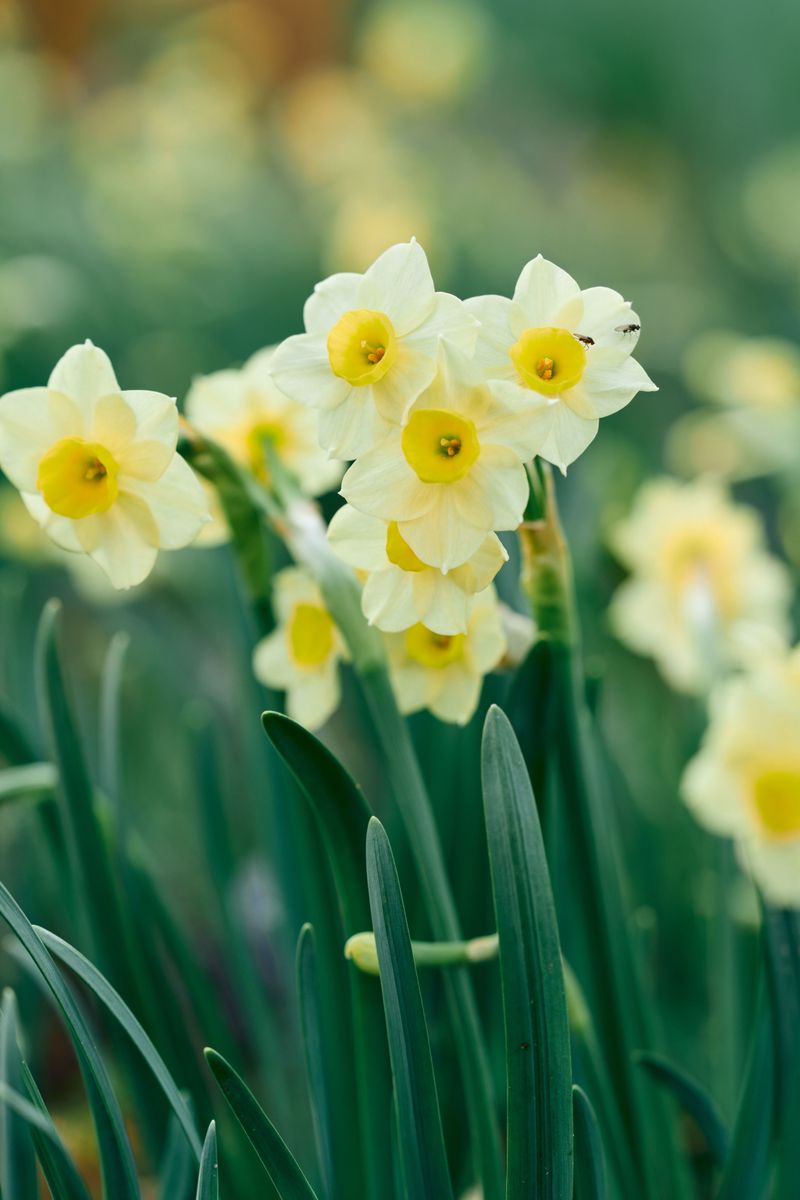
Grab a catalog and you will spot dozens of daffodil types, but not all belong in a warm Southern garden. Growing narcissus in South Carolina means working with a climate that skips the deep freeze most bulbs secretly crave.
Large-cupped and trumpet daffodils, the classic types splashed across magazine covers, need long cold winters to bloom reliably. Zones 7 and 8 simply do not deliver that kind of chill consistently.
Planting the wrong type means you get lush green leaves and no flowers, which is every gardener’s quiet nightmare. The bulb stores energy but never gets the cold signal to push up a bloom.
Heat-tolerant types exist, and they are the smarter choice for South Carolina beds. Jonquils, tazettas, and species narcissus handle mild winters with surprising grace.
Checking a variety’s chill-hour requirement before buying saves real heartbreak later. Most reliable performers need very few chill hours, which aligns with South Carolina winters perfectly.
Skipping that research step is the most common mistake warm-climate gardeners make. Choosing wisely from the start puts you miles ahead of your neighbors come February.
2. Jonquil And Tazetta Types Thrive Best Statewide
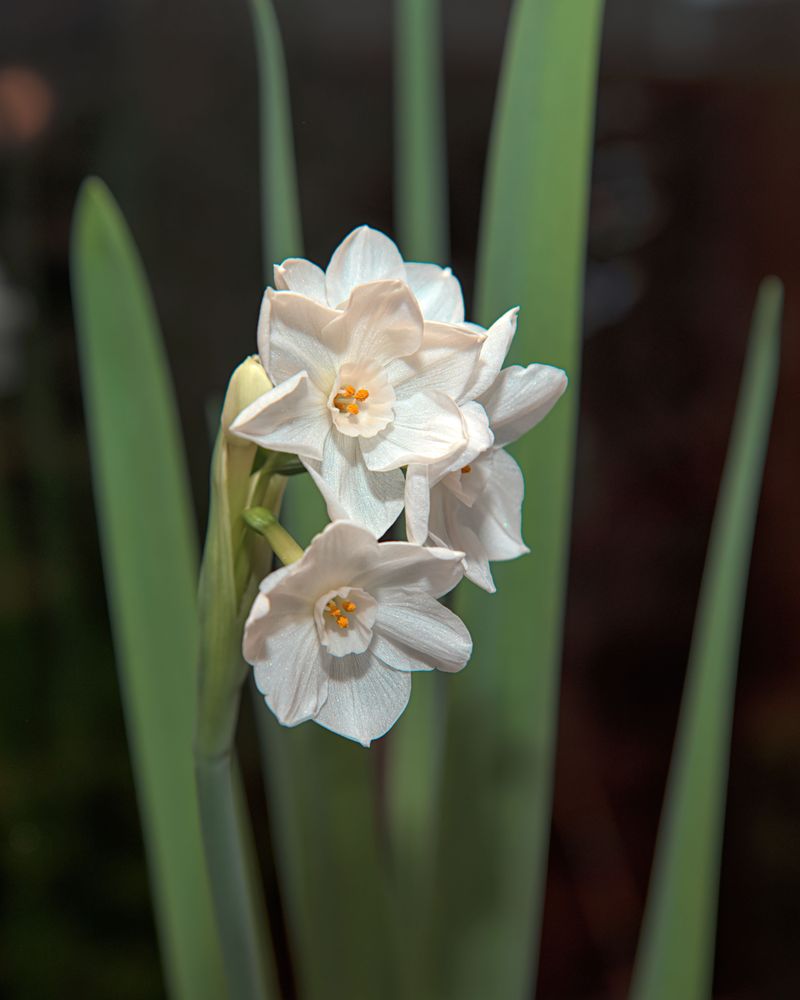
Walk past a South Carolina garden in late winter and you might catch a sweet, honey-like scent drifting from small golden clusters near the fence. Those are jonquils, and they absolutely love this climate.
Jonquil narcissus are built for warmth. They naturalize easily, meaning they come back stronger each year without much help from you.
Tazetta types, including the beloved paperwhite cousins, cluster multiple blooms per stem and perform brilliantly across the entire state. Their low chill-hour requirement makes them a perfect match for South Carolina winters.
Both types bloom earlier than traditional daffodils, often pushing up flowers in January or February. That early show feels like a gift after months of bare garden beds.
Fragrance is another bonus with these varieties. Jonquils especially carry a bold, sweet scent that fills an entire yard on a mild afternoon.
Planting a mix of jonquils and tazettas gives you a longer bloom window and a layered visual display. Stagger planting depths slightly to extend the show by a week or two.
Your South Carolina Garden Changes Every Week. Your Plan Should Too.
Gardening in South Carolina changes quickly throughout the season. Every Friday you’ll receive a simple weekly plan showing exactly what to plant, prune, fertilize, harvest, and protect so you never miss the right timing.
Gardeners who switch to these types rarely look back. The payoff in blooms, scent, and reliability is simply hard to beat anywhere in the state.
3. Coastal Gardens Favor No Chill Paperwhite Varieties
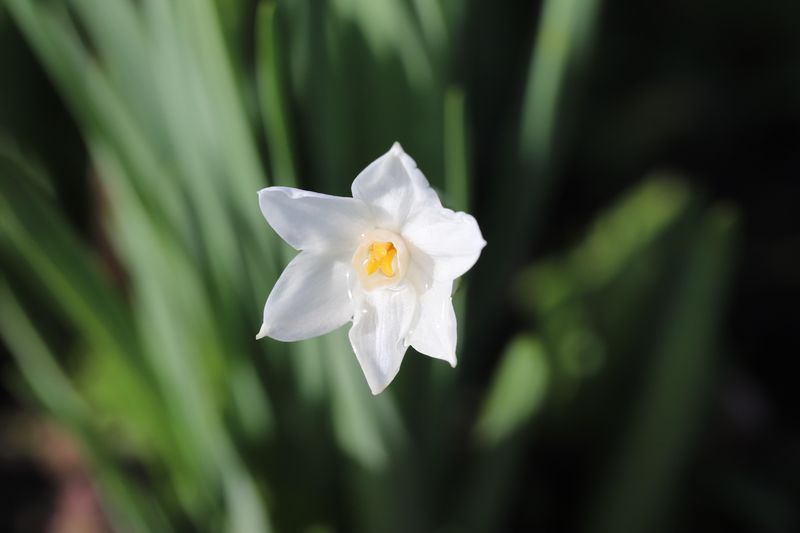
Salt air, sandy soil, and mild winters make coastal South Carolina a unique gardening world of its own. Standard bulbs often struggle there, but paperwhites are built for exactly that environment.
Paperwhite narcissus require no chilling hours to bloom. You can plant them in October and watch flowers appear by December without any special treatment.
Coastal areas near Charleston, Beaufort, and Hilton Head rarely dip below freezing for long. That mild pattern is actually ideal for paperwhites, which bloom best when winters stay gentle.
Sandy coastal soil drains fast, which paperwhites prefer. Sitting in wet, clay-heavy ground is where bulbs struggle and rot takes hold.
These varieties also naturalize well in coastal landscapes when given a spot with decent drainage and full sun. Over several seasons, a small planting can spread into a gorgeous drifting colony.
Gardeners on the coast should plant paperwhites in groups of ten or more for visual impact. Scattered single bulbs get lost in a large bed and rarely impress.
The key takeaway for coastal growers is simple: skip the trumpet daffodils and lean hard into paperwhites. Your garden will reward that decision with reliable blooms year after year.
4. Waiting Until November Prevents Early False Blooming
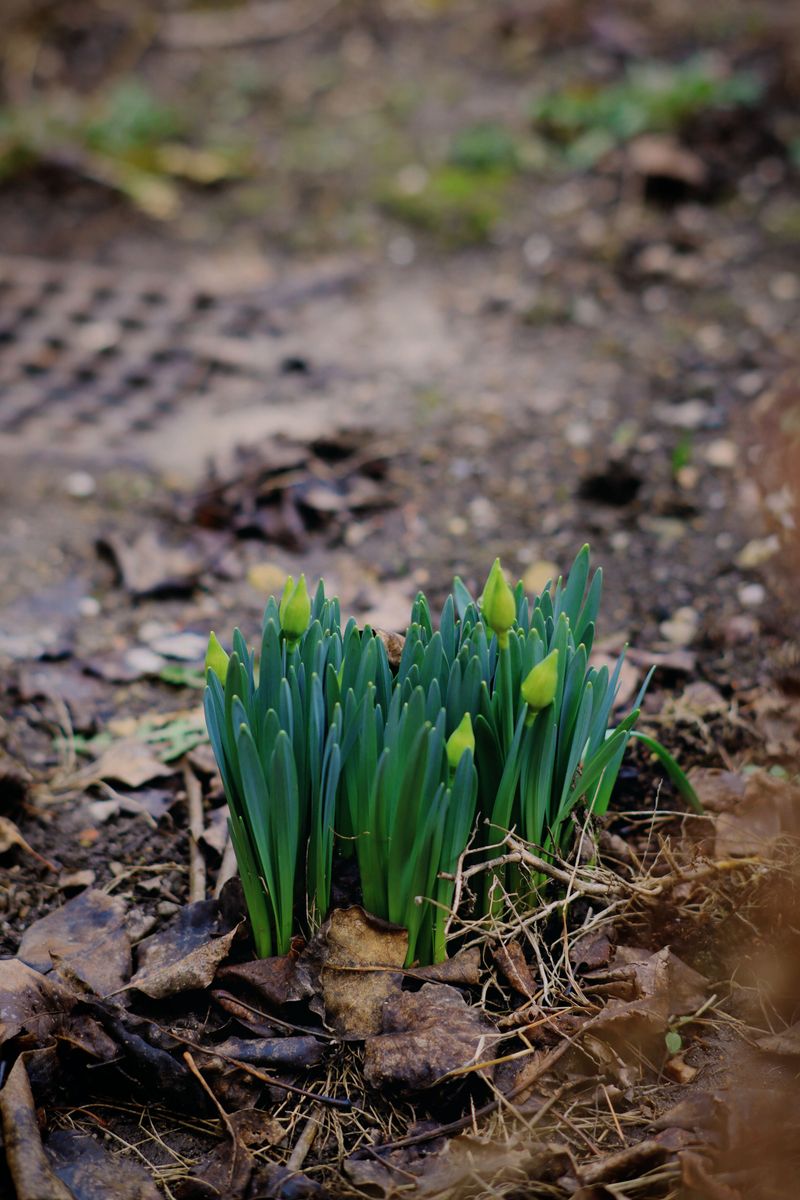
Patience is genuinely hard when you are holding a bag of bulbs and the soil looks perfectly ready. But planting narcissus too early in South Carolina is a trap that fools even experienced gardeners.
Warm September and October soil encourages bulbs to sprout prematurely. That early growth gets hit by a cold snap and the bloom potential for the whole season is gone.
Waiting until soil temperatures drop below 60 degrees Fahrenheit is the golden rule. In most of South Carolina, that sweet spot arrives in November, sometimes late November in the Lowcountry.
A cheap soil thermometer takes the guesswork out completely. Push it four inches down and check the reading before you ever reach for a trowel.
False blooming happens when warmth tricks the bulb into thinking spring arrived early. The plant burns through its stored energy and has nothing left when real spring comes around.
November planting also aligns better with natural rainfall patterns across the state. Bulbs get moisture help from winter rains rather than relying solely on irrigation.
Timing is everything with narcissus, and November is your magic window. Hold off just a few extra weeks and your reward is a full, healthy bloom display come late winter.
5. Deer And Rodents Leave The Toxic Bulbs Alone
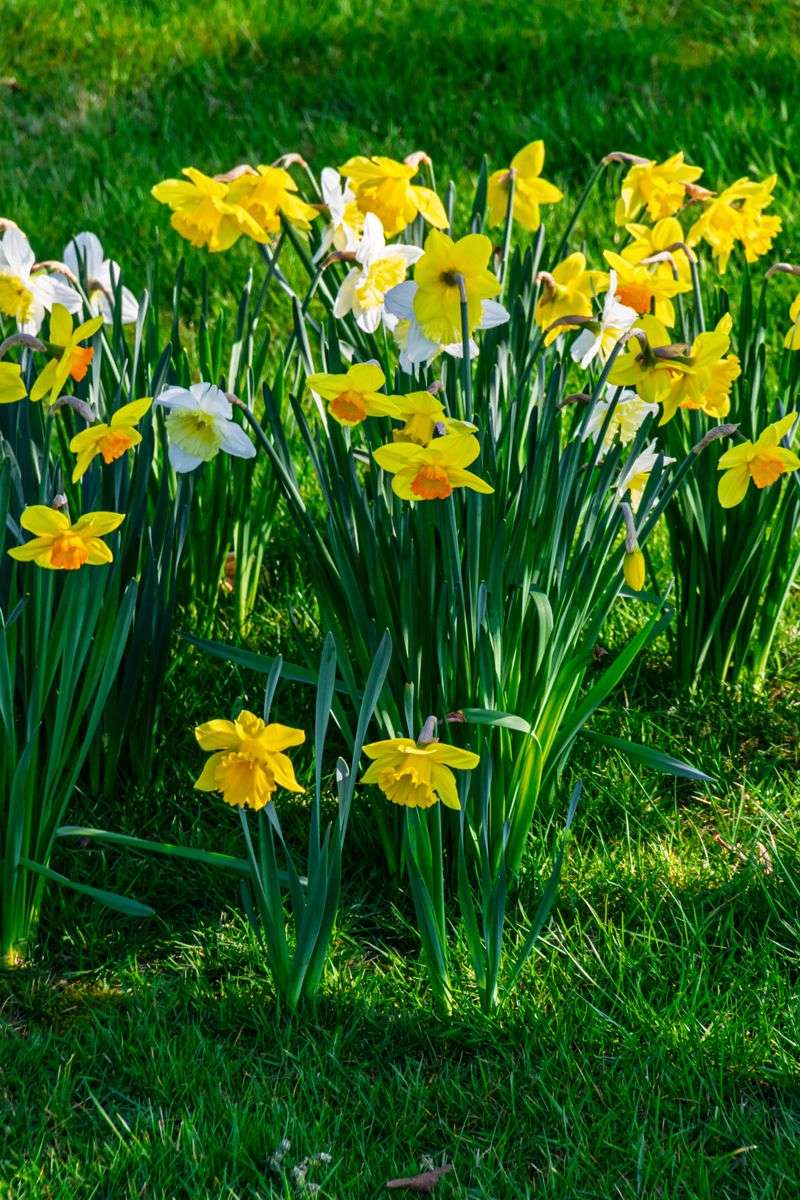
Every gardener who has lost a bed of tulips to deer knows the specific frustration of finding only stubs where flowers used to be. Narcissus offers a sweet escape from that problem.
All parts of the narcissus plant contain lycorine, a toxic alkaloid that makes bulbs and foliage taste awful to most animals. Deer learn quickly and walk right past them.
Voles and moles, the underground bulb thieves that severely damage tulip and crocus collections, also avoid narcissus. The toxicity extends below the soil surface, which is rare and genuinely valuable.
This natural protection makes narcissus an excellent choice for woodland garden edges where deer pressure is high. You can plant freely without worrying about overnight losses.
Squirrels occasionally dig bulbs out of curiosity, but they rarely eat them. Once they sniff the alkaloid scent, they typically drop the bulb and move on.
Mixing narcissus with more vulnerable spring bulbs like tulips is a clever strategy. The deer-resistant blooms act as a natural buffer around the plants that need more protection.
For South Carolina gardeners dealing with heavy wildlife pressure, narcissus is genuinely one of the smartest investments in a spring bulb collection. Nature handles the pest control for you.
6. Foliage Must Yellow Fully Before Cutting It Back
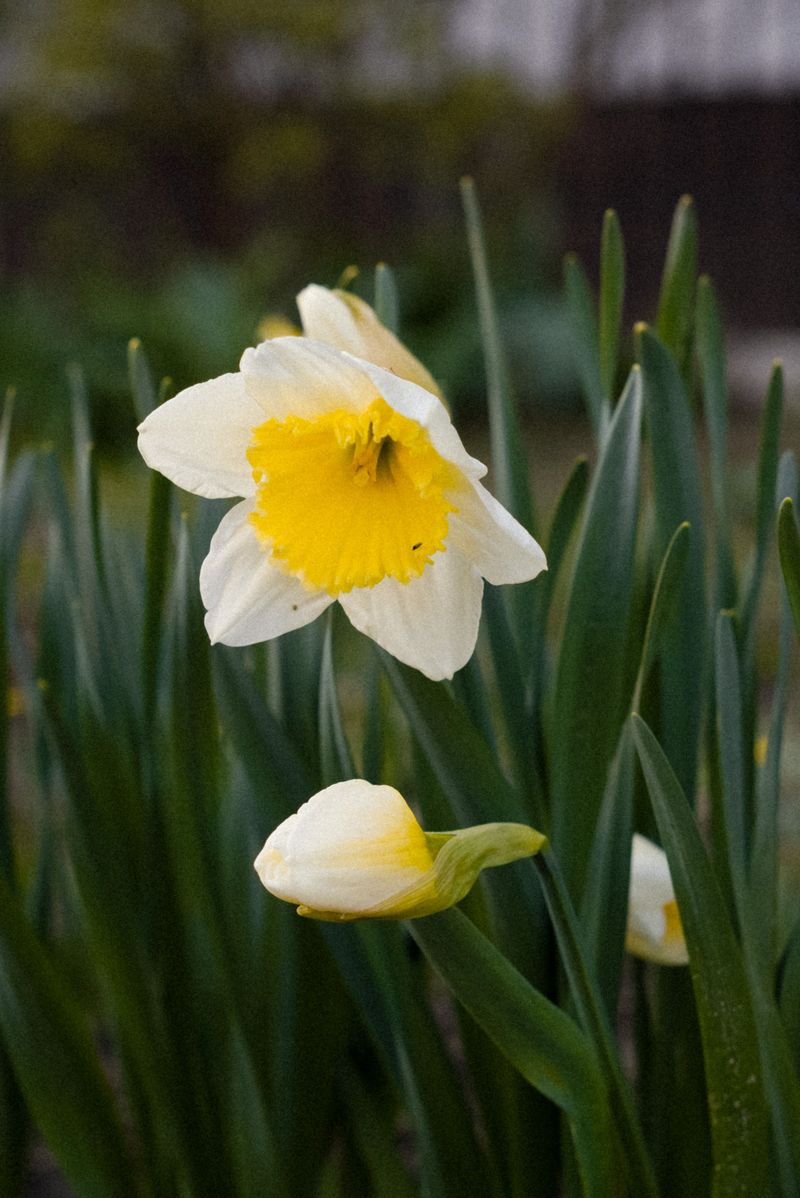
After the blooms fade, the garden bed can start to look a little rough and the temptation to tidy up becomes overwhelming. Cutting back narcissus foliage too soon is one of the most damaging things you can do.
Green leaves are the plant’s solar panels. They absorb sunlight and send energy back down into the bulb, building up the fuel needed for next year’s flowers.
Removing foliage while it is still green essentially starves the bulb. You might get blooms once or twice, but the plant weakens steadily until it stops flowering altogether.
Waiting for leaves to yellow fully, usually six to eight weeks after bloom, feels like an eternity. Planting fast-growing perennials nearby helps camouflage the messy foliage during that waiting period.
Daylilies, coneflowers, and ornamental grasses are popular companion plants that fill in quickly. They mask the fading narcissus leaves while adding their own seasonal color to the bed.
Folding or braiding leaves is an old trick, but it actually reduces the surface area exposed to sunlight. Letting leaves flop naturally, however messy, is the better approach for bulb health.
The payoff for patience is enormous. Bulbs allowed to fully recharge bloom more abundantly and multiply faster than those cut back too soon.
7. Sun Direction Determines Which Way Blooms Face
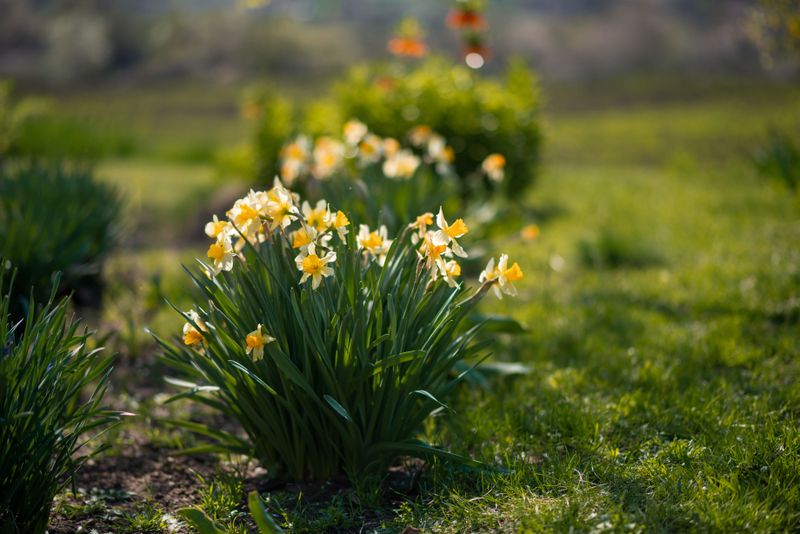
Here is something most bulb resources never mention: narcissus blooms are phototropic, meaning they turn toward the brightest light source. Where you plant them changes how they look from your house.
If your garden bed faces north, the blooms will angle away from you toward the sky. You end up staring at the backs of flowers rather than their cheerful faces.
South-facing and east-facing beds put the blooms right where you can enjoy them from a window or patio. Morning light pulls blooms upright and facing the viewer naturally.
Planning sun direction before planting takes about two minutes and makes a massive visual difference. Walk your yard at different times of day to understand exactly where the strongest light falls.
Raised beds and borders along south-facing fences are premium narcissus real estate. Blooms open fully, face forward, and catch the best light for photography and everyday enjoyment.
Planting near reflective surfaces like white walls or light-colored fences amplifies the light effect. Blooms in those spots often open earlier and hold their color longer through the season.
Thinking about sun direction transforms a decent garden into a stunning one. Place your bulbs with intention and the display practically arranges itself for you.
8. Wet Soil Raises The Risk Of Bulb Rot
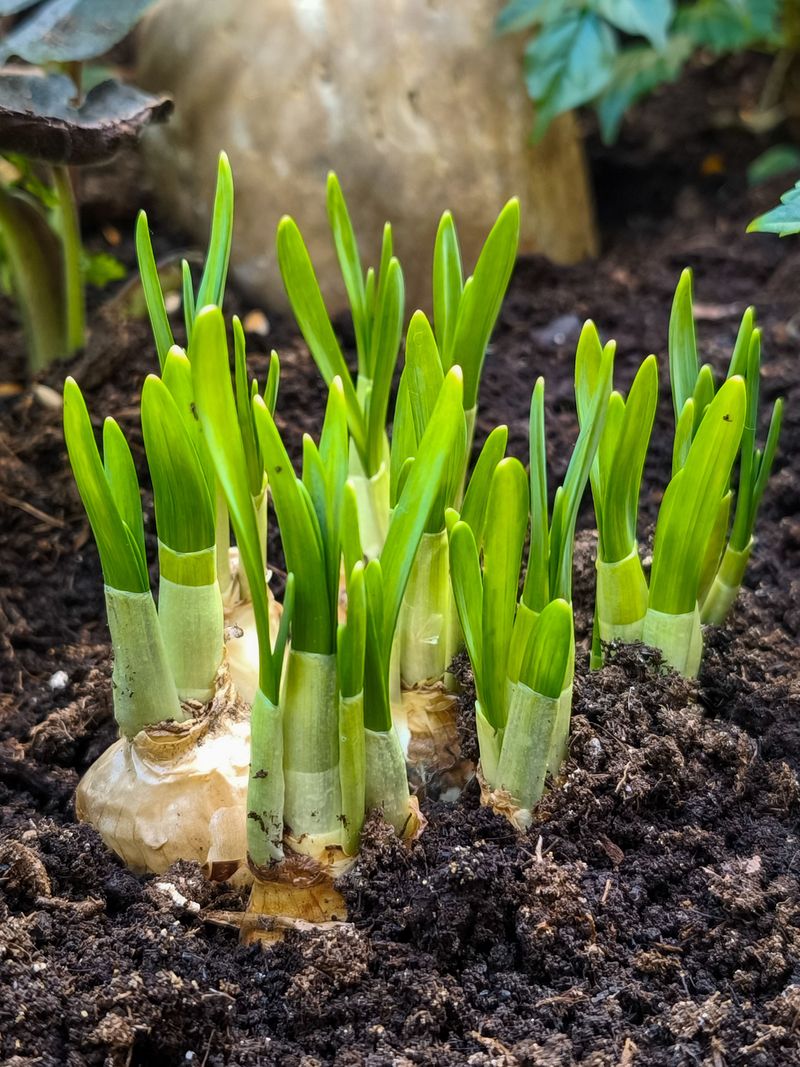
South Carolina gets generous rainfall, especially in summer and fall. That moisture is great for many plants, but it is the number one enemy of narcissus bulbs sitting in heavy clay soil.
Bulb rot sets in when drainage is poor and water pools around the bulb. The outer scales soften, fungal organisms move in, and the bulb turns to mush before spring even arrives.
Raised beds noticeably improve most drainage problems. Elevating the planting area by just six inches dramatically improves water movement through the soil profile.
Amending clay soil with coarse sand, perlite, or pine bark fines creates the loose, fast-draining environment narcissus bulbs need. Work the amendment into the top twelve inches before planting.
Planting on a gentle slope is another natural solution. Water flows away from bulbs rather than collecting around them after heavy rain events.
Avoid planting near downspouts, low spots, or areas that stay soggy after storms. Even a single extended wet period during dormancy can severely damage an entire planting.
Good drainage is not optional for narcissus success in South Carolina. Solve that one factor and most other growing challenges become much easier to manage through the season.
9. Bulb Mites And Slugs Are The Main Pests To Watch
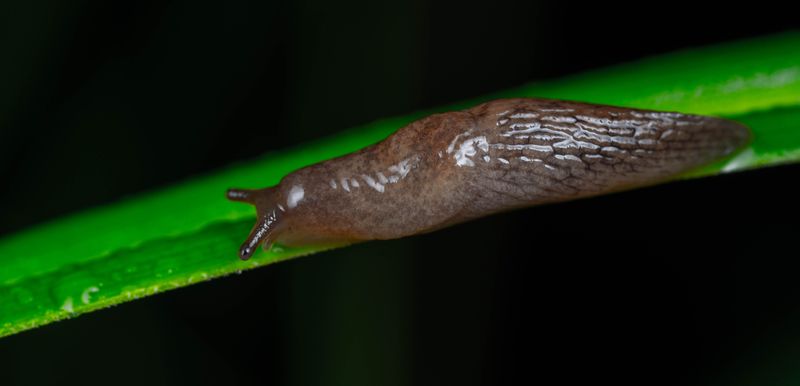
Narcissus may repel deer and rodents, but a few small pests have figured out how to work around that famous toxicity. Bulb mites and slugs are the two you genuinely need to monitor.
Bulb mites are microscopic, so you will not spot them with the naked eye. The clue is soft, corky patches on the bulb’s outer surface and stunted or distorted foliage emerging in spring.
Inspecting every bulb before planting is the simplest prevention strategy. Squeeze gently and discard any that feel soft, look discolored, or show surface damage before they go into the ground.
Slugs attack the tender emerging shoots rather than the bulbs themselves. They feed at night and leave a silvery slime trail, which is usually the first sign of their presence.
Diatomaceous earth sprinkled around emerging shoots creates a rough barrier slugs avoid crossing. Reapply after rain since moisture dissolves the sharp particles that make it effective.
Iron phosphate slug bait is a safer option around pets and wildlife compared to older chemical baits. Scatter it lightly around the base of plants when shoots first emerge in late winter.
Staying ahead of these two pests keeps your narcissus collection healthy for many seasons. A little early attention prevents the kind of damage that sets a planting back for years.
10. Clumps Multiply On Their Own Over Several Years
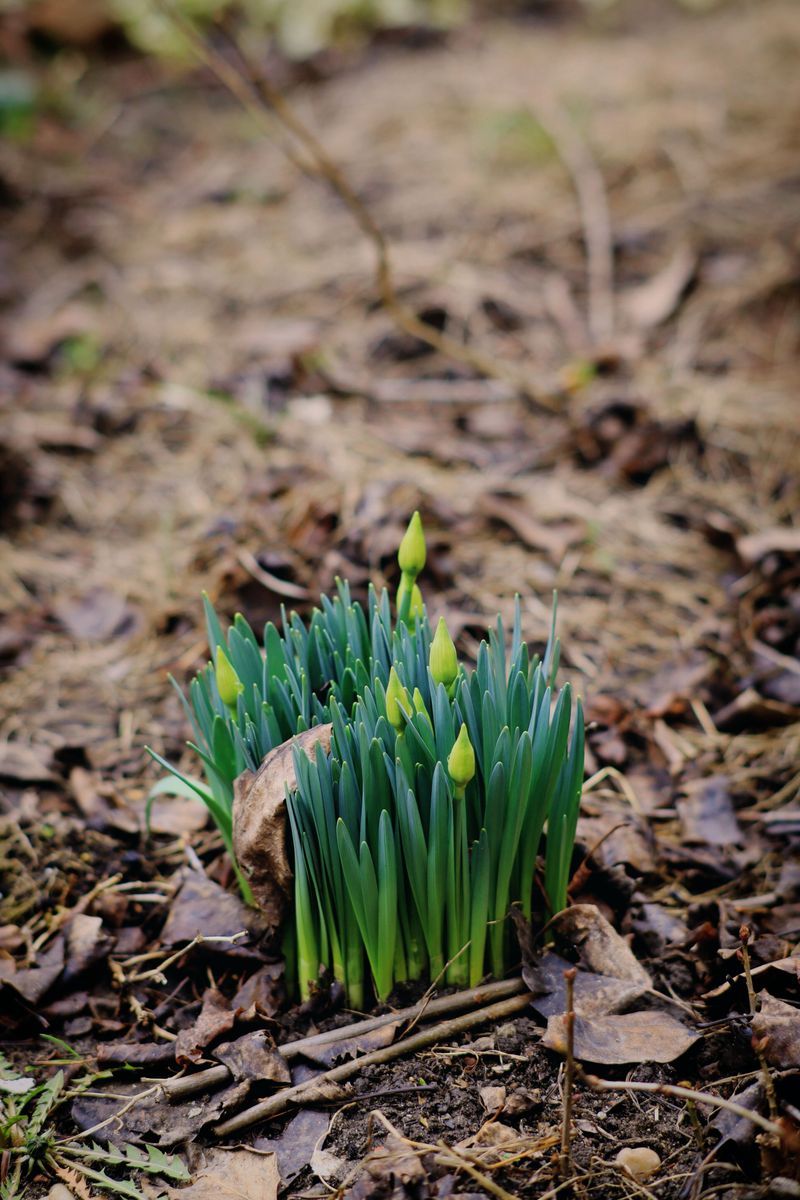
One of the most satisfying things about growing narcissus in South Carolina is watching a modest planting turn into something spectacular without much effort from you. These bulbs are natural multipliers.
Each parent bulb produces offsets, small daughter bulbs that form along its side. Over three to five years, a single bulb becomes a dense, blooming clump that stops people in their tracks.
Warm-climate varieties like jonquils and tazettas multiply especially fast in South Carolina conditions. The mild winters and warm springs create an ideal cycle for steady offset production.
Clumps eventually get crowded enough that bloom quality drops. Flower stems shorten and the number of blooms per clump decreases, signaling that division time has arrived.
Dividing overcrowded clumps every four to six years refreshes the planting completely. Dig the entire clump after foliage yellows, separate the bulbs gently, and replant with proper spacing.
Sharing divided bulbs with neighbors is one of gardening’s great pleasures. A clump that started as ten bulbs can easily produce fifty or more bulbs ready to spread across the neighborhood.
Growing narcissus is genuinely a long game, and the rewards compound beautifully over time. Start with a small planting today and watch it grow into something your whole street admires.