9 Essential July Jobs For Growing Juicy Lemons In Nevada
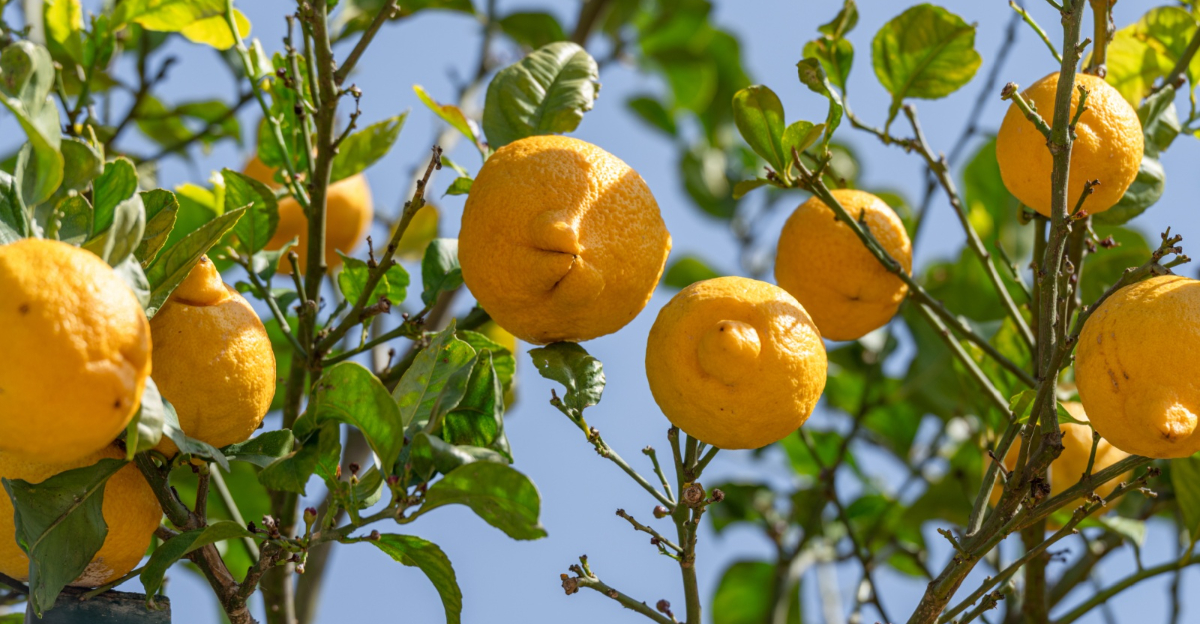
Heat like this changes everything for your lemon trees. Nevada summers push your citrus care past ordinary limits.
You constantly feel that dry, relentless desert sun before noon fully hits. Your lemon trees feel it harder, with nowhere to hide.
Roots dry out, leaves curl, and your fruit drops fast. Careless watering turns this month risky for your trees.
Neglect brings sunscald, stress, and dropped blossoms far too quickly. Smart growers across Nevada still pull in very heavy harvests.
Precision beats guesswork when the desert heat keeps climbing higher. Small shifts now decide whether your lemons thrive or fade.
Timing outweighs effort once the mercury climbs against your trees. Shade placement, watering depth, and soil health shift together for you.
Nothing about your desert citrus ever stays passive or predictable. Attention this month truly decides your whole winter harvest. Skip these adjustments, and your lemon dreams fade before autumn arrives.
1. Water Deeply Two To Three Times A Week
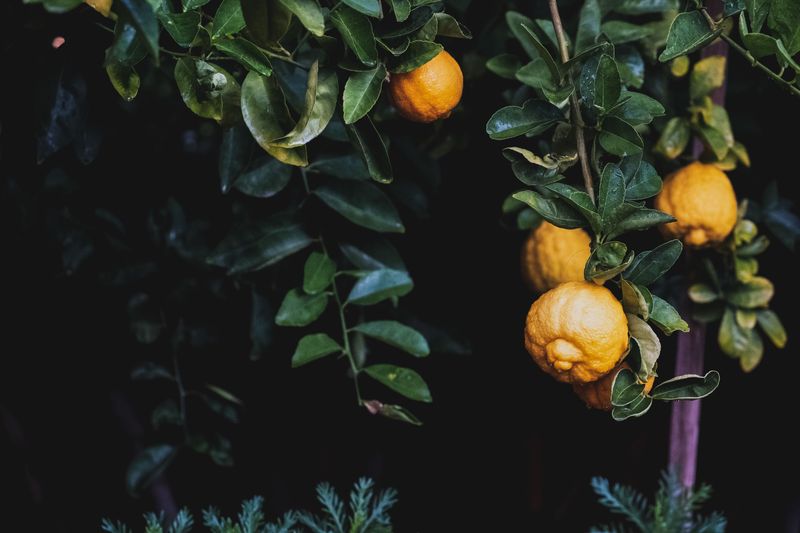
Shallow watering is a trap that fools a lot of first-time citrus growers. Your lemon tree needs water that reaches deep into the root zone, not just the surface.
In Nevada July heat, soil dries out shockingly fast. A light sprinkle does almost nothing for roots sitting a foot underground.
Aim for two to three deep watering sessions each week. Each session should soak the soil at least 12 to 18 inches down.
Slow, steady watering works best for this goal. A drip system or soaker hose lets water seep down without running off.
Skip the quick blast from a hose and walk away approach. That method wastes water and starves your roots at the same time.
Growing juicy lemons in Nevada depends heavily on consistent, deep hydration. Inconsistent moisture causes fruit to crack or drop before it matures.
Set a watering schedule and stick to it like clockwork. Your tree will reward that consistency with stronger growth and better fruit.
Check the soil after each session by pushing a finger or stick six inches down. If it feels dry, you need to water longer next time.
2. Check Soil Moisture Before Adding More
Overwatering harms more citrus trees than drought does, and that surprises most people. Before you reach for the hose, check what is already happening underground.
Push a wooden dowel or your finger about six inches into the soil near the tree base. If it comes out damp, hold off on watering for another day.
Soggy roots cannot breathe, and that leads to root rot fast. Root rot is sneaky because the damage happens below ground before you notice anything wrong above.
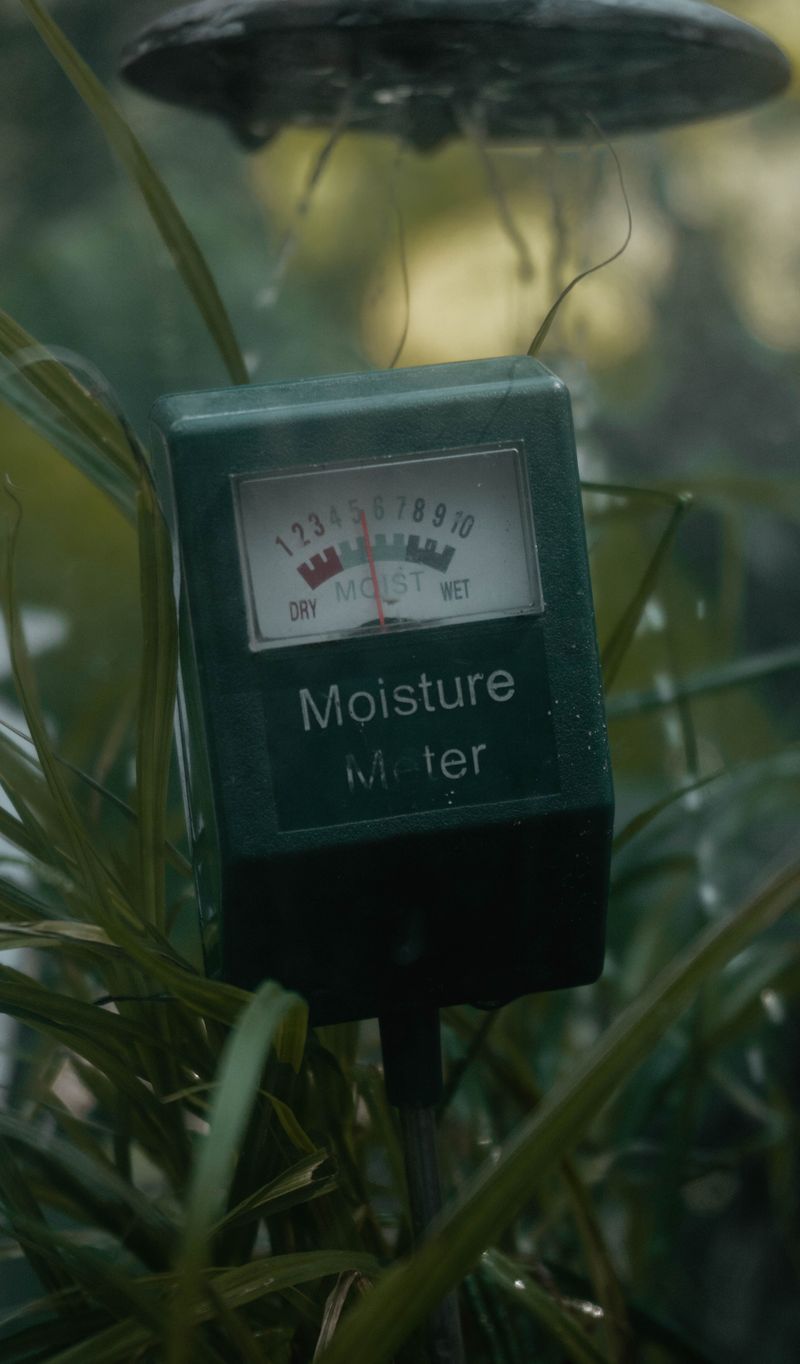
A simple moisture meter from any garden center takes much of the guesswork out. These tools are typically inexpensive and can last for years with proper care.
Check moisture levels at different spots around the drip line, not just near the trunk. Soil dries unevenly, especially in sandy Nevada ground.
Morning is the best time to test soil moisture for accuracy. Heat from the afternoon sun can create misleading dry patches near the surface.
Your Nevada Garden Changes Every Week. Your Plan Should Too.
Gardening in Nevada changes quickly throughout the season. Every Friday you’ll receive a simple weekly plan showing exactly what to plant, prune, fertilize, harvest, and protect so you never miss the right timing.
Keeping a small watering log helps you spot patterns over time. You will quickly learn how fast your specific soil drains after each session.
Smart moisture management is one of the most underrated skills in citrus care. Master it, and your lemons will thank you with thick, juicy rinds all season.
3. Mulch Around The Base To Retain Moisture
Picture this: bare, sun-baked soil around your lemon tree, cracking in the intense summer heat. That exposed ground is stealing moisture your tree desperately needs.
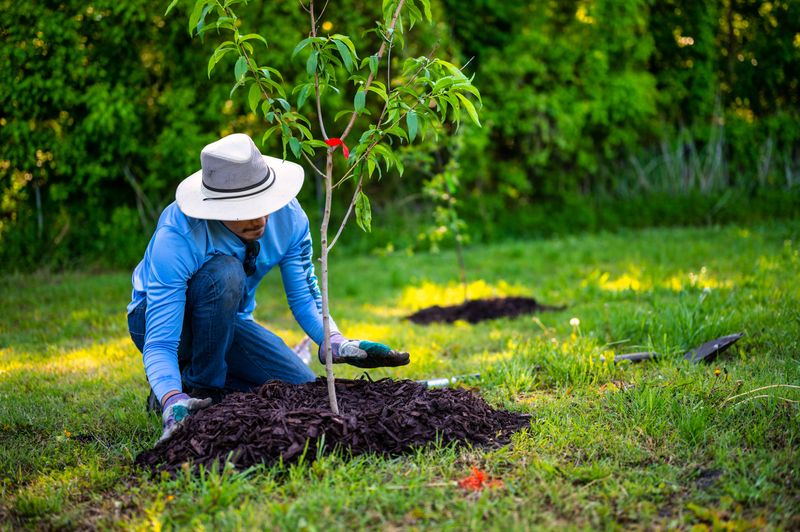
A three to four inch layer of organic mulch fixes that problem almost overnight. Wood chips, straw, or shredded bark all work beautifully for this purpose.
Mulch acts like a blanket that keeps the soil cool and moist underneath. It slows evaporation dramatically, which means less frequent watering for you.
Keep the mulch a few inches away from the actual trunk of the tree. Piling it right against the bark traps moisture and invites fungal problems.
Spread the mulch out to the drip line for maximum coverage and benefit. The drip line is the outer edge of the tree canopy directly above the roots.
Refreshing mulch every few months keeps it working at full efficiency. Old mulch compacts and loses its moisture-retaining power over time.
Beyond moisture, mulch also suppresses weeds that compete with your tree for nutrients. Fewer weeds means more food and water available for your growing fruit.
This step can meaningfully improve results in desert climates. Healthy lemon growth in Nevada starts right at ground level with good mulch management.
4. Shade Young Trees During Extreme Heat
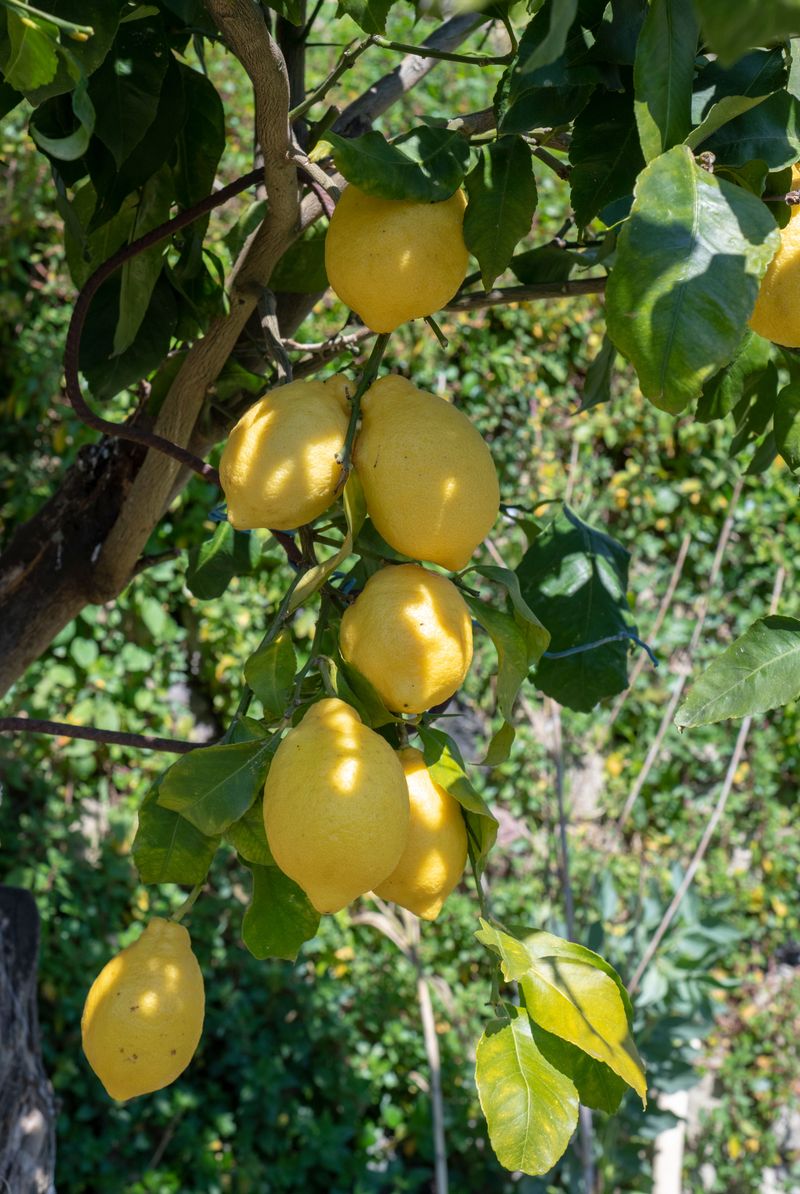
Young lemon trees have not yet built up the thick canopy that shields mature trees from intense afternoon sun. Without help, a young tree can suffer sunscald damage during a single hot afternoon.
Shade cloth is your best friend during the hottest Nevada weeks. A shade cloth in the 30 to 40 percent range typically blocks enough light to protect without cutting off photosynthesis.
Set up a simple frame using PVC pipe or wooden stakes around the tree. Drape the cloth over the frame so it does not rest directly on the leaves.
Focus shade protection on the west and southwest sides of the tree. That is where the harshest afternoon sun hits with the most intensity.
Remove the shade cloth on cooler days so the tree gets full light exposure. Consistent, moderate sun exposure helps young trees build strength and resilience over time.
Potted young lemon trees have an advantage here because you can simply move them. Roll them into a shaded patio corner during peak heat hours each afternoon.
Even a large beach umbrella can provide temporary relief during a heat spike. Improvised shade is always better than no shade once temperatures climb well into triple digits.
Protecting young trees now means stronger, more productive trees in future seasons. That extra care today can support stronger yields in future seasons.
5. Fertilize Lightly With A Citrus-Specific Blend
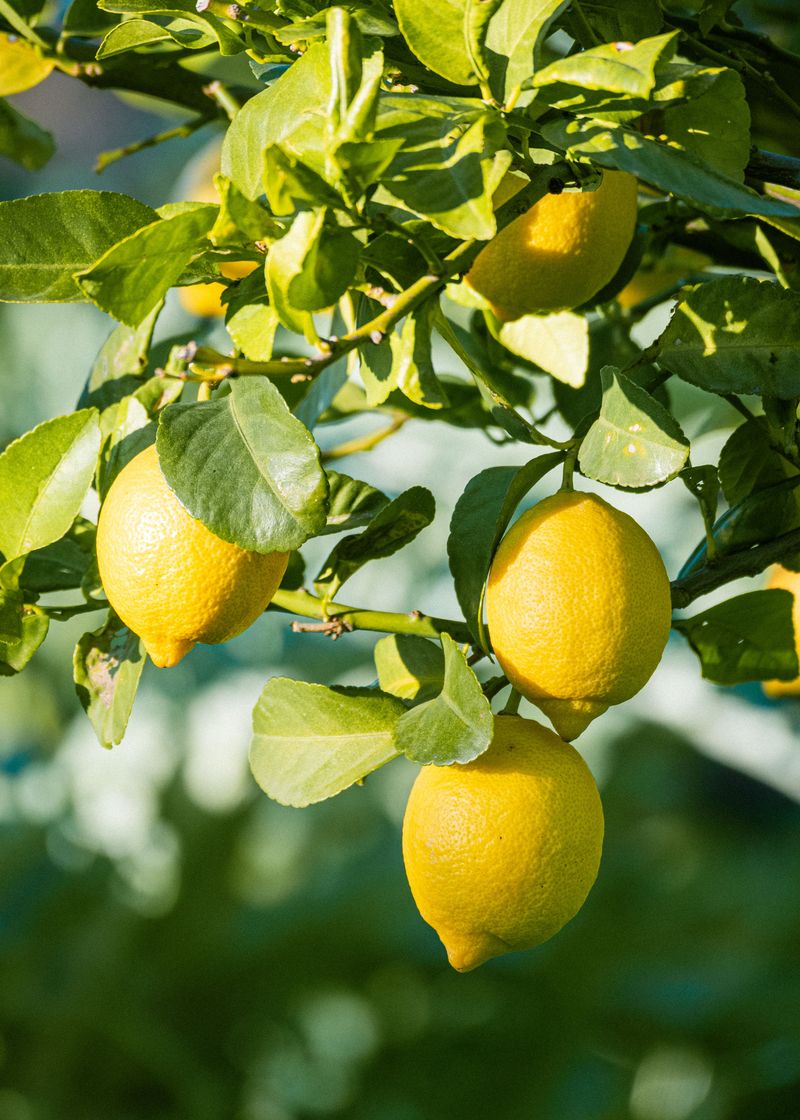
July is not the month to go heavy on fertilizer, and here is why that matters. Excess nitrogen during peak heat pushes soft new growth that scorches instantly in desert sun.
A light application of citrus-specific fertilizer gives your tree what it needs without overdoing it. Look for a blend formulated with nitrogen, phosphorus, potassium, and trace minerals like iron and zinc.
Citrus trees in Nevada often show iron deficiency through yellowing leaves with green veins. A citrus blend with chelated iron corrects this issue faster than a generic fertilizer ever could.
Apply fertilizer to moist soil, never dry ground, to prevent root burn. Water the tree first, apply the fertilizer, then water again lightly to work it in.
Slow-release granular formulas are ideal for summer applications in hot climates. They feed steadily over weeks instead of delivering one overwhelming nutrient spike.
Follow the package directions and resist the urge to add extra for good measure. More fertilizer does not mean more fruit, it often means more stress on the tree.
Mid-morning is the best time to fertilize so the soil stays cool during absorption. Avoid fertilizing in the peak afternoon heat when roots are already working hard.
Consistent, measured feeding keeps your lemon tree productive without pushing it past its limits this July.
6. Monitor Leaves For Signs Of Sunscald
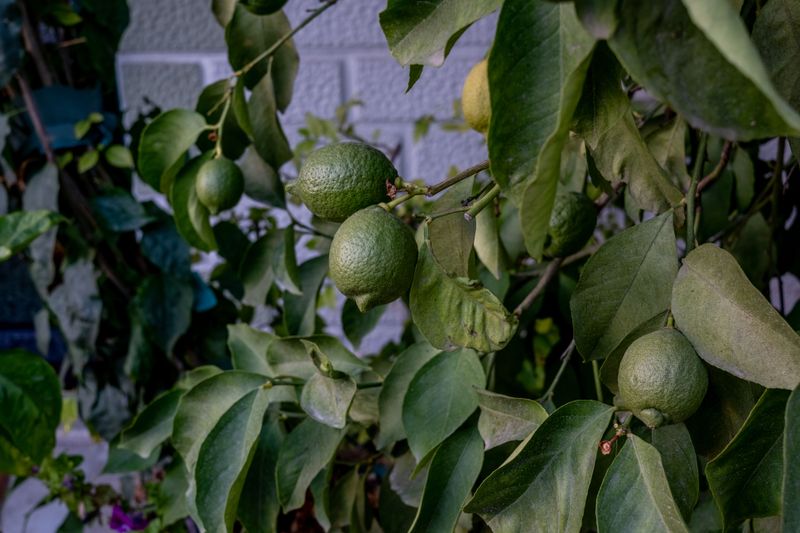
Sunscald on lemon leaves looks like pale, bleached patches that seem almost washed out. It shows up on the side of the tree facing the most intense afternoon sun.
Once you know what to look for, spotting sunscald early becomes second nature. Catching it fast means you can take action before the damage spreads further.
Affected leaves eventually turn brown and crispy at the edges if left unprotected. At that point, the tree is spending energy replacing damaged tissue instead of growing fruit.
Reflective surfaces near the tree can make sunscald worse by bouncing extra light onto leaves. White walls, concrete patios, and metal fencing are common culprits in Nevada yards.
Moving containers away from reflective surfaces often reduces sunscald without any other intervention. Sometimes the fix is that simple and that fast.
For in-ground trees, adding shade cloth on the southwest side offers targeted protection. You do not need to cover the entire tree, just shield the most vulnerable side.
Keeping trees well-watered also reduces sunscald risk because hydrated leaves handle heat much better. Drought stress and intense sun are a damaging combination for any citrus plant.
Check your lemon tree leaves every few days throughout July for early warning signs. Consistent monitoring is the easiest way to stay ahead of heat-related damage all season long.
7. Prune Only To Remove Lifeless Or Crossing Branches
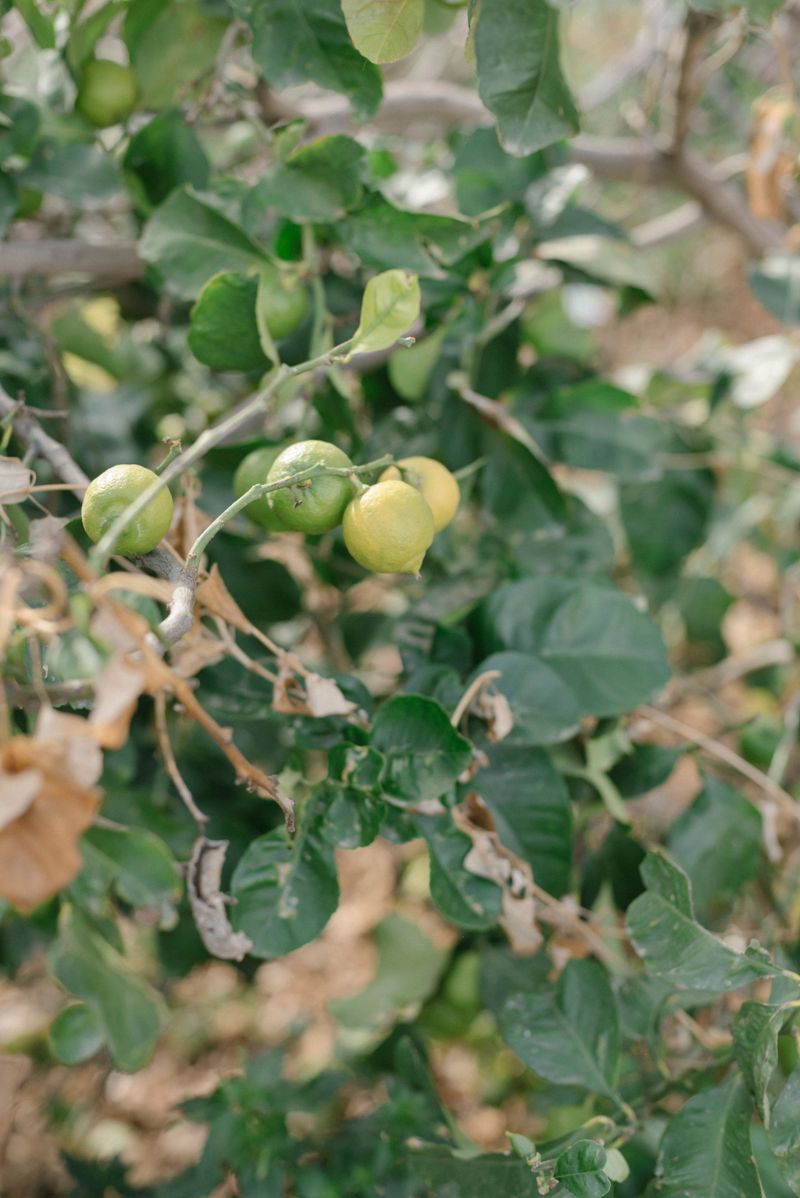
Heavy pruning in July is possible, but it carries unnecessary risk. Open wounds on a tree in peak summer heat invite pests and disease fast.
Stick to light, targeted pruning this month and nothing more aggressive than that. Remove branches that are clearly lifeless, damaged, or rubbing against each other.
Crossing branches create wounds where bark rubs away over time. Those raw spots become entry points for fungal infections and boring insects.
Lifeless wood saps energy from the tree without contributing anything useful in return. Removing it redirects the tree’s resources toward healthy growth and fruit development.
Always use clean, sharp pruning shears to make smooth cuts. Ragged cuts heal slower and leave the tree exposed to problems for longer periods.
Wipe your blades with rubbing alcohol between cuts to prevent spreading disease. This small habit can help protect your tree from infection.
Make cuts at a slight angle just above a healthy bud or branch junction. Flat cuts allow water to pool on the wound, which slows healing significantly.
Avoid cutting back into healthy green wood during July heat. Save any major shaping for late winter when the tree is dormant and far less stressed.
Small, smart pruning moves now help support your lemon tree through the rest of the season.
8. Watch For Pests Like Aphids And Citrus Leafminers
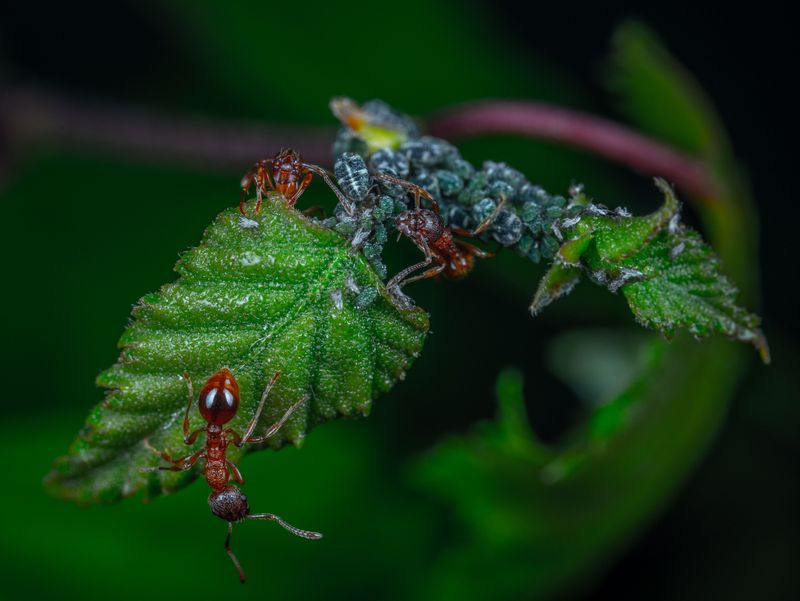
July warmth creates ideal breeding conditions for aphids and citrus leafminers on your lemon tree. These pests multiply fast when temperatures stay high and conditions stay dry.
Aphids cluster on new growth, sucking sap and leaving behind a sticky residue called honeydew. That honeydew attracts ants and promotes a black fungal coating called sooty mold.
Citrus leafminers leave a squiggly silver trail inside leaves as their larvae tunnel through. The affected leaves curl inward, which is hard to miss once you start looking.
A strong blast of water from a hose knocks aphids off new shoots quickly. Repeat this every few days to keep populations from rebounding between checks.
Neem oil spray handles both aphids and leafminers without harsh chemicals. Mix it according to label directions and apply in the early morning before heat builds up.
Inspect the undersides of leaves where pests love to hide from the sun. Most gardeners miss infestations because they only check the top surface of each leaf.
Beneficial insects like ladybugs and lacewings eat aphids naturally and enthusiastically. Avoid broad-spectrum pesticides that wipe out these helpful predators along with the pests.
Staying on top of pest pressure in July helps protect your lemon harvest from unnecessary delays.
9. Thin Excess Fruit To Support Healthy Growth
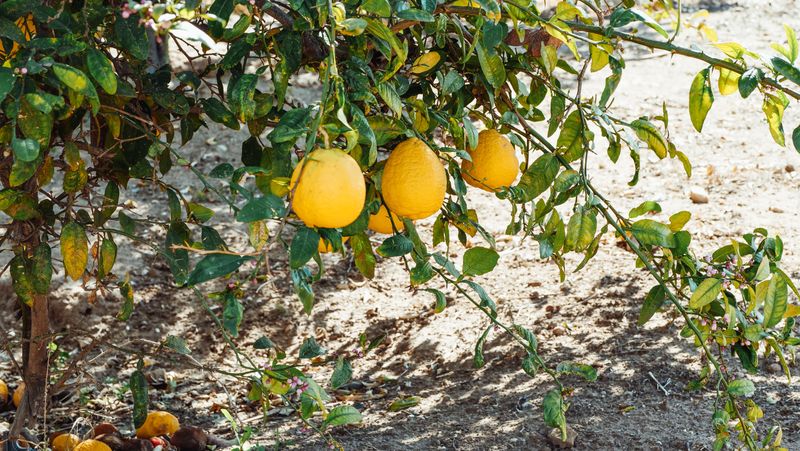
Too much fruit on one branch sounds like a great problem to have, but it is not. When a lemon tree carries more fruit than it can support, everything suffers, including the fruit itself.
Thinning means removing some small, developing lemons so the remaining ones grow larger and juicier. It feels counterintuitive, but the math works out in your favor every time.
Look for clusters where three or more fruits are growing close together. Remove the smallest or most misshapen ones, leaving the strongest candidate to develop fully.
Branches loaded with too much weight can snap during summer windstorms. Nevada can see strong summer winds in July, and a broken branch can set the tree back significantly.
Thinning also improves air circulation inside the canopy. Better airflow reduces the humidity pockets where fungal problems love to get started.
Use clean scissors or your fingers to remove the excess fruit gently. Avoid yanking or twisting, which can damage the branch or the remaining fruit nearby.
Drop the removed fruit away from the tree base rather than leaving it on the ground. Fallen fruit attracts pests and can harbor disease spores that splash back onto the tree.
This final step in your July lemon care routine ties everything together. Growing juicy lemons in Nevada is absolutely achievable when you give each fruit the space it needs to shine.