What Colorado Homeowners Can Do This Week To Cut Fire Risk Around Their Yards
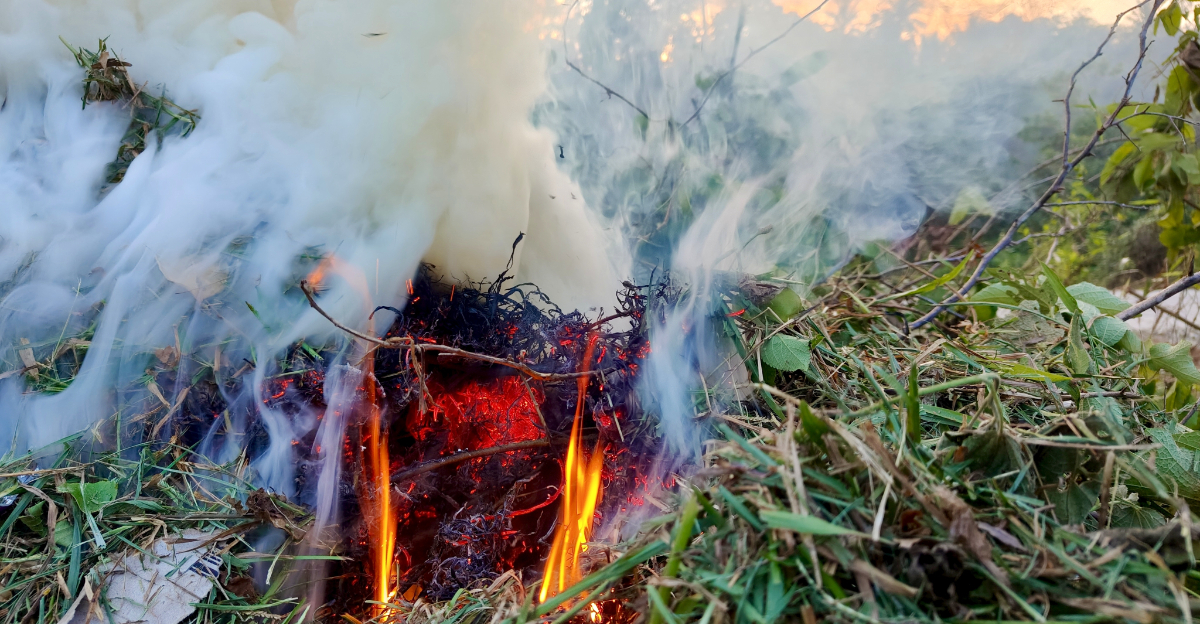
Colorado’s dry summers turn ordinary yards into fuel almost overnight. A single ember carried on the wind can find the gap in your defenses before you even smell smoke.
Fire crews across the state have watched the same pattern repeat for years, houses standing untouched right next to ones badly damaged, sometimes on the same block. The difference rarely comes down to luck.
Pine needles piled against a fence, a stack of firewood too close to the porch, dry grass brushing the siding, these small details decide outcomes when flames move fast and daylight turns orange.
What separates one home’s fate from its neighbor’s often has nothing to do with size, age, or price. It has everything to do with what surrounds it. This wildfire season is already testing that theory across Colorado, and the results are hard to ignore.
1. Clearing Dry Vegetation Within Five Feet Cuts Risk Fast
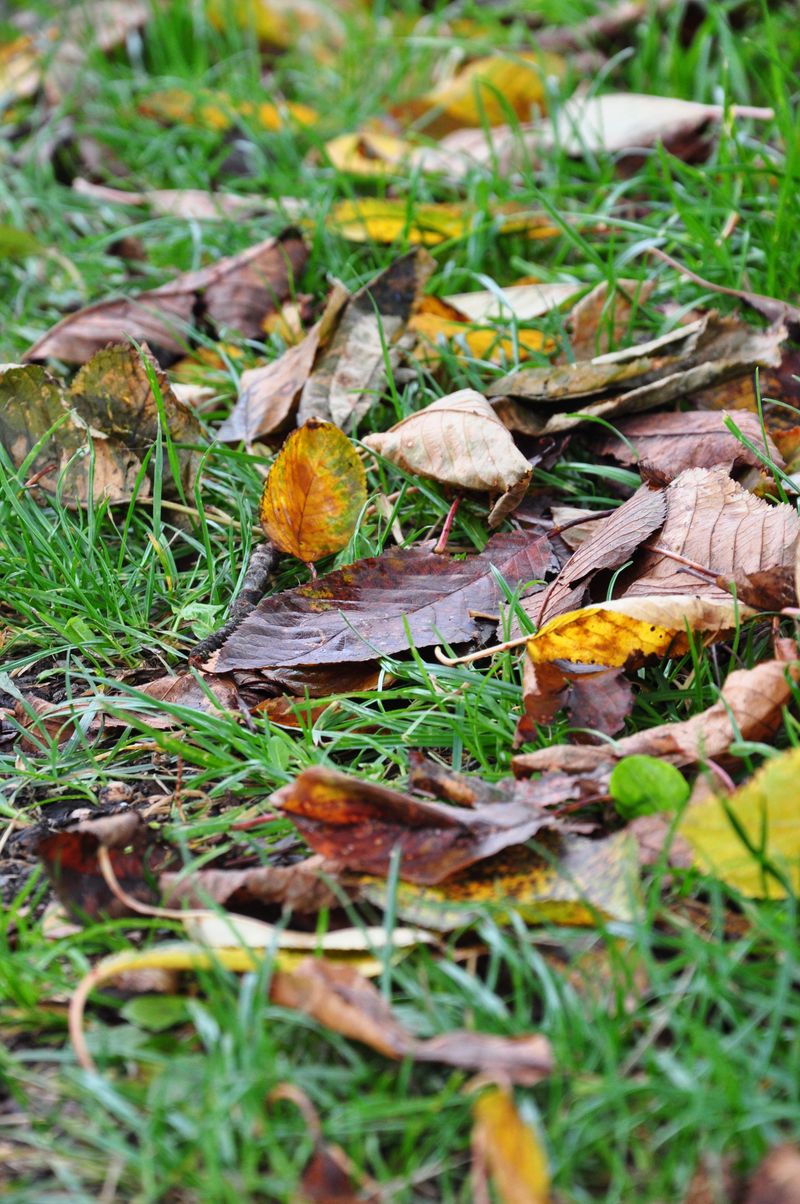
Parched grass is basically a welcome mat for wildfire. That five-foot zone directly around your home is called the ember-resistant zone, and clearing it is the single fastest way to cut fire risk this week.
Pull out dried weeds by the roots. Rake up fallen leaves, pine needles, and any plant debris sitting against your siding or fence.
Withered stems from last season can catch an ember and hold it long enough to ignite your home. Do not leave anything combustible touching your foundation, steps, or deck supports.
Bagged yard waste should go out immediately. Piles left sitting near the house defeat the whole purpose of clearing in the first place.
Pay attention to gaps under decks and porches. Debris loves to collect in those spots, and firefighters consistently flag them as high-risk ignition points.
Even potted plants with parched soil and withered leaves can act as fuel. Move them away from the structure or refresh the soil and trim back the spent growth.
Trim any ornamental grasses to ground level if they have gone dry and brown. Low, green, well-watered plants are far safer than tall, golden, crunchy ones.
This one focused afternoon of yard work could be the most important thing you do all season to protect your home from wildfire.
2. Gutters And Roof Debris Deserve Immediate Attention
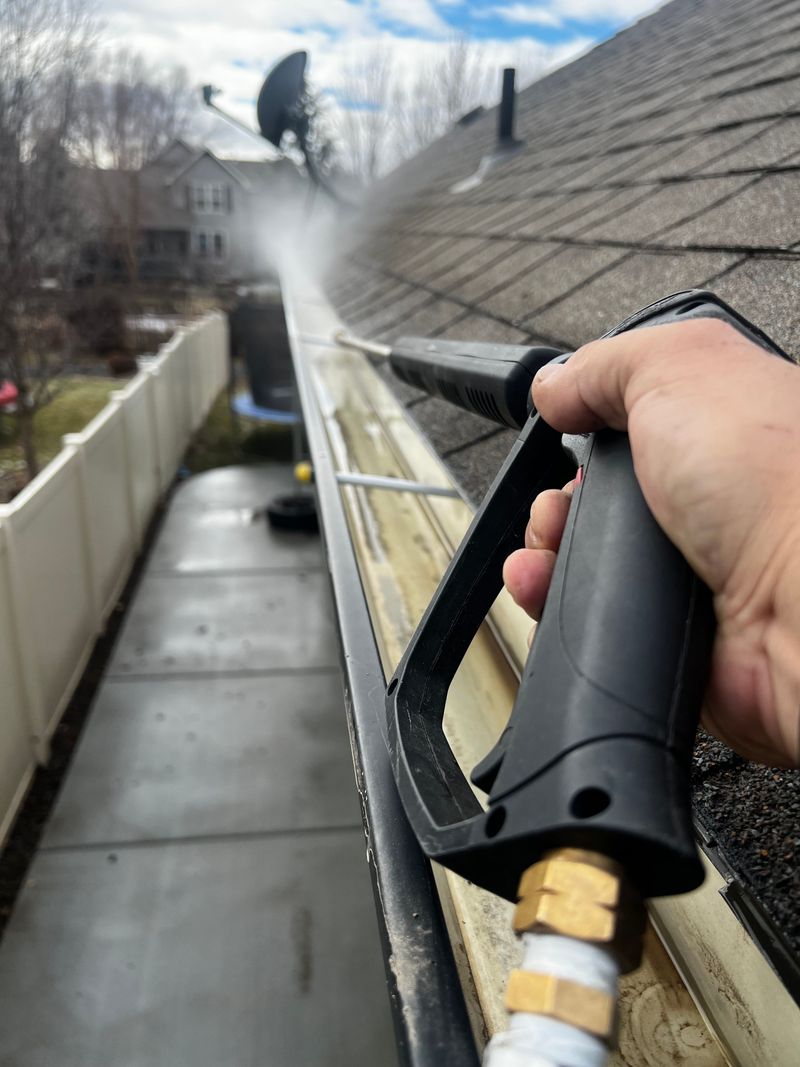
Embers from a wildfire can travel up to a mile before landing. When they land in a gutter packed with dry pine needles, the result is predictable and devastating.
Cleaning your gutters this week is one of the highest-impact actions you can take to cut fire risk around your home. It takes an hour or two and costs nothing but effort.
Scoop out all debris and bag it. Check downspouts for clogs and flush them with a hose so water moves freely away from the foundation.
Look at your roof while you are up there. Leaves and needles collect in roof valleys, around chimneys, and near skylights, creating small but effective fuel beds.
A stiff broom or leaf blower can clear most roof debris safely from the ground or a secure ladder position. You do not need to walk the roof to get the job done.
Your Colorado Garden Changes Every Week. Your Plan Should Too.
Gardening in Colorado changes quickly throughout the season. Every Friday you’ll receive a simple weekly plan showing exactly what to plant, prune, fertilize, harvest, and protect so you never miss the right timing.
Metal roofing is far more ember-resistant than wood shake or asphalt shingles. If you have an older shake roof, talk to a contractor about replacement options this season.
Gutter guards are worth considering as a long-term fix, but they still need seasonal inspection. Embers can accumulate on top of guards just as easily as inside open gutters.
Keeping your gutters clean is a small chore that carries enormous protective power when fire weather conditions move into your area this season.
3. Mulch Choices Near The House Can Fuel Or Slow A Fire

Not all mulch is created equal when fire is involved. Wood chips, shredded bark, and rubber mulch can all ignite from a single ember landing in the wrong spot near your home.
The zone within five feet of your house should skip wood-based mulch entirely. Swap it out for gravel, decomposed granite, or river rock to block ignition pathways close to the structure.
Gravel mulch does not just resist fire, it also cuts down on watering needs and suppresses weeds. That is a three-for-one improvement that takes one afternoon to install.
If you have wood mulch between five and thirty feet from the house, keep it moist and no deeper than three inches. Thick, dry mulch layers act like insulation for heat and flame.
Avoid piling mulch against fences, wooden posts, or any structure connected to the house. Fire follows fuel pathways, and a mulched fence line can carry flame straight to your siding.
Pine needle mulch is especially dangerous in the West. It dries fast, ignites easily, and burns hot, making it a poor choice for any zone near a home in fire-prone areas.
Rubber mulch is sometimes suggested as an alternative, though it should still be kept clear of direct flame exposure and checked with local fire codes before use. It is worth asking about at your local garden center.
Choosing the right ground cover near your home is a quiet but powerful way to cut fire risk before the next red flag warning rolls through your area.
4. Watering Key Zones Now Buys Extra Protection
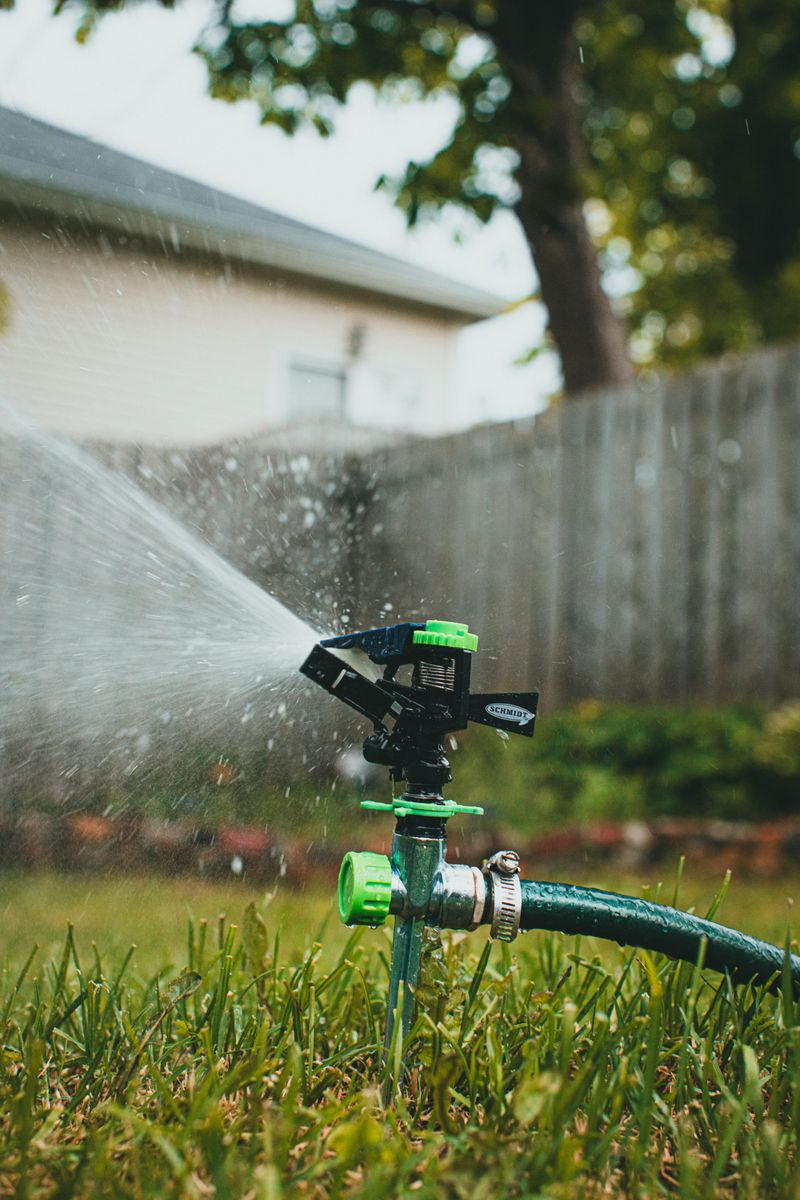
Green plants do not ignite as easily as brown ones. That sounds obvious, but plenty of homeowners forget that strategic watering is a genuine fire-prevention tool, not just landscaping upkeep.
Focus your watering efforts on the zone closest to your home. Keeping grass, ground cover, and low shrubs green and hydrated within thirty feet creates a buffer that slows advancing flames.
Water deeply and less frequently rather than lightly every day. Deep watering encourages roots to go down, which keeps plants hydrated longer between rain events.
Early morning is the best time to water. Less moisture evaporates in cooler temperatures, so your plants absorb more of what you put down before the afternoon heat arrives.
Check your irrigation system for broken heads or clogged lines right now. A zone that is not firing properly can leave patches of dry, vulnerable plants without you ever noticing.
Drip irrigation near foundation plantings is especially efficient. It delivers water directly to root zones and avoids wetting mulch or debris in ways that could create mold or other issues.
Do not overlook trees within thirty feet of the house. Deep watering around the drip line of established trees keeps them healthier and less likely to become torches in high fire conditions.
Consistent watering this week is one of the most actionable ways Colorado homeowners can cut fire risk and buy meaningful protection before the next dangerous weather window opens.
5. Vents And Eaves Give Embers A Direct Path Inside

A home can survive direct flame contact and still burn down from the inside. Embers slip through unscreened vents, gaps under eaves, and open soffits, landing on insulation or stored debris where nobody would think to look.
Cover attic, foundation, and gable vents with metal mesh no wider than one-eighth of an inch. Standard screens found in most older homes are too coarse and let embers pass straight through into the structure.
Check the gap where your roofline meets the wall. Unsealed eaves collect leaves and pine needles just like gutters do, creating a hidden fuel pocket close to the attic space.
Box in any open eaves if your home has exposed rafter tails. This single upgrade closes one of the most common ember entry points that inspectors find during post-fire assessments across the state.
Screen any crawl space openings the same way you treat vents above ground. A crawl space fire can smolder unnoticed for hours before it reaches living space or gets discovered.
Do not forget dryer vents and other wall penetrations. These small openings are easy to overlook, yet they lead directly into a wall cavity packed with combustible material.
Weatherstripping around attic access doors adds another layer of protection. Gaps here let embers and heat travel into the same space where insulation and stored boxes provide plenty of fuel.
Sealing these entry points takes an afternoon and a trip to the hardware store, yet it addresses damage patterns that firefighters see again and again after a wildfire moves through a neighborhood.
6. Deck And Fence Materials Decide How Fire Moves Through Your Yard
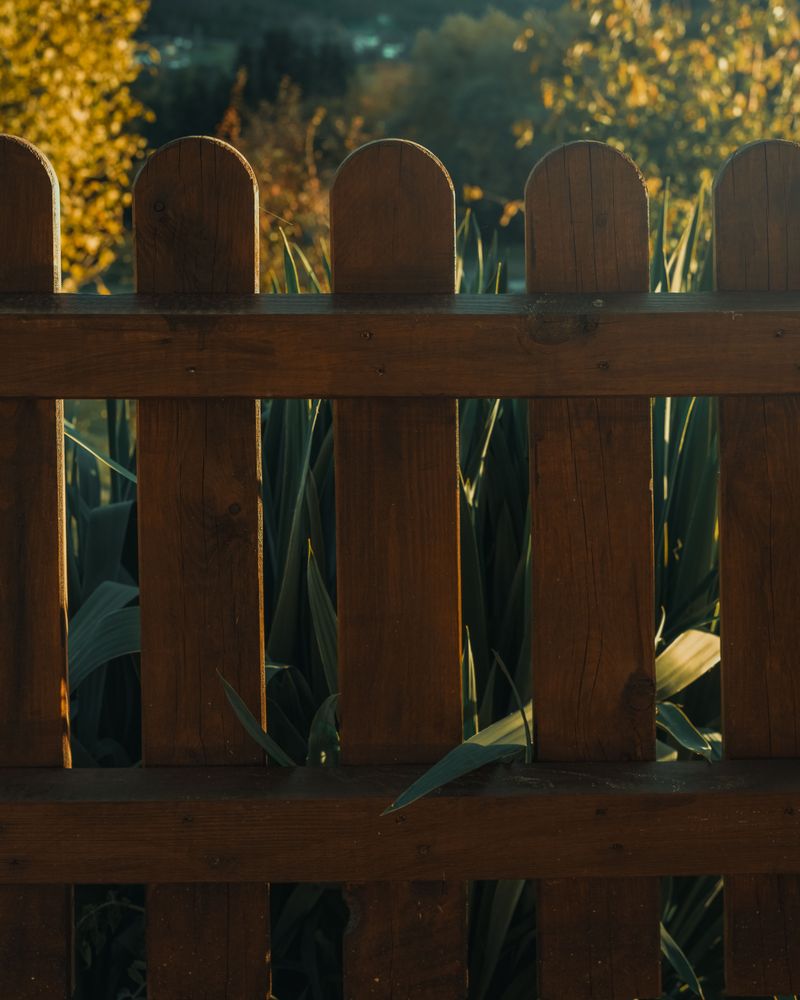
A wooden fence can act as a fuse, carrying flame from the property line straight to the house. The materials you choose for decks and fencing often determine whether fire stalls at the edge of your yard or reaches your siding.
Composite or metal fencing near the structure resists ignition far better than untreated wood. If replacing the entire fence is not realistic this season, prioritize the last five feet closest to the house first.
Deck boards collect leaves and needles in the gaps between planks. Sweep these gaps regularly, since trapped debris under a deck can ignite from a single wind-blown ember landing unnoticed.
Store cushions, umbrellas, and outdoor rugs indoors when red flag warnings are in effect. Fabric furniture ignites fast and burns hot enough to spread flame to nearby siding or overhangs within minutes.
Avoid stacking firewood, storage bins, or propane equipment underneath a deck. That space should stay clear, since it sits directly beneath a structure that is difficult to protect once it catches.
Check where your fence connects to the house itself. A metal gate or short non-combustible section at that junction can break the fuel path before flame ever reaches the wall.
Composite decking still needs regular clearing, since debris builds up in seams just as it does with wood. Material choice reduces risk, but it does not remove the need for upkeep.
Small changes to these connection points, fence to house, deck to siding, close gaps that fire is quick to exploit during dry, windy conditions.
7. Dry, Windy Conditions Are Making This Week Especially Dangerous
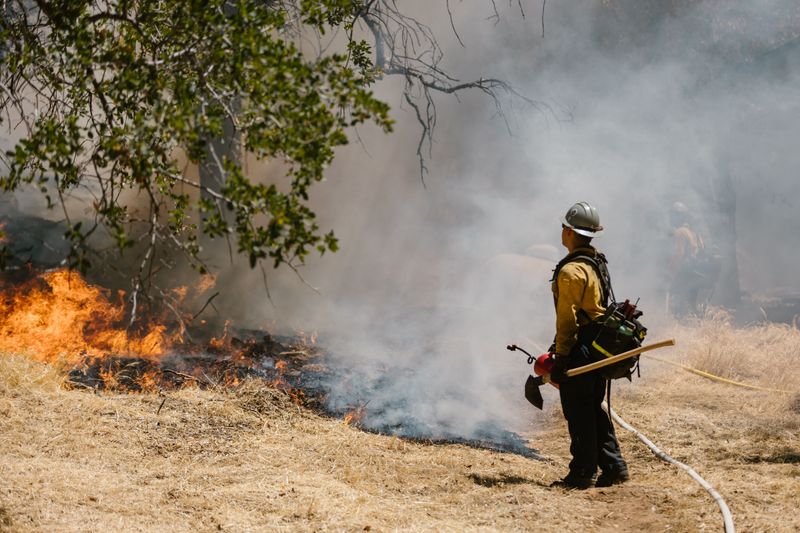
Wind transforms a small flame into a racing wildfire in minutes. When humidity drops below 15 percent and gusts pick up, even a tiny stray spark can start a chain reaction.
Colorado’s Front Range and mountain foothills experience what forecasters call critical fire weather conditions multiple times each spring and summer. This week may already be one of those windows.
Check your local fire weather forecast before doing any outdoor burning or using power equipment. The National Weather Service posts red flag warnings specifically for these dangerous combinations of heat, low humidity, and wind.
Avoid mowing dry grass on high-wind days. A mower blade can throw a spark that travels farther than you might expect across parched ground.
Park vehicles on pavement rather than dry grass. Hot catalytic converters have sparked grass fires in Colorado on numerous documented occasions.
Keep a charged hose near any outdoor activities this week. A few seconds of reaction time can mean the difference between a small incident and a spreading fire.
Talk to your neighbors about the current conditions. Shared awareness across a block or street creates an informal early-warning network that official systems cannot always match.
Respecting dangerous weather this week is not about fear, it is about being the smart homeowner who keeps their yard and their block intact when conditions turn.
8. A Simple Checklist Makes Defensible Space Manageable

Defensible space sounds like a technical term, but it simply means the area around your home where you have reduced fuel for fire to travel. Breaking it into a checklist makes the work feel doable instead of overwhelming.
Start with Zone One, which covers zero to thirty feet from the house. Check for damaged plants, dry debris, wood piles, and anything combustible sitting too close to the structure.
Zone Two runs from thirty to one hundred feet out. Thin trees so their crowns are at least ten feet apart and mow grass to a low height to reduce surface fire spread.
Check your address numbers at the street while you are outside. Firefighters cannot help a home they cannot find, and clear, visible numbers save precious response time.
Look at propane tanks and outdoor grills. They should sit on gravel or concrete, with no vegetation within ten feet and no overhanging branches above them.
Note any wood piles stored against the house or fence. Move them at least thirty feet from the structure and stack them neatly on a raised rack to reduce ground contact.
Take photos of your yard after completing each zone. Photos help you track progress, spot missed areas, and provide documentation for insurance purposes if you ever need to file a claim.
Homeowners who use a simple checklist to cut fire risk around their yards consistently outperform those who try to tackle everything at once without a plan.