What North Dakota Gardens Need As Temperatures Top 105 This Week
Heat like this arrives fast, with little warning. It barges straight into your garden uninvited. North Dakota lawns are browning faster than expected. Petunias droop by noon, quietly begging for relief.
Vegetable rows show stress cracks you never expected. Roots warm underground while leaves scorch above them. Leaves curl inward as protection weakens quickly.
Wilting starts quietly, then spreads within hours. Soil dries out faster than typical summer heat allows. Gardeners across North Dakota are scrambling right now.
Timing matters more than effort during scorching stretches. Morning watering beats afternoon rescue attempts completely. Afternoon sun turns soil into a hot plate.
Shade cloth protects plants that direct sun affects. Your choices this week decide which plants thrive. Nothing about this heat wave feels forgiving or patient.
Every plant on your property is asking for help. Waiting costs you more than watering ever will. Act now, because your garden cannot wait another hour.
1. Water Deeply Before Heat Peaks
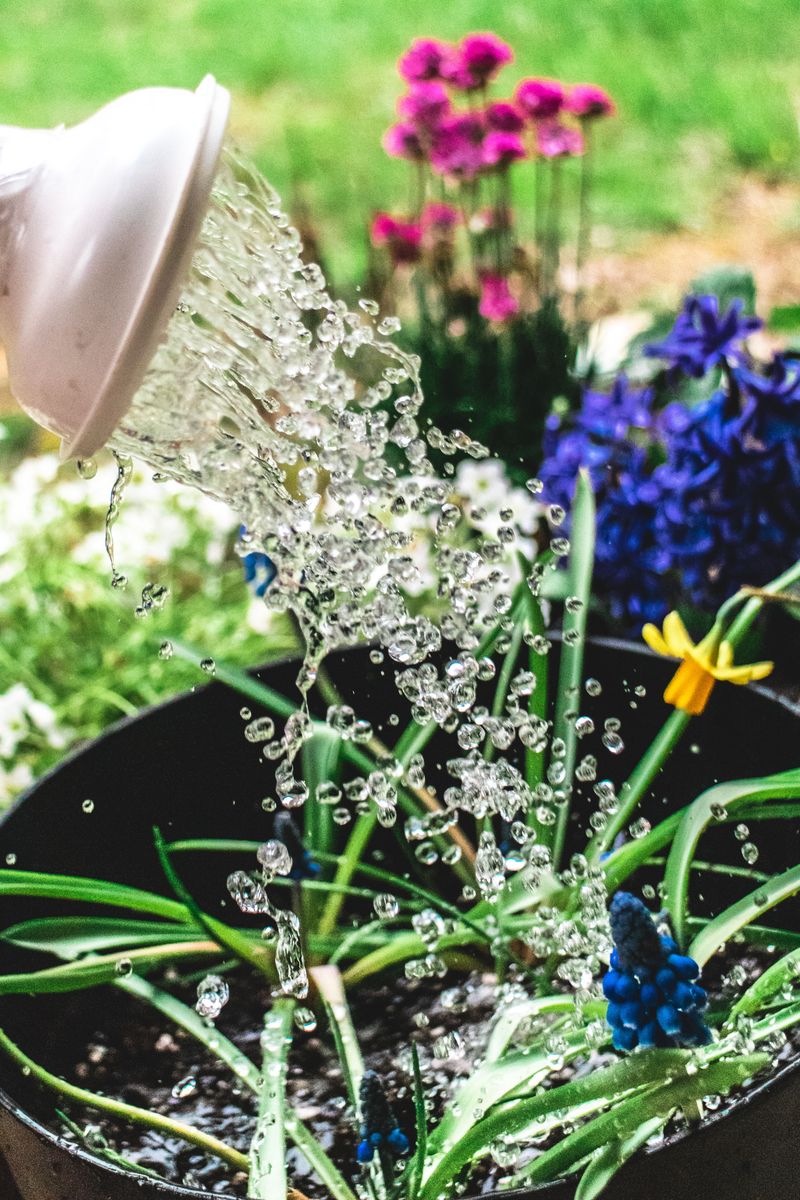
Early morning is your secret weapon. When temperatures top 105, the window between 5 and 9 a.m. is the most valuable time in your entire gardening day.
Watering deeply before the heat peaks means moisture actually reaches the root zone. A shallow sprinkle evaporates before it does any good on a scorching afternoon.
Aim for at least one inch of water per session. Push a finger two inches into the soil after watering. If it feels dry, keep going.
Deep watering encourages roots to grow downward. Deeper roots find cooler soil layers and handle heat spikes far better than shallow-rooted plants.
Skip the evening watering if you can. Wet foliage overnight invites fungal problems, and that is the last thing a stressed plant needs.
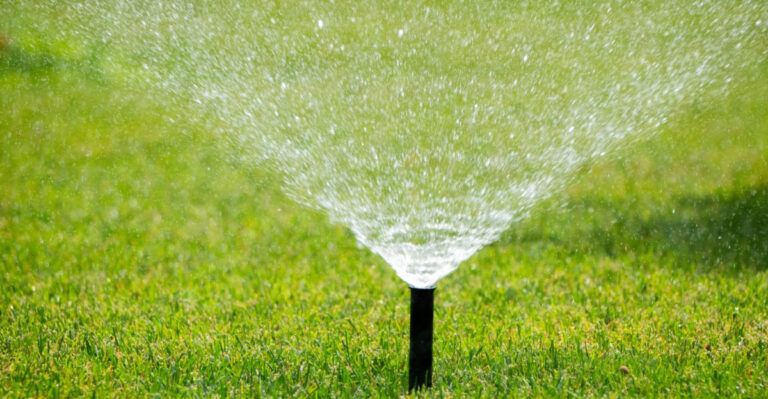
A soaker hose or drip system delivers water right where it counts. These tools reduce waste and keep leaves dry, which cuts down on scorching and disease.
What North Dakota gardens need most right now is consistency. One deep soak beats three shallow ones every single time during a heat event like this.
Set an alarm if you have to. Getting out there before 9 a.m. this week could be the difference between a thriving garden and a crispy one by the weekend.
2. Add Mulch To Lock In Moisture
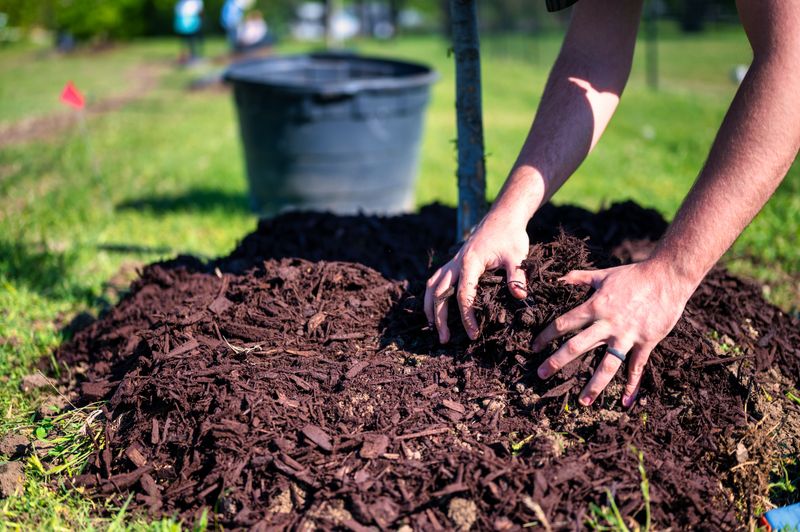
Think of mulch as a blanket your soil desperately wants right now. It sits on top of the ground and slows down evaporation like nothing else can.
A two to three inch layer of organic mulch can significantly reduce soil moisture loss. Straw, shredded leaves, and wood chips all work well. Straw is especially popular for vegetable beds because it is light and easy to move around plants.
Apply mulch after you water, not before. Locking in moisture that is already there is the whole point of this strategy.
Keep mulch a couple of inches away from plant stems. Piling it right against the base can trap too much heat and cause rot at the crown.
Soil temperature under mulch stays noticeably cooler than bare ground. That cooler zone protects roots and keeps beneficial soil organisms alive.
What North Dakota gardens need during a 105-degree stretch is every advantage possible. Mulch is cheap, simple, and one of the highest-impact moves you can make today.
If you do not have mulch on hand, even a layer of cardboard between rows can help. Get creative, act fast, and your plants will reward you with resilience all week long.
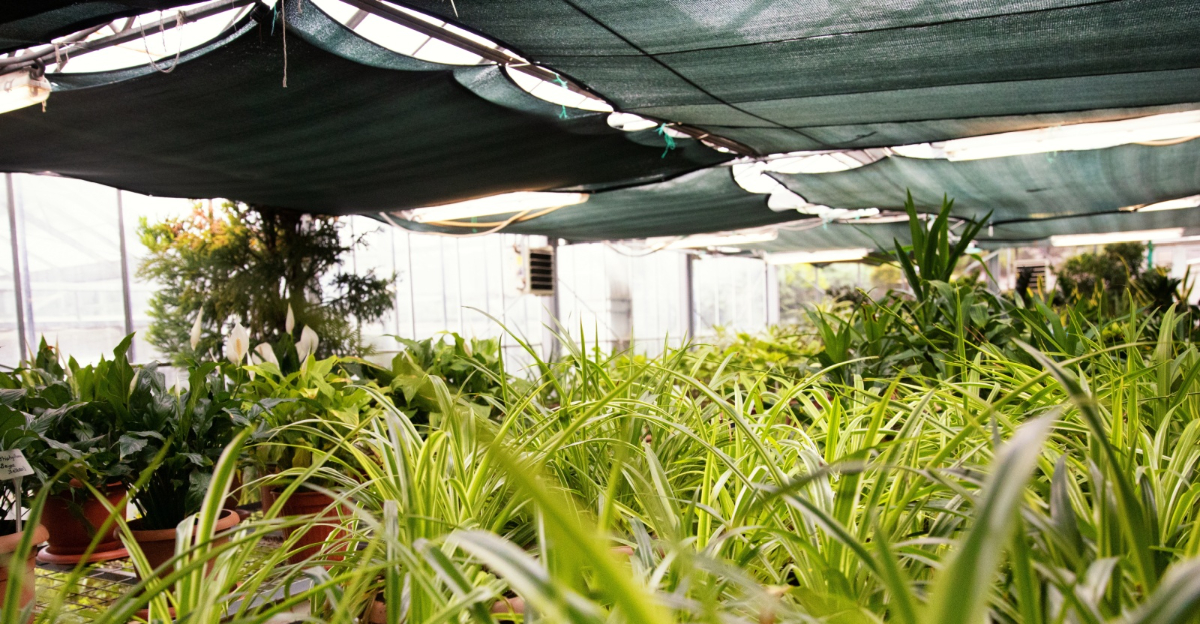
3. Shade Vulnerable Plants In Afternoon
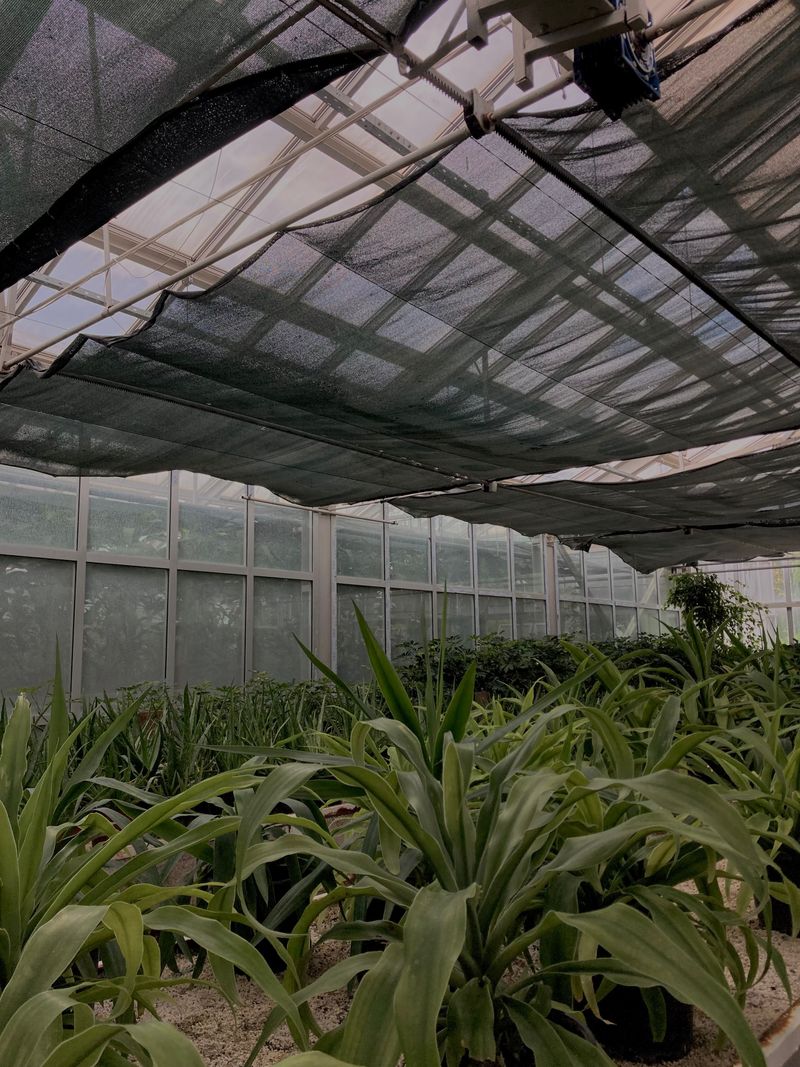
Not every plant was built for intense afternoon sun. Lettuce, spinach, cilantro, and young seedlings struggle quickly when direct heat hits them past noon.
Shade cloth is one of the smartest investments a summer gardener can make. A 30 to 50 percent shade cloth filters the harshest rays without blocking the light plants still need.
You can drape it over simple hoops made from PVC pipe or wire. The setup takes about 20 minutes and can save an entire row of greens from serious decline.
Old bedsheets and lightweight curtains also work in a pinch. Anything that breaks up direct sun exposure during the peak hours of noon to 4 p.m. helps.
Peppers and tomatoes are tougher, but even they can drop blossoms when temps stay above 95 for more than a few days. Partial afternoon shade reduces that risk significantly.
Watch for signs of heat stress: wilting that does not recover by morning, bleached or papery leaves, and flowers dropping before they set fruit. These are red flags.
Creating shade is one of the fastest ways to stabilize a struggling garden. You do not need a perfect setup, just enough coverage to break the intensity of that afternoon sun.
Once temperatures drop later in the week, remove the cloth during the day. Your plants will bounce back faster than you expect with this kind of protection in place.
4. Keep Soil Moisture Consistent For Vegetables
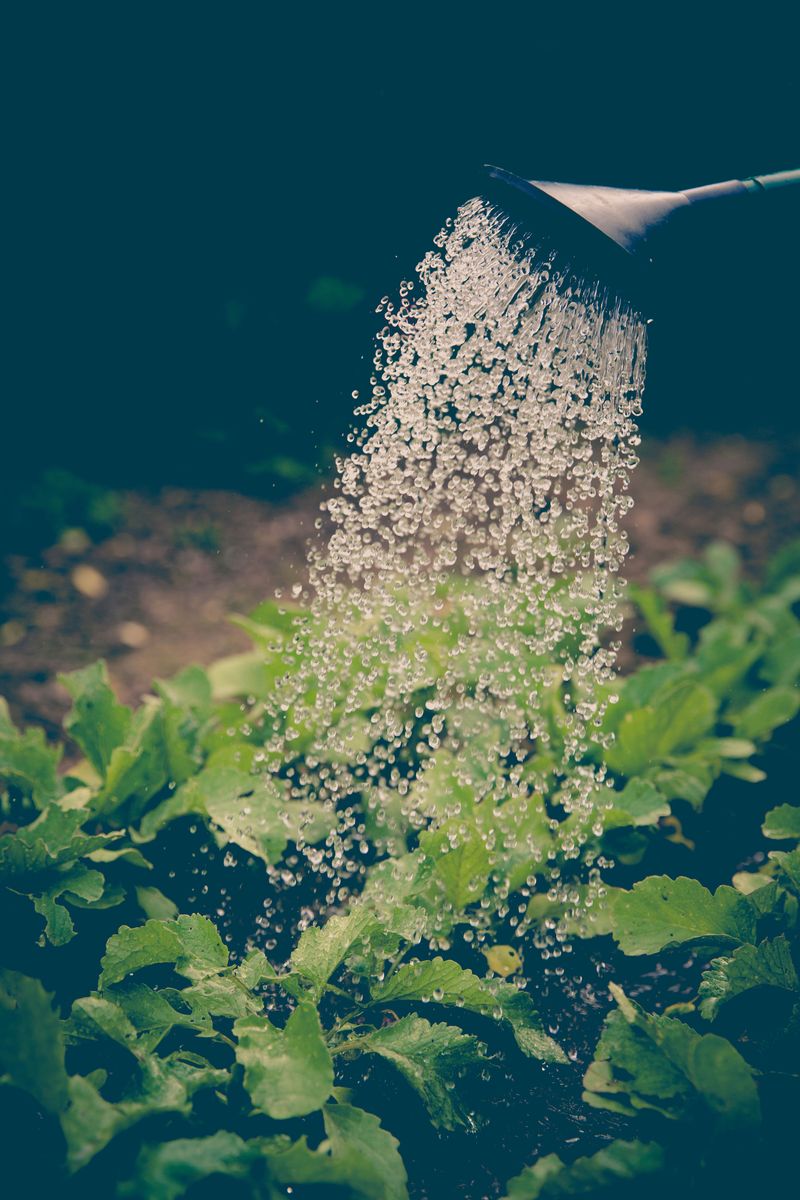
Vegetables are dramatic. One dry day followed by a heavy soak sends them into a spiral of cracking tomatoes, bitter cucumbers, and blossom end rot.
Consistent soil moisture is the golden rule for summer vegetable gardening. Boom-and-bust watering patterns stress plants out just as much as drought does.
Check your soil every single morning this week. Press your finger an inch into the ground near the base of your plants. Moist but not soggy is exactly what you want.
Tomatoes are especially sensitive to uneven moisture. When soil dries out and then gets flooded, the fruit skin cannot expand fast enough and it splits right open.
Zucchini and squash can handle slightly drier conditions than tomatoes, but they still need steady hydration to keep producing through a heat event.
A rain gauge or a simple moisture meter takes all the guesswork out of this process. You can find basic moisture meters at most garden centers for a low cost.
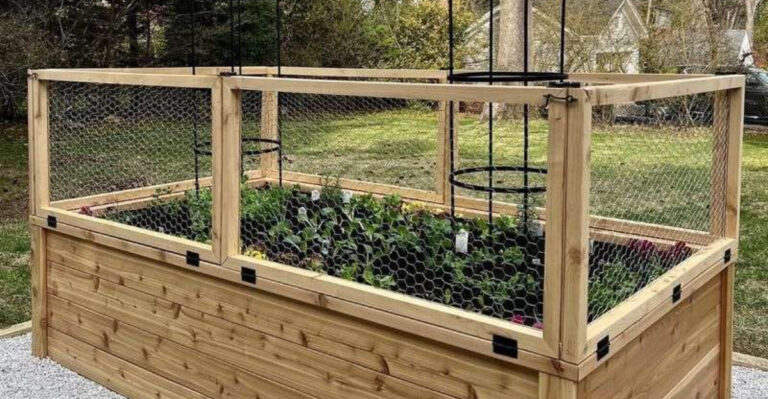
Raised beds dry out faster than in-ground gardens. If your vegetables are in raised beds, plan to check moisture twice a day rather than once.
What North Dakota gardens need right now is a steady hand at the watering can. Keeping that moisture level consistent through this heat wave protects your harvest and keeps your plants producing strong.
5. Raise Mower Blade Height For Lawns
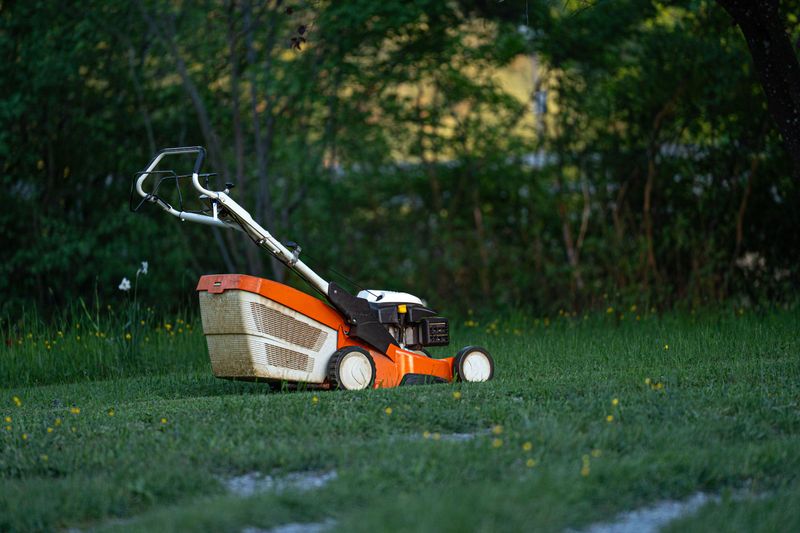
Your lawn is under stress right now, and cutting it short makes everything worse. Grass that gets mowed too low loses its ability to shade its own roots from the sun.
Raise your mower blade to three or even three and a half inches this week. Taller grass blades act like tiny umbrellas over the soil surface.
That extra height keeps soil temperatures lower and slows down moisture evaporation. It also gives each blade more surface area to absorb whatever sunlight it needs for growth.
Avoid mowing at all during the hottest part of the day. If you must mow, do it in the early morning or after 6 p.m. when the heat has backed off a bit.
Never remove more than one-third of the grass blade in a single mowing session. Cutting too much at once shocks the lawn and leaves it vulnerable during a heat wave.
Brown patches may appear no matter what you do. Cool-season grasses like Kentucky bluegrass naturally go dormant in extreme heat, and that is okay.
Do not panic and overwater a dormant lawn trying to green it up fast. Dormancy is a protective strategy, and the grass will recover once temperatures drop.
Keeping your blade high is one of the easiest lawn care adjustments you can make. A small tweak on your mower today protects weeks of growth you have already invested in your yard.
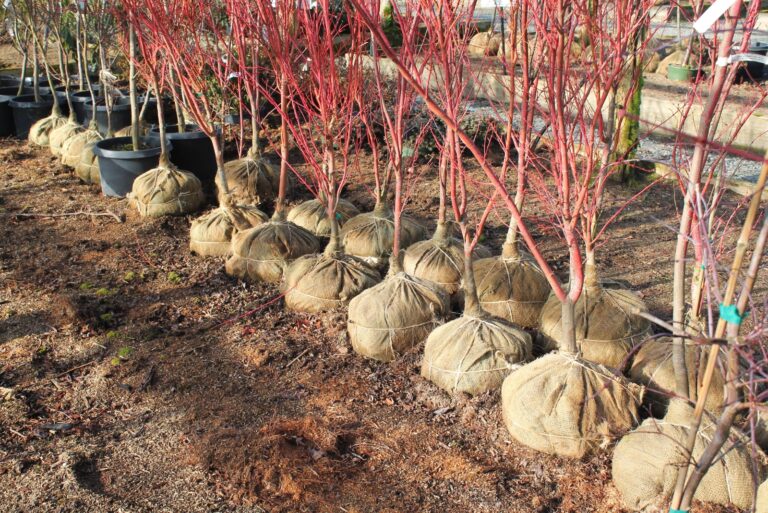
6. Soak New Trees Daily This Week
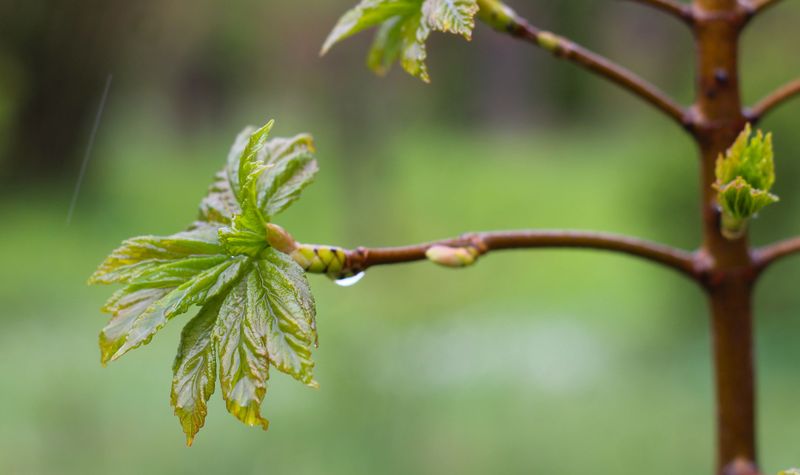
Newly planted trees are especially vulnerable right now. Their root systems are still small, still shallow, and completely unprepared for this level of heat.
A tree planted this spring or last fall has not had time to establish a deep root network. That makes it far more vulnerable than a mature tree that has been in the ground for years.
Soak the root zone deeply every single day this week without fail. Slow, deep watering is better than a quick splash from the hose.
Use a five-gallon bucket with a small hole in the bottom to create a slow drip. Set it right at the base of the trunk and let it drain over 30 to 45 minutes.
Tree gators, which are bags that slowly release water over several hours, are another excellent option. Many hardware stores carry them, and they are worth every penny during a stretch like this.
Look for signs of heat stress in new trees: wilting leaves, curling edges, and premature leaf drop. These symptoms mean the tree is struggling and needs immediate attention.
Mulch around the base of new trees is just as important as watering. A three-inch ring of mulch, kept away from the trunk, holds moisture in the root zone all day long.
Losing a young tree to one bad heat week is a significant setback. Daily soaking right now is the investment that keeps that tree alive for decades to come.
7. Check Containers Twice A Day
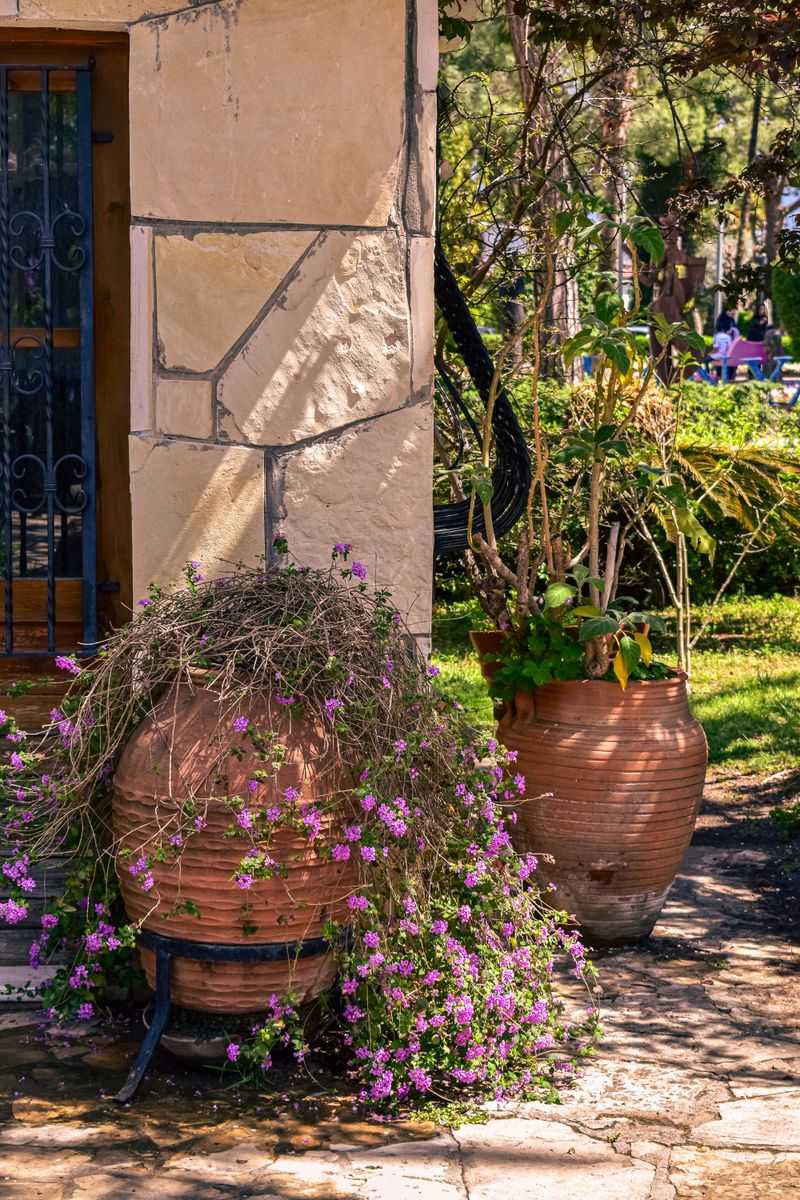
Container plants are among the most sensitive plants in the garden. Pots heat up fast, dry out faster, and offer roots nowhere to escape the scorching temperatures.
On a 105-degree day, a small container can dry out surprisingly fast. Checking once in the morning and once in the late afternoon is the minimum standard this week.
Terracotta pots are especially prone to moisture loss because the clay itself absorbs water from the soil. If your containers are terracotta, expect to water them more often than plastic or glazed pots.
Water until it drains out the bottom of the pot. That tells you the entire root zone got a drink, not just the top inch of soil.
If water runs straight through without being absorbed, the soil may have dried out so much that it has shrunk away from the pot walls. Set the container in a shallow tray of water for 20 minutes to rehydrate it from the bottom up.
Move containers into shade during the hottest afternoon hours if you can. Even a few hours of relief can prevent serious decline in heat-sensitive plants like fuchsia, impatiens, and herbs.
Group pots together to create a microclimate where they shade each other slightly. This small trick reduces individual pot temperatures and slows moisture loss across the whole collection.
Your container garden can absolutely get through this heat wave with the right attention. Twice-daily checks are the simple habit that keeps everything green and growing.
8. Skip Fertilizer During Heat Stress
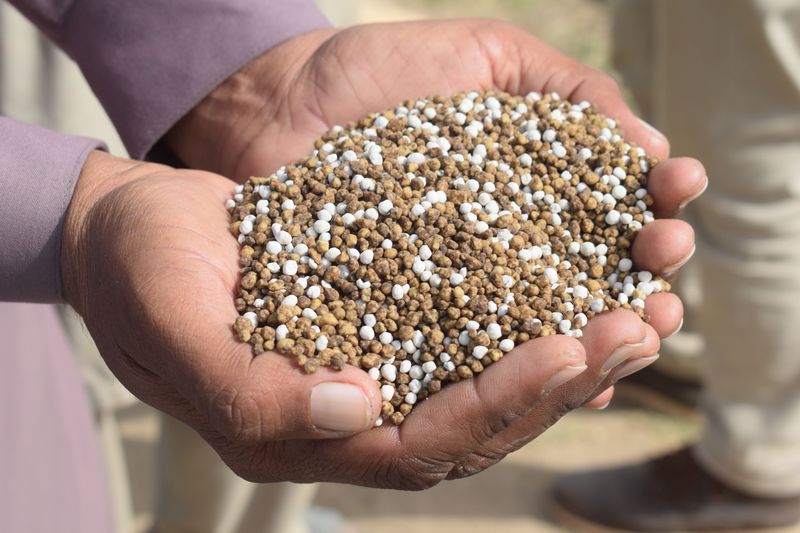
Fertilizer during a heat wave adds stress rather than support. The timing is completely wrong, and it makes everything harder on the plant.
When temperatures top 105, the window between 5 and 9 a.m. is generally the most valuable time in your entire gardening day. Roots become less active, and nutrient uptake drops dramatically.
Pushing fertilizer into stressed soil creates a buildup of salts around the root zone. That salt concentration actually pulls moisture away from roots through a process called osmotic stress.
The result is a plant that looks even worse after you fertilized it. Brown leaf tips, wilting, and root damage are all common side effects of fertilizing during extreme heat.
Hold off on any granular, liquid, or slow-release fertilizer applications until temperatures drop back to a more moderate range for at least a few consecutive days.
If you already fertilized right before this heat wave hit, water deeply to flush the soil and dilute the concentration around the roots. Act quickly to reduce potential damage.
The one exception is a very diluted seaweed or kelp solution, which some gardeners use as a mild stress reliever rather than a nutrient booster. Even then, use it sparingly and early in the morning.
What North Dakota gardens need most right now is patience, not more inputs. Letting your plants rest through this heat wave sets them up for strong, productive growth once cooler conditions return.