Who Is Responsible When A Shared Fence Falls Down In California
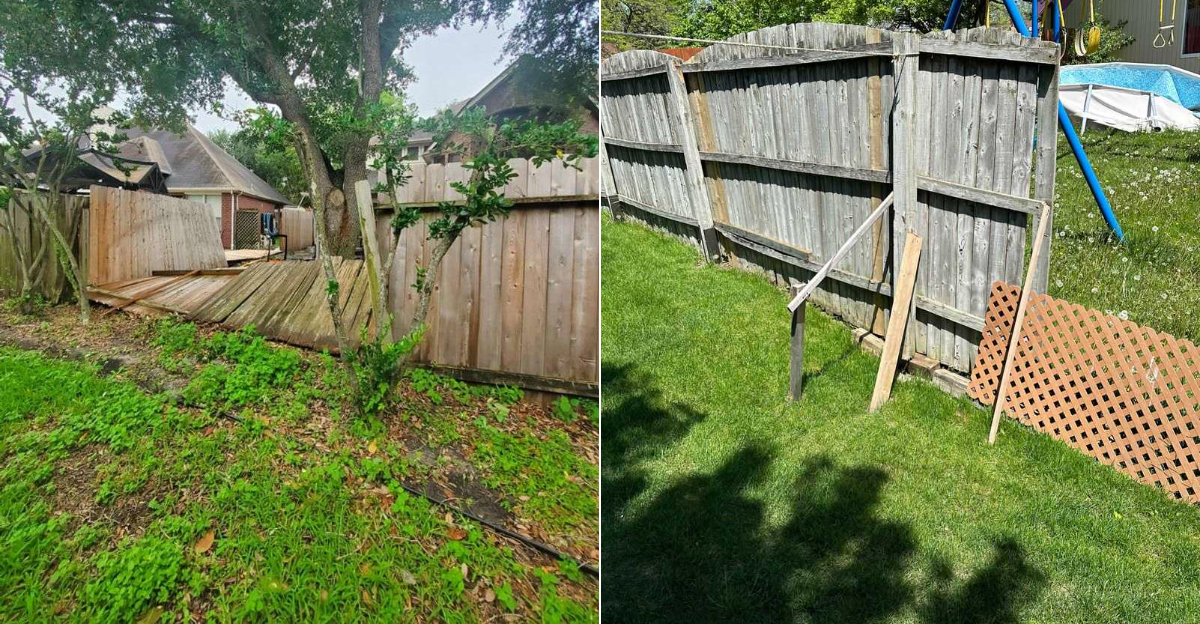
A shared fence can feel wonderfully ordinary until it crashes into the yard and suddenly becomes everyone’s problem. One neighbor may point to the property line.
The other may point to the storm, the age of the boards, or that suspiciously leaning post nobody wanted to discuss. Cue the neighborhood tension.
In California, responsibility is not always as obvious as choosing the side with the most splinters.
The answer can depend on how the fence was used, what caused the damage, and what each property owner knew beforehand.
That is why a fallen fence can quickly turn into more than a weekend repair project. Costs, access, and expectations may all become part of the conversation before anyone picks up a hammer.
Understanding the basics can help keep the situation practical instead of personal. After all, fixing a fence is hard enough without building a brand-new feud right next door.
1. California Law Starts With Shared Responsibility
Most homeowners are surprised to learn that the state actually has a law written specifically about shared fences.
Under California Civil Code Section 841, both neighbors who share a boundary fence are considered equally responsible for its upkeep.
That might sound simple, but the details really do matter.
The law assumes that both property owners benefit from the fence. Because both sides benefit, both sides are expected to share the cost of maintenance and repairs.
This applies whether the fence is made of wood, vinyl, or chain link.
Before this law was updated in 2014, things were a lot more complicated. Neighbors often ended up in small claims court trying to figure out who owed what.
The updated version made things clearer by setting up a process both parties should follow.
The law does not just say split the bill and move on. It also outlines how neighbors should communicate before major work begins.
There are steps around written notice and timelines that are meant to keep things fair.
Knowing the law exists is the first step. Many disputes happen simply because one neighbor did not know the other had legal rights and responsibilities too.
If you ever find yourself in this situation, looking up Civil Code Section 841 is a smart starting point before you do anything else.
2. A Boundary Fence Is Usually A Shared Benefit
Here is something worth thinking about. A fence sitting right on the property line between two homes does not just help one side.
It provides privacy, security, and curb appeal to both neighbors at the same time.
Because of that shared benefit, the law treats the fence as a shared responsibility. Both homeowners are expected to contribute equally to repairs and upkeep.
That is the basic idea behind how boundary fences work in California.
Of course, real life is not always that clean. Sometimes one neighbor uses the fence much more than the other.
Maybe one side has dogs or kids who rely on it every single day. The other side might barely notice it is there.
In cases like that, the law does allow for some flexibility. A neighbor who benefits more from the fence can sometimes be asked to pay a larger share.
Your California Garden Changes Every Week. Your Plan Should Too.
Gardening in California changes quickly throughout the season. Every Friday you’ll receive a simple weekly plan showing exactly what to plant, prune, fertilize, harvest, and protect so you never miss the right timing.
However, proving that difference in court or in negotiation takes effort and documentation.
For most everyday situations, splitting the cost evenly is the standard expectation. Keeping that in mind before a fence falls can actually help you plan ahead.
Setting aside a small amount each year for fence maintenance is a smart habit that many homeowners overlook until it is too late. Talking to your neighbor early and calmly can prevent bigger problems down the road.
3. Equal Responsibility Does Not Always Mean Automatic Payment
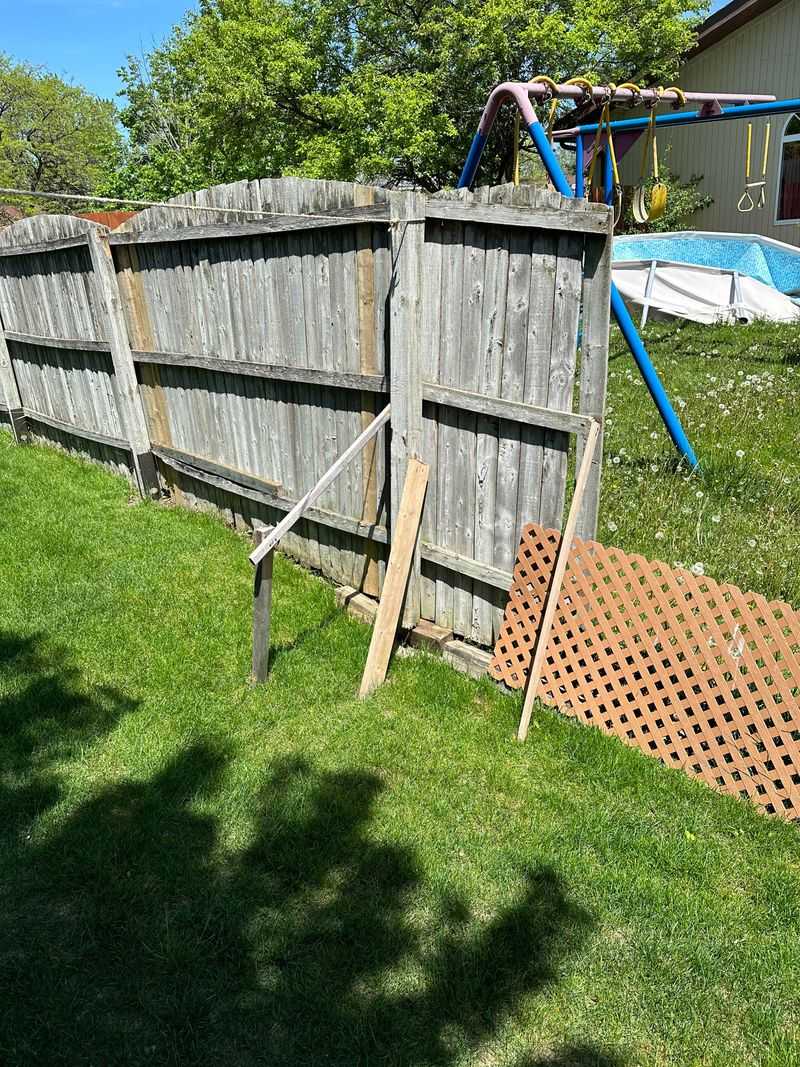
A lot of people read the shared responsibility law and assume their neighbor is automatically on the hook for half the bill. That is not quite how it works, and assuming so can create more conflict than it solves.
Just because the law says both parties share responsibility does not mean your neighbor has to write a check the moment the fence falls. There is a process that needs to happen first.
Skipping that process can actually weaken your legal position.
Before you hire a contractor or start buying materials, you need to give your neighbor a chance to be part of the decision.
That means talking to them, sharing cost estimates, and giving them a reasonable amount of time to respond. Rushing past these steps can cost you.
If you go ahead and fix the fence on your own without telling your neighbor, a court might not require them to reimburse you at all.
The law rewards neighbors who communicate and follow the proper steps. It does not automatically reward whoever acts fastest.
Think of it less like a bill and more like a shared project. Both sides need to agree on the scope, the cost, and the timeline.
When both neighbors are involved from the beginning, the whole process tends to go much more smoothly and without hurt feelings or legal headaches down the line.
4. Reasonable Repair Costs Matter
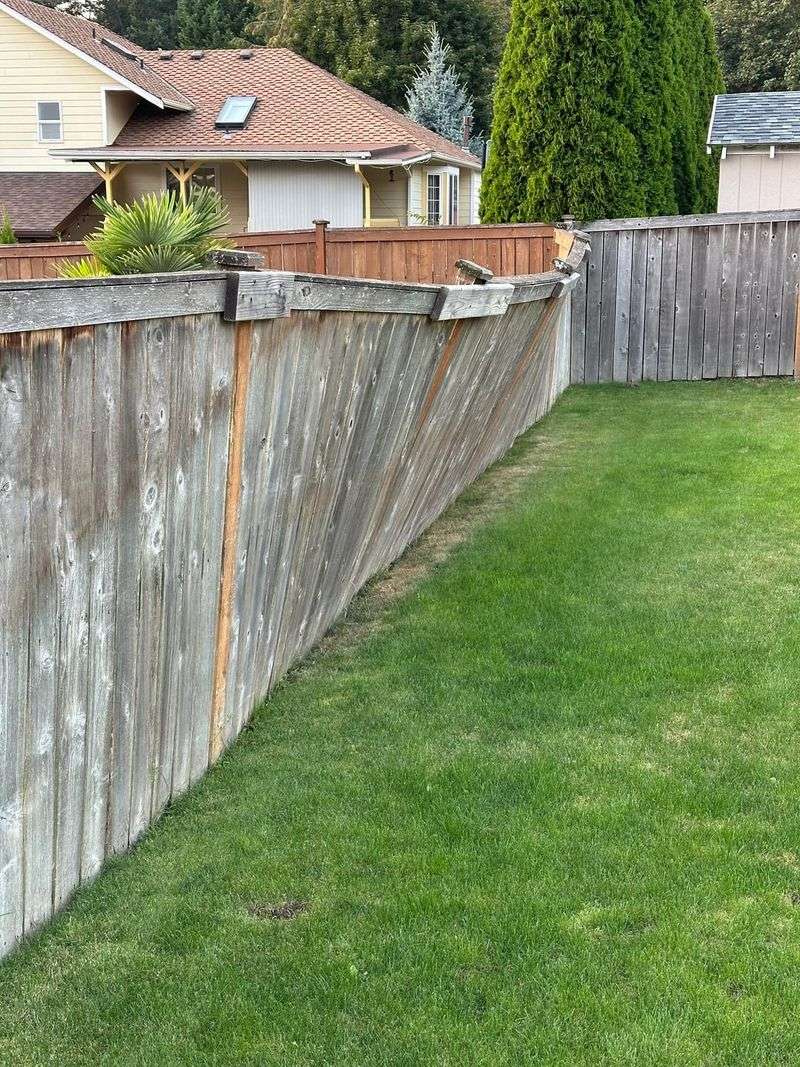
Not every fence repair comes with the same price tag, and the law actually takes that into account. The expectation is that repair costs should be reasonable, not extravagant.
That one word, reasonable, carries a lot of weight in fence disputes. Say your fence falls down and you want to replace it with a six-foot cedar privacy fence with decorative post caps and a custom gate.
That might be your dream fence, but your neighbor may only owe their share of a basic replacement that matches what was originally there.
Courts and mediators look at what is fair given the circumstances. If you want upgrades, you can absolutely get them.
You just may have to pay for the extra cost yourself. Your neighbor is responsible for their share of a reasonable repair, not your wish list.
Getting multiple quotes from licensed contractors is a smart move. It shows you are being fair and not inflating the cost.
It also gives you a solid paper trail if things ever end up in front of a judge or mediator.
Keeping receipts, photos, and written estimates is always a good idea. Documentation protects both neighbors.
It keeps the conversation grounded in facts rather than feelings. When everyone agrees on what a fair repair looks like, reaching a solution becomes a whole lot easier and less stressful for everyone involved.
5. Written Notice Comes Before Major Fence Work
One of the most overlooked parts of fence law in this state is the written notice requirement.
Before any major repair or replacement work begins, the neighbor who wants to make changes must give the other neighbor written notice. This is not just a courtesy. It is part of the law.
The notice needs to include specific information. It should describe the work that is planned, explain why the fence needs to be repaired or replaced, and include an estimate of the cost.
The other neighbor must receive this notice at least 30 days before the work starts.
That 30-day window gives the other party time to review the plan, ask questions, get their own quotes, or raise concerns.
It keeps both neighbors informed and gives them a fair shot at being part of the decision. Skipping this step can cause real problems later.
If you jump ahead and fix the fence without giving proper notice, the other neighbor may have legal grounds to refuse payment.
A judge could side with them simply because the process was not followed. The law is designed to protect both sides equally.
Sending the notice via certified mail is a smart move. It creates a record showing exactly when the notice was sent and received.
That small extra step can make a big difference if the situation ever turns into a legal dispute between you and your neighbor.
6. Storm Damage Can Complicate The Bill
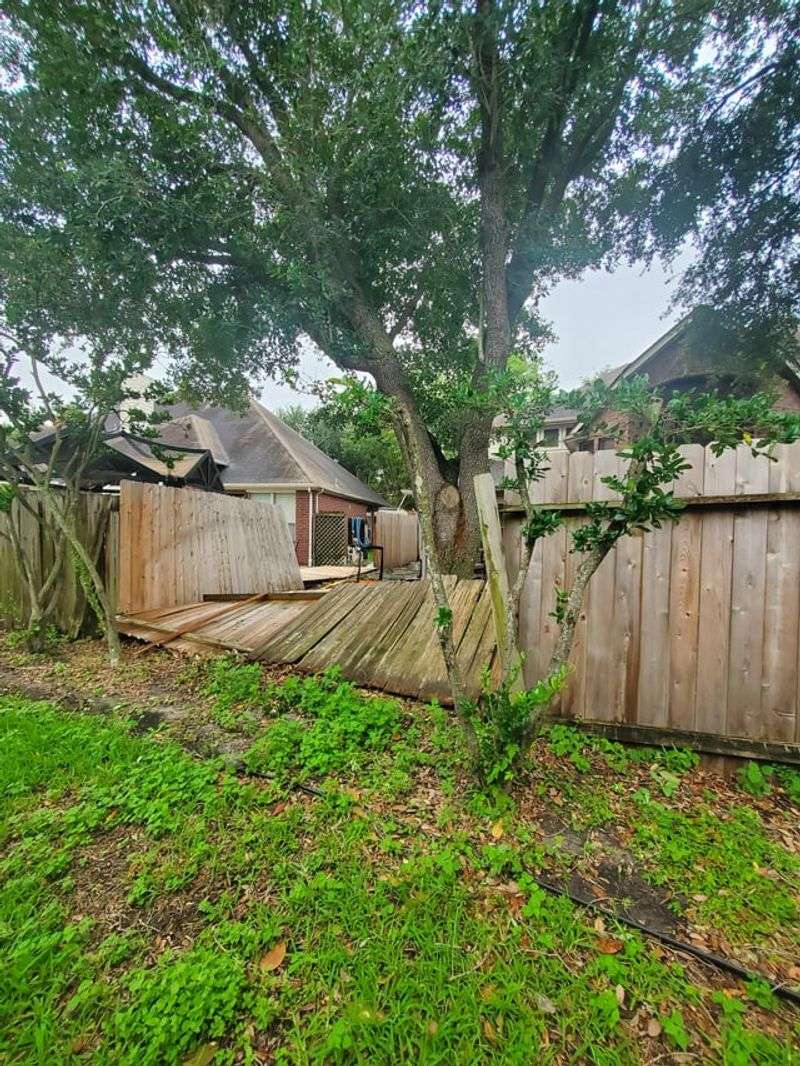
After a big storm rolls through, downed fences become a very common sight across California. High winds, falling trees, and heavy rain can all take out a shared fence in a matter of minutes.
When nature causes the damage, figuring out who pays can get a little tricky.
If a tree from your neighbor’s yard falls and crushes your shared fence, you might assume they owe you for the full repair. But that is not always the case.
If the tree was healthy and fell due to the storm, your neighbor may not be legally responsible. Acts of nature are generally treated differently than acts of neglect.
Homeowners insurance often comes into play after storm damage. Both neighbors should check their policies to see what is covered.
Some policies cover fence damage caused by falling trees or severe weather. Others may only cover damage to the main structure of the home.
If neither party has insurance coverage, the shared responsibility law still applies. Both neighbors would still be expected to split the cost of a reasonable repair.
The storm does not remove that shared obligation.
Documenting storm damage with photos right after the event is really important. Take pictures from both sides of the fence and note the date.
This information can be useful when filing an insurance claim or having a conversation with your neighbor about how to move forward together after the damage has been assessed.
7. Neglect Can Shift The Conversation
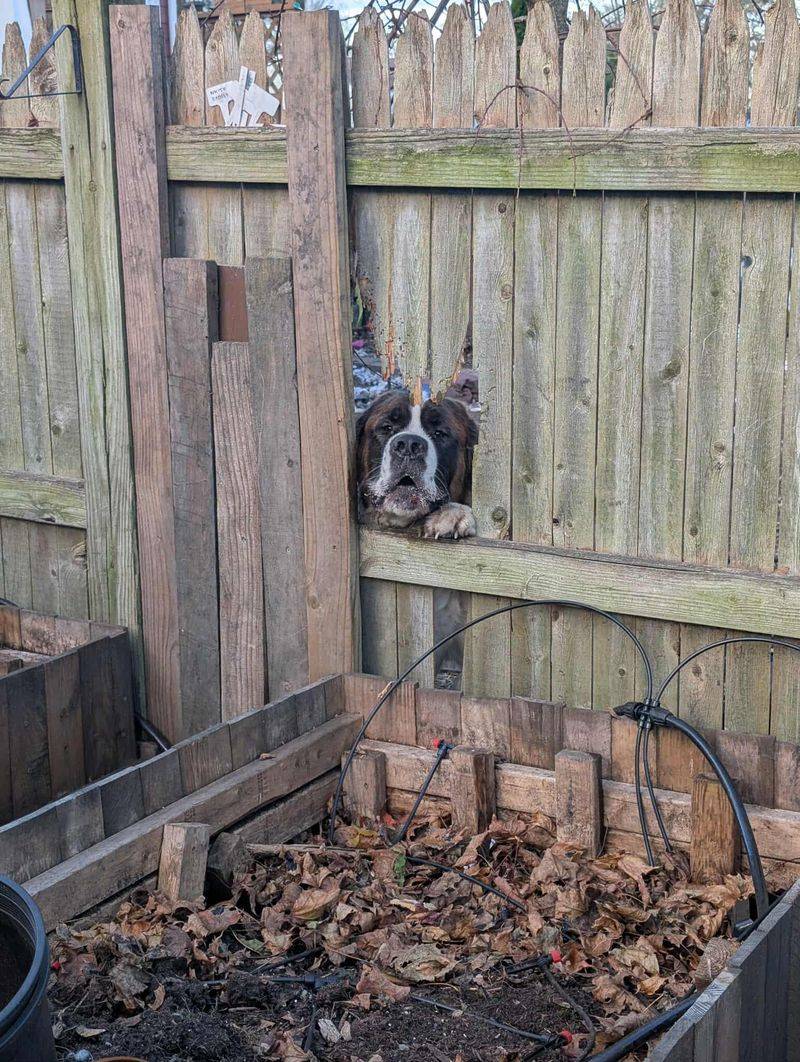
What happens when a fence falls because one neighbor simply refused to take care of it for years?
Neglect is a real factor in fence disputes, and it can absolutely change who ends up being responsible for the repair bill.
If one neighbor repeatedly ignored a fence that was clearly rotting, leaning, or falling apart, and the other neighbor complained about it without any action being taken, that history matters.
Courts and mediators look at the record of communication and maintenance when deciding who is at fault.
Proving neglect usually requires documentation. Texts, emails, or letters that show you warned your neighbor about the condition of the fence can be very helpful.
Photos taken over time that show the fence getting worse can also support your case. The more evidence you have, the stronger your position.
On the flip side, if both neighbors ignored the fence for years, it becomes harder to pin the blame on just one party. Shared neglect often leads back to shared responsibility.
That is why regular upkeep and open communication with your neighbor is such a smart long-term approach.
Nobody wants to deal with a fence dispute that drags on for months. Keeping a simple record of any concerns you raise, even just a quick note in a journal, can protect you later.
A little effort now can save a lot of frustration down the road when repairs finally become unavoidable.
8. Property Lines Should Be Confirmed First
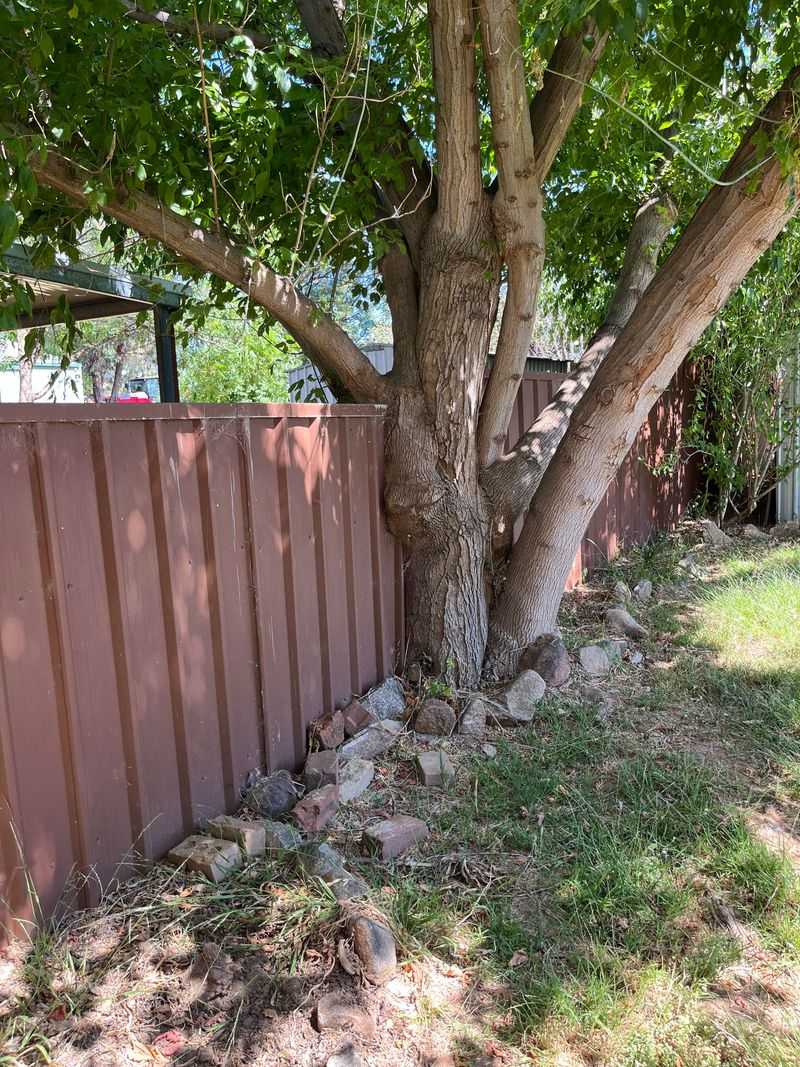
Before any fence repair conversation gets too far along, there is one thing both neighbors should do. Confirm exactly where the property line is.
This step sounds basic, but it is skipped more often than you would think, and it can cause big problems later.
Many fences were built years or even decades ago. They may not be sitting exactly on the legal property line.
Sometimes a fence is a few inches into one neighbor’s yard. That small difference can affect who legally owns the fence and who is responsible for it.
Hiring a licensed land surveyor is the most reliable way to get an accurate answer. A surveyor will use official records and measurements to mark the true boundary between properties.
Yes, it costs money, but it is money well spent before a major repair or rebuild.
If the fence turns out to be entirely on one property, the shared responsibility law may not apply at all. The fence would belong to whoever owns that land.
That changes the entire conversation about who pays for what.
In areas like Northern California where properties can have irregular lot shapes, confirming the line is especially important. Do not rely on old records, guesses, or where the fence currently sits.
Getting a proper survey done protects both you and your neighbor from costly misunderstandings. It gives everyone a clean, factual starting point for any repair discussion that follows.