How To Keep A Venus Flytrap Thriving Indoors In Washington
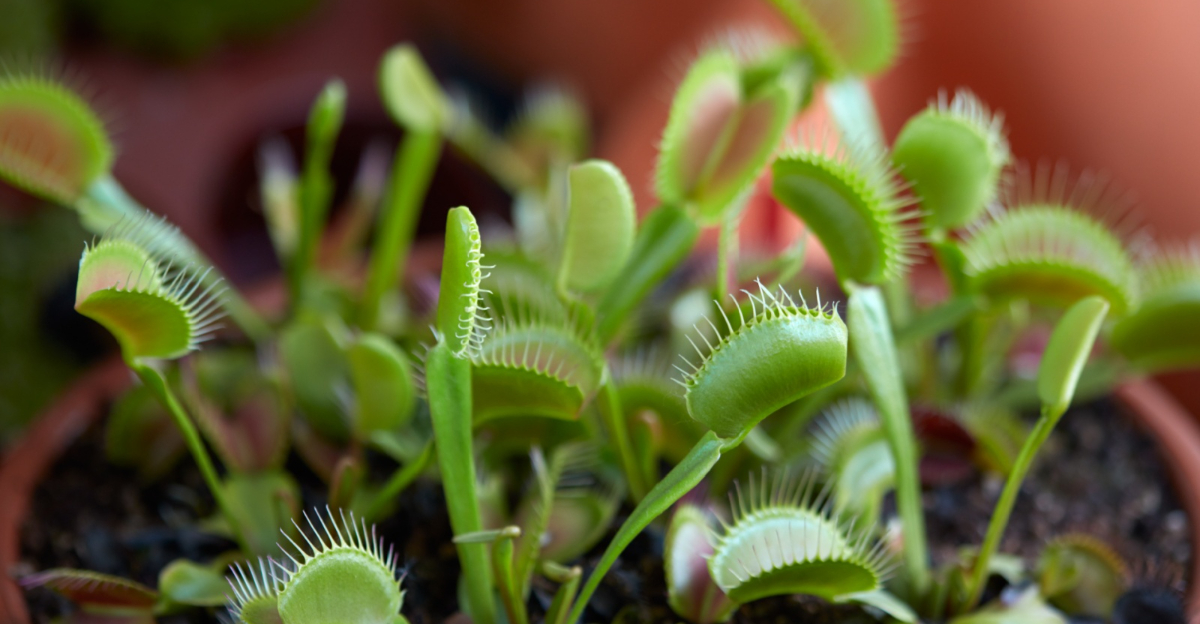
A carnivorous plant snapping shut indoors still shocks people every time. You are about to become why it thrives inside Washington homes.
Cloudy days sound gloomy, yet they secretly fuel this plant’s hidden ambition indoors. Cool temperatures inside Washington slow decay and sharpen trap reflexes fast.
Humidity, not sunlight, decides whether your flytrap flourishes or fades quickly. Tap water quietly harms roots long before you notice any damage.
Your instincts about ordinary houseplants will mislead you here constantly. Every trigger hair inside those traps waits for genuine insect movement. Dormancy arrives whether you expect it or dismiss it.
Feeding too often weakens traps faster than exhausting them ever could. Light matters, but placement decides thriving through demanding winter months. Patience outperforms luck every single time with this particular grower.
Nothing about this plant follows ordinary houseplant logic or expectations. Stopping now feels impossible once sharpest details wait ahead for you.
1. Use Distilled Or Rainwater Only
Tap water is harmful to a Venus flytrap. Most city water contains minerals, fluoride, and chlorine that slowly damage the plant’s roots.
Washington tap water, even when it seems clean, carries dissolved solids that build up in the soil over time. That buildup stresses the plant until it stops producing new traps.
Distilled water from the grocery store is your safest bet, and pricing varies by store and region. Making this small switch is one of the cheapest upgrades you can make.
Collecting rainwater is another great option, especially in a state known for its wet winters. Set a clean bucket outside during a rain shower and you have free, perfect water.
Never use bottled spring water, even if it sounds pure. Spring water contains natural minerals that are just as harmful as what comes from the faucet.
The easiest watering method is the tray technique. Place your pot in a shallow dish filled with about an inch of distilled water and let the soil soak it up from the bottom.
Refill the tray before it dries out completely. Consistent moisture access keeps the plant happy without you guessing how much to pour.
Store your distilled water in a clean, sealed container away from direct sunlight. Keeping a dedicated water supply for your flytrap makes the whole routine feel effortless and automatic.
2. Place In A Spot With Bright Light
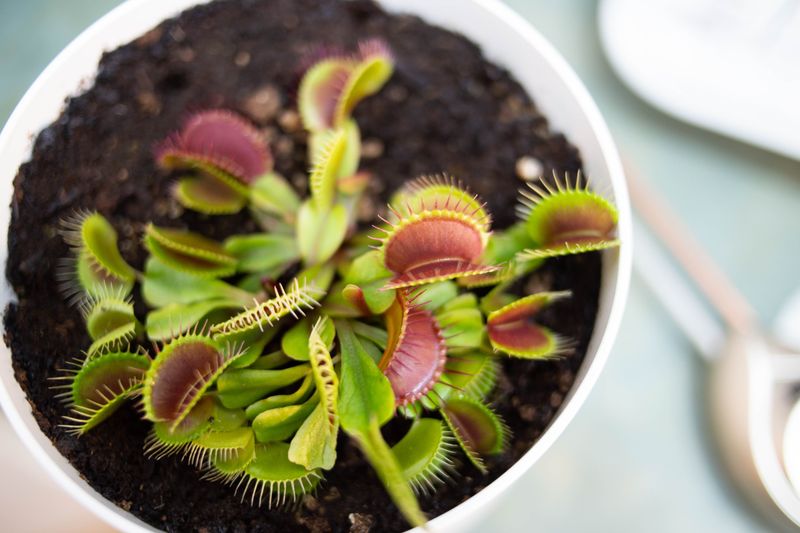
Light is everything to a Venus flytrap. Without enough of it, the traps turn pale green and stop working the way they should.
In Washington, cloudy days are common, especially from October through March. That means you need to be strategic about where you place your plant indoors.
A south-facing window is your best friend. It captures the most direct sunlight throughout the day, giving the flytrap the energy it craves.
Aim for at least four to six hours of direct sun each day. If natural light falls short, a grow light set on a timer can fill the gap beautifully.
Full-spectrum LED grow lights work especially well for carnivorous plants. Position the light about six to eight inches above the plant and run it for roughly twelve hours daily.
Your Washington Garden Changes Every Week. Your Plan Should Too.
Gardening in Washington changes quickly throughout the season. Every Friday you’ll receive a simple weekly plan showing exactly what to plant, prune, fertilize, harvest, and protect so you never miss the right timing.
Avoid placing the plant near heating vents or air conditioners. Sudden temperature swings from forced air can stress the traps and cause them to blacken prematurely.
East-facing windows can work during summer months when the sun rises early and stays strong. In winter, though, east light alone is rarely enough to keep growth vigorous.
Watch the color of your plant as your best feedback tool. Deep red coloring inside the traps signals that your light levels are exactly right and the plant is doing well.
3. Keep Soil Consistently Moist, Never Soggy
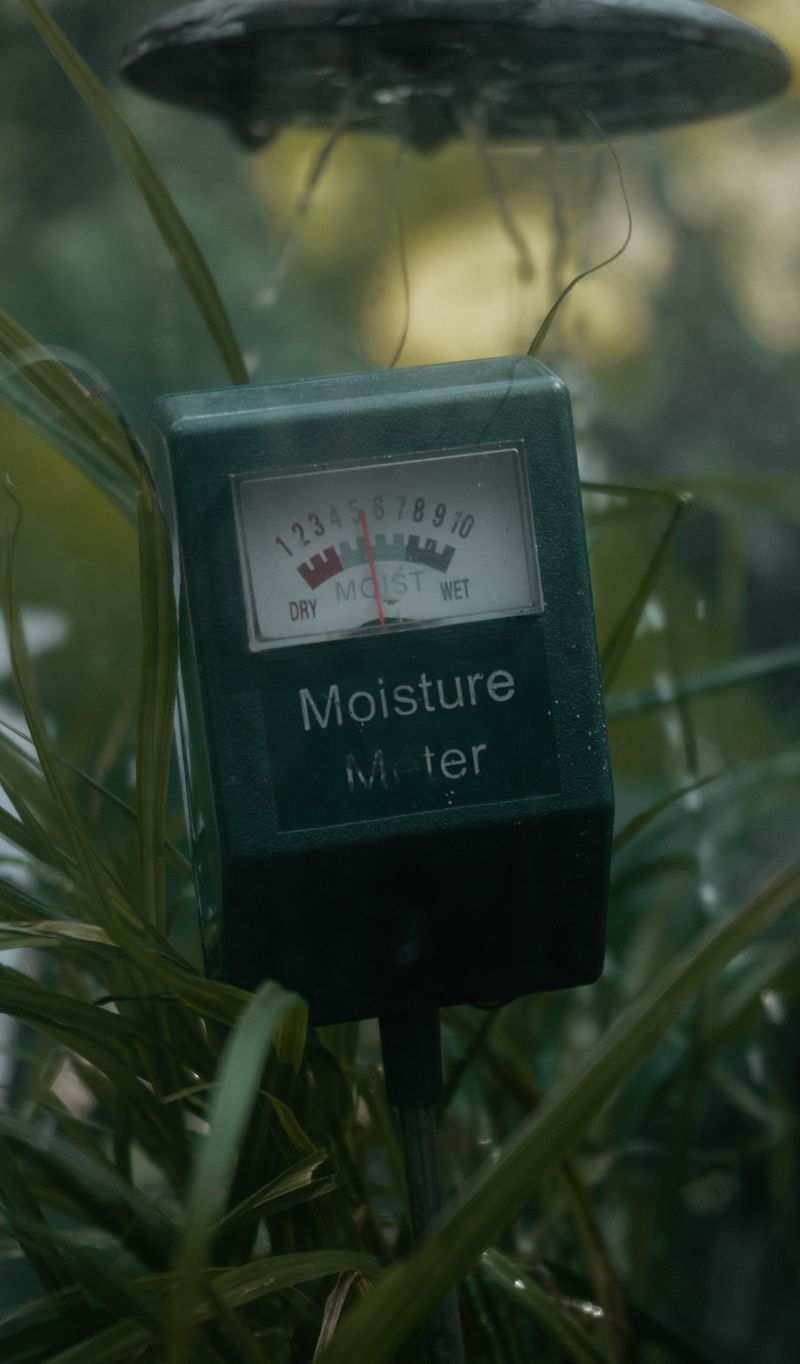
Getting moisture levels right feels tricky at first, but once you understand the rhythm, it becomes second nature. The goal is soil that feels like a wrung-out sponge.
Too dry and the roots shrivel up fast. Too wet and the roots rot, which is one of the most common mistakes new growers make.
The tray method mentioned earlier makes moisture management much simpler. Keep about half an inch of distilled water in the tray at all times during the growing season.
During winter dormancy, reduce the water level significantly. The plant slows down and needs far less moisture while it rests through the cold months.
Stick your finger about an inch into the soil to check moisture levels. If it feels damp but not dripping, you are in the perfect zone.
Peat-based soils dry out slower than regular potting mixes, which helps buffer against accidental neglect. That slow-drying quality gives you a wider window before the plant gets stressed.
If the traps start turning black at the edges, check moisture first. Both overwatering and underwatering can cause that symptom, so the soil check becomes your diagnostic tool.
Plastic pots retain moisture better than terracotta pots. Terracotta pulls water out of the soil quickly, which can leave your flytrap thirstier than you realize between watering sessions.
4. Choose A Nutrient-Poor, Peat-Based Potting Mix
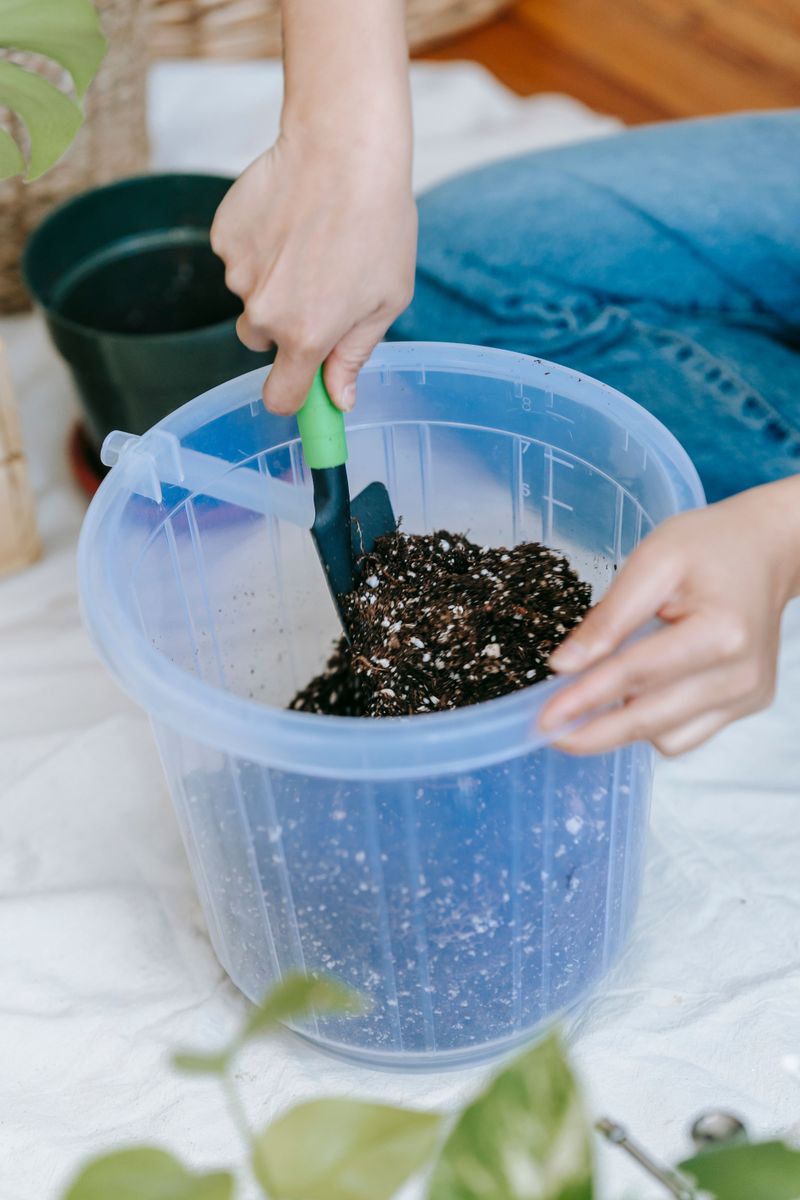
Most houseplant soils are loaded with fertilizers and nutrients meant to boost growth. For a Venus flytrap, that richness works against the plant.
These plants evolved in nutrient-starved bogs along the Carolina coast. Their whole system is built around getting nutrition from insects, not from the soil itself.
The ideal mix is a blend of peat moss and perlite at a roughly one-to-one ratio. This combo provides moisture retention without holding so much water that roots lose access to air.
Pure sphagnum moss also works well as a standalone medium. Many experienced growers swear by long-fiber sphagnum for its ability to stay moist while still allowing good airflow around the roots.
Avoid any potting mix labeled as enriched, premium, or all-purpose. Those labels signal added nutrients that will stress and eventually harm your carnivorous plant.
Cactus mix and orchid bark are also off the table. They drain too fast and do not hold the consistent moisture that flytraps expect from their native bog environment.
When repotting, gently rinse the roots with distilled water to remove any residue from old soil. Starting fresh with clean, neutral media gives the plant the best possible foundation.
Repot every one to two years to refresh the growing medium. Old peat breaks down over time and loses its structure, which can lead to poor drainage and unhappy roots.
5. Avoid Feeding It Regular Plant Fertilizer
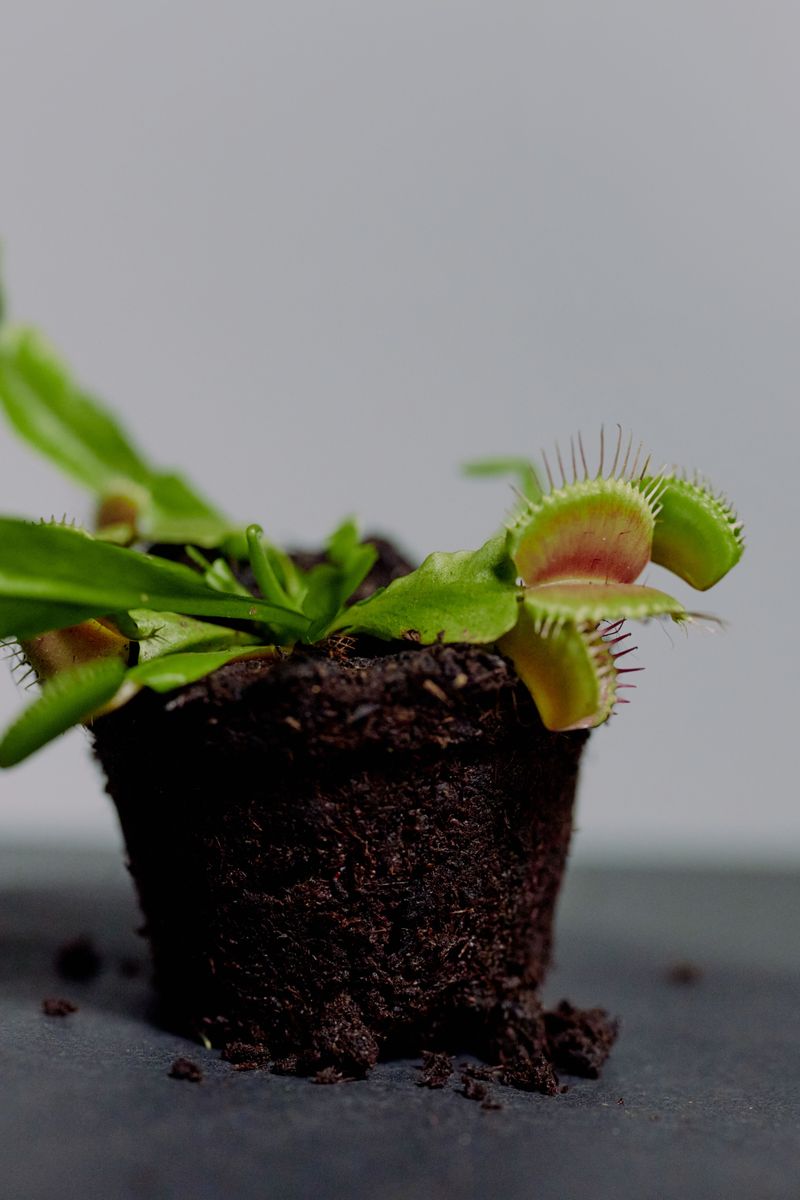
Fertilizer seems like a logical way to help any plant grow stronger. With a Venus flytrap, that logic works against the plant’s needs.
These plants have evolved to pull nitrogen and other nutrients directly from the insects they catch. Their roots are not designed to handle chemical fertilizers at all.
Even a weak diluted fertilizer can damage the roots within days. The damage often starts underground, so you may not notice until the whole plant begins declining.
Some growers try foliar sprays, misting diluted fertilizer directly onto the leaves. This approach is risky and rarely produces results worth the stress it causes the plant.
The only exception some advanced growers make is a tiny amount of orchid fertilizer sprayed very lightly on the traps. Even then, the margin for error is very small.
For a beginner or intermediate grower, the safest rule is simple: skip the fertilizer entirely. The plant will get everything it needs from the occasional insect meal and good lighting.
If you notice slow growth, do not reach for a fertilizer bottle. Instead, check your light levels, water quality, and soil condition first, as those are the real culprits.
Healthy flytraps grown without fertilizer live longer and produce more robust traps. Patience and restraint are the secret ingredients that most new growers overlook completely.
6. Let It Experience A Cool Winter Dormancy
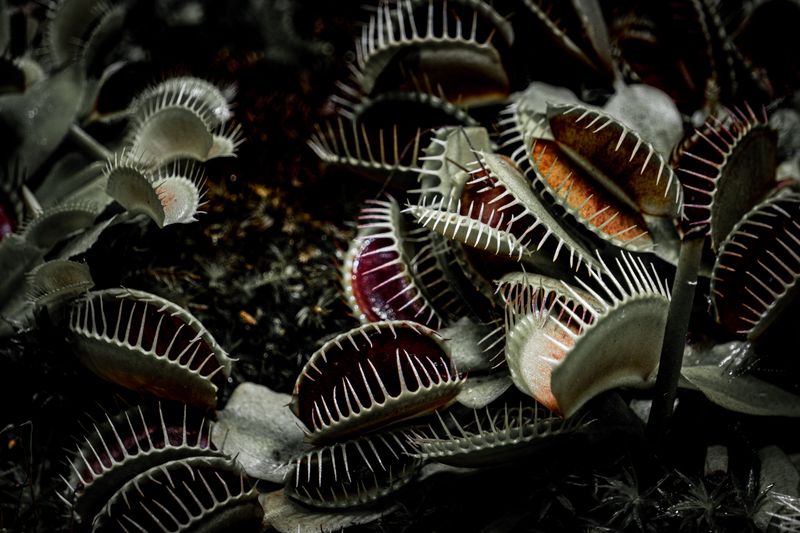
Skipping dormancy is one of the biggest mistakes indoor flytrap growers make. The plant genuinely needs a cold rest period to stay healthy long-term.
In the wild, flytraps go dormant when temperatures drop and days get shorter. Without that seasonal pause, the plant exhausts itself and weakens over the following growing season.
Washington winters actually make dormancy easier to manage than in warmer states. Cooler indoor temperatures and reduced daylight naturally signal the plant to slow down.
Move the plant to an unheated garage, a cool basement, or a north-facing windowsill from roughly November through February. Temperatures between 35 and 50 degrees Fahrenheit are ideal for this rest phase.
During dormancy, the plant may appear inactive, with brown leaves and closed traps. That is completely normal, so resist the urge to overwater or bring it back to warmth too soon.
Reduce watering significantly during this period. The plant’s metabolism slows dramatically, and soggy cold soil can cause root rot faster than at any other time of year.
Do not feed the plant any insects during dormancy. Its digestive processes are essentially paused, and forcing it to process food during this time wastes the plant’s limited energy reserves.
When spring arrives and new growth begins, move it back to a bright warm spot. That fresh burst of traps after winter is a rewarding result of proper winter care.
7. Feed Occasionally With Small Live Insects
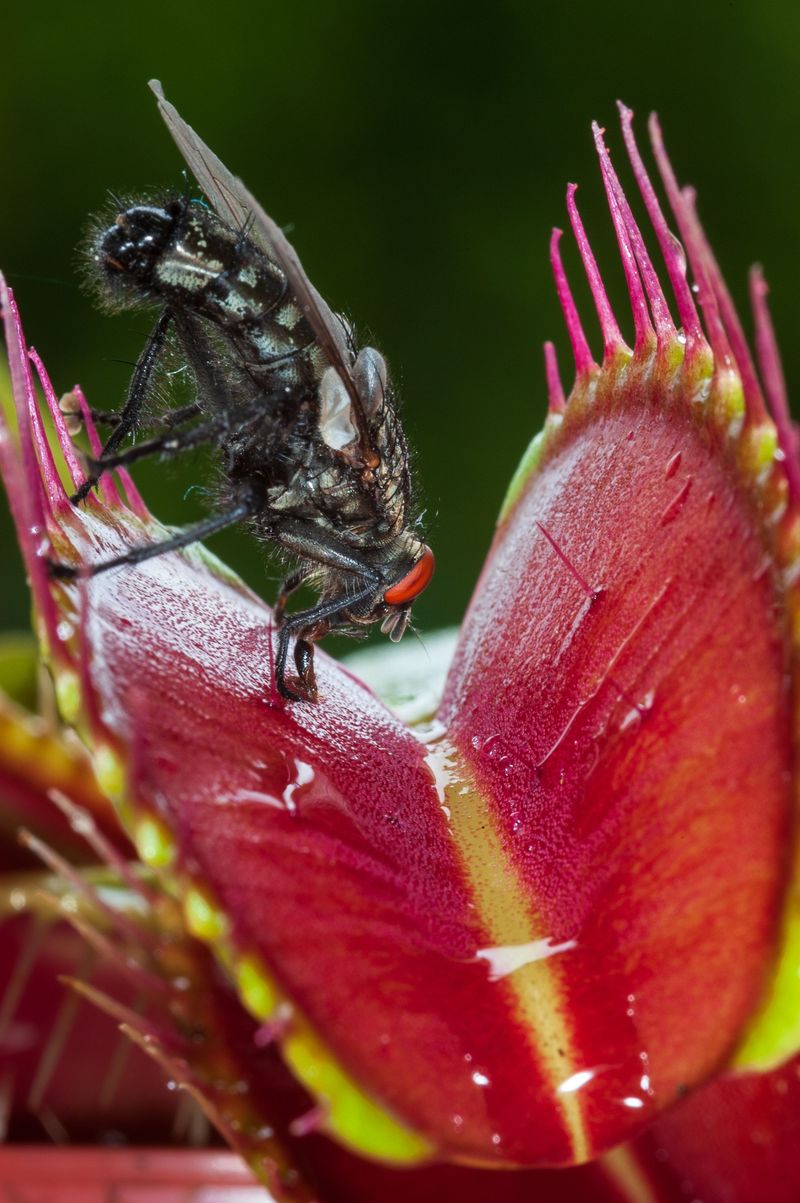
Watching a Venus flytrap snap shut on a live insect is an engaging moment to observe. The speed and precision of that closure never gets old.
Indoors, the plant will not catch its own food the way it would outside. You need to step in and offer a meal roughly every two to four weeks during the growing season.
Small live crickets, mealworms, or fruit flies work perfectly. The insect should be no larger than one-third the size of the trap to allow proper sealing and digestion.
Live prey is preferred over motionless insects because movement triggers the trap’s digestive response. If you use a motionless insect, gently wiggle it inside the trap with tweezers to simulate motion.
Never feed the plant meat, cheese, or human food. Those items rot quickly inside the trap and attract mold and bacteria that can damage the plant.
Only feed one trap at a time and let the plant fully digest before offering another meal. Digestion typically takes around a week, though timing can vary, after which the trap reopens and the remains fall away.
Do not trigger the traps with your fingers just for fun. Each snap costs the plant significant energy, and repeated false triggers weaken the trap until it eventually stops closing.
A well-fed flytrap grows noticeably faster and produces larger, more colorful traps. Feeding it correctly is one of the most rewarding parts of keeping this remarkable plant indoors.
8. Maintain High Humidity Around The Plant
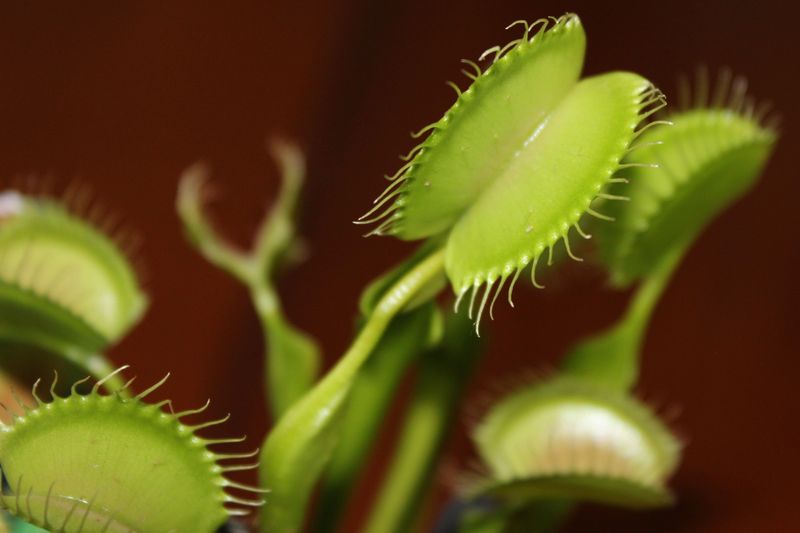
Venus flytraps love humid air the way most people love a warm blanket on a rainy day. Low humidity causes the traps to dry out and lose their snap.
Washington coastal areas often experience higher humidity than inland regions, which can work in your favor. Homes with forced-air heating can get surprisingly dry, especially in winter.
A simple humidity tray can help significantly. Fill a shallow tray with pebbles and water, then set the plant pot on top so it sits above the waterline without sitting in it.
As the water evaporates, it creates a humid microclimate right around the plant. This low-tech trick costs almost nothing and works consistently throughout the year.
A small humidifier placed nearby is another effective solution. Running it a few hours each day can raise ambient humidity enough to keep the plant comfortable without creating mold problems.
Humidity domes or mini terrariums work well too, especially for young plants. Just make sure there is some airflow to prevent stagnant conditions that encourage fungal growth.
Avoid misting the plant directly with a spray bottle. Misting can encourage mold on the leaves and does not raise ambient humidity enough to make a meaningful difference.
Keeping a Venus flytrap thriving indoors in Washington becomes much easier once humidity is under control. Stable moisture in the air ties all your other care habits together into one consistent, winning routine.