The Most Underrated North Carolina Perennial That Keeps Blooming In Full Sun While Everything Else Wilts
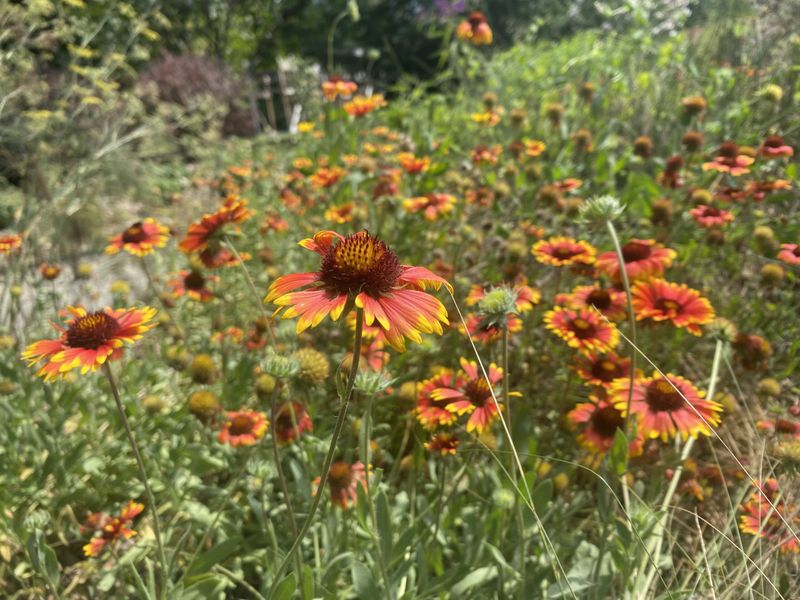
July in North Carolina is not kind to most flowers. The sun hammers down, the humidity sits like a wet blanket, and beds that looked great in May start looking sorry by mid-summer. Blanket flower, especially the hybrid Gaillardia x grandiflora, is one plant that can keep producing color through a lot of that punishment, as long as you give it the right conditions from the start. Plant it in the wrong spot and it will disappoint you, but get the basics right and it earns its place in any sunny North Carolina bed.
Meet Blanket Flower, Without the Hype
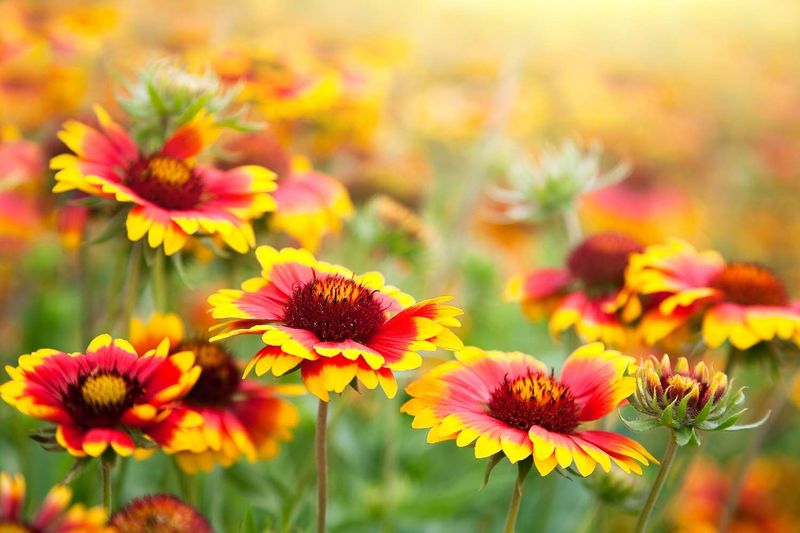
Blanket flower is a genuinely useful plant for full-sun beds in North Carolina, but it is not a miracle worker. NC State Extension’s plant profile for Gaillardia describes it as low-maintenance, drought-tolerant once established, and capable of blooming from spring through fall in the right conditions. That is a strong resume for a hot, dry spot where other flowers give up.
Here is where it gets tricky, though. “Blooms from spring through fall” does not mean the plant is running at full throttle every single week. Missouri Botanical Garden’s plant finder notes that flowering can slow down during the hottest stretch of summer, and that cutting the plant back may help it push a better fall show. So you get a long season, not a nonstop one.
The real deciding factor is not heat tolerance. Plenty of sun-loving plants handle heat just fine until their roots sit in water after a summer storm. NC State’s Gaillardia x grandiflora profile specifically warns that the hybrid will not survive winter in poorly drained clay soil. Drainage, more than anything else, determines whether blanket flower actually performs for you or quietly fails by October.
Think of it as a reliable option for hot, dry sites where the soil does not hold water, rather than a plant that beats every other perennial in every North Carolina yard. Set that expectation and blanket flower will probably surprise you in a good way.
Choose the Right Blanket Flower
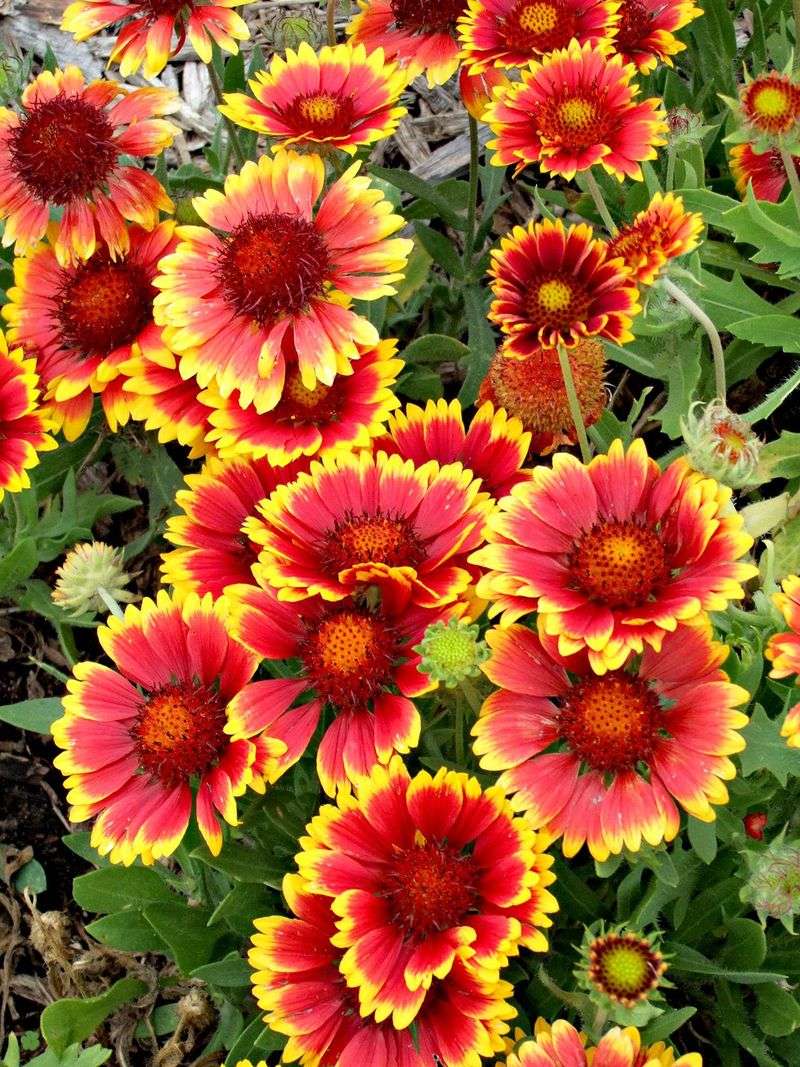
Walk into almost any North Carolina garden center and you will see plants labeled “blanket flower,” but that name covers more than one species with meaningfully different behavior. Knowing which one you are buying matters before you put anything in the ground.
Gaillardia x grandiflora is the main perennial garden form most people are after. It is a hybrid between perennial Gaillardia aristata and annual Gaillardia pulchella, and NC State describes it as generally short-lived, so manage your expectations about how many seasons any single plant will give you. Still, it is the cultivar group that gives you the widest range of flower colors, sizes, and shapes in a perennial format.
Gaillardia pulchella is a different story. NC State’s profile for Gaillardia pulchella notes that it can behave as an annual, biennial, or perennial depending on conditions, and its strongest North Carolina association is the Coastal Plain and sandy coastal sites. If you garden near the coast or in the Sandhills, G. pulchella may actually be the more natural fit for your soil. Inland Piedmont gardeners with red clay will generally do better starting with a G. x grandiflora cultivar.
Your North Carolina Garden Changes Every Week. Your Plan Should Too.
Gardening in North Carolina changes quickly throughout the season. Every Friday you’ll receive a simple weekly plan showing exactly what to plant, prune, fertilize, harvest, and protect so you never miss the right timing.
NC State’s genus-level overview confirms that blanket flower can grow across the Coastal Plain, Piedmont, and mountain regions of North Carolina. But performance shifts depending on the species, the cultivar, and crucially, how well your soil drains. Check the label carefully and ask your local extension office if you are not sure which type suits your corner of the state.
Give It Sun and Fast Drainage
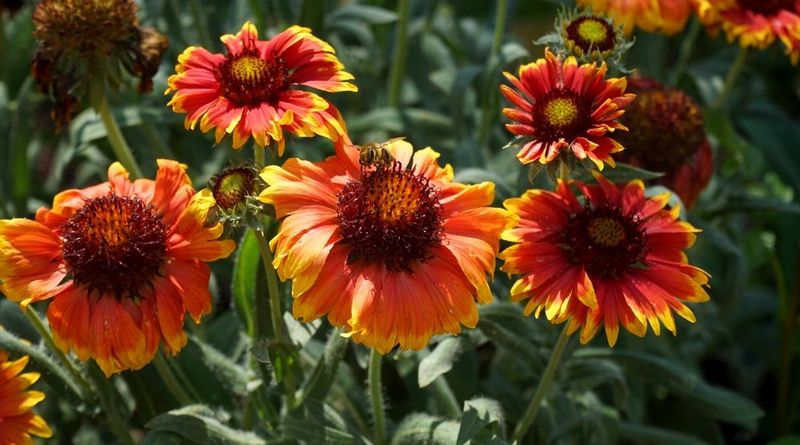
Blanket flower needs at least 6 hours of direct sunlight every day, and that part is straightforward for most open beds. The drainage requirement is where many North Carolina gardeners run into trouble, often without realizing it until the plant fails.
Piedmont red clay, compacted new-construction soil, and low-lying beds that collect runoff after summer storms are all genuinely risky spots for this plant. Even a site that looks dry on the surface can hold water around the root zone long enough to cause rot. Before you plant anything, NC State’s Extension Gardener Handbook recommends a simple drainage test: dig a hole about 10 inches deep, fill it with water, let it drain completely, fill it again, and then time how long it takes to empty. If the water is gone in roughly 8 to 10 hours, you have adequate drainage for most herbaceous plants.
If it is still sitting there the next morning, blanket flower is going to struggle in that spot.
If your test reveals slow drainage, resist the temptation to fix it by mixing sand into the clay. NC State’s soil modification guidance explains that adding small amounts of sand to heavy clay can actually make the texture worse, not better. Meaningful improvement would require roughly four to five times the clay volume in sand, which is impractical for a home bed.
Better options are working several inches of compost into the top foot of soil to improve structure, building a raised bed that sits above the problem layer, or simply choosing a different location. NC State’s Gaillardia profile confirms the plant performs best in well-drained soil, and no amount of heat tolerance makes up for roots that stay wet.
Plan the Planting Space
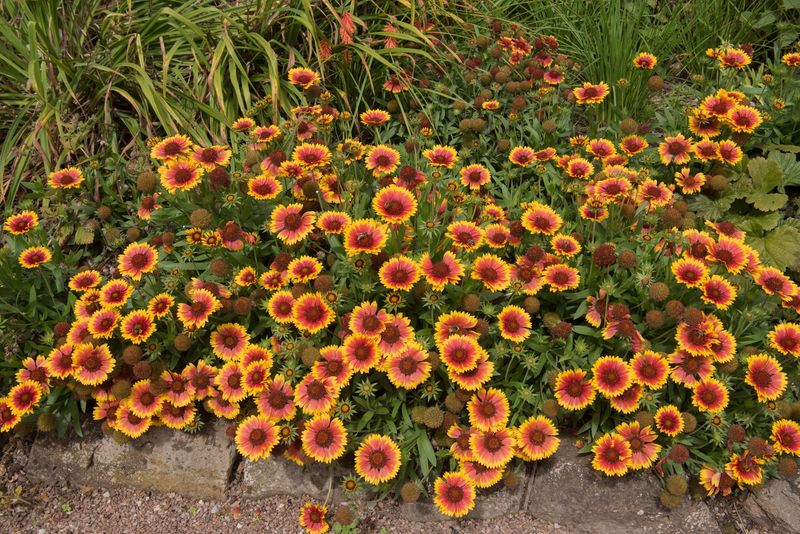
Giving blanket flower enough room is one of the quieter ways to help it stay healthy. Most Gaillardia x grandiflora cultivars mature somewhere in the range of 1 to 3 feet tall and roughly 2 feet wide, though compact selections stay closer to the low end and some taller types push toward the top of that range.
A starting spacing estimate of 18 to 24 inches between plants works for many cultivars, but check the tag for your specific selection and adjust accordingly. NC State’s Gaillardia x grandiflora profile gives the spread as approximately 2 feet, so using that as your minimum gap between plant centers is a reasonable approach. Crowding plants together cuts airflow and keeps foliage damp longer after rain, which is not ideal in North Carolina’s muggy summers.
Mulch is worth applying after planting, both to moderate soil temperature and to slow moisture loss during dry stretches. NC State’s planting guidance recommends about 3 to 4 inches of coarse organic mulch for perennial beds, and staying at or below that 4-inch ceiling matters. Too much mulch piled against the crown traps moisture right where the plant is most vulnerable to rot. Pull the mulch back so it surrounds the plant without actually touching the base, leaving a small gap around the crown itself.
Spacing and mulch will not guarantee a longer life for a naturally short-lived hybrid, but they do give each plant a fair chance to establish and perform well during the seasons it is with you.
Water During Establishment
Drought tolerance is one of blanket flower’s real strengths, but that tolerance does not switch on the day you put the plant in the ground. New roots need time to spread into the surrounding soil before the plant can pull moisture from a wider area, and skipping irrigation during that window can kill a plant that would otherwise have been perfectly tough.
NC State’s Extension Gardener Handbook recommends about 1 inch of water per week during the growing season as a general target for establishing perennials, with deep, infrequent watering preferred over light daily sprinkles. Deep watering encourages roots to follow moisture downward rather than staying shallow near the surface. Shallow roots are the first to suffer when a dry spell hits.
Sandy Coastal Plain soil dries out faster than Piedmont clay, so gardeners in that region may need to water more often, especially during heat waves. Track your rainfall and make up the difference when the sky does not cooperate. A rain gauge is one of the most useful tools you can put in a North Carolina garden for exactly this reason.
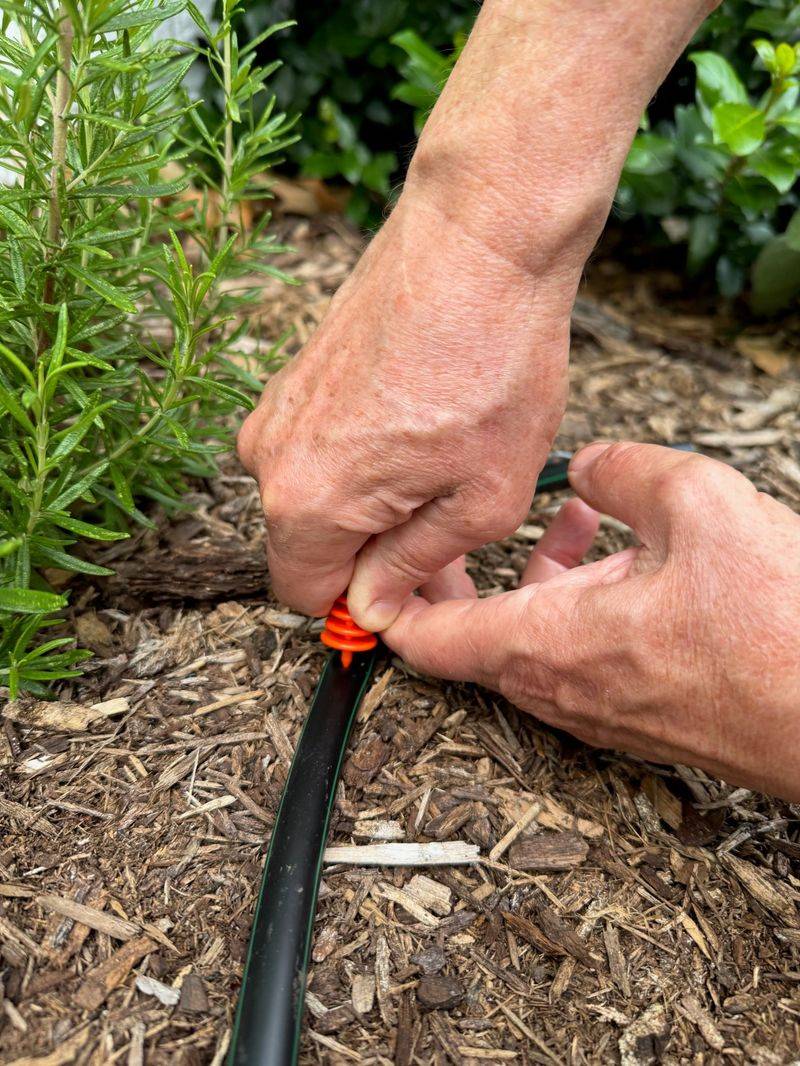
For how you deliver that water, a soaker hose or drip line at the soil level is a better choice than overhead sprinklers. Keeping foliage dry reduces the chance of fungal problems, which appreciate North Carolina’s combination of heat and humidity as much as any weed does. If overhead watering is your only option, do it in the morning so leaves have the full day to dry before nightfall. NC State’s Gaillardia profile confirms drought tolerance after establishment, which is the payoff waiting on the other side of a careful first season.
Extend Flowers With Light Maintenance
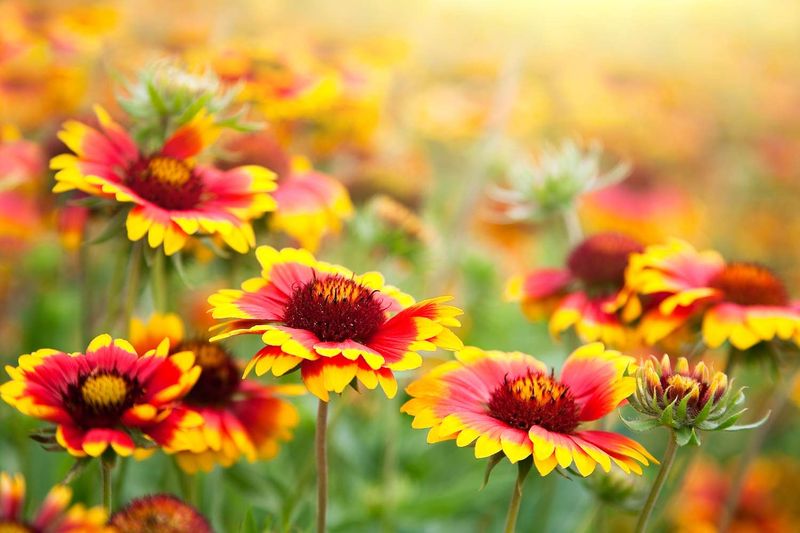
One of the more satisfying things about blanket flower is that a little attention goes a long way. You do not need a complicated routine to keep it producing color through the season.
Removing faded flower heads, what gardeners call deadheading, keeps the plant looking tidy and can encourage it to push additional blooms rather than putting energy into setting seed. NC State’s Gaillardia overview notes that many cultivars will bloom most of the season when kept deadheaded. That said, plenty of modern cultivars are bred to flower reasonably well even without constant attention, so check what the growers say about your specific selection before committing to a weekly grooming schedule.
When summer heat peaks and flowering slows, cutting the plant back partway may help. Missouri Botanical Garden’s plant notes suggest that cutting back during or after summer bloom decline can encourage renewed or fall flowering in some plants. It is not a guarantee, but it is worth trying before you write off a plant that looks tired in August.
Fertilizer is a minor factor for blanket flower. NC State’s hybrid profile says the plant requires very little fertilizer, and heavy feeding can push soft, leafy growth without solving the real problems of poor drainage, insufficient sun, or drought stress.
UGA Extension’s Cherokee County master gardener notes echo the idea that modern strains can perform well without heavy inputs. Feed lightly if at all, and let good siting do the heavy lifting.Accept Its Short Life and Real Limits
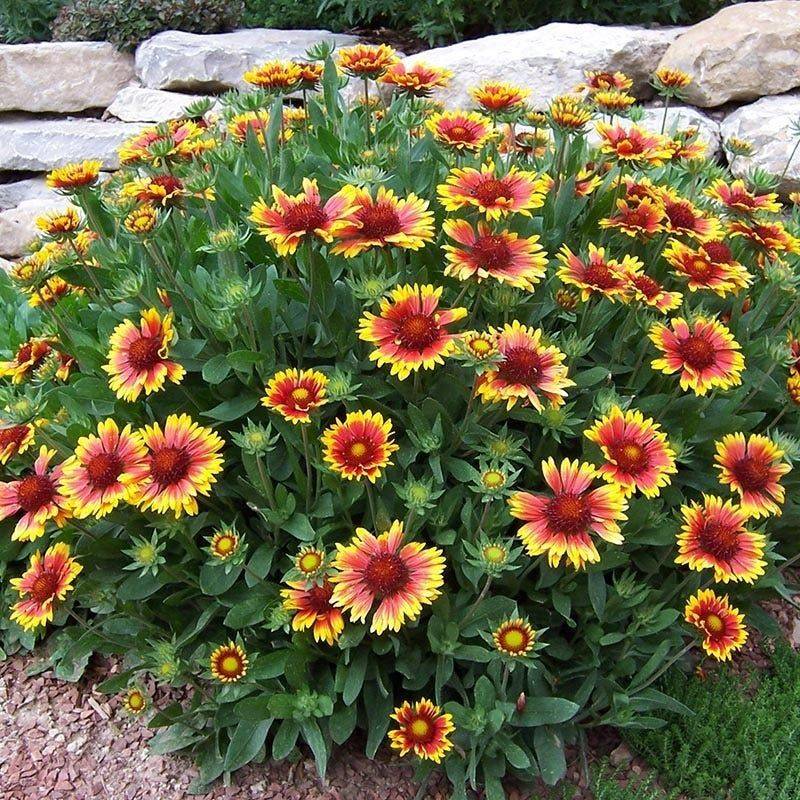
Blanket flower earns its keep, but it is not a permanent fixture. NC State’s Gaillardia x grandiflora page describes the hybrid as generally short-lived, which is a polite way of saying that even a well-sited, well-tended plant may only last a few years before it declines.
Hot, humid Southern conditions can shorten that window further. UGA Cooperative Extension’s flowering annuals bulletin describes modern Gaillardia strains as short-lived under Southern conditions and notes that some are commonly treated as biennials or hardy annuals rather than true long-term perennials. Plan to replace plants every two to three years, or let them self-seed if your cultivar does so reliably. Some gardeners in the Piedmont find it easier to treat blanket flower like a rotating cast rather than a permanent anchor.
On the browsing front, blanket flower does have some resistance to deer and rabbits. NC State lists it as deer and rabbit resistant, but resistant is not the same as deer-proof. A hungry deer in a dry summer, when other forage is scarce, will sample plants it normally ignores. Do not count on blanket flower to protect itself under heavy browsing pressure.
One more practical note: NC State’s plant safety information flags contact dermatitis as a possible reaction for sensitive individuals. If you have easily irritated skin, wear gloves when you are deadheading, cutting back, or pulling old foliage. It is a simple precaution that takes about five seconds to act on.
Add Its Wildlife Value to the Yard
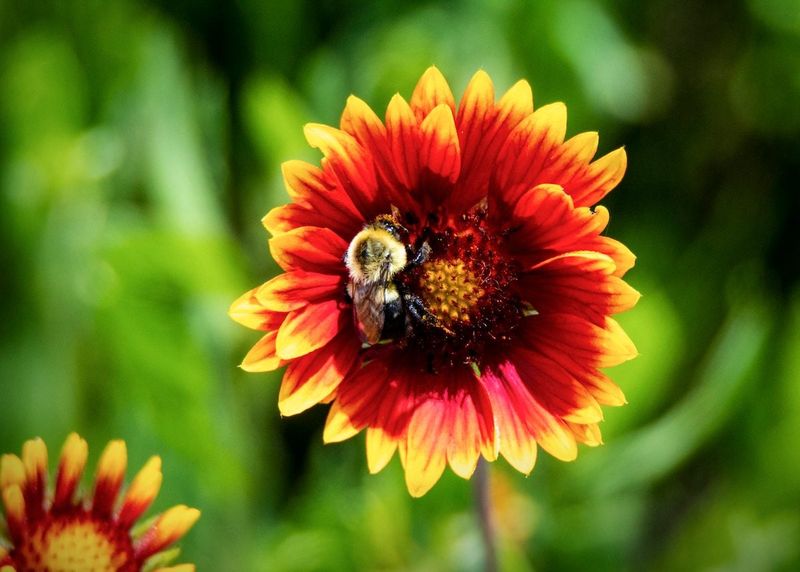
Beyond the color it adds to a hot bed, blanket flower does real ecological work in a North Carolina yard. NC State’s Gaillardia x grandiflora profile notes that bees and butterflies visit the flowers regularly through the bloom season. That steady supply of nectar and pollen matters most during the long stretch between spring’s flush and fall’s goldenrod and asters, when food sources for pollinators can get thin.
Leave some seed heads in place as the season winds down and you may attract goldfinches. They pick through the dried heads for seeds, and watching them work a late-summer bed is one of those small, genuinely satisfying backyard moments. USDA NRCS identifies Indian blanket as a high-value plant for several pollinator groups, including native bees and specialist feeders that depend on a reliable warm-season flower source.
Keep the plant’s role in perspective, though. Blanket flower is one useful piece of a larger picture, not a complete habitat solution on its own. Pairing it with other North Carolina-adapted plants such as native coneflowers, Joe Pye weed, or goldenrod gives pollinators more options across a longer stretch of the season. No single plant does it all.
The practical formula that makes all of this possible is straightforward: find a spot with at least 6 hours of direct sun, confirm the drainage is adequate before you plant, water consistently through the first season, and keep up with light maintenance. Do those things and blanket flower will reward you with color, visitors, and a yard that feels alive well into fall.