The Native Ohio Plant That Blooms In Deep Shade In Late Summer
Late summer shade gardening in Ohio is a patience game that most gardeners lose. Spring bloomers finished months ago, and the reliable perennials have said what they had to say.
By August, a shaded bed can feel like it is just waiting for the season to end. One Ohio native has other plans entirely.
It blooms in deep shade in late summer with a stubbornness that seems almost personal, as if it specifically chose the window when everything else had given up. The display it puts on is not subtle for a shade plant.
It is the kind of late season color that makes visitors stop and ask what is growing back there. Ohio’s shaded beds have more bloom potential than most gardeners ever realize.
This native fills the hardest slot on the calendar in the hardest spot in the yard, and it does it without any coaxing.
1. Choose White Turtlehead For Late Summer Shade
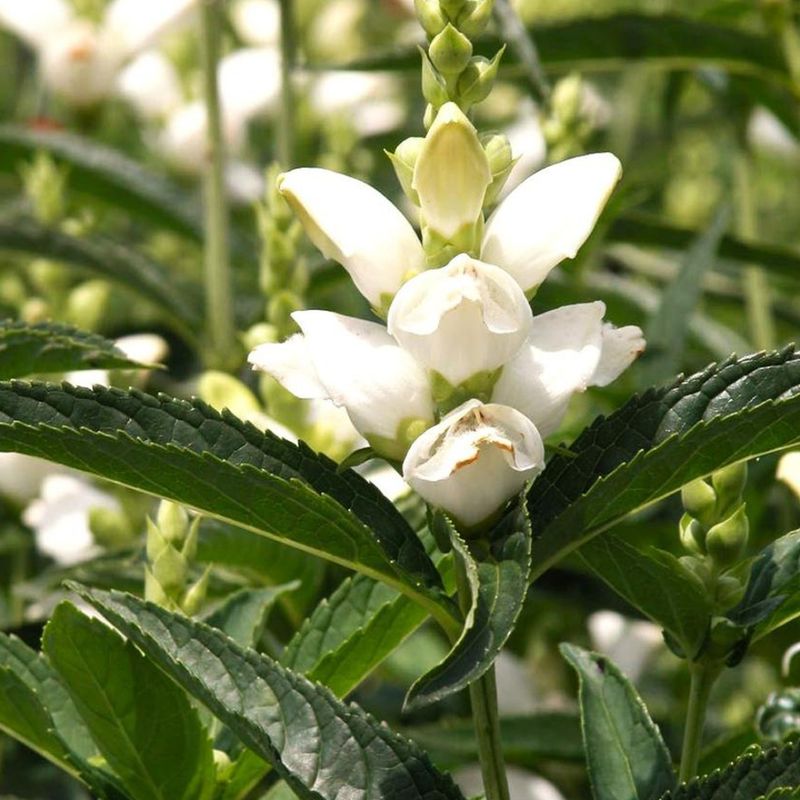
A pale bloom standing upright in the August shade is one of the more welcome surprises a garden can offer. White turtlehead, Chelone glabra, is a native Ohio wildflower that earns its common name from its distinctive flower shape.
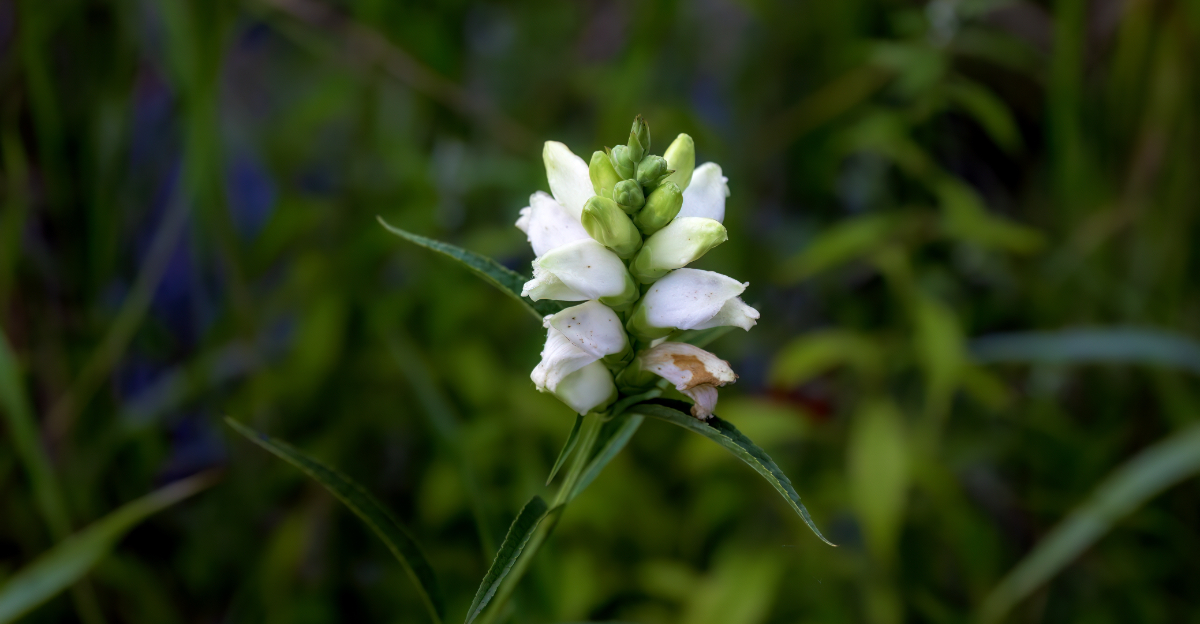
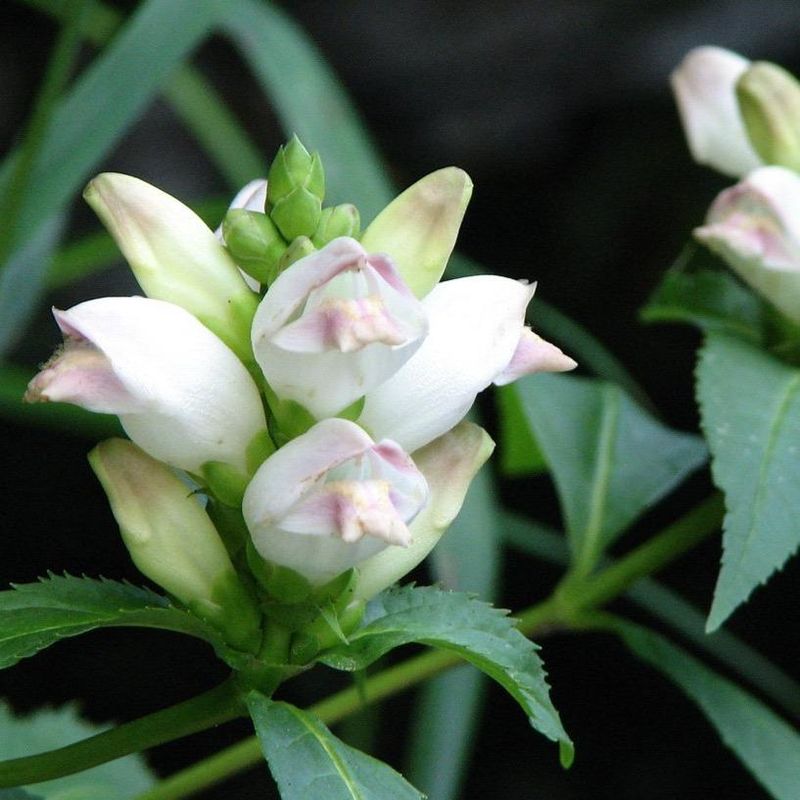
Each bloom is hooded and tubular, resembling a turtle stretching its head forward, and the flowers cluster at the tops of upright stems.
According to the Ohio Department of Natural Resources, Chelone glabra is native to Ohio. It is found naturally along streambanks, damp woodland borders, and moist low-lying areas.
It typically blooms from late July through September, depending on site conditions and local climate. That timing makes it one of the few truly reliable native bloomers for shaded spots during the late-season lull.
Stem height ranges from roughly two to four feet, giving the plant a strong vertical presence in the shade bed. The foliage is dark green, lance-shaped, and clean-looking throughout the growing season.
It does not sprawl or become weedy in the way some native plants can.
White turtlehead is not the only native option for shady sites, but it is one of the most dependable for moist shade specifically. Dry shade is a different story entirely, and that distinction matters a great deal.
When soil stays consistently moist and light is filtered or low, this plant can reward patient gardeners with a generous late-summer show.
2. Plant It Where Moist Soil Stays Cool
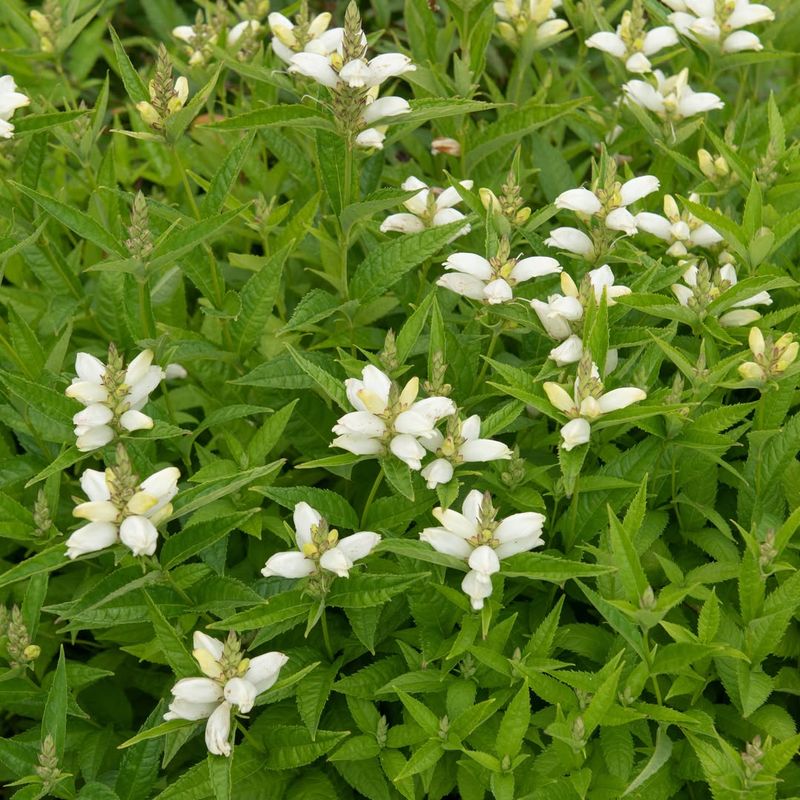
Soil moisture is the single most important factor when deciding whether white turtlehead will succeed in your yard.
Unlike many shade plants that can tolerate periods of dryness, Chelone glabra performs best where the ground stays evenly moist through the warmest months.
OSU Extension guidance describes the plant as preferring moist to wet soils, and that preference is not casual.
A quick way to check your site is to dig a few inches into the soil after a hot, dry week. If the ground is still slightly cool and damp at that depth, white turtlehead has a reasonable chance of doing well there.
If the soil is powdery, cracked, or full of dense surface roots from a nearby maple or oak, the site is likely too dry for reliable performance.
Your Ohio Garden Changes Every Week. Your Plan Should Too.
Gardening in Ohio changes quickly throughout the season. Every Friday you’ll receive a simple weekly plan showing exactly what to plant, prune, fertilize, harvest, and protect so you never miss the right timing.
Compacted soil under large, thirsty trees is one of the trickiest spots in any yard. Even if shade is deep, the tree roots pull moisture away quickly.
Improving organic matter in these spots can help, but results are not guaranteed without consistent moisture.
A two-to-three-inch layer of shredded leaf mulch or wood chip mulch can help conserve soil moisture during dry spells. Keep mulch pulled a few inches away from plant stems to prevent rot.
Watering during dry stretches in the first season helps the plant establish a strong root system before it faces its first real summer heat.
3. Use It Near Streams Rain Gardens And Damp Edges
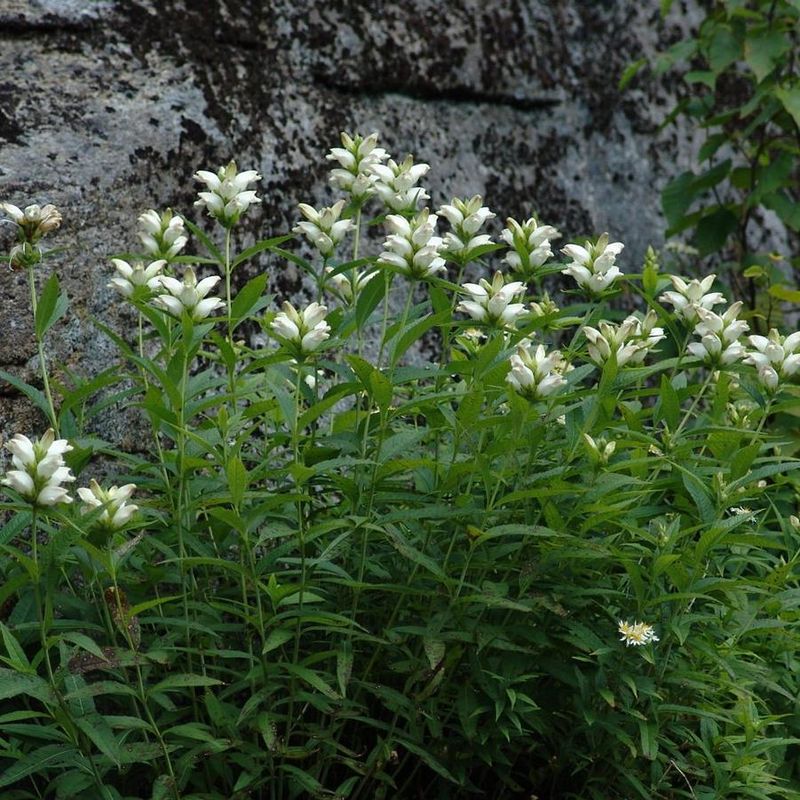
Some of the best spots in any yard are the ones that seem like problems at first. A low corner that holds water after rain, a swale that stays soggy into summer, or a shaded edge near a pond or stream can all be ideal homes for white turtlehead.
Native plant guidance from botanical garden sources describes Chelone glabra as a natural fit for streambanks, pond margins, and rain garden borders.
Rain gardens are designed to capture and slowly absorb stormwater runoff. The lowest zone of a rain garden stays the wettest and is best suited to plants that tolerate brief flooding followed by drainage.
White turtlehead fits well in those lower zones, where moisture lingers longest after a storm. Plants placed on the outer edges of a rain garden, where the soil dries faster, may not perform as reliably.
Damp woodland borders near a natural drainage channel are another excellent placement. The plant grows naturally in these settings across Ohio, so mimicking those conditions in a designed landscape makes good ecological sense.
University extension sources note that native plants establish more easily when placed in conditions matching their natural habitat. They also tend to need less supplemental care over time.
If you are planting near a natural stream or public waterway, check local regulations before disturbing the bank.
Sourcing nursery-propagated plants from reputable native plant nurseries is the responsible approach and protects wild populations from unnecessary pressure.
4. Let Hooded Blooms Brighten Dark Corners
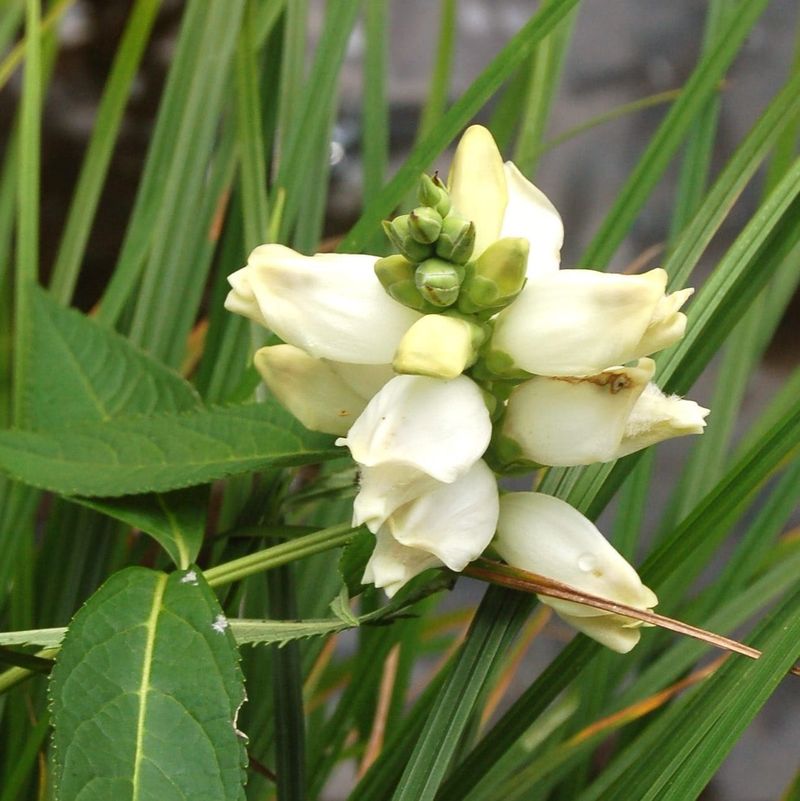
Pale flowers have a quiet power in shaded spaces that darker blooms simply cannot match. White turtlehead produces creamy white to very light pink hooded flowers that catch whatever low light filters through a canopy and reflect it gently outward.
In a corner where deep shadow swallows most color, those pale blooms stand out in a way that red or purple flowers often do not.
Placing white turtlehead where the blooms face a path, a shaded patio, or a seating area helps you actually enjoy the late-season display. A plant tucked into a back corner behind taller shrubs may bloom reliably but go largely unnoticed.
Positioning the plant where its upright form and pale flowers are visible from a natural sightline makes the most of its ornamental value.
The blooms appear in clusters at the stem tips, and a well-established clump can produce multiple flowering stems. Plant age and site quality both influence how full the bloom display becomes.
A first-year plant may produce modest flowers, while a mature clump that has settled into good moist soil can put on a noticeably fuller show.
Do not expect a dramatic flower wall in dense, dry shade. The plant needs the right moisture and a reasonable amount of indirect light to perform at its best.
A bright, open shade under a high canopy with moist soil is closer to ideal than a dark, root-choked corner under a dense evergreen. Connecting bloom quality to site conditions helps set realistic and satisfying expectations.
5. Give Pollinators A Late Season Native Stop
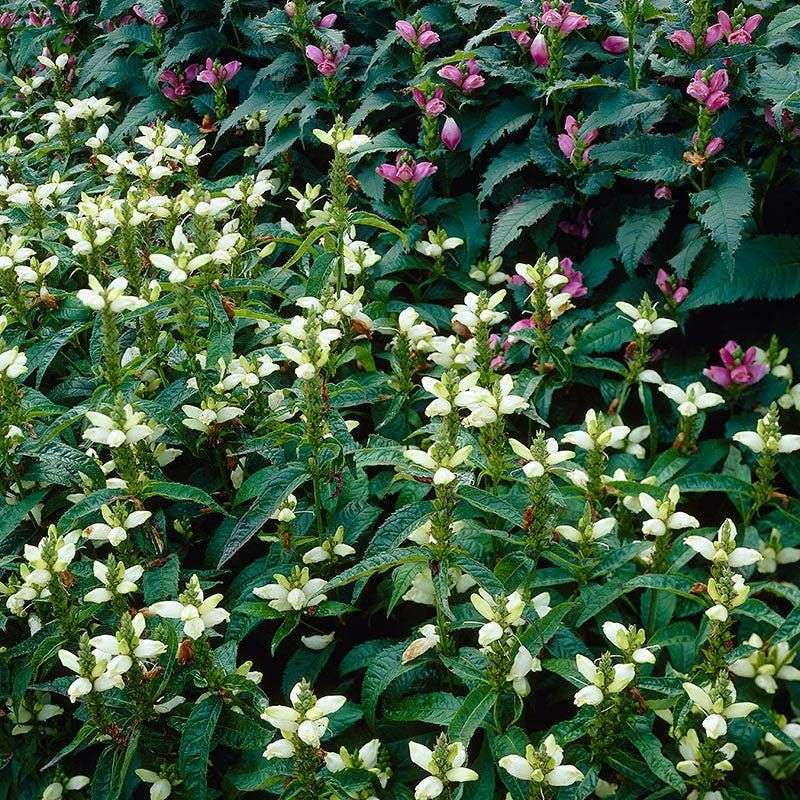
By mid-August, many pollinator-friendly flowers have already peaked and faded. That late-season gap is exactly where white turtlehead steps in with real ecological value.
The tubular, hooded blooms are shaped in a way that favors larger, stronger bees, particularly bumble bees. These bees have the body size and strength to push into the flower and access the nectar inside.
Native plant sources and university extension references note that bumble bees are among the primary pollinators of Chelone glabra. The flower structure physically limits access for smaller or weaker insects, making bumble bee visits especially productive for pollination.
Watching a bumble bee work its way into a turtlehead bloom is one of the more entertaining sights a late-summer shade garden can offer.
The Baltimore checkerspot butterfly, a species of conservation interest in Ohio, has a documented association with white turtlehead.
According to sources including The Nature Conservancy and native butterfly references, the caterpillars of this butterfly use Chelone glabra as a host plant.
This relationship makes the plant valuable beyond just its nectar, supporting a full life cycle for a native species.
Planting white turtlehead in small groups rather than as a single specimen increases its value to local pollinators. Avoiding unnecessary pesticide use near the planting protects visiting insects.
Pairing it with other late-season natives such as native asters or goldenrod in sunnier spots nearby extends the foraging window for pollinators moving through your yard.
6. Avoid Dry Shade Where Turtlehead Struggles
Not every shaded corner is the same, and that difference matters enormously for white turtlehead. Deep shade under a large silver maple, a dense Norway spruce, or a thick row of arborvitae can look dark and cool but feel bone dry just a few inches below the surface.
Tree roots from maples and similar species are aggressive and shallow, pulling moisture away from the soil faster than rain can replace it.
Planting Chelone glabra in those dry, root-filled zones is one of the most common reasons the plant disappoints. The problem is almost never the plant itself.
It is the mismatch between what the plant needs and what the site actually provides. Testing soil moisture regularly during summer, especially after a week without rain, gives you honest information about whether a spot is suitable.
Roof overhangs and foundation beds on the north side of a structure can also create deeply shaded, very dry conditions.
Even if those areas look like they might work, the combination of shade and low moisture usually rules out white turtlehead as a reliable performer there.
If a spot stays dry despite shade, a different native plant is a better choice. Native wild ginger, green-and-gold, or native Solomon’s seal are more tolerant of dry to average shade conditions.
Blaming white turtlehead for struggling in the wrong site is not fair to the plant or helpful to the gardener. Matching plant to site honestly is the real key to success.
7. Pair It With Ferns Sedges And Cardinal Flower
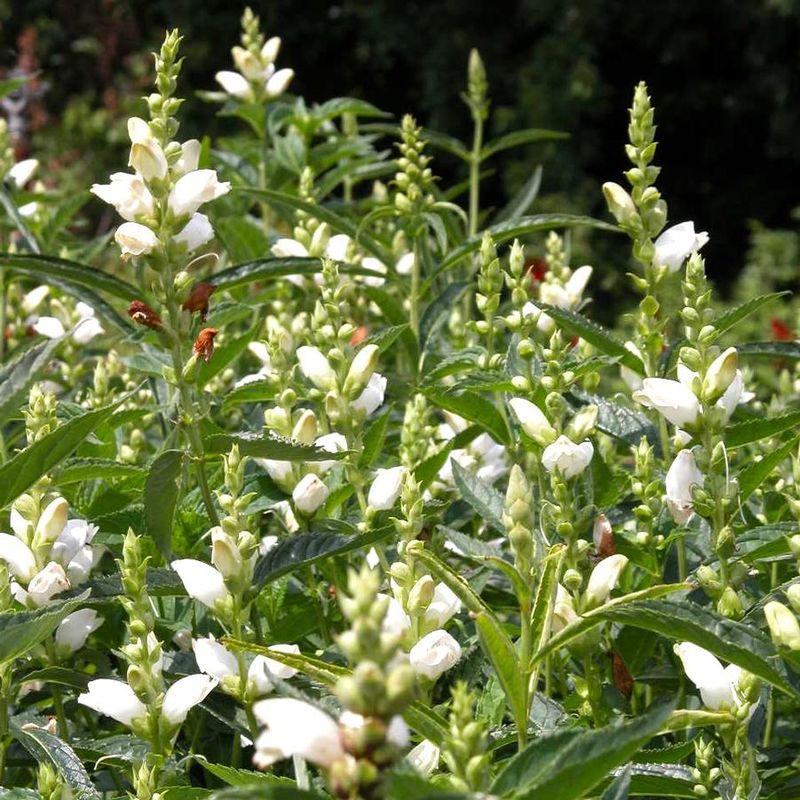
A single plant in a bed can look lonely, but the right companions transform a damp shade planting into something layered and lively. White turtlehead pairs naturally with plants that share its preference for moist to wet soil and filtered to full shade.
Native ferns are among the most reliable partners, offering soft texture and reliable green throughout the season.
Ostrich fern and cinnamon fern are both native to Ohio and thrive in moist, shaded conditions similar to those preferred by Chelone glabra. Their arching fronds create a beautiful textural contrast with the upright stems and clustered blooms of white turtlehead.
University extension sources and native plant guides confirm that these ferns prefer consistently moist, organically rich soil, making them well-matched companions.
Sedges such as Pennsylvania sedge or tussock sedge are native to the Buckeye State and handle moist shade well. They provide low ground-level texture and fill gaps between taller plants without becoming invasive.
Botanical garden sources often recommend native sedges as workhorses in shaded, damp beds.
Cardinal flower, Lobelia cardinalis, is another excellent companion for moist to wet conditions. It blooms in mid-to-late summer, overlapping nicely with white turtlehead, and its brilliant red spikes contrast beautifully with pale turtlehead blooms.
Both plants prefer consistently moist soil, so they share watering needs naturally. Blue flag iris and golden ragwort can also work in this kind of planting when moisture levels are reliably high throughout the season.
8. Turn A Damp Shady Gap Into August Color
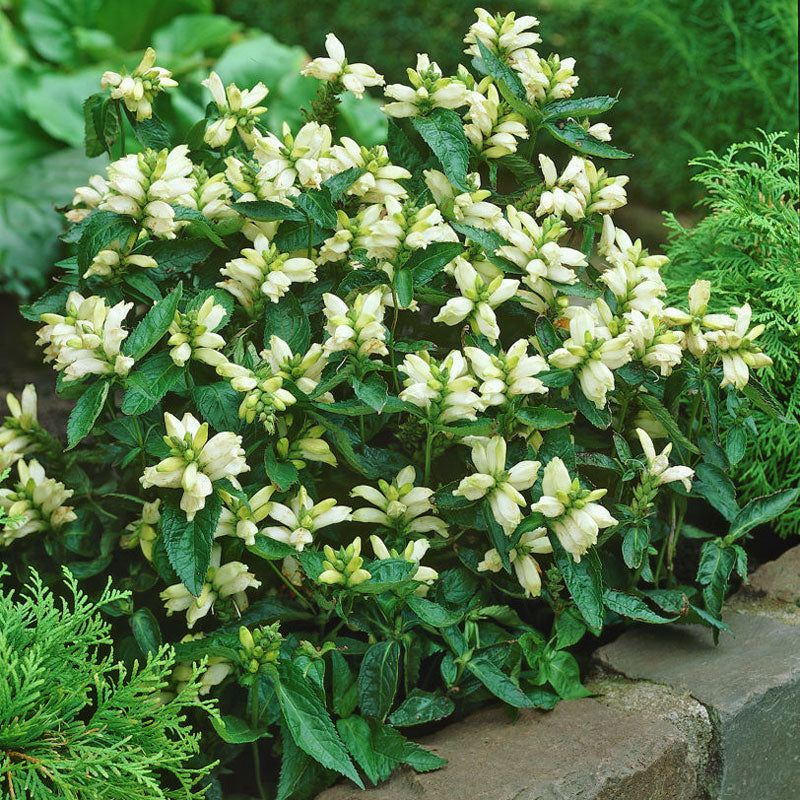
A damp, shaded corner that looks empty in late summer is one of the most solvable problems in a home garden, and white turtlehead is a practical answer.
Planting in small groups of three to five plants rather than as a single specimen helps create a fuller, more natural-looking display.
Odd-numbered groupings tend to look more naturalistic than even rows or solitary specimens.
Choosing the right site matters more than any other step. Look for a spot where the soil stays visibly moist even in dry weather and the canopy filters light rather than blocking it entirely.
Choose a place where competing weeds can be managed without heavy chemical use. A shaded bed along a house foundation that faces north and stays damp from downspout runoff can work surprisingly well.
Water the planting regularly during the first season, especially in dry stretches. A light mulch layer helps hold moisture and suppress weeds, but it should stay thin and loose around plant stems.
Removing weedy competition in the first year gives the young plants a fair chance to establish without fighting for space and nutrients.
Results often improve noticeably in the second and third year as the clump matures and the root system deepens. First-year performance can be modest, so patience matters.
Deep shade needs the right kind of plant to come alive in August, and white turtlehead brings its best late-summer color exactly where shade and moisture meet. That combination is rare, useful, and genuinely worth growing.