Why Swallowtail Butterflies Keep Visiting Certain Georgia Gardens
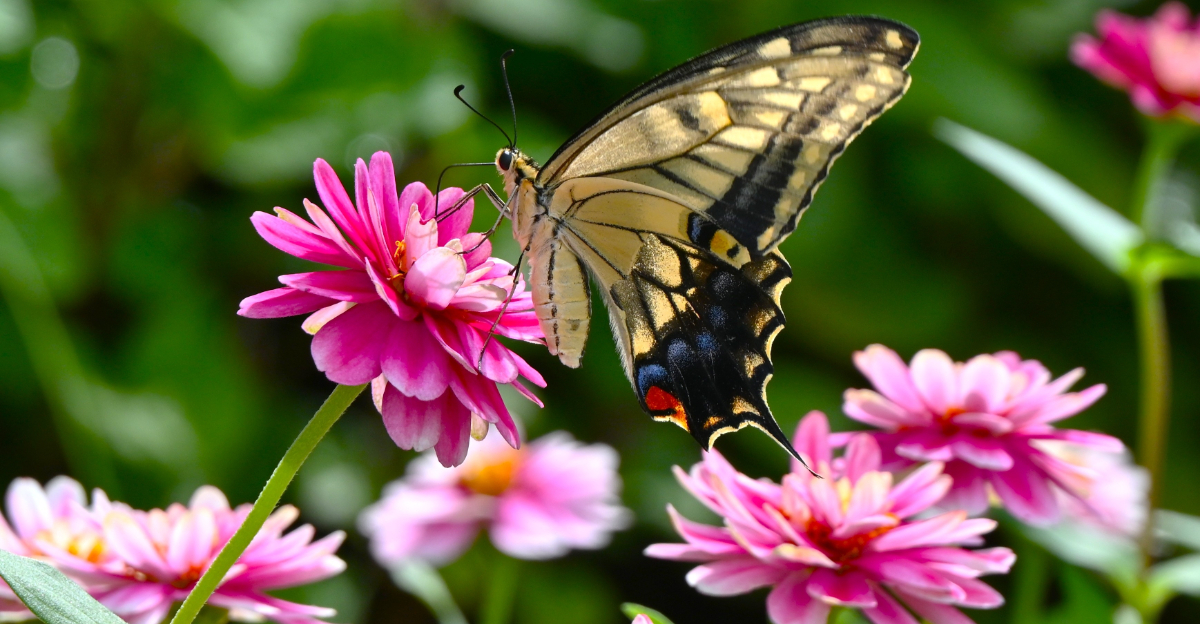
Bright swallowtail butterflies rarely waste energy on the wrong garden. They return where food, shelter, and the right plants come together.
Georgia has plenty of yards, yet some attract these colorful visitors far more often than others. That difference is not random.
Many gardens accidentally provide everything a swallowtail needs without the owner realizing it. Others miss one important detail.
Take a fresh look at your own space before planting something new. You may already be much closer than you think.
Learning what keeps these butterflies coming back can change the way you plan your garden and help you enjoy more visits throughout the season.
Sometimes the smallest details create the biggest difference when nature decides where to stay.
1. Native Host Plants Keep Them Coming Back
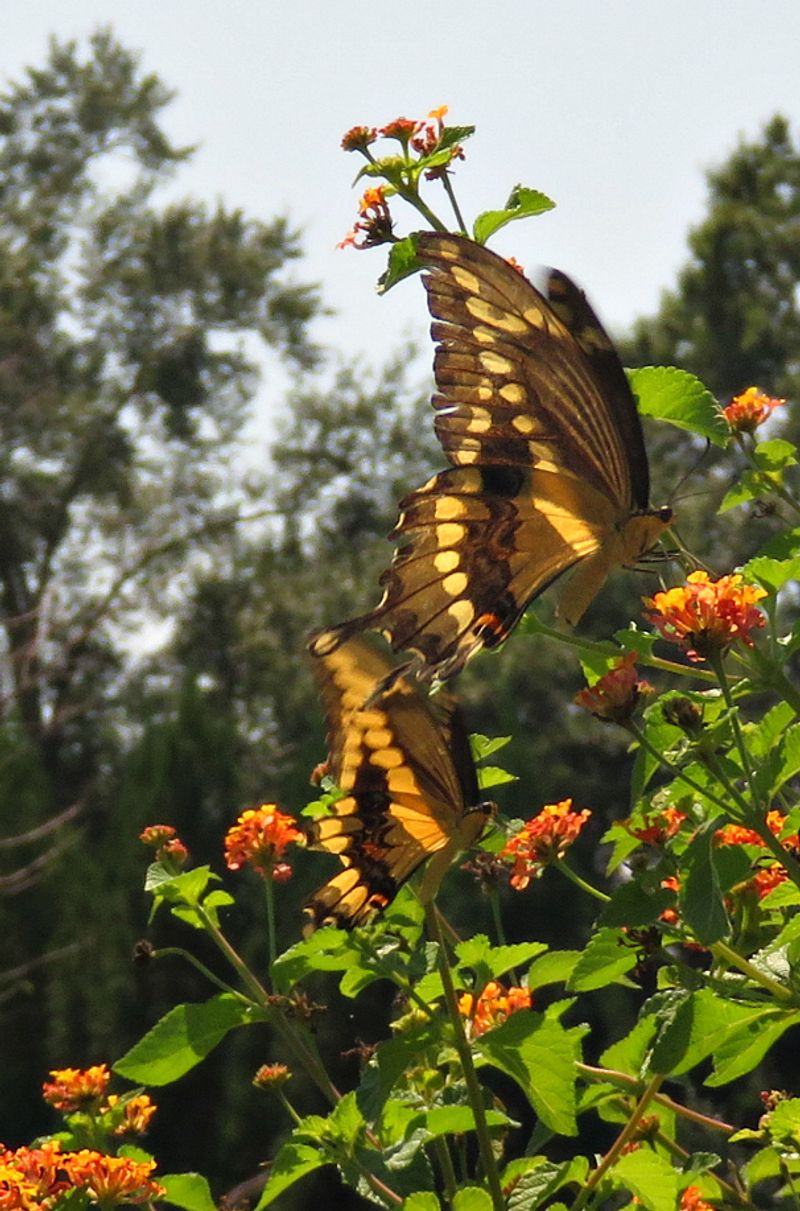
Swallowtails are not just passing through when they land on certain plants. They are looking for a place to lay eggs.
Without the right host plants, a garden is just a rest stop.
Female swallowtails are picky about where they deposit their eggs. Each species has preferred plants.
Eastern tiger swallowtails favor wild black cherry, tulip poplar, and sweetbay magnolia. Pipevine swallowtails need Dutchman’s pipe.
Spicebush swallowtails rely heavily on spicebush and sassafras.
Planting even one or two of these native species can shift your garden from occasionally visited to consistently active. Native plants tend to be easier to maintain in this region because they are already adapted to local soil and rainfall patterns.
One thing worth knowing: caterpillars will feed on these plants. Some gardeners get alarmed when they see chewed leaves.
That feeding is actually a sign the cycle is working.
Mixing host plants throughout your yard rather than grouping them in one spot tends to attract more activity. Butterflies scan wide areas when searching for egg-laying sites.
Spreading plants out gives them more reason to explore your entire garden.
If you are starting from scratch, spicebush is a solid first choice. It grows well across much of the Southeast, handles partial shade, and supports multiple swallowtail species.
2. Nectar Rich Flowers Attract Adult Butterflies
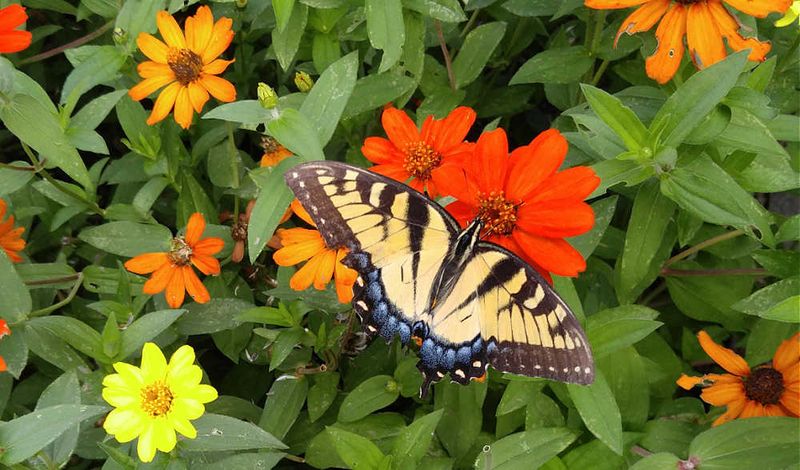
Adult swallowtails run on nectar. Without reliable nectar sources, they move on fast.
A garden that blooms from spring through fall gives them a reason to return regularly.
Certain flowers pull swallowtails in more reliably than others. Lantana is one of the strongest attractors in warm climates.
Zinnias, coneflowers, ironweed, and Joe-Pye weed are also consistently effective. Native wildflowers tend to outperform many hybrid ornamentals because they hold more nectar per bloom.
Bloom timing matters a lot. If your garden peaks in June but goes quiet by August, you will lose butterflies during the hottest stretch of summer.
Staggering your plantings so something is flowering from early spring through late fall keeps the garden productive for a longer window.
Red, orange, yellow, and purple flowers tend to draw more attention from swallowtails. These colors are highly visible to butterfly eyes, which perceive a broader spectrum than humans do.
Plant flowers in clusters rather than scattering single plants around. A dense patch of blooms is far more visible from above than isolated stems.
Your Georgia Garden Changes Every Week. Your Plan Should Too.
Gardening in Georgia changes quickly throughout the season. Every Friday you’ll receive a simple weekly plan showing exactly what to plant, prune, fertilize, harvest, and protect so you never miss the right timing.
Butterflies often spot feeding sites from a distance while flying, so size of the display matters.
Avoid heavily hybridized double-petaled flowers. These varieties often look showy but produce far less accessible nectar.
3. Sunny Locations Help Butterflies Stay Active
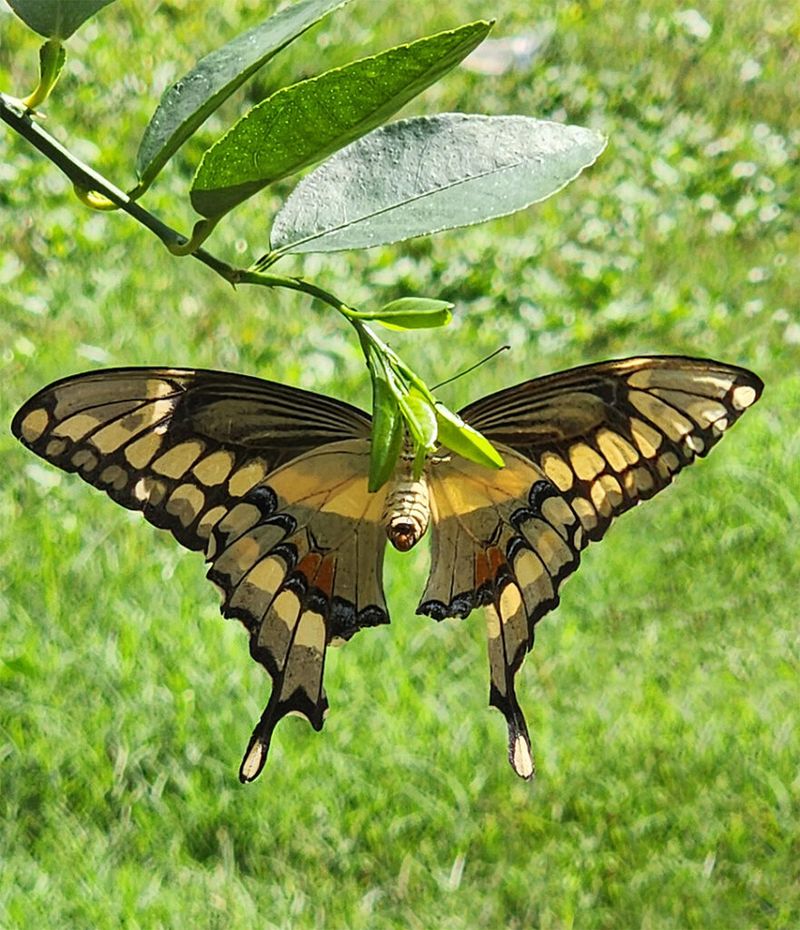
Butterflies are cold-blooded. Sunshine is not just pleasant for them.
It is fuel. Without enough warmth, they cannot fly well or forage efficiently.
Gardens planted in full sun for at least six hours daily tend to attract far more butterfly activity than shaded yards. Swallowtails are especially drawn to open, warm spaces where they can move freely and warm up quickly in the morning.
Shaded gardens are not hopeless, but they do require some adjustment. Even a partially shaded yard can work if you carve out sunny pockets near south or west-facing edges.
Butterflies will concentrate activity in those warmer zones.
Morning sun is particularly valuable. Swallowtails often begin foraging earlier in the day when east-facing areas warm up first.
A garden that catches morning light can see activity start an hour or two before a west-facing yard of the same size.
Wind also plays a role. Open sunny spots that are sheltered from strong wind create ideal conditions.
Butterflies struggle to feed or land when gusts are strong. Hedges, fences, or shrub borders on the windward side can reduce turbulence without blocking light.
In Georgia’s summer heat, some afternoon shade can actually be beneficial. Extreme midday temperatures occasionally push butterflies into brief resting periods.
4. Shallow Water Sources Support Daily Needs
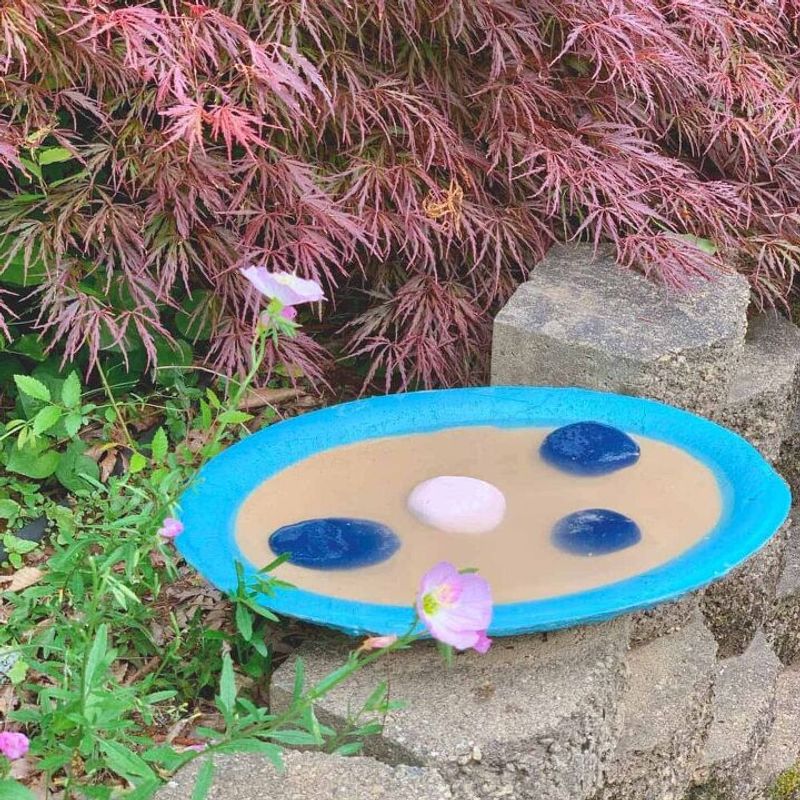
Butterflies need water, but not in the way most people expect. A deep birdbath is not what they are after.
Shallow, muddy puddles are far more useful to them.
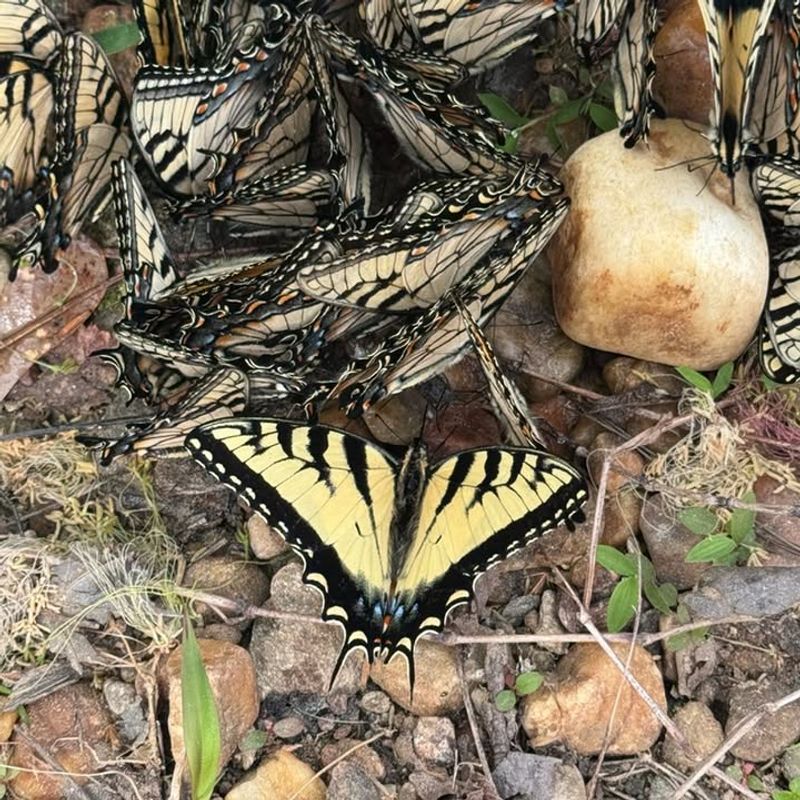
Puddling is a real behavior. Male swallowtails especially gather at wet, mineral-rich soil to drink.
They absorb sodium and other nutrients that are hard to get from nectar alone. Sandy or muddy puddle spots near garden beds can draw groups of butterflies on warm mornings.
Creating a puddling station is straightforward. Fill a shallow dish or tray with coarse sand, add a small pinch of sea salt or wood ash, and keep it consistently moist.
Place it in a sunny, open spot where butterflies can approach without feeling crowded.
Avoid deep water containers. Butterflies cannot use them safely and they pose a risk of drowning.
Flat surfaces with barely enough water to dampen the sand work best. Refresh the moisture every day or two during dry stretches.
Natural puddles along garden paths or low spots that collect rainwater can serve the same purpose. If your yard has a low area that stays damp after rain, consider leaving it as is rather than filling it in.
That natural feature may be more valuable than any planted element.
5. Fewer Pesticides Make Gardens More Welcoming
Pesticide exposure is one of the most common reasons butterflies stop visiting a garden. Even products labeled as targeted or low-impact can affect caterpillars and adult butterflies if applied at the wrong time or place.
Systemic insecticides are particularly problematic. These chemicals absorb into plant tissue, including pollen and nectar.
A butterfly feeding on treated flowers can be exposed without any direct spray contact. Many popular lawn and garden treatments fall into this category.
Reducing or stopping pesticide use in areas where you want butterfly activity tends to produce noticeable results relatively quickly.
Beneficial insect populations often recover within a season or two once chemical pressure is reduced, though results vary depending on what is being used and how often.
Spot-treating specific pest problems rather than blanket spraying is a more targeted approach. Hand-removing caterpillars that are causing real damage, or using physical barriers, keeps pest pressure manageable without broad chemical exposure.
Neem oil and insecticidal soaps are sometimes promoted as safer alternatives, but they can still harm butterfly larvae and adults on contact. Timing and placement matter even with these products.
Avoid applying anything to flowering plants during peak butterfly activity hours.
Neighboring yards can also affect your garden.
If nearby properties use heavy pesticide programs, you may see fewer butterflies regardless of what you do on your own land.
6. Flat Rocks Give Butterflies A Place To Bask
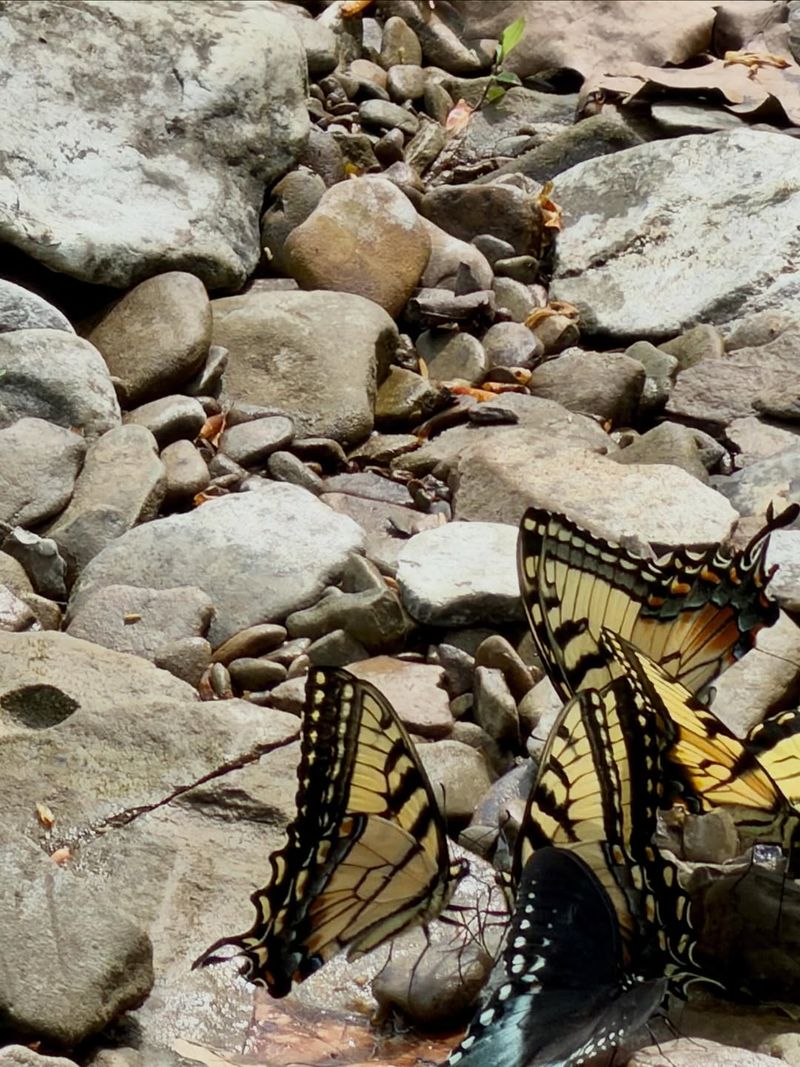
Flat rocks do more work in a butterfly garden than most people realize. Swallowtails use them to absorb heat, which raises their body temperature fast enough to resume flying and feeding after cooler periods.
Dark-colored stones absorb and hold heat more effectively than light ones. Slate, dark granite, or natural fieldstone placed in full sun can reach temperatures that butterflies actively seek out, especially in early morning or after overcast spells.
Placement matters. Rocks positioned near nectar plants give butterflies a convenient warm-up spot right beside a food source.
A butterfly that can bask and feed within a short distance is more likely to stay in your garden longer rather than moving on.
Larger flat surfaces work better than small stones. A rock the size of a dinner plate gives a butterfly room to spread its wings fully while basking.
Swallowtails have wide wingspans, and cramped surfaces are less attractive to them.
Grouping two or three flat rocks together creates a basking area that can support multiple butterflies at once. On warm sunny mornings in late spring, it is not unusual to see several swallowtails using the same stone cluster within a short window of time.
Rocks also provide a natural look that blends well into most garden styles.
7. Leave Caterpillar Host Plants Undisturbed
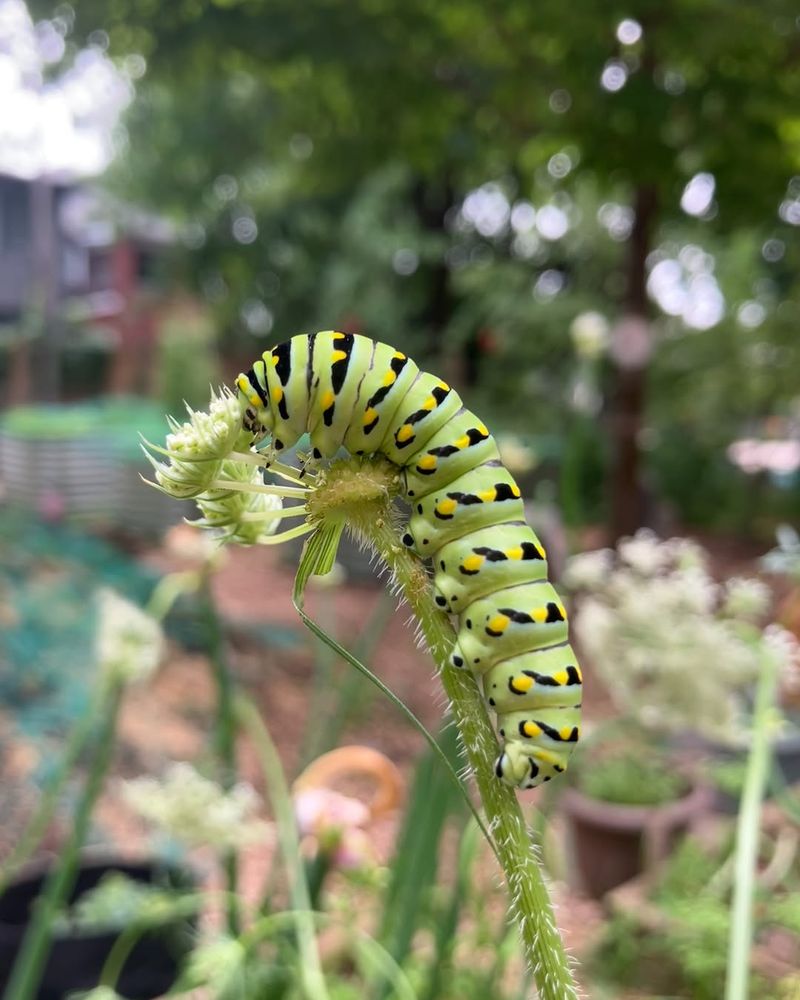
Spotting caterpillars on your plants can feel alarming at first. Resist the urge to remove them.
Those caterpillars are the next generation of butterflies your garden has been working to attract.
Swallowtail caterpillars are well camouflaged. Early instars often resemble bird droppings, which keeps them from being noticed by predators.
Later instars turn green with eyespots and blend into foliage surprisingly well. If you are not looking carefully, you can miss them entirely.
Leaving host plants alone during the growing season is one of the simplest things you can do to support a healthy butterfly population in your yard. Pruning, trimming, or moving plants while caterpillars are present disrupts the cycle at a critical stage.
Host plants do not need to look perfect. Some leaf damage is expected and normal.
A spicebush with chewed foliage is doing exactly what it is supposed to do. Judging garden plants by appearance alone can lead to removing the most productive habitat you have.
Wait until late fall or winter to do major pruning on host plants, after the season’s last generation has pupated. Some pupae overwinter on stems and branches, so even winter pruning should be done with care and awareness.
In Georgia, multiple swallowtail generations can emerge across a single growing season.