Keep Your Garden Blooming All Season With This Habit
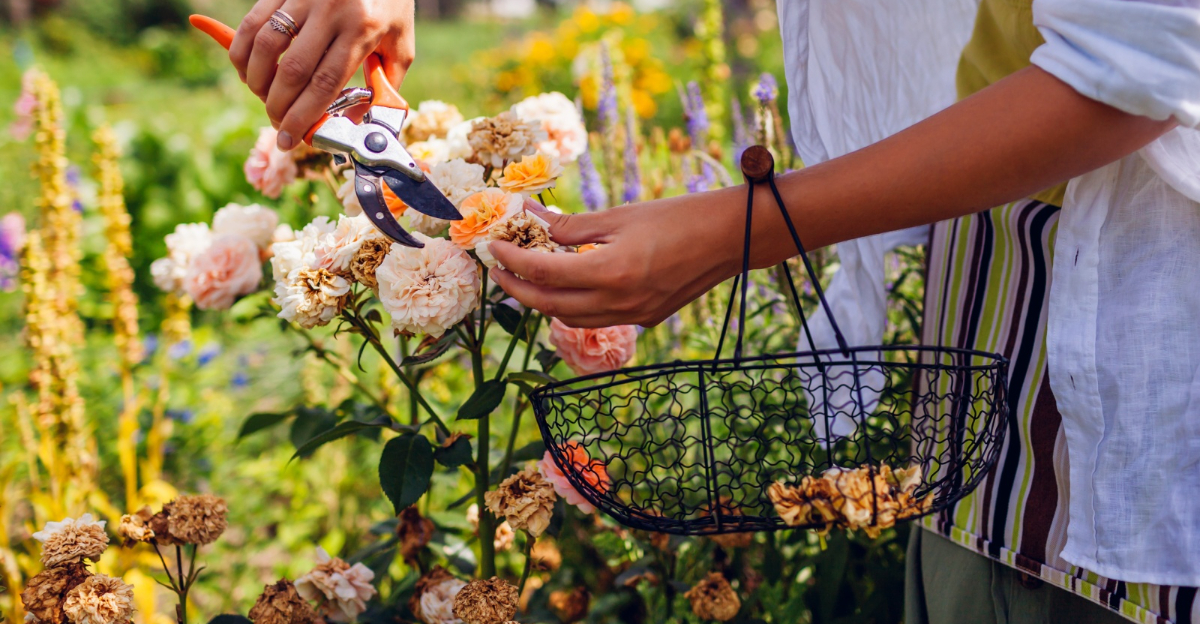
Your bouquet fades within days, and you don’t know why. Wilting flowers feel discouraging, but it isn’t your fault.
Florists guard a habit most home gardeners never learn. Texas growers use it to stretch blooms for weeks.
Gardeners in Texas call it their quiet advantage. Nothing about it involves fertilizer, chemicals, or pricey tools.
Certain blooms rebloom within days after correct cuts. Instead, it involves trimming away what’s already spent.
That simple act sends a signal straight to the plant. Growth doesn’t pause; it accelerates, pushes forward, keeps unfolding.
Petals soften, stems tire, but new buds keep forming underneath. You control that outcome more than you think.
Pots on a balcony respond exactly like sprawling backyard beds. Timing matters, technique matters, and confidence matters most.
These flowers respond instantly once you commit to the change. Continue, and you’ll never look at a fading flower the same way again.
What This Simple Change Actually Is
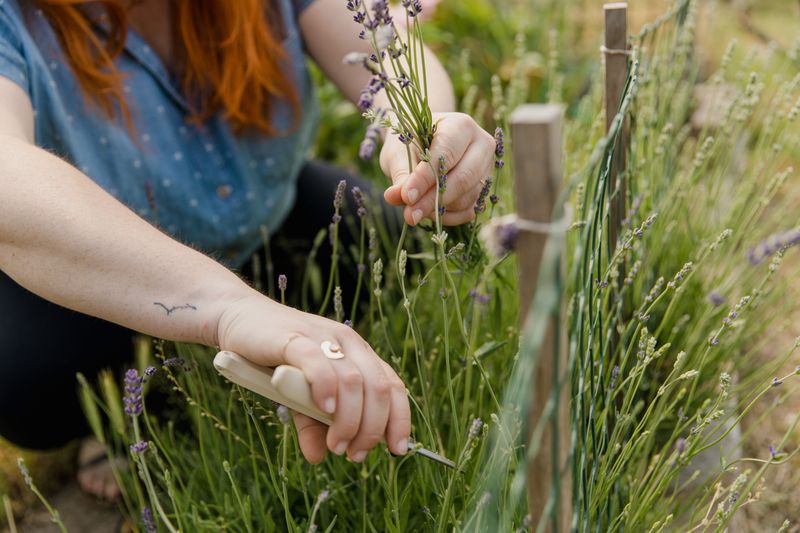
Your flowers show visible signs every day. When a bloom starts to fade, the plant shifts its energy toward making seeds instead of new flowers.
Removing spent blooms interrupts that seed-making process. It redirects the plant’s energy back toward producing fresh, vibrant blossoms.
This tiny habit change keeps flowers fresh for weeks by tricking the plant into thinking its job is not done. The plant responds by pushing out more buds.
You do not need any special skills to start. All you need is a pair of clean scissors or your fingers, and a few minutes each week.
Think of it like editing a document. You cut the weak parts so the strong parts can shine brighter and last longer.
Removing spent blooms works on both cut bouquets and garden plants growing in the ground. The principle stays the same across both settings.
For bouquets, you remove wilted blooms from the arrangement. For garden plants, you pinch or snip fading flowers right at the stem.
Gardeners who try this often notice fuller, brighter blooms within the same season. Suddenly their gardens look more alive than before.
It typically takes just a few minutes per plant each week, depending on garden size. That small time investment pays off with weeks of extra color and life.
Once you understand what this actually does, you will never look at a wilting flower the same way again.
Why Removing Spent Blooms Helps Flowers Last
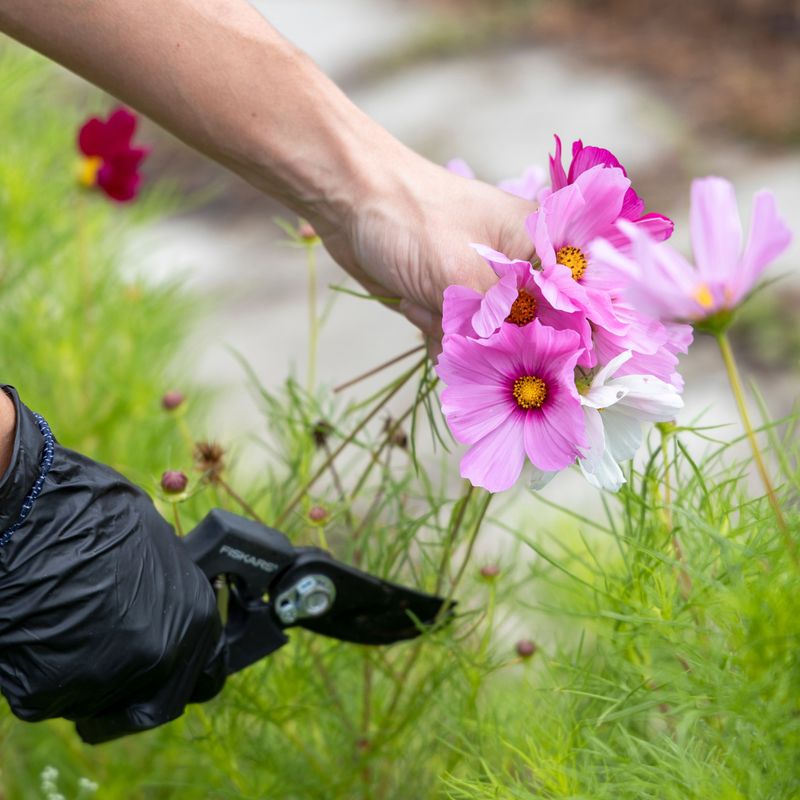
Plants are survival machines with one major goal. That goal is to reproduce, and flowers are just the tool they use to get there.
Once a flower gets pollinated and starts forming seeds, the plant considers its mission complete. It stops pushing energy into new blooms and focuses entirely on those seeds.
Removing spent blooms interrupts that cycle before it fully starts. You remove the fading bloom before seeds form, leaving the plant responding as if reproduction hasn’t yet happened.
The plant behaves as though it failed to reproduce. So it tries again by sending up fresh new buds.
Many gardeners find that consistently removing spent flowers can extend a blooming season by several weeks.
The extra blooms often make a noticeable difference by the season’s end. This is not just about looks, either.
Removing old blooms also prevents the spread of mold and fungal issues that love to grow on decaying petals. Fading flowers attract pests like aphids and gnats. Clearing them away keeps your garden cleaner and healthier overall.
For cut flowers in a vase, pulling out wilted stems gives the remaining blooms more water and nutrients. Less competition means longer life for the ones still standing.
The science behind this habit is straightforward and proven. You are simply working with the plant’s natural instincts rather than against them.
Understanding the why makes you more consistent with the habit. Consistency is what turns a good idea into genuinely longer-lasting, fresher flowers.
How To Trim Flowers The Right Way
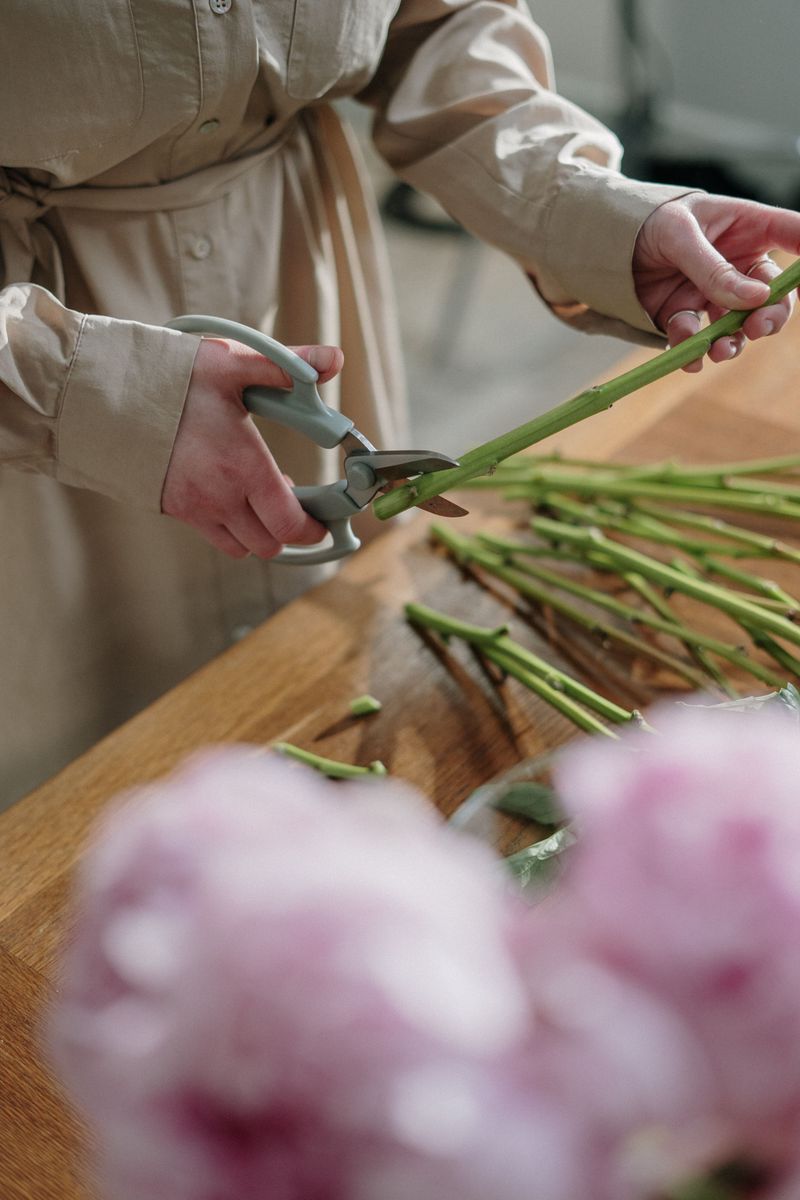
Technique actually matters here. Cutting in the wrong spot can stress the plant and slow down new growth instead of encouraging it.
For most flowers, you want to cut just above the first set of healthy leaves below the spent bloom. That node is where new growth will emerge.
Do not just yank the petals off. Pulling carelessly can tear the stem and leave an open wound that invites bacteria and disease.
Clean cuts heal faster and cleaner. Always use scissors or pruning shears that have been wiped down with rubbing alcohol before you start.
For delicate flowers like pansies or petunias, pinching with your fingernails works perfectly well. Press firmly and snap cleanly right below the faded bloom.
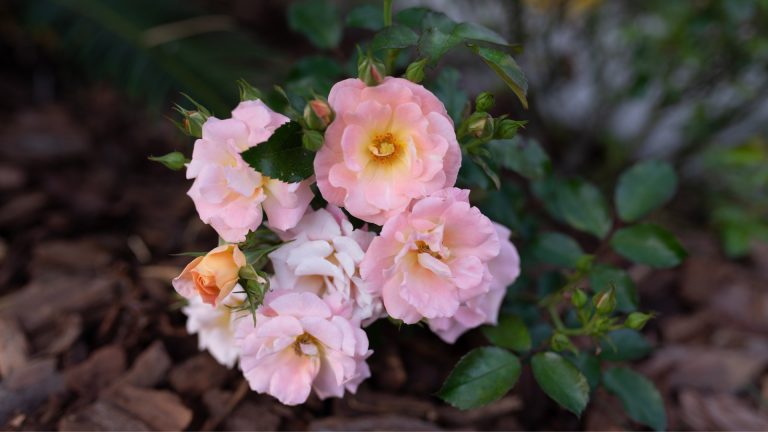
Roses require a slightly different approach. Cut at a 45-degree angle, about a quarter inch above an outward-facing leaf cluster with at least five leaves.
That angled cut prevents water from pooling on the stem, which reduces rot risk. The outward-facing direction encourages the new branch to grow away from the center.
For vase arrangements, remove wilted stems completely from the water. Trim the remaining stems at an angle before returning them to the vase.
Change the vase water every two days while you are at it. Fresh water combined with proper trimming is a highly effective combination for bouquet longevity.
The right technique feels natural after just a few tries. Soon your hands will know exactly where to cut without even thinking about it.
Best Time To Do This In Your Garden
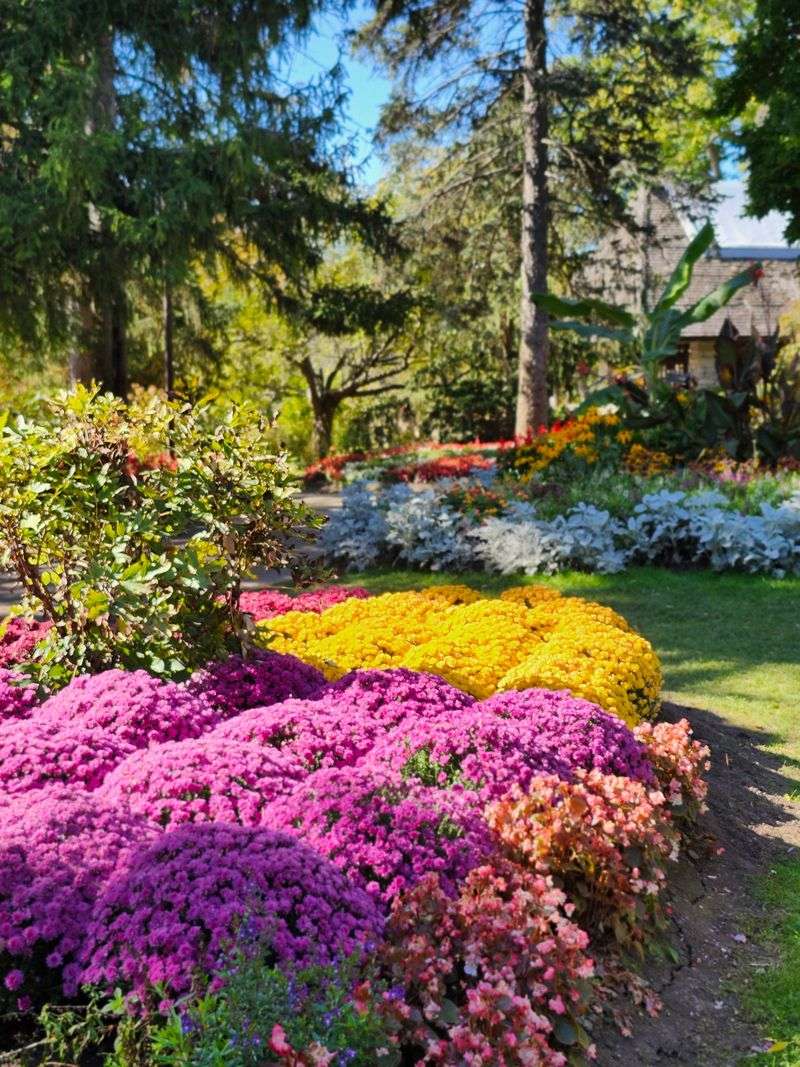
Timing is not everything, but it is a lot. Doing this task at the right moment in the day makes a real difference for your plants.
Early morning is the best time to remove garden flowers. The temperatures are cooler, the plant is hydrated from overnight, and stress on the stems is minimal.
Avoid trimming in the middle of a hot afternoon. Heat causes plants to lose moisture fast, and cutting during peak heat adds unnecessary stress to the system.
Evening is a decent second choice if mornings do not work for your schedule. Just make sure you are not leaving wet cuts exposed overnight in humid conditions.
In terms of frequency, check your garden every three to four days during peak blooming season. Blooms fade quickly in summer heat, and staying ahead of them matters.
Spring and early summer call for more frequent check-ins. Growth is rapid during these months, and spent blooms appear faster than you might expect.
Late summer and early fall require a shift in strategy. As frost season approaches, many gardeners stop removing spent blooms and let some blooms go to seed.
Those seeds feed birds during winter and may produce volunteer plants next spring. Letting nature take over at the right moment is part of smart gardening.
For indoor bouquets, check the arrangement every morning. One wilted stem left too long can speed up the decline of the entire bunch.
Building a quick daily check-in into your morning routine keeps everything looking sharp. Small and consistent beats big and occasional every single time.
Common Mistakes That Slow Down Blooming
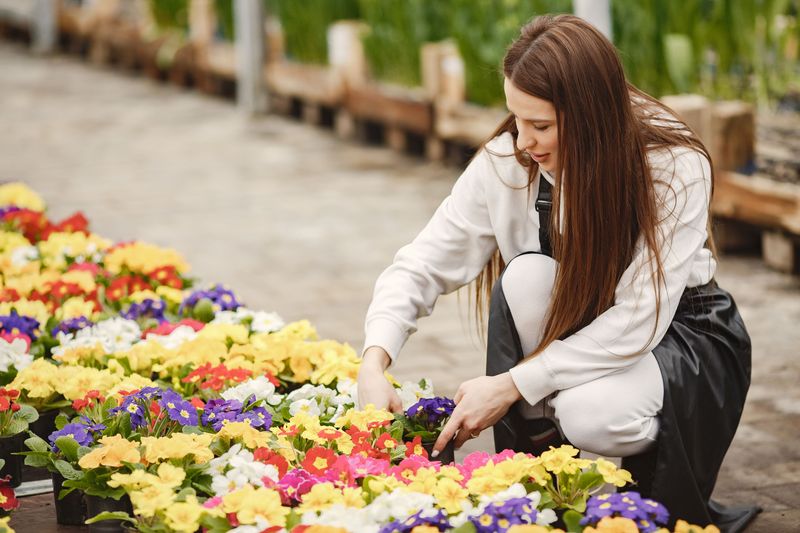
Even well-meaning gardeners make mistakes that quietly reduce their blooms. Knowing what to avoid is just as powerful as knowing what to do.
The biggest mistake is waiting too long. If a bloom has already turned brown and papery, the plant has likely already started forming seeds inside.
Catching flowers at the early fading stage, when petals are just starting to droop or lose color, gives you the best results. Act early and act often.
Another common error is cutting too low on the stem. Removing too much of the plant at once can shock it and slow down new bud production significantly.
Some gardeners also forget to clean their tools between plants. Dirty blades can spread fungal spores or bacteria from one plant to another without you ever noticing.
Skipping the water change in a vase is another sneaky mistake. Old water grows bacteria fast, and that bacteria clogs the stems and blocks water absorption.
Using dull scissors is also a problem many overlook. Dull blades crush rather than cut, creating ragged wounds that take longer to heal and invite disease.
Over-fertilizing after removing spent blooms is a trap some enthusiastic gardeners fall into. Too much fertilizer pushes leafy growth instead of flowering, which is the opposite of the goal.
Finally, neglecting to remove fallen petals from the soil invites mold. Decomposing petals on the ground create a moist environment where fungal problems thrive.
Avoiding these habits turns a good routine into a great one. Your blooms will be noticeably fuller and longer-lasting when you stop the small mistakes.
Extra Tips For Even Longer-Lasting Flowers
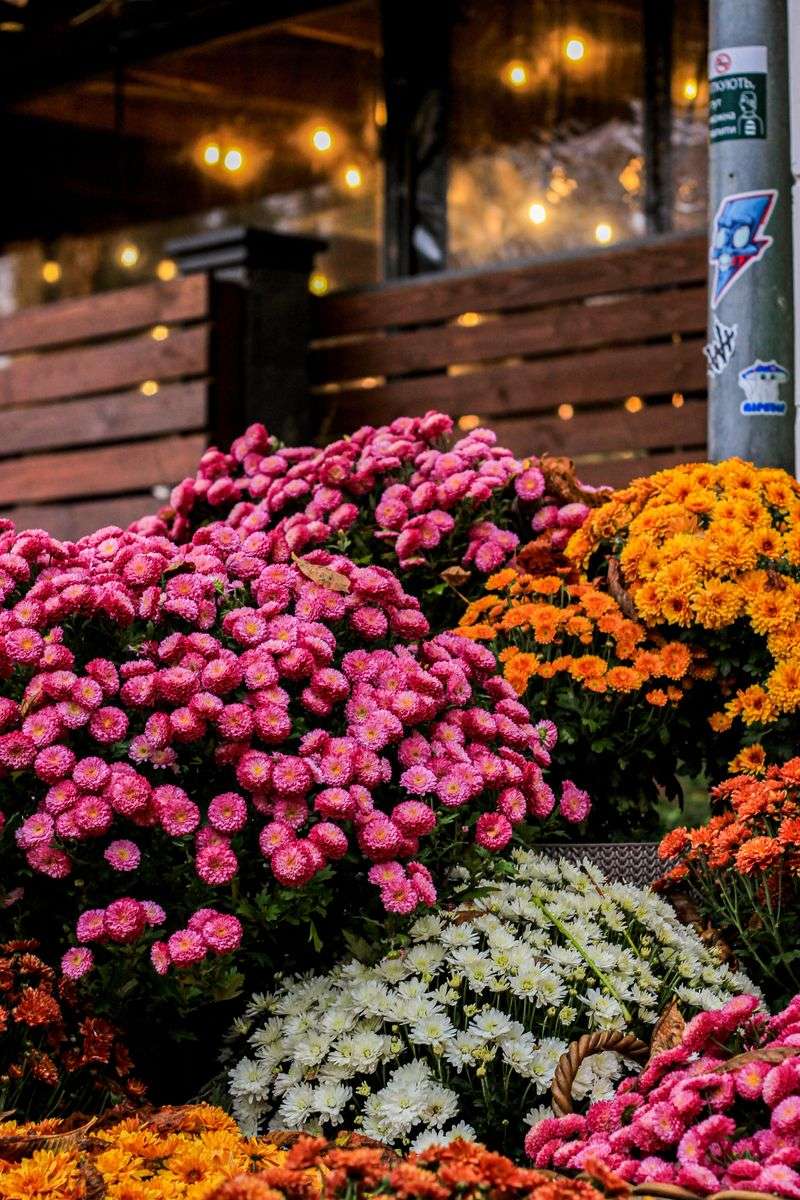
You have got the habit down, and now you want to push your results even further. A few extra tricks can add days or even weeks to your flower life.
Start with clean vases every single time. Residue from old arrangements harbors bacteria that affects fresh stems the moment you place them in the water.
Add a flower preservative packet to your vase water. Those tiny packets contain sugar for energy, acid to balance pH, and a mild biocide to slow bacterial growth.
No packet on hand? Mix one teaspoon of sugar, one teaspoon of white vinegar, and a half teaspoon of bleach into a quart of water. It works surprisingly well.
Keep your bouquets away from direct sunlight and heating vents. Both accelerate water loss and cause petals to wilt faster than normal conditions would allow.
For garden plants, a light layer of mulch around the base helps retain soil moisture. Consistent hydration supports longer, stronger blooms from the roots up.
Watering in the morning rather than evening also helps. Wet foliage overnight encourages mildew and fungal growth that weakens flowering stems over time.
Pairing this habit with a light feeding of balanced fertilizer every two weeks improves results. Look for a formula with equal nitrogen, phosphorus, and potassium numbers.
Grouping plants with similar water needs together reduces stress across the whole garden bed. Less stress means more energy directed toward producing beautiful blooms.
This tiny habit change keeps flowers fresh for weeks when paired with these supporting steps. A little extra care creates a garden that looks consistently vibrant all season long.