These Are The Signs Your Pennsylvania Garden Soil Has Been Compacted For Too Long
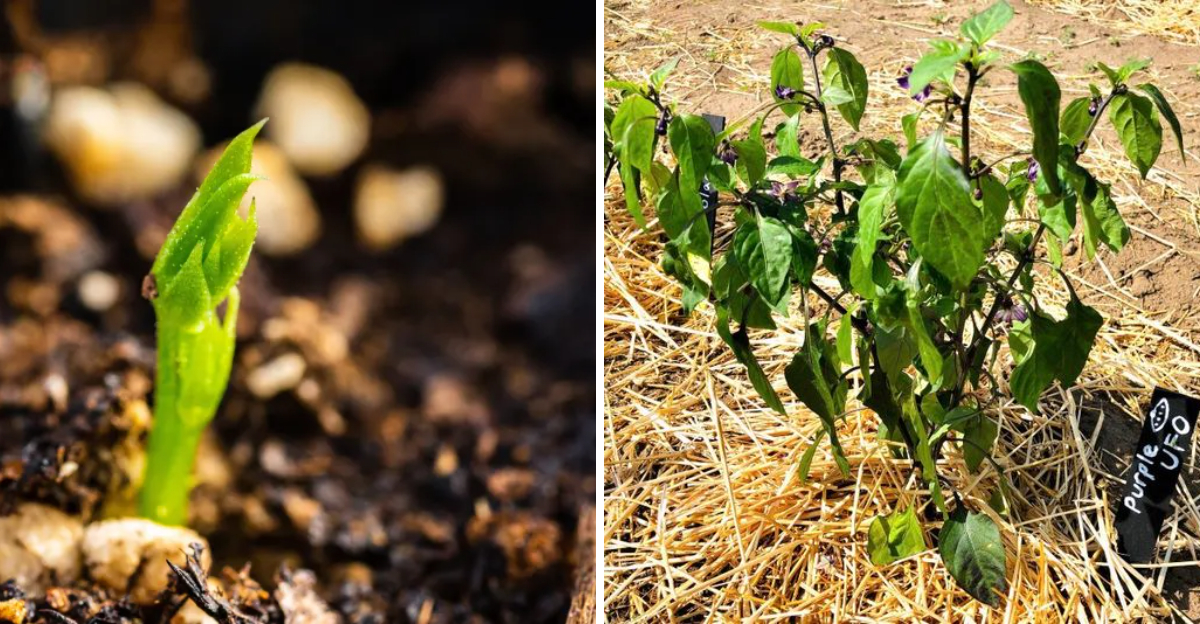
Soil compaction is one of those garden problems that develops slowly, shows up subtly, and gets blamed on everything else before the real culprit gets identified.
Plants that seem to struggle without obvious cause, water that puddles instead of soaking in, beds that produce less each season despite regular fertilizing and care.
Most Pennsylvania gardeners have experienced at least some of these symptoms without ever connecting them to what’s happening just beneath the surface. Compacted soil is more common in Pennsylvania gardens than most people realize.
Foot traffic, heavy rain, clay rich soil, and years of working beds without attention to soil structure all contribute to compaction that gradually chokes out the air pockets and drainage capacity roots depend on. And once compaction sets in, it compounds.
The longer it goes unaddressed, the harder it becomes for plants to establish, for water to move properly, and for the soil biology that healthy gardens depend on to function at all.
Here’s how to recognize the signs that your Pennsylvania garden soil has been compacted for too long and what to do about it.
1. Rainwater Pools Or Runs Off Instead Of Soaking In
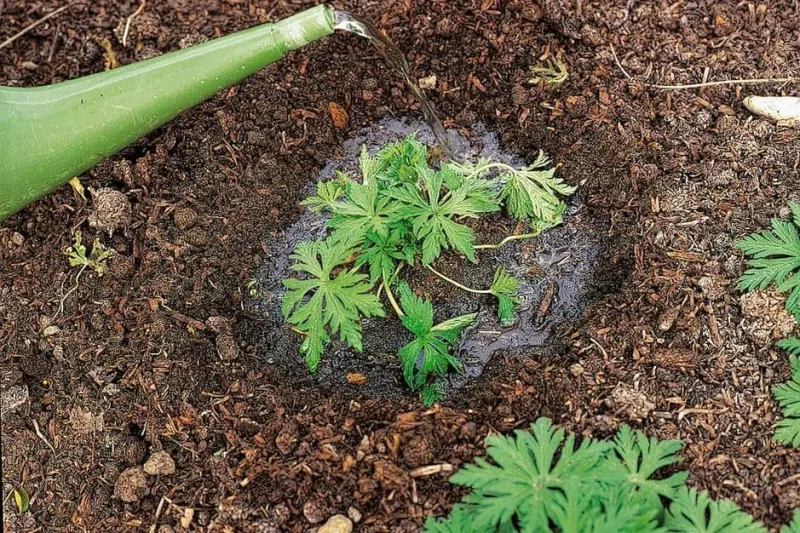
Have you ever stepped outside after a good Pennsylvania rainstorm and found your garden looking more like a shallow pond? That is one of the clearest signals that your soil has a serious compaction problem.
Healthy soil acts like a sponge. It soaks up rainwater quickly and holds it where roots can actually reach it.
Compacted soil is a completely different story. When soil particles get squeezed together too tightly over time, the tiny air pockets between them disappear.
Those air pockets are what allow water to move downward through the soil. Without them, water has nowhere to go, so it just sits on the surface or runs off toward the nearest low spot in your yard.
In Pennsylvania, this problem gets worse because many areas have naturally clay-rich soil. Clay particles are very fine and pack together easily, especially after repeated foot traffic, heavy rain, or years of not being amended.
Once compaction sets in, even a moderate rainstorm can leave your garden waterlogged on top while staying bone dry just a few inches below.
Runoff is just as damaging as pooling. When water rushes across your garden instead of soaking in, it takes topsoil and nutrients along with it.
Over time, you lose the best part of your soil to erosion. You can test your soil’s infiltration by digging a small hole about twelve inches deep, filling it with water, and watching how fast it drains.
If water is still sitting there after an hour, compaction is likely the reason. Aerating your soil and adding organic matter like compost can open things back up and improve drainage significantly.
2. The Soil Develops A Hard, Crusted Surface
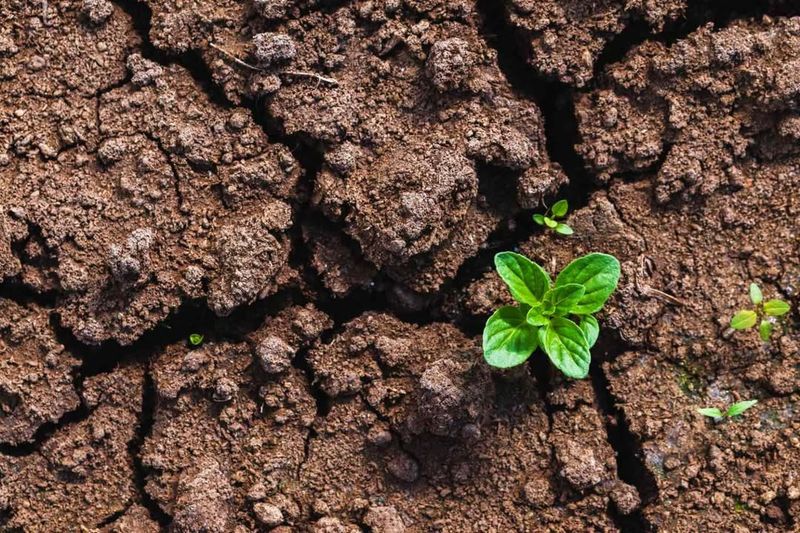
Running your fingers across garden soil should feel like something between soft bread and a damp sponge.
When it feels more like concrete, that hardened crust on top is not just unpleasant to touch. It is a serious warning sign that compaction has been building up for a while.
Your Pennsylvania Garden Changes Every Week. Your Plan Should Too.
Gardening in Pennsylvania changes quickly throughout the season. Every Friday you’ll receive a simple weekly plan showing exactly what to plant, prune, fertilize, harvest, and protect so you never miss the right timing.
Surface crusting usually forms when soil loses its organic matter and structure. Rain hits bare, compacted soil, breaks apart the surface particles, and then the sun bakes everything into a hard shell as it dries out.
In Pennsylvania, this cycle can happen repeatedly throughout spring and summer, especially in vegetable gardens where the ground gets a lot of direct exposure between plantings.
A crusted surface blocks more than just water. It also blocks air from getting into the soil, which roots need just as much as moisture.
Seedlings trying to push through that crust often get stopped completely, which leads to patchy germination and wasted seeds. Even established plants suffer because their roots cannot expand easily into such dense, airless ground.
You can usually spot a crusted surface by pressing a finger or a hand tool into the soil. If it barely makes a dent without real effort, the crust is too thick.
A standard garden fork should slide into healthy soil with reasonable ease. When you need to stomp on it or use serious force, that is your signal to act.
Breaking up the crust with a garden fork or hoe, then mixing in a few inches of compost, can make a noticeable difference quickly. Keeping the soil covered with mulch also helps prevent the crust from forming again after the next rain.
3. Seeds Germinate Unevenly Or Seedlings Fail To Emerge
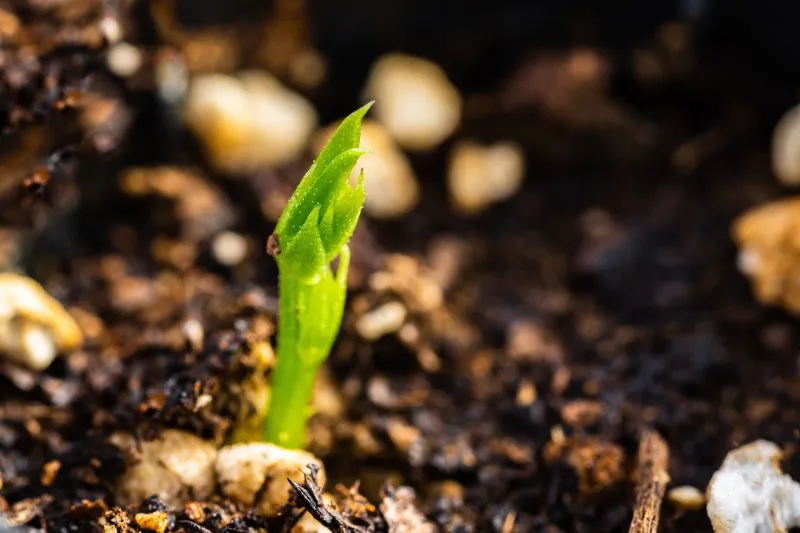
Planting a row of seeds and watching only a few of them come up is one of the most frustrating experiences in gardening. You followed the instructions on the seed packet, watered consistently, and waited patiently.
Yet the results look more like a scattered mess than a tidy row of sprouts. Compacted soil is often the hidden reason behind this kind of uneven germination.
Seeds need three things to sprout successfully: moisture, warmth, and loose soil they can push through. Compacted soil messes with all three.
It holds moisture unevenly, creating dry pockets next to soggy ones. It stays colder longer in spring because dense soil does not warm up as fast as loose, airy soil. And physically, it creates a barrier that tender young shoots simply cannot push past.
Pennsylvania gardeners who plant early crops like lettuce, peas, or radishes often run into this issue in late March and April. The soil may look ready on the surface but be rock solid just an inch or two down.
A seedling only has so much energy stored in its seed. If it spends all of that energy fighting through compacted soil and still cannot break through, it never makes it to the surface.
Loosening the top few inches of soil before planting can make a dramatic difference. A hand cultivator or garden fork works well for smaller beds.
For larger areas, a broadfork lets you loosen soil without fully turning it over, which protects the soil structure underneath. Adding a thin layer of compost before planting also helps by giving seeds a soft, nutrient-rich zone to germinate in.
Consistent watering after planting keeps the surface from crusting over again before seedlings can emerge.
4. Plant Roots Are Shallow, Bent, Or Growing Sideways
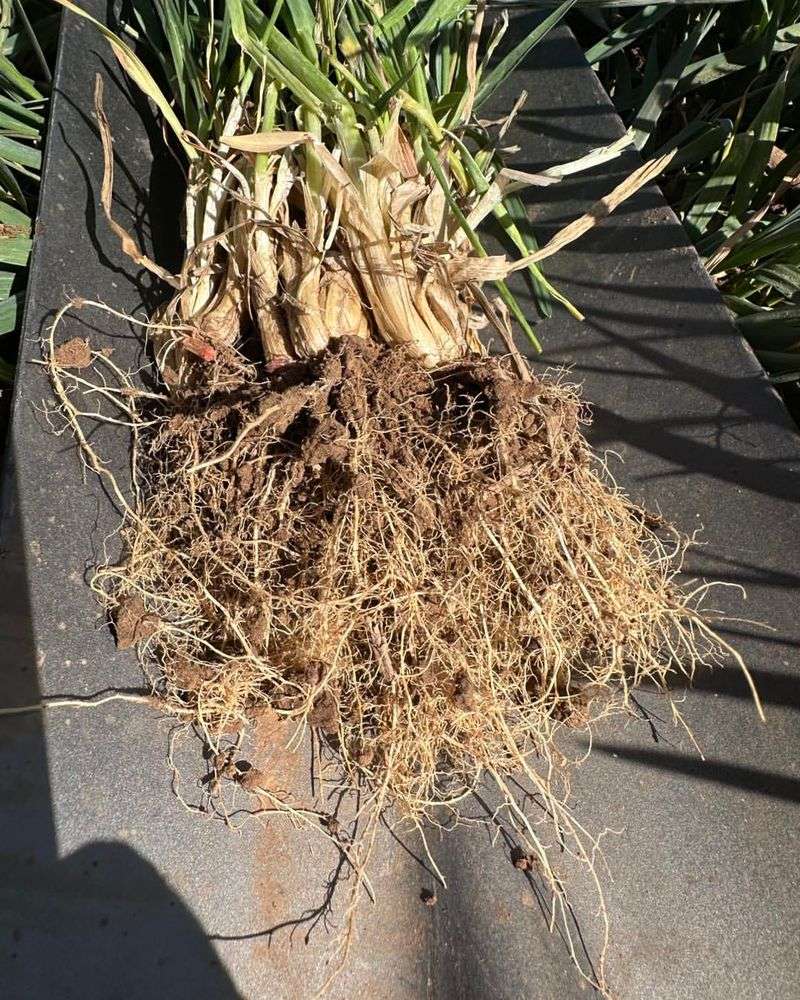
Roots are supposed to grow downward. That is their natural direction, driven by gravity and the search for moisture and nutrients stored deeper in the soil.
So when you pull up a plant at the end of the season and find roots that look more like a tangled mat just below the surface, something went wrong underground.
Compacted soil creates what gardeners and soil scientists call a hardpan layer. This is a zone where soil particles are so tightly packed that roots simply cannot push through.
When a root tip hits that wall, it does not stop growing. Instead, it turns and travels sideways, looking for a path of least resistance.
Sometimes roots curl back on themselves or grow in unpredictable directions that take them away from where the plant actually needs to be anchored.
Shallow roots are a big problem for Pennsylvania gardens, especially during the hot, dry stretches that sometimes hit in July and August. Deep roots can reach moisture stored well below the surface, which helps plants survive dry spells without constant watering.
Shallow roots stay in the top few inches of soil, which dries out fast. Those plants end up needing much more attention just to stay alive.
Checking root depth is easy when you transplant or harvest. Healthy vegetable roots on something like a tomato or pepper plant should reach six to twelve inches down with ease.
If they are all crowded into the top two or three inches and spreading out wide instead of deep, compaction is almost certainly the cause.
Loosening the soil before planting with a broadfork or garden spade gives roots the room they need to grow the way nature intended.
5. Plants Remain Stunted, Weak, Or Pale
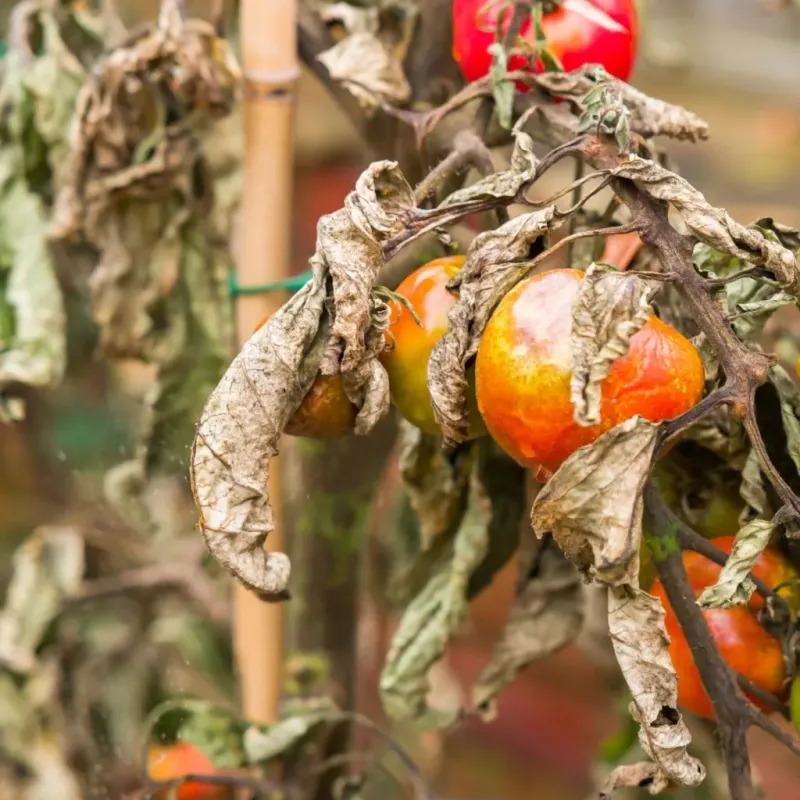
Nothing is more discouraging than doing everything right and still watching your plants look sad. You water them, you fertilize them, you give them plenty of sunlight, and yet they stay small, floppy, and pale while your neighbor’s garden looks lush and full.
Before you blame the seeds or the weather, take a closer look at what is happening beneath the surface.
Compacted soil starves plants in ways that are hard to see from above ground. When soil is too dense, oxygen cannot circulate properly around the roots.
Roots need oxygen just as much as they need water. Without it, they become sluggish and inefficient.
They stop absorbing nutrients effectively, even when those nutrients are sitting right there in the soil.
This is why adding fertilizer to a compacted garden often does not help much. The nutrients are present, but the roots are too stressed to take them in.
Pale or yellowish leaves are a common result. That pale color often signals that the plant is not getting enough nitrogen or iron, not because those elements are absent, but because the root system is too compromised to do its job properly.
Pennsylvania clay soils are especially prone to this issue because clay compacts easily and holds water in ways that reduce oxygen levels even further. Stunted growth in clay-heavy gardens is a familiar frustration for many local gardeners.
The fix involves improving soil structure over time by working in compost, aged manure, or other organic materials. These additions create tiny spaces between soil particles where air and water can move freely.
Over one or two growing seasons, even seriously compacted soil can recover with consistent attention and proper soil care practices.
6. Plants Wilt Unusually Quickly During Dry Weather
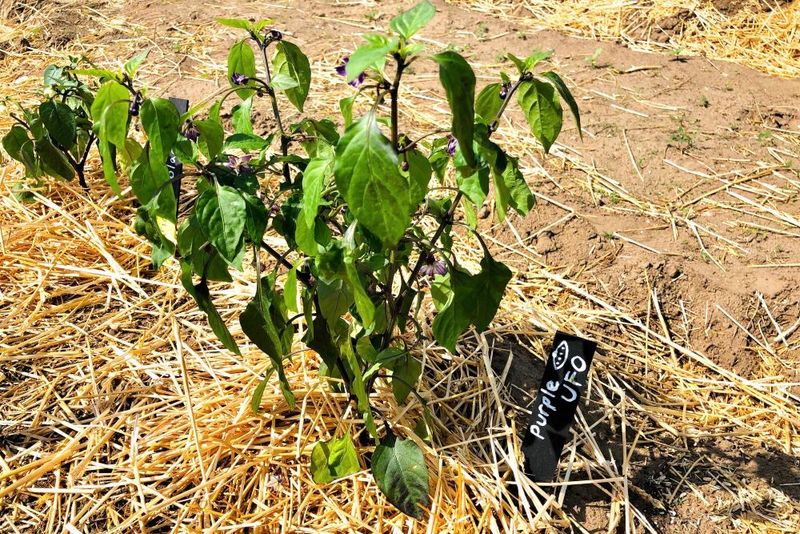
Wilting is normal when temperatures spike on a hot Pennsylvania afternoon. Most plants perk back up once the sun drops and evening cools things down.
But if your plants are wilting by mid-morning, or if they never fully recover overnight, that is not just heat stress talking. That is a root problem, and compacted soil is usually behind it.
Water moves through soil in layers. After a good rain or a thorough watering, moisture soaks downward and gets stored in the deeper layers of soil.
Plants with deep, healthy root systems can tap into that stored moisture during dry stretches. They are like camels, drawing on reserves that keep them going even when the surface is dry and hot.
Plants growing in compacted soil never build that deep root system. Their roots stay shallow because the compacted layer below stops them from going any further.
When the top few inches of soil dry out quickly in warm weather, which they always do, those shallow-rooted plants have nothing left to draw from.
They wilt fast and stay wilted because the moisture they need is sitting just out of reach, on the other side of a dense soil barrier they cannot cross.
Pennsylvania summers can bring stretches of heat and low rainfall that last several weeks. Shallow-rooted plants struggle badly during those times and may need watering every single day just to stay upright.
That is a lot of extra work that good soil structure would make unnecessary. Aerating compacted areas and adding organic matter helps roots go deeper over time.
Using mulch around plants also slows down surface moisture loss, giving shallow roots a bit more time before the top layer dries out completely.