Who Is Responsible If A Neighbor’s Declining Ash Tree Threatens Your Property In Oregon?
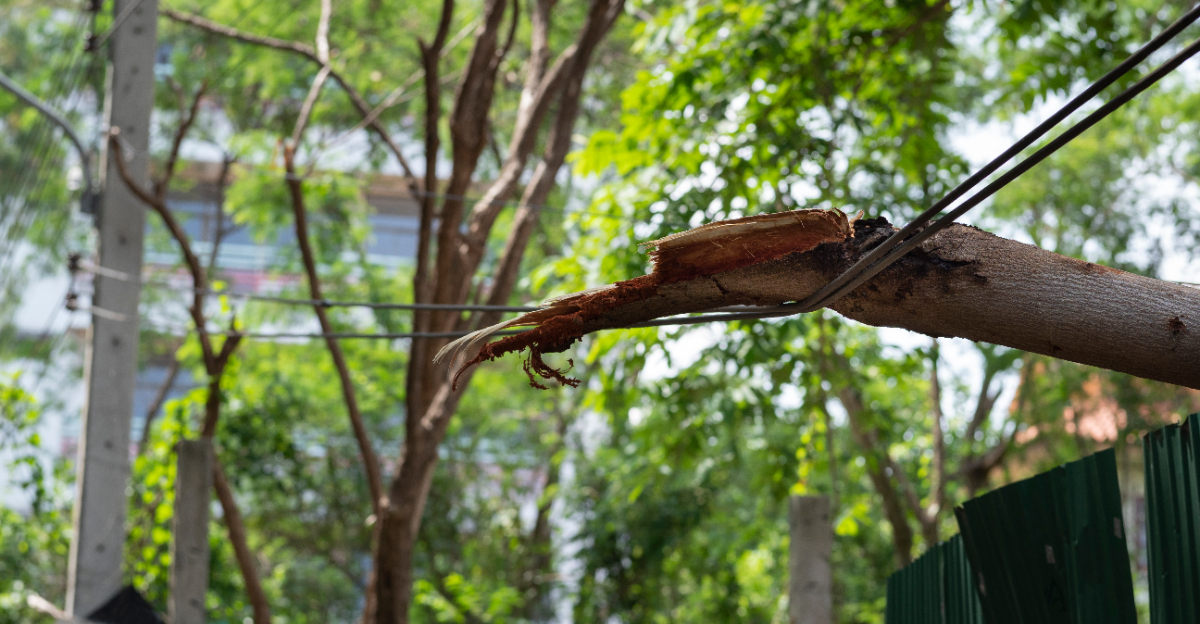
Picture this: your neighbor’s ash tree has seen better days. The bark is peeling in chunks, the branches sag at odd angles, and every windstorm sends you checking your roof three times over.
If that tree comes down on your fence or your car, figuring out who pays can turn into a real headache. Oregon has specific rules about tree liability, and knowing them before a branch actually falls could save you money.
It might also spare you an awkward conversation over the fence line. Here’s what the law actually says.
Ownership Rules That Determine Who Is Legally Responsible
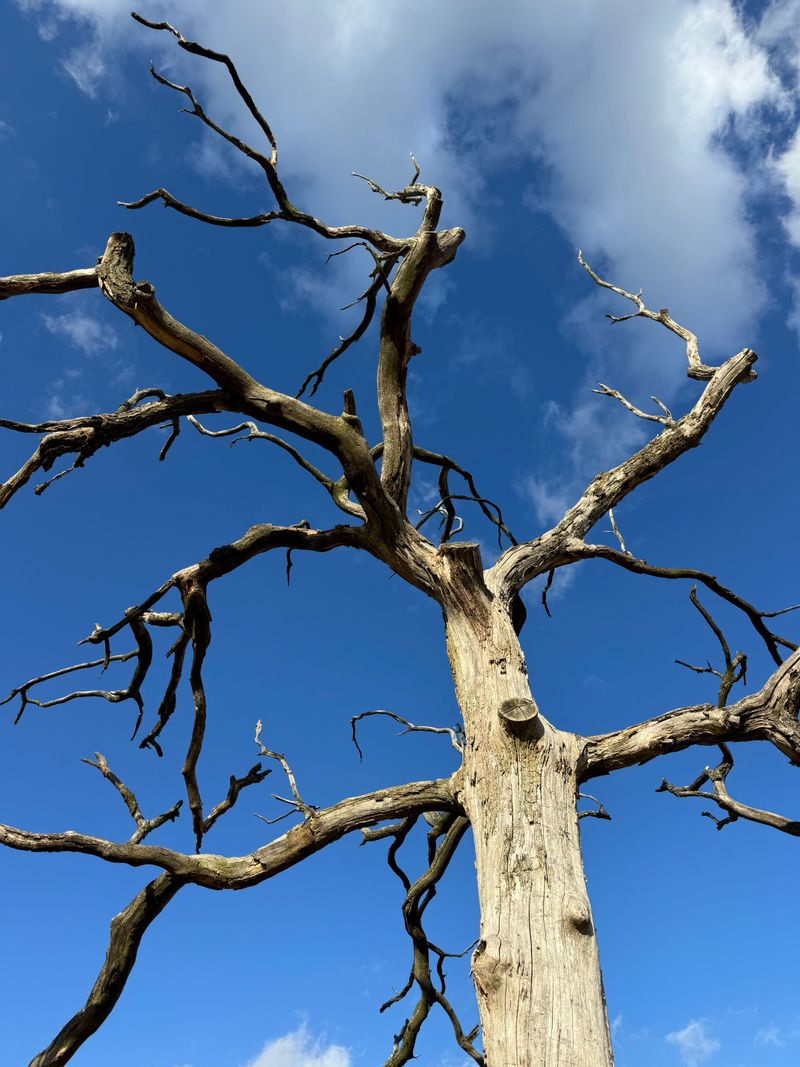
Ownership is everything when a tree causes trouble. In Oregon, the person who owns the land where the trunk stands is the legal owner of that tree.
That sounds simple, but things get complicated fast. If the trunk straddles the property line, both neighbors may share ownership and responsibility.
Oregon courts have consistently held that a tree owner has a duty of care. That means keeping their trees in reasonably safe condition for neighboring properties.
But here is the catch most homeowners miss. Responsibility does not automatically transfer just because a branch hangs over your fence.
The overhanging branches are your problem to trim, up to the property line. You can cut them yourself, but you cannot go onto your neighbor’s land without permission.
Oregon follows what attorneys call the “Hawaii Rule,” which replaced the old common law approach. Under this standard, tree owners can be held liable if they knew or should have known their tree posed a hazard.
That shift matters enormously for ash tree situations. Ash trees across the Pacific Northwest are declining rapidly due to emerald ash borer infestations.
A neighbor who ignores a visibly sick ash tree may be walking straight into legal liability. Knowing who owns the tree is your critical first step.
Storm Damage Versus Negligence
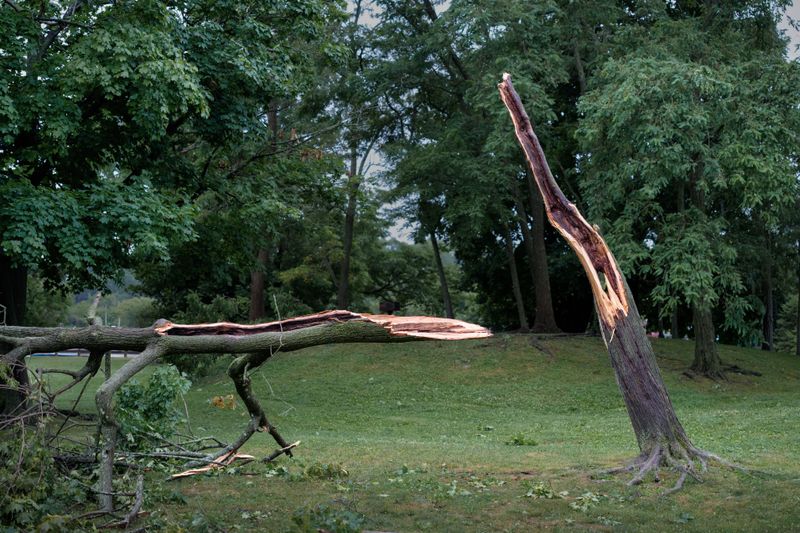
A massive windstorm rolls through Portland, and suddenly your neighbor’s ash tree is resting on your garage. Now what?
Oregon law treats storm damage differently than ordinary negligence. When an “act of God” causes the damage, liability becomes much harder to establish.
Courts generally recognize that no one controls the weather. If a healthy tree falls during an extreme storm, the tree owner may not face legal consequences.
The situation shifts dramatically when the tree was already in bad shape. A rotting, leaning ash tree that falls in a mild rainstorm is a different story entirely.
Insurance adjusters and civil attorneys look at whether the storm was truly extraordinary. A typical Pacific Northwest rain event probably does not qualify as an unforeseeable act of God.
Your neighbor may argue the storm caused the damage, not their neglect. Your job is to show that a reasonable storm should not have toppled a healthy tree.
Photographic evidence of the tree’s condition before the storm becomes gold in these situations. Timestamps, weather records, and arborist reports all help paint the full picture.
Your Oregon Garden Changes Every Week. Your Plan Should Too.
Gardening in Oregon changes quickly throughout the season. Every Friday you’ll receive a simple weekly plan showing exactly what to plant, prune, fertilize, harvest, and protect so you never miss the right timing.
Insurance adjusters ask these same questions when processing your claim. They want to know if the tree was compromised before the storm hit your property.
Storm events complicate liability, but they do not erase it when negligence was already present. The condition of that ash tree before the wind blew is what truly matters here.
Proving Your Neighbor Knew The Tree Was A Risk
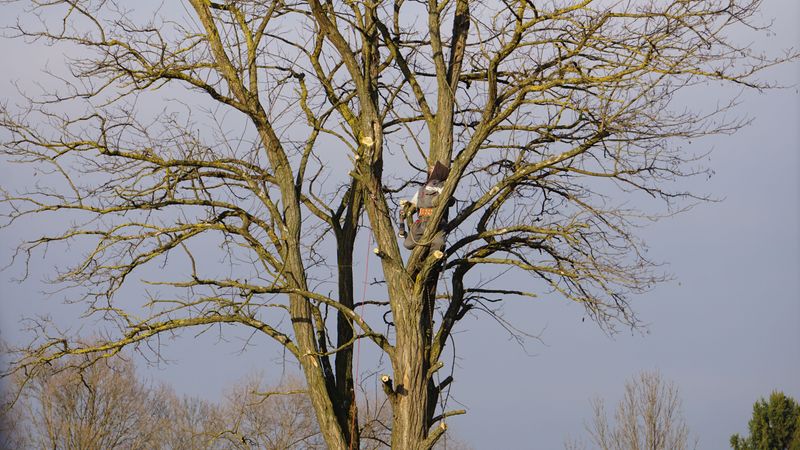
Knowledge is the linchpin of tree liability cases in Oregon. Without proving your neighbor knew the ash tree was dangerous, your legal claim gets very shaky.
Oregon courts have generally held that a tree owner has a duty of care. Your neighbor must have known, or reasonably should have known, that the tree posed a threat.
Sending a written notice is the single most powerful step you can take. A dated letter or email creates a legal record that your neighbor was informed of the hazard.
Keep copies of everything you send. Certified mail with return receipt is even better because it proves delivery beyond any reasonable doubt.
Visual signs of a declining ash tree are hard to dispute. Decaying branches, fungal growth at the base, and bark splitting are all red flags any reasonable person could identify.
An arborist report adds professional weight to your claim. A certified arborist can document the tree’s condition in writing, giving you expert testimony if things escalate.
Neighbors sometimes claim they had no idea the tree was sick. Dated photos showing obvious decay undercut that argument effectively and efficiently.
Local authorities can also create a paper trail for you. Filing a complaint with your city or county puts the concern on official record.
Proving knowledge is not just about winning a lawsuit. It is about building a paper trail strong enough that your neighbor takes the threat seriously before damage occurs.
Steps To Take Before Any Damage Actually Happens
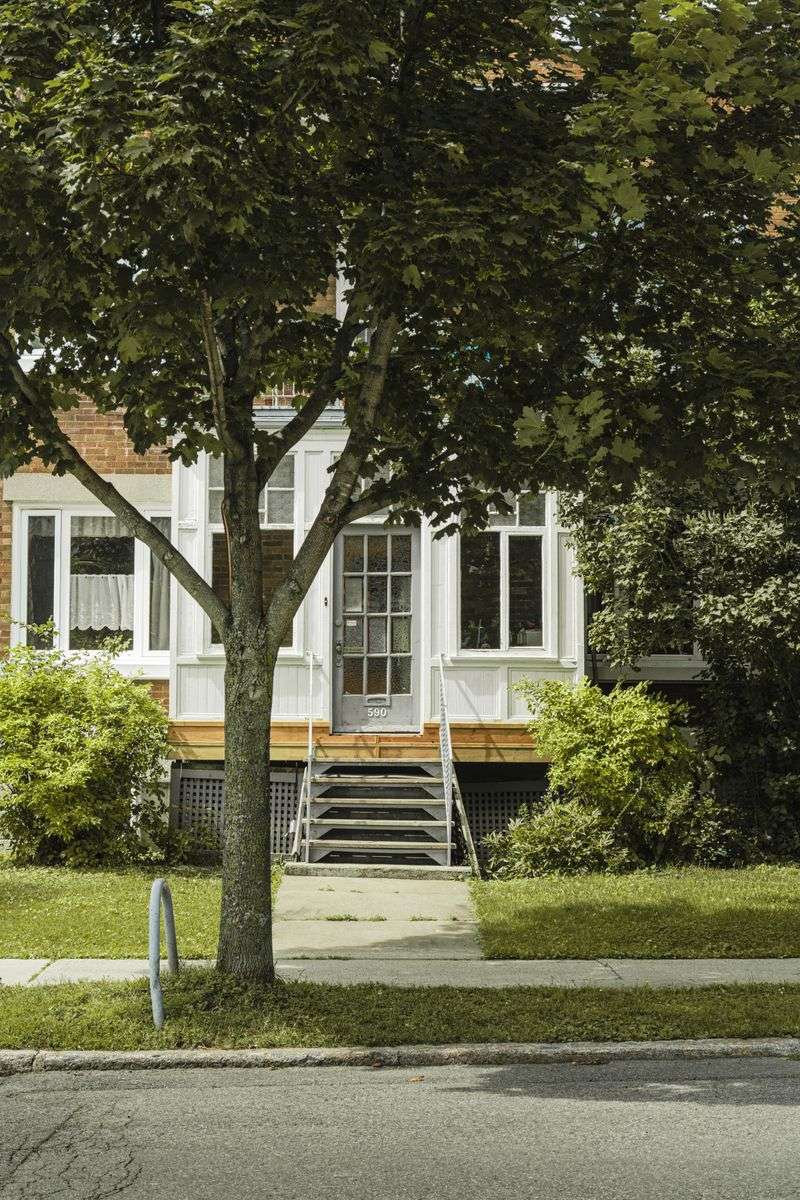
Proactive homeowners sleep better during windstorms, and that is not an accident. Taking action before damage happens puts you in a far stronger legal and financial position.
Start by documenting the ash tree with photos right now. Capture the trunk, branches, bark condition, and any visible signs of disease or pest damage.
Date every photo automatically through your phone’s metadata settings. Courts and insurance companies rely heavily on timestamps when disputes arise.
Next, consult a certified arborist for a professional assessment. An arborist can identify emerald ash borer damage and give you a written evaluation of the tree’s risk level.
Send your neighbor a polite but firm written notice. Describe your concerns clearly, reference the arborist’s findings, and request a response within a reasonable timeframe.
Keep your tone neighborly but your documentation airtight. A friendly letter that goes ignored becomes powerful evidence if the situation escalates to a legal dispute.
Contact your local municipality to ask about tree ordinances. Some Oregon cities require property owners to remove hazardous trees within a set number of days after notice.
Review your own homeowner’s insurance policy carefully. Knowing your coverage limits before a tree falls means you will not be scrambling for answers during a stressful moment.
Taking these steps before any damage happens is the smartest move a homeowner can make. Prevention and preparation together are far cheaper than any lawsuit or repair bill that follows.
Insurance Coverage When The Tree Falls Anyway
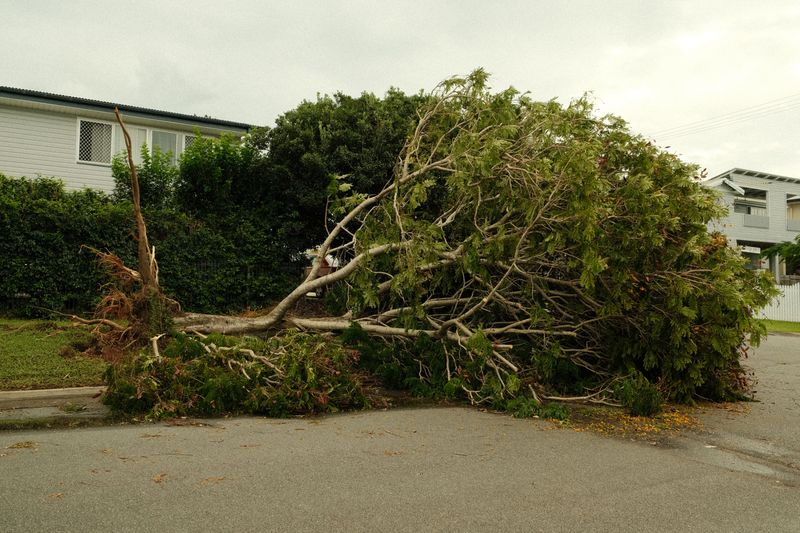
Even when you do everything right, trees fall and roofs crack. Understanding your insurance coverage before that moment arrives is absolutely essential.
Most standard homeowner’s insurance policies in Oregon cover sudden and accidental damage from fallen trees. That typically includes damage to your home’s structure and attached structures like garages.
The tricky part is debris removal. Policies often cap tree removal costs at a specific dollar amount, sometimes as low as five hundred dollars per tree.
If the tree falls but misses your house entirely, many policies will not cover removal costs at all. That distinction surprises a lot of homeowners when they file claims.
Your neighbor’s insurance does not automatically cover your damage either. Unless you can prove negligence on their part, their liability coverage may not apply to your loss.
Filing a claim under your own policy is often the fastest path to getting repairs done. You can always pursue your neighbor for reimbursement afterward through a subrogation process.
Subrogation means your insurance company goes after your neighbor’s insurer on your behalf. It keeps you out of the legal fight while still recovering your deductible eventually.
Comprehensive documentation of the tree’s condition before the fall strengthens any negligence claim your insurer pursues. Gaps in that record weaken the outcome significantly.
Call your insurance agent now and ask specifically about fallen tree coverage. Knowing your policy’s exact limits transforms a crisis into a manageable situation when a neighbor’s ash tree finally gives way.
Documenting Everything In Case A Dispute Follows

Good documentation is the closest thing to a legal superpower that a regular homeowner can have. When disputes arise over a neighbor’s declining ash tree, your records become your strongest ally.
Start a dedicated folder, both physical and digital, for everything related to the tree. Label it with the address, date, and a brief description of the concern.
Photograph the ash tree from multiple angles every few months. Consistent, dated images show a clear progression of decline that is hard for anyone to argue against.
Save every piece of written communication with your neighbor. Texts, emails, and letters all count, and they establish a clear timeline of who knew what and when.
Keep copies of any arborist reports, city complaints, or code enforcement visits. Official documents carry significant weight in both insurance claims and civil disputes.
Note weather conditions on days you take photos. Comparing the tree’s condition across different seasons strengthens your narrative of ongoing neglect.
If your neighbor verbally acknowledges the tree is a problem, follow up in writing immediately. Send a brief email summarizing what was said and ask them to confirm.
Store backup copies of your documentation in a cloud service. Losing your records in the same event that caused the damage would be a painful double setback.
Solid documentation about a neighbor’s declining ash tree threatening your property in Oregon gives you leverage, clarity, and confidence. Build your paper trail now, long before you ever need it.