What California Homeowners Should Do If A Bobcat Shows Up In The Yard
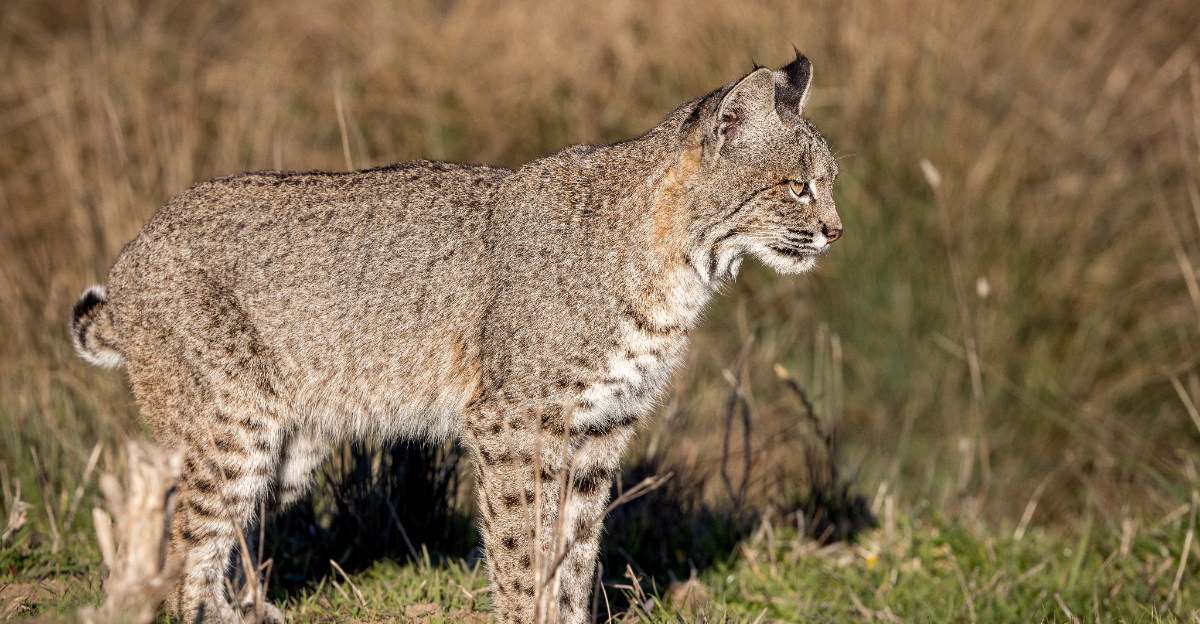
A bobcat in the yard can make even the calmest California homeowner forget every wildlife tip they have ever heard. The animal looks powerful, alert, and far too comfortable near the patio.
Most visits end without trouble, but the moment still calls for a smart response. Panic can lead to poor choices, especially if pets or children are nearby.
The bobcat may also react differently once it feels trapped or challenged.
The safest next step depends on the animal’s behavior and the layout of the yard. A quiet visitor needs a different response than one that refuses to leave.
This is not the time for a close-up photo or a heroic chase with a broom. Give the situation the respect it deserves.
A clear plan can protect everyone on the property and help the bobcat move along without turning a rare sighting into a dangerous encounter.
1. Stay Calm And Give It Space
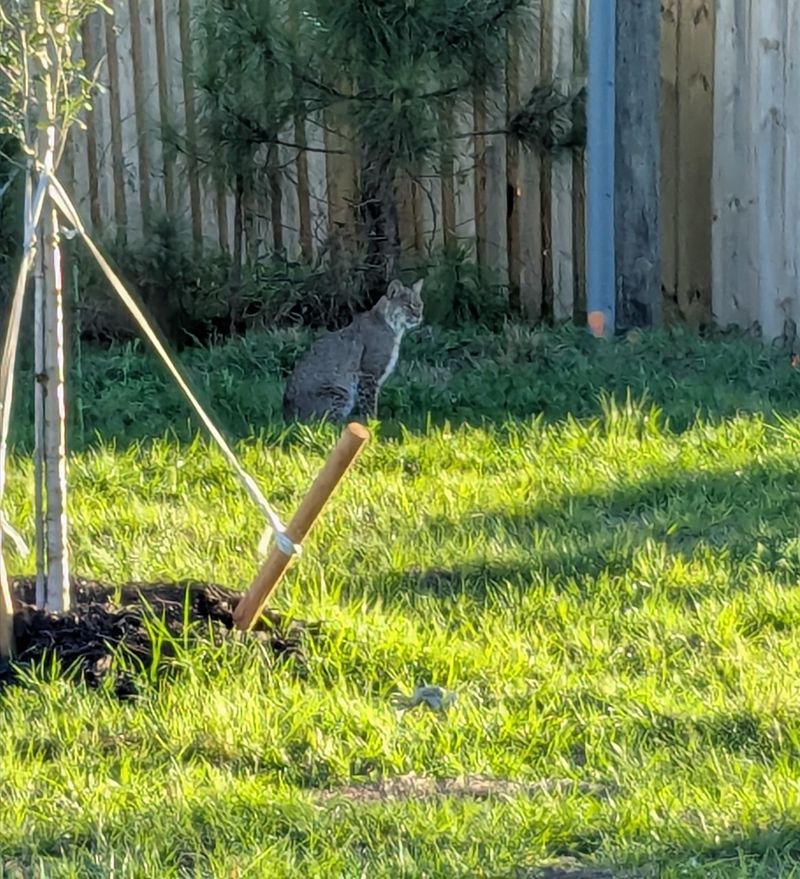
Seeing a bobcat just a few feet from your back door is enough to make your heart race. The first and most important thing you can do is stay calm.
Panicking or making sudden movements can startle the animal and cause it to behave unpredictably.
Bobcats are naturally shy. In most cases, the cat has no interest in you at all.
It wandered into your yard by accident or is following a scent trail from prey like rabbits or squirrels. If you stay still and quiet, the bobcat will usually move on within a few minutes.
Back away slowly if you are outside. Do not run.
Running can trigger a chase response in any wild animal. Get inside your home as calmly as possible and watch from a window.
Give the bobcat plenty of room to leave on its own terms.
Do not corner the animal near a fence or wall. A cornered animal is a stressed animal, and stress leads to defensive behavior.
Leave exit points open so it can walk away freely. Most bobcat sightings last only a short time when humans stay back and give the cat the space it needs to feel safe enough to leave.
2. Bring Pets Indoors Right Away
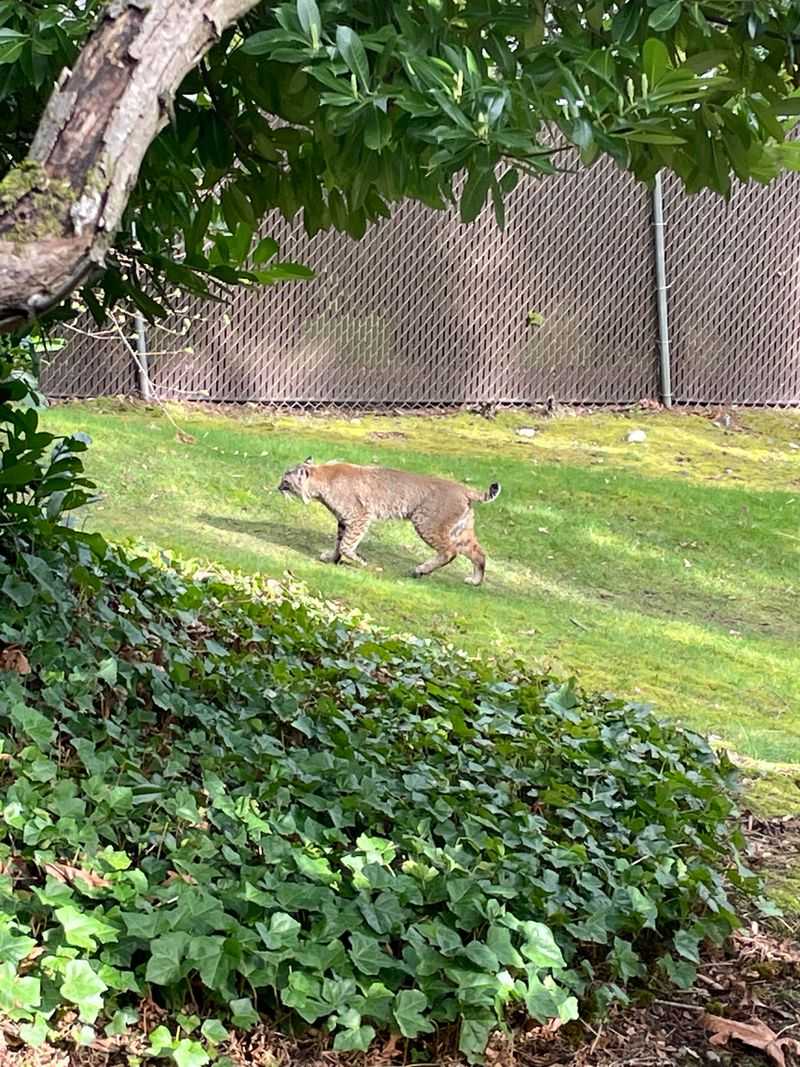
Your pets are at real risk when a bobcat is nearby. Small dogs, cats, and rabbits are the right size to be seen as prey by a hungry bobcat.
Even larger dogs can provoke a defensive reaction if they run toward the wild cat barking and growling.
The moment you spot a bobcat in or near your yard, bring your pets inside without hesitation. Do not wait to see what happens.
Act fast and get them through the door before the situation has a chance to escalate. Every second counts when a predator is close.
If your pet is already outside and near the bobcat, call them to you in a calm, firm voice. Avoid yelling or screaming, which could startle both the animal and your pet.
Once your pet is safe indoors, keep them there until you are sure the bobcat has fully left the area.
Your California Garden Changes Every Week. Your Plan Should Too.
Gardening in California changes quickly throughout the season. Every Friday you’ll receive a simple weekly plan showing exactly what to plant, prune, fertilize, harvest, and protect so you never miss the right timing.
Outdoor cats face a higher risk because they roam freely and cannot be supervised at all times. In areas where bobcats are known to pass through, keeping cats indoors is the safest long-term choice.
A few minutes of caution can prevent a very upsetting outcome for your family and your beloved animal companions.
3. Do Not Try To Feed It
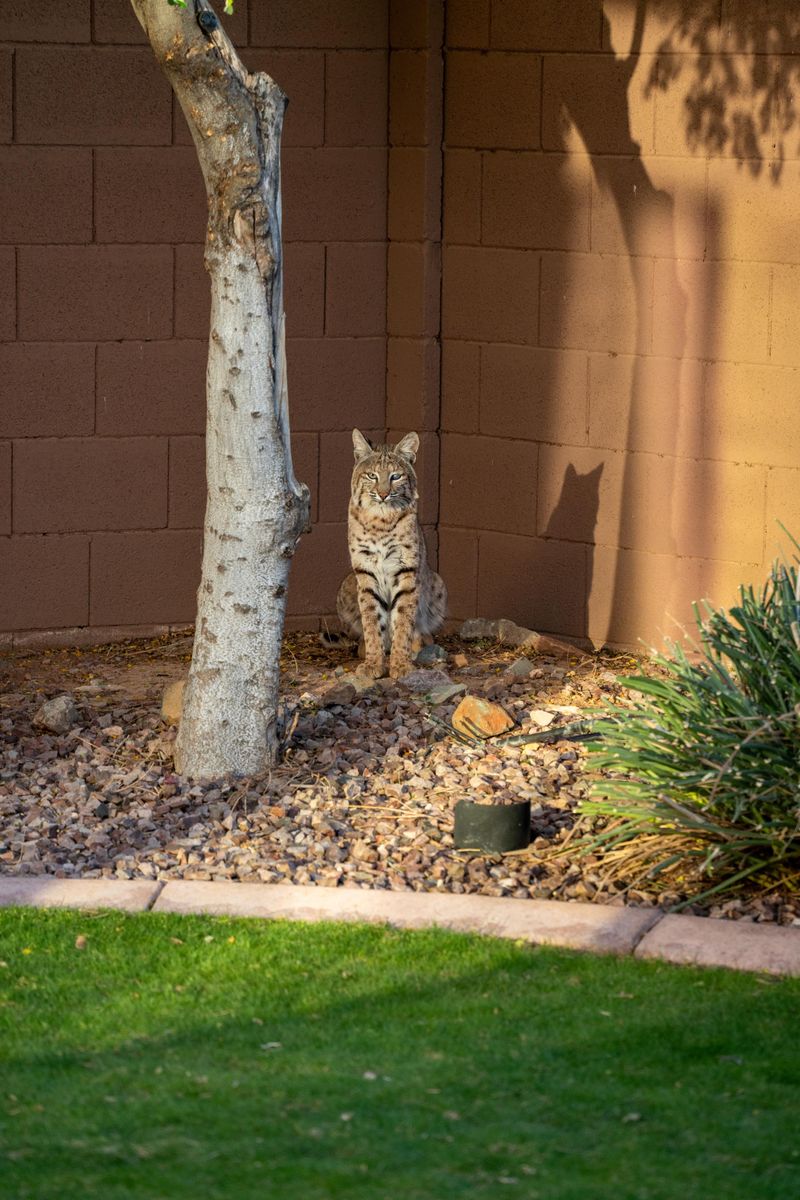
It might be tempting to toss a piece of food toward a bobcat just to get a closer look or a better photo. That impulse is completely understandable, but it is one of the worst things you can do.
Feeding wild animals teaches them to associate people with food.
Once a bobcat learns that a yard provides easy meals, it will keep coming back. Over time, it may lose its natural fear of humans.
A bobcat that has lost its wariness around people is much more likely to cause problems and may eventually need to be relocated by wildlife officials.
Feeding wildlife is also illegal in many parts of California. Local ordinances and state regulations are in place to protect both people and animals.
Violating these rules can result in fines and other consequences. Beyond the legal side, it simply puts the animal in a dangerous position long-term.
Wild animals are healthiest when they hunt and forage on their own. A bobcat that depends on handouts stops developing the natural survival skills it needs.
Keeping your distance and letting the bobcat find its own food is the kindest thing you can do for it. Admire it from afar, take a photo through your window, and let it live as the wild animal it is meant to be.
4. Make Yourself Look Bigger If It Lingers
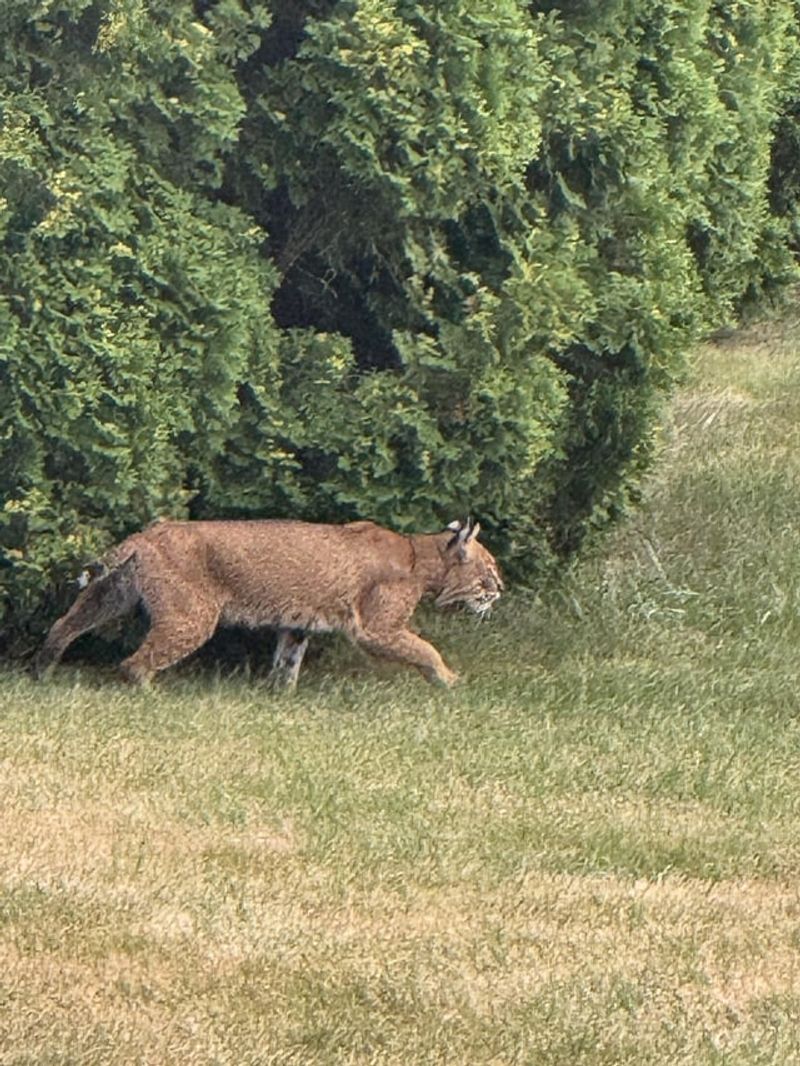
Most bobcats will leave on their own if you stay calm and give them space. But every once in a while, one might linger longer than expected or seem a little too comfortable being close to your home.
In that case, it is time to make yourself appear larger and more intimidating.
Stand up straight and raise your arms above your head. Open your jacket or spread a shirt wide to make your silhouette look bigger.
This is a technique used with many types of wildlife and it works by triggering the animal’s instinct to avoid larger threats.
Face the bobcat directly. Do not turn your back on it.
Maintain eye contact and speak in a loud, firm, steady voice. You are not trying to scare it into a panic.
You are simply communicating that you are not prey and that it should move along.
Do not crouch down or make yourself smaller. Kneeling or bending over can make you look like a vulnerable animal, which sends the wrong message entirely.
Stay upright, stay confident, and keep your movements slow and deliberate. If you have children nearby, keep them close and behind you.
This posture technique is simple, requires no tools, and can be highly effective at encouraging a bobcat to move on without any real confrontation taking place.
5. Use Noise To Encourage It To Leave
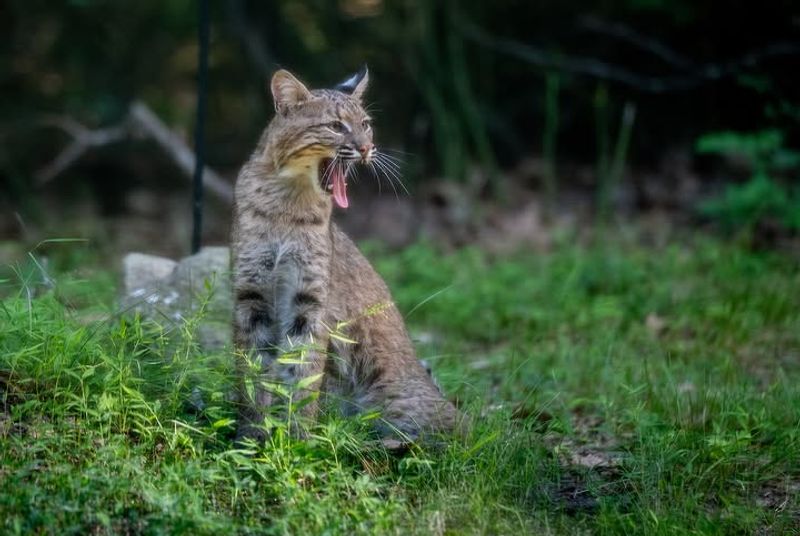
Noise is one of your best tools when a bobcat refuses to move on. Wild animals are sensitive to sound, and a sudden burst of noise can be enough to send even a stubborn bobcat running for the hills.
You do not need any special equipment to make this work.
Clap your hands together sharply and repeatedly. Bang pots or pans together if you can grab them quickly.
Shake a can filled with coins or pebbles. These sharp, unexpected sounds are startling to wild animals and signal that the area is not safe or quiet enough for them to stick around.
An air horn is another option worth keeping in your garage or near the back door if you live in an area where wildlife sightings are common. A short blast is usually more than enough to send a bobcat sprinting back toward the brush.
Some homeowners also use a garden hose set to a strong spray to encourage the animal to leave.
The goal is not to harm the animal in any way. You are simply using sensory deterrents to communicate that your yard is not a comfortable place to hang around.
Once the bobcat feels uneasy, its instincts will take over and it will head back toward more natural habitat. Consistency is key if sightings happen regularly in your neighborhood.
6. Keep Children Away From Windows And Doors
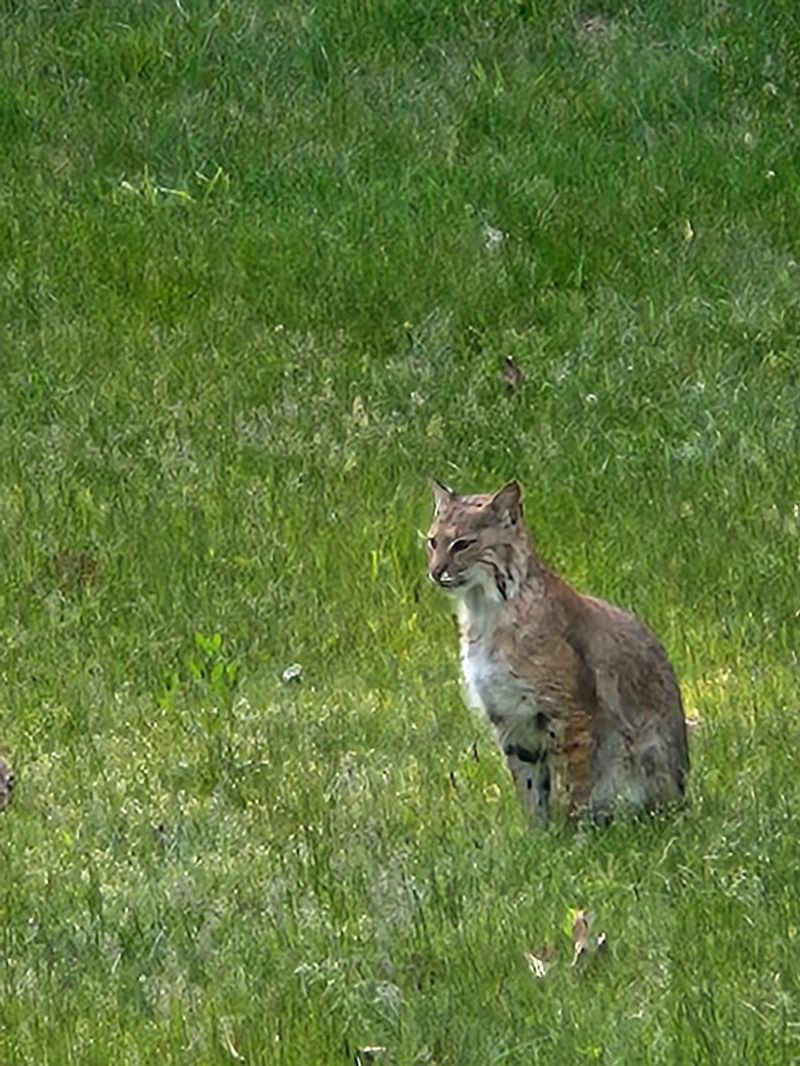
Kids are naturally curious, and a bobcat in the yard is exactly the kind of exciting thing that makes them want to press their face against the glass.
While watching from inside is generally safe, there are still some important precautions to take with young children around.
Keep smaller children away from sliding glass doors and low windows. Excited kids may knock on the glass, yell, or try to open the door to get a better look.
Any of those actions could startle the bobcat or, worse, allow it to enter the home if the door is opened quickly without checking.
Use this moment as a teaching opportunity instead. Explain to your kids in simple terms why the bobcat is there and why it is important to stay back.
Talk about how wild animals need space and that watching quietly from a distance is the respectful and safe thing to do.
Children who learn early to respect wildlife grow up making better choices around animals throughout their lives.
Make sure older kids understand that going outside while the bobcat is still present is not allowed. Set a clear household rule in advance so there is no debate in the moment.
Having a plan ready before a sighting happens makes it much easier to stay calm and in control when a wild visitor actually appears in your yard.
7. Check The Yard For Attractants
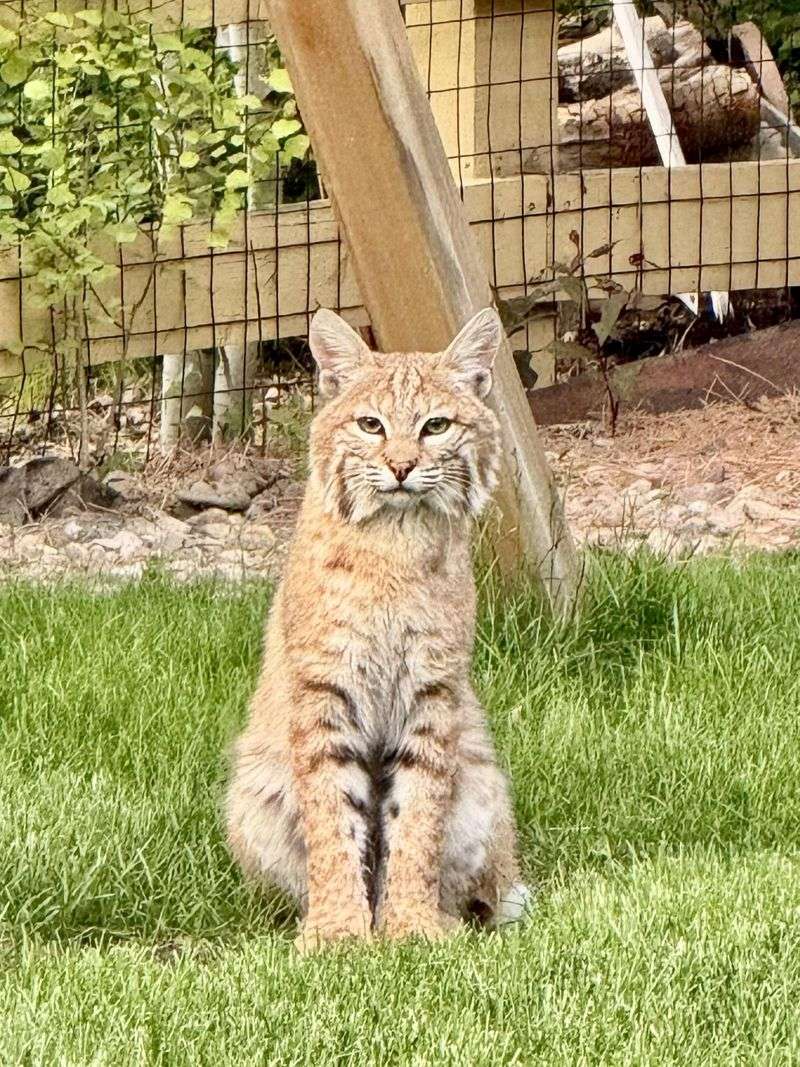
After the bobcat leaves, take a walk around your yard with fresh eyes. Ask yourself what might have drawn it there in the first place.
Bobcats do not usually wander into yards without a reason. Something in or near your yard is likely acting as an attractant.
Bird feeders are a surprisingly common culprit. They attract birds, which attract squirrels and rabbits, which attract bobcats.
Even if the bobcat is not interested in the seeds, the small animals that gather around feeders are exactly the kind of prey it hunts naturally.
Compost bins that are not properly sealed can draw rodents, and rodents draw predators. Woodpiles and dense shrubs near the ground give small animals a place to hide, which also brings in the hunters that follow them.
Dense ground cover along fences or walls creates the kind of sheltered pathways that bobcats love to travel through.
Look at your yard from a predator’s point of view. If there is easy access to food, water, or shelter for small animals, there is a good chance larger predators will follow.
Making your yard less appealing to prey animals is one of the most effective long-term strategies for reducing bobcat visits. Small changes in how you manage your outdoor space can make a surprisingly big difference over time.
8. Remove Pet Food And Fallen Fruit
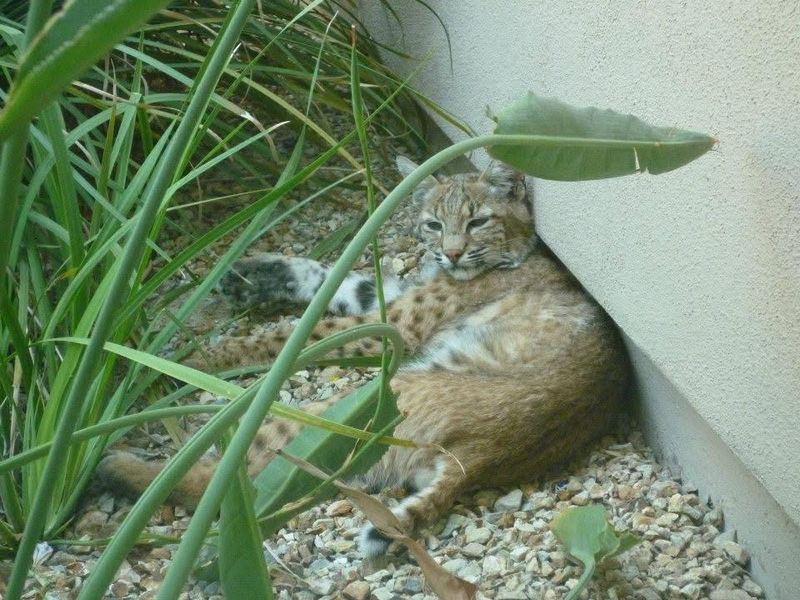
Leaving pet food outside overnight is one of the most common reasons wild animals start visiting residential yards. Bobcats are opportunistic.
If food is easy to find, they will return to that spot again and again. Removing that food source is a simple but powerful way to discourage repeat visits.
Bring all pet food bowls inside every evening without fail. Even a small amount of dry kibble left on the porch can attract rodents, and rodents attract predators like bobcats.
The same rule applies to water bowls, which can draw a wide range of wildlife looking for a drink.
Fruit trees are another big draw that many homeowners overlook. Fallen fruit rots quickly and ferments, creating a strong scent that attracts all kinds of animals.
Squirrels, possums, and raccoons come for the fruit, and bobcats come for them. Picking up fallen fruit regularly breaks that chain before it starts.
Check your yard every evening before dark. Remove anything that could be interpreted as a food source by a wild animal.
Secure your trash cans with tight-fitting lids. Rinse out recycling bins that held food or drinks.
These habits take just a few minutes but they send a clear message to local wildlife that your yard does not offer easy rewards.
Over time, bobcats and other animals will naturally shift their routes away from your California property.