The One Thing North Carolina Hydrangeas Need Now So Grubs Don’t Set Up Next Year’s Beetle Wave
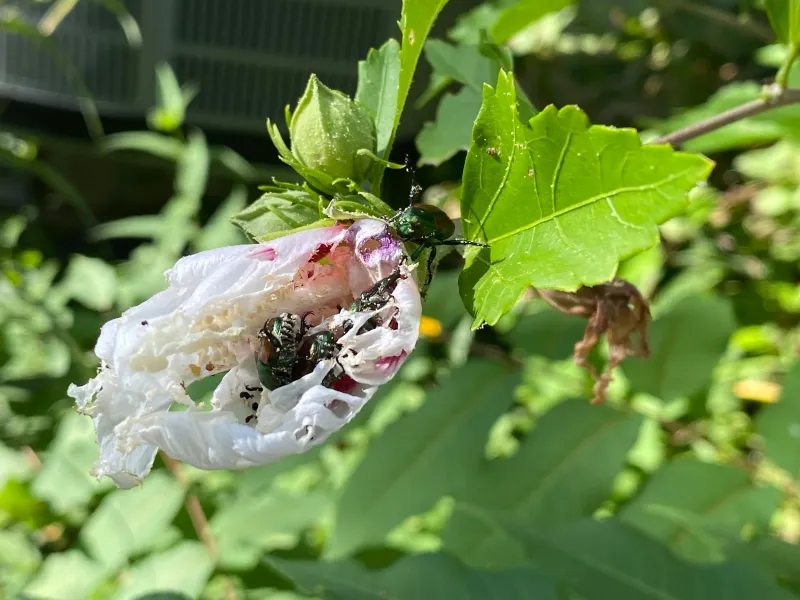
You walk out on a July morning and your hydrangeas look like something chewed through them overnight, because something did. Japanese beetles have been working the Piedmont and Coastal Plain hard this summer, and right now they are laying eggs in the grass beneath your feet. The shrub is not where the next generation hides, the lawn is, and one late-summer decision about how you water that grass may change how many grubs survive to become next June’s problem. No single step stops a beetle wave, but understanding where the real action happens puts you a step ahead.
The Lawn, Not the Hydrangea, Holds the Key Question
Here is the honest correction the headline owes you: hydrangeas do not need one special late-summer treatment, and no single action prevents a future beetle wave. The plant getting chewed on is the visible part of the problem. The part that matters most right now is the grass growing beneath and around it.
Japanese beetle females do not lay eggs in your shrub. They drop into nearby turf, moist grassy soil, or any patch of lawn that offers the right conditions, and that is where the next generation begins. So the useful late-summer question is not “what does my hydrangea need” but “what is happening in my lawn.”
The most defensible move is adjusting how you water that lawn. Avoiding automatic, frequent shallow irrigation may allow the upper few inches of soil to dry out between rain events. Drier upper soil may reduce Japanese beetle egg and young-grub survival, according to Penn State Extension’s white-grub guidance. That word “may” is doing real work in that sentence.
Deep, less-frequent watering remains the right general approach when your turf actually needs water.
NC State Extension’s lawn handbook recommends watering deeply and infrequently to encourage roots to grow down rather than stay near the surface. That is good for the grass regardless of beetles.What this combined approach does not do is guarantee fewer beetles next June. Adult beetles can fly in from a neighbor’s yard, a nearby pasture, or a golf course down the road. The realistic goal is protecting your lawn’s health while possibly lowering the number of grubs that survive locally, and those are two different things worth keeping separate in your mind.
How Beetles Move From Flowers to Grass Roots
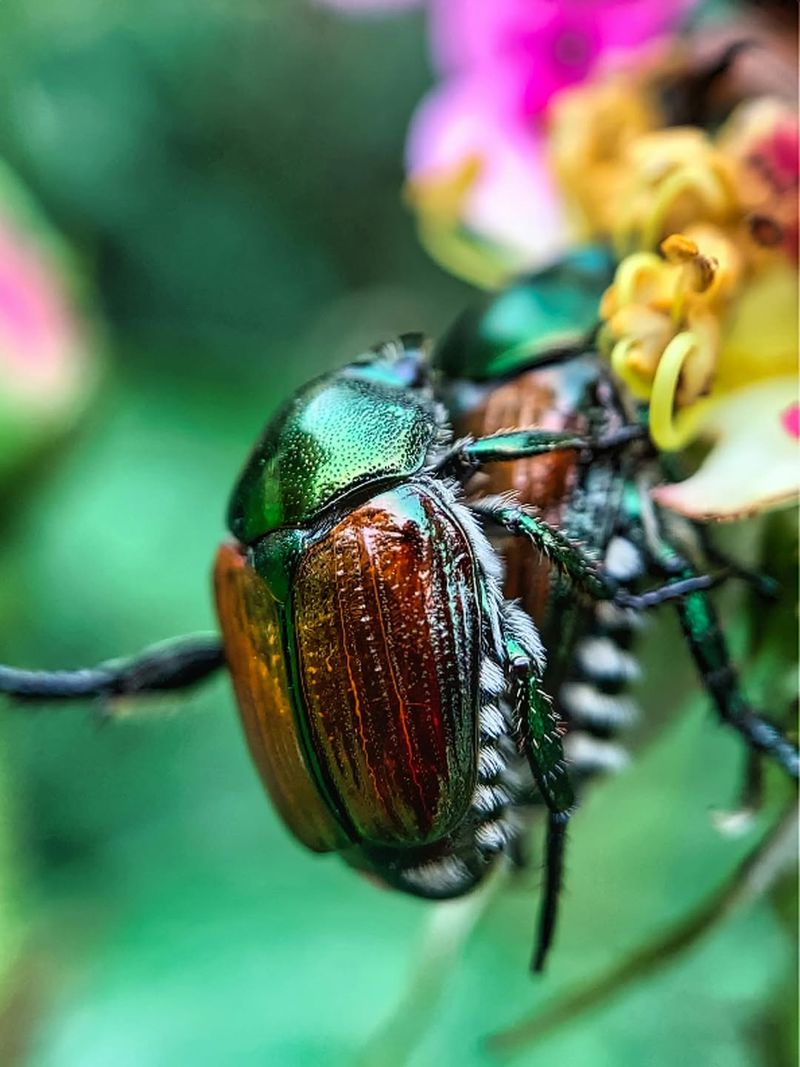
Popillia japonica, the Japanese beetle, runs on a tight one-generation-per-year schedule in North Carolina. Adults emerge in late spring and early summer, and they make no secret of what they want: foliage, flowers, and fruit. Your hydrangeas, roses, and crape myrtles are all on the menu.
After feeding, the females do something you cannot see from the porch. They fly to nearby turf, burrow a few inches into moist soil, and lay small clusters of eggs. NC State Extension’s turfgrass arthropod guide notes that eggs generally hatch in about 10 to 14 days, and the young grubs immediately begin feeding on grass roots just below the surface.
Your North Carolina Garden Changes Every Week. Your Plan Should Too.
Gardening in North Carolina changes quickly throughout the season. Every Friday you’ll receive a simple weekly plan showing exactly what to plant, prune, fertilize, harvest, and protect so you never miss the right timing.
As soil temperatures drop in late summer and fall, those grubs move deeper into the ground to overwinter. They come back up near the roots in spring, feed briefly again, then pupate and emerge as the next summer’s adults. The shrub that got chewed in July was a feeding stop, not a nursery.
This distinction matters for how you respond. A beetle on your hydrangea tells you that adults are present in your area. It does not tell you that the lawn next to that plant is full of Japanese beetle grubs. The beetles you see could have flown in from several properties away, laid eggs somewhere else entirely, or both.
Treating the lawn because you spotted adults on flowers skips a step. The actual evidence you need lives in the soil, not on the petals.
Adjust Watering Without Droughting the Yard
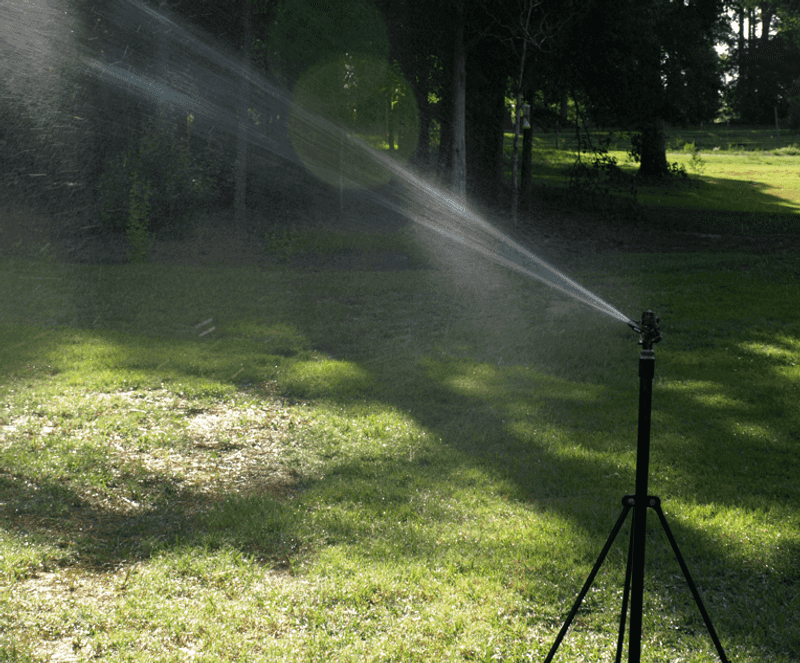
Stopping all irrigation and hoping a dry spell kills the eggs sounds simple, but it can do more damage to your grass than the beetles ever would. A smarter approach is adjusting when and how much you water, not declaring a drought by choice.
Avoid running your sprinklers on an automatic daily schedule when the lawn does not need it. Light, frequent watering keeps the upper inch or two of soil consistently moist, which is exactly what newly laid beetle eggs prefer. Skipping unnecessary shallow cycles lets that surface layer dry between rain events, and drier conditions there may reduce egg and early-grub survival, as outlined in NC State’s lawn and environment guidance.
When your turf genuinely needs water, water deeply. About 1 inch per week is a reasonable starting point for an established lawn, but treat that number as a baseline, not a rule. Subtract whatever rain actually fell. Adjust for your soil, your slope, and your grass species.
Piedmont red clay holds moisture longer at the surface and can turn runoff fast if you apply water too quickly. Several shorter irrigation cycles spaced an hour apart work better there than one long soak. Sandy Coastal Plain soil drains faster and may need water more often, even if each session is lighter.
Some situations call for more water, not less. A heat wave above 95 degrees, newly seeded or sodded turf, young trees planted this year, or grass already showing severe stress from drought are all good reasons to keep watering. The goal is cutting out the automatic, unnecessary shallow cycles, not punishing a lawn that is already struggling.
This approach supports healthier, deeper-rooted turf and may reduce some grub survival in the upper soil. What it does not do is guarantee a lighter beetle season next year. North Carolina’s afternoon storm pattern can keep soil moist no matter what your timer says.
Rain, Soil, and Neighboring Yards Change the Outcome
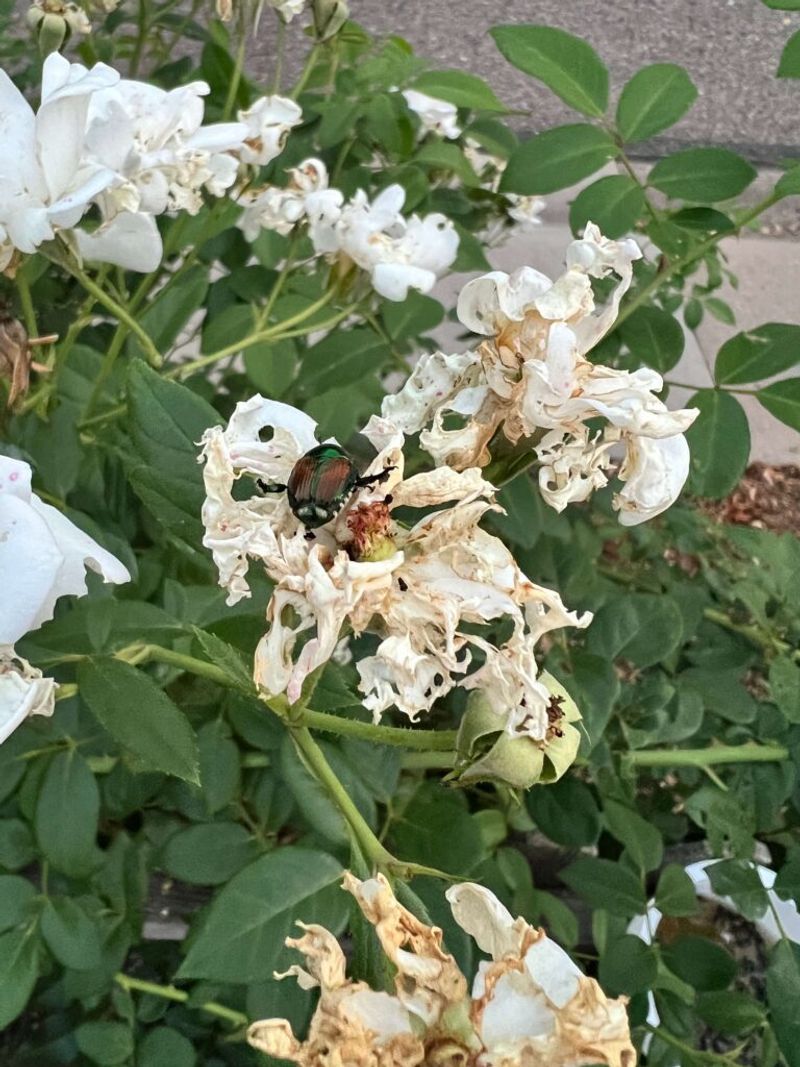
North Carolina summers have a way of making careful plans feel optional. You cut back the sprinkler schedule, the upper soil starts to dry, and then three afternoons in a row bring half an inch of rain each time. The moisture strategy works best when the weather cooperates, and in much of the Piedmont and Coastal Plain, it often does not.
That is why the honest version of this advice says drier upper soil “may reduce” egg and early-grub survival rather than “prevents next year’s beetles.” Afternoon convective storms are a fact of a North Carolina summer, and they do not check your irrigation calendar before they arrive. University of Minnesota Extension’s yard-digging explainer notes the same practical limit: rainfall can easily defeat the surface-drying approach.
Soil type adds another layer of complexity. Piedmont red clay can look dry at the surface while staying moist an inch or two below, which is close enough to the soil surface for eggs to survive. Sandy soils in the Coastal Plain dry more evenly from top to bottom, but they also rewet quickly after rain. Neither region follows a single predictable pattern on every property.
The mobility of adult beetles is the other variable that no amount of careful watering addresses. University of Minnesota’s Japanese beetle resource explains that adults are strong fliers and move readily between lawns, pastures, golf courses, and unmanaged grassy areas. A homeowner can reduce the grub population in their own turf and still see a full crowd of beetles on the hydrangea the following June, because those adults flew in from somewhere else entirely.
The realistic target is reducing local grub pressure when conditions and scouting support that decision, while accepting that outside beetles remain a factor you cannot fully control from your own yard.
Scout for the Right Grub Before You Treat
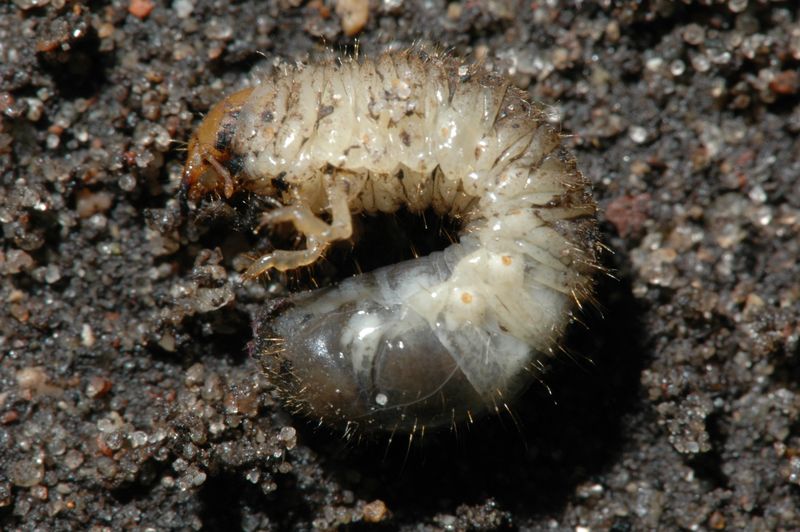
Beetles on your hydrangea are not evidence of a grub problem in your lawn. They are evidence that adult beetles are in your neighborhood. Before you reach for any treatment, you need to look at what is actually living in the soil.
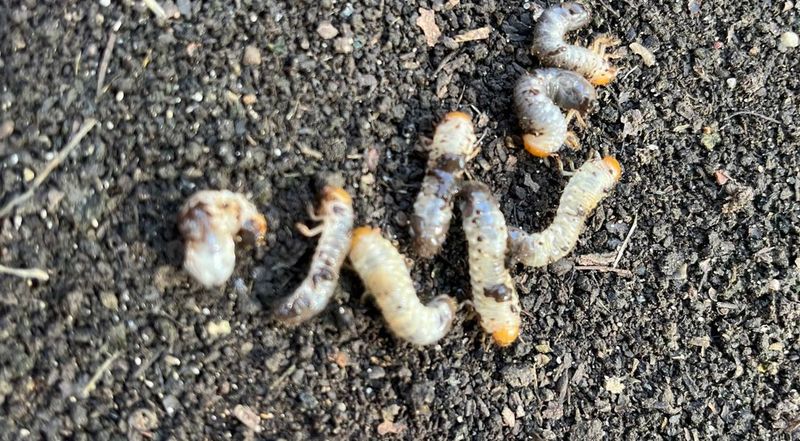
Pick several spots around the lawn, including areas near where you have seen the most beetle activity. Use a sharp spade or knife to cut back a section of sod roughly 1 square foot and about 3 inches deep. Pull it back and count the white, C-shaped larvae you find in the roots and loose soil. Repeat this in at least three or four locations to get a realistic picture.
NC State’s turfgrass pest management guidance, available in the NC State Turfgrass Pest Management Manual, offers about five or more white grubs per square foot as a rough diagnostic reference. That number is a starting point for a conversation, not an automatic trigger for pesticide use. Turf condition, how the lawn is used, whether animals are digging for grubs, and how much damage the grass can tolerate all factor into any treatment decision.
North Carolina lawns are home to several scarab larvae besides Japanese beetle grubs. Green June beetle larvae are more elongated and tend to move on their backs rather than curling into the classic C shape. Masked chafers, May beetles, and Asiatic garden beetles also occur here, and NC State’s white-grub resource notes that treatment timing and product effectiveness vary by species. Treating for the wrong grub at the wrong time wastes money and may not protect your turf at all.
If you find grubs but the lawn looks healthy, with no brown patches, no spongy feel, and no animals digging, the population may be below a damaging level. Healthy, well-rooted turf can handle a moderate grub load without visible injury. Scout first, then decide.
Use Chemical Control Only After the Evidence
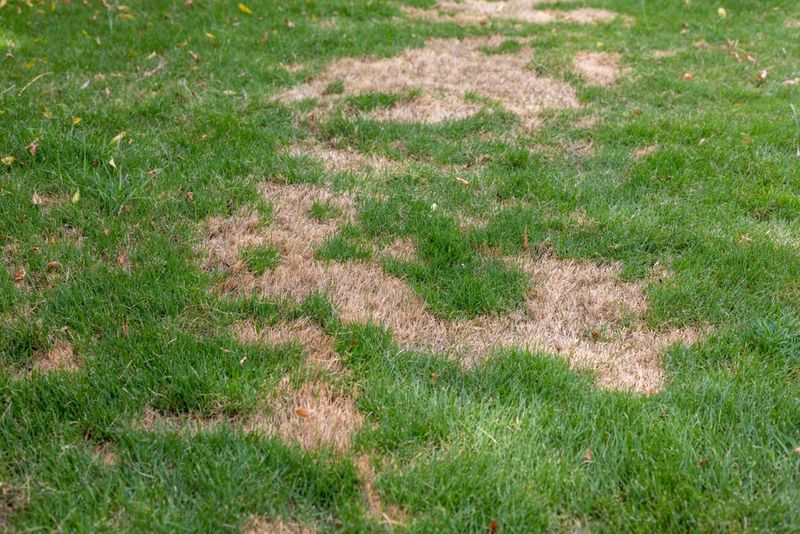
Scouting puts a number in your hand. What you do with that number depends on more than just the count. A lawn showing actual brown patches, spongy turf that lifts easily from damaged roots, or persistent animal digging alongside a grub count above the rough diagnostic threshold is a reasonable case for treatment. A healthy lawn with a moderate count is often not.
Timing separates two different approaches. Preventive products are applied earlier in the season, timed around adult flight and egg hatch, to kill young grubs before they cause damage. Curative products work after damage has already appeared and target larger grubs already feeding on roots. NC State’s arthropod turf guide identifies the larval control window as roughly June through October, but product choice, grub size, and site conditions all affect which approach makes sense for a specific lawn.
That window is not a universal prescription.
Whatever product you consider, the current label is the legal document that controls how you use it. Do not copy rates from a neighbor’s leftover bag, a commercial turf manual from another state, or an old printout. The 2026 NC Agricultural Chemicals Manual provides professional context, but the label on the product you actually buy governs the treated site, pest, rate, timing, and watering-in requirements for your situation.
Pollinator safety is another label question, not a one-size-fits-all rule. EPA pollinator protection guidance offers general risk-reduction principles, but any bloom-time restrictions, bee-activity windows, drift limits, or runoff cautions are specific to each product’s label. Some products carry those restrictions and some do not. Check the label you have in your hand.
Routine insecticide applications to blooming hydrangeas whenever beetles appear are not supported by the evidence. The shrub is a feeding site, not the source of next year’s population, and broad-spectrum products applied to open flowers carry real risks for the bees visiting them.
Protect the Shrub With Lower-Risk Steps
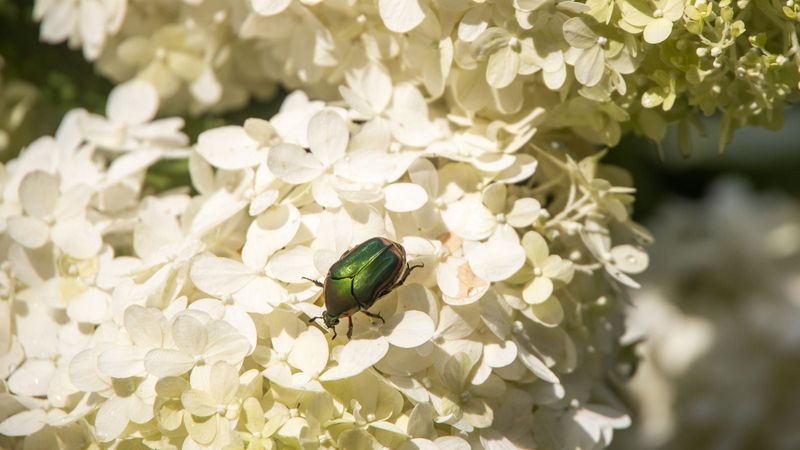
Early morning is the best time to deal with beetles directly on your hydrangea. The insects are slower when temperatures are cool, and a quick shake of the branch drops them into a container of soapy water. NC State’s Japanese beetle in turf resource describes this as an optional way to reduce feeding on an individual plant. Removing beetles early may also matter because a damaged, fragrant plant draws more beetles; clearing them out before the heat builds can slow that accumulation effect.
Mature, established hydrangeas generally tolerate a fair amount of beetle feeding without lasting harm. The flowers may look ragged for a few weeks, but the plant usually pushes through. Young shrubs planted this season, or any plant already stressed by drought or poor soil, deserve closer attention and faster action if feeding gets heavy.
Beetle traps are worth mentioning because many people reach for them first. NC State’s Japanese beetle publication describes traps as monitoring tools rather than dependable control, and notes they may actually draw more adults toward your ornamental plants than would have arrived otherwise. Place one far from the garden if you want to track beetle activity, but do not expect it to protect the hydrangea.
Milky spore gets recommended often as a long-term biological fix, but the timeline and scope are both limited. Penn State Extension’s home garden beetle guide notes that milky spore mainly targets Japanese beetle grubs, may take three to five years to establish in the soil, and does not control the other white-grub species that also live in North Carolina lawns. It is one layer of a longer strategy, not a one-season answer.
A workable plan looks like this: water the lawn responsibly and avoid unnecessary shallow cycles when conditions allow, scout the soil before committing to any treatment, pick beetles off the shrub in the morning when you can, and accept that some beetles will always find their way in from beyond your fence line. Managing your corner of the neighborhood well is genuinely worth doing, even when the whole neighborhood is not on the same page.