That White Powder On Your Florida Crape Myrtle Is Not A Fertilizer Problem
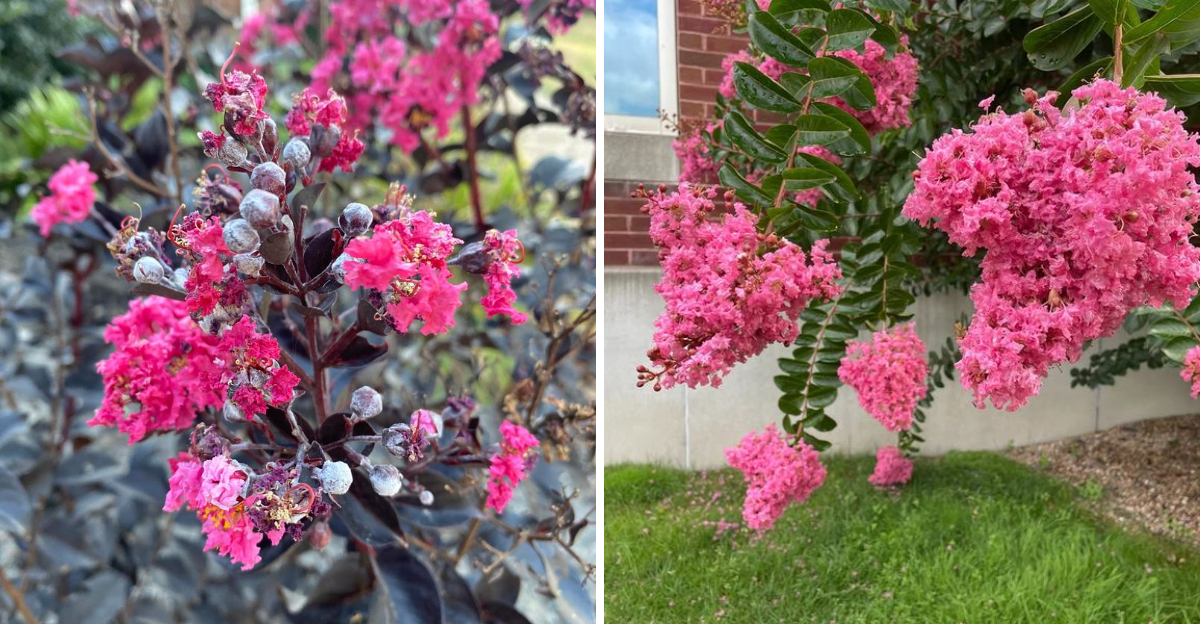
That chalky white coating on your Florida crape myrtle showed up practically overnight, and it’s easy to assume the worst. Before you panic about nutrients or soil, take a closer look first.
What you’re seeing isn’t a feeding issue at all. It’s a fungal problem that thrives in exactly the conditions Florida throws at it year after year.
Between the heat, the humidity, and those predictable afternoon showers, Florida yards practically roll out the welcome mat for this fungus. Your tree isn’t as fragile as those dusty branches suggest, and a few smart moves now can stop the spread cold.
Here’s what’s actually happening beneath that white film, why it keeps coming back, and which fixes are worth your time and money.
The Real Culprit Behind That White Coating
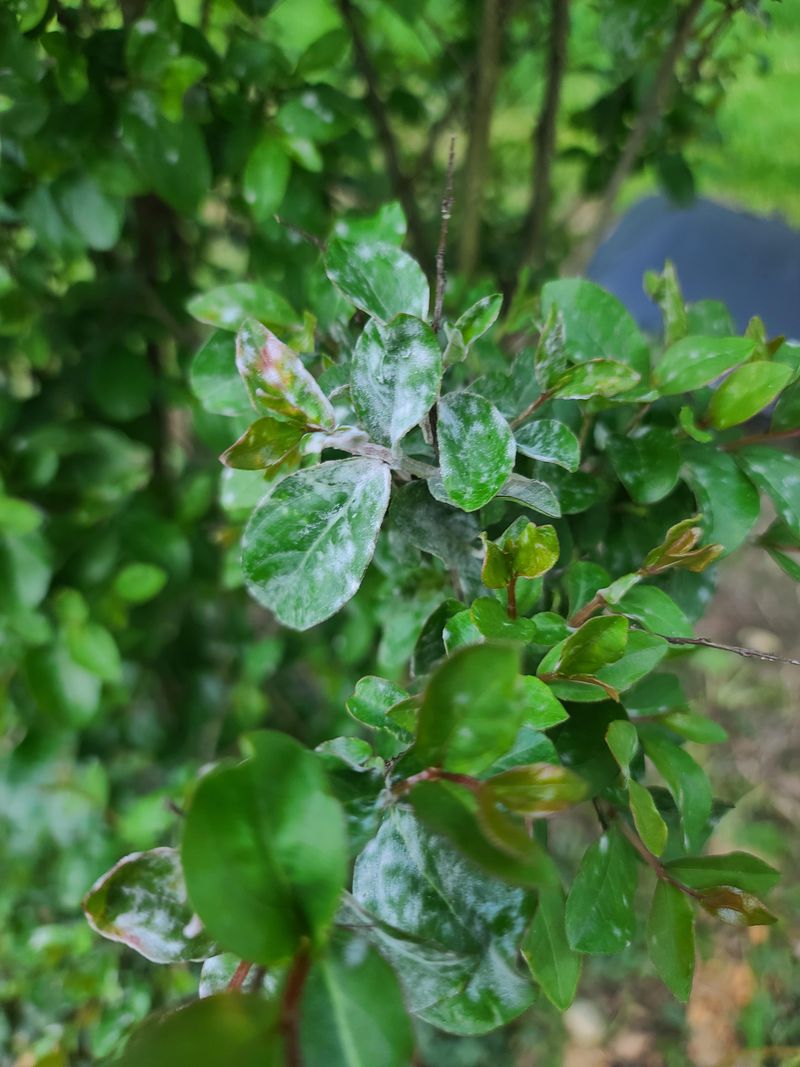
That chalky white coating didn’t come from a fertilizer spill or hard water spots. It is a living fungus called powdery mildew, and it spreads fast in warm, humid conditions.
Powdery mildew belongs to a group of fungi that feed on plant tissue. Unlike most fungi, it does not need standing water to grow and spread.
The spores travel through the air and land on new growth. Once they settle, they begin feeding on the surface of the leaf.
You will notice the coating appears first on the newest, most tender shoots at the tips of branches. Young growth is the most vulnerable because it has not yet developed a tough outer layer.
The fungus does not burrow deep into the plant. It lives right on the surface, which is actually good news for treatment.
Many homeowners mistake this coating for a mineral deposit from hard water or a spray residue. A simple test helps tell the difference.
Rub the white area gently with your finger. If the powder smears and comes off easily, you are dealing with a fungal issue, not a mineral one.
Powdery mildew on crape myrtles has been documented across the southeastern United States for decades. Florida sees some of the worst outbreaks because of its climate.
Knowing what you are actually fighting is the first step toward solving the problem. Now let us look at why Florida makes this fungus feel right at home.
Florida’s Climate Fuels Powdery Mildew Outbreaks
Florida’s weather is basically a welcome mat for fungal disease. Warm nights, afternoon showers, and thick humidity create the perfect storm for powdery mildew to thrive.
Most fungi love moisture, but powdery mildew is unique. It actually prefers dry leaf surfaces paired with high surrounding humidity.
That is exactly what Florida delivers every single summer. Daytime heat dries the leaves while humid air wraps around the plant like a warm, damp blanket.
Temperatures between 60 and 80 degrees Fahrenheit are the sweet spot for this fungus. Florida’s spring and early summer hit that range almost daily.
Coastal areas face even more pressure because salt air traps moisture near plants. Inland gardens deal with afternoon thunderstorms that raise humidity levels fast.
Shady spots in your yard make things worse. Trees or fences that block airflow allow humidity to linger around your crape myrtle much longer than it should.
Crowded plantings are another major trigger. When plants are too close together, air cannot circulate, and moisture just hangs between the leaves.
Seasonal timing matters too. Most outbreaks in Florida happen between March and June, right when new growth is pushing out fast.
Understanding the climate connection helps you make smarter decisions about placement and care. Blame the geography, not your gardening skills, and know that a few adjustments go a long way.
Spotting The Signs Before They Spread
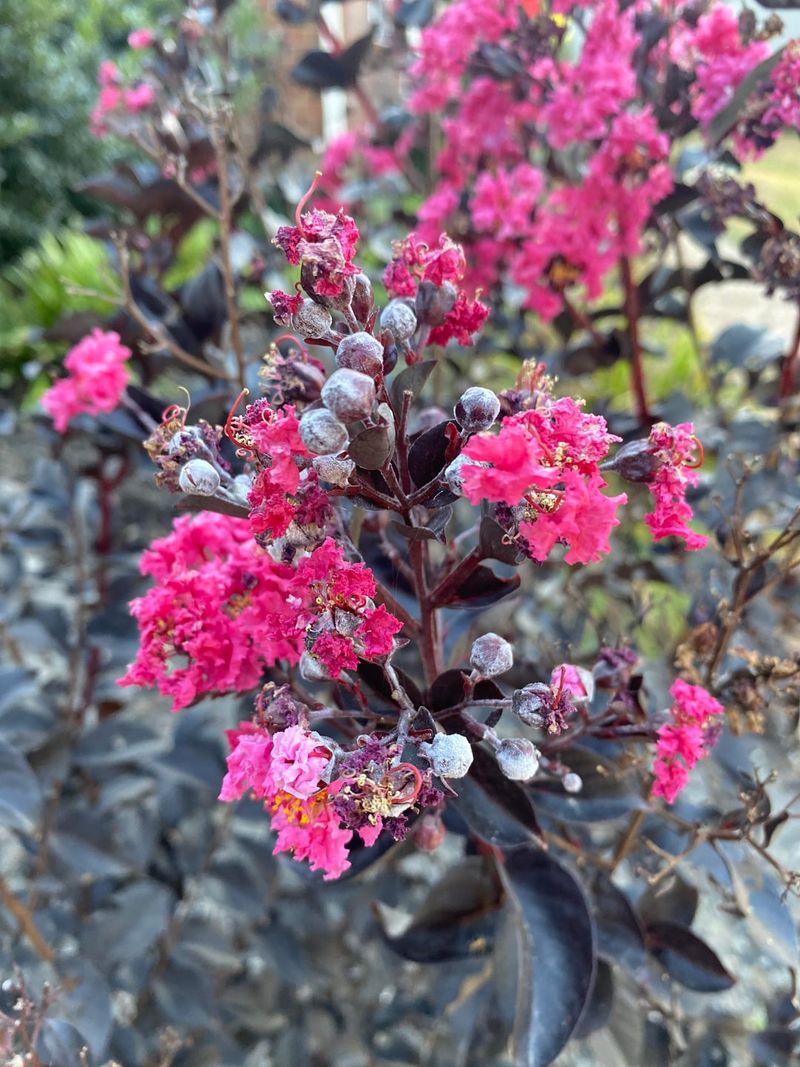
Catching powdery mildew early makes a huge difference in how quickly you can get it under control. The first signs are easy to miss if you are not paying attention.
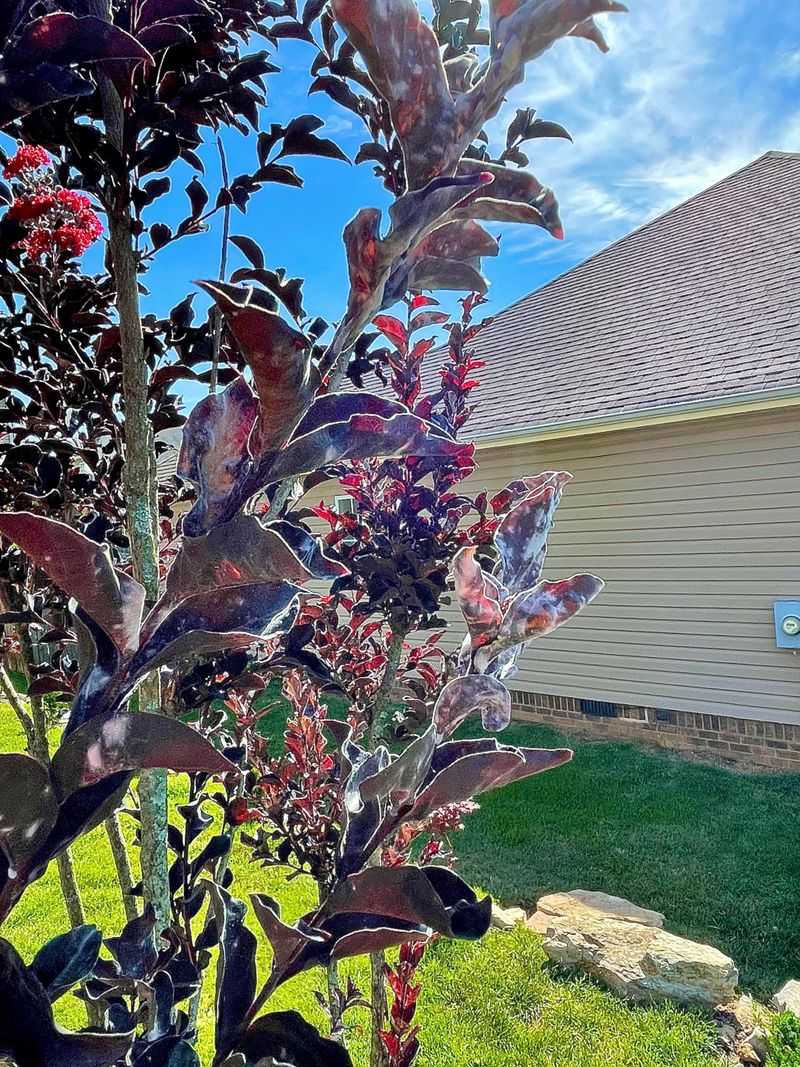
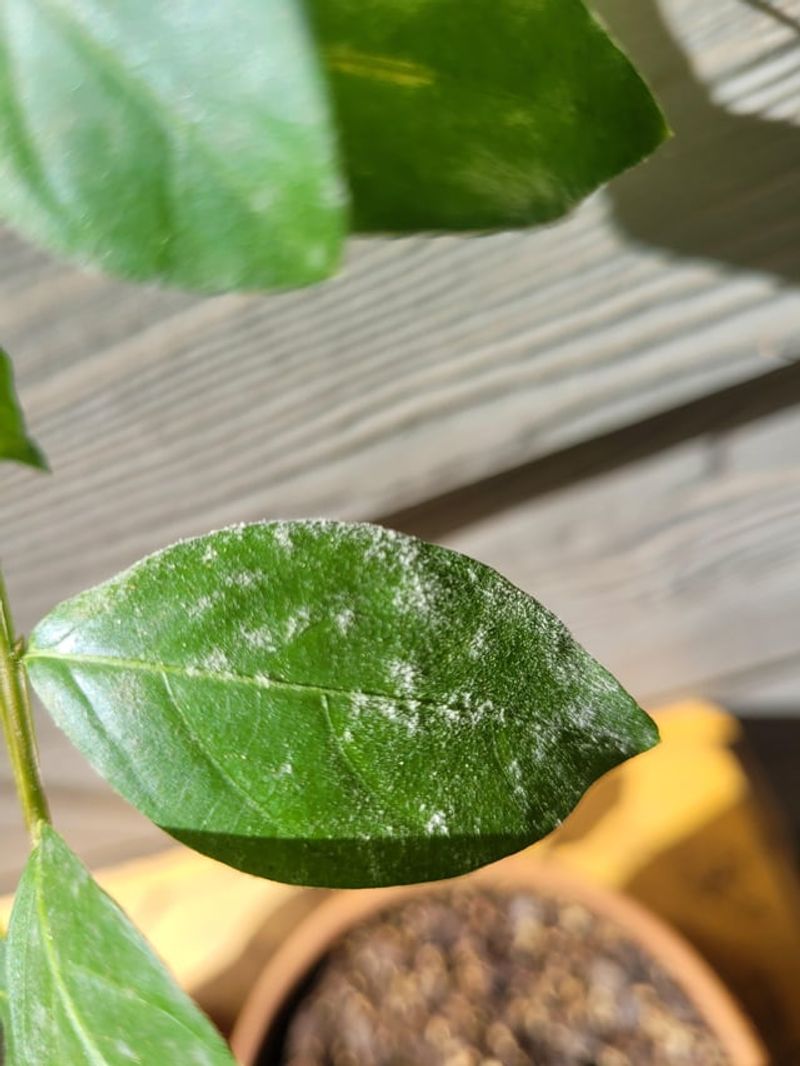
Look for small, circular white patches on the surface of new leaves. They often start near the tips and spread toward the base of the leaf.
Affected leaves may curl inward or look slightly distorted. That curling happens because the fungus disrupts normal cell growth on the leaf surface.
In heavier infections, entire branch tips turn white and powdery. The new growth may look stunted or fail to open properly.
Flower buds can also be affected. When mildew hits the buds before they open, blooms may be smaller or misshapen for the season.
Check the undersides of leaves too. The coating sometimes starts there before it becomes visible on top.
Early morning is the best time to inspect your plants. Dew highlights the powdery patches and makes them easier to see against the green background.
Do not confuse powdery mildew with normal leaf color variation or dust. The mildew has a distinct chalky, almost fuzzy texture that stands out clearly.
Catching an outbreak in the first week can cut your treatment time in half. Stay observant, and you will always be one step ahead of this persistent fungus.
Your Crape Myrtle’s Health Is Rarely At Serious Risk
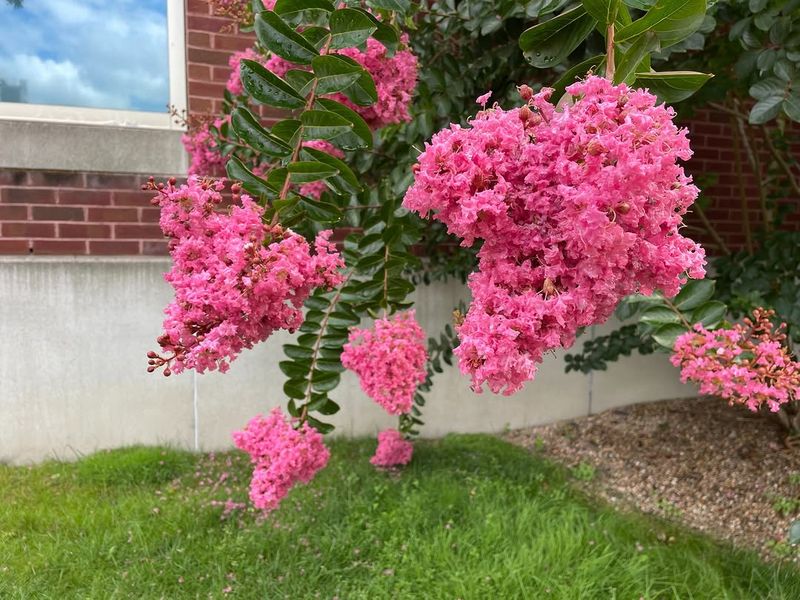
Here’s the part that should ease your mind: powdery mildew rarely causes serious or lasting damage to a mature crape myrtle. These trees are surprisingly tough and resilient.
The fungus feeds on the surface of leaves but does not invade the vascular system of the tree. That means the roots, trunk, and main branches stay healthy throughout an outbreak.
Established crape myrtles can push through moderate infections without losing vigor. You may see some leaf drop or reduced blooming, but the tree itself bounces back.
Young trees and new transplants face slightly more risk. When a small plant loses too many leaves to mildew, it struggles to produce enough energy through photosynthesis.
Even in young trees, the situation is manageable with prompt treatment. A few weeks of care can turn a struggling sapling into a thriving specimen.
Do not panic if your tree looks rough in June. By late summer, many crape myrtles naturally push out a fresh flush of growth that covers the damage.
Repeated yearly infections without any treatment can weaken a tree over time. Consistent outbreaks reduce flowering and slow overall growth, which is reason enough to act.
This is a nuisance, not a crisis, and that distinction changes how you should react. Stay calm, stay consistent, and your tree will reward you with blooms season after season.
Treating An Active Infection
Once you spot an active outbreak, you want to move quickly and smartly. Throwing random products at the problem wastes time and money.
Neem oil is one of the most effective and widely available treatments for powdery mildew. Mix it according to label directions and apply it in the early morning or evening.
Avoid spraying during the heat of the day. High temperatures cause neem oil to burn leaf surfaces, which adds stress on top of the existing infection.
Baking soda solutions are a popular home remedy that actually works for mild cases. Mix one tablespoon of baking soda with one quart of water and a few drops of dish soap.
Apply the mixture directly to affected areas every five to seven days. Consistency matters more than the strength of the solution.
Potassium bicarbonate is a step up from baking soda and is available at most garden centers. It works faster and tends to be more effective on heavier infections.
Copper-based fungicides are another solid option for persistent cases. Follow the label instructions carefully because too much copper can build up in soil over time.
Pruning out the most heavily infected branch tips helps reduce the overall fungal load. Bag and dispose of the clippings rather than composting them.
Improving airflow around the tree speeds up recovery dramatically. A well-treated tree can look noticeably better within two to three weeks of starting a spray program.
Choosing Resistant Varieties For Next Season
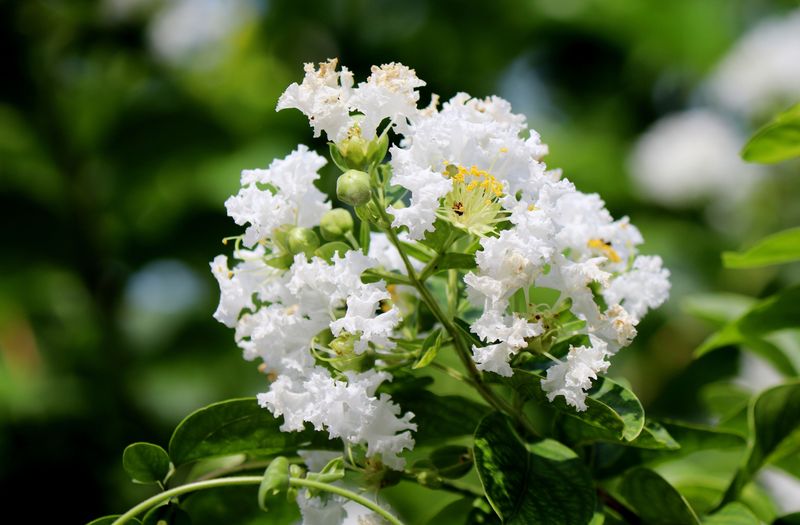
The smartest long-term move is planting crape myrtle varieties that simply do not get powdery mildew as easily. Breeders have worked hard to develop resistant options.
The National Arboretum breeding program introduced a series of Native American-named varieties that changed the game for southeastern gardeners. Names like Natchez, Tuscarora, and Sioux top the resistance list.
Natchez is one of the most popular choices in Florida landscapes. It produces stunning white blooms and stays remarkably clean even through humid summers.
Tuscarora offers coral-pink flowers on a medium-sized tree with excellent resistance. It handles Florida heat without missing a beat.
Sioux leans toward a deeper pink bloom and stays compact, making it great for smaller yards. Resistance is strong across all three of these proven performers.
When shopping at a nursery, ask specifically about mildew resistance ratings. Not every crape myrtle on the shelf has been bred for disease tolerance.
Placement still matters even with resistant varieties. Give your tree full sun and good airflow, and you stack the odds even further in your favor.
Avoid planting too close to walls, fences, or other shrubs. Crowded conditions reduce airflow and invite the exact conditions that powdery mildew loves.
Choosing the right variety is the single best long-term investment against recurring outbreaks. One smart purchase now saves years of frustrating treatment later.