The Oregon Yard Habit That Makes Raccoons More Likely To Visit At Night
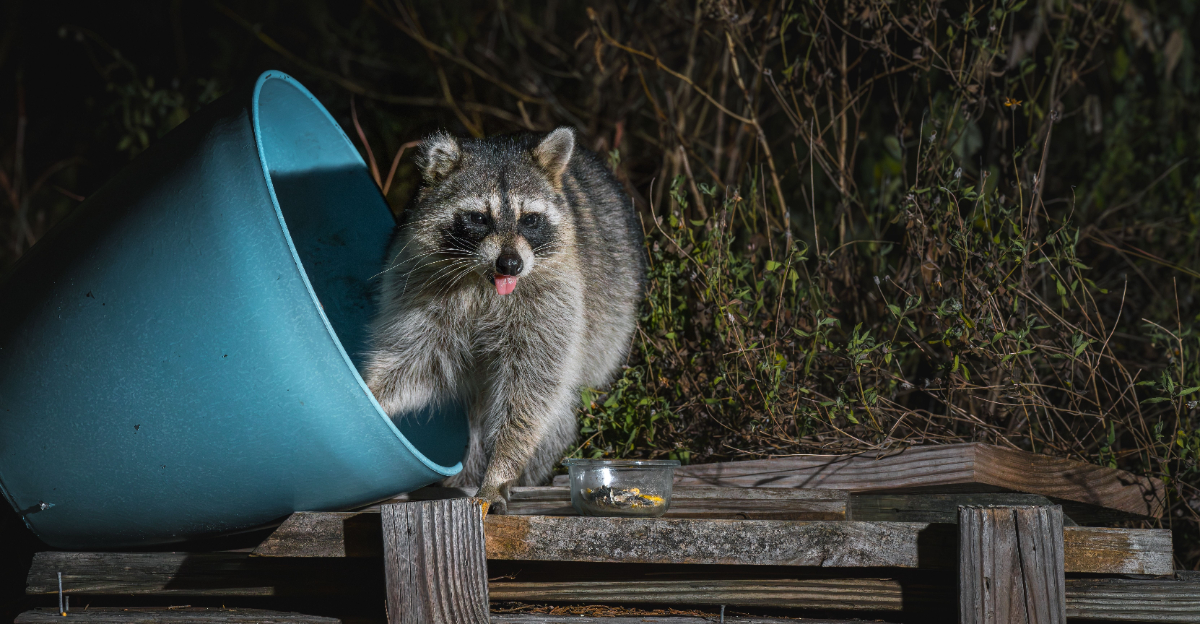
Raccoons do not need much encouragement to add an Oregon yard to their nightly route. One ordinary habit can make the property feel especially rewarding, even when no obvious food sits out.
That is what makes the problem so easy to miss. The yard may look tidy during the day, yet a small routine can leave behind exactly the kind of clue raccoons know how to follow.
Clever little freeloaders. Once they find a reliable reason to return, the visits may become more frequent.
They can also grow bolder around patios, trash areas, or pet spaces. The good news is that this habit is usually simple to change.
A small adjustment can make the yard far less interesting after dark and help break the pattern before raccoons start to treat the place like part of their regular rounds.
1. Raccoons Smell Easy Meals After Dark
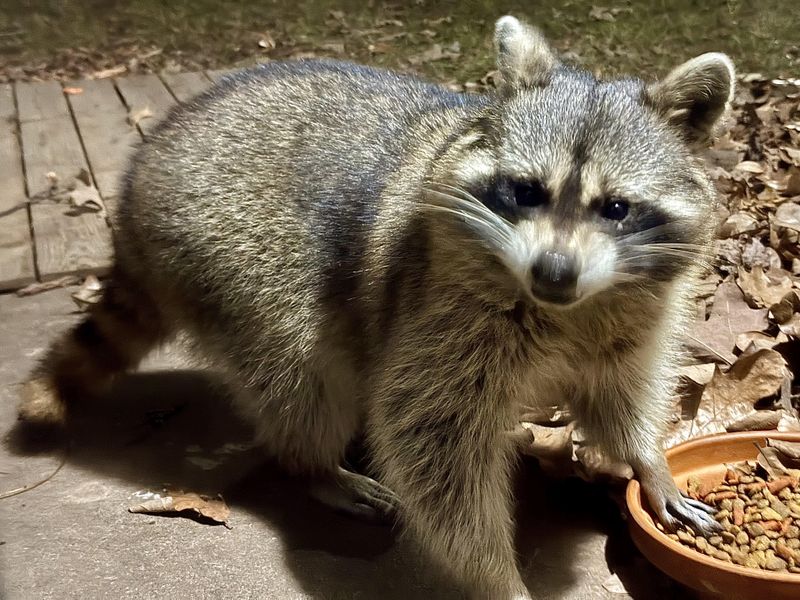
A raccoon’s nose is one of the most powerful tools it has. These animals can smell food from incredibly long distances, and they are most active after the sun goes down.
When your yard has any kind of food scent lingering in the air, it acts like a signal flare for every raccoon in the neighborhood.
Oregon has a large raccoon population, especially in wooded and suburban areas. These animals are not shy about exploring yards, decks, and porches in search of a meal.
They are bold, persistent, and very good at remembering where they found food before.
Most people do not realize how far a food smell can travel at night. Cool evening air carries scents much farther than warm daytime air does.
That means even a small amount of leftover pet food can attract raccoons from several blocks away.
The habit that starts the whole problem is simple. You leave something outside that smells like food, and a raccoon finds it.
Once that happens, the animal connects your yard with an easy meal. It will come back the next night and the night after that.
Breaking this cycle starts with understanding what raccoons are actually responding to. It is not just the food itself.
It is the smell of the food that draws them in first. Removing those smells from your yard after dark is the most powerful thing you can do.
2. Porch Bowls Become Nighttime Buffets
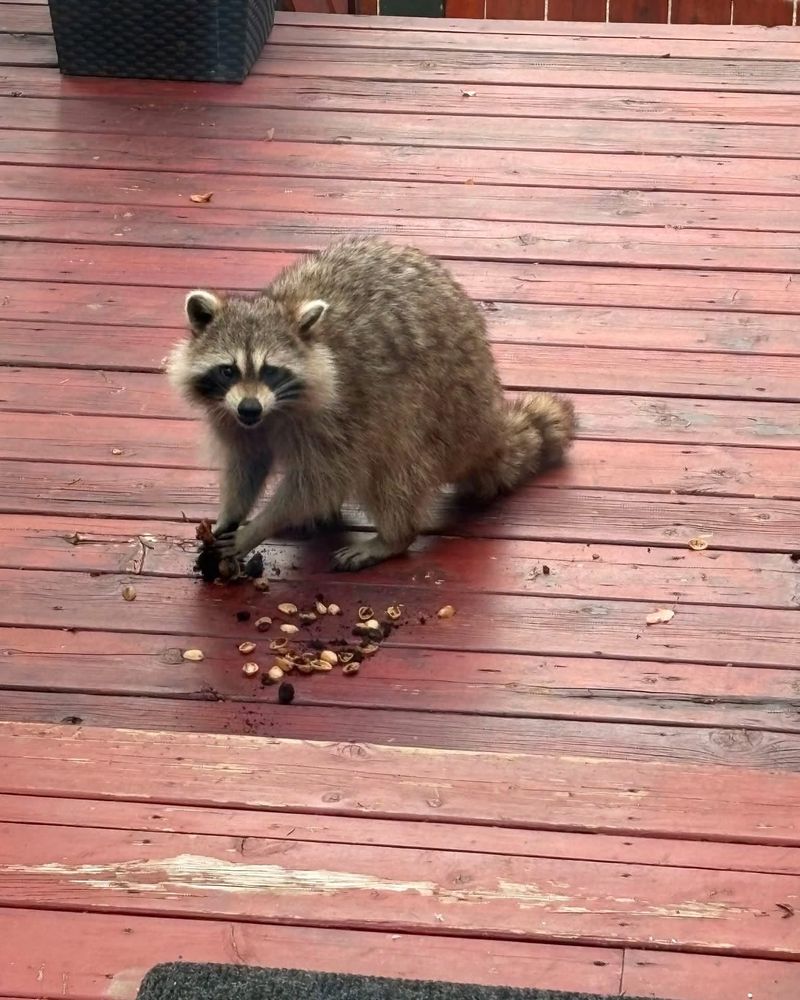
You feed your dog or cat on the porch every evening, then head inside without picking up the bowl. What seems like a small oversight turns your porch into an all-night diner for raccoons.
They are patient, and they will wait until the coast is clear before helping themselves.
Raccoons are opportunistic eaters. That means they eat whatever is available and easiest to reach.
A bowl of pet food sitting out is basically a free invitation. There is no hunting, no searching, and no effort involved.
That kind of easy meal is impossible for a raccoon to ignore.
The problem gets worse over time. Once a raccoon learns that your porch has food, it will make your yard a regular stop on its nightly route.
Your Oregon Garden Changes Every Week. Your Plan Should Too.
Gardening in Oregon changes quickly throughout the season. Every Friday you’ll receive a simple weekly plan showing exactly what to plant, prune, fertilize, harvest, and protect so you never miss the right timing.
It may even bring other raccoons along. What started as one visitor can quickly turn into a group of them showing up every single night.
Porch feeding is very common in Oregon, especially for people with outdoor cats. Many cat owners leave food out around the clock so their pets can eat whenever they want.
Unfortunately, raccoons keep the same hours as cats and are just as willing to eat that food.
Switching to scheduled feeding times and picking up bowls right after your pet eats is one of the easiest fixes. It removes the food source entirely and gives raccoons no reason to keep coming back to your porch.
3. Dry Kibble Still Attracts Wildlife
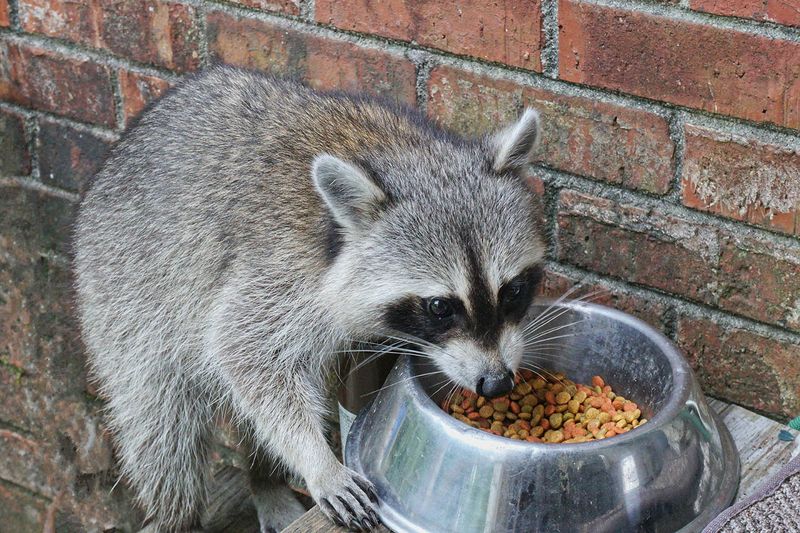
Some people assume that dry kibble is not as tempting as wet food. That is a common mistake.
Dry pet food still has a strong smell, and raccoons can detect it easily. The oils and proteins in kibble release scent into the air all night long, making it just as attractive as any other food source.
Wet food might seem more obvious because of its stronger smell, but do not underestimate dry food.
A full bowl of kibble sitting outside can draw raccoons, opossums, skunks, and other wildlife to your yard before midnight. Once one animal finds it, others follow.
Many pet owners in our state leave dry food outside thinking it is fine because it does not spoil quickly.
While that may be true in terms of freshness, it does not make the food invisible to wildlife. The scent is always there, working like a beacon in the dark.
Another thing to keep in mind is that raccoons are not picky. They will eat dog food, cat food, bird seed, and even stale crackers.
If it smells like food and it is easy to reach, a raccoon will eat it. Dry kibble checks both of those boxes perfectly.
Storing pet food in sealed containers and only putting out what your pet will eat in one sitting helps a lot. Do not leave a full bowl sitting out overnight.
Even a small amount of leftover kibble is enough to bring raccoons sniffing around your yard.
4. Water Bowls Can Keep Raccoons Returning
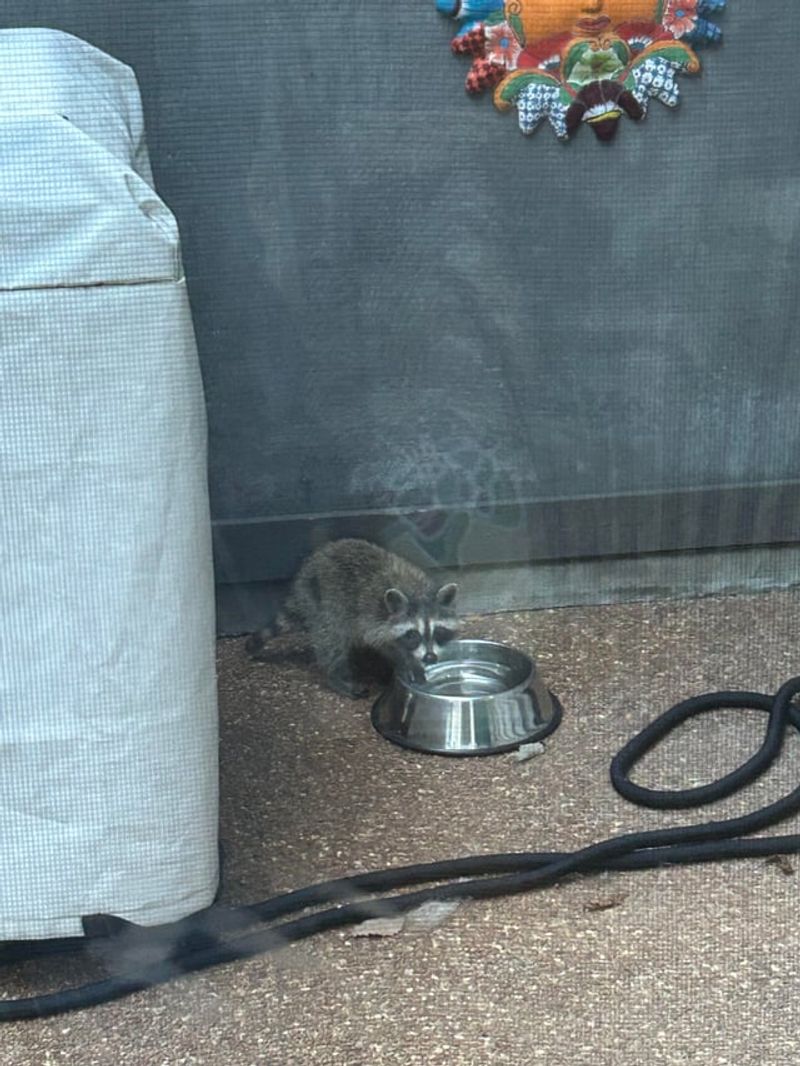
Most people focus on food when thinking about what attracts raccoons. But water is just as important to these animals, especially during dry spells.
A water bowl left outside overnight gives raccoons a reliable drinking spot, and they will return to it just like they would a food source.
Raccoons are drawn to water for more than just drinking. They have a well-known habit of dipping their food in water or washing their paws before eating.
A water bowl near a food source is basically the perfect setup for a raccoon. It gets everything it needs without going anywhere else.
During dry summers in Oregon, natural water sources can become scarce. Streams dry up, puddles disappear, and wildlife gets thirsty.
Your pet’s outdoor water bowl becomes one of the most reliable water sources in the neighborhood. Raccoons remember this and come back night after night.
Even if you bring the food bowl inside, leaving the water bowl out can still attract raccoons. They may not find food, but they will find the water and keep checking your yard hoping the food shows up again.
Consistency is what builds their habit of visiting.
Bringing in water bowls along with food bowls before dusk is a smart move. If your pet needs water overnight, consider a bowl kept inside or a sealed automatic waterer that is harder for wildlife to access.
Small changes like this disrupt the raccoon’s routine and make your yard less appealing.
5. Feeding Pets Indoors Breaks The Pattern
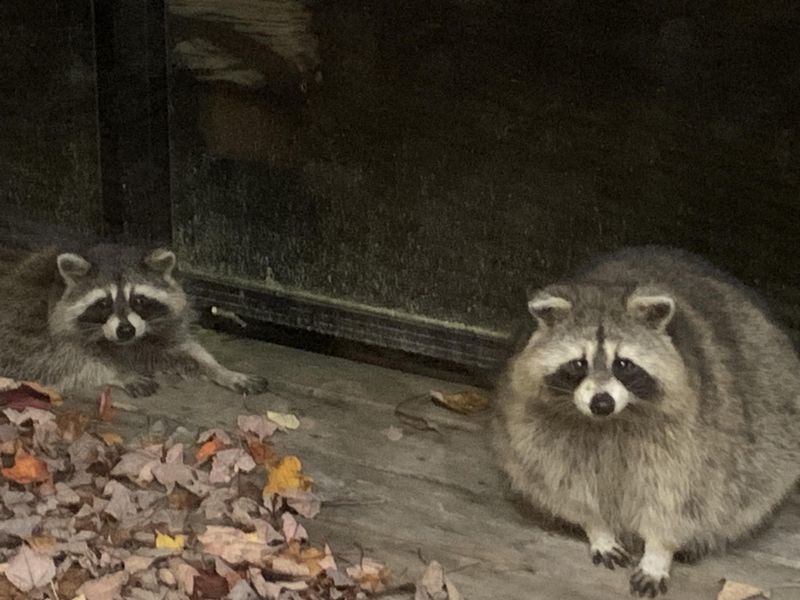
One of the most effective changes you can make is also one of the simplest. Feeding your pets inside the house completely removes the food source from your yard.
No bowl outside means no smell outside, and no smell outside means raccoons have no reason to visit your porch.
Indoor feeding works best when it becomes a consistent routine. If you feed your pets inside every single day, raccoons will eventually stop checking your yard.
Animals are creatures of habit, and when a food source disappears for long enough, they move on to easier options.
Some pet owners resist this change because their animals are used to eating outside. Making the switch takes a little patience, but most pets adapt quickly.
You can start by moving the feeding spot closer to the door each day until your pet is comfortable eating just inside the threshold.
Cats that live outdoors can be trickier to manage. If your cat eats outside, try using a covered feeding station that closes automatically after your cat enters.
These products are designed to keep wildlife out while still giving your cat access to food. They work surprisingly well.
The bigger picture here is about breaking the pattern that raccoons have built around your yard. Every night without food at your home is a night that pushes raccoons toward choosing a different location.
Over time, they stop associating your yard with meals and find somewhere else to explore after dark.
6. Bring Bowls In Before Dusk
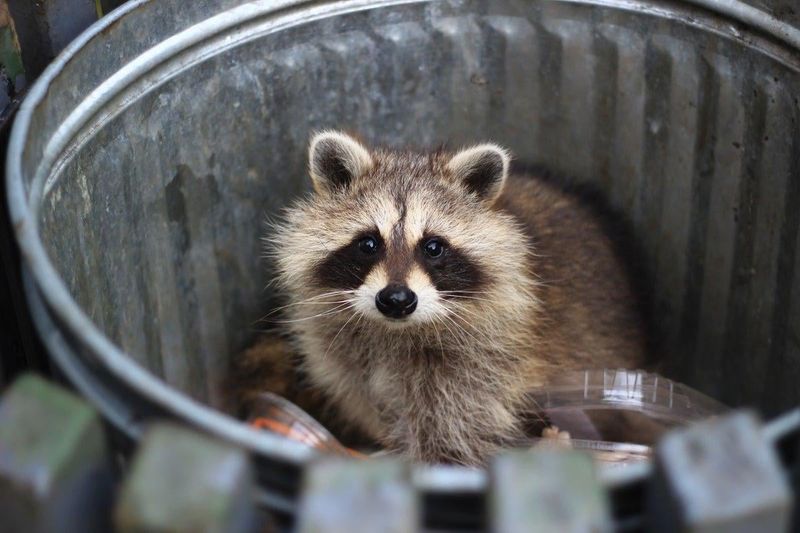
Timing matters more than most people think when it comes to raccoon prevention. Raccoons typically begin their nightly activity right around dusk.
If a food bowl is still sitting outside when the sun sets, it is almost guaranteed to attract attention from wildlife within the first few hours of darkness.
Making it a habit to bring in all pet bowls before dusk is one of the most reliable ways to keep raccoons away.
You do not need to buy anything or make any big changes to your yard. You just need to add one small step to your evening routine.
Think of it like locking your front door at night. You probably do not think twice about it because it has become automatic.
Bringing in pet bowls can become the same kind of automatic habit with just a little practice. Set a phone reminder if that helps you remember at first.
Even an empty bowl can attract raccoons if it still smells like food. Bowls that have held wet food or treats carry a strong scent long after the food is gone.
Raccoons will sniff around an empty bowl for several minutes hoping to find something. Washing bowls before storing them inside helps eliminate that scent.
This one habit change can have a surprisingly big impact on raccoon activity in your yard.
Homeowners across Oregon who have made this switch often report a noticeable drop in nighttime wildlife visits within just a week or two of being consistent about it.
7. Clean Spills Around Feeding Areas
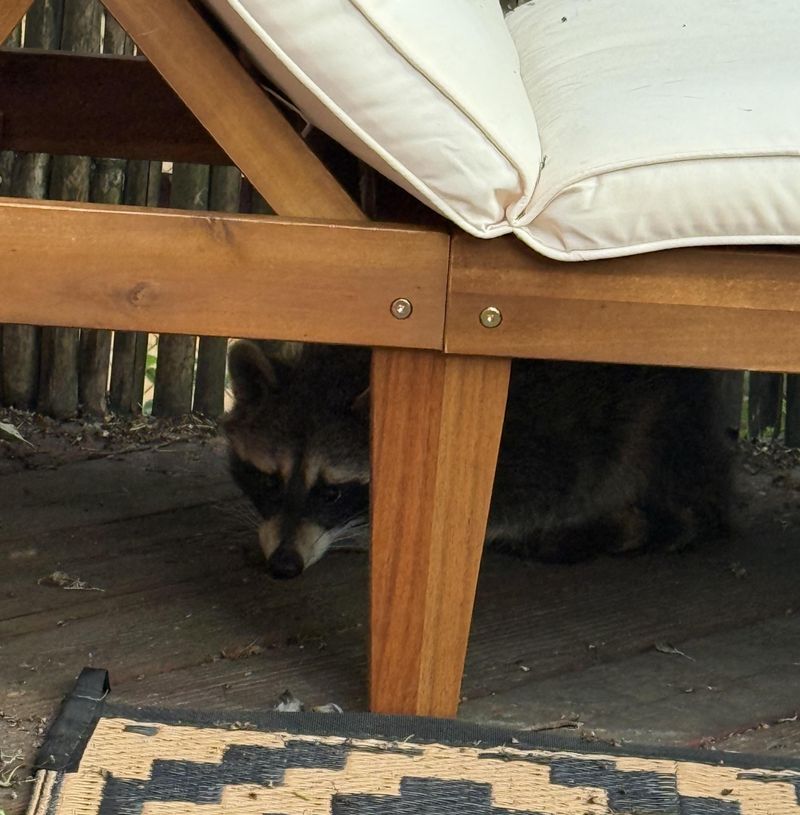
Even after you bring the bowl inside, spilled food left on the ground can still attract raccoons all night long. Crumbs, kibble pieces, and food residue are small but powerful scent sources.
Raccoons are thorough searchers and will sniff every inch of your porch or deck looking for anything edible.
Cleaning up spills right after your pet eats is a habit worth building. A quick wipe-down of the feeding area takes less than a minute but makes a real difference in how your yard smells after dark.
Think of it as erasing the evidence before raccoons come looking.
Wet food spills are especially important to address quickly. They leave behind a strong, lasting odor that can attract not just raccoons but also skunks and opossums.
Using a mild soap and water solution to clean the area removes most of the scent that would otherwise linger into the night.
Bird feeders and seed spills on the ground are another overlooked problem. Seeds that fall from feeders pile up under the feeder and create a ground-level food source that raccoons love.
Raking up seed shells and spilled grain in the evening keeps that temptation out of reach.
Keeping your feeding areas consistently clean sends a clear message to wildlife. When raccoons visit and find nothing, not even the smell of food, they are much less likely to make your yard a regular stop.
Cleanliness is one of the most underrated tools in wildlife prevention.
8. Secure Trash Once Food Is Removed
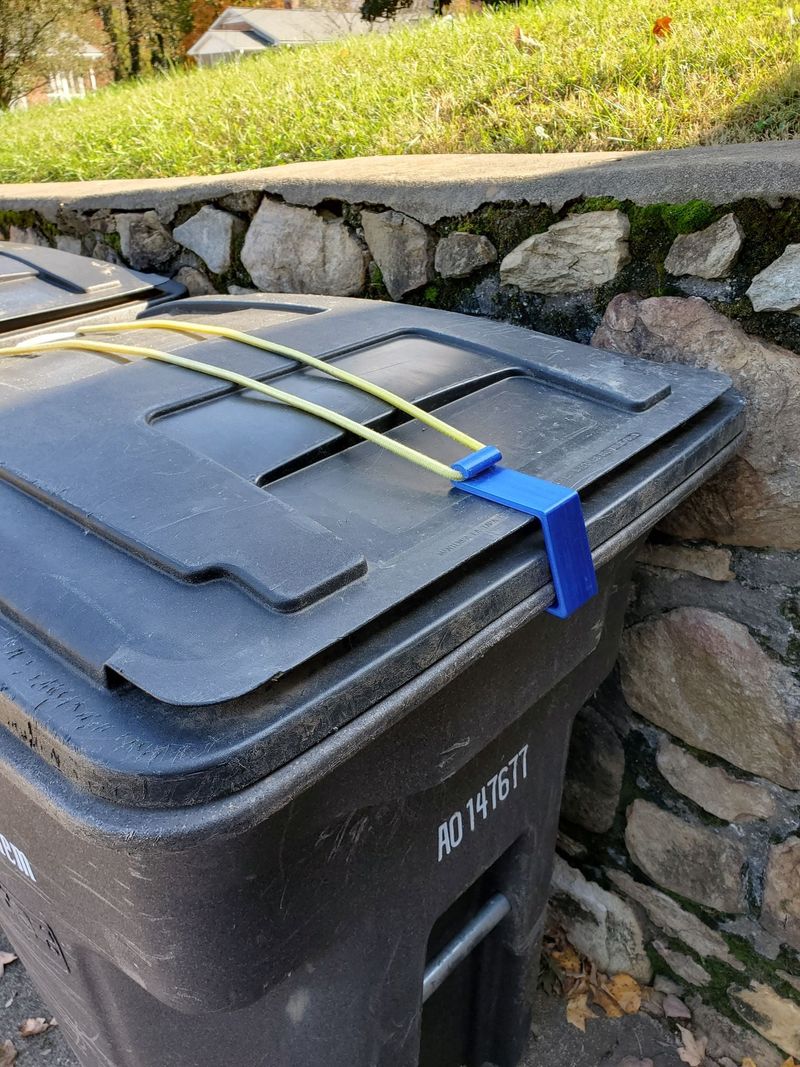
Once you start bringing pet food inside, raccoons that have been visiting your yard will start looking for other food sources nearby. Trash cans are the next obvious target.
Unsecured garbage cans are like treasure chests for raccoons, and they are remarkably good at getting into them.
Raccoons have nimble, hand-like paws that can lift lids, pull out bags, and even undo simple latches. A standard trash can lid is not much of a challenge for a determined raccoon.
Once one gets into your trash, it will keep coming back and may teach others to do the same.
Using trash cans with locking lids is one of the best investments you can make. Bungee cords, locking straps, and heavy-duty latch systems are all effective options.
Some homeowners in Oregon store their trash cans in the garage or a shed until collection day to avoid the problem entirely.
Food scraps inside trash bags release strong smells even through the can. Rinsing out food containers before throwing them away reduces the odor significantly.
Double-bagging particularly smelly waste also helps cut down on the scent that leaks out into your yard overnight.
Securing your trash is not just about raccoons. It keeps your yard cleaner and prevents the mess that comes with a tipped-over can full of garbage.
It is a small effort that protects your property and helps reduce the wildlife activity that tends to snowball once animals find an easy food source.
9. Do Not Let Raccoons Get Comfortable
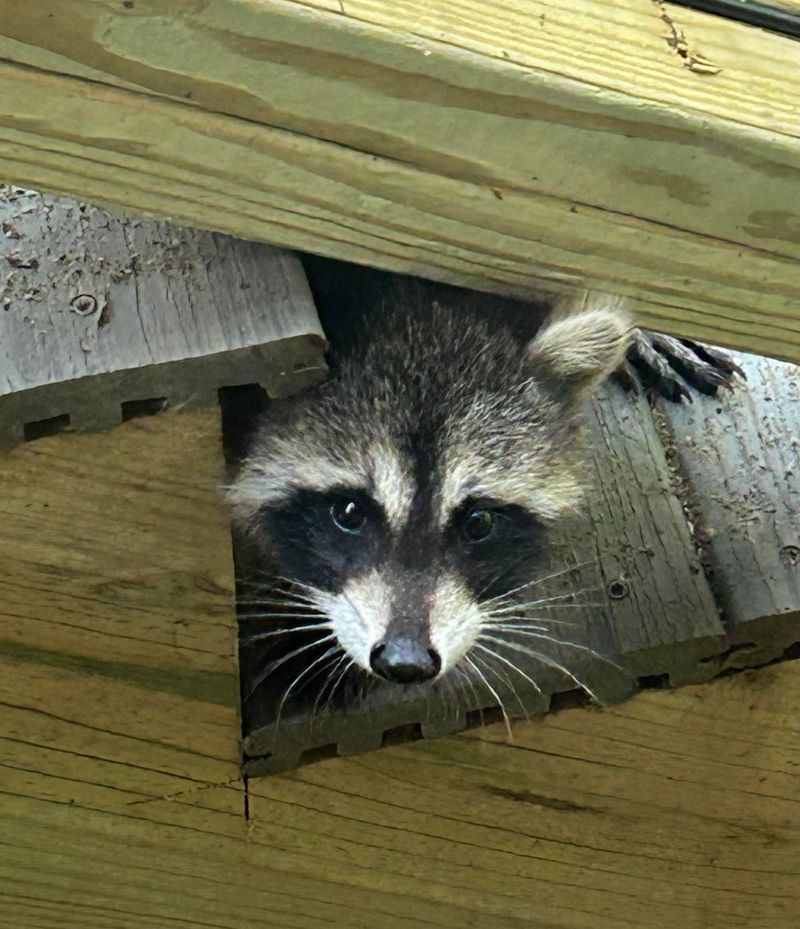
Raccoons are adaptable and smart. If they find that your yard is safe, quiet, and full of food, they will treat it like home base.
The longer they go undisturbed, the harder it becomes to discourage them from visiting. Acting early and staying consistent is the key to keeping them from settling in.
Motion-activated lights and sprinklers are great tools for making raccoons feel unwelcome. When an animal triggers a sudden burst of light or water, it startles them and creates a negative association with your yard.
Over time, they learn that your property is not a safe or easy place to visit.
Never feed raccoons intentionally. Some people find them cute and leave food out on purpose.
This is one of the worst things you can do. Hand-fed or regularly fed raccoons lose their natural fear of humans and become bolder and more aggressive over time.
They may also attract others. Trimming tree branches that hang over your roof removes easy access points raccoons use to get onto your home.
Sealing gaps under decks and porches prevents them from nesting in sheltered spots close to your house.
The goal is to make your entire property feel unwelcoming to wildlife that should not be there.
Staying consistent with all of these habits is what makes the biggest difference. One night of leaving food out can undo a week of progress.
Raccoons are patient and persistent, so your prevention efforts need to be too.