Simple Scent Repellents That Actually Keep Raccoons Away
Something rustles outside your window at midnight, and it isn’t wind. Raccoons treat your yard as open territory, uninvited. Nightfall near your home turns chaotic once bandits arrive.
Trash cans tip, your garden shreds, patience wears thin fast. Claws leave muddy proof across your porch before sunrise arrives. Nothing discourages bandits from your home like the right scent.
Ammonia, pepper, and citrus turn your yard into unwelcome ground. Kitchen cabinets hold answers against the intruders raiding your yard. Garages already hide forgotten bottles that could protect your entire home.
Neighborhood yards grow quiet once raccoons sense real resistance. Simple tricks outperform costly fencing when your timing is right. Persistence matters because raccoons test your boundaries until they stop.
Ignoring the signs only invites more nightly visits. Your senses might miss what theirs cannot, and that helps you. Curiosity aside, your next move decides whether raccoons stay or leave for good.
1. Peppermint Oil Sprayed Around Edges
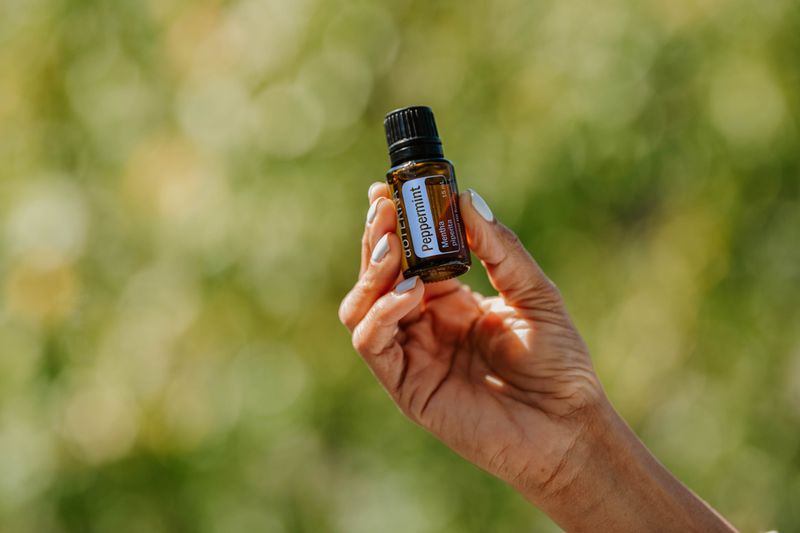
Raccoons have highly sensitive noses, and peppermint oil is something they strongly dislike. That sharp, minty scent overwhelms their senses fast. A single whiff often encourages them to move elsewhere.
Mix about 10 to 15 drops of pure peppermint essential oil with water in a spray bottle. Shake it well before each use. Spray the mixture along fence lines, garden borders, and near trash can lids.
The key is consistency with this method. Reapply every two to three days, especially after rain. Wet conditions dilute the scent quickly, so staying on top of it matters a lot.
Many homeowners are surprised by how well this works. Peppermint oil is non-toxic to plants and safe around pets in diluted form. It keeps your yard smelling fresh while doing serious repellent work.
You can also soak cotton balls in the oil and tuck them into corners, under decks, or near entry points. Raccoons will pick up the scent before they even get close. Rotate the soaked cotton balls every few days to keep the smell strong.
Peppermint oil is one of the most pleasant scent repellents on this list. It doubles as a natural air freshener for your outdoor spaces. Keeping raccoons away has never smelled this good, and that alone makes it worth trying.
2. Ammonia-Soaked Rags Near Entry Points

Ammonia carries a sharp, unpleasant odor that many raccoons tend to avoid. These animals are wired to avoid anything that signals danger.
Placing ammonia-soaked rags near common entry points may discourage raccoons from that area.
Soak old rags or thick cloth pieces in household ammonia. Wear gloves when handling them, because the fumes are strong. Place the soaked rags near crawl spaces, under decks, and around garbage areas.
Refresh the rags every few days to keep the scent powerful. Ammonia evaporates quickly, especially in warm weather. A fading scent loses its effectiveness, so check them often.
This method works best at entry points where raccoons have already been spotted. Blocking their usual routes with a strong chemical signal disrupts their routine. Once their comfort zone smells threatening, they tend to move on fast.
Keep ammonia away from pets and children, and never use it indoors. The fumes can be irritating in enclosed spaces. Outdoors and well-ventilated areas are the right spots for this approach.
One smart trick is to combine ammonia rags with physical barriers like hardware cloth. The scent deters them while the barrier blocks access completely.
Together, these two tools create a strong defense that raccoons rarely push through. This straightforward strategy can help reduce raccoon activity near your crawl space.
3. Hot Pepper Spray On Plants

Raccoons are curious eaters, but they strongly dislike spicy heat on their paws and nose. Hot pepper spray turns your beloved garden into a place they want nothing to do with. A little capsaicin goes a long way when it comes to keeping masked raiders out.
Make your own spray by boiling water with crushed cayenne pepper or dried chili flakes. Let it cool completely, then strain out the solids. Pour the liquid into a spray bottle and coat your plants generously.
Focus on the leaves, stems, and soil around your most targeted plants. Raccoons often test food by touching it before eating. When their paws hit that spicy residue, they back off immediately.
Reapply after every rain since water washes the capsaicin away quickly. A weekly spray routine during dry spells keeps protection consistent. Staying ahead of the schedule is what makes this method really shine.
You can also buy pre-made hot pepper sprays at garden centers. Many are labeled as animal repellents and contain concentrated capsaicin. These products save time and often last longer than homemade versions.
Hot pepper spray is completely safe for your plants and breaks down naturally in the soil. Birds are immune to capsaicin, so your feathered friends can still visit freely.
Raccoons, on the other hand, tend to avoid plants treated this way. Scent repellents like this one protect your harvest without any harsh chemicals or traps.
4. Garlic Scattered Around The Garden
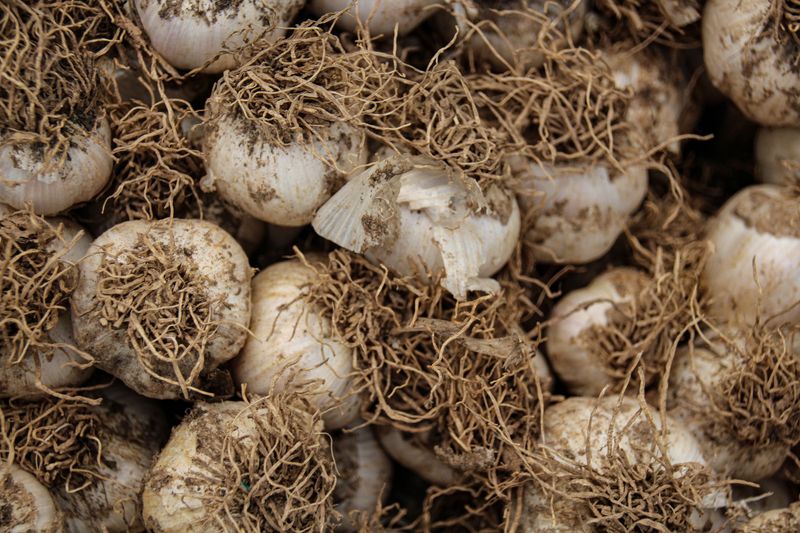
Garlic has been used for centuries to ward off all kinds of unwanted guests, and raccoons are no exception. That pungent, sulfuric odor is one many raccoons tend to avoid. Scattering garlic around your garden creates an invisible barrier they rarely cross.
Crushed raw garlic works best because it releases the most potent compounds. Spread crushed cloves along garden borders, near trash cans, and around compost bins. The stronger the smell, the better the deterrent effect.
Garlic powder is a convenient alternative when fresh cloves are not on hand. Sprinkle it generously around the perimeter of your planting beds. Reapply after watering or rain, since moisture breaks down the scent fast.
You can also make a garlic spray by blending several cloves with water and straining the mixture. Apply it directly to soil and plant bases. This liquid version soaks into the ground and creates a longer-lasting scent barrier.
Combining garlic with other repellents like hot pepper or peppermint boosts the overall effectiveness. Raccoons encountering multiple unpleasant smells at once tend to retreat faster. Layering your defenses is always smarter than relying on a single solution.
Garlic is completely natural, affordable, and easy to find at any grocery store. It enriches your soil slightly as it breaks down over time.
Using it as a scent repellent is one of those satisfying wins where your garden and your pest control strategy work hand in hand.
5. Vinegar-Soaked Cloths Placed Strategically
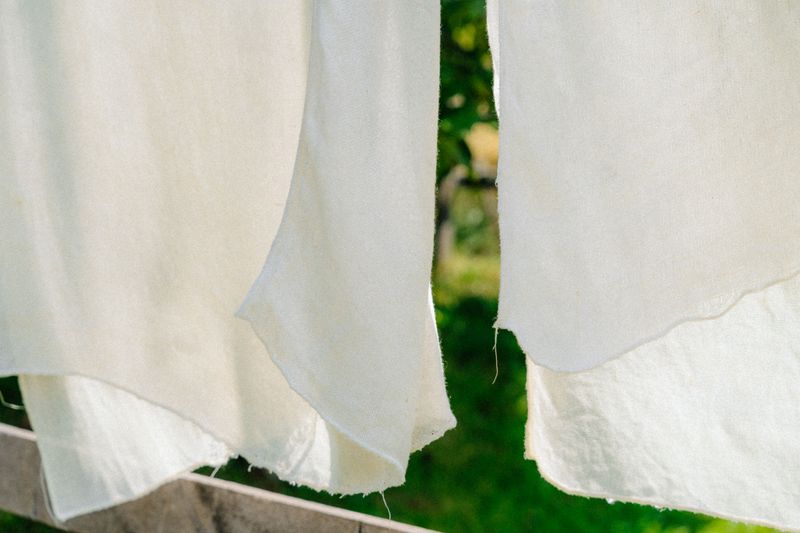
White vinegar has a sharp, acidic smell that many raccoons find unpleasant and tend to avoid. Placing vinegar-soaked cloths around your property may help discourage raccoons from that area.
Soak old cloths, rags, or even paper towels in undiluted white vinegar. Wring them out slightly so they are wet but not dripping. Tie or place them around fence posts, near garden edges, and beside trash cans.
Replace the cloths every two to three days to maintain a strong scent. Vinegar evaporates faster than many other repellents, especially on warm or windy days. Frequent replacement is what keeps this method working at full strength.
Apple cider vinegar is another option with a slightly different smell profile. Some homeowners find it works even better in certain situations.
Experimenting with both types helps you figure out which one raccoons in your area dislike more.
Vinegar is safe around children, pets, and garden plants when used outdoors in cloth form. It does not contaminate soil or harm nearby vegetation. That makes it one of the most responsible choices on this list.
Pairing vinegar cloths with other scent deterrents creates a layered defense that is hard to ignore. Raccoons rely heavily on smell to navigate their environment.
When every corner smells wrong to them, they stop treating your yard as a destination and start avoiding it entirely.
6. Predator Urine Like Fox Or Coyote
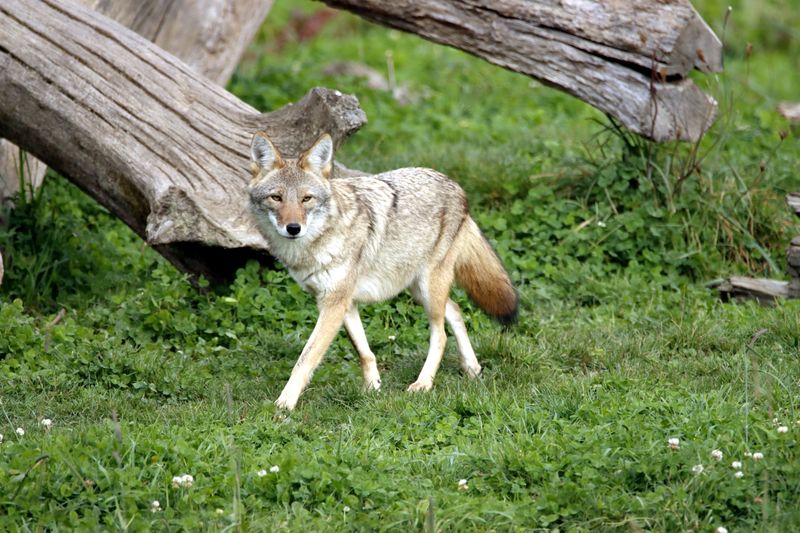
Fox and coyote urine can trigger a natural avoidance response in raccoons, who instinctively steer clear of predator scents. When they detect either scent, raccoons typically move away from the area.
Predator urine is sold at garden centers, farm supply stores, and online retailers. It comes in liquid form and is usually applied with a spray bottle or absorbent granules. Follow the package instructions for the best placement and coverage.
Apply it along the perimeter of your property and near any areas raccoons frequent. Focus on entry points, trash areas, and garden edges. Reapply every few days or after heavy rain to keep the signal fresh.
The scent works because raccoons are prey animals at heart, despite their bold behavior. Even a well-fed suburban raccoon still has wild instincts that kick in fast. A predator scent nearby makes any food source feel far too risky to approach.
Some people worry about the ethics of using animal urine products. Look for brands that disclose their sourcing practices, as standards vary across the industry.
Checking for that certification before purchasing gives you peace of mind. Predator urine is one of the most powerful scent repellents available for keeping raccoons away.
Combining it with physical barriers can make your property more difficult for raccoons to access. When you want fast, instinct-driven results, this is one of the more reliable tools to try.
7. Epsom Salt Sprinkled Near Plants
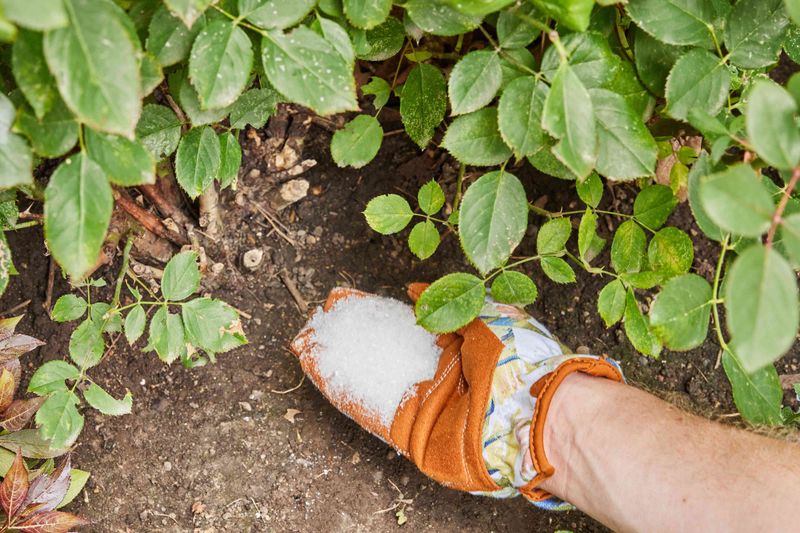
Epsom salt might be famous for soothing sore muscles, but raccoons have a completely different reaction to it. The sharp, mineral scent is one many raccoons tend to avoid. Sprinkling it near your plants is a quiet but effective form of protection.
Pour Epsom salt directly onto the soil around your garden beds and near plant bases. Create a visible ring of salt around your most vulnerable plants.
Raccoons typically avoid crossing through materials that feel and smell unfamiliar underfoot.
Reapply after watering or rainfall, since moisture dissolves the granules into the soil. A consistent schedule keeps the scent barrier strong. Checking after every significant rain is the best habit to build with this method.
Epsom salt also benefits your plants by providing magnesium and sulfur. Those two minerals support healthy growth and deeper green color in leaves.
You are protecting your garden and feeding it at the same time, which is a genuinely smart trade-off.
Avoid applying too much near plants that prefer low-magnesium soil, like sage or lavender. Moderation keeps the benefits balanced without disrupting plant health. A light, even layer is all you need for the repellent effect to kick in.
Scent repellents that double as garden boosters are rare, and Epsom salt earns its spot on this list. It is affordable, widely available, and completely non-toxic. Sprinkling it around your garden can meaningfully reduce raccoon activity over time.
8. Mothballs Placed In Problem Spots
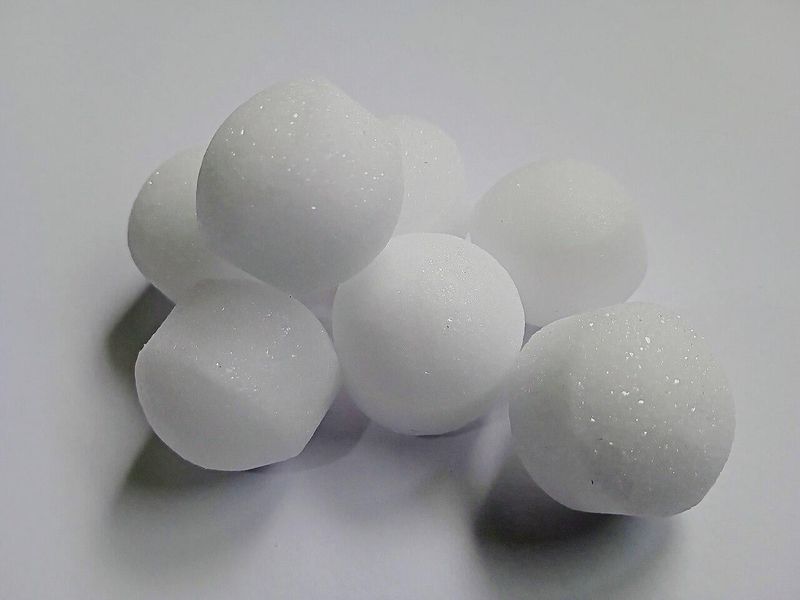
Mothballs carry a sharp chemical odor that most animals find deeply unpleasant, and raccoons are no different. That strong naphthalene smell triggers an avoidance response almost immediately.
Placing them in problem spots can shift a raccoon’s behavior pattern within just a few nights.
Tuck mothballs into small mesh bags or old nylon stockings for easier placement. Hang them near shed entrances, under decks, and around garbage storage areas. The contained bags let the scent spread without scattering loose balls across your yard.
Replace mothballs every few weeks since they slowly evaporate over time. Fading scent means fading protection, so freshness matters. Checking them monthly keeps your defense system running at full strength.
Keep mothballs well out of reach of children and pets, as they are toxic if ingested. Never place them directly in soil or near edible plants. Responsible placement is the key to using this method safely and effectively.
Mothballs are registered for indoor pest control, and using them outdoors may go against label instructions in some regions. Check local guidelines before use.
Mothballs work especially well in enclosed or semi-enclosed spaces like crawl spaces, sheds, and under porches.
Raccoons love dark, sheltered spots for nesting, and mothballs make those spaces feel hostile. Disrupting their preferred nesting areas can encourage them to relocate.
Pairing them with other scent repellents creates a multi-layered defense that raccoons find nearly impossible to ignore. These steps can help reduce raccoon activity in your most vulnerable outdoor spaces.