These Are The Vegetables You Should Never Plant Next To Squash
You expect squash to behave itself, but it rarely does that. Vines creep further than you plan for, crowding nearby crops. Certain plants compete directly for nutrients your squash craves.
Potatoes lag behind when you plant them too close. Cucumbers attract the same pests already circling your garden. Corn competes for the same nutrients your squash needs to keep producing.
Melons share diseases that spread quickly once mixed together. Fennel releases compounds that slow roots near your beds. Poor drainage nearby costs you more trouble later.
Onions lose ground fast when your squash shades them. Wrong pairings quietly turn your harvest into a disappointment. Timing decides whether your season thrives or quietly stalls.
Spacing matters more than most gardeners ever realize. Nothing here waits, and your choices now shape everything ahead.
Every pairing you choose either helps or quietly reduces your yield. Overlook these pairings, and your harvest may fall short this season.
1. Potatoes
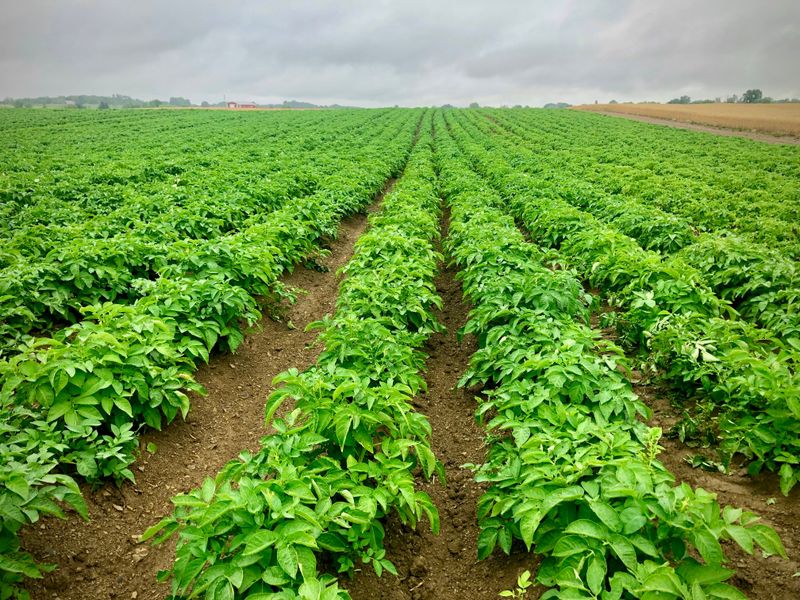
Potatoes and squash both thrive in summer gardens, but placing them side by side invites trouble. These two crops act like roommates who share every bad habit and none of the good ones.
Both plants qualify as heavy feeders, pulling enormous amounts of nutrients from the soil. When they compete for the same nitrogen, potassium, and phosphorus, neither crop reaches its full potential. Growth slows, yields shrink, and frustration builds by midseason.
Squash vines also spread aggressively, shading potato plants and blocking sunlight they need to produce strong tubers. Less light means smaller potatoes and a disappointing harvest. Even healthy soil cannot compensate for lost sunlight.
Pest problems make this pairing riskier. Certain pests are known to move quickly between nearby plants. One infested row can threaten your entire garden within days.
Fungal pressure adds another serious concern to this mix. Crowded, humid conditions between potatoes and squash can encourage various fungal issues, even though each crop tends to attract its own specific diseases. Poor airflow accelerates the problem.
Underground competition compounds every issue mentioned above. Both plants occupy similar soil depths, creating root tension that stresses both crops simultaneously.
Stressed plants become more vulnerable to disease, pests, and inconsistent growth throughout the season.
Keeping potatoes at least ten feet from your squash patch remains a smart move. Give each crop dedicated space, fresh compost, and strong airflow, and both will reward you with a stronger yield.
2. Pumpkins
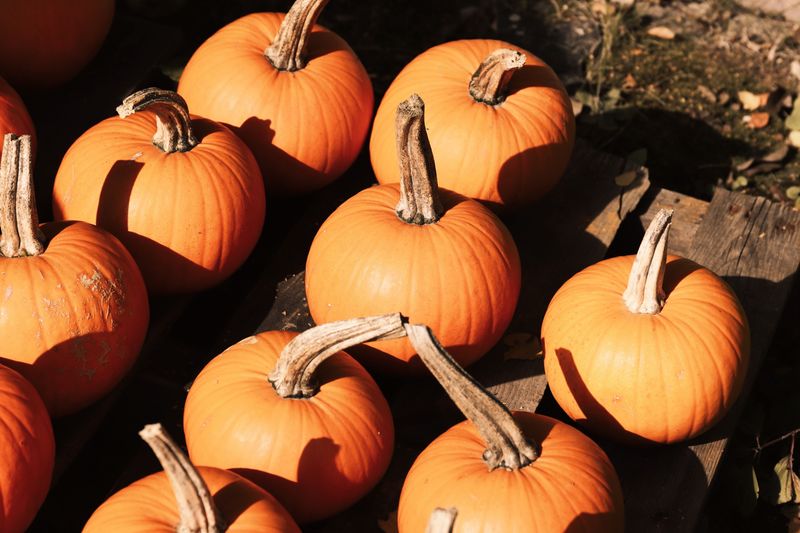
Planting pumpkins next to squash sounds like a fall harvest dream, but it quickly turns into a difficult combination.
These two are so closely related that they cause more problems than almost any other pairing. Pumpkins and squash belong to the same plant family, Cucurbitaceae.
That shared lineage means they invite the same insects, including cucumber beetles, which spread bacterial wilt. This disease affects cucumbers most severely, though squash can also show symptoms.
Squash vine borers, cucumber beetles, and powdery mildew all favor this family intensely. When you cluster pumpkins and squash together, you essentially increase pest exposure with little natural separation. Infestations spread faster than most gardeners expect.
Cross-pollination presents another real issue worth taking seriously. If you save seeds from squash and pumpkins that cross-pollinated nearby, next year’s plants may produce unpredictable, lower-quality fruit. Years of careful seed saving can unravel quickly.
Both crops also spread wide vines that tangle and compete for ground space. That tangled mess makes it nearly impossible to identify which plant is struggling or which vine needs attention when problems arise.
Soil nutrition takes a serious hit too. Both plants are hungry feeders that drain similar nutrients quickly, leaving the soil depleted before either crop fully matures. Fruit size and flavor often decline as a result.
Spacing them far apart, ideally on opposite ends of your garden, gives each plant room to thrive independently. Your squash will grow stronger, your pumpkins will stay healthier, and you will spend less time fighting problems that should never have started.
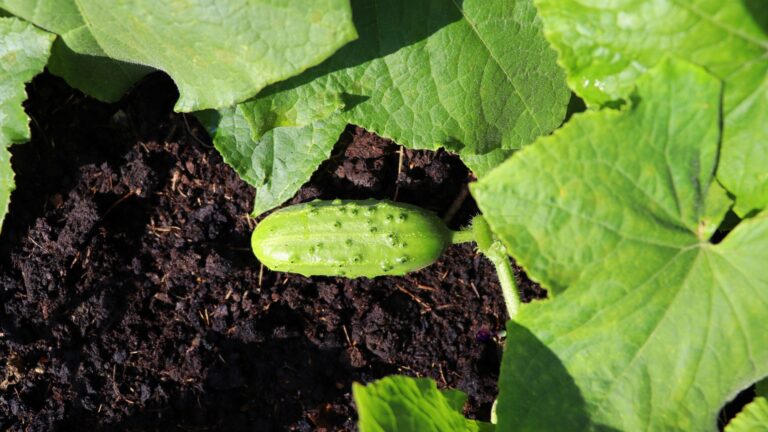
3. Cucumbers
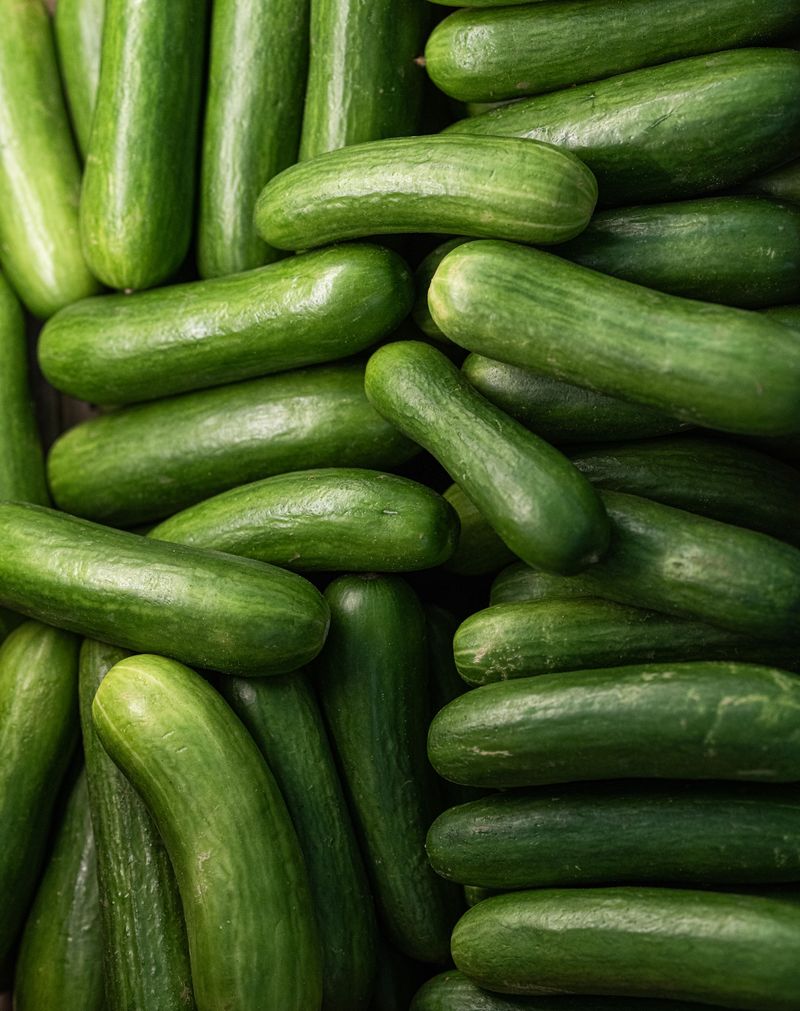
Cucumbers seem like a natural companion for squash since both love warm weather and long summer days. But placing them side by side is one of the most common mistakes home gardeners make every season.
Like pumpkins, cucumbers belong to the same plant family as squash. That shared lineage means they invite the same insects, including cucumber beetles, which spread bacterial wilt to both crops simultaneously.
Once bacterial wilt takes hold, it moves fast. Affected plants wilt dramatically during the day, and there is no cure once infection spreads through the stems and root system of your garden.
Aphids are another shared pest that loves both cucumbers and squash. A colony that starts on one plant jumps easily to the other, and populations can grow rapidly within days if you are not watching closely.
Both plants also need consistent moisture and similar soil conditions, which sounds convenient but actually creates fierce underground competition. When water becomes slightly limited, both crops struggle instead of one thriving at the other’s expense.
Powdery mildew spreads rapidly between cucumbers and squash when they grow in close quarters. The dense foliage creates trapped humidity that this fungal disease absolutely loves to exploit for weeks.
Root systems tangle beneath the surface long before symptoms appear above ground. By the time wilting shows, damage has often already spread quietly between neighboring plants.
Separating cucumbers and squash by a wide enough distance gives both crops breathing room and reduces shared pest pressure significantly. Pair cucumbers with beans or lettuce instead, and watch how much better your entire garden performs this season.
4. Melons
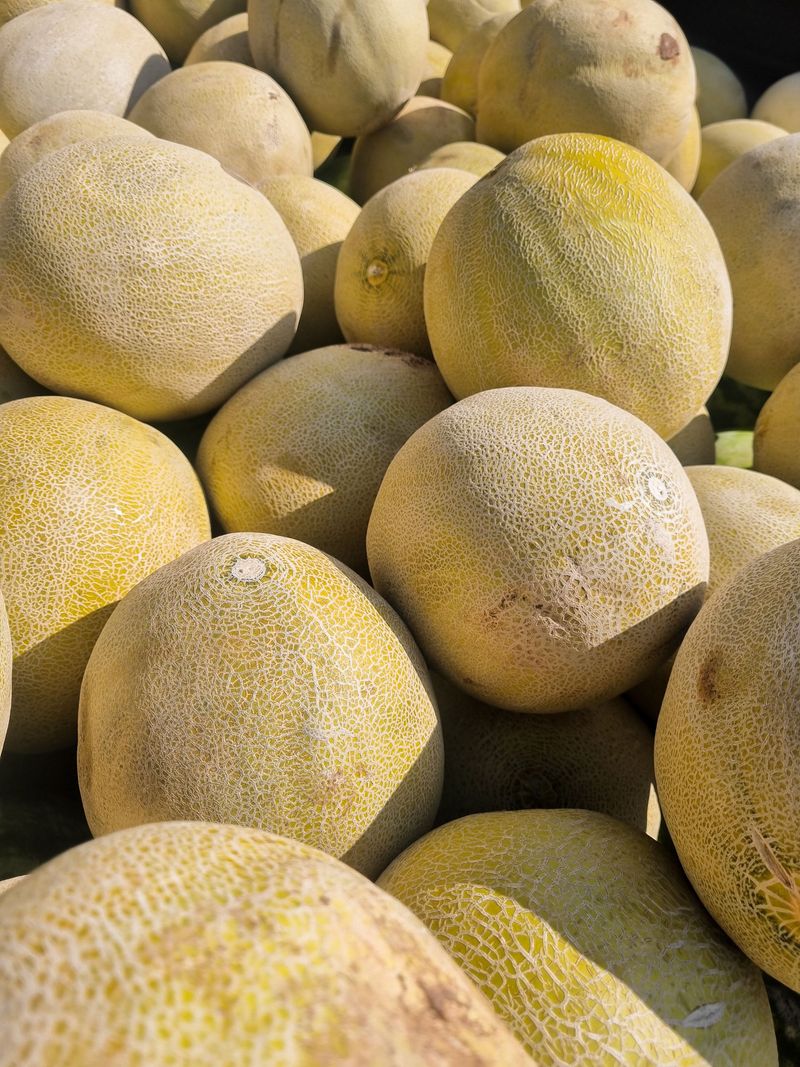
Melons feel like the perfect summer neighbor for squash, but the reality is messier than it looks on paper. Gardeners who try this combination often end up with two underperforming crops instead of two thriving ones.
Melons and squash compete intensely for sunlight, water, and soil nutrients all at once. When both plants fight for the same resources, neither develops the deep root system it needs to support big, flavorful fruit.
Vine management becomes a genuine headache too. Melon vines and squash vines spread in every direction, and when they grow close together, they twist around each other in ways that make pruning and harvesting nearly impossible.
Shared pests are a constant threat with this pairing. Squash bugs and cucumber beetles that target squash will happily migrate to nearby melons, spreading damage across your entire garden bed within days.
Pollination can also get complicated quickly. Both crops rely on bees and other pollinators, and when vines overlap, flowers from each plant get mixed up, sometimes resulting in poor fruit set for both crops.
Disease pressure increases significantly when these two grow side by side. Downy mildew and angular leaf spot both thrive in the crowded, humid conditions that tangled melon and squash vines create naturally.
Harvest timing adds one more layer of frustration. Tangled vines make it difficult to tell which fruit belongs to which plant, leading to accidental damage during picking.
Plant melons on the opposite side of your garden from squash, with plenty of open space between them. That simple separation protects both crops and gives your pollinators clear, easy access to every flower that opens.
5. Zucchini
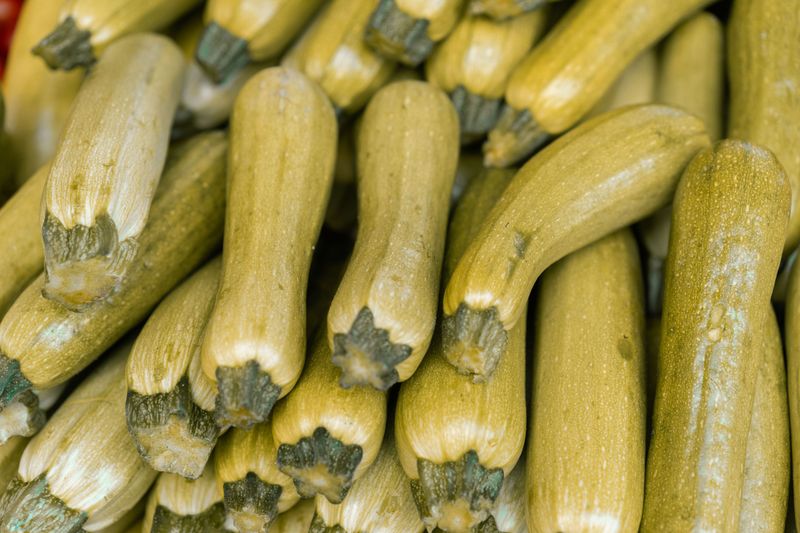
Zucchini is technically a type of squash, which makes planting it next to squash feel completely natural. But that close relationship is exactly what makes this combination so problematic for home gardeners.
Growing two squash varieties side by side concentrates every shared weakness into one small garden area. Pests that target squash now have double the food source, and disease pressure builds faster than most gardeners expect.
Squash vine borers are especially dangerous in this situation. These larvae tunnel into plant stems, and when zucchini and squash grow together, an infestation can significantly damage both crops before you notice.
Cross-pollination between zucchini and other squash varieties is almost guaranteed when they grow nearby. If you save seeds to replant next year, you may end up with unpredictable hybrid fruits that resemble neither parent plant.
Both plants also cast wide, large leaves that block sunlight from reaching the soil below. That trapped shade creates moist, cool conditions at the base of the plants where fungal diseases spread with very little encouragement.
Powdery mildew is especially common when zucchini and squash share a bed. The spores travel on air currents between plants, and once one plant becomes infected, the other almost always follows within a week or two.
Harvest confusion compounds these problems even further. Overlapping leaves and tangled stems make it difficult to spot early symptoms before an infestation spreads completely out of control.
Keep zucchini and other squash varieties well separated in your garden layout. Planting them far apart limits shared pest exposure and gives each plant the airflow it needs to stay productive all season long.
6. Fennel
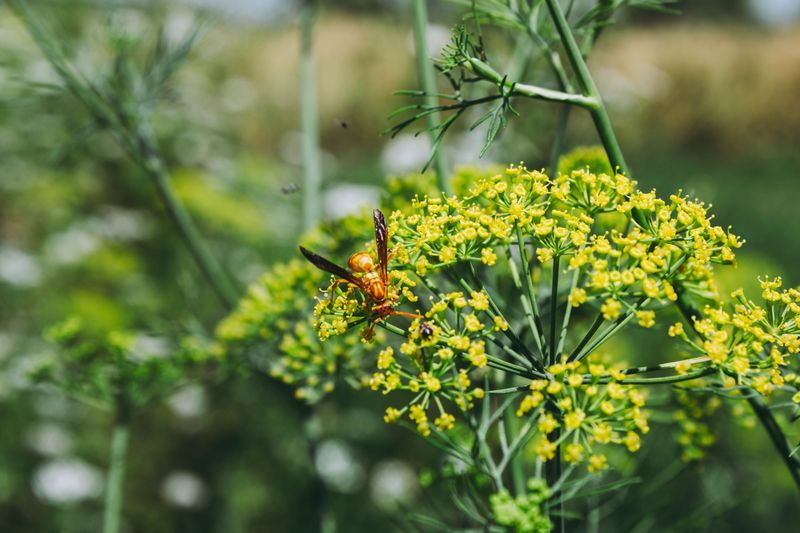
Fennel has a reputation as one of the most incompatible plants in any vegetable garden. It does not play well with others, and squash is absolutely no exception to that rule.
The problem with fennel is chemical, not just physical. Fennel releases compounds through its roots that actively suppress the growth of nearby plants, a process called allelopathy that gardeners often overlook until damage appears.
Squash is particularly sensitive to these root chemicals. When fennel grows close by, squash plants often show stunted growth, yellowing leaves, and reduced fruit production even when soil conditions seem perfectly fine otherwise.
Fennel’s allelopathic effects are not immediate, which makes them easy to overlook. You might not notice the problem until mid-season, long after you have invested time, water, and compost into your squash bed.
Pollinators add another layer of complication here. Fennel attracts beneficial insects strongly, but it can also draw aphids and other soft-bodied pests that quickly migrate to squash once fennel becomes crowded or stressed.
Even the tall, feathery fronds of fennel create a shading problem for low-growing squash. Blocked sunlight reduces photosynthesis, which limits the plant’s ability to resist pest or disease pressure effectively.
Timing rarely helps once symptoms finally surface above ground. Root damage typically begins long before leaves show any visible signs of trouble.
Fennel belongs in its own container or a completely separate garden bed, far from squash and most other vegetables. Give it space to grow independently, and your squash will thank you with bigger, healthier fruits all summer long.
7. Brassicas
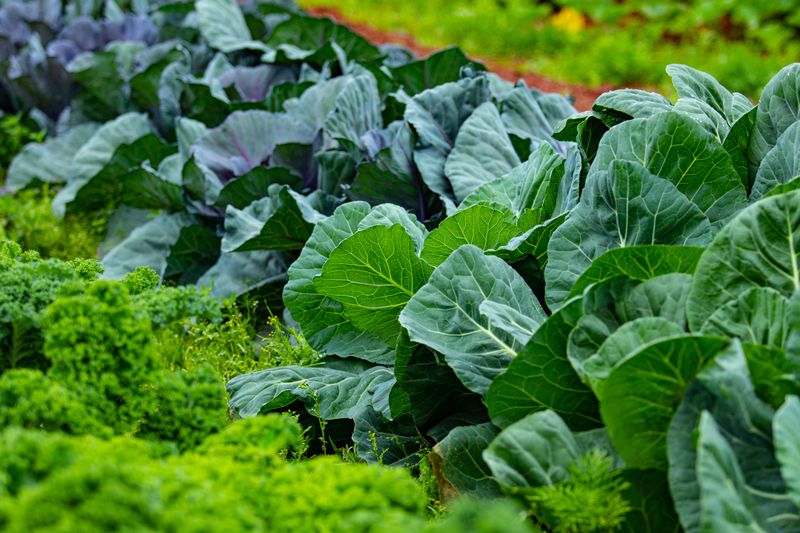
Brassicas are fast-growing, nutrient-intensive crops in the vegetable garden. Crops like broccoli, cabbage, kale, and cauliflower are heavy feeders that pull nutrients from the soil at an aggressive rate.
When you plant brassicas near squash, both crops end up fighting for the same limited pool of nitrogen and other key minerals. That underground competition leaves both plants nutrient-deficient and unable to reach their full growing potential.
Squash especially needs consistent nitrogen to fuel its fast, sprawling vine growth. When brassicas drain that nitrogen first, squash vines grow weak and slow, producing fewer flowers and noticeably smaller fruit by harvest time.
There is also a pest overlap that makes this pairing even more problematic. Cabbage worms and aphids that target brassicas can easily travel to nearby squash, adding a whole new layer of insect pressure to manage.
Brassicas also prefer cooler growing temperatures, while squash thrives in summer heat. Planting them together often means one crop feels stressed by the weather while the other struggles from nutrient competition underground.
Root systems of both plant groups occupy similar soil depths, creating physical crowding below the surface.
That cramped root environment limits water absorption for both crops, especially during dry summer stretches when moisture is already scarce.
Watering schedules become harder to manage once these conflicting needs collide. What helps one crop often stresses the other, leaving you constantly adjusting instead of maintaining steady, reliable growth.
Keeping brassicas in a separate raised bed or garden section away from squash is the smartest approach. That separation protects both crops, keeps your soil balanced, and helps you grow the best possible vegetables all season long.