7 Signs Your Garden Has Voles And How To Stop Them
Most lawn damage gets blamed on the wrong culprit. Grubs, moles, even drought, take the fall while the real cause keeps working undisturbed.
Thin trails across the grass, bark stripped clean off young trunks, bulbs that disappear without a trace. These aren’t random problems. They’re connected, and they point to one small animal most homeowners never actually see.
It stays underground, avoids daylight, and does most of its damage in a single season. By the time the pattern is obvious, the fix gets a lot harder.
Here’s how to tell the difference before your yard pays the price.
Shallow Surface Tunnels Crisscross Through The Lawn
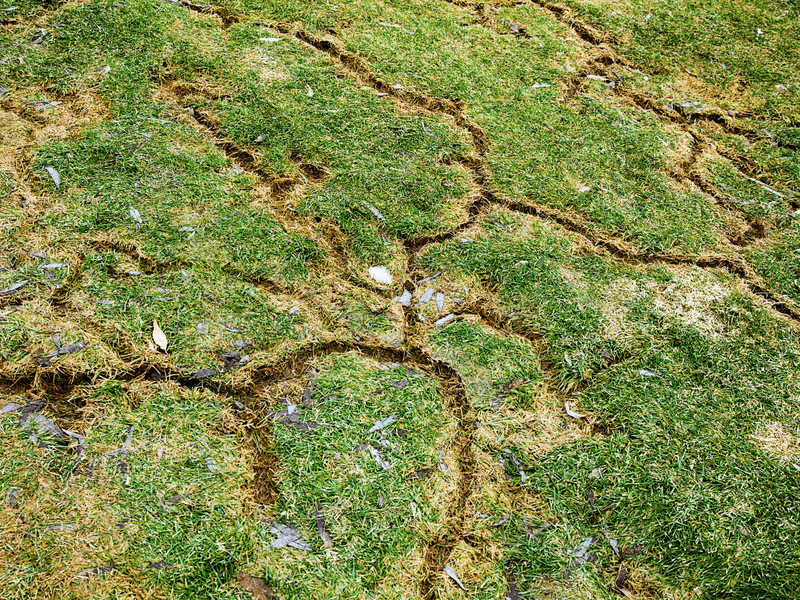
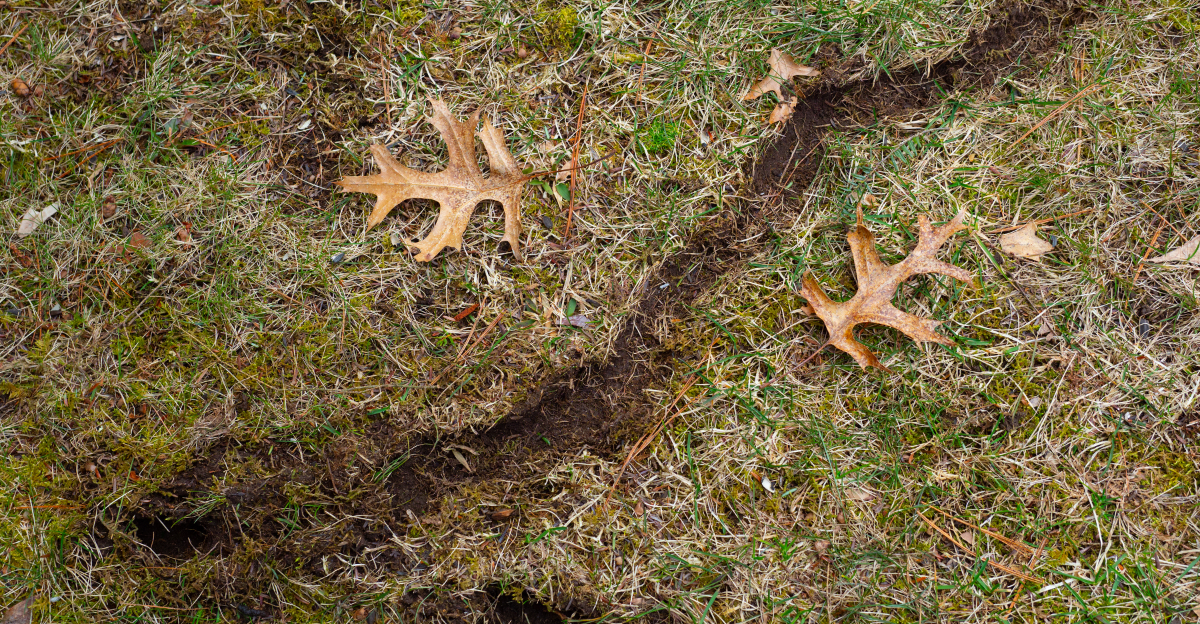
Step outside one morning and notice strange lines running through your lawn like tiny highways. Those are vole runways, and they’re one of the first clues something is tunneling through your yard.
Voles create these shallow tunnels just under the grass surface. They pack down the soil and grass blades as they travel the same paths repeatedly.
Unlike mole tunnels, vole runways sit very close to the top of the ground. You can often see them clearly after mowing or when grass thins out in dry weather.
These runways connect burrow entrances to food sources like roots, bulbs, and plant stems. A single vole family can build an elaborate tunnel network covering a wide stretch of yard.
The tunnels are usually about one to two inches wide. They tend to look flattened and slightly discolored compared to the healthy grass around them.
If you spot multiple tunnels weaving across your lawn, act quickly. The longer voles stay comfortable in your yard, the more extensive their network grows.
Checking your lawn after rain or in early morning light makes spotting these runways much easier. Moisture and low-angle sunlight highlight the uneven ground and pressed-down grass paths left behind.
Identifying tunnels early is your best advantage against a growing vole problem. Catch it now, and you still have solid options for taking back your garden before real damage sets in.
Gnaw Marks Appear Near The Base Of Plants
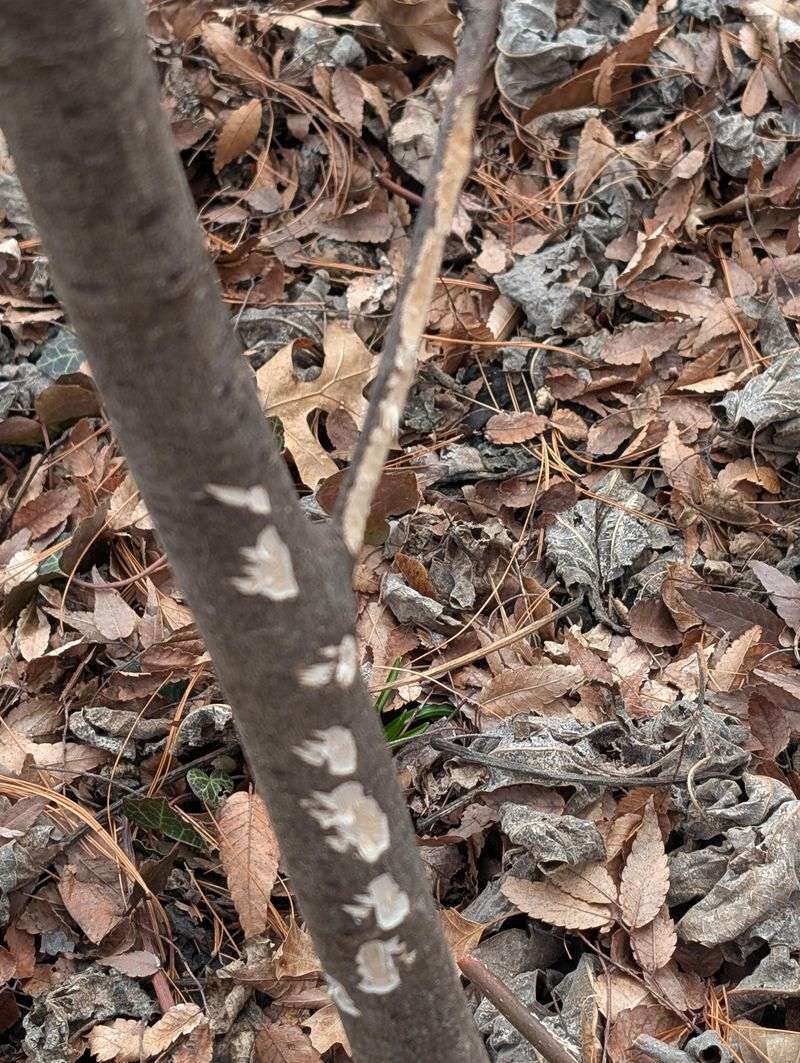
Voles are relentless chewers, and your plants pay the price. Finding gnaw marks near the base of stems or roots is a classic red flag that rodents are active in your garden beds.
Unlike slugs or insects, voles leave behind rough, jagged chew marks. The damage often appears right at or just below the soil line, which makes it easy to miss at first glance.
Perennials, ornamental grasses, and vegetable seedlings are common targets. Voles feed on plant tissue and can sever a stem in just a few nights of repeated gnawing.
Check your garden beds regularly for wilting plants that have no obvious reason to struggle. Sometimes a plant looks perfectly healthy above ground but has been chewed clean through at its base.
Gently tug on any wilting stem. If it lifts out of the soil with almost no resistance, something has been feeding on the roots or stem below the surface.
This kind of damage is often blamed on cutworms or other insects. Closer inspection usually reveals the broader, more irregular chew pattern that rodents like voles produce.
Protecting vulnerable plants early can prevent total loss. Placing wire mesh cylinders around individual plant bases gives roots and stems a physical barrier that voles cannot easily chew through.
Staying observant during the growing season keeps small gnaw damage from turning into a much bigger problem. Catching it early makes all the difference when protecting your favorite plants.
Small Round Holes Show Up Throughout The Yard
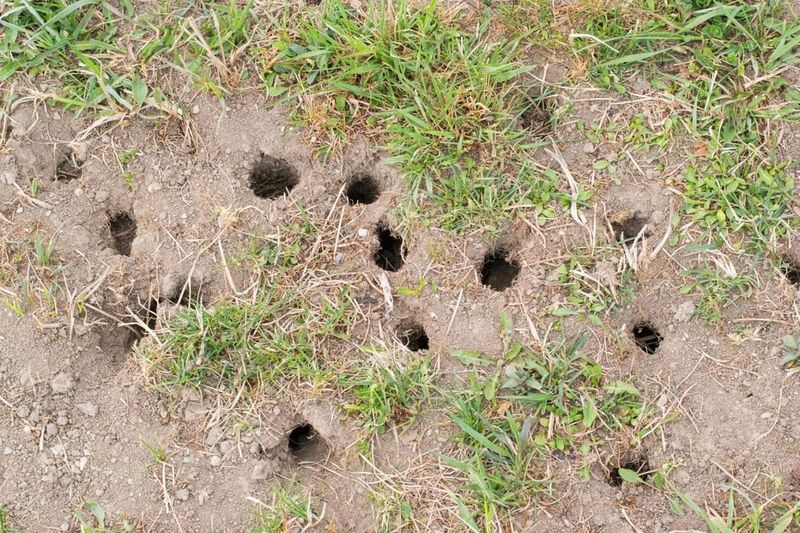
Spotting a cluster of small holes scattered across your yard can feel confusing and a little unsettling. These are likely vole burrow entrances, and they signal an active underground community living beneath your feet.
Vole holes are typically about one to one-and-a-half inches in diameter. They look clean and round, often with freshly disturbed soil pushed up around the edges.
Unlike mole hills, vole burrow openings do not have large mounds of dirt surrounding them. The openings are subtle, which is exactly why they get overlooked until the population has already grown.
You might find these holes near garden beds, along fence lines, or tucked under dense ground cover. Voles prefer areas where they feel sheltered from predators like hawks and foxes.
Thick mulch layers and overgrown vegetation give voles perfect cover to dig without being spotted. Keeping mulch thin and trimming back dense plantings can make your yard far less inviting to them.
Poking a stick gently into a hole can help you gauge its depth. Active burrows tend to feel open and clear, while abandoned ones may be partially collapsed or filled with debris.
Marking the locations of holes over a few days helps you understand how active the colony is. New holes appearing frequently means the population is growing and needs to be addressed soon.
Finding these small openings scattered throughout your garden usually means a colony has already made itself at home. Act before the network expands beyond easy control.
Bark Damage Circles The Base Of Young Trees
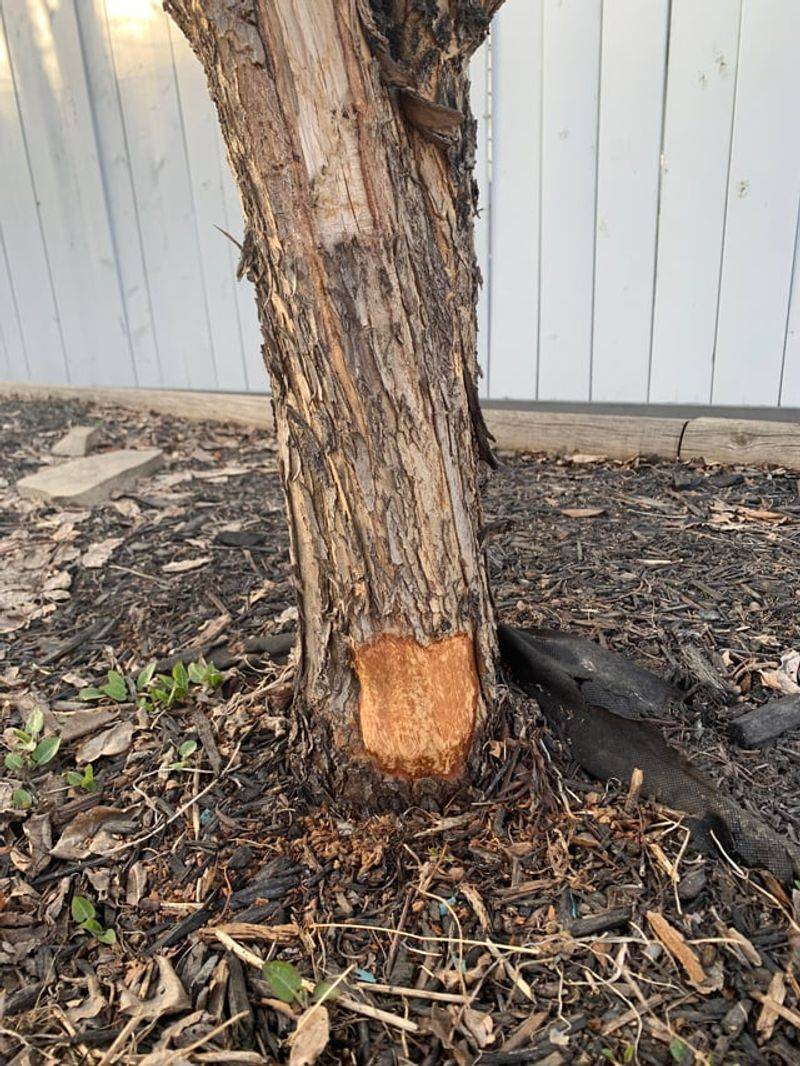
Finding chewed bark wrapped around the base of a young tree is one of the most concerning signs voles have moved into your yard. This type of damage is called girdling, and it can severely damage small trees if left unchecked.
Voles gnaw through the outer bark to reach the soft, nutrient-rich layer underneath. When they chew all the way around the trunk, they cut off the tree’s ability to move water and nutrients between roots and branches.
Girdling damage is especially common during late fall and winter. Snow cover gives voles hidden access to tree bases, where they feed protected from cold and predators.
Young fruit trees, ornamental cherries, and newly planted maples are particularly vulnerable. Voles tend to target thin-barked species because the outer layer is easier to chew through quickly.
Inspect your trees at the start of each season, especially after snow melts in spring. Damage that looks minor in winter can reveal serious harm once the tree tries to push out new growth.
Protecting young trees with hardware cloth cylinders is a proven method. Wrap a cylinder of quarter-inch mesh around each trunk, extending a few inches below the soil and at least 18 inches above ground.
Keeping the area around tree bases clear of mulch, leaves, and tall grass also reduces vole activity nearby. Exposed ground gives predators better sight lines and makes voles feel less secure.
Protecting your trees now prevents costly losses later in the growing season.
Vegetables And Bulbs Disappear Without Warning
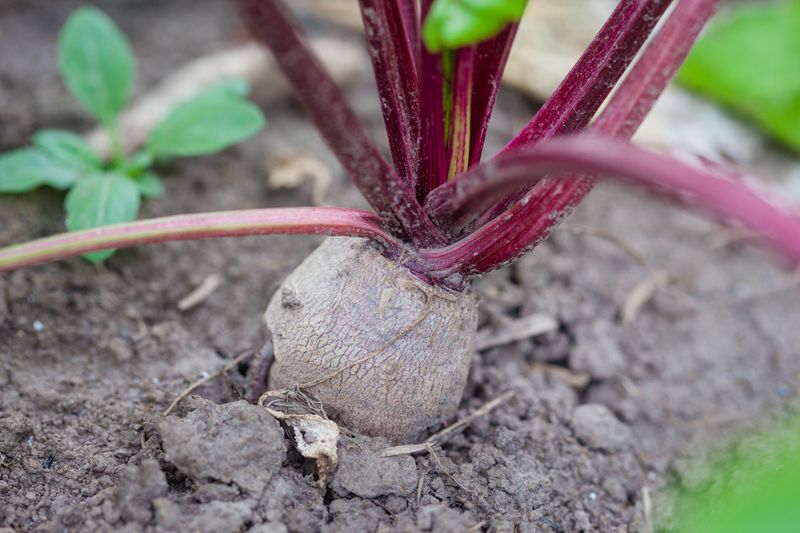
You plant a row of tulip bulbs in October, and by spring, not a single bloom appears. No frost damage, no disease, just empty holes where your bulbs used to be.
Voles are enthusiastic underground foragers, and bulbs are among their favorite foods. They locate bulbs through scent and dig directly to them without disturbing the surface much.
Root vegetables like carrots, beets, and potatoes are also at serious risk. Voles can hollow out a carrot from below, leaving the green top standing perfectly upright until it simply falls over.
This kind of invisible damage is maddening for gardeners who cannot figure out what went wrong. The plant looks fine from above, but the edible part underground has already been eaten away.
Planting bulbs inside wire mesh cages is one of the most reliable solutions available. These cages allow roots to grow through but block voles from reaching the bulbs themselves.
Raised beds with hardware cloth lining the bottom also provide strong protection for root crops. Adding a layer of mesh beneath the soil before planting keeps voles from tunneling up into your beds.
Some gardeners report that planting daffodils near vulnerable bulbs helps deter voles. Daffodils contain toxic compounds that most rodents instinctively avoid, making them a smart companion planting choice.
Keeping a close eye on what disappears and where gives you better clues about vole activity patterns. Track the losses, and you can target your protection efforts more precisely.
Runways Are Visible In Thinning Or Matted Grass
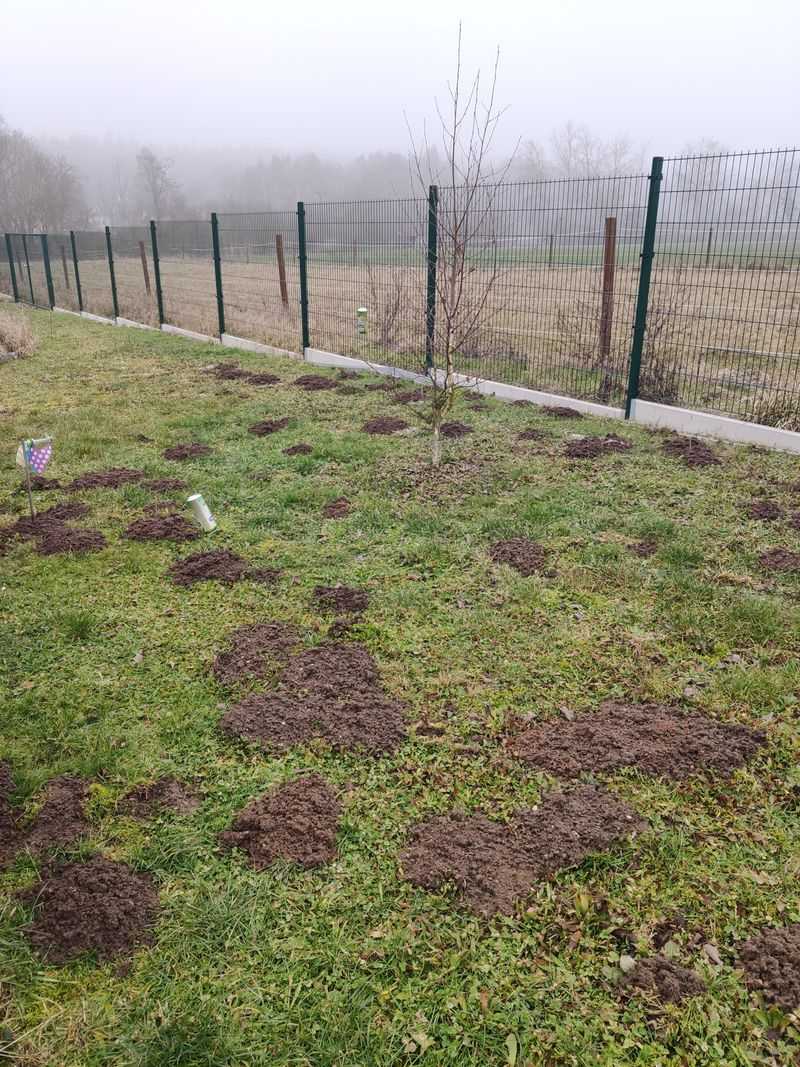
Pull back a section of matted grass after a long winter, and you might find a whole hidden world underneath. Vole runways often become most visible in early spring, once snow melts and the damage is finally exposed.
These pathways look like flattened, slightly yellowed strips of grass running in irregular patterns across the lawn. Voles travel the same routes repeatedly, pressing down vegetation and leaving clear trails behind.
Thinning grass along these routes happens because voles also feed on grass stems and roots as they move. The combination of foot traffic and feeding creates those distinctive matted strips you notice after winter.
Unlike mole damage, vole runways stay close to the surface and do not push soil upward. The ground along a runway feels firm rather than spongy or raised.
Spotting these runways in late fall before snow falls gives you a head start. Setting traps or applying repellents before winter arrives can significantly reduce the population before the cold season begins.
Keeping grass mowed short throughout the growing season discourages voles from creating new runways. Tall grass provides the cover they need to feel safe traveling above ground.
Lawn aeration and overseeding in spring can help grass recover from runway damage fairly quickly. With a little attention, most lawns bounce back within a single growing season after voles are removed.
Recognizing these matted paths early gives you the clarity you need to act decisively and protect your lawn.
Pet Activity Increases Near Certain Garden Areas
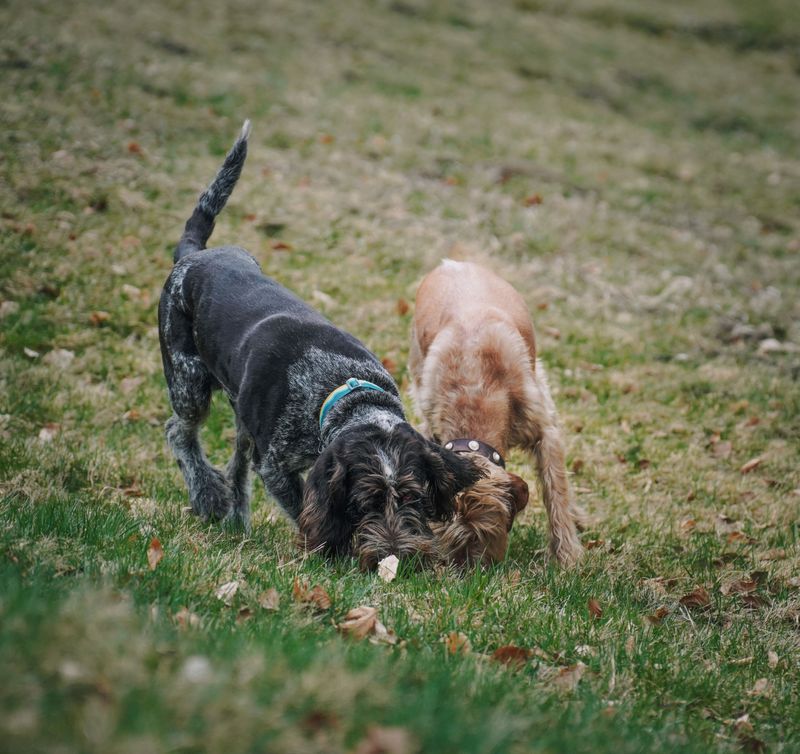
Your dog has been obsessively sniffing one corner of the yard for three days straight, and now she has started digging. That focused, determined behavior is often one of the earliest human-noticed signs of underground rodent activity.
Cats and dogs have far sharper senses of smell than we do. They can detect the scent of voles moving through tunnels beneath the soil long before any visible damage appears above ground.
If your pet keeps returning to the same spot, circles specific garden beds, or paws at the lawn near certain plants, take notice. Their behavior is essentially pointing a paw right at the problem.
Cats are natural vole hunters and can be surprisingly effective at reducing small populations. Allowing outdoor cats to patrol garden areas is a time-tested form of natural pest management.
Dogs may dig up sections of lawn trying to reach the source of the scent. While this can create its own kind of mess, their digging actually disrupts vole tunnels and makes the area less appealing to the rodents.
Paying attention to where your pets focus their energy helps you map out where vole activity is heaviest. This information is genuinely useful when deciding where to place traps or apply repellents.
Do not scold pets for showing interest in these areas. Their instincts are doing exactly what they should, and their noses are giving you free, reliable information about what lives beneath your garden.
Trust your pets on this one, and use their guidance to zero in on the right spots.
Traps And Barriers Help Reduce Vole Populations
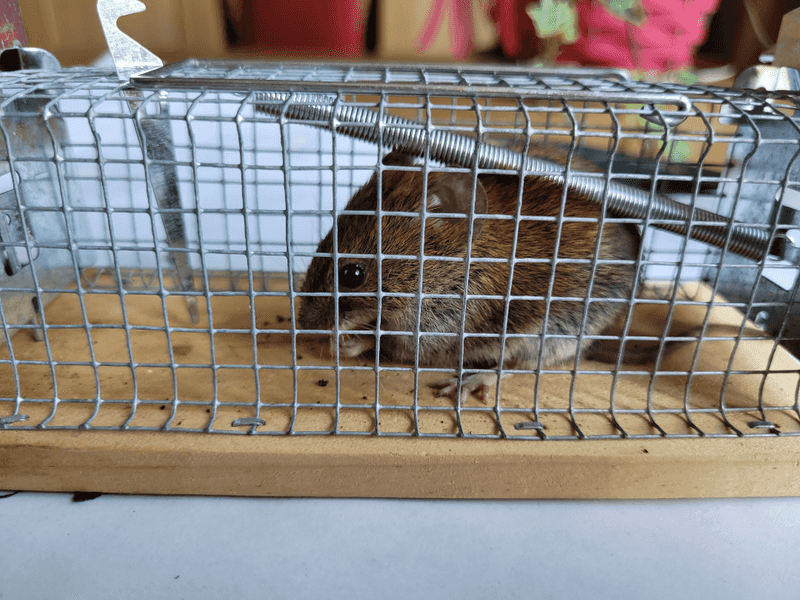
Once the damage pattern is clear, taking action becomes the top priority. Fortunately, several proven methods exist that can bring the population under control without complicated equipment or expensive professional services.
Snap traps designed for mice work extremely well for voles. Place them directly along active runways with peanut butter or apple slices as bait, and check them every morning for best results.
Spacing multiple traps close together along a single runway increases your catch rate significantly. Voles follow the same paths repeatedly, so placing traps directly in those corridors puts them right in the path of travel.
Hardware cloth barriers are one of the most dependable long-term solutions available to home gardeners. Burying mesh at least six inches underground around garden beds prevents voles from tunneling up into protected areas.
Above-ground fencing alone does not stop voles because they tunnel under it easily. The underground portion of any barrier is what makes the real difference in keeping them out.
Natural repellents made from castor oil are available at most garden centers and can discourage voles from treated areas. Apply them along the perimeter of garden beds and reapply after heavy rain for consistent results.
Encouraging natural predators like owls by installing nesting boxes near your yard adds another layer of population control. A single barn owl family can catch hundreds of small rodents in one season.
Combining traps, barriers, and habitat changes gives you the strongest defense against voles in your garden. Staying consistent with your approach keeps your outdoor space protected all season long.